5 Best Potting Soil for Mini Roses: Mixes for Healthy Potted Blooms
A mini rose can look fine in the store and then struggle in a pot that stays soggy, dries out by lunchtime, or offers too little room for its roots. The wrong soil can turn watering into guesswork and make a simple repotting job feel like a rescue mission. A tiny bag can also leave you short halfway through filling the pot.
For a potted rose, the biggest soil questions are whether extra water can escape, whether the mix holds enough moisture between waterings, and whether fertilizer is already included. A pot with a drainage hole matters just as much as the bag, and a heavy garden soil is usually a poor swap for a loose container mix. That combination can help prevent both waterlogged roots and the daily-watering treadmill.
Here’s what this guide will help you sort out:
- Which soil ingredients help balance drainage and moisture.
- How much mix to buy for a small rose pot.
- When a rose-specific blend makes more sense than general indoor soil.
- How to repot, water, and care for container roses without guesswork.
Quick Picks
-
Best For Ready-to-use small pots
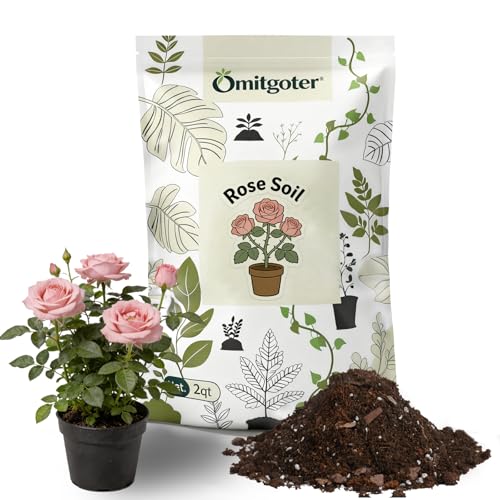
Omitgoter Rose Soil Potting Soil 1qt- Natural
Peat, coconut coir, perlite, bark, and humus make a ready-to-use mix for growers who want a small bag for a pot.
-
Best For Slow-release feeding

Perfect Plants Specialty Rose Soil, 4 qt,
Composted pine bark, granite sand, and slow-release fertilizer suit rose growers who want a larger bag with feeding included.
Top 5 Potting Soils for Mini Roses at a Glance
Start with Omitgoter if you need a ready-to-use, small-bag rose mix, or look at Perfect Plants if you want a larger quantity with slow-release fertilizer. The remaining choices range from another small rose blend to mixes aimed at desert roses or general indoor plants, so the key difference is how closely each bag matches a mini rose’s needs.
| Product image | Product name | Check product |
|---|---|---|
| 1 |
Omitgoter Rose Soil Potting Soil 1qt- Natural | Check Price |
| 2 |
Perfect Plants Specialty Rose Soil, 4 qt, | Check Price |
3 |
Doter Organic Rose Soil Mix, Indoor Plants | Check Price |
4 |
Soil Sunrise Desert Rose Potting Soil Mix | Check Price |
5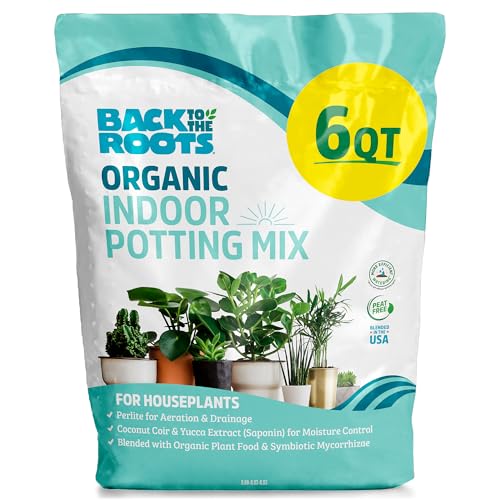 |
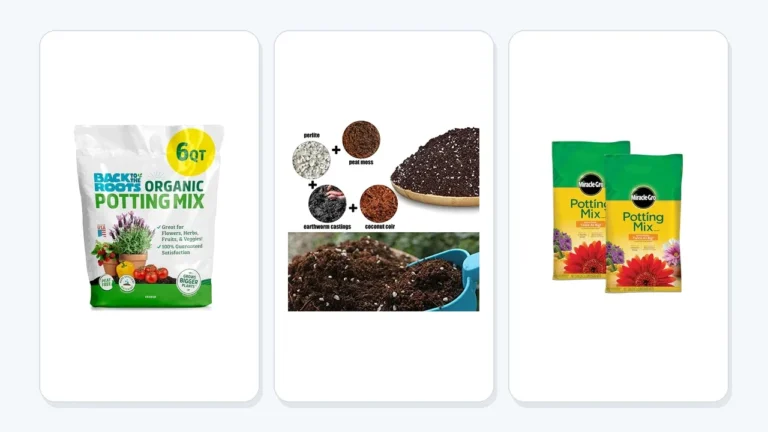
Back to the Roots Organic Indoor Potting | Check Price |
5 Best Potting Soils for Mini Roses: Detailed Reviews
When I chose the best potting soil for mini roses, I paid attention to ingredients that support drainage, how much moisture a mix is meant to retain, and whether the bag already includes fertilizer. Those details can help you avoid soggy roots, frequent watering, and accidental overfeeding.
The choices here cover small ready-to-use bags, a rose mix with slow-release fertilizer, a desert-rose blend, and general indoor potting soil. Looking at them side by side helps you spot the difference between a purpose-made rose mix and a soil that may need closer checking before you put a mini rose in it.
1. Omitgoter Rose Soil Potting Soil 1qt- Natural
Peat, coconut coir, perlite, bark, and humus make a ready-to-use mix for growers who want a small bag for a pot.
- Size1qt
- ColorRose Soil
- WeightNot listed; check details
- DimensionsNot listed; check details
Omitgoter Rose Soil is a small ready-to-use mix for someone planting or repotting a mini rose in a container. Its listed ingredients include peat, coconut coir, perlite, bark, and humus, so you can see what is meant to create a loose, moisture-holding blend rather than guessing from a vague bag label.
Perlite is a lightweight, porous material mixed into soil to leave small air spaces and help excess water move through. In a pot, that can reduce the chance of the roots sitting in wet mix after watering, especially if you tend to water generously. Coconut coir helps the mix retain some moisture, which can give you a little more breathing room between checks without making the soil behave like a puddle.
The maker describes this soil as having long-lasting nutrients and says it is ready to use without extra mixing. That is convenient when you are repotting one small plant, though the bag does not give a nutrient analysis or a specific feeding schedule here. The 1qt size is also modest, so check how much your pot needs before ordering; a large container may take more than one bag.
Pros:
- Perlite supports drainage and air space around roots.
- Coconut coir helps hold moisture between waterings.
- Bark and humus are included in the blend.
- Ready to use without a separate mixing step.
- Indoor and outdoor use is listed.
Cons:
- The 1qt bag may not fill a larger pot.
- No fertilizer analysis is stated in the available details.
- The feeding interval is not specified on the product information here.
Buy it if: you are potting one small rose and want a ready-to-use mix with listed drainage ingredients.
Skip it if: you need several quarts for a roomy container, because this 1qt bag may run short, and a larger-volume potting mix would suit you better. For another fit, consider Perfect or Doter.
I’d pick Omitgoter when convenience and a clearly listed ingredient blend matter more than buying a large bag. The combination of coir and perlite points toward a useful balance of moisture retention and drainage for a container plant. I’d still check the bag’s care directions and estimate your pot’s volume before checkout, since the small size is the main practical limitation.
It makes the most sense for someone refreshing one small rose pot.
2. Perfect Plants Specialty Rose Soil, 4 qt,
Composted pine bark, granite sand, and slow-release fertilizer suit rose growers who want a larger bag with feeding included.
- Size4qt
- Color8 Qt
- WeightNot listed; check details
- DimensionsNot listed; check details
Perfect Plants Specialty Rose Soil is a rose-focused mix for someone who wants fertilizer included and needs more than a single quart. The listed ingredients include composted pine bark, granite sand, and peat, while the product details describe an 18-6-8 slow-release fertilizer and feeding for 12 months.
Slow-release fertilizer is plant food designed to dissolve gradually rather than all at once. The seller says watering helps release nutrients over time, which may spare you from adding fertilizer right after repotting. For a beginner, that can simplify early care, but it also means you should read the bag directions before adding more fertilizer on top.
The pine bark and granite sand are described as helping drainage and aeration, while peat is part of the mix. Those ingredients offer a useful starting point for a container rose, where water should pass through rather than collect around the roots. The 4qt size gives you more mix than the first pick, though you should still compare the bag quantity with the volume of your pot.
The fertilizer duration is a product claim, not a reason to ignore the label or the plant’s condition.
Pros:
- Composted pine bark and granite sand support drainage.
- 18-6-8 slow-release fertilizer is included.
- The product describes feeding for 12 months.
- Rose-focused formula is listed for different rose types.
- 4qt size provides more mix than a 1qt bag.
Cons:**
- Included fertilizer may be more than you want in a fresh potting mix.
- The directions should guide any additional feeding.
- A 4qt bag may still be too small for several large containers.
Buy it if: you want a rose-specific mix with slow-release fertilizer already included, because it can simplify feeding after repotting.
Skip it if: you prefer to control every fertilizer application yourself, because the included feed is part of the blend, and an unfertilized potting mix would suit you better. Omitgoter and Doter are worth a closer look instead.
What I like about Perfect Plants is that it makes the feeding decision easier at the start, and the ingredients are clearly named. The combination of pine bark and granite sand also gives a beginner a reason to expect a more open mix than plain garden soil. Check the fertilizer directions carefully before adding any other plant food, and confirm that 4qt is enough for your pot.
This is a sensible pick for a rose grower who wants the mix and feeding plan bundled together.
3. Doter Organic Rose Soil Mix, Indoor Plants
The catalog lists ✅【Optimized pH Level】Our Rose Soil Mix is perfectly balanced with a pH level that roses love, typically betwee. Compare fit and care needs before choosing.
- Size1qt
- Colorblack
- WeightNot listed; check details
- DimensionsNot listed; check details
Doter Organic Rose Soil Mix is a small rose-labeled blend for someone who wants a compact bag and is willing to inspect the details before potting. Its feature text describes coarse sand and perlite for drainage, organic matter for nutrients, and a stated pH range of 6.0 to 6.5.
pH describes how acidic or alkaline a growing mix is, which affects how easily a plant can take up nutrients. Doter lists a range of 6.0 to 6.5, so a buyer who pays attention to soil acidity has a clear figure to check against the bag. The available details do not say whether every bag is tested to that range, so treat it as a stated product feature rather than a guarantee for each package.
The mix also names coarse sand and perlite, which can help water drain and leave air around the roots. That matters in a small rose pot because a dense, wet root zone can be hard to correct once the plant is settled in. The product says it contains compost and other organic materials, but it does not name every ingredient or provide a fertilizer ratio.
Its 1qt size is best considered for a small pot or a limited repotting job, not a large container project.
Pros:
- The stated pH range is 6.0 to 6.5.
- Coarse sand and perlite are listed for drainage.
- Organic matter is included for nutrient support.
- The blend is labeled for potted roses.
- The compact bag is manageable for a small repotting job.
Cons:
- The 1qt size may not cover a large container.
- A fertilizer analysis is not stated in the available details.
- The full ingredient list is not provided here.
- The stated pH range may need confirmation on the package.
Buy it if: you want a small rose mix with a stated pH range and listed drainage ingredients.
Skip it if: you need a full ingredient breakdown or a larger supply, because those details are limited here, and a clearly sized general container mix would suit you better. If those trade-offs rule it out, Omitgoter or Perfect may suit you better.
I’d consider Doter when the stated pH range and compact quantity match what you need. Coarse sand and perlite are useful details for a potting mix because they speak directly to water movement and root air space. My hesitation is that the details leave questions about the complete ingredient list and fertilizer strength, so read the package carefully before deciding.
This blend is most appropriate for a grower comfortable checking those points on the bag.
4. Soil Sunrise Desert Rose Potting Soil Mix
The catalog lists 100% Natural: Special custom blend for the “Desert Rose” plant (Adenium Obesum) ; no artificial ingredients. Compare fit and care needs before choosing.
- Size8 Quarts
- ColorBrown
- Number Of Items1
- WeightNot listed; check details
Soil Sunrise Desert Rose Potting Soil is made for desert roses, also called Adenium, rather than ordinary miniature roses. It lists peat moss, horticultural perlite, coconut coir, sand, and lime, with aeration, drainage, and nutrient retention as its intended benefits.
That distinction is important: a desert rose is a different kind of plant from a mini rose, despite the shared word rose. The desert-rose mix is presented for Adenium and also for succulents and cacti, which suggests a blend aimed at plants with different moisture needs from a typical potted rose. Its sand and perlite can help water move through the pot, but that alone does not make the blend the right match for every rose variety.
The listed size is 8 quarts, enough according to the product details for a big 12-inch pot. That is a much larger amount than the two small rose mixes above, which may suit someone filling a larger container, but the plant-type mismatch deserves attention first. A regular mini rose may need a mix that holds moisture differently, so do not buy this bag just because the name contains rose.
Check the label and your plant’s identification before using it.
Pros:
- The 8-quart quantity suits a larger potting job.
- Perlite and sand are listed in the blend.
- Coconut coir is included to help retain moisture.
- The product is explicitly intended for desert roses.
- Succulents and cacti are also listed as uses.
Cons:
- The blend is intended for desert rose, not standard mini roses.
- The product description does not provide a fertilizer analysis.
- The larger bag may be more than one small pot needs.
Buy it if: you are potting an Adenium desert rose and want a larger blend with listed sand and perlite.
Skip it if: your plant is a standard miniature rose, because the intended plant type is different, and a rose-specific container mix would suit you better.
To me, the best reason to consider Soil Sunrise is its clear purpose and larger bag, not the word rose on the front. That purpose also makes it a cautious choice for this particular roundup: a desert rose is not simply a small version of a garden rose. Confirm your plant’s identity before buying, and read the package instructions for the intended use.
Choose this mix only when you are actually growing the desert-rose type named on the bag.
5. Back to the Roots Organic Indoor Potting
The catalog lists Includes 6qt of Back to the Roots Indoor Potting Mix. Our Potting Mix contains organic yucca extract that aids. Compare fit and care needs before choosing.
- Size6 Quart
- ColorIndoor Potting Mix
- Release Date2023-01-01T00:00:01Z
- Number Of Items1
Back to the Roots Organic Indoor Potting Soil is a general indoor plant mix for someone who wants a larger bag for houseplants, not a blend specifically made for mini roses. The feature details describe a 6-quart, peat-free mix with yucca extract, mycorrhizae, and dolomitic limestone.
Mycorrhizae are beneficial fungi that can grow in partnership with plant roots and help with nutrient uptake. The product says this component supports root development, so it may be a useful feature in a general indoor mix. The listing also says yucca extract helps the soil retain moisture, which may mean less rapid drying, but a rose still needs a pot that drains well and watering based on the actual soil condition.
The seller describes the mix as peat-free and says it is made without bark or compost. That may appeal to someone seeking a specific ingredient profile for indoor use, though it does not make the mix automatically ideal for a rose. The available details do not name a rose-specific fertilizer ratio or drainage ingredient such as perlite.
For a mini rose, check the package for drainage guidance and make sure the soil does not stay wet for too long before committing to the full 6-quart bag.
Pros:
- The 6-quart bag gives you more soil for indoor plants.
- Yucca extract is listed to help retain moisture.
- Mycorrhizae are included for root and nutrient support.
- The blend is described as peat-free.
- Dolomitic limestone is listed for pH balance.
Cons:
- This is general indoor potting soil, not a rose-specific mix.
- The available details do not name a drainage ingredient.
- A fertilizer ratio for roses is not stated.
- The 6-quart bag may be more than one mini rose needs.
Buy it if: you need general indoor soil for several houseplants and have checked that its drainage suits your rose pot.
Skip it if: you want a mix designed around rose drainage and feeding, because this blend is aimed at indoor plants broadly, and a rose-specific potting mix would suit you better.
I’d put Back to the Roots in the maybe pile for a mini rose, not at the top of the rose-specific choices. The larger bag and named moisture-related ingredients could be useful, but the general indoor-plant focus means you need to verify drainage before planting. Check the package details and your pot’s drainage holes rather than assuming the word organic answers the practical questions.
This soil is a better match for someone already buying indoor mix for several plants.
How to Choose the Best Potting Soil for Mini Roses
The best potting soil for mini roses holds some moisture while letting extra water drain away. Start by checking the mix ingredients, your pot’s drainage, and whether fertilizer is already included, then match the bag size to your container.
Drainage and air space
Drainage is the movement of extra water through the pot and out of its holes. A mix that stays heavy and wet can leave roots short of air, while a very fast-draining blend may dry before you notice. Look for ingredients such as perlite, coarse sand, or bark when the bag describes them as part of the mix, and use a pot with at least one open drainage hole.
A useful sign is water leaving the pot after a thorough watering rather than pooling on the soil surface for a long time. If water runs out immediately and the root ball dries unusually fast, check whether the mix is too coarse or the pot is too small. The goal is not to keep a rose constantly damp; it is to let the mix drain and then water again when the surface begins to dry.
For a broad overview of flowering-plant mixes, potting soils for flowers can help you compare the general purpose of container blends with rose-specific mixes. Keep the plant in mind, though: a bag intended for a flower bed may not behave the same way in a small pot.
Moisture retention
Moisture retention is how much water the mix holds after the excess has drained. Peat and coconut coir are common ingredients that hold moisture, while perlite and coarse materials can open the mix and help water pass through. A good balance means you are not watering every few hours, but the roots are not sitting in a saturated pot either.
There is no single watering interval that fits every mini rose. Sun, wind, pot material, room temperature, and root size all change how quickly a container dries. Use the soil itself as your guide: press a finger gently into the top inch, and water when that layer feels dry rather than following a rigid calendar.
Fertilizer already in the bag
Some potting mixes include fertilizer, while others leave feeding up to you. Check the package for a nutrient analysis, a feeding duration, and directions for adding more plant food. If a mix says it feeds over time, do not assume an extra dose at planting will help; too much fertilizer can stress roots and produce leafy growth without the result you wanted.
For example, Perfect Plants describes an 18-6-8 slow-release fertilizer and a 12-month feeding period. Treat those as package directions to verify, not as a cue to add another fertilizer on a set schedule. If you would rather control every feeding yourself, choose a mix whose label makes that option clear.
Pot size and bag quantity
Choose the soil volume based on the pot you will fill, not just the plant’s small top growth. A mini rose may have a compact canopy while still needing room for its root ball and fresh mix around the sides. A 1qt bag is a small amount; compare the bag size with the container volume before you begin, and remember that a pot filled to the rim can spill during watering.
Use a pot with drainage holes and enough room for the roots without moving straight into an oversized container. Too much unused, wet soil around a small root system can take longer to dry. For container roses, a modest step up from the existing root ball is usually easier to manage than a dramatic jump in pot size.
If your project involves a suspended container instead of a small tabletop pot, hanging basket soil guidance explains why weight and water retention deserve extra attention in that setup. A hanging basket can dry differently from a pot sitting on a patio, so check its mix and watering needs after installation.
Match the mix to the rose
Read the plant name carefully before buying soil. A miniature rose is not the same plant as an Adenium desert rose, and a desert-rose mix may be made for very different watering needs. The Soil Sunrise bag in this roundup is explicitly aimed at desert roses, succulents, and cacti, so it is not the first choice for a standard mini rose.
A rose-labeled mix can be a straightforward starting point, but the label alone is not enough. Check what ingredients it contains, whether nutrients are included, and how much is in the bag. If you grow a shrub rose in the ground rather than a mini rose in a container, soil for rose bushes addresses a different growing situation and may answer questions about garden beds.
How to Use Potting Soil for Mini Roses for the Best Results
Use fresh container mix in a pot with drainage holes, settle the rose at the right height, and water thoroughly after planting. Let extra water escape, then adjust future watering to how quickly the soil dries in your home or outdoor spot.
First, check the rose’s tag and inspect the roots if you are repotting. Remove loose old soil only when it comes away easily, and avoid pulling hard on healthy roots. If the plant is newly purchased, let it adjust to its new conditions before making several changes at once, unless the current pot is damaged or waterlogged.
Choose a clean pot with open drainage holes. The new container should leave enough room for the existing root ball and fresh soil, but it does not need to be enormous. If the holes are covered with a solid saucer or blocked by debris, water may not escape even when the mix is loose.
Add enough soil to raise the root ball to a similar height to its previous position. Set the rose in the center, then fill around the sides in small handfuls. Press gently to remove large air gaps, but do not pack the mix down hard; roots need air, and tight soil can slow water movement.
After planting, water slowly until moisture reaches through the root zone and excess begins to drain from the bottom. Empty standing water from a saucer rather than leaving the pot sitting in it. That simple step helps prevent the lower soil from staying waterlogged long after the surface looks dry.
Place the pot where the rose can receive the light recommended on its plant tag, and pay attention to heat and wind. A sunny patio can dry a small pot much faster than a sheltered room. Check the top inch of soil daily during the first week so you learn how quickly the new mix dries, then adjust the frequency to the actual conditions.
If your plant is a Knock Out rose rather than a mini rose, the growing habit and container needs may differ; soil choices for Knock Out roses focus on that separate rose type. Use the tag to identify the variety before applying advice meant for another rose.
How to Make Your Mini Rose Potting Soil Last Longer
Potting mix lasts longer when you avoid compaction, keep drainage holes open, and refresh it when the plant or soil shows a real need. Do not keep topping up a pot forever if the mix has broken down or the roots have filled the container.
Check the drainage holes every few weeks, especially if the pot sits outdoors where leaves or debris can block them. Remove fallen petals and leaves from the soil surface before they soften and collect around the stem. Keep the saucer clean, and do not let runoff sit under the pot for long periods.
Water gently over the soil rather than blasting it with a strong stream. A hard pour can push fine particles into a dense layer or expose roots near the surface. If water begins running down the pot’s sides without soaking the center, apply it in a few slower passes so the mix has time to absorb moisture.
Avoid stepping on or compressing loose potting mix while handling the container. A packed surface can make it harder for water to enter evenly and reduce air spaces in the root zone. If the surface becomes crusted, loosen only the top layer gently, taking care not to disturb the rose’s roots.
Check the plant’s growth and root space at least once each growing season. If roots circle tightly around the root ball, emerge from drainage holes, or the mix dries much faster than before, the rose may need fresh soil or a slightly roomier pot. Do not repot only because the top of the mix has settled by a small amount.
Follow the fertilizer label rather than adding plant food whenever leaves look pale. Too much fertilizer can harm roots, and pale leaves can have several causes, including watering or light problems. If the mix includes slow-release feed, note the stated duration and reassess before applying anything else.
Store unused soil sealed in a dry place, away from rain and standing water. Keep it in its original packaging when possible so the name and care directions stay available. If the bag gets wet or the mix develops an unusual odor or visible growth, check the packaging directions before using it around a small rose.
Common Mistakes to Avoid When Buying and Using Mini Rose Potting Soil
A few easy-to-miss choices cause most beginner trouble: buying the wrong kind of rose mix, ignoring drainage, or using fertilizer without checking the label. Fix those points before planting, and the rest of care gets easier to read.
- Treating desert rose as the same plant as mini rose: These are different plant types. Check the plant tag and choose soil for the plant you actually have.
- Using a pot without drainage holes: Extra water has nowhere to go. Choose a pot with open holes and empty its saucer after watering.
- Choosing by the word organic alone: The label does not tell you how quickly the mix drains or whether it contains fertilizer. Read the ingredient and care details.
- Buying too little soil: A small bag may not fill your pot. Estimate the container’s needs before opening the package, and avoid starting a repotting job without enough mix.
- Adding fertilizer on top of slow-release feed: Extra nutrients can stress roots. Check the bag’s feeding duration and follow its directions before adding another product.
- Watering on a fixed weekly schedule: A sunny or windy pot can dry faster than a sheltered one. Check the soil surface and water when it begins to dry.
- Packing the mix firmly around roots: Compacted soil can limit air spaces and slow drainage. Settle the mix with a gentle tap rather than pressing hard.
- Using a large container for a very small root ball: A large volume of unused soil may stay wet for too long. Pick a pot only modestly larger than the root ball.
- Assuming all rose soils suit rose cuttings: Cuttings have different needs from established potted plants. For propagation, read potting soil for rose cuttings before choosing a mix for new roots.
How to Set Up Potting Soil for Mini Roses
A simple repotting setup takes a clean pot, fresh mix, a way to catch runoff, and a little patience. Get the pot and soil ready before removing the rose from its old container, so exposed roots are not left waiting while you look for supplies.
- Confirm the plant type. Read the tag to make sure it is a miniature rose, not an Adenium desert rose. The shared name can lead to a mix-up at the soil shelf.
- Choose a pot with drainage holes. Check that the openings are not blocked by dirt or a solid insert. A decorative outer pot can hold the nursery pot, but empty water from the outer container.
- Estimate the soil amount. Compare the new pot’s size with the bag’s quart amount before starting. Small bags can be surprisingly quick to empty.
- Read the soil label. Check whether fertilizer is included, what the mix is intended for, and whether the package gives watering advice. This matters most with a slow-release formula.
- Add a base layer of mix. Put enough soil in the bottom to keep the root ball near its previous planting height. Avoid burying the stem deeper than it was before.
- Set the rose and fill around it. Hold the plant upright while adding mix around the root ball. Use your fingers to guide soil into gaps without pressing it into a hard mass.
- Water slowly and let it drain. Apply water until it reaches the root zone and excess comes out below. Empty the saucer so the container does not sit in runoff.
- Check the mix over the next few days. Feel the top inch and note how quickly it dries in the rose’s new location. A small pot on a sunny patio may need closer checks than one in a sheltered spot.
Common Questions About Potting Soil for Mini Roses
What potting soil is best for mini roses?
A loose container mix that drains well while holding some moisture is a practical starting point for mini roses. Look for clearly listed ingredients such as perlite, bark, coarse sand, peat, or coconut coir, then check whether fertilizer is included. The pot also needs drainage holes, since even a suitable mix can stay too wet in a sealed container.
Can I use regular potting soil for a mini rose?
Yes, a general-purpose potting mix may work if it drains well and is suitable for container plants. Check the ingredients, moisture guidance, and fertilizer details before planting, since general mixes vary. Avoid using heavy garden soil in a pot, and do not assume a mix made for desert roses will suit an ordinary miniature rose.
How often should I water a mini rose in a pot?
Water when the top inch of soil begins to feel dry, rather than following a fixed weekly schedule. Sun, wind, room temperature, pot size, and soil ingredients all affect drying time. Water thoroughly, let excess drain out, and empty the saucer so the roots are not left standing in runoff.
Does mini rose potting soil need fertilizer?
A mini rose needs appropriate nutrients, but you may not need to add fertilizer immediately if the potting mix already contains slow-release feed. Read the package for its nutrient details and stated feeding period before adding more. If the mix has no fertilizer information, follow a rose-appropriate feeding product’s label rather than guessing a dose.
Can I use desert rose soil for miniature roses?
Usually, a mix intended for desert roses is not the first choice for a standard mini rose. Desert roses, or Adenium, are different plants with different moisture needs, and some blends are also intended for succulents and cacti. Check the plant tag and the soil package so the word rose does not lead you to the wrong mix.
How much potting soil does a mini rose need?
The amount depends on the pot’s size and how much room the root ball needs, so check the container and the bag volume before repotting. A 1qt bag is a small quantity and may not fill a larger pot. Choose a container only modestly larger than the root ball, and keep the rose near its previous planting depth.
Make the Soil Choice Before You Start Repotting
Before buying, match the bag to the plant tag, confirm the pot has drainage holes, and check whether the mix already contains fertilizer. Then compare the soil volume with your pot and set out everything you need before lifting the rose from its current container.

I’m Maya L. Greenwood, a lifelong plant lover who believes anyone can grow something beautiful with the right guidance. After years of testing soil mixes, pruning methods, irrigation tricks, and pest-safe solutions, I started EasyGardenTips.com to turn hard-won lessons into step-by-step advice. From seed starting and container gardens to composting and seasonal checklists, my goal is to make gardening simple, sustainable, and fun.