5 Best Potting Soil for Wandering Jew: Mixes for Colorful Growth
Buy the wrong potting soil and the roots can stay wet long after watering, leaving the stems limp while the pot still feels heavy. A mix that dries too quickly can be just as frustrating, since you may find yourself watering again before the plant has had time to settle in. The wrong bag can also leave you with far more soil than one small repot needs.
For this colorful trailing plant, the main job of a mix is to hold some moisture without leaving roots in a soggy pot. A container with drainage holes matters just as much; even a well-draining soil cannot rescue roots sitting in water at the bottom. Bag size also deserves a glance, because a four-quart bag makes more sense for one small pot than a large outdoor blend.
Here’s what to look at before you choose:
- How indoor and outdoor mixes differ for this plant.
- What ingredients tell you about moisture and drainage.
- How much soil a repot is likely to take.
- Simple steps for filling, watering, and caring for a pot.
Quick Picks
-
Best For Outdoor Container Use

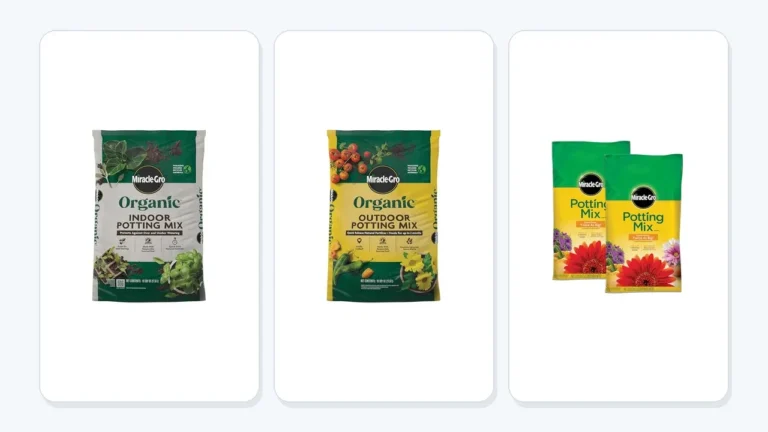
Miracle-Gro Organic Outdoor Potting Mix, 16 qt.
A 16-quart outdoor mix with fertilizer feeding for up to two months suits gardeners filling patio containers.
-
Best For Indoor Moisture Balance
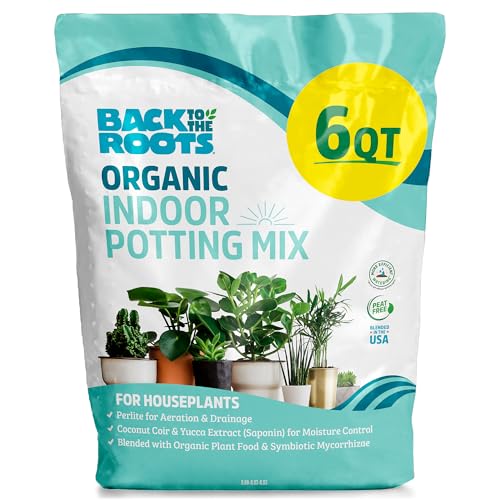
Back to the Roots Organic Indoor Potting
Peat-free indoor mix with yucca extract helps hold moisture, while mycorrhizae support roots in houseplant pots.
Top 5 Potting Soils for Wandering Jew at a Glance
Start with the Back to the Roots indoor mix if your plant lives inside and you want a peat-free blend with ingredients described for moisture retention and root support. The Miracle-Gro mix is the largest option here and is labeled for outdoor containers, while the other three bags are smaller, indoor-focused blends with different ingredients and drainage approaches.
| Product image | Product name | Check product |
|---|---|---|
| 1 |
Miracle-Gro Organic Outdoor Potting Mix, 16 qt. | Check Price |
| 2 |
Back to the Roots Organic Indoor Potting | Check Price |
3 |
Rosy Soil Houseplant Potting Soil, Organic Indoor | Check Price |
4 |
Grow Queen Craft Houseplant Potting Mix, Organic | Check Price |
5 |
Gardenera Premium House Plant and Tropical Plant | Check Price |
5 Best Potting Soils for Wandering Jew: Detailed Reviews
When I chose the best potting soil for wandering jew, I focused on the intended setting, how each mix handles moisture, the ingredients that shape drainage, and how much soil comes in the bag. Those details help you avoid a poor match for the room or container and make it easier to judge whether the mix suits your watering routine.
The options range from a 16-quart outdoor container blend to small indoor mixes with bark, pumice, biochar, peat, or worm castings. Looking at them side by side makes the main trade-offs clearer: an indoor label does not automatically mean the mix will suit every pot, and a small bag may be less wasteful but run short during a bigger repot.
1. Miracle-Gro Organic Outdoor Potting Mix, 16 qt.
A 16-quart outdoor mix with fertilizer feeding for up to two months suits gardeners filling patio containers.
- Size16QT
- Colorbrown
- Number Of Items1
- COVERAGEOne 16 qt. bag of Miracle-Gro Organic Outdoor Potting Mix fills one 12-inch pot with garden soil for containers (am
Miracle-Gro Organic Mix is an outdoor container potting mix for someone planting the inch plant outside or filling more than one patio pot. The bag contains 16 quarts, and the maker says that amount fills one 12-inch pot, though the root ball changes how much room the plant takes up.
The mix includes a quick-release natural fertilizer and is described as feeding plants for up to two months. That means you may not need to add fertilizer immediately after planting, but it does not mean the soil is a complete long-term feeding plan. Keep the feeding directions on the package in mind rather than adding extra plant food out of habit.
The mix is made with responsibly sourced peat, according to the product description. Peat is a moisture-holding ingredient, which can be useful when a container dries quickly outdoors, but how long a pot stays damp also depends on the weather, pot material, and drainage holes. This bag is explicitly intended for outdoor containers, so I would not assume it is the easiest indoor choice for someone still learning how often to water.
Pros:
- 16-quart bag, enough for a larger container or several smaller jobs.
- Outdoor container use, suited to patio planting.
- Quick-release fertilizer, feeds plants for up to two months.
- Coverage guidance, gives you a rough starting point for one 12-inch pot.
- Peat from certified producers, as described by the maker.
Cons:
- Outdoor focus, not the most targeted choice for an indoor shelf plant.
- Larger bag, may leave more soil than one small repot needs.
- Peat-based mix, may not suit shoppers seeking a peat-free blend.
Buy it if: you’re planting in an outdoor container, because the larger bag is intended for that setting and includes fertilizer.
Skip it if: you’re repotting one small indoor plant and want a peat-free blend, because this outdoor mix may be more soil than you need. For another fit, consider Back or Rosy.
I’d keep Miracle-Gro Organic Mix in the running for an outdoor pot where you want a straightforward, larger bag. Its fertilizer and stated container use give a beginner a useful starting point, without needing to guess what the mix is meant for. Before buying, check the package directions and make sure the bag size fits your job.
It makes the most sense for someone planting outdoors, not someone who only needs a little soil for a windowsill pot.
2. Back to the Roots Organic Indoor Potting
Peat-free indoor mix with yucca extract helps hold moisture, while mycorrhizae support roots in houseplant pots.
- Size6 Quart
- ColorIndoor Potting Mix
- Release Date2023-01-01T00:00:01Z
- Number Of Items1
Back to the Roots Indoor Mix is an indoor potting blend for someone growing the inch plant as a houseplant. The bag contains 6 quarts, a handy size to consider for a modest repot, though the plant’s root ball and the number of containers will affect how far it goes.
The mix contains organic yucca extract, which the maker says helps retain moisture in the soil. In plain terms, a moisture-holding ingredient can help a pot avoid drying out too quickly between waterings, though it cannot tell you when the plant needs water. Check the soil itself instead of watering on a strict calendar, since room warmth and light change how fast a pot dries.
Back to the Roots also lists mycorrhizae, beneficial fungi that can live around roots and support nutrient uptake. That ingredient is intended to support root development, but it is not a substitute for a pot with drainage or sensible watering. The blend is described as peat-free and made without bark or compost, details that may appeal to indoor growers who want to consider both the ingredients and the chance of bringing common compost-associated pests indoors.
The seller’s safety wording is not a reason to let children or pets eat potting mix; store it out of reach.
Pros:
- Indoor potting mix, intended for houseplants.
- Peat-free blend, suits growers avoiding peat-based mixes.
- Yucca extract, helps retain moisture in the soil.
- Mycorrhizae included, supports root development and nutrient uptake.
- 6-quart bag, a manageable amount for a smaller repot.
Cons:
- 6-quart size, may not cover several large pots.
- Moisture retention, still calls for checking soil before watering.
- No bark or compost, may not match a grower seeking those ingredients.
Buy it if: you’re repotting an indoor inch plant and want a peat-free mix, because yucca extract helps retain moisture.
Skip it if: you’re filling a run of large outdoor pots, because the 6-quart indoor bag is not meant for a bulk planting job. Miracle and Rosy are worth a closer look instead.
What I like about Back to the Roots Indoor Mix is that it has a clear indoor purpose and names ingredients that matter to a beginner’s watering routine. Mycorrhizae and yucca extract give you specific things to consider rather than a vague promise of plant health. I’d check the package’s directions and the amount you need before ordering, since six quarts can go quickly with multiple pots.
This is the first one I’d consider for an indoor plant when peat-free is part of the brief.
3. Rosy Soil Houseplant Potting Soil, Organic Indoor
The catalog lists ORGANIC INDOOR POTTING SOIL, MADE WITHOUT PEAT: Biochar, worm castings, mycorrhizae, compost, and bark fines r. Compare fit and care needs before choosing.
- Size4 Quarts
- ColorHouseplant
- Number Of Items1
- WeightNot listed; check details
Rosy Soil Houseplant Mix is a small indoor blend for someone who wants an ingredient-rich potting soil for an inch plant or another tropical houseplant. The bag contains 4 quarts, and the product description says it fills two to three medium pots, depending on pot size and root balls.
Its listed ingredients include bark fines, sand, charged biochar, worm castings, compost, and mycorrhizae. Bark fines are small pieces of bark that leave more open spaces in a mix, while sand and biochar also contribute to the blend’s structure. In practical terms, those ingredients are intended to let water move through instead of leaving the soil dense and packed; still, the pot’s drainage holes and your watering habits matter just as much.
Worm castings are material made from earthworm waste and are used as an organic soil amendment. The maker says the mix contains no synthetic fertilizers and no peat, which may suit a grower looking for those characteristics. Rosy Soil also says the biochar helps resist compaction, but no potting mix stays in ideal condition forever, so watch how the soil behaves as the plant grows.
The bag is resealable, a useful detail if you plan to store leftovers between repots.
Pros:
- 4-quart bag, sized for a small repotting project.
- Bark fines and sand, contribute to an open, draining mix.
- Worm castings and mycorrhizae, included as soil amendments.
- Peat-free blend, for growers who prefer to avoid peat.
- Resealable bag, helps keep leftover mix contained.
Cons:
- Small amount, may not stretch to several large containers.
- Multiple ingredients, not the simplest blend if you prefer a short ingredient list.
- Drainage still depends on the pot, not soil ingredients alone.
Buy it if: you want an indoor blend with bark fines and worm castings, because those ingredients suit a more open, amended mix.
Skip it if: you need to fill several large pots at once, because four quarts may leave you short. If those trade-offs rule it out, Miracle or Back may suit you better.
I’d consider Rosy Soil Houseplant Mix when drainage and a smaller bag are both priorities. The combination of bark fines, sand, and biochar makes the blend’s intended structure easy to understand, while worm castings add another ingredient for the root zone. One thing to double-check is the quantity against your pot before you start; running out halfway through a repot is a very avoidable little mess.
It suits someone refreshing a couple of medium indoor pots, not a whole collection in one go.
4. Grow Queen Craft Houseplant Potting Mix, Organic
The catalog lists INDOOR POTTING SOIL MADE FOR HOUSEPLANTS: A premium potting soil for indoor plants that replaces dense, generi. Compare fit and care needs before choosing.
- Size2 quarts
- Number Of Items1
- PICK YOUR SIZEChoose a small bag (2 or 4 quart) for a single repot or a large bag (8 or 12 quart) for a full plant shelf. Same cr
- WeightNot listed; check details
Grow Queen Houseplant Mix is a 2-quart indoor potting blend for someone doing one small repot or planting a cutting. The mix is described as chunky and pre-moistened, which may be useful if dry potting soil is difficult to wet evenly before planting.
Douglas fir bark, lava rock, and pumice create the blend’s chunky structure. Pumice and lava rock are porous mineral pieces; bark and those larger particles can leave gaps for air and water to move through. That structure is intended to drain quickly and resist compaction, which can help when you tend to water too often, but it also means you should keep an eye on how quickly the pot dries in your home.
The mix also includes worm castings and charged biochar, which the maker describes as ingredients that support the root zone and hold water and nutrients. It is listed as peat-free and perlite-free. Those are useful ingredient details if you are choosing a mix based on what it contains, but they do not establish how well a specific plant will grow in your particular room.
Since the bag is only 2 quarts, check the amount needed before opening it; a chunky mix can take up space in the pot without the same volume of fine soil.
Pros:
- 2-quart bag, useful for a single small repot or cutting.
- Pre-moistened mix, ready to use according to the maker.
- Bark, pumice, and lava rock, create a chunky structure.
- Peat-free and perlite-free, clearly stated ingredient exclusions.
- Worm castings and biochar, included in the blend.
Cons:
- Small bag, unlikely to cover a large container or many plants.
- Chunky structure, may dry faster in a warm, bright room.
- Pre-moistened soil, still needs a drainage pot and careful watering.
Buy it if: you’re repotting one small houseplant and want a chunky blend, because bark, pumice, and lava rock create open spaces.
Skip it if: you want one bag to refresh a full shelf of plants, because the 2-quart size is intended for a small job.
To me, Grow Queen Houseplant Mix is the most specialized-feeling option here because the chunky ingredients are easy to identify and understand. The small size keeps the commitment modest for a single repot, and pre-moistened soil may save you the step of wetting a dry mix first. I’d check that a quick-draining blend fits your watering habits and that the quantity is enough.
Pick it for a small project where an open texture matters more than buying soil in bulk.
5. Gardenera Premium House Plant and Tropical Plant
The catalog lists 🌳 Hand Blended Potting Soil- The perfect potting soil for re-potting your house plants and tropical plants. Al. Compare fit and care needs before choosing.
- Size1 Quart
- ColorTROPICAL HOUSE PLANT POTTING MIX
- WeightNot listed; check details
- DimensionsNot listed; check details
Gardenera Tropical Mix is a 1-quart potting blend for someone making a very small repot or topping up a small container. The listed ingredients are peat moss, perlite, worm castings, and lime, and the maker describes the mix for indoor and tropical houseplants.
Perlite is a lightweight mineral material often added to potting soil to create air spaces and help water drain. In a small pot, that can make the mix less dense than plain garden soil, which is important because ordinary yard soil can pack down in a container. Worm castings are included as a soil amendment, while lime is part of the ingredient list; the product information does not give a pH number, so don’t assume a particular acidity level.
The maker says the blend has no added fertilizers. That may appeal if you want to choose any feeding routine separately, but it also means you should not expect a fertilizer supply from this bag based on the stated ingredients. With only one quart, Gardenera is a niche-size choice rather than a practical refill for several pots.
Match the amount to your container before opening the bag, and remember that a small bag can be handy for a cutting but frustrating for a full repot.
Pros:
- 1-quart bag, suited to a tiny planting task.
- Perlite included, helps create air space in the mix.
- Worm castings included, add a soil amendment.
- No added fertilizers, as described by the maker.
- Intended for tropical houseplants, including indoor repotting.
Cons:
- Very small amount, not suited to several ordinary-sized pots.
- Peat-based ingredients, not a peat-free option.
- No added fertilizer, so feeding may need separate consideration.
- No pH value listed, so the lime’s effect is not quantified.
Buy it if: you’re refreshing a tiny pot or planting a small cutting, because the one-quart bag avoids buying a much larger amount.
Skip it if: you’re repotting a mature plant into a roomy container, because one quart may not provide enough soil.
I’d view Gardenera Tropical Mix as a small-task option, not a general-purpose bag for a busy repotting day. Perlite and worm castings give you a couple of clear ingredient cues, and the no-added-fertilizer detail makes the feeding question easy to plan around. Before purchasing, estimate the amount your pot will take and check whether you’re comfortable with a peat-based mix.
It makes sense for someone who needs just a little soil and already has a separate plan for plant food.
How to Choose the Best Potting Soil for Wandering Jew
The best potting soil for wandering jew should hold a little moisture while letting extra water drain through, and it should suit where the plant lives. There is no magic ingredient that makes watering mistakes impossible, so match the mix to your pot, room, and routine.
Start with indoor or outdoor use
An indoor plant and an outdoor container face different conditions. Indoor pots may dry slowly in a cool room, while sun and wind can dry outdoor containers faster. Check the bag’s intended use, then choose a mix meant for the place your plant will actually live.
Miracle-Gro Organic Mix is explicitly labeled for outdoor containers; the other options here are described for indoor houseplants.
If your plant is staying indoors, look at the houseplant soil options that are made for container growing rather than treating garden soil and potting mix as interchangeable. Garden soil can become dense in a pot and limit the air around roots. A houseplant blend is designed for containers, though ingredients and drainage still vary from bag to bag.
Think about how the mix handles water
A useful mix for a trailing tropical plant should not stay waterlogged, but it should not turn bone-dry right after watering either. Ingredient terms can give you clues: bark, pumice, lava rock, and perlite are often used to create open spaces, while peat and yucca extract can help a mix hold moisture. These are clues, not guarantees of how fast your own pot will dry.
Consider your routine honestly. If you often water before checking the soil, a very moisture-retentive blend and a pot without drainage can make overwatering more likely. If you forget to water and your room is warm, a very chunky, fast-draining mix may call for more frequent checks.
The target is a balance that you can manage, not a promise that the plant can go weeks without attention.
Check the container before choosing ingredients
A pot needs drainage holes so extra water can escape. Decorative cachepots without holes can hold a nursery pot, but water should not sit pooled in the outer container. A large pot can also hold moisture longer than a small one because it contains more soil around the roots; choosing a pot that is only modestly larger than the root ball makes watering easier to read.
The term well-draining means excess water can move through the soil rather than staying trapped around roots. It does not mean water should rush straight out before the mix gets damp. When comparing a pothos potting mix guide, the useful shared question is how the ingredients and pot work together, not whether a bag uses the same name for every tropical plant.
Match the bag size to the job
Bag size is one of the easiest ways to avoid waste. A 1-quart bag may cover a cutting or a small top-up, while a 16-quart bag makes more sense for larger outdoor containers. These are rough planning cues, not exact pot-fill formulas; root balls, pot shapes, and soil depth change the amount needed.
Before buying, measure the pot opening and height, then look for any coverage estimate on the bag. If you are only refreshing the top inch or two of soil, you need less than you would for a full repot. Buying just enough can save storage space and keep an opened bag from sitting around for months.
Read the ingredient and fertilizer details
An ingredient list helps you understand what a mix is designed to do. Peat, bark, perlite, pumice, biochar, worm castings, and mycorrhizae each suggest different blend choices, but labels alone do not prove a mix is ideal for your plant. Choose based on the balance you need and the care routine you can maintain.
Check whether the mix already includes fertilizer and how long the package says it feeds plants. Miracle-Gro’s description says it feeds for up to two months, while Gardenera’s description says it has no added fertilizer. That difference affects what you plan to do after repotting; don’t add fertilizer automatically without checking the package and the plant’s condition.
Consider the plants around it
If you own several houseplants, a bag that works for one type may not be the best match for every pot. A rubber plant, for instance, can also need a container that drains and a mix that does not stay soggy, but its pot size and watering pattern may differ from a trailing inch plant. Use the rubber plant soil advice as a reminder to compare plant needs rather than assuming one bag suits an entire collection.
The same goes for plants with different root systems or room conditions. A warm, bright window can dry soil faster than a shaded corner, and a clay pot usually loses moisture faster than a plastic one. Start with the plant’s setting and the pot, then use the mix ingredients as a guide rather than a substitute for observation.
How to Use Potting Soil for Wandering Jew for the Best Results
Use fresh potting mix in a container with drainage holes, keep the plant’s roots at their former depth, and water only after you have finished planting. A gentle, careful repot is more useful than packing in extra soil or adding fertilizer by instinct.
- Choose a pot with drainage holes that is only a little larger than the current root ball. A huge pot can stay damp longer than you expect.
- Protect your work surface and loosen the plant from its old pot. If roots are tightly circling, ease them apart gently rather than pulling hard on the stems.
- Add enough fresh mix to the new pot so the plant sits at about its old soil line. Avoid burying the lower stems much deeper than before.
- Set the plant in place and fill around the root ball. Leave a little room at the top so water does not spill over every time you water.
- Tap the pot lightly to settle the mix. Do not crush it down firmly, since tight soil can reduce the open spaces roots need.
- Water slowly until some water drains from the bottom. Empty the saucer or outer pot so the roots are not left sitting in runoff.
- Put the plant back in a suitable spot and give it time to adjust. Avoid stacking several changes, such as a new location, heavy pruning, and a fresh fertilizer dose, on the same day.
For a trailing plant, keep the stems supported while you add soil so they do not get buried or snapped. If you are repotting a plant that was already stressed, remove only loose, clearly dead material and handle healthy roots gently. Make a note of the repot date, because that makes it easier to tell whether a later change is part of adjustment or a new watering problem.
How to Make Your Potting Soil for Wandering Jew Last Longer
Store leftover mix sealed in its original bag or another clean, closed container, and keep it somewhere dry and out of reach of children and pets. Use the mix while it is still free of obvious contamination, and follow any storage or disposal directions on the package.
Keep the soil surface clear of fallen leaves and dead stems. Plant debris can stay damp and make it harder to notice pests or changes in the soil. Remove loose debris when you see it, and wipe the pot rim if soil or water leaves a mess there.
Check drainage after watering rather than assuming the holes are clear. If water pools on the soil surface or sits in the saucer, make sure the pot is not blocked and empty standing water. Don’t try to “fix” slow drainage by drilling or damaging a container unless you know it is safe to modify that pot.
A simple weekly glance is enough for most beginners: check the soil surface, look for fallen leaves, and empty water from the saucer. Water when the mix is starting to dry rather than following a fixed day count. Every few weeks, lift the pot or gently check below the surface to learn how quickly it dries in your home.
When you repot, use fresh mix around the roots instead of endlessly topping up an old pot. Soil structure changes as organic ingredients break down, and old mix can become compacted or unevenly wet. If only a small amount of soil is needed, planning carefully can also help you save on potting soil by avoiding an oversized bag that will sit unused.
Common Mistakes to Avoid When Buying and Using Potting Soil for Wandering Jew
- Choosing outdoor mix for an indoor shelf without checking the label: the intended use may not match your room or watering routine. Fix: look for the stated setting before deciding.
- Buying a bag without estimating the quantity: a tiny bag can run out mid-repot, while a large one can become leftover clutter. Fix: check pot size and bag coverage first.
- Using a pot with no drainage holes: excess water has nowhere to go. Fix: use a draining nursery pot or another suitable container, and empty the outer pot after watering.
- Watering on the same weekday regardless of conditions: soil dries at different rates in different rooms. Fix: check the mix before watering.
- Pressing soil down tightly around the roots: hard packing can reduce air spaces and make water movement less predictable. Fix: settle the mix with a light tap instead.
- Assuming chunky means impossible to overwater: even an open mix can stay wet if the pot drains poorly or water is added too often. Fix: check moisture and drain runoff.
- Adding fertilizer without reading the bag: some mixes include fertilizer while others say they do not. Fix: follow the package directions and avoid doubling up by accident.
A useful buying habit is to separate what the bag states from what you still need to observe at home. A product description can tell you ingredients, intended use, and bag size, but only your pot and room reveal the actual drying pace. That small bit of checking prevents many beginner frustrations.
How to Set Up Potting Soil for Wandering Jew
Repotting is a short setup job, but preparing the pot and work area first makes it much less messy. The key stumbling point is usually choosing a container that is far too large or forgetting that the outer decorative pot can trap water.
- Gather the pot, fresh mix, gloves if desired, and a clean work surface. Having everything ready keeps the plant’s roots from sitting out while you look for a scoop.
- Check the new pot for drainage holes. If it is a decorative pot without holes, plan to keep the plant in a draining nursery pot inside it.
- Estimate the amount of soil needed. Compare the pot’s size with any coverage note on the bag; leave a little soil aside for settling or small gaps.
- Dampen dry mix lightly if it is dusty or difficult to wet. Add water gradually rather than turning the soil into mud; skip this step if the mix is already moist and ready to use.
- Part-fill the pot and position the root ball. Set the plant at its previous depth so the stems are not unnecessarily buried.
- Fill the gaps and tap the pot gently. Resist pressing hard, especially near delicate roots.
- Water slowly and let the pot drain completely. Empty the saucer or cachepot before returning the plant to its usual place.
- Store leftover soil sealed and dry. Keep it away from pets, children, and damp storage areas, and check it before using it again.
If the root ball is much smaller than the new container, choose a smaller pot rather than filling the extra space with more soil. That helps you manage moisture and reduces the temptation to water a large volume of mix just because the surface looks dry.
Common Questions About Potting Soil for Wandering Jew
What soil is best for wandering jew indoors?
An indoor potting mix that holds some moisture but still drains is a sensible starting point. Look for a bag intended for houseplants, use a pot with drainage holes, and check the soil before watering. Ingredients such as bark, perlite, pumice, or peat can affect texture and moisture, but the whole mix and your room conditions matter.
Can I use outdoor potting mix for this plant indoors?
You can consider an outdoor mix only after checking its intended use and the package directions. Miracle-Gro Organic Mix is labeled for outdoor containers, so it is not the most targeted choice for a beginner’s indoor pot. An indoor mix gives you a clearer match for a houseplant, but you still need to monitor watering and drainage.
How much potting soil does one plant need?
The amount depends on the pot and the size of the root ball, so there is no single quart measurement for every plant. Use the bag’s coverage estimate if it has one, and compare that with your container before opening the mix. A small cutting may need very little; a full repot into a larger pot takes more.
How often should I water after repotting?
Water after planting so the new mix settles around the roots, then let excess water drain out. After that, check the soil instead of following a set schedule. Room temperature, light, pot material, and mix texture all affect drying, so a weekly calendar alone cannot tell you whether the plant needs water.
Is a chunky potting mix better for wandering jew?
A chunky mix can leave open spaces for air and water movement, but it is not automatically the best choice for every home. It may dry faster in a warm, bright room than a finer moisture-holding blend. Choose texture based on your watering habits, then watch how quickly the pot dries after you water.
How long does an opened bag of potting soil last?
There is no guaranteed shelf life here, so use the package’s storage directions and keep leftover mix sealed in a dry place. Before reusing it, check for dampness, mold, pests, or anything that looks contaminated. Do not use soil that has been sitting open outdoors or has become wet and foul-smelling.
Make Your Soil Choice Fit the Pot
Before you order, check three things: whether the bag is meant for indoor or outdoor use, whether its quantity matches your container, and whether its moisture and drainage ingredients suit your habits. Then choose a pot with drainage holes and plan to check the soil before each watering; that is the simplest practical next step.

I’m Maya L. Greenwood, a lifelong plant lover who believes anyone can grow something beautiful with the right guidance. After years of testing soil mixes, pruning methods, irrigation tricks, and pest-safe solutions, I started EasyGardenTips.com to turn hard-won lessons into step-by-step advice. From seed starting and container gardens to composting and seasonal checklists, my goal is to make gardening simple, sustainable, and fun.