5 Best Potting Soil for Hoyas: Chunky, Airy Mixes for Fuller Growth
Buy the wrong potting soil for hoyas and the roots may stay wet long after the top looks dry, leaving you guessing whether to water again. A dense mix can also make repotting messy and slow, while a bag that is much larger than your plant collection leaves you storing leftovers you may not need.
For a Hoya, the goal is not to make the pot dry out instantly; it is to give water a clear path through the mix while leaving some moisture for the roots. Ingredient size, pot drainage, and how quickly your home dries out all affect that balance, so a chunky mix is not automatically right for every watering routine.
Here’s what this guide will help you sort out:
- How to judge drainage, air space, and moisture retention in a mix.
- Which bag size makes sense for one plant or a larger collection.
- How to repot carefully and water without turning the pot into a swamp.
- What to check on each package before you buy.
Quick Picks
-
Best For Larger Repotting Jobs

Soil Sunrise Hoya Plant Potting Soil Mix
Perlite, bark, charcoal, and worm castings support drainage and moisture balance, a useful starting point when repotting several hoyas.
-
Best For Small Repotting Jobs

Doter Potting Soil Mix for Hoya 1qt,
A ready-to-use 1-quart blend offers a small quantity for one Hoya repot, helping you avoid a large leftover bag.
Top 5 Potting Soils for Hoyas at a Glance
Soil Sunrise is the natural first look if you want a larger bag with named ingredients, while Doter and rePotme offer smaller amounts for a single plant or a small refresh. Grow Queen and Forbidden Cereal take a chunkier, broader-use approach, so the main differences are bag size, ingredient detail, and how much moisture-holding material you want in the mix.
| Product image | Product name | Check product |
|---|---|---|
| 1 |
Soil Sunrise Hoya Plant Potting Soil Mix | Check Price |
| 2 |
Doter Potting Soil Mix for Hoya 1qt, | Check Price |
3 |
Hoya Classic Potting Soil – rePotme Houseplant | Check Price |
4 |
Grow Queen Craft Houseplant Potting Mix, Organic | Check Price |
5 |
Forbidden Cereal Aroid Potting Mix 6.5QT | Check Price |
5 Best Potting Soils for Hoyas: Detailed Reviews
When I chose the best potting soil for hoyas, I focused on ingredient detail, drainage, moisture balance, and bag size, because those are the things that most often make a beginner’s first repot stressful. Clear ingredients help you understand what is in the pot, and a mix with air spaces gives roots room to breathe instead of sitting in a dense, wet clump.
The choices here range from a one-quart bag to a six-and-a-half-quart blend, with both Hoya-focused and broader houseplant mixes. That range helps you match the amount and texture to your plant collection, rather than paying for a huge bag when one small pot needs refreshing.
1. Soil Sunrise Hoya Plant Potting Soil Mix
Perlite, bark, charcoal, and worm castings support drainage and moisture balance, a useful starting point when repotting several hoyas.
- Size8 Quarts
- Number Of Items1
- WeightNot listed; check details
- DimensionsNot listed; check details
Soil Sunrise Hoya Mix is a named-ingredient blend for growers who want a Hoya-focused mix and enough material for more than one small pot. Its ingredient list includes peat moss, perlite, mulch, horticultural charcoal, worm castings, and lime, so you can see that it combines moisture-holding material with ingredients intended to open the mix up.
Perlite is a lightweight, porous material that creates air spaces and helps water move through potting mix. In a Hoya pot, those gaps can help prevent the root area from behaving like a tightly packed sponge, especially if you tend to water generously. The mix also contains peat moss, which holds moisture, so you should still check the pot before watering rather than assuming the added perlite makes overwatering impossible.
Horticultural charcoal and mulch add different textures to the blend, while worm castings are included as an organic soil ingredient. The practical upside is a mix with several named components rather than an unexplained bag of generic soil; the trade-off is that the available ingredient information does not give exact proportions or particle sizes. At 8 quarts, the bag may suit several repots, but it can be more than you need for one small Hoya.
Pros:
- Perlite helps create air spaces for roots.
- Named ingredients make the blend easier to assess.
- Mulch adds a coarser component to the mix.
- Worm castings are included as an organic ingredient.
- 8-quart size can cover multiple small pots.
Cons:
- The bag may be excessive for one small plant.
- Ingredient proportions and particle sizes are not specified.
- Peat moss still calls for careful watering.
Buy it if: you are repotting several hoyas, because the 8-quart bag and named ingredients give you a useful amount to work with.
Skip it if: you only need a handful of mix for one small pot, because the larger bag may leave more leftovers than you want, and a smaller bag would suit you better. For another fit, consider Doter or Hoya.
I’d pick Soil Sunrise when ingredient transparency and a larger quantity matter more than having a precisely described recipe. The combination of perlite, mulch, and moisture-holding ingredients gives you a sensible starting point for a Hoya pot, though it is not a promise that every home’s watering schedule will suit the same texture. Check the bag size and inspect the mix before planting, especially if your Hoya prefers a very open root zone.
2. Doter Potting Soil Mix for Hoya 1qt,
A ready-to-use 1-quart blend offers a small quantity for one Hoya repot, helping you avoid a large leftover bag.
- Colorblack
- Size1qt
- WeightNot listed; check details
- DimensionsNot listed; check details
Doter Hoya Mix is a small, ready-to-use option for a beginner who needs just a little mix for a Hoya or a small pot. The stated size is 1 quart, and the product details describe the blend as having drainage and moisture-management aims, although they do not identify its ingredients.
A ready-to-use mix is soil sold for planting without asking you to combine separate materials first. That can save time during a quick repot, and a one-quart amount is less awkward to store than a large bag if you have only one or two plants. Its small size is also a useful guardrail against buying much more than you need, but measure the empty pot first because a quart does not go as far as many beginners expect.
The mix is described as designed to drain well, which matters because Hoya roots need air as well as moisture. Since no ingredient list is available here, you cannot judge the chunk size or know how much moisture it will hold from the name alone. Check the package details before ordering if you want a particular ingredient, such as bark or perlite, or need a clear recipe for adjusting your watering habits.
Pros:
- 1-quart amount suits a small repot.
- Ready-to-use format skips mixing separate ingredients.
- Hoya-focused description makes the intended plant clear.
- Drainage is a stated design goal.
Cons:
- The listed ingredients are not specified.
- One quart may not cover several plants.
- The moisture level and chunk size are unclear.
Buy it if: you have one small Hoya to repot, because the 1-quart amount avoids buying a much larger bag.
Skip it if: you want to inspect a detailed ingredient recipe before choosing, because the mix components are not identified, and a blend with named ingredients would suit you better. Soil and Hoya are worth a closer look instead.
To me, Doter makes the most sense as a small-job convenience pick, not as the choice for someone comparing recipes ingredient by ingredient. The ready-to-use format and compact size address two common beginner worries, extra mixing and leftover soil. I’d check the package for ingredient details and the amount you will need before buying, and pick Doter when a modest quantity matters most.
3. Hoya Classic Potting Soil – rePotme Houseplant
The catalog lists Comes in a High-Quality Resealable Pouch for Future Use. Compare fit and care needs before choosing.
- ColorHoya
- SizeMini Bag – 2 Quarts
- WeightNot listed; check details
- DimensionsNot listed; check details
rePotme Hoya Classic is a small-bag option for a Hoya grower who values a resealable pouch and wants a limited amount for a single repot. Its size is listed as 2 quarts, and the package description says the mix is made in small batches and supplied in a pouch that can be closed again after use.
A resealable pouch closes after opening, which helps keep unused mix together between planting sessions. That is handy if you use only part of the bag today and would rather not sweep loose soil off a shelf later. The pouch does not tell you how the soil should be stored indefinitely, so keep it closed and dry, and check the mix before using it again.
The description presents the blend as a houseplant mix that provides suitable water content, but it does not give a specific ingredient breakdown or a measured drainage rate. That means you will need to judge the texture yourself when opening the bag, especially if you are moving a Hoya from a very chunky mix. A 2-quart bag is a moderate amount for one or a few small pots, though pot size and root-ball dimensions determine how far it stretches.
Pros:
- Hoya-focused blend is clearly identified.
- 2-quart size is manageable for a small repot.
- Resealable pouch helps contain unused mix.
- Small-batch preparation is stated in the description.
Cons:
- The ingredient breakdown is not specified.
- The exact chunk size is not given.
- Two quarts may be too little for a large collection.
Buy it if: you want a Hoya-specific, resealable two-quart bag, because you can use part now and close the pouch for later.
Skip it if: you need to know exactly which ingredients create the mix’s texture, because those details are not given, and a blend with a named ingredient list would suit you better. If those trade-offs rule it out, Soil or Doter may suit you better.
I like the practical pouch size here: it is enough to work with without forcing a beginner to store a giant sack of soil. The resealable packaging earns its place for people who repot occasionally, though the limited ingredient detail makes it harder to predict how airy the mix will feel. Before buying, confirm that two quarts is enough for your pot and that the described mix suits the texture you want.
4. Grow Queen Craft Houseplant Potting Mix, Organic
The catalog lists INDOOR POTTING SOIL MADE FOR HOUSEPLANTS: A premium potting soil for indoor plants that replaces dense, generi. Compare fit and care needs before choosing.
- Size2 quarts
- Number Of Items1
- PICK YOUR SIZEChoose a small bag (2 or 4 quart) for a single repot or a large bag (8 or 12 quart) for a full plant shelf. Same cr
- WeightNot listed; check details
Grow Queen Houseplant Mix is a peat-free, pre-moistened blend for someone who wants a broad-use indoor mix with chunky ingredients. The listed components include Douglas fir bark, lava rock, pumice, worm castings, and charged biochar, and hoyas are among the plants named as suitable uses.
Pumice is a porous, lightweight mineral that adds open spaces to potting mix. Along with bark and lava rock, it gives this blend a coarse structure that can let extra water drain and leave room for air around roots. That can suit growers who tend to keep a dense mix wet for too long, but a fast-draining texture also means you need to check moisture below the surface instead of relying only on how the top looks.
The bag is described as arriving gently damp and ready to use, which can make planting less fiddly than trying to wet a dry mix evenly. The description also says the mix is peat-free and perlite-free, useful details if you are specifically trying to avoid those ingredients. At 2 quarts, the listed size is suited to a modest job; inspect the amount and the coarse texture against your pot before purchasing, since the package offers several size options but this selected size is the small one.
Pros:
- Bark, lava rock, and pumice form a chunky texture.
- Pre-moistened mix is ready to plant.
- Peat-free and perlite-free ingredients are stated.
- Worm castings and charged biochar are included.
- Hoya is named among suitable plants.
Cons:
- The selected 2-quart size may not cover many pots.
- A coarse mix may dry faster in warm, bright rooms.
- The damp mix still needs moisture checks before watering.
Buy it if: you want a pre-moistened, chunky mix for one or a few hoyas, because the named bark and mineral ingredients create an open texture.
Skip it if: you prefer a fine, moisture-holding mix that dries slowly, because this blend is described as chunky and fast-draining, and a less open potting mix would suit you better.
I’d consider Grow Queen for a Hoya grower who wants a clear ingredient story and does not want peat or perlite in the mix. The ready-to-use dampness may make repotting simpler, while the chunky structure asks you to pay attention to how quickly your own pot dries. Check that the selected two-quart bag is enough and that you are comfortable watering by feel rather than by a fixed calendar.
5. Forbidden Cereal Aroid Potting Mix 6.5QT
The catalog lists Compatible with your Favourite Plants: Our potting mix is optimized to grow and support all indoor & outdoor p. Compare fit and care needs before choosing.
- ColorBrown
- Size6.5 Quarts
- WeightNot listed; check details
- DimensionsNot listed; check details
Forbidden Cereal Aroid Mix is a chunky, peat-free blend for a grower who wants noticeable structure and a larger bag than the small two-quart choices. The 6.5-quart mix names eight ingredients, including Douglas fir bark, perlite, coco coir, coconut fiber, charcoal, worm castings, LECA clay balls, and sphagnum moss supplied separately.
Coco coir is a material made from coconut fiber that can hold some moisture while adding a different texture from ordinary soil. Here it appears alongside bark, perlite, and other coarse components, so the mix is intended to balance water movement with some moisture retention. The sphagnum moss is separated rather than mixed evenly through the bag, giving you the choice to use it as a topper or place some within the root area; use a light hand until you understand how damp your pot stays.
The description calls the blend particularly chunky and says it is made without soil or peat. A coarse mix can be helpful if a dense pot stays wet too long, but very open ingredients can dry sooner in a warm room or small pot. At 6.5 quarts, this bag is a substantial amount for one Hoya, so it is more practical if you have several plants or expect to use the remainder for other compatible houseplants.
Pros:
- Eight named ingredients make the recipe easier to assess.
- Bark, perlite, and clay pieces support an open texture.
- Peat-free and soil-free composition is stated.
- Separate sphagnum moss lets you control its placement.
- 6.5-quart size covers more than one small pot.
Cons:
- A large bag may be excessive for one Hoya.
- Chunky mix can dry quickly in some homes.
- Extra moss requires a beginner to decide where to use it.
Buy it if: you want a very chunky, peat-free mix for several tropical plants, because the 6.5-quart bag and named ingredients give you room to repot more than one pot.
Skip it if: you want a simple, uniform blend for one small Hoya, because the bag is relatively large and the separate moss adds a choice, and a smaller ready-mixed soil would suit you better.
What I like about Forbidden Cereal is that the ingredient list gives you a real sense of the mix’s texture before planting. The separate moss is flexible, but it also gives a beginner one more variable to manage, so I would start with little or none if the root area already holds moisture. Check the bag size and decide whether you have a use for the extra mix before choosing this option.
How to Choose the Best Potting Soil for Hoyas
The best potting soil for hoyas drains excess water while holding enough moisture for roots to use between waterings. Choose a mix by looking at its texture, ingredients, pot drainage, and the conditions in your home, not by assuming one recipe works for every Hoya.
Check the texture before the ingredient list
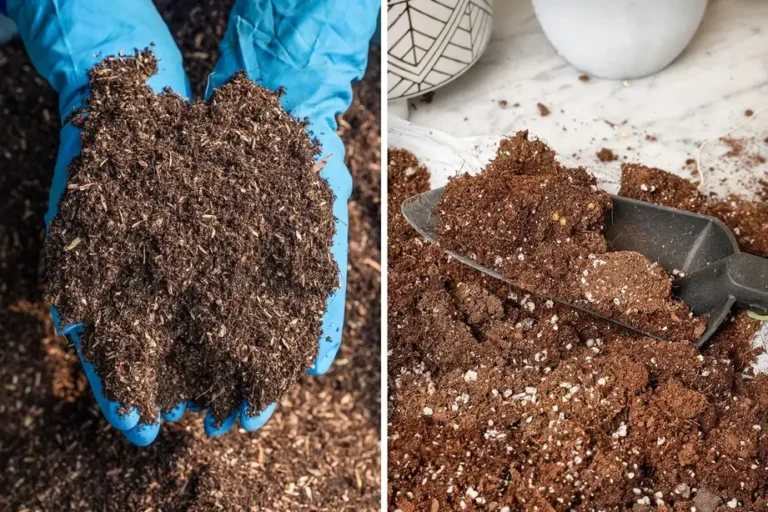
Texture tells you how the mix may behave in a pot. Fine, compact particles tend to hold water and leave less air space, while bark pieces, perlite, pumice, and other coarse parts create larger gaps through which water and air can move.
For many indoor hoyas, a loose, open mix is a useful starting point, especially if you have a habit of watering before the pot dries. You do not need a precise chunk measurement to make a first choice; look for visible coarse ingredients and avoid a mix that feels like dense garden dirt. If the product description does not name its ingredients, ask yourself whether you are comfortable learning its behavior after opening the bag.
A general houseplant blend can work if it drains freely and does not collapse into a dense mass. For a broader comparison of indoor mixes and what their ingredients do, see potting soil for houseplants. Use that advice as a starting point, then adjust for the Hoya’s pot and your own watering rhythm.
Match drainage to the pot and watering habit
Drainage is how easily excess water leaves the pot after watering. A pot with an open drainage hole gives water a way out; a mix that stays soggy in a container without a hole can leave the roots wet for too long, even if the bag calls the soil well-draining.
If you tend to water often, lean toward a mix with more visible bark, perlite, pumice, or similar coarse parts. If you forget to water and your home is dry, some moisture-holding ingredients may be helpful, but do not try to fix a watering problem by choosing a mix that stays wet for days. Use a pot with a drainage hole and empty any cover pot or saucer after water has drained through.
There is no one exact drainage time that works for every room, pot size, and plant. After watering, notice whether the container becomes lighter over several days and whether the lower mix stays wet. That simple check tells you more about your conditions than a rigid schedule copied from someone else.
Read the ingredient names, not just the marketing words
Ingredient names give you clues about what a mix can do. Bark and coarse mineral pieces tend to open the texture, while peat moss and coco coir can hold moisture; worm castings are an organic ingredient, and charcoal may be included as a mix component.
A label that says chunky or airy can be a useful clue, but it does not tell you the amount of each ingredient or exactly how large the pieces are. If the recipe matters to you, choose a mix with a clear ingredient list. If details are limited, plan to inspect the texture after opening and be ready to use a little of your existing suitable potting material to adjust it, rather than assuming the name guarantees a particular result.
Avoid treating words such as natural, organic, or premium as proof of a specific growing outcome. They do not tell you how quickly the mix dries, whether the texture suits your pot, or how much water your Hoya needs. Focus on clear material names and the actual condition of the root ball.
Choose a bag size that matches your job
A quart is a measure of volume, not a promise that the soil will fill a certain number of pots. The amount you need depends on the pot diameter, how much of the old root ball you keep, and whether you are repotting one plant or several.
For one small Hoya, a one- or two-quart bag may be easier to store and use up. An eight-quart bag or larger makes more sense when you have multiple plants to repot, provided you can keep the remainder dry and contained. Before ordering, estimate how many pots are involved and compare the bag size with the loose volume of the old potting mix you plan to replace.
Do not buy the largest bag just because the price per quart seems appealing. A partly used bag stored open in a damp area can become messy, and a long wait before its next use is no bargain if the mix no longer looks clean and loose. Buy enough for the job, with a modest cushion for settling around the roots.
Consider the plant, season, and room
A Hoya in a bright, warm room may use water faster than one in a cool corner with less light. A small pot also dries differently from a large one, and a plastic container may retain moisture longer than a porous clay pot.
Think about your actual setup before changing soil. If your plant is growing in a small nursery pot and the roots look healthy, there may be no reason to repot immediately just because a different mix sounds better. When repotting is needed, choose a pot only a little larger than the root mass and use a mix that lets you check moisture without making every watering a guess.
The growing conditions matter as much as the bag. Bright indirect light, a pot with drainage, and a steady routine help you judge the mix; a dark, cool space can leave it damp longer. If you are comparing other plant-specific blends, use the same practical questions for potting soil for pothos rather than assuming every tropical houseplant needs an identical recipe.
How to Use Potting Soil for Hoyas for the Best Results
Use the mix to fill the space around the roots without packing it down hard, then water slowly and observe how the pot drains. A careful first watering and a few moisture checks teach you how the soil behaves in your own home.
- Choose a suitable pot. Use a container with at least one drainage hole and only modestly more room than the root ball. A pot that is far too large holds more wet mix around the roots than the plant can use quickly.
- Check the plant before disturbing it. Look at the roots and remove only loose, clearly dead material. Keep healthy roots intact; teasing them apart aggressively can add stress without making the new soil better.
- Prepare the mix. Break up tightly compressed pieces with your fingers and remove any debris you do not want in the pot. If the mix is extremely dry, dampen it lightly so the roots are not surrounded by dusty material, but do not turn it into mud.
- Set the Hoya at its previous depth. Add a layer of mix, place the root ball, and fill around the sides. Keep the base of the stems near the same height as before rather than burying extra stem just to make the plant feel secure.
- Settle, do not squash. Tap the pot gently or nudge the mix into gaps with your fingers. Firm pressure removes useful air spaces and can make watering less even.
- Water through and let excess escape. Apply water evenly until some runs from the drainage hole, then allow the pot to drain fully. Do not leave the container sitting in pooled water.
- Wait and check before watering again. Feel the mix below the surface or lift the pot to notice its weight. The top can dry before the center does, so do not treat a dry-looking surface as an automatic signal to water.
Repotting is also a chance to refresh how you think about the mix. You can learn a lot from a small batch and careful observation before changing every pot in your collection. If you prefer preparing components yourself, making indoor potting soil gives you a way to understand what each ingredient contributes, though measuring and storing separate materials takes extra effort.
How to Make Your Hoya Potting Soil Last Longer
Keep unused mix closed, dry, and protected from spills, then check its texture before each use. Soil does not need complicated care, but a little storage discipline helps prevent a usable bag from turning into a damp, scattered mess.
After opening, close a resealable pouch fully or transfer the remaining mix to a clean, dry container with a lid. Store it away from direct rain, floor moisture, and places where water can drip into it. A cool, dry shelf or storage bin is more practical than leaving an open bag beside a sink or on a patio.
Do not seal away a wet clump and assume it will be ready months later. If the remaining mix feels unusually damp, spread it in a clean container in a protected spot until it is no longer waterlogged, then store it closed. Avoid leaving it exposed to household dirt, plant debris, or anything that could contaminate the contents.
Before reusing older mix, look and smell. Discard material that has a sour or rotten odor, obvious pests, or contamination you cannot identify. Ordinary dry particles and a change in appearance are not automatically a problem, but a musty, soggy mass is a poor choice for a fresh repot.
For a planted pot, remove fallen leaves from the soil surface and avoid letting runoff sit in a decorative outer pot. If the mix compacts over time, do not keep poking deeply around the roots to loosen it; that can cause damage. At the next appropriate repot, refresh the soil and choose a pot that matches the root ball rather than trying to stretch one setup forever.
A simple maintenance rhythm works well: check the top layer and pot weight during each watering, inspect the drainage hole now and then, and clean spills as they happen. You do not need to replace healthy potting mix on a strict monthly timetable. Repot when the plant’s roots, soil condition, or container make it useful, not because a calendar says the time has come.
Common Mistakes to Avoid When Buying and Using Hoya Potting Soil
Most Hoya soil problems come from choosing a mix by its label alone or watering by habit instead of checking the pot. These small corrections make it easier to keep roots in a useful balance of air and moisture.
- Buying by the word chunky alone. Chunk size does not tell you the full recipe or how quickly a particular pot will dry. Read the named ingredients and judge the mix in your actual container.
- Picking a pot that is much too large. Extra soil around a small root ball can stay wet longer than expected. Choose a container only modestly larger than the roots and make sure it drains.
- Watering on the same weekday every time. Room temperature, season, light, and pot material change how quickly soil dries. Check moisture and pot weight before watering rather than following a calendar without looking.
- Trusting only the surface. The top may look dry while the lower mix is still damp. Check a little below the surface with a finger or a clean wooden stick, taking care not to poke through roots.
- Pressing the soil down hard. Heavy packing squeezes out air spaces and can make the mix harder to wet evenly. Settle it gently around the root ball instead.
- Leaving the pot in drained water. A full saucer or cover pot keeps the base wet after watering. Empty collected water once the container has finished draining.
- Assuming every houseplant wants the same texture. Some plants tolerate different moisture patterns and root conditions. Use plant-specific advice when choosing a blend; a mix intended for wandering jew potting soil may not match the way you want to manage a Hoya pot.
- Buying more than you can store well. A large bag is awkward if you have one small plant and nowhere dry to keep the rest. Estimate the job first and close the bag after use.
- Changing every part of the routine at once. A new mix, larger pot, and different watering schedule make it hard to tell what changed the plant’s conditions. Adjust one thing at a time and pay attention to the pot over several waterings.
A final common mistake is treating any seller description as a guarantee that a mix prevents root problems. Drainage depends on the pot, how much water you add, and how quickly your home dries the soil. Use the package as a starting point, then let the plant and pot guide your next watering.
Common Questions About Potting Soil for Hoyas
What type of potting soil is best for hoyas?
Hoyas generally need a loose potting mix that drains excess water while leaving some moisture for the roots. Look for a visibly open texture with ingredients such as bark, perlite, or pumice, then match that texture to your pot and watering habits. A well-draining mix still needs a pot with a drainage hole and careful watering.
Can I use regular potting soil for a Hoya?
You can use a general houseplant mix if it drains well and does not stay dense and soggy in your pot. Some standard mixes may need a coarser ingredient to create more air space, but the right adjustment depends on the mix you already have. Check its texture and how quickly the pot dries before changing the recipe.
How often should I water a Hoya in potting soil?
There is no reliable fixed schedule, because light, temperature, pot size, and mix texture all affect drying time. Check the soil below the surface and consider the pot’s weight before watering again. Water thoroughly when the mix needs it, let extra water drain, and avoid leaving the pot in a full saucer.
Should Hoya soil contain bark or perlite?
Bark and perlite can both help create a more open mix, though they work in different ways and are not required in every recipe. Bark gives the mix larger pieces, while perlite is a lightweight mineral that adds air spaces. Choose by the texture you need, and check how the full mix behaves after watering.
How much potting soil do I need to repot one Hoya?
The amount depends on the pot size and how much of the old root ball remains, so there is no single quart amount for every Hoya. A small plant may need only a modest quantity, while a large root ball takes more. Measure the pot and compare its volume with the bag size before ordering, allowing a little extra for settling.
When should I repot a Hoya into fresh soil?
Repot when the plant has outgrown its container, the mix has broken down or stayed wet for too long, or you need to address a root problem. Do not move a healthy Hoya just because a new soil blend is available. When you do repot, keep the new pot close to the root ball’s size and check drainage before planting.
Make Your Soil Choice Before the Next Repot
Start by measuring the pot and deciding how much mix you will actually use; then choose a texture that drains freely without demanding a watering routine you cannot keep up with. If you are unsure, buy a modest amount, check its ingredients and feel, and observe how the planted pot dries before changing the rest of your collection.

I’m Maya L. Greenwood, a lifelong plant lover who believes anyone can grow something beautiful with the right guidance. After years of testing soil mixes, pruning methods, irrigation tricks, and pest-safe solutions, I started EasyGardenTips.com to turn hard-won lessons into step-by-step advice. From seed starting and container gardens to composting and seasonal checklists, my goal is to make gardening simple, sustainable, and fun.