5 Best Potting Soil for Spider Plants Indoors: Pro Picks for Growth
A spider plant can look fine above the soil while its roots sit in a soggy pot, or dry out quickly in a mix that sheds water instead of holding it. The wrong bag can also leave you with far more soil than one plant needs, a messy repotting job, or a mix that doesn’t suit how often you water.
For a spider plant, soil needs to drain freely but shouldn’t dry out so fast that you’re watering constantly. Pot size matters too: a large pot holds more damp soil around the roots, so choosing a mix that suits your watering habits can help prevent the familiar soggy-pot problem.
Here’s what to keep in mind before you open a bag:
- How the ingredients affect drainage and moisture.
- Which bag size makes sense for your pot and repotting plans.
- What to check about fertilizer, plant fit, and soil care.
- How to repot without burying the crown or packing the mix too tightly.
Quick Picks
-
Best For Spider Plant-Specific Mix

GARDENERA Premium Spider Plant Potting Soil Mix
Perlite and bark help excess water drain while the mix retains some moisture, suiting growers who want a spider-plant-focused blend.
-
Best For Larger Potting Jobs

Miracle-Gro Organic Indoor Potting Mix, 16 qt.
The 16-quart indoor mix is made for moisture regulation, so it suits repotting several houseplants or filling a larger container.
Top 5 Potting Soils for Spider Plants Indoors at a Glance
Start with Gardenera if you want a blend described specifically for spider plants and ingredients that support drainage. The other mixes differ in bag size, peat content, fertilizer, and ingredients, so your watering habits and the number of plants you’re potting matter as much as the label.
| Product image | Product name | Check product |
|---|---|---|
| 1 |
GARDENERA Premium Spider Plant Potting Soil Mix | Check Price |
| 2 |
Miracle-Gro Organic Indoor Potting Mix, 16 qt. | Check Price |
3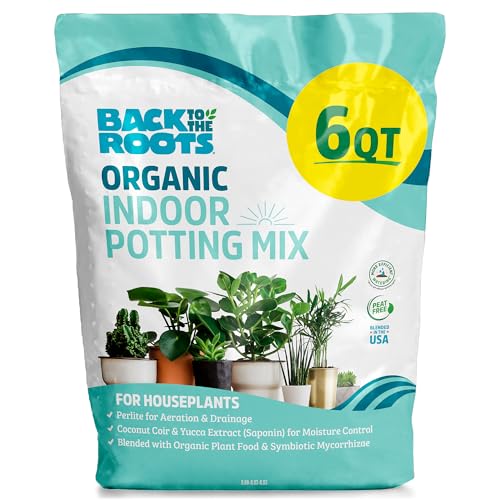 |
Back to the Roots Organic Indoor Potting | Check Price |
4 |
Miracle-Gro Houseplant Potting Mix, 4 qt. | Check Price |
5 |
Rosy Soil Houseplant Potting Soil, Organic Indoor | Check Price |
5 Best Potting Soils for Spider Plants Indoors: Detailed Reviews
When I chose the best potting soil for spider plants indoors, I paid attention to drainage, moisture retention, potting volume, and whether the mix was described for indoor containers. Those details help you avoid buying a bag that stays wet too long, dries too quickly, or leaves you with a mountain of leftovers.
I also looked at what each mix says about ingredients and feeding, because peat, perlite, bark, and added fertilizer affect how you use and care for potting soil. The choices range from a spider-plant-specific blend to general indoor mixes, giving you a way to match the bag to the job instead of relying on a broad promise on the front.
1. GARDENERA Premium Spider Plant Potting Soil Mix
Perlite and bark help excess water drain while the mix retains some moisture, suiting growers who want a spider-plant-focused blend.
- Size2 Quart Bag
- ColorSpider Plant Potting Mix
- WeightNot listed; check details
- DimensionsNot listed; check details
Gardenera Spider Plant Mix is a small-bag blend made for growers who want soil described specifically for spider plants. Its listed ingredients include New Zealand bark, peat moss, perlite, and worm castings, along with low-salt coconut coir mentioned in a feature description.
Perlite is a lightweight mineral added to potting soil to make the mix more open, allowing excess water to move through. Gardenera says its extra perlite supports drainage, which can help if you tend to water generously or your pot has drainage holes and you want less water lingering around the roots.
The bark adds larger pieces among the finer soil ingredients, while peat and coir help retain moisture. That balance can be useful for a plant that likes some moisture but shouldn’t sit in water; still, ingredients alone can’t compensate for a pot without drainage or a watering routine that keeps the mix soaked.
The bag is described as 2 quarts, though one feature line also says 1 quart. Check the size shown on the purchase page before ordering, especially if you’re planning a full repot and need to know how much soil will arrive.
Pros:
- Spider-plant-focused blend, so the intended use is clear.
- Perlite supports drainage, reducing the chance of water lingering.
- Bark adds a coarser ingredient to the mix.
- Peat moss and coir help retain some moisture.
- Worm castings are included among the listed ingredients.
Cons:
- The feature text and size attribute don’t agree on bag volume.
- A small bag may not cover multiple large pots.
- A draining mix still needs a pot with drainage holes.
Buy it if: you want a blend described for spider plants, because its perlite, bark, peat, and coir offer a mix of drainage and moisture retention.
Skip it if: you need a clearly confirmed larger volume for several pots, because the bag-size information conflicts and a larger indoor soil bag may suit your job better. For another fit, consider Miracle or Back.
I’d consider Gardenera first if you want a mix built around spider plants rather than a general houseplant blend. The ingredient combination addresses the basic balance between drainage and moisture, which is what most beginners are trying to get right. I’d double-check the actual bag volume before paying, since the size descriptions differ.
This is a sensible choice for someone repotting one spider plant who can confirm the amount they need.
2. Miracle-Gro Organic Indoor Potting Mix, 16 qt.
The 16-quart indoor mix is made for moisture regulation, so it suits repotting several houseplants or filling a larger container.
- Size16.qt
- COVERAGEOne 16 qt. bag of Miracle-Gro Organic Indoor Potting Mix fills one 12-inch container with potting soil for indoor p
- WeightNot listed; check details
- DimensionsNot listed; check details
Miracle-Gro Organic Indoor Potting Mix is a general indoor blend for people who need more soil for several plants, starter pots, or a larger container. Its listed ingredients include sphagnum peat moss, coir, and quick-start natural fertilizer, and the product description says it helps regulate moisture.
Coir is a fiber made from coconut husks that can help a potting mix hold water. Paired with peat moss, it may suit growers who don’t want soil drying out too quickly, while the moisture-regulation claim is meant to help reduce the swings between too wet and too dry.
The stated bag size is 16 quarts, and the product information says that amount can fill one 12-inch container, with the amount varying according to the root ball. That’s a more useful scale for multiple repots than a tiny specialty bag, but it also means you should plan where to store the unused mix.
This soil is described for many indoor container plants, not only spider plants, and it includes fertilizer. That broad fit is convenient, but if you prefer to control feeding separately, read the product details and follow the package directions before adding any other fertilizer.
Pros:
- 16-quart bag, offering more soil for several indoor plants.
- Peat moss and coir help hold moisture.
- Moisture regulation is a stated purpose of the mix.
- Includes quick-start natural fertilizer.
- Intended for houseplants, herbs, and seed starting.
Cons:**
- A large bag may be excessive for one small spider plant.
- Added fertilizer may not suit growers who prefer to feed separately.
- The mix isn’t described as spider-plant-specific.
Buy it if: you’re repotting multiple indoor plants, because the larger bag and moisture-focused blend can cover more than one potting job.
Skip it if: you only need a little soil or want to choose fertilizer separately, because a smaller, unfertilized mix may fit your plans better. Gardenera and Back are worth a closer look instead.
What I like here is the practical volume: a 16-quart bag can make sense when several plants need attention in the same afternoon. The mix is also clearly aimed at indoor containers, with peat, coir, and fertilizer called out rather than left mysterious. I’d check how much fertilizer the package says is included and whether that fits your routine.
This is a good match for a grower with several pots to fill and somewhere dry to store the remainder.
3. Back to the Roots Organic Indoor Potting
The catalog lists Includes 6qt of Back to the Roots Indoor Potting Mix. Our Potting Mix contains organic yucca extract that aids. Compare fit and care needs before choosing.
- Size6 Quart
- ColorIndoor Potting Mix
- Release Date2023-01-01T00:00:01Z
- Number Of Items1
Back to the Roots Organic Indoor Potting Soil is a six-quart, peat-free indoor mix for someone who wants a smaller bag without choosing a spider-plant-only blend. The ingredient features mention organic yucca extract, mycorrhizae, and dolomitic limestone, and the mix is described as suitable for common indoor plants.
Mycorrhizae are beneficial fungi that live around plant roots and can help roots take up water and nutrients. The product description presents them as a root-supporting ingredient; for a beginner, the useful point is that the mix includes more than basic soil ingredients, though the plant still needs appropriate light, water, and a pot with drainage.
Yucca extract is described as helping soil retain moisture, while dolomitic limestone is said to balance acidity and alkalinity. These ingredients point to a mix meant to support moisture and nutrient availability, but they don’t mean you can water on a fixed schedule without checking whether the soil is actually dry.
The product is described as peat-free and made without bark or compost, with the brand saying that this makes it less prone to indoor gnats and pests. That is a stated product claim, not a promise that pests can never appear; keep the bag closed and avoid leaving wet soil or plant debris around the pot.
Pros:
- Six-quart bag, useful for a modest repotting project.
- Peat-free mix for growers who want to avoid peat.
- Yucca extract is included to help retain moisture.
- Mycorrhizae are included for root support.
- Made without bark or compost, according to the product description.
Cons:
- Not described as a spider-plant-specific formula.
- The smaller bag may not cover several large containers.
- Moisture-retaining ingredients still require careful watering.
Buy it if: you want a peat-free indoor mix in a moderate bag size, because the stated ingredients support moisture retention and root development.
Skip it if: you’re looking for a blend specifically labeled for spider plants, because a general indoor mix may not give you that plant-focused guidance. If those trade-offs rule it out, Gardenera or Miracle may suit you better.
I’d put Back to the Roots on the list for a grower who cares about peat-free ingredients but doesn’t need a large bag. The six-quart amount is less cumbersome than a bulk bag, and the ingredient list gives you a clearer idea of what’s in the mix. I’d still check the package instructions and monitor moisture after repotting, since a soil ingredient can’t tell you when your particular pot is dry.
Pick this soil if a peat-free indoor blend matters more to you than a spider-plant-specific label.
4. Miracle-Gro Houseplant Potting Mix, 4 qt.
The catalog lists INDOOR GROWING: Growing indoors is easy under the right conditions; Miracle-Gro Houseplant Potting Mix is an i. Compare fit and care needs before choosing.
- Color4 qt
- Size1 Pack
- COVERAGEOne 4 qt. bag of Miracle-Gro Houseplant Potting Mix fills one 8-inch container; amounts may vary based on the size
- WeightNot listed; check details
Miracle-Gro Houseplant Potting Mix is a small indoor blend for people who want a bag suited to houseplants, including spider plants. Its ingredients include perlite, sphagnum peat moss, coir, and fertilizer, and the product description says the fertilizer feeds indoor plants for up to six months.
Perlite helps create a more open mix so water can pass through, while peat moss and coir help hold moisture. That combination is intended to make the soil useful in containers, where water can’t simply drain away into the ground, but the pot still needs drainage holes to let extra water escape.
The blend is described as less prone to fungus gnats because it doesn’t contain compost or bark. Fungus gnats are small flying insects often noticed around damp potting soil; this claim may appeal if pests worry you, but no soil can guarantee a gnat-free room, especially if pots stay wet.
The product page says a four-quart bag can fill one eight-inch container, though the root ball changes the amount needed. The soil also contains fertilizer, so read the package directions and avoid adding extra plant food without checking whether your plant needs it.
Pros:
- Intended for houseplants, including spider plants.
- Perlite supports drainage through the pot.
- Peat moss and coir help hold moisture.
- Fertilizer is stated to feed plants for up to six months.
- No compost or bark, according to the product description.
Cons:
- Four quarts may be too little for several large pots.
- Fertilizer is included, so feeding is less customizable.
- The mix is for houseplants generally, not just spider plants.
Buy it if: you want a smaller indoor houseplant mix with fertilizer included, because the listed ingredients suit container growing and the bag is sized for a modest job.
Skip it if: you want a peat-free blend or need a large quantity, because this mix contains peat and comes in a four-quart bag.
To me, the useful part of Miracle-Gro Houseplant Potting Mix is that the intended indoor use and feeding period are spelled out. That makes the bag easier to plan around if you’re new to potting soil and don’t want to guess whether it contains fertilizer. I’d confirm the package instructions before adding any extra plant food, and keep an eye on moisture rather than watering by the calendar.
This suits someone who wants a small, general-purpose houseplant mix and is comfortable with fertilizer already included.
5. Rosy Soil Houseplant Potting Soil, Organic Indoor
The catalog lists ORGANIC INDOOR POTTING SOIL, MADE WITHOUT PEAT: Biochar, worm castings, mycorrhizae, compost, and bark fines r. Compare fit and care needs before choosing.
- Size4 Quarts
- ColorHouseplant
- Number Of Items1
- WeightNot listed; check details
Rosy Soil Houseplant Potting Soil is a four-quart, peat-free indoor mix for growers who want a blend with bark, biochar, compost, worm castings, and mycorrhizae. The description lists it for tropical houseplants and says the bag can fill two to three medium pots, though the amount depends on pot and root-ball size.
Biochar is a stable, charcoal-like material used in soil mixes to help keep the mix open. Rosy Soil says biochar, bark fines, and sand support airflow and drainage; that combination may suit a spider plant in a pot with drainage holes, especially if you’re trying to avoid soil staying saturated.
Worm castings add organic material, while mycorrhizae and beneficial microbes are included for root-zone support. The mix is described as holding its structure over time, but that doesn’t remove the need to check whether roots have filled the pot or whether the soil has become compacted after repeated watering.
Rosy Soil is also described as peat-free and includes compost, unlike the Miracle-Gro Houseplant mix above. If you’re sensitive to the possibility of fungus gnats, remember that the other mix’s claim about avoiding bark and compost does not apply here; keep the soil from staying continually wet and store the open bag sealed.
Pros:
- Peat-free mix with bark, biochar, sand, and compost.
- Four-quart bag described as enough for two to three medium pots.
- Worm castings and mycorrhizae are included.
- Ingredients are described as supporting drainage and airflow.
- Resealable bag helps keep unused soil closed between jobs.
Cons:
- Compost and bark may not suit buyers seeking a mix without them.
- Four quarts may not cover several large containers.
- A peat-free label doesn’t tell you how quickly your pot will dry.
Buy it if: you want a peat-free mix with bark and biochar, because the listed ingredients are intended to keep the potting soil open and well-drained.
Skip it if: you specifically want soil without compost or bark, because this blend includes both and another ingredient profile would suit you better.
I’d choose Rosy Soil for someone who wants to avoid peat but still wants a mix with several visible, named components. Bark fines, sand, and biochar give the blend a different texture from a simple peat-and-coir mix, which may be helpful in a pot that needs good drainage. I’d check that compost and bark fit your pest preferences, and verify the bag amount against your pot size.
This is most suitable for a grower who wants a peat-free mix and is happy to manage moisture carefully.
How to Choose the Best Potting Soil for Spider Plants Indoors
The best potting soil for spider plants indoors should let extra water drain while holding enough moisture for the roots between waterings. Start with your pot, your watering habits, and the amount of soil you actually need, then check the ingredients and any added fertilizer.
Drainage and pot design
Drainage describes how easily extra water moves through the soil and leaves the container. Look for ingredients such as perlite, bark, or other coarse material when you want a more open mix, and use a pot with drainage holes so water has somewhere to go.
A decorative pot without holes can hide water at the bottom, even when the soil surface looks dry. If you prefer that look, keep the plant in a draining nursery pot inside the decorative container and empty any water that collects below it.
Moisture retention and watering habits
Moisture retention is how much water the mix holds after watering. Peat and coir can help hold moisture, which may suit someone who forgets an occasional watering, but a mix that stays wet for too long can be a poor match for frequent watering.
Check soil with a finger before watering instead of following a strict weekly schedule. If the top inch feels dry, that can be a useful cue to check deeper and consider the pot’s weight; don’t assume every spider plant needs water on the same day.
Ingredients and soil texture
A potting mix is a blend of ingredients, not garden dirt scooped from outdoors. Perlite adds a light, open texture, bark gives larger pieces, and peat or coir can help hold water; the right balance depends on how your container drains and how often you tend the plant.
If you’re comparing general houseplant blends, best potting soil for houseplants can help you think about which ingredients make sense across different indoor plants. Check the actual ingredient list, rather than assuming two bags with similar labels have the same texture or moisture behavior.
Bag size and how much you need
Choose a bag size based on the potting job, not the biggest number on the shelf. A small bag can be enough for one plant, while several repots may make a larger bag practical; the listed coverage can vary with pot dimensions and the size of the root ball.
Measure the pot’s inside diameter and compare it with the product’s stated coverage when that information is available. Leave room to loosen the plant’s roots and settle soil around them without packing the mix tightly, and plan a dry place to store any leftover soil.
Fertilizer and plant-feeding plans
Some potting soils include fertilizer, while others focus on the growing medium itself. If the bag states a feeding period, follow its directions and don’t add extra fertilizer automatically; too much feeding can create a problem even when the soil itself is suitable.
A gardener who likes choosing a separate plant food may prefer a mix without added fertilizer. If the label is unclear, look at the full product details before buying instead of guessing from the word “indoor” or “organic.”
Peat-free and organic wording
Peat-free means the mix is described as being made without peat, while organic wording can refer to how a product is marketed or made. Neither phrase tells you by itself how quickly soil drains, how often a plant needs water, or whether a product has an independent certification.
If avoiding peat matters to you, confirm that the specific bag is labeled peat-free and read its ingredients. If you need a particular certification or safety assurance, look for clear product-specific documentation rather than treating a broad claim as proof.
How to Use Potting Soil for Spider Plants Indoors for the Best Results
Use fresh potting soil in a clean pot with drainage holes, and water after repotting so the soil settles around the roots. A gentle, careful setup matters more than pushing soil down hard or adding water on a fixed schedule.
- Choose a pot with drainage holes that is only a little larger than the current root area.
- Loosen the plant from its old pot without pulling hard on the leaves.
- Remove loose, exhausted soil from around the outside of the root ball, but don’t strip every root bare.
- Add enough fresh mix to the new pot to raise the plant to its former height.
- Place the plant in the center, keeping the base of the leaves above the soil surface.
- Fill around the roots and tap the pot lightly so soil settles without being pressed into a hard mass.
- Water slowly until excess water drains from the holes, then empty the saucer.
- Let the upper soil begin to dry before watering again, checking the pot rather than the calendar.
Avoid burying the crown, the point where the leaves meet the roots. Soil piled over that area can keep it damp, while packing the mix too firmly makes it harder for water and air to move through the pot.
If you’d rather blend ingredients yourself, how to make potting soil for indoor plants offers a separate way to think through a homemade mix. Keep any homemade recipe specific to the plants and conditions you’re growing, and don’t add ingredients just because they sound useful.
How to Make Your Spider Plant Potting Soil Last Longer
Store unused potting soil sealed in a dry place, and keep water from getting into the bag. Soil left damp and open can become harder to handle and may attract unwanted growth or insects, so close the package after each use.
Use a clean scoop and avoid putting old soil, dead leaves, or outdoor dirt back into a fresh bag. A resealable package makes that easier, but a separate airtight container can help if the original bag won’t close securely.
Check the soil surface and drainage each time you water. If water starts pooling on top or the mix stays soggy, pause and look at the drainage holes and watering pattern before adding more soil or fertilizer.
Refresh soil when repotting is needed, rather than on an arbitrary yearly date. A plant may need a larger pot when roots crowd the container, while a plant still growing comfortably may not benefit from a disruptive repot just because a calendar says so.
For other indoor plants, best potting soil mix for indoor plants can help you compare the needs of different houseplants. A single bag may work for several plants, but check each plant’s water and drainage needs instead of assuming every houseplant wants identical soil.
Common Mistakes to Avoid When Buying and Using Potting Soil
- Choosing by the bag’s front label alone: “Indoor” doesn’t tell you the exact texture or fertilizer content. Read the ingredient list and use details.
- Using a pot with no drainage: Extra water can collect around roots. Use a draining inner pot or make sure the container has holes.
- Buying much more soil than you need: Leftovers take up space and need dry storage. Check stated coverage and estimate the number of pots first.
- Watering every few days automatically: Temperature, light, pot size, and soil all affect drying time. Check moisture before adding more water.
- Pressing soil down firmly: A packed mix can make drainage and airflow harder. Settle soil gently around the roots instead.
- Burying the base of the leaves: Soil piled over the crown can hold moisture in the wrong place. Keep the plant at its previous soil level.
- Adding fertilizer without checking the bag: Some mixes already contain food. Read the feeding directions before adding another fertilizer.
For plants with different needs, don’t assume a spider plant’s mix is right for every tropical houseplant. Someone researching best potting soil for rubber plant should consider that plant’s pot and watering pattern rather than copying a spider-plant routine without checking.
How to Set Up Spider Plant Potting Soil
A successful repot starts with the right pot and a dry, clean workspace. Set out the soil, a pot with drainage holes, and a saucer before lifting the plant, so you don’t have to hold a loose root ball while searching for supplies.
- Check the pot: Pick a container with drainage holes and enough room for the roots, but avoid jumping to a much larger pot.
- Protect the work area: Lay down paper or a washable mat before opening the bag; potting mix can spill more easily than it looks.
- Open and loosen the mix: Break up compacted clumps gently with your fingers or a clean scoop, without crushing the ingredients.
- Prepare the plant: Slide it from the old container carefully and loosen circling roots only if they come free easily.
- Set the height: Add soil below the root ball until the leaf base sits at its old height in the new pot.
- Backfill in small amounts: Add soil around the roots and tap the pot lightly to close large gaps without compressing the mix.
- Water and drain: Water slowly, let excess leave through the holes, and empty the saucer before returning the pot to its spot.
The common beginner snag is adding so much soil that the plant sits too high, or covering the crown while filling gaps. Pause midway through backfilling and check the plant’s height before adding the last handful.
If you grow herbs indoors too, best potting soil for indoor basil addresses a different planting job. Keep the needs of each plant in mind when deciding whether to share one bag across several containers.
Common Questions About Potting Soil for Spider Plants
What kind of potting soil is best for a spider plant?
A well-draining indoor potting mix that still holds some moisture is a practical choice for a spider plant. Look for a loose texture and ingredients such as perlite or bark, then pair the mix with a pot that has drainage holes. The plant’s light, pot size, and watering routine also affect how quickly the soil dries.
Can I use regular potting soil for a spider plant?
Yes, a general indoor potting mix can work if it drains well and suits your watering habits. Check the ingredients and whether fertilizer is included, since those details affect how you water and feed the plant. Avoid using dense garden soil in a container, where it may not drain like a purpose-made potting mix.
How often should I water a spider plant in potting soil?
Water when the soil has started to dry, rather than following a fixed weekly schedule. Check the upper soil and the pot’s weight, then water thoroughly and let extra water drain away. A small pot in a warm, bright room may dry faster than a larger pot in a cooler spot.
Should spider plant potting soil contain fertilizer?
It can, but added fertilizer isn’t a requirement for choosing a suitable mix. If the bag includes fertilizer, follow its feeding directions and avoid adding more without checking the label. A mix without added fertilizer gives you more control over when and how you feed the plant.
How much potting soil do I need for a spider plant?
The amount depends on the container’s size and how much soil is already around the root ball. Use the bag’s stated coverage as a starting point, then allow for the space needed beneath and around the roots. For a single small plant, a large bag can leave a lot of soil to store.
When should I repot a spider plant?
Repot when roots crowd the container or the plant has outgrown its available space, rather than repotting on a rigid schedule. Choose a pot only modestly larger and keep the plant at its former soil level. If the plant is doing well and the roots have room, changing the soil may not be necessary yet.
Choose the Mix That Fits Your Next Repot
Before buying, measure your pot, check whether it drains, and decide whether you need soil for one plant or several. Then compare the mix’s ingredients, fertilizer details, and stated bag coverage with the way you water, and confirm any size detail that seems unclear.

I’m Maya L. Greenwood, a lifelong plant lover who believes anyone can grow something beautiful with the right guidance. After years of testing soil mixes, pruning methods, irrigation tricks, and pest-safe solutions, I started EasyGardenTips.com to turn hard-won lessons into step-by-step advice. From seed starting and container gardens to composting and seasonal checklists, my goal is to make gardening simple, sustainable, and fun.