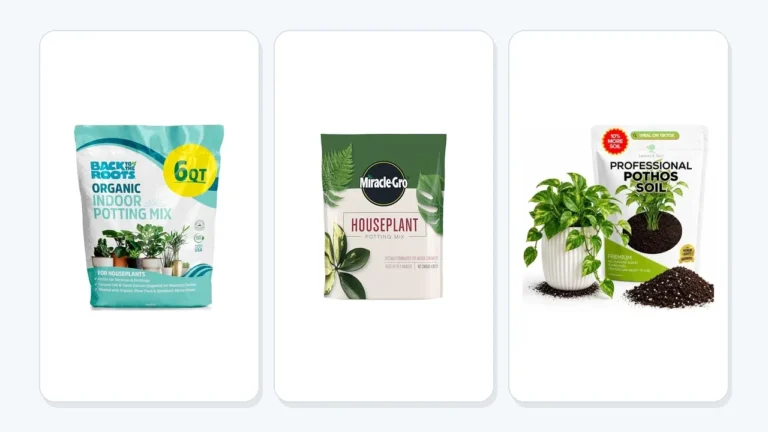
5 Best Soil for Gardenias in Pots Indoors: Mixes for More Blooms
Buying soil that holds too much water can leave gardenia roots sitting in a soggy pot, while a mix that dries too quickly makes steady watering a chore. The wrong acidity can also make it harder for a gardenia to take up nutrients, so a bag labeled “indoor” or “organic” isn’t automatically the right match.
The main things to check are drainage, acidity, and bag size. Gardenias generally need acidic potting soil and roots that aren’t left waterlogged, so check whether the mix states its pH and watch how quickly water drains from your pot. A blend’s ingredients are useful clues, but they don’t replace a clear pH label or good watering habits.
Here’s what this guide helps you sort out:
- Which mixes may suit a gardenia, and which are made for a different kind of plant.
- How to check acidity and drainage before buying or repotting.
- How much soil a container may need, without buying a mountain of leftovers.
- How to water, refresh, and maintain a potted gardenia indoors.
Quick Picks
-
Best For Moisture Buffering

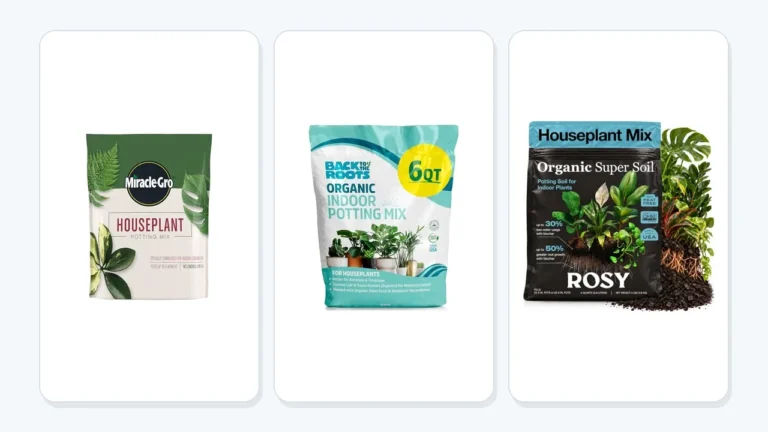
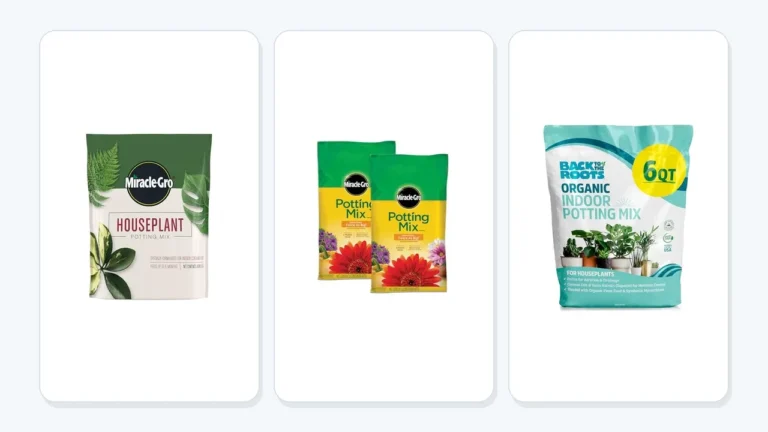
Miracle-Gro Organic Indoor Potting Mix, 16 qt.
Peat moss and coir help manage moisture in indoor pots, making this larger bag a practical choice for repotting several plants.
-
Best For Smaller Indoor Pots

Miracle-Gro Houseplant Potting Mix, 4 qt.
Perlite, peat moss, and coir make a compact indoor mix, while fertilizer feeds houseplants for up to six months.
Top 5 Soils for Gardenias in Pots Indoors at a Glance
Start with an indoor mix if you want a general-purpose blend, then confirm the pH on the bag because none of these descriptions identifies a gardenia-specific soil pH. The succulent blend is designed for especially fast drainage, while the chunky houseplant mix is built around bark and mineral pieces, so either deserves a closer fit check before you use it for a gardenia.
| Product image | Product name | Check product |
|---|---|---|
| 1 |
Miracle-Gro Organic Indoor Potting Mix, 16 qt. | Check Price |
| 2 |
Miracle-Gro Houseplant Potting Mix, 4 qt. | Check Price |
3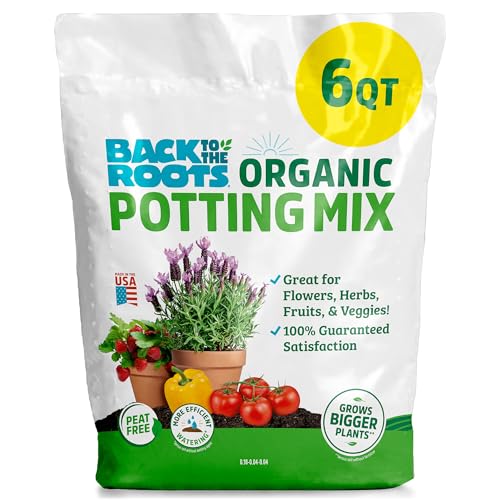 |
Back to the Roots Organic Potting Soil, | Check Price |
4 |
Back to the Roots Organic Succulent and | Check Price |
5 |
Grow Queen Craft Houseplant Potting Mix, Organic | Check Price |
5 Best Soils for Gardenias in Pots Indoors: Detailed Reviews
When I considered the best soil for gardenias in pots indoors, I focused on whether the mix could support steady moisture without staying wet, whether the ingredients and pH information made sense for an acid-loving plant, and whether the bag size fit a realistic repotting job. Those details matter more than a broad claim that a mix works for every indoor plant.
The choices range from a larger indoor blend to small houseplant bags and specialized mixes for succulents or chunky tropical plant soil. Reading them side by side helps you spot the key trade-off: a convenient general-purpose mix may still need a pH check, while a purpose-built blend may drain too quickly or use ingredients that don’t match your gardenia’s needs.
1. Miracle-Gro Organic Indoor Potting Mix, 16 qt.
Peat moss and coir help manage moisture in indoor pots, making this larger bag a practical choice for repotting several plants.
- Size16.qt
- COVERAGEOne 16 qt. bag of Miracle-Gro Organic Indoor Potting Mix fills one 12-inch container with potting soil for indoor p
- WeightNot listed; check details
- DimensionsNot listed; check details
Miracle-Gro Organic Mix is a general indoor potting blend for a grower who wants a larger bag and moisture-managing ingredients, not a gardenia-specific formula. Its ingredients include sphagnum peat moss, coir, and natural fertilizer, but the description doesn’t state a soil pH for gardenias.
Sphagnum peat moss is a lightweight, moisture-holding ingredient commonly used in potting mixes. Paired here with coir, it may help the soil hold some water between drinks, which can be useful when indoor air or a warm room dries pots faster than expected.
That moisture retention isn’t a license to water on a calendar. Gardenia roots still need air and a pot with drainage holes, so check the mix and the pot rather than assuming that the bag’s moisture-regulating claim prevents overwatering. The listing says a 16-quart bag fills one 12-inch container, with the amount varying by root-ball size.
Pros:
- Peat moss and coir, ingredients that help hold moisture.
- Natural fertilizer included, so the mix isn’t just a bare base.
- Intended for indoor containers, including houseplants and herbs.
- 16-quart bag, useful if you have more than one pot to fill.
- Suitable for seed starting as well as transplanting.
Cons:
- No gardenia-specific pH is stated, so check the bag before planting.
- Moisture-holding ingredients still require careful watering.
- A larger bag may be more than you need for one small plant.
Buy it if: you’re repotting a larger indoor gardenia, because peat moss and coir help hold moisture and the 16-quart bag offers more mix.
Skip it if: you need a clearly labeled gardenia pH or only have a tiny pot to fill, because the description doesn’t give the pH and a smaller bag may suit you better. For another fit, consider Miracle or Back.
I’d consider Miracle-Gro Organic Mix a sensible starting point among these general indoor blends because its ingredients can help keep moisture available without claiming that the soil is gardenia-specific. The larger bag can also be handy if you’re refreshing more than one container. Before buying, I’d check the package for a pH range and make sure your pot drains freely.
It suits a grower who wants a flexible indoor mix and is willing to confirm those details.
2. Miracle-Gro Houseplant Potting Mix, 4 qt.
Perlite, peat moss, and coir make a compact indoor mix, while fertilizer feeds houseplants for up to six months.
- Size4 qt
- Color4 qt
- COVERAGEOne 4 qt. bag of Miracle-Gro Houseplant Potting Mix fills one 8-inch container; amounts may vary based on the size
- WeightNot listed; check details
Miracle-Gro Houseplant Mix is a small indoor blend for someone repotting a modest container and wanting fertilizer included. It contains perlite, sphagnum peat moss, and coir, and the description says its fertilizer feeds houseplants for up to six months.
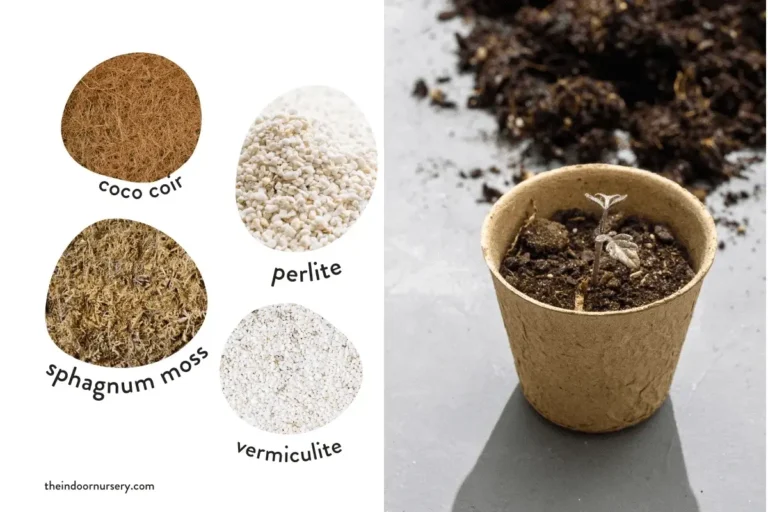
Perlite is a lightweight, porous material added to potting soil to help create open spaces for air and water movement. That can help a pot drain instead of packing into a dense, heavy mass, though the product description doesn’t provide a measured drainage rate or a gardenia-specific pH.
The mix is also described as less prone to fungus gnats because it excludes compost and bark, ingredients that can shelter them. That’s a formulation detail, not a promise that gnats can never appear; damp soil and other nearby plants can still matter. The 4-quart bag is said to fill one 8-inch container, with root-ball size affecting the amount.
Pros:
- Perlite, peat moss, and coir give the blend several useful components.
- Fertilizer feeds indoor container plants for up to six months.
- No compost or bark, ingredients associated with fungus gnat shelter.
- 4-quart size suits a smaller repotting job.
- Described for a range of indoor tropical houseplants.
Cons:
- The bag description doesn’t state a gardenia soil pH.
- Included fertilizer may not match your preferred feeding schedule.
- A small bag won’t go far for several larger containers.
Buy it if: you’re refreshing one smaller indoor pot, because the 4-quart bag is compact and its included fertilizer feeds houseplants for up to six months.
Skip it if: you want an unfertilized mix or need a stated acidic pH, because the included feed and missing pH detail may not suit your plan. Miracle and Back are worth a closer look instead.
What I like about Miracle-Gro Houseplant Mix is the practical small-bag size and the clear note about its fertilizer duration. The perlite may also help keep the soil from feeling like a dense brick, which is useful in a container. I’d still read the bag carefully for pH and think about whether the included feeding period fits your care routine.
This is a reasonable option for a small repot when those details line up.
3. Back to the Roots Organic Potting Soil,
The catalog lists Includes 6qt of Back to the Roots Premium Blend Potting Mix. 100% Organic and Peat-Free, made from upcycled pl. Compare fit and care needs before choosing.
- Size6 Quart
- ColorPremium Potting Mix
- WeightNot listed; check details
- DimensionsNot listed; check details
Back to the Roots Organic Potting Soil is an all-purpose blend for someone who wants a peat-free mix for several kinds of plants. Its listed ingredients include upcycled plant matter and wood fines, with yucca extract for moisture control and dolomitic limestone for pH balancing.
The product description doesn’t give a final pH number or say that the blend is made for acid-loving gardenias. That matters because pH balancing is not the same as confirming that the finished mix falls in a gardenia-friendly range. Check the bag for a stated pH before using it, rather than guessing from the ingredient list.
The yucca extract is described as helping with moisture control, which may help the mix take up water more evenly. The bag contains 6 quarts, and the product is intended for herbs, vegetables, fruits, and flowers as well as indoor and outdoor plants. Those broad uses make it flexible, but they don’t guarantee a fit for every plant’s soil acidity needs.
Pros:
- Peat-free blend made with upcycled plant matter and wood fines.
- Yucca extract is included for moisture control.
- Dolomitic limestone is included for pH balancing.
- 6-quart bag can serve several container gardening tasks.
- Described for flowers, herbs, vegetables, fruits, and indoor plants.
Cons:
- No finished pH number is stated in the description.
- All-purpose formulation isn’t identified as gardenia-specific.
- Limestone makes it especially sensible to confirm pH before use.
Buy it if: you want a peat-free, broadly useful potting blend, because the mix uses upcycled plant matter and includes yucca extract for moisture control.
Skip it if: you can’t confirm that its finished pH suits an acid-loving gardenia, because a general-purpose blend may not meet that plant’s soil needs. If those trade-offs rule it out, Miracle-Gro Organic Indoor Potting Mix, 16 or Miracle-Gro Houseplant Potting Mix, 4 qt. may suit you better.
I’d put Back to the Roots Organic Potting Soil on the “check the label first” list for gardenias. The peat-free ingredients and moisture-control claim may appeal if you want an all-purpose soil, but the listed limestone and lack of a stated final pH leave an important question unanswered. Don’t assume that “pH balancing” means “acidic enough for gardenia.” It makes more sense for someone whose plant mix needs are broad and whose package provides the needed pH information.
4. Back to the Roots Organic Succulent and
The catalog lists Includes 6qt of Back to the Roots Succulent & Cacti Mix Potting Soil. Carefully crafted with succulents and ca. Compare fit and care needs before choosing.
- Size6 Quart
- ColorSucculent & Cacti Mix
- WeightNot listed; check details
- DimensionsNot listed; check details
Back to the Roots Succulent and Cactus Soil is made for plants that need fast drainage, such as cacti and succulents, rather than for a moisture-steady gardenia. Its listed ingredients include aged bark, perlite, and horticultural sand, and the description says those materials support aeration and rapid drainage.
Aeration means open spaces in the soil that let air reach plant roots. That’s useful for plants that are especially vulnerable to staying wet, but a fast-draining cactus mix can make it harder to keep a gardenia evenly moist. A gardenia grower could find the mix dries sooner than expected, especially in a warm, bright indoor spot.
This bag contains 6 quarts, but its size doesn’t change its intended use. The product description calls it a blend designed exclusively for succulents and cacti, so I wouldn’t choose it as the main soil for a gardenia just because it lists drainage as a benefit. If you’re considering it for a particular reason, check the mix’s pH and think through how often you’ll need to monitor moisture.
Pros:
- Perlite and horticultural sand are included for fast drainage.
- Aged bark supports a more open soil structure.
- 6-quart bag offers a useful amount for its intended plant types.
- Made for succulents and cacti that need quick drainage.
Cons:
- The stated intended use is cacti and succulents, not gardenias.
- Fast drainage can mean more frequent moisture checks for a gardenia.
- No gardenia-specific pH is stated.
Buy it if: you’re potting cacti or succulents, because the perlite and horticultural sand are included to speed drainage.
Skip it if: your gardenia needs a steady-moisture potting blend, because a cactus-focused fast-draining mix may dry too quickly for your routine.
I’d be cautious about using Back to the Roots Succulent and Cactus Soil as a gardenia’s main mix. The airy structure is a real advantage for the plants it’s designed for, but a gardenia has different moisture needs. Before using it for anything outside its stated purpose, I’d check the pH and consider whether you can keep a close eye on the pot.
Choose it for succulents, not as a shortcut to gardenia soil.
5. Grow Queen Craft Houseplant Potting Mix, Organic
The catalog lists INDOOR POTTING SOIL MADE FOR HOUSEPLANTS: A premium potting soil for indoor plants that replaces dense, generi. Compare fit and care needs before choosing.
- Size4 quarts
- Number Of Items1
- PICK YOUR SIZEChoose a small bag (2 or 4 quart) for a single repot or a large bag (8 or 12 quart) for a full plant shelf. Same cr
- WeightNot listed; check details
Grow Queen Craft Houseplant Potting Mix is a chunky indoor blend for growers who want bark and mineral pieces instead of a fine, dense potting mix. It lists Douglas fir bark, lava rock, pumice, worm castings, and charged biochar, and it’s described as peat-free and perlite-free.
Pumice is a lightweight, porous volcanic rock used in potting mixes to create air space and support drainage. Along with lava rock and bark, it gives this blend a visibly chunky structure, which may help prevent a dense feel around roots. For a gardenia, that structure could be helpful if the pot stays wet too long, but the product description doesn’t give a measured drainage rate or a soil pH.
The mix is described as pre-moistened and ready to use, so you don’t need to start with a bag of completely dry soil. Worm castings and charged biochar are also listed as ingredients, but the description doesn’t provide a gardenia-specific nutrient analysis. The 4-quart size suits a smaller job, and the bag’s stated uses include a broad collection of houseplants.
Pros:
- Douglas fir bark, lava rock, and pumice create a chunky structure.
- Peat-free and perlite-free formulation, if you prefer those ingredients absent.
- Pre-moistened mix is described as ready to use.
- Worm castings and charged biochar are listed ingredients.
- 4-quart bag can suit a single repotting job.
Cons:
- No finished pH number or gardenia-specific guidance is stated.
- Chunky material may not suit someone seeking a fine, uniform mix.
- The 4-quart bag may be too small for multiple large pots.
Buy it if: you want a chunky, peat-free indoor mix, because bark, lava rock, and pumice create an open structure around roots.
Skip it if: your gardenia needs a fine mix with a verified acidic pH, because this blend is described as chunky and doesn’t state its finished pH.
To me, Grow Queen Craft Houseplant Potting Mix is the most distinct option in this group because it uses coarse bark and mineral ingredients rather than a conventional fine mix. That may suit a gardenia in a pot that holds water too long, but it doesn’t settle the pH question. I’d check the package and make sure the chunky texture won’t leave the root ball sitting in a mix that dries unevenly.
It suits a grower who wants that open structure and can confirm the acidity.
How to Choose the Best Soil for Gardenias in Pots Indoors
Choose a mix that stays acidic, drains freely, and holds enough moisture for steady care. The best soil for gardenias in pots indoors is not defined by an “indoor” label alone; look for a stated pH and a texture that doesn’t stay swampy after watering.
Check the soil pH
Soil pH describes how acidic or alkaline the growing mix is. Gardenias generally do best in acidic soil, often around pH 5.0 to 6.0, so a package that gives a pH range is more useful than a broad “all-purpose” claim.
If the bag doesn’t state pH, don’t try to calculate it from ingredient names. Peat, coir, bark, and lime can each affect a mix, but the finished blend’s pH depends on its formulation. A soil pH test can help if you already own the mix or have a reason to confirm what’s in the pot.
Some flowers have different soil preferences, so a mix suited to one container bloom may not be right for another. If you’re choosing soil for several flowering plants, this guide to potting mix for flowers can help you think through those differences without assuming every flower wants the same blend.
Balance moisture with drainage
Gardenia soil should hold some moisture while allowing extra water to leave the pot. If water pools on top for a long time or the mix stays soggy, the roots may not get enough air; if the pot dries very quickly, you may be watering too often to keep conditions steady.
A pot needs drainage holes, and the saucer should not hold standing water after you finish watering. Ingredient clues such as perlite or pumice suggest a more open texture, while peat moss and coir can help retain moisture. Those clues are useful, but they don’t guarantee a specific drain time.
Match the texture to the root ball
A fine, even mix can fill around a small root ball without leaving large gaps. Chunky bark and rock-based mixes leave bigger air spaces, which may be useful in some containers but can feel coarse around fine roots or a small plant.
Avoid packing fresh soil down hard. Add it loosely around the roots and water to settle it; then check whether the surface sinks enough to need a little more. The root flare, where the stem meets the roots, should not end up buried under a deep mound of soil.
Confirm what the bag is made for
A general indoor mix, an all-purpose mix, and a cactus mix are not interchangeable just because all three can go in a pot. Indoor and outdoor soils may differ in ingredients and intended conditions, so this overview of indoor and outdoor potting mixes is useful if you’re moving a gardenia between an indoor container and an outdoor growing area.
Read the intended plant types and any cautions on the bag. A blend marketed for succulents may be deliberately fast-draining, while a chunky tropical mix may be designed to leave extra air pockets. For a gardenia, use those labels as clues, then make the final call based on pH and how the mix behaves in your pot.
Buy an amount you can use well
Bag size tells you how much mix you’re buying, not exactly how many pots it will fill. Root-ball size, container shape, and the amount of soil already in the pot all affect how much you need.
The product descriptions here give rough container examples, but those amounts can vary with the root ball. Measure the pot’s inside width and depth, then buy a little extra rather than filling the container to the rim. Keep any leftover mix sealed according to its package directions so it doesn’t collect moisture or debris.
Keep potted shrubs in their own lane
A gardenia may be grown as a shrub, but that doesn’t mean every potted shrub uses the same soil. Hydrangeas and boxwoods have their own container needs, so a separate guide to potting soil for potted hydrangeas can help you avoid treating all flowering shrubs as identical.
Likewise, boxwood is a different plant with different growth habits from a gardenia. If you grow both, this advice on potting mix for boxwood is a useful reminder to choose a potting blend for the plant in front of you, not just the broad category “shrub.”
How to Use Potting Soil for Indoor Gardenias
Start with a clean pot that has drainage holes and use a mix whose pH and texture suit a gardenia. Repot gently, water thoroughly once, and then let the soil’s condition guide your next watering rather than following a fixed daily schedule.
- Check the plant and pot. Repot when the plant needs more room or the existing mix is breaking down, not simply because a new bag is available. Choose a pot only modestly larger than the root ball so the extra soil doesn’t stay wet for too long.
- Read the soil bag. Look for the intended plant types, pH information, and any fertilizer already included. If the pH isn’t stated, pause and decide whether you can verify it before using the mix for an acid-loving gardenia.
- Prepare a clean work area. Spread paper or a washable tray under the pot and keep the drainage saucer nearby. Dry soil and loose bark can make a surprising mess, even when you’re only repotting one plant.
- Ease the plant out carefully. Support the plant near its base and loosen the root ball gently. Don’t yank the stem, and don’t tear healthy roots just to remove every trace of old soil.
- Add a little fresh mix. Put enough soil in the bottom of the pot to bring the plant to its previous height. Keep the stem base at the surface instead of burying it under a thick layer.
- Fill around the roots. Add potting mix in small amounts and tap the pot lightly to settle it. Press gently with your fingers; hard packing can squeeze out the air spaces you want around the roots.
- Water and let the pot drain. Water evenly until excess runs from the drainage holes, then empty the saucer. That first watering helps settle soil around roots, but it doesn’t mean the plant needs another drink the next day.
- Watch the moisture before watering again. Check the soil with a finger near the surface and learn how quickly the pot dries in its actual room. A sunny window, room temperature, pot size, and airflow all change the timing.
If you’re starting flowers from seed in the same indoor growing area, don’t assume gardenia soil is the right starting mix for them. Seed-starting blends are often chosen for finer texture around small seeds; this guide to soil for flower seeds covers that separate planting job.
How to Make Your Indoor Gardenia Soil Last Longer
Good care can keep a potting mix useful for longer, but soil isn’t permanent. Check the surface and drainage regularly, remove dead leaves, and refresh or replace the mix when it becomes compacted, sour-smelling, or difficult to water evenly.
Water based on the pot, not the calendar. Gardenias generally prefer consistent moisture, but the upper soil should not remain constantly saturated; check the mix before watering and empty the saucer after excess water drains. A pot that feels heavy for days after watering may be holding too much water for its location or soil texture.
Keep fallen petals and leaves off the soil surface. Decaying plant debris can attract pests and make it harder to spot changes in the mix, so clear it away during routine plant care. Wipe dust from the pot rim and saucer as needed, especially if you see residue or standing water.
Don’t add fertilizer just because the plant looks unhappy. Check whether the soil already contains fertilizer and follow the package’s directions before adding more. Too much feeding can create additional stress, and a yellow leaf can have several causes, including watering, light, and soil pH.
Avoid reusing old potting mix from a plant that had pests, root problems, or disease. Old mix can be compacted and depleted, and keeping it may carry problems into the next pot. When you do refresh the soil, use a clean container and keep the new mix protected from moisture and debris while stored.
Common Mistakes to Avoid When Buying and Using Gardenia Soil
Most avoidable trouble starts with treating a bag label as a complete answer. Check the mix, pot, and watering routine together so a single ingredient or marketing phrase doesn’t make the decision for you.
- Choosing by “indoor” alone: that label doesn’t confirm acidity. Look for a stated pH or plan how you’ll verify it.
- Assuming “pH balanced” means acidic: balanced doesn’t tell you the finished number. Read the package for an actual range.
- Picking a cactus mix because drainage sounds helpful: a gardenia needs steady moisture as well as drainage. Choose a less extreme texture unless you can monitor the pot closely.
- Using a pot without drainage holes: excess water then has nowhere to go. Choose a container with holes and empty the saucer.
- Buying far more soil than needed: unused mix can be awkward to store and may pick up moisture. Estimate the pot volume and choose a bag size that makes sense.
- Packing soil tightly around the root ball: hard pressing reduces open spaces. Settle the mix gently and water it in instead.
- Watering on the same schedule in every room: light, temperature, and pot size change how fast soil dries. Check the actual pot before watering.
How to Repot an Indoor Gardenia
Repot when the plant needs fresh space or the old soil no longer drains and holds moisture evenly. The goal is to disturb roots as little as practical and leave the plant sitting at the same depth as before.
- Choose a suitable day and work area. Set out the clean pot, soil, water, and a tray before lifting the plant. Keeping the process organized makes it easier to avoid leaving roots exposed while you hunt for a tool.
- Select the container carefully. Use a pot with drainage holes and only a modest increase in size over the root ball. A much larger pot can hold extra wet soil that the roots don’t yet occupy.
- Check the new mix. Confirm the pH information if available and inspect the texture before planting. Don’t use a blend intended for cacti simply because the bag promises fast drainage.
- Loosen the root ball gently. Remove only loose, exhausted soil that comes away easily. If roots are tightly circling, tease them carefully rather than tearing them apart.
- Set the plant at its old height. Add soil under the root ball until the stem base lines up with the surface. Keep the crown and stem base clear of a thick soil covering.
- Fill in small layers. Work mix around the root ball and tap the container gently to settle it. Avoid pushing down hard or leaving large empty pockets.
- Water thoroughly and drain. Let excess water run from the pot, then empty the saucer. Don’t leave the container standing in runoff.
- Give the plant time to adjust. Keep the care routine steady and monitor moisture instead of changing several conditions at once. If leaves droop, check the soil and light before adding extra water or fertilizer.
Common Questions About Indoor Gardenia Soil
What pH should soil for a potted gardenia have?
Gardenias generally prefer acidic soil, around pH 5.0 to 6.0. Check the potting mix label for a stated pH range, since a general “indoor” or “balanced” description doesn’t tell you the finished soil acidity. If the package gives no number, consider testing the mix rather than guessing from its ingredients.
Can I use regular houseplant potting mix for a gardenia?
You can consider a general houseplant mix if its acidity and drainage suit the gardenia, but the label alone doesn’t confirm that fit. Check the stated pH and how the mix behaves after watering. A mix with included fertilizer also affects your feeding schedule, so read its directions before adding more.
Is cactus soil good for indoor gardenias?
Cactus soil is usually made to drain quickly for plants that dislike staying wet, so it isn’t an automatic match for a gardenia. Gardenias need moisture that is steady without leaving roots waterlogged. If you’re considering a cactus blend, confirm its pH and be prepared to monitor drying closely.
How often should I water a gardenia in a pot?
There isn’t one reliable schedule for every indoor pot, because light, room temperature, container size, and soil texture change drying time. Check the mix before watering and let excess water drain fully. Aim to keep moisture consistent without leaving the pot or saucer saturated.
Should I add fertilizer when I repot a gardenia?
Not automatically. Some potting mixes already include fertilizer, and Miracle-Gro Houseplant Mix is described as feeding plants for up to six months. Read the package directions and avoid adding another feed until you know what the new soil contains and when it is safe to fertilize.
How much potting soil do I need for one gardenia?
The amount depends on the container’s shape and size, plus how large the root ball is. Use the soil bag’s coverage estimate as a rough guide, not an exact promise. A pot only modestly larger than the root ball usually avoids leaving a large volume of extra soil to stay wet.
Before You Repot, Check These Two Details
Before choosing a bag, check the stated pH and make sure your container has drainage holes. If the mix doesn’t give a pH, don’t treat a broad indoor or organic label as proof that it suits a gardenia; choose only when you can confirm the acidity and manage the soil’s moisture.

I’m Maya L. Greenwood, a lifelong plant lover who believes anyone can grow something beautiful with the right guidance. After years of testing soil mixes, pruning methods, irrigation tricks, and pest-safe solutions, I started EasyGardenTips.com to turn hard-won lessons into step-by-step advice. From seed starting and container gardens to composting and seasonal checklists, my goal is to make gardening simple, sustainable, and fun.