
5 Best Gnat Free Potting Soil: Mixes That Keep Pests Away for Good
Buy the wrong potting soil and houseplants can stay soggy long enough to attract fungus gnats, even if the bag promised an easy fix. A poor fit can also mean a heavy, awkward repotting job or leftover soil that sits open and damp in a closet.
For gnat control, start with the ingredients and how you water, not a promise that any soil will keep every pest away. A mix without compost or bark may offer fewer common hiding places, but damp soil can still support gnats, so drainage and watering habits matter too.
Here’s what to check before you choose:
- Which ingredients may make a mix less inviting to fungus gnats.
- How bag size matches your pots and upcoming repotting jobs.
- What moisture retention, drainage, and feeding claims mean in daily care.
- How to repot, water, and store soil without inviting more pests.
Quick Picks
-
Best For Small Houseplant Jobs

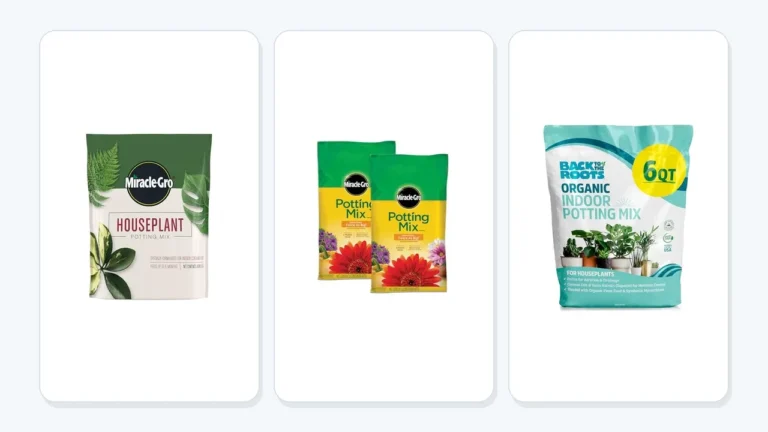
Miracle-Gro Houseplant Potting Mix, 4 qt.
Perlite, peat moss, and coir make an indoor mix without compost or bark, helping houseplant growers reduce common gnat shelters.
-
Best For Peat-Free Houseplants
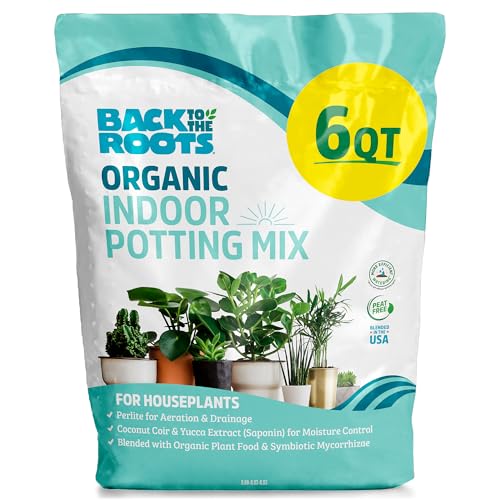
Back to the Roots Organic Indoor Potting
Peat-free, bark-free mix with moisture-holding yucca extract suits indoor growers who want a larger bag and fewer common gnat shelters.
Top 5 Gnat Free Potting Soils at a Glance
Miracle-Gro Houseplant Potting Mix and Back to the Roots Indoor Potting Mix are the first two to consider if you want an indoor blend that leaves out bark and compost. The remaining choices trade ingredient mix, bag volume, and feeding or moisture features, so the right pick depends on your plants and how much soil you need.
| Product image | Product name | Check product |
|---|---|---|
| 1 |
Miracle-Gro Houseplant Potting Mix, 4 qt. | Check Price |
| 2 |
Back to the Roots Organic Indoor Potting | Check Price |
3 |
Rosy Soil Houseplant Potting Soil, Organic Indoor | Check Price |
4 |
Miracle-Gro Organic Indoor Potting Mix, 16 qt. | Check Price |
5 |
Miracle-Gro Indoor Potting Mix for All Plants, | Check Price |
5 Best Gnat Free Potting Soils: Detailed Reviews
When I chose the best gnat free potting soil, I paid attention to whether the mix is intended for indoor containers, whether it includes ingredients known to shelter fungus gnats, and what the bag says about moisture and plant feeding. Those details help you avoid buying soil that encourages the same damp conditions you’re trying to prevent.
I also weighed bag size and the kinds of plants each blend is meant to support. The options here range from a small houseplant bag to larger indoor mixes, so you can compare a focused repotting choice with soil intended for more containers or broader use.
1. Miracle-Gro Houseplant Potting Mix, 4 qt.
Perlite, peat moss, and coir make an indoor mix without compost or bark, helping houseplant growers reduce common gnat shelters.
- Size4 qt
- Pack1 Pack
- Color4 qt
- COVERAGEOne 4 qt. bag of Miracle-Gro Houseplant Potting Mix fills one 8-inch container; amounts may vary based on the size
Miracle-Gro Houseplant Potting Mix is a small indoor blend for houseplant owners who want an easy-to-find mix formulated to be less prone to fungus gnats. It is intended for plants such as pothos, spider plants, monstera, philodendron, and English ivy.
The mix combines perlite, a light material that helps keep potting soil airy, with sphagnum peat moss and coir. In everyday use, that blend gives roots a less dense medium than plain garden soil, which can help keep a container from feeling like a packed block after watering.
The stated reason this mix is less prone to gnats is that it leaves out compost and bark, ingredients that can shelter them. That is a useful distinction if fungus gnats have been a nuisance, but it is not a guarantee: persistent moisture and other sources of adult gnats can still cause trouble.
Miracle-Gro says the included fertilizer feeds indoor container plants for up to 6 months. The 4-quart bag is listed as enough to fill one 8-inch container, though a large root ball can change how much mix you actually need.
Pros:
- No compost or bark, reducing two common gnat shelters.
- Perlite, peat moss, and coir form an indoor blend.
- Fertilizer is stated to feed plants for up to 6 months.
- Intended for a range of common tropical houseplants.
- 4-quart bag suits a small repotting job.
Cons:
- Small bag may not stretch to several large pots.
- Fertilizer is included, so it may not suit a no-feed preference.
- Less prone to gnats does not mean gnat-proof.
Buy it if: you’re repotting a few indoor plants, because this 4-quart mix leaves out compost and bark associated with gnat shelter.
Skip it if: you need soil for a shelf full of large plants, because one small bag may run short, and a larger indoor mix would suit you better. For another fit, consider Back or Rosy.
I’d pick the Miracle-Gro Houseplant Potting Mix when the goal is a straightforward indoor blend for a modest repotting session. Leaving out compost and bark gives the gnat-conscious buyer a clear ingredient-based reason to consider it, and the stated feeding period may simplify care. Check the bag size and fertilizer details against your pots and feeding routine before buying.
This is the sensible first look for someone refreshing a few ordinary houseplants.
2. Back to the Roots Organic Indoor Potting
Peat-free, bark-free mix with moisture-holding yucca extract suits indoor growers who want a larger bag and fewer common gnat shelters.
- Size6 Quart
- ColorIndoor Potting Mix
- Release Date2023-01-01T00:00:01Z
- Number Of Items1
Back to the Roots Indoor Potting Mix is a peat-free indoor blend for plant owners who want a larger bag and a mix that avoids bark and compost. Its listed uses include plants such as pothos, monstera, and ferns.
The mix contains yucca extract, a plant-derived ingredient described as helping soil retain moisture. That may be useful if your potting mix dries out quickly, though moisture-holding ingredients don’t replace checking each plant’s watering needs or using a pot with drainage.
The blend also includes mycorrhizae, beneficial fungi that can form associations around plant roots and support nutrient uptake. It’s a root-focused feature rather than a cure for poor watering, so a beginner should still avoid leaving a plant in standing water.
The 6-quart mix is described as peat-free and made without bark or compost, which addresses two common gnat shelters. The product is presented as organic, but that wording by itself does not establish a separate safety certification or mean every household plant is safe to eat.
Pros:
- Peat-free mix for shoppers avoiding peat.
- No bark or compost, limiting common gnat shelters.
- Yucca extract is described as helping retain moisture.
- Mycorrhizae are included to support root development.
- 6-quart size gives more soil than a 4-quart bag.
Cons:**
- Moisture retention may not suit plants that need fast-drying soil.
- No stated fertilizer feeding duration is listed.
- Organic wording is not a substitute for checking safety details.
Buy it if: you want a peat-free indoor mix, because its bark-free, compost-free formula and 6-quart bag suit several routine plant-care jobs.
Skip it if: your plants need a quick-drying, low-moisture medium, because yucca extract is intended to help retain moisture, and a faster-draining mix would suit you better. Miracle and Rosy are worth a closer look instead.
What I like about Back to the Roots is that its peat-free ingredient choice and moisture feature give the buyer two clear reasons to consider it. The 6-quart size is a practical middle ground when a single small bag feels limiting but you don’t need a bulk supply. I’d check the soil’s moisture behavior against the needs of your specific plants, especially if you tend to water often.
This mix is a good fit for someone who wants peat-free potting soil and has a sensible watering routine.
3. Rosy Soil Houseplant Potting Soil, Organic Indoor
The catalog lists ORGANIC INDOOR POTTING SOIL, MADE WITHOUT PEAT: Biochar, worm castings, mycorrhizae, compost, and bark fines r. Compare fit and care needs before choosing.
- Size4 Quarts
- ColorHouseplant
- Number Of Items1
- WeightNot listed; check details
Rosy Soil Houseplant Potting Soil is a 4-quart organic indoor mix for growers who want ingredients beyond a basic peat-based blend. The listed plants include monstera, pothos, tropical plants, ferns, herbs, and several other houseplant types.
One of its main ingredients is biochar, a porous form of charcoal used in potting mixes to help keep the mix open. The product also lists bark fines and sand, which are described as helping water move through the soil rather than pool around the roots.
That drainage focus may help if your containers tend to stay wet, but it doesn’t remove the need for drainage holes or sensible watering. The mix also contains compost and bark fines, so it does not make the same specific claim about leaving out those potential gnat shelters as the first two picks.
The blend includes worm castings and mycorrhizae, ingredients intended to support plant nutrition and root development. Those additions make the mix more involved than a simple soil refresh, but the 4-quart bag may cover only a few medium pots, depending on the root balls and container sizes.
Pros:
- Biochar and bark fines are included in the airy mix.
- Sand is listed as part of the drainage blend.
- Worm castings and mycorrhizae are included.
- Peat-free formula for growers avoiding peat.
- Resealable bag is described as keeping leftover mix fresh.
Cons:
- Contains compost and bark fines, so it lacks the no-bark, no-compost gnat angle.
- 4-quart volume may not cover many pots.
- Drainage ingredients cannot compensate for frequent overwatering.
Buy it if: you want a peat-free mix with listed drainage ingredients, because biochar, sand, and bark fines are intended to keep the medium open.
Skip it if: your main priority is a mix that leaves out compost and bark, because Rosy Soil contains both, and a bark-free indoor mix would suit you better. If those trade-offs rule it out, Miracle or Back may suit you better.
I’d consider Rosy Soil when drainage and peat-free ingredients matter more to you than avoiding every ingredient that may shelter gnats. Biochar, sand, and bark fines make its stated structure easy to understand, while the resealable bag is handy if you don’t use all 4 quarts at once. My hesitation is that the compost and bark make it a less direct match for someone shopping mainly to reduce gnat shelters.
Choose it if the drainage-focused blend fits your plants and you’re ready to manage moisture carefully.
4. Miracle-Gro Organic Indoor Potting Mix, 16 qt.
The catalog lists HELPS REGULATE SOIL MOISTURE: Miracle-Gro Organic Indoor Potting Soil Mix is an organic potting soil that prot. Compare fit and care needs before choosing.
- Size16.qt
- COVERAGEOne 16 qt. bag of Miracle-Gro Organic Indoor Potting Mix fills one 12-inch container with potting soil for indoor p
- WeightNot listed; check details
- DimensionsNot listed; check details
Miracle-Gro Organic Indoor Potting Mix is a larger blend intended for indoor containers, houseplants, herbs, and seed starting. Its moisture-focused description may appeal if you want one bag for a range of indoor growing jobs.
The ingredients listed include sphagnum peat moss, coir, and quick-start natural fertilizer. Coir is made from coconut fiber and can help a mix hold and release water, which may make moisture management less fussy for a beginner, though no soil can water a plant for you.
The product is described as helping protect plants against over- and under-watering. Treat that as a moisture-management claim, not permission to keep a pot waterlogged or let a seed tray dry out; the plant, container, and room conditions still affect when to water.
The 16-quart bag is stated to fill one 12-inch container, with the actual amount varying with the root ball. The listed ingredients include peat moss, so this isn’t the peat-free choice among the five, and its supplied details don’t specifically say it leaves out compost and bark.
Pros:
- 16-quart bag is useful for a larger planting job.
- Intended for houseplants, herbs, and seed starting.
- Peat moss and coir are listed ingredients.
- Includes quick-start natural fertilizer.
- Product description focuses on soil moisture regulation.
Cons:
- Contains peat moss, so it does not suit peat-free preferences.
- Larger bag may be more than one small plant needs.
- No specific claim that it excludes bark and compost.
Buy it if: you need a larger indoor mix for containers or seed starting, because the 16-quart bag is described for several indoor growing uses.
Skip it if: you specifically want peat-free soil or a mix documented to omit bark and compost, because those details don’t match the listed ingredients and claims here, and a more clearly specified indoor blend would suit you better.
I’d choose the Miracle-Gro Organic Indoor Potting Mix for its larger volume and broad indoor uses, especially if seed starting is part of the plan. Coir and the stated moisture focus may be helpful when you’re learning to judge watering, but it still takes regular checks. Before buying, confirm that peat moss and the bag size work for your preferences and storage space.
This is best for someone who wants a larger indoor blend rather than the clearest gnat-focused ingredient profile.
5. Miracle-Gro Indoor Potting Mix for All Plants,
The catalog lists Miracle-Gro Indoor Potting Mix for All Plants feeds houseplants for up to 6 months and grows healthier, more r. Compare fit and care needs before choosing.
- Size16 qt
- WeightNot listed; check details
- DimensionsNot listed; check details
- MaterialNot listed; check details
Miracle-Gro Indoor Potting Mix for All Plants is a ready-to-use 16-quart blend for indoor plants, including herbs, foliage plants, climbing plants, and flowering plants. It may suit someone repotting several containers who wants one mix without a separate blending step.
The blend contains sphagnum peat moss, coir, and perlite, ingredients described as helping manage water retention and release. In plain terms, the mix is intended to hold some moisture while still allowing water to move through it, which can make routine watering more manageable than guessing at a dense, compact medium.
Miracle-Gro says the mix leaves out compost and bark, which are known to shelter fungus gnats, and includes fertilizer that feeds houseplants for up to 6 months. Those are useful features for indoor plant care, but they don’t mean the soil prevents every gnat or that you should add more fertilizer without checking the label.
A 16-quart bag is stated to fill four 8-inch containers, though root ball size can change the amount needed. That volume is handy for a multi-pot job, but opened soil needs a dry, protected storage spot so it doesn’t become damp before you use the rest.
Pros:
- No compost or bark, reducing two common gnat shelters.
- 16-quart size is intended for several 8-inch pots.
- Ready to use without a stated mixing step.
- Includes peat moss, coir, and perlite.
- Fertilizer is stated to feed plants for up to 6 months.
Cons:
- Large bag can be excessive for a single small pot.
- Contains peat moss, so it isn’t peat-free.
- Fertilizer is included, which may not fit every feeding routine.
Buy it if: you’re repotting several indoor plants, because this 16-quart blend leaves out compost and bark and is ready to use.
Skip it if: you need only a small amount of peat-free soil, because the bag is large and contains peat moss, and a smaller peat-free mix would suit you better.
I’d put the Miracle-Gro Indoor Potting Mix for All Plants high on the list for someone with several containers to refresh at once. The larger bag, ready-to-use blend, and stated lack of compost and bark make its appeal easy to grasp. Check that the included fertilizer and peat moss fit your plans, and make room to store the remaining soil dry.
It’s a practical fit for a multi-pot indoor job, not a tiny one-plant touch-up.
How to Choose the Best Gnat Free Potting Soil
The best gnat free potting soil is a mix that suits your plants, drains appropriately, and avoids ingredients you’d rather not bring indoors. No potting mix can promise that gnats will never appear, so pair ingredient choices with careful watering and clean containers.
Check for common gnat shelters
Fungus gnats are often associated with damp potting media and organic material, and some mixes specifically leave out bark or compost. If that is your main concern, look for an explicit ingredient statement instead of assuming every indoor soil blend is equally less prone to gnats.
A bark-free or compost-free mix can reduce potential shelter in the soil, but it does not control adult gnats already in the room or stop them from entering later. If you’re comparing choices because pests are already present, use a separate, practical plan for bugs in potting soil rather than expecting a new bag of soil to solve the whole problem.
Match drainage to the plant
Drainage is how readily extra water can move through the mix and out of the pot. A mix that stays wet too long can create conditions fungus gnats like, while a very fast-draining blend can leave moisture-sensitive plants thirsty sooner.
Check your plant’s care needs before choosing a mix with ingredients such as perlite, sand, or bark fines. Also check that the container has drainage holes; a good blend cannot help much if water has nowhere to go.
Choose a bag size you can use
Bag size matters because leftover soil needs dry storage, and a half-used bag that gets wet can be harder to manage. The products here range from 4 quarts to 16 quarts, with some descriptions estimating how many containers each bag fills.
Use the listed coverage as a starting point, not a precise promise. A wide pot or a large root ball changes how much fresh mix you need, so measure the container and leave a little room for settling instead of buying solely by the number of pots.
Consider peat and other ingredients
Peat moss is a common potting mix ingredient, while some blends are marketed as peat-free. If avoiding peat is important to you, confirm that the specific bag says peat-free rather than guessing from its brand or the word organic.
Back to the Roots and Rosy Soil are described as peat-free, though their other ingredients differ. For more choices and a fuller look at the trade-offs, compare a guide to peat-free potting soil before deciding which ingredient profile fits your plants.
Don’t treat “organic” as a safety guarantee
Organic describes an ingredient or production claim, but it doesn’t automatically prove a particular soil is certified for every use or safe to eat. Keep all potting mixes away from children and pets, wash your hands after handling soil, and check product-specific directions if household exposure is a concern.
The same caution applies to phrases such as natural or pet-safe: look for what the wording actually covers, and don’t assume it means a plant is safe to chew. If safety is your main buying concern, read the separate discussion of non-toxic potting soil choices and verify any specific certification you need.
Think about feeding and moisture
Some mixes include fertilizer or ingredients intended to hold moisture, while others focus more on drainage. A bag that feeds plants for a stated period can simplify your routine, but don’t add more fertilizer automatically without checking the product directions and your plant’s needs.
If you often overwater, focus on a pot with drainage and a mix that does not stay soggy in your conditions. If you forget to water, a moisture-holding blend may help, but it is still important to check the soil rather than follow a fixed schedule for every plant.
How to Use Gnat Free Potting Soil for the Best Results
Start with a clean pot, fresh mix, and a watering routine that lets the soil surface dry as appropriate for the plant. Fresh soil can help with one part of the problem, but it won’t remove adult gnats or correct an overly wet spot in your home.
- Choose a pot with drainage holes. If water can’t escape, the mix can stay wet for too long.
- Read the bag directions before planting. This matters especially when the mix includes fertilizer or is intended for seed starting.
- Use clean containers and tools. Old soil stuck to a pot can carry pests or plant problems into the fresh mix.
- Add enough mix to support the root ball. Don’t pack it down hard, because roots need room and water needs a path through the soil.
- Set the plant at a suitable depth. Keep the existing root ball covered without burying stems that should stay above the soil.
- Water according to the plant’s needs, then let excess water drain. Empty any saucer instead of leaving the pot sitting in pooled water.
- Watch the soil surface and the plant over the next days. Adjust watering based on how quickly the pot dries, not on a calendar that ignores room conditions.
If small flies are already hovering around your pots, repotting alone may not be enough. Use a targeted approach to identify and address gnats in potting soil, while also reviewing watering and standing water nearby.
How to Make Your Potting Soil Last Longer
Store leftover potting mix dry, closed, and away from rain or spills. Moisture trapped in an open bag can change how the mix behaves and may make a comfortable home for unwanted pests.
Fold the top of the bag over securely or use a clean, closed storage container. Keep it off a wet floor and away from direct weather, and don’t put fresh soil into a container that still has damp old mix stuck inside.
Before reusing stored soil, check for a musty smell, visible pests, or a texture that has turned into a wet, compacted clump. If anything seems off, don’t spread that mix among healthy houseplants just to avoid wasting a small amount.
Avoid storing potting mix beside open food, pet dishes, or children’s play areas. Soil is for plants, not snacking, and even a bag described as organic should be handled with ordinary care.
Plan the bag size around your next few jobs. A large bag may cost less per amount in some cases, but that doesn’t help if the unused mix gets wet or sits around longer than you can store it properly.
Common Mistakes to Avoid When Buying and Using Potting Soil
- Assuming “gnat free” means a guarantee: The phrase can overpromise; look for specific ingredient details and remember that moisture and adult gnats still matter.
- Watering every plant on the same schedule: Pots and plants dry at different rates; check the soil and follow the plant’s needs.
- Leaving water in the saucer: Standing water keeps a pot wet; empty excess after watering.
- Using a pot without drainage: Water can collect around roots; choose a container with holes or solve drainage before planting.
- Ignoring the ingredient list: A soil labeled for indoor plants may still contain ingredients you wish to avoid; check the bag for peat, bark, compost, and fertilizer.
- Buying too much soil: Extra mix can be hard to store; match bag size to your pots and protect leftovers from dampness.
- Treating organic as a safety certification: The word alone may not confirm a specific standard; verify the certification or use claim you need.
How to Set Up Gnat Free Potting Soil
A clean repotting setup helps fresh soil stay fresh and keeps old damp mix from spreading around your plants. Work on a washable surface, and use the soil’s own directions when they differ from general repotting steps.
- Pick a work area you can clean afterward. A tray or washable surface keeps loose mix off floors and counters.
- Gather the pot, soil, and a small scoop before opening the bag. Keeping the bag closed until you’re ready helps protect unused mix.
- Check the pot for drainage holes and wash it if it has old soil stuck inside. A clean container is easier to manage than one with leftover wet residue.
- Read the bag and plant directions. Watch for fertilizer instructions, seed-starting notes, or limits on how the mix should be used.
- Loosen the plant’s root ball gently if it is compacted. Avoid tearing healthy roots just to remove every bit of old soil.
- Add fresh mix around the roots and settle it lightly. Pressing hard can compact the soil and make watering less even.
- Water as directed and let the pot drain fully. If the plant needs time to adjust, follow its care needs rather than adding extra fertilizer or water.
- Close and store remaining soil in a dry place. Don’t leave an opened bag beside the repotted plants where spilled water can soak it.
If you’re also filling an outdoor raised bed, don’t assume indoor houseplant soil is the right bulk material for that job. Compare the needs of potting soil for raised beds before using these small-container blends outdoors.
Common Questions About Gnat Free Potting Soil
Does gnat-free potting soil really keep fungus gnats away?
No potting soil can guarantee that fungus gnats will never appear. A blend that leaves out ingredients such as bark and compost may offer fewer common shelters, but gnats can still arrive from other plants or persist when soil stays damp. Pair an appropriate mix with good drainage and careful watering.
What potting soil ingredients attract fungus gnats?
Fungus gnats are commonly associated with moist potting media and organic material. Some soil blends call out compost and bark as ingredients that may shelter them, but ingredient choices alone don’t explain every infestation. Check the bag, keep pots from staying soggy, and inspect nearby plants if gnats continue.
How do I water houseplants to reduce fungus gnats?
Water each plant according to its needs, and let excess water drain rather than leaving the pot in a full saucer. Many houseplants tolerate some drying between waterings, but that isn’t right for every plant. Check the soil and plant-care directions instead of following one schedule for all your pots.
Is peat-free potting soil better for fungus gnats?
Peat-free and gnat-conscious are different features, so one does not automatically mean the other. Compare the full ingredient list and look for a specific statement about bark or compost if reducing those potential shelters is your goal. Also consider drainage, moisture retention, and what your plants need.
Can I use indoor potting soil for seedlings?
Some indoor mixes are specifically described for seed starting, while others are meant mainly for established container plants. Check the bag before sowing, since fertilizer and texture can matter for young seedlings. Use a clean container and follow the seed directions for moisture and depth.
How long can I store an opened bag of potting soil?
There is no single storage period that fits every opened bag and storage space. Keep the mix dry and closed, then inspect it before use for damp clumps, a musty smell, or visible pests. Follow the packaging directions, and discard soil that seems spoiled rather than spreading it to healthy plants.
Make the Soil Choice Fit Your Plants
Before you buy, list the plants you’re repotting, check their moisture needs, and estimate how many quarts their containers will take. Then choose a mix whose ingredients and bag size fit that job, and plan a dry place for any soil you don’t use.

I’m Maya L. Greenwood, a lifelong plant lover who believes anyone can grow something beautiful with the right guidance. After years of testing soil mixes, pruning methods, irrigation tricks, and pest-safe solutions, I started EasyGardenTips.com to turn hard-won lessons into step-by-step advice. From seed starting and container gardens to composting and seasonal checklists, my goal is to make gardening simple, sustainable, and fun.
One Comment