How to Get Rid of Gnats in Potting Soil Fast and Keep Them Gone
To get rid of gnats in potting soil, let the top inch or two dry between waterings, treat the soil to kill larvae, and use yellow sticky traps to catch adults. Keep up the routine for a few weeks, since one round rarely reaches every stage of the gnat life cycle.
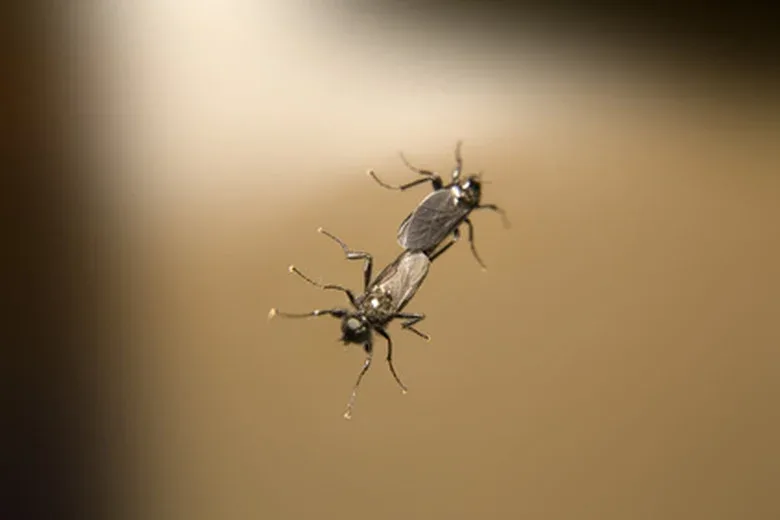
Are tiny flies hovering around your favorite plant, or popping up when you water it? You’re probably dealing with fungus gnats, small dark flies whose young live in damp potting mix.
I once focused on catching the adults and ignored the wet soil they were breeding in. The traps filled up, but new gnats kept showing up, and I spent more time cleaning sticky cards than caring for the plant. It’s a common mistake, not a dumb one.
I wrote this to give you a practical plan that handles the larvae and the flying adults without turning plant care into a chemistry project. It’s for anyone who wants to protect a houseplant, a windowsill, and their patience.
Follow the steps and you can cut down the gnats, avoid overwatering, and keep the roots in better shape. Skip the soil part, and the adult flies may keep coming back even after the traps look busy.
This takes about 10 minutes to read. You’ll come away knowing how to:
- Tell fungus gnats from other small flying pests.
- Treat larvae in potting soil while catching adults.
- Adjust watering without drying out a thirsty plant.
- Reduce the odds of another infestation.
How to Get Rid of Gnats in Potting Soil: A Fast, Reliable Plan
The reliable fix is to treat the damp soil where gnat larvae live, while trapping the adults that are already flying around. Let the top 1 to 2 inches of soil dry before watering again, use a labeled BTI product on the soil, and keep yellow sticky traps near the plant.
Bacillus thuringiensis subspecies israelensis, usually shortened to BTI, is a naturally occurring bacterium sold in products for controlling certain mosquito and fly larvae. It won’t catch adult gnats, so traps and soil treatment do different jobs.
Follow these steps:
- Check the plant and soil. Fungus gnats are small, dark, mosquito-like flies, often seen near damp potting mix. Tap the pot or move the plant gently; adults may lift off from the soil.
- Let the soil surface dry. Wait until the top 1 to 2 inches feel dry before watering, unless the plant’s care needs call for a different schedule. Don’t leave the pot sitting in runoff.
- Treat the soil with BTI. Use a product labeled for fungus gnat larvae and follow its directions for mixing, timing, and application. Some products are designed to steep in water before use.
- Set out yellow sticky traps. Place traps near the soil surface, where adults are active. Keep them out of reach of pets and children, since the sticky surface can catch more than gnats.
- Repeat and monitor. Follow the product label for repeat treatments, and keep traps in place while new adults are still appearing. Check the pot and nearby plants every few days.
The traps can make the problem look worse at first because you’ll see how many adults are flying around. That’s useful information, but the trap alone doesn’t treat eggs or larvae in the pot.
If your plant tolerates it, bottom watering can help keep the surface drier. Add water to the saucer, let the pot absorb what it needs, then pour off any water left behind; don’t leave roots soaking.
Pro Tip: Set a reminder to check soil moisture before watering. A calendar schedule can lead you to water a plant that’s still sitting in damp mix.
The same soil checks can help if you’re dealing with other pests. The right response depends on the bug, so it helps to know how to identify soil bugs before treating a problem that may not be fungus gnats.
- Dry the soil surface between waterings, but follow the plant’s needs.
- Use BTI for larvae and sticky traps for adults.
- Repeat treatments as directed, since new gnats can emerge after the first round.
How to Tell Fungus Gnats from Other Small Flies
Fungus gnats are small, dark flies that tend to stay near moist potting soil. Their larvae are tiny, pale, and wormlike, with dark heads, and they feed on fungi and decaying material in the mix.
A few adults don’t always mean a severe infestation. The number of flies, whether you can spot larvae, and how damp the soil stays all help you judge how much action is needed.
| What you notice | What it may point to | What to do next |
|---|---|---|
| Small dark flies hovering near the pot | Fungus gnats are likely | Check the soil and use sticky traps |
| Flies gathered around fruit or a sink | Fruit flies may be the issue | Check kitchen scraps and drains |
| Tiny pale larvae in damp soil | Fungus gnat larvae may be present | Use a labeled soil treatment |
| White, fuzzy growth on the soil | Mold growing on organic material | Reduce excess moisture and improve airflow |
| Flies around several damp pots | More than one pot may be a source | Inspect nearby plants and saucers |
Fungus gnats are often more irritating than dangerous to a healthy, established houseplant. A large number of larvae can damage tender roots or seedlings, though, so don’t ignore a heavy infestation around young plants.
Are the flies around the plant even when the soil is dry? Check nearby fruit, trash, drains, and damp household items before treating the pot. Treating the wrong source can waste time and leave the actual pest undisturbed.
White growth on potting mix isn’t automatically a pest, but persistently damp soil can encourage mold. If that’s showing up too, why potting soil grows mold can help you work out whether moisture, airflow, or old material is part of the problem.
For a broader pest check, the approach can change with the insect. Fungus gnats breed in damp mix, while other bugs may need a different fix, so match the treatment to what you actually find.
What to Use on Gnats and What to Skip
For most houseplants, start with moisture control, a labeled BTI treatment, and yellow sticky traps. If the infestation keeps going, inspect every nearby pot and consider a product labeled for fungus gnat larvae, such as beneficial nematodes, if you’re comfortable applying them.
Beneficial nematodes are tiny roundworms used to target certain soil-dwelling pests. A product sold for fungus gnats may contain Steinernema feltiae; follow its label for storage, mixing, application, and timing, because living organisms can be sensitive to conditions.
Here’s how the common options compare:
| Method | What it targets | Best use | Main limitation |
|---|---|---|---|
| Letting the soil surface dry | Conditions that support larvae | The first change for most plants | Not suitable for every plant or growing medium |
| BTI soil treatment | Larvae | Treating larvae in the pot | Doesn’t catch adult gnats |
| Yellow sticky traps | Adult gnats | Tracking and catching fliers | Doesn’t treat eggs or larvae |
| Beneficial nematodes | Certain soil larvae | Persistent infestations | Must be handled as the product label directs |
| Replacing some potting mix | Larvae and eggs in affected material | Severe or persistent cases | Can stress a plant and won’t fix damp conditions |
Skip the urge to drench the pot with a home remedy just because a video makes it look easy. Hydrogen peroxide, dish soap, and strong oils can harm roots or leaves when mixed or used incorrectly, and a treatment that kills some larvae may leave the moisture problem untouched.
I once tried to solve a gnat problem by swapping out soil before changing how often I watered. The fresh mix stayed wet just as long, and the flies returned; the useful lesson was to fix the growing conditions, not only the contents of the pot.
Before using any pesticide or pest-control product, check that its label includes the plant or setting you’re treating. Keep children and pets away during application, and don’t mix products unless the label specifically says to do so.
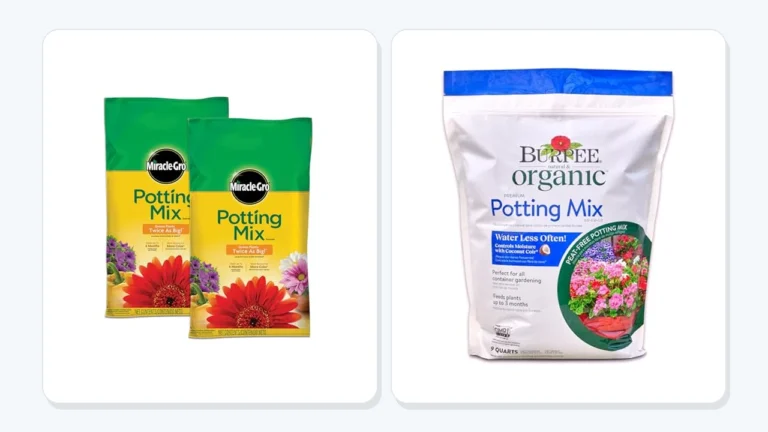
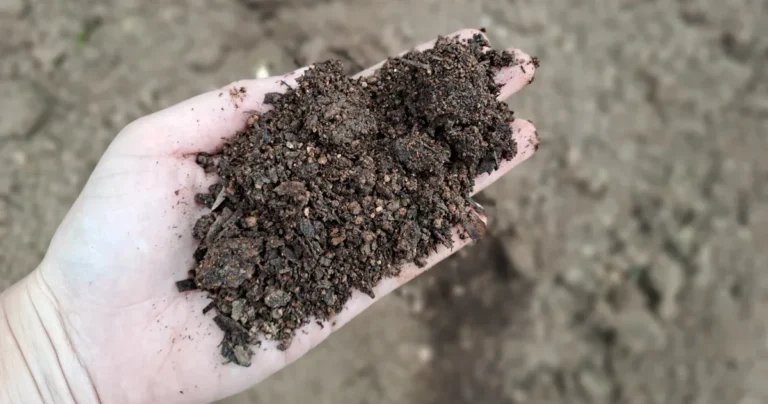
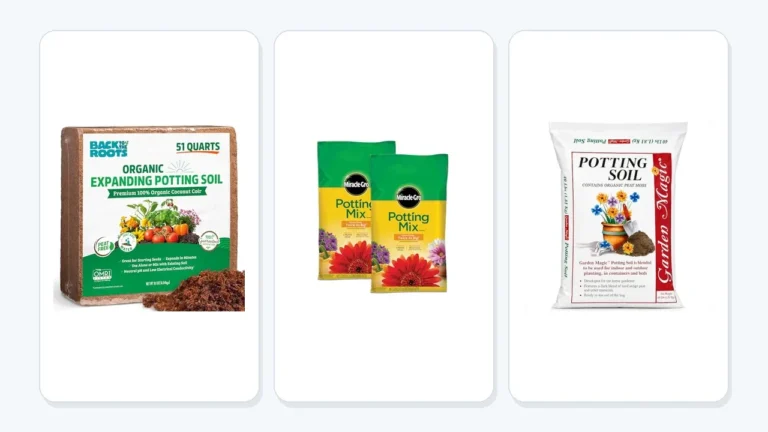
If you’d rather replace the mix, pick a product that suits the plant and the pot’s drainage. A well-draining potting soil can help the surface dry between waterings, though even a good mix won’t help if the pot sits in water.
How to Keep Gnats from Coming Back
Fungus gnats are less likely to return when potting soil doesn’t stay wet for long stretches. Check moisture before each watering, clear water from saucers, and keep fresh potting mix and new plants from adding another source.
Watering needs vary with the plant, pot size, light, temperature, and mix. A small terracotta pot near a sunny window can dry much faster than a large plastic pot in a dim corner, so use the soil as your guide rather than a fixed weekly schedule.
A few small habits can make a real difference:
- Use pots with drainage holes.
- Empty saucers after watering.
- Remove fallen leaves and other decaying material from the soil surface.
- Avoid keeping bags of potting mix open in damp areas.
- Check new plants for adult gnats before placing them beside your collection.
- Keep an eye on the soil surface, especially after repotting.
Could your soil mix be part of the problem? A mix that stays wet for a long time can make it harder to keep gnats away, while a plant’s needs still matter more than a one-size-fits-all formula.
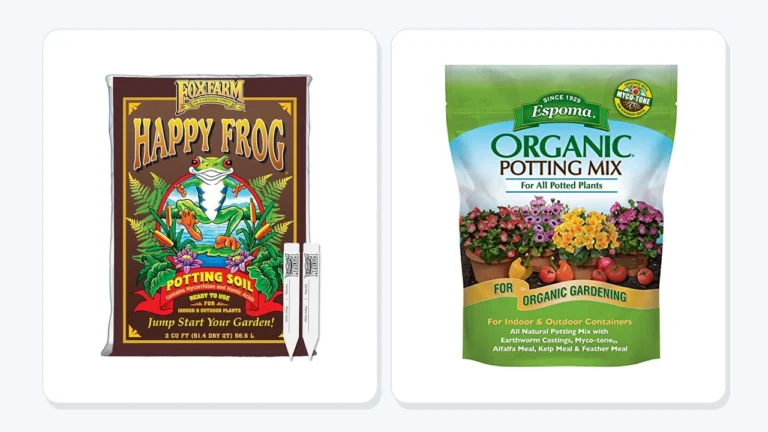
For a new plant or a household where you’re careful about product ingredients, compare the mix’s contents and follow its package directions. A non-toxic potting soil option may fit your preferences, but no mix can promise a pest-free plant if it’s stored or kept overly wet.
Some potting mixes contain compost, bark, or other organic material that can support fungi as it breaks down. That isn’t a reason to avoid all organic ingredients, but it does make moisture control and clean storage worth the effort.
If you keep seeing gnats after adjusting watering and treating larvae, inspect every nearby pot rather than only the most affected one. A prevention routine for fungus gnats is easier to maintain when you catch damp soil and early adult activity before the flies spread.
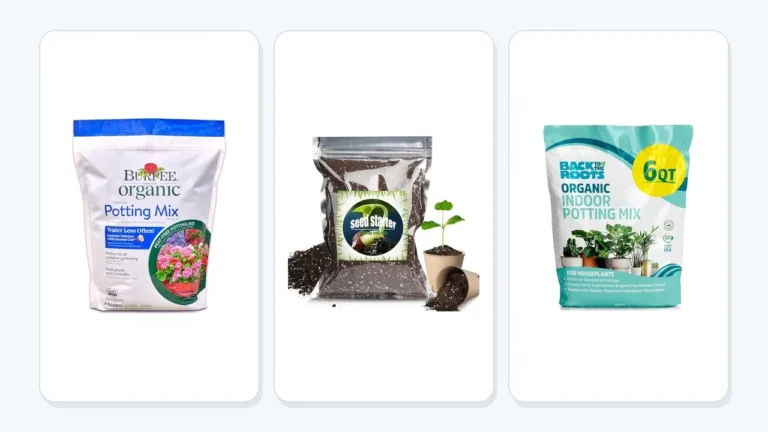
For a replacement mix, look at the plant’s drainage needs and the pot’s design, not just the product name. A gnat-resistant potting soil choice can be a useful starting point, but sensible watering and clean storage still matter.
When to Repot and How to Handle a Stubborn Infestation
Repotting can help when the potting mix is badly contaminated, stays soggy despite better watering, or has a sour smell or damaged roots. It’s not the first move for every gnat sighting because disturbing healthy roots can add stress without addressing gnats in other pots.
If you decide to repot, take these steps:
- Choose a clean pot with drainage holes, sized for the plant’s root ball.
- Remove loose, infested soil without pulling hard on the roots.
- Discard the old mix in a sealed bag rather than reusing it for another houseplant.
- Fill with fresh potting mix suited to the plant.
- Clean the pot and the area around it, then resume watering based on soil moisture.
Don’t repot a struggling plant just to chase a couple of adult gnats. The stress may do more harm than a measured soil treatment, especially if the plant has delicate roots or is already recovering.
If the flies persist, check the saucer, outer decorative pot, nearby seedlings, and any stored potting mix. Gnats can keep emerging from one overlooked damp spot even after the plant you first noticed looks clear.
FAQs About How to Get Rid of Gnats in Potting Soil
How long does it take to get rid of fungus gnats?
Fungus gnat control usually takes repeated attention over several weeks because eggs, larvae, and adults don’t all disappear at once. Keep using traps and soil treatment as directed, and watch for new adults rather than judging success by one quiet day.
Does cinnamon get rid of gnats in potting soil?
Cinnamon isn’t a dependable treatment for fungus gnat larvae in potting soil. A dry soil surface, a labeled BTI product, and sticky traps offer a clearer plan because each addresses a known part of the pest problem.
Can I use vinegar to kill fungus gnats?
Vinegar traps may catch some adult flies, but they don’t treat larvae living in potting soil. If you use a trap, keep it away from pets and children, and still address damp soil with methods suited to the plant.
Are fungus gnats harmful to houseplants?
A few adult fungus gnats usually cause little harm to a healthy, established houseplant. Large numbers of larvae can feed on tender roots, so seedlings, cuttings, and stressed plants deserve closer attention than a mature plant with occasional fliers.
Should I throw away potting soil with gnats?
You usually don’t need to throw away potting soil just because you spot a few gnats. Treat the soil and adjust watering first; replace the mix if the infestation persists or the soil is sour, waterlogged, or otherwise in poor condition.
Keep the Soil Drier, Then Watch the Traps
The best way to get rid of gnats in potting soil is to deal with the larvae where they live and make the surface less welcoming to them. Sticky traps help you track adult activity, while careful watering and a labeled treatment tackle the problem at its source.
I’d start with moisture checks and traps, then add BTI if larvae or steady adult activity point to an active infestation. That gives you a sensible first move without rushing into harsh treatments or repotting a plant that may be perfectly fine.
Your next step is simple: check the top couple of inches of soil before the next watering, empty any standing water, and set a trap beside the pot. Give the routine time to work, and keep checking nearby plants so the gnats don’t get a free ride.

I’m Maya L. Greenwood, a lifelong plant lover who believes anyone can grow something beautiful with the right guidance. After years of testing soil mixes, pruning methods, irrigation tricks, and pest-safe solutions, I started EasyGardenTips.com to turn hard-won lessons into step-by-step advice. From seed starting and container gardens to composting and seasonal checklists, my goal is to make gardening simple, sustainable, and fun.