
5 Best Potting Soil for Hanging Baskets: Mixes That Hold Water
A hanging basket can turn into a daily chore if the soil dries out before you get home, or stays so wet that roots struggle. A dense mix also makes a full basket heavier to lift and hang, while a small bag can leave you short halfway through planting. Picking soil without checking its ingredients and volume can mean extra watering, a messy refill, or a basket that does not suit your plants.
For baskets, pay attention to how the mix handles both water and weight. A moisture-holding ingredient can help during warm or windy days, but the pot still needs drainage so roots are not left sitting in soggy soil. Bag volume matters too: a hanging basket’s root ball takes up space, so the printed coverage is a guide rather than a guarantee.
Here, you’ll find practical help with:
- Matching a mix to flowers, herbs, or other basket plants.
- Estimating how much soil a basket needs before you buy.
- Understanding fertilizer, coir, peat, and drainage in plain language.
- Planting, watering, and maintaining a hanging basket without guesswork.
Quick Picks
-
Best For Outdoor Flower Baskets

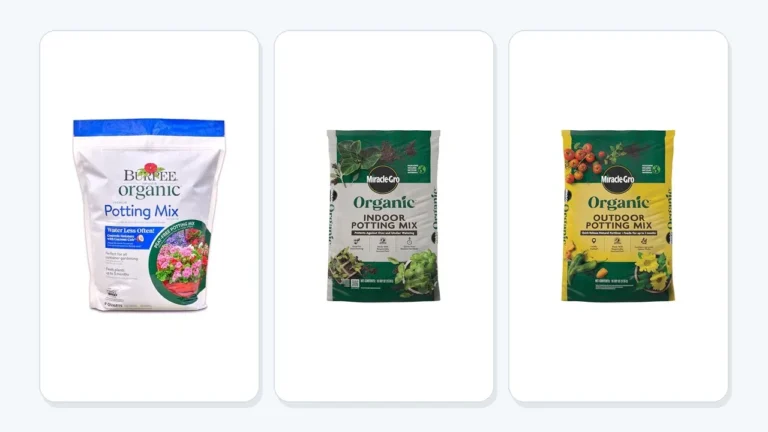
Miracle-Gro Organic Outdoor Potting Mix, 16 qt.
Responsibly sourced peat and fertilizer that feeds for up to two months suit outdoor baskets with flowers or herbs.
-
Best For Peat-Free Bulk Mix

Back to the Roots Organic Expanding Potting
A compressed coconut coir brick expands to 51 quarts, giving gardeners a peat-free option for several baskets.
Top 5 Potting Soils for Hanging Baskets at a Glance
Start with Miracle-Gro Organic Outdoor Potting Mix if you want an outdoor container mix with built-in fertilizer, or Back to the Roots Coir Brick if peat-free ingredients and a larger expanded volume matter more. The other options range from a two-bag general-purpose mix to a basket-focused blend and a small, indoor-outdoor option, so bag size and watering habits are important differences.
| Product image | Product name | Check product |
|---|---|---|
| 1 |
Miracle-Gro Organic Outdoor Potting Mix, 16 qt. | Check Price |
| 2 |
Back to the Roots Organic Expanding Potting | Check Price |
3 |
Miracle-Gro Potting Mix, 16 qt. (2-Pack) | Check Price |
4 |
Soil Sunrise Hanging Planter Potting Soil Mix | Check Price |
5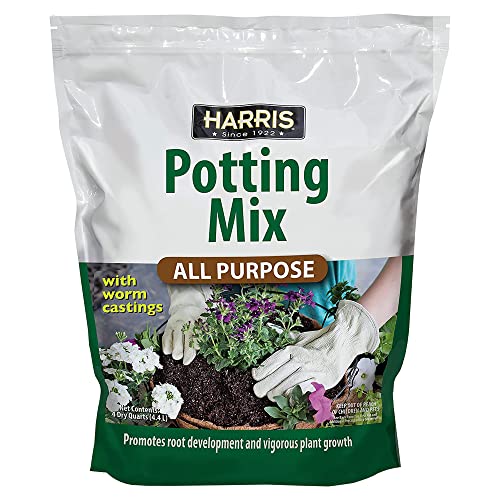 |
Harris All Purpose Premium Potting Soil Mix | Check Price |
5 Best Potting Soils for Hanging Baskets: Detailed Reviews
When I chose the best potting soil for hanging baskets, I paid attention to how each mix handles moisture, what kind of plants it supports, and whether its ingredients or fertilizer are clearly described. Those details can help you avoid a basket that dries too quickly, stays wet, or needs feeding sooner than you expected.
The choices cover different needs, from a small basket-specific bag to a compressed coir brick that expands to a much larger volume. Looking at those differences together makes it easier to judge whether you need a ready-to-use mix, a peat-free option, or a bigger supply for several planters.
1. Miracle-Gro Organic Outdoor Potting Mix, 16 qt.
Responsibly sourced peat and fertilizer that feeds for up to two months suit outdoor baskets with flowers or herbs.
- Size16QT
- Colorbrown
- Number Of Items1
- COVERAGEOne 16 qt. bag of Miracle-Gro Organic Outdoor Potting Mix fills one 12-inch pot with garden soil for containers (am
Miracle-Gro Organic Outdoor Potting Mix suits someone planting flowers, herbs, or other outdoor container plants who wants fertilizer included in the soil. The mix is listed as a 16-quart bag, and the stated coverage is one 12-inch pot, with the amount changing according to the root ball.
The mix contains a quick-release natural fertilizer, which means some plant food is available soon after planting rather than waiting for a slow-release coating to break down. The maker says it feeds plants for up to two months, which can reduce the need to fertilize immediately, though you should still check the care needs of your specific plants.
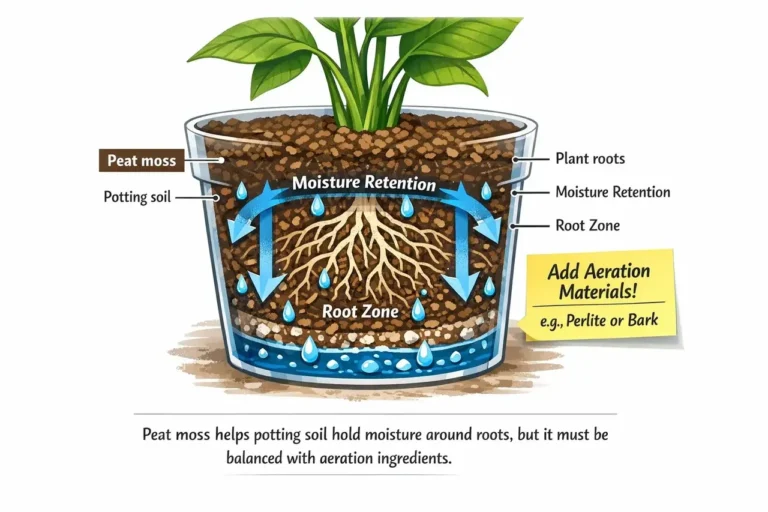
This potting mix uses peat moss, a fibrous material that holds water around roots. The peat is described as responsibly sourced, and the mix is intended for outdoor containers; that combination makes it a reasonable starting point for a flower basket that needs moisture between waterings. One limitation is that the product information does not give a basket-specific weight or a detailed drainage recipe, so do not assume it is especially light.
Pros:
- Quick-release fertilizer, so plants receive some food soon after planting.
- Feeds for up to two months, easing early feeding chores.
- Peat moss helps the mix hold moisture around roots.
- Suitable for outdoor flowers, herbs, vegetables, annuals, and perennials.
- Stated coverage helps you plan around a 12-inch pot.
Cons:
- The 16-quart bag may not fill multiple large baskets.
- Not described as a lightweight hanging-basket-specific blend.
- Peat may not suit gardeners seeking a peat-free mix.
Buy it if: you’re filling an outdoor flower basket and want included fertilizer, because this mix feeds plants for up to two months.
Skip it if: you need a lightweight blend made specifically for a hanging basket, because this mix is described for outdoor containers generally, and a basket-focused soil mix would suit you better. For another fit, consider Back or Miracle.
I’d consider Miracle-Gro Organic Mix when an ordinary outdoor container blend and a little built-in feeding are what you need. The broad plant-use guidance makes it less fussy for a beginner who is growing flowers alongside herbs or other container plants. Before buying, check the bag quantity against your basket’s size and root ball, since the stated coverage is for a 12-inch pot rather than every basket shape.
It’s a sensible pick for an outdoor gardener who wants a straightforward mix with fertilizer included.
2. Back to the Roots Organic Expanding Potting
A compressed coconut coir brick expands to 51 quarts, giving gardeners a peat-free option for several baskets.
- Size51 Quart
- ColorExpanding Potting Mix
- WeightNot listed; check details
- DimensionsNot listed; check details
Back to the Roots Coir Brick is for gardeners who want a peat-free growing medium and have room to prepare a compressed mix before filling baskets. The brick is made from coconut coir, and its stated expanded volume is 51 quarts, which can be useful when you are filling several containers rather than one small basket.
Coconut coir is a fiber made from coconut husks; in a compressed brick, the fibers are packed tightly to save space before they are expanded. The product is described as having a balanced pH and as usable on its own or as an amendment, so it can cover more than one kind of planting job. Follow the package directions for preparing the brick and check the resulting texture before planting, because this is not a loose, ready-to-pour bag of mix.
The peat-free formulation and stated expanded volume are the main reasons to consider this option. There is no specific feeding period listed, so plan on checking your plants’ nutrient needs instead of counting on this coir mix to feed them for a set number of months. Also confirm the final amount you need: expanded volume is not the same as the amount of compressed material in storage.
Pros:
- Peat-free coconut coir suits gardeners avoiding peat.
- Expands to 51 quarts, useful for multiple containers.
- Balanced pH is stated for the all-purpose mix.
- Can be used alone or as an amendment.
- Product information includes seed starting among its uses.
Cons:
- The compressed brick needs preparation before planting.
- No feeding duration is specified.
- A large expanded amount may be more than one basket needs.
Buy it if: you’re preparing soil for several baskets and want to avoid peat, because the coir brick expands to 51 quarts.
Skip it if: you need soil that is ready to pour into one basket, because a compressed brick takes preparation, and a loose potting mix would suit you better. Miracle-Gro Organic Outdoor Potting Mix, 16 and Miracle-Gro Potting Mix, 16 qt. (2-Pack) are worth a closer look instead.
What I like about Back to the Roots Coir Brick is the practical trade: compact storage before use, then a much larger stated volume after expansion. That can make sense if you have several planters or want a peat-free base for different growing jobs. Check the preparation directions and decide how you’ll handle feeding, since no fertilizer duration is given here.
It’s best for someone comfortable preparing a mix and using a larger quantity.
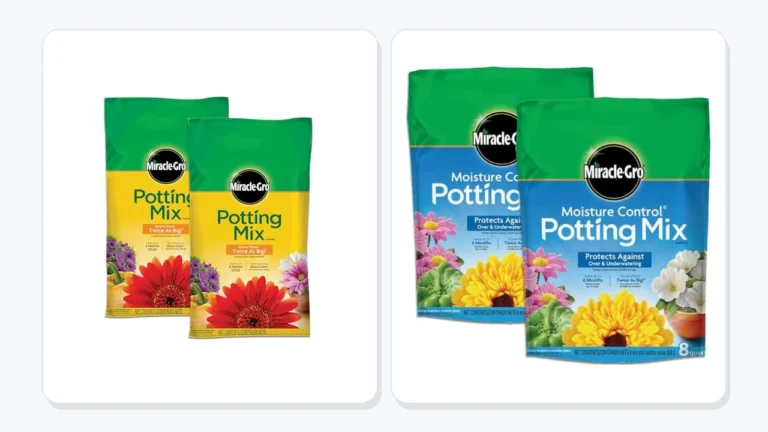
3. Miracle-Gro Potting Mix, 16 qt. (2-Pack)
The catalog lists FEEDS UP TO 6 MONTHS: Miracle-Gro Potting Mix is a gardening soil for outdoor containers that feeds all types . Compare fit and care needs before choosing.
- Size2-Pack
- ColorMulticolor
- Number Of Items1
- COVERAGEThis bundle includes two 16 qt. bags of Miracle-Gro Potting Mix, an outdoor potting soil; each bag fills one 12-inc
Miracle-Gro Potting Mix in the two-bag pack is a general outdoor container mix for someone who needs more soil than one small bag provides. Each bag is listed as 16 quarts, and the product information says each one fills a 12-inch container, though a large root ball can change the amount needed.
The standout detail is its stated feeding period of up to six months. That means the mix is intended to provide plant food over a longer stretch than a mix with no feeding duration listed, which may simplify care for a beginner who does not want to start a separate fertilizer routine right away. Keep in mind that feeding needs depend on the plant and growing conditions, so the package directions still matter.
The mix is described for outdoor flowers, vegetables, shrubs, annuals, and perennials. Its broad use makes it flexible if your basket planting is part of a larger container garden, but it is not described as lightweight or made specifically for hanging baskets. If lifting weight is a concern, check the bag and basket details rather than assuming a standard potting mix will feel light once watered.
Pros:
- Two 16-quart bags provide a larger total supply.
- Feeds outdoor container plants for up to six months.
- Suitable for flowers, vegetables, shrubs, annuals, and perennials.
- Coverage guidance gives a starting estimate for 12-inch pots.
- Useful when planting more than one container.
Cons:
- Not described as a lightweight basket-specific blend.
- Two bags may be more than one small basket needs.
- The feeding period may not match every plant’s care schedule.
Buy it if: you’re planting several outdoor containers and want a longer stated feeding period, because the two-pack includes soil that feeds for up to six months.
Skip it if: you’re hanging a small basket where low weight is your main concern, because this is a general container mix, and a lightweight hanging-basket soil would suit you better. If those trade-offs rule it out, Miracle or Back may suit you better.
I’d put this two-pack on the list for a gardener filling more than one container, especially when a longer stated feeding period is useful. The six-month claim gives you a clear care detail to compare, but it does not mean every flower can be left without checking its needs. Before ordering, confirm that two bags are appropriate for your available storage and planting plans.
This is a practical choice for outdoor container gardeners who need a larger supply.
4. Soil Sunrise Hanging Planter Potting Soil Mix
The catalog lists Lightweight Potted Plant Soil Mix – Regular potting mix too heavy, hard to lift, specially designed to be ligh. Compare fit and care needs before choosing.
- Size8 Quarts
- Number Of Items1
- WeightNot listed; check details
- DimensionsNot listed; check details
Soil Sunrise Hanging Planter Mix is the most directly basket-focused choice here, intended for indoor or outdoor hanging pots and baskets. Its 8-quart bag is described as enough for a big 12-inch pot, which gives you a useful starting point when estimating whether one bag will cover your planter.
The blend contains coco coir, perlite, vermiculite, and worm castings. Perlite is a lightweight, porous material mixed into soil to leave air spaces and help excess water move through; that matters in a hanging pot, where compact, soggy soil can be hard on roots. Vermiculite is a mineral material that can help hold moisture, while coir also helps retain water, so the blend aims to balance drainage and moisture rather than simply dry out fast.
The mix is described as lightweight while retaining moisture, which speaks directly to two common basket concerns: a heavy pot and frequent watering. Still, every hanging planter and plant has different water needs, and the product details do not state a measured finished weight or a watering interval. Expect to check the basket regularly until you learn how quickly it dries in your location.
Pros:
- Made for indoor and outdoor hanging planters and baskets.
- Lightweight blend can help limit the burden of a filled basket.
- Coco coir helps retain moisture between waterings.
- Perlite supports aeration and drainage in the mix.
- Worm castings are included as a soil additive.
Cons:
- The 8-quart bag may be too small for multiple baskets.
- No measured finished weight is stated.
- Watering frequency still depends on weather and plant needs.
Buy it if: you’re filling a hanging planter and want a blend described as lightweight and moisture-retaining, because those features address common basket-care concerns.
Skip it if: you need a large supply for many planters, because this bag is 8 quarts, and a bulk potting mix would suit you better.
To me, Soil Sunrise Hanging Planter Mix is the clearest match for someone whose main concern is using soil intended for baskets. Its ingredient list explains the balance it is aiming for, rather than relying only on a broad claim about container use. Check whether 8 quarts will cover your basket before ordering, and keep in mind that moisture retention does not remove the need to water.
I’d pick it for a gardener who wants a modest-size, basket-specific blend.
5. Harris All Purpose Premium Potting Soil Mix
The catalog lists All Purpose Potting Mix – Use indoors and outdoors for container gardening, flower boxes, hanging baskets and . Compare fit and care needs before choosing.
- Size4 Quart
- ColorWhite
- WeightNot listed; check details
- DimensionsNot listed; check details
Harris All Purpose Potting Soil is a small indoor-outdoor mix for someone planting a single basket, flower box, or container and wanting a compact bag. The 4-quart size is much smaller than the other options here, so it is best considered for a small planter or a top-up rather than several large baskets.
The mix includes pumice and perlite, both porous materials that help open up the soil and move excess water away from roots. That faster drainage can matter in a basket that gets regular watering or rain, since roots need air as well as moisture. The blend also contains coco coir, which helps maintain moisture, so it is intended to balance drainage with water retention rather than behave like plain, quick-drying grit.
Harris also lists worm castings, a natural soil additive that supplies nutrients. The details do not state a feeding duration, so treat the ingredient as one part of the mix rather than a promise that you will not need to feed plants later. Since the bag holds only 4 quarts, check your planter’s capacity before you buy; a small bag can disappear quickly once roots and basket liners take up space.
Pros:
- Suitable for indoor and outdoor container gardening.
- Pumice and perlite help promote aeration and drainage.
- Coco coir helps the mix maintain moisture.
- Worm castings are included as a nutrient source.
- Works for flower boxes and hanging baskets, too.
Cons:
- The 4-quart bag is limited for larger baskets.
- No fertilizer feeding period is stated.
- The mix is all-purpose rather than designed only for hanging planters.
Buy it if: you’re planting a small basket or flower box and want drainage ingredients with moisture-holding coir, because this mix includes both.
Skip it if: you need enough soil for several large baskets, because the bag is only 4 quarts, and a larger-volume mix would suit you better.
I’d use Harris All Purpose Potting Soil as a small-job option, not as a bulk basket-filling plan. Pumice and perlite give a beginner a plain reason to consider the mix when drainage matters, while coir helps keep moisture in the picture. The main thing to double-check is volume, since four quarts can be used up faster than the bag size suggests.
It suits someone filling one modest planter who wants an indoor-outdoor mix.
How to Choose the Best Potting Soil for Hanging Baskets
The best potting soil for hanging baskets should support the plant’s roots, drain excess water, and hold enough moisture for the conditions where the basket hangs. Start with your basket size and plant type, then compare the ingredients, fertilizer details, and bag volume instead of choosing by a broad label alone.
Check the plant and growing location
A mix for outdoor containers can work for many flowers and herbs, but the label should match where you plan to grow. Outdoor baskets face wind, sun, and rain; indoor planters may need closer attention to drainage and water collecting below the basket. Look for wording that specifically includes the kind of plant you are growing, such as flowers, herbs, vegetables, or annuals.
If you’re growing a basket of flowering plants, consider the plants’ water and feeding needs as a group. Some flower types want steady moisture, while others prefer the soil to dry somewhat between waterings. For more plant-focused guidance, the flower potting soil guide can help you think about bloom needs separately from basket size.
Balance moisture with drainage
A basket mix needs to keep some water near the roots without staying waterlogged. Coco coir and peat moss are ingredients associated with holding moisture, while perlite and pumice help create air spaces and support drainage. These ingredients do different jobs, so a mix containing one moisture-holding ingredient is not automatically the right choice for every plant or climate.
Match the blend to your watering habits and the basket’s location. A sunny, windy spot can dry faster than a shaded porch, while frequent rain may keep an outdoor basket wet longer. If the product does not state a watering schedule or moisture level, plan to check the soil with a finger rather than assuming the label tells you exactly when to water.
Think about weight before hanging
Water adds weight to any potting mix, and the basket, liner, plant, and hanger add more. A mix described as lightweight may help, but product information does not always give a finished weight after watering. Check your basket and hanging hardware instructions, and do not rely on an unmeasured soil claim to establish a safe load.
A hanging basket also needs a secure place to hang where watering runoff will not damage a floor, wall, or furniture. If you are still deciding what ingredients to blend or how to keep a mix loose, this guide to making a hanging-basket mix covers the ingredients and their roles.
Estimate the amount you need
Use the bag’s stated coverage as a rough planning tool, not an exact fill guarantee. Root balls take up room, and basket shapes vary, so the same volume of soil may not fill two different planters equally. Measure the basket’s usable inside space, then compare that with the listed quarts and any stated pot-size coverage.
For a single small planter, a small bag may be enough; for several baskets, consider whether a larger bag or expanding brick makes more sense. Avoid buying a compressed mix by its storage size alone, and check its stated expanded volume. If you are unsure, buying slightly more than the estimated amount is usually easier than stopping mid-planting to find another bag.
Decide whether built-in fertilizer helps
Some mixes include fertilizer and list how long they feed, while others describe ingredients without a feeding period. A stated feeding duration can simplify early care, but it does not replace checking the plant’s needs or following the package directions. Note whether the basket will hold one type of plant or several, since different plants can have different feeding preferences.
A soil additive such as worm castings is not the same thing as a clearly stated fertilizer schedule. If a mix does not specify how long it feeds, plan to monitor plant growth and follow a suitable feeding routine instead of guessing. This is especially useful when a basket has several varieties with different growth rates.
Choose a texture suited to the plants
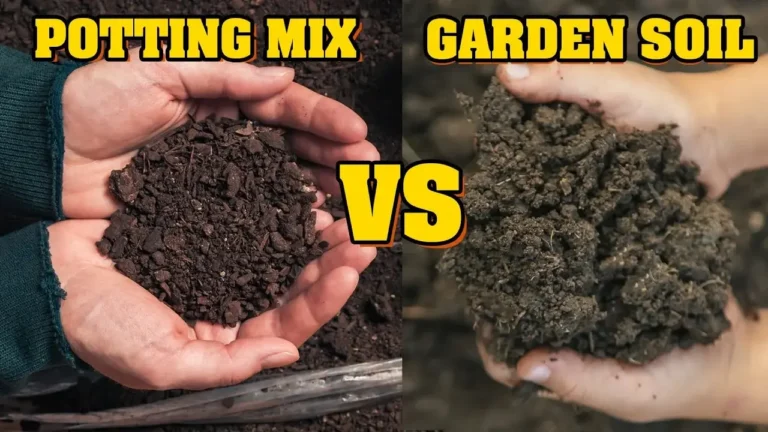
Roots need both water and air, so avoid treating dense, compacted garden soil as a substitute for loose potting mix in a hanging container. A light, open texture helps water move through and gives roots room to grow, while moisture-holding ingredients can slow drying. Look for a product described for containers, rather than assuming any soil labeled for a garden is suitable for a basket.
For cool-season pansies, the right moisture and drainage balance matters as temperatures and weather shift. The pansy potting soil guide can help you consider those plant-specific needs. Seedlings and bulbs also have their own needs, so a basket mix should not automatically be treated as a universal answer for every planting stage.
How to Use Potting Soil for Hanging Baskets
Use the mix according to its package directions, fill the basket without packing the soil hard, and water thoroughly after planting. Then adjust the routine based on how quickly the basket dries and how the plants respond.
- Check the basket, liner, and drainage openings before adding soil. Make sure the planter can drain and that the hanging hardware is secure.
- If using a compressed brick, prepare it as directed on its packaging before putting it into the basket. Do not guess the amount of water or preparation time.
- Add enough mix to support the root ball at the right height. A plant sitting too low can end up buried deeper than intended.
- Loosen tightly bound roots gently before planting, following the plant’s care guidance. Keep the crown and stems at their proper level rather than covering them with extra soil.
- Fill around the root ball and press lightly to remove large gaps. Firming hard can squeeze out air and make the mix harder for water to move through.
- Water thoroughly so the soil settles around the roots, then allow excess water to drain. If the mix sinks, add a little more rather than packing the basket tightly from the start.
- Hang the basket in its planned location and check the soil again before the next watering. Sun, wind, and rain can change how quickly it dries.
Water the soil rather than repeatedly wetting leaves and flowers, especially if the plant’s care instructions call for keeping foliage dry. For flowers started from seed, the basket mix may not be the right texture or nutrient level for germination; consult a guide to potting soil for flower seeds before sowing directly into a finished basket.
How to Make Your Hanging Basket Potting Soil Last Longer
Keep the mix loose, avoid overwatering, and remove dead plant material so the soil can support healthy roots through the growing season. Potting mix is not permanent, and its structure and nutrient supply can change with repeated watering and plant growth.
Check baskets regularly for a hard, crusted surface or water that runs straight down the sides without soaking in. A dry mix can sometimes pull away from a pot wall, so water slowly and let moisture soak in rather than flooding the basket in one pass. If water still rushes through, inspect the mix and roots instead of assuming a single extra watering will solve the problem.
Remove dead leaves and spent flowers so they do not sit on the soil and decay. Clear drainage openings if they become blocked by roots or debris, and avoid leaving a basket standing in drained water. These small checks help keep the root area from staying too wet.
At the end of a season, check whether the plants are healthy and whether the soil remains loose and drains well. If roots have filled the basket or the mix has broken down into a dense mass, replacing it may be wiser than reusing it unchanged. Keep unused soil sealed or covered in a dry place, following the package storage directions, and keep it away from standing water.
Fertilizer needs can change over time, even when the bag lists a feeding period. Follow the product directions and the plant’s care needs rather than repeatedly adding fertilizer by habit. Too much fertilizer can create problems, and an all-purpose label does not mean every plant needs the same amount.
Common Mistakes to Avoid When Buying and Using Hanging Basket Soil
The most common mistakes are usually about assuming all potting mixes behave alike or that the package size answers every question. Check the basket, plants, and care routine together before planting.
- Choosing soil by the word organic alone: That label does not tell you whether the mix is light, drains well, or suits your plants. Check the ingredients and intended use.
- Using ordinary garden soil in a hanging container: Garden soil may become dense in a pot and can restrict air around roots. Choose a mix labeled for containers.
- Ignoring the basket’s total weight: Wet soil weighs more than dry soil, and plants and hardware add weight. Check the planter and hanging support instructions before filling.
- Assuming moisture retention means less care: Even a moisture-holding blend can dry in sun or wind. Check the soil before watering rather than following a fixed guess.
- Buying too little mix: A root ball takes up space, and bag coverage varies with basket shape. Use the stated pot coverage as an estimate and measure your planter.
- Packing soil down firmly: Hard pressure can reduce air spaces and make it tougher for water to move. Settle the mix with water and add more lightly if it sinks.
- Treating all fertilizer claims as the same: A listed feeding period is different from simply including a nutrient-rich ingredient. Follow the package directions and watch the plants.
Bulbs are a separate case from many shallow-rooted basket flowers, since planting depth and drainage affect how they grow. If bulbs are part of your container plan, check the potting soil guide for bulbs before using a basket mix by default.
How to Set Up a Hanging Basket with Potting Soil
Set up the basket before opening the soil so you can check the liner, drainage, and hanging location without rushing. The basic process is simple, but a secure hanger and an appropriate fill level are easy details to overlook.
- Choose a basket size that suits the plants and the place where it will hang. Check the basket’s care or load guidance before filling it.
- Inspect the hanger, chains, and hook for damage or loose connections. Mount the support securely before adding the weight of wet soil.
- Fit the liner and confirm that water can drain as intended. Do not block drainage openings with a liner that has no suitable holes.
- Put the basket where you can plant and water it comfortably, or use a stable work surface. A full hanging basket can be awkward to handle.
- Open the potting mix and check for clumps or an unusual texture. Prepare a compressed brick according to its directions before use.
- Add a base layer, position the plant, then fill around its roots without burying the stems. Leave room near the rim for watering.
- Water slowly until the root area is moist and excess water drains away. Top up settled soil lightly if needed.
- Hang the basket and check the support again once the soil is wet. Keep the first watering runoff away from surfaces that could be stained or damaged.
If you are planting through the sides of a basket, follow the planter and plant instructions so roots are not crushed or stems strained. For a straightforward top-planted basket, leaving the root ball near the soil surface is usually easier to manage than trying to fill every space to the rim.
Common Questions About Potting Soil for Hanging Baskets
What potting soil is best for hanging baskets?
The best choice is a loose container mix that drains excess water while retaining enough moisture for the plants and location. Look for basket or outdoor-container use, then check the ingredients, bag volume, and any fertilizer instructions. A lightweight description can help with handling, but it does not tell you the finished weight after watering.
How much potting soil does a hanging basket need?
The amount depends on the basket’s usable inside space and the root ball, so use package coverage as an estimate. A stated amount for a 12-inch pot may not fill a basket with a different shape or liner. Measure the planter and check whether the bag lists quarts or pot-size coverage before buying.
Can I use regular potting mix in a hanging basket?
Yes, a potting mix described for outdoor containers can suit many hanging baskets, provided its texture and drainage fit the plants. A basket-specific blend may be appealing if you want a mix described as lightweight or moisture-retaining. Check the basket’s support instructions and remember that wet soil adds weight.
Is coconut coir or peat moss better for a hanging basket?
Neither ingredient is automatically better for every basket; both can help a mix hold moisture. Coir comes from coconut husks, while peat moss is a fibrous material used in potting blends. Compare the whole ingredient mix, drainage, intended use, and your preference about peat rather than choosing by one ingredient alone.
Should potting soil for hanging baskets contain fertilizer?
Built-in fertilizer can make early care simpler when the package states what it provides and how long it feeds. A mix without a feeding duration may still be useful, but you will need to monitor plant needs and follow an appropriate feeding routine. Do not assume worm castings or another additive guarantees a specific feeding period.
How often should I water a hanging basket?
Water when the soil and plant need it, not on a fixed schedule that ignores weather. Sun, wind, rain, basket size, and the mix all affect how quickly soil dries. Check the soil regularly, especially after planting, and water thoroughly when needed while letting excess water drain.
Make Your Basket Plan Before Buying Soil
Measure the basket, check where it will hang, and note whether your plants need built-in fertilizer or a lighter, moisture-retaining blend. Then compare the bag’s stated volume and ingredients with that plan, and follow the package directions when you plant.

I’m Maya L. Greenwood, a lifelong plant lover who believes anyone can grow something beautiful with the right guidance. After years of testing soil mixes, pruning methods, irrigation tricks, and pest-safe solutions, I started EasyGardenTips.com to turn hard-won lessons into step-by-step advice. From seed starting and container gardens to composting and seasonal checklists, my goal is to make gardening simple, sustainable, and fun.
One Comment