
5 Best Potting Soil for Blue Hydrangeas: Acidic Mixes for True Blue
A hydrangea can look fine for weeks after planting, then struggle when the potting mix holds too much water or dries out before you notice. A bag labeled for acid-loving plants sounds like an easy fix, but soil alone does not promise blue flowers, and a poor match can leave you with weak growth, extra troubleshooting, and a plant that needs repotting sooner than expected.
For a potted hydrangea, a good mix needs to hold some moisture while letting extra water escape through the pot’s drainage holes. Acidity matters too, but the flower color depends on more than a bag of soil, so treat an acidic mix as one part of the plan rather than a color guarantee.
Here’s what to check before you buy:
- How the ingredients affect water retention and drainage.
- Which mix gives you enough volume for your pot.
- When a blueberry or houseplant soil may not be the right match.
- How to plant, water, and care for a potted hydrangea.
Quick Picks
-
Best For Acid-Loving Containers

Soil Sunrise Acid Loving Plant Potting Soil
Pine, peat, and perlite support an acidic, airy root zone, making this 12-quart blend a practical fit for container growers.
-
Best For Small Acid-Loving Pots
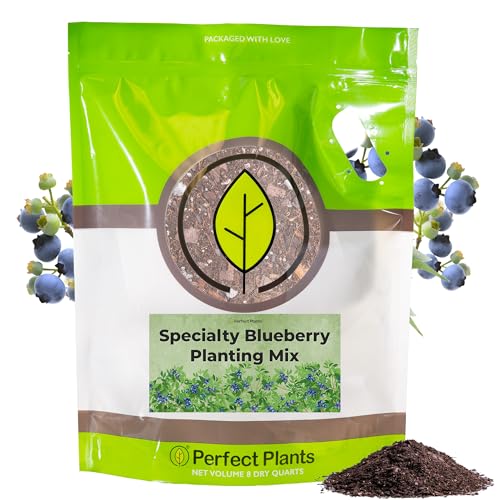
Perfect Plants Blueberry Soil, 8 qt, Acidic
Peat moss and slow-release fertilizer support container growth, while the 8-quart bag suits gardeners who need a smaller amount.
Top 5 Potting Soils for Blue Hydrangeas at a Glance
Soil Sunrise is the first mix to consider if you want a larger bag with ingredients listed for drainage and acidity. Perfect Plants and Doter add different trade-offs, while Omitgoter offers a very small bag and Rosy Soil is aimed at houseplants rather than hydrangeas.
| Product image | Product name | Check product |
|---|---|---|
| 1 |
Soil Sunrise Acid Loving Plant Potting Soil | Check Price |
| 2 |
Perfect Plants Blueberry Soil, 8 qt, Acidic | Check Price |
3 |
Doter Organic Blueberry Soil Mix, Indoor Plants | Check Price |
4 |
Omitgoter Blueberry Soil Mix 1qt- 100% Natural | Check Price |
5 |
Rosy Soil Houseplant Potting Soil, Organic Indoor | Check Price |
5 Best Potting Soils for Blue Hydrangeas: Detailed Reviews
When I chose the best potting soil for blue hydrangeas, I focused on the ingredients that affect the root zone: acidity, drainage, and how much moisture a mix can hold. Those details matter because hydrangea roots need regular water, but a pot that stays soggy can cause trouble.
The choices here range from a 1-quart bag to a 12-quart blend, and not every mix is made for hydrangeas. I also looked at whether the mix includes fertilizer and whether the ingredients are clear enough to help you judge its likely care needs.
1. Soil Sunrise Acid Loving Plant Potting Soil
Pine, peat, and perlite support an acidic, airy root zone, making this 12-quart blend a practical fit for container growers.
- Size12 Quarts
- Number Of Items1
- WeightNot listed; check details
- DimensionsNot listed; check details
Soil Sunrise Acid-Loving Mix is a container blend for growers who want an acidic mix with familiar ingredients and enough volume for more than a tiny pot.
The blend lists peat moss, pine needle mulch, pine bark mulch, sphagnum moss, and vermiculite. Sphagnum moss is a moisture-holding plant material, so it can help the mix stay damp between waterings; that can be useful for a hydrangea, which needs steady moisture. Peat and pine are also listed as part of the mix’s acidity support, but the seller does not give an exact pH value, so don’t assume a specific reading.
Soil Sunrise includes perlite, a lightweight material that creates air spaces and helps excess water move through the pot. Better airflow around roots is useful when you water often, though the pot still needs open drainage holes. The 12-quart bag may suit a larger container or several smaller planting jobs better than a one-quart pouch.
One thing to watch is that the listed ingredients do not include a fertilizer analysis or feeding schedule. Check whether your hydrangea needs fertilizer separately, and follow the plant-food label rather than adding extra by guesswork.
Pros:
- Peat and pine ingredients support an acidic mix.
- Perlite helps excess water drain through the pot.
- Sphagnum moss helps the mix retain moisture.
- Five listed ingredients make the blend easier to assess.
- 12-quart size gives you more mix for potting.
Cons:
- No exact pH value is listed.
- No fertilizer analysis or feeding schedule is given.
- A 12-quart bag may be more than one small pot needs.
Buy it if: you want a larger acid-loving blend with listed drainage ingredients, because perlite and moss help balance airflow and moisture.
Skip it if: you need a mix with a stated pH or built-in fertilizer schedule, because those details aren’t listed, and a product with clearer feeding information would suit you better. For another fit, consider Perfect or Doter.
I’d pick Soil Sunrise when a hydrangea needs a roomy container mix and you’d rather judge the ingredients than rely on a color promise. The combination of pine, moss, and perlite gives a beginner a reasonable starting point for balancing moisture and drainage. I’d still check the bag and product details for current pH information before buying if acidity is your main concern.
This mix is best for someone potting a larger plant or more than one container.
2. Perfect Plants Blueberry Soil, 8 qt, Acidic
Peat moss and slow-release fertilizer support container growth, while the 8-quart bag suits gardeners who need a smaller amount.
- Size8qt
- Color8 Qt
- WeightNot listed; check details
- DimensionsNot listed; check details
Perfect Plants Blueberry Soil is a small-bag acidic mix for container gardeners who want fertilizer included and are comfortable using a blend made for blueberries.
Peat moss is described as the ingredient that naturally lowers pH, while composted pine bark and granite sand are also listed. Slow-release fertilizer means plant food is designed to become available over time rather than all at once; this blend lists 18-6-8 and says it feeds for up to 12 months. That may reduce the need to feed immediately, but hydrangea fertilizer needs vary, so read the bag before adding anything else.
The listing describes medium drainage and says the mix suits acid-loving plants, but blueberries are the named crop. A hydrangea grower can consider the acidic ingredients, while keeping in mind that the listed pH range is not specific and the fertilizer may not match every plant or potting situation. The 8-quart bag is a manageable amount if you are filling one smaller container or refreshing part of a pot.
The supplied size attributes show 8 quarts, though the bag-size description also mentions a 4-quart option. Confirm the selected bag size before ordering, and check the package for the exact fertilizer directions.
Pros:
- Peat moss is listed as a natural acidity source.
- Composted pine bark and granite sand are named ingredients.
- 18-6-8 slow-release fertilizer is specified.
- The stated feed period is up to 12 months.
- 8-quart size is manageable for a smaller potting job.
Cons:
- The mix is named and described for blueberries.
- No exact pH value is given.
- The size options need checking before purchase.
- Included fertilizer may not suit every hydrangea care plan.
Buy it if: you want a smaller acidic mix with fertilizer already included, because its listed slow-release 18-6-8 feed can simplify the first planting.
Skip it if: you want an unfertilized mix or a hydrangea-specific formula, because the stated crop is blueberry, and a simpler acid-loving blend would suit you better. Soil and Doter are worth a closer look instead.
What I like about Perfect Plants Blueberry Soil is that the ingredient and fertilizer details give you something concrete to inspect before you buy. The smaller amount may help avoid storing a half-full bulky bag, and the listed plant food could be convenient if its directions suit your plan. I’d verify the chosen bag size and fertilizer instructions, especially if your hydrangea is already being fed.
This mix is a sensible option for a grower willing to adapt a blueberry blend carefully.
3. Doter Organic Blueberry Soil Mix, Indoor Plants
The catalog lists ✅【Acidic pH Level】Our Blueberry Soil Mix is specially formulated with a low pH, typically around 4.5 to 5.5, w. Compare fit and care needs before choosing.
- Size10qt
- Colorblack
- WeightNot listed; check details
- DimensionsNot listed; check details
Doter Organic Blueberry Soil Mix is a 10-quart blueberry blend for growers who want listed acidity, drainage ingredients, and mycorrhizae in one potting mix.
The listing gives a pH range of 4.5 to 5.5 and names peat moss and pine bark as organic matter. pH is a measure of how acidic or alkaline a material is; a lower number means more acidity. That range is a useful detail to compare, but it is a blueberry soil specification, not proof that the mix will turn a hydrangea blue or suit every hydrangea variety.
Doter also lists perlite and sand for drainage. Those materials make the mix less likely to behave like dense garden dirt in a container, helping water move through the root zone. The blend includes mycorrhizae, fungi that form relationships with plant roots; the listing says they help with water and nutrient uptake.
A new gardener should still follow the bag’s watering and feeding directions rather than treating the fungi as a substitute for care.
Doter is described as nutrient-rich, but the supplied details do not give a fertilizer ratio or a clear feeding schedule. If you use it for hydrangeas, check the packaging for those instructions and avoid doubling up on plant food without a reason.
Pros:
- The listed pH range is 4.5 to 5.5.
- Peat moss and pine bark are named ingredients.
- Perlite and sand are listed for drainage.
- Mycorrhizae are included in the mix.
- 10-quart size offers more volume than a sample bag.
Cons:
- The stated crop is blueberry, not hydrangea.
- The stated pH does not guarantee blue blooms.
- No fertilizer ratio or feeding schedule is provided.
- Check the bag for the full care directions.
Buy it if: you want an acidic mix with a stated pH range, because that gives you a clearer starting point when checking soil needs.
Skip it if: you prefer a formula specifically described for hydrangeas, because this mix is framed for blueberries, and a hydrangea-labeled potting blend would suit you better. If those trade-offs rule it out, Soil or Perfect may suit you better.
To me, Doter’s most useful feature is the stated pH range, since many gardeners want a number to compare rather than a vague claim of acidity. Its drainage ingredients also make more sense for a container than dense soil from the yard. I’d be cautious about treating a blueberry formula as a hydrangea color treatment, and I’d check fertilizer details on the package.
This is the pick for a careful buyer who wants to assess acidity before planting.
4. Omitgoter Blueberry Soil Mix 1qt- 100% Natural
The catalog lists 100% Natural Organic Blend Omitgoter Blueberry Soil is a premium potting mix made from pure peat moss, coconut. Compare fit and care needs before choosing.
- Size1qt
- ColorBlueberry Soil
- WeightNot listed; check details
- DimensionsNot listed; check details
Omitgoter Blueberry Soil Mix is a ready-to-use, 1-quart blend for a very small potting job or a gardener who wants to test a mix before buying a larger amount.
The listed ingredients include peat moss, coconut coir, perlite, bark, and humus. Coconut coir is a fibrous material made from coconut husks that helps a growing mix hold moisture; the listing pairs it with perlite and bark to support airflow and drainage. For hydrangeas, that balance can matter because the roots need moisture without sitting in water, but the right watering routine still depends on the pot, weather, and plant.
Omitgoter says the mix is ready to use without blending in other materials. That can be helpful if you are new to repotting, since you can focus on filling the pot and keeping the root ball at its existing depth. The small 1-quart bag is the catch: it may not be enough to fill a medium or large hydrangea pot, and you should check pot volume before ordering.
The product is described as a blueberry soil, and no pH number or fertilizer analysis is supplied. Read the package to confirm its acidity and any feeding instructions instead of assuming the word “blueberry” settles those questions.
Pros:
- Peat moss and coconut coir are listed ingredients.
- Perlite and bark support drainage and airflow.
- The blend is described as ready to use.
- No mixing step is required before planting.
- A 1-quart bag limits leftover soil from a tiny job.
Cons:**
- 1 quart is a small amount for most hydrangea pots.
- The stated crop is blueberry.
- No pH number or fertilizer ratio is given.
- Check the package for detailed planting directions.
Buy it if: you need a little ready-to-use mix for a small container, because the 1-quart bag avoids storing a much larger amount.
Skip it if: you are repotting a mature hydrangea, because one quart may not fill the pot, and a larger bag of potting mix would suit you better.
I’d consider Omitgoter for a tiny pot or a small top-up, not as the automatic choice for a full-size hydrangea. The ingredient list gives a beginner a useful idea of how the mix may hold water and let it drain. Before buying, I’d make sure the bag’s volume matches the amount you need and confirm its pH and fertilizer details.
This is the right fit only when the job is genuinely small.
5. Rosy Soil Houseplant Potting Soil, Organic Indoor
The catalog lists ORGANIC INDOOR POTTING SOIL, MADE WITHOUT PEAT: Biochar, worm castings, mycorrhizae, compost, and bark fines r. Compare fit and care needs before choosing.
- Size4 Quarts
- ColorHouseplant
- Number Of Items1
- WeightNot listed; check details
Rosy Soil Houseplant Potting Soil is an indoor mix for tropical houseplants, so it is the least direct match for someone potting a blue hydrangea.
The blend is described as peat-free and lists biochar, worm castings, mycorrhizae, compost, and bark fines. Biochar is a carbon-rich material used in growing mixes; the listing says it helps keep the mix open, while bark fines and sand support drainage. Those traits can be helpful in indoor pots, but they do not establish that the mix has the acidity a hydrangea needs.
Rosy Soil is described as suitable for houseplants such as pothos and monstera, among other indoor plants. It also says the 4-quart bag fills two to three medium pots, which gives you a rough sense of volume for its intended use. The product details do not state a pH value or a hydrangea-specific feeding plan, so you would need to confirm both before using it for this flowering shrub.
The absence of peat is not automatically a problem, but it makes this mix different from the acid-loving blends in this group. A hydrangea grower should choose based on the plant’s needs, not simply because a bag says organic or drains well.
Pros:
- Peat-free formula lists several named ingredients.
- Bark fines and sand are listed for drainage.
- Biochar is included in the mix.
- Worm castings and compost are listed.
- 4-quart bag is described as filling two to three medium pots.
Cons:
- The intended use is indoor houseplants.
- No pH value is provided.
- No hydrangea-specific feeding directions are given.
- Peat-free does not mean the mix is suitable for blue hydrangeas.
Buy it if: you also need soil for the listed indoor houseplants, because its peat-free ingredients are described for those plants.
Skip it if: your main goal is potting a blue hydrangea, because the mix is aimed at houseplants, and an acid-loving potting blend would suit you better.
I’d place Rosy Soil last for this job because the intended plant group does not match the hydrangea as clearly as the other mixes do. The drainage materials may be useful in indoor containers, but good drainage alone does not answer the acidity question. I’d check the package for pH and hydrangea guidance before considering it for a flowering shrub.
This mix makes more sense when your actual planting project is a tropical houseplant.
How to Choose the Best Potting Soil for Blue Hydrangeas
Start with a mix that drains well, holds enough moisture for a thirsty plant, and gives you clear information about acidity. The best potting soil for blue hydrangeas is not simply the bag with “blue” or “acid-loving” on the front; check its ingredients, pH details, bag size, and feeding directions.
Acidity and flower color
Soil acidity can affect whether some hydrangea varieties produce blue flowers, but the mix alone does not guarantee a color change. Hydrangea variety and available aluminum also matter, so think of acidity as one factor in a larger growing plan. A stated pH range gives you more to assess than a general claim of being acidic, but follow plant-specific advice before adding amendments.
If the label does not provide a pH, ask the seller or check the package before relying on an acidity claim. Don’t add sulfur or other acidifiers by guesswork, since changing soil chemistry takes time and can move the growing medium too far in the wrong direction.
Drainage and moisture balance
A container mix needs to drain through the pot while holding enough water for roots to use. Perlite, bark, sand, and similar materials can add air spaces, while peat moss and coir can help retain moisture. The ingredient names are helpful clues, but the finished blend and your watering habits both affect how quickly the pot dries.
Look for a pot with drainage holes and avoid filling a saucer with standing water. If your location is hot or windy, the hydrangea may dry faster than it would in a sheltered spot, so inspect the soil rather than following a rigid schedule.
Match the mix to the pot and plant
Choose a bag size based on the container volume and whether you are filling a pot or topping up an existing one. A 1-quart bag is a small amount; a larger bag gives you more for a bigger job but can leave extra soil to store. Check the pot’s size and the amount needed before you order, since bag volume and pot dimensions are not the same measurement.
For broader advice on container soil for hydrangeas, see soil for hydrangeas in pots. If you are also choosing a flowering mix for other plants, potting soil for flowers can help you compare what those plants need instead of assuming every bloom does best in the same blend.
Check fertilizer before adding more
Some mixes include plant food, while others mainly list growing materials. A fertilizer ratio such as 18-6-8 tells you the proportions of three major plant nutrients, but the package directions still determine how to use it. If fertilizer is already included, avoid adding another dose immediately unless the label or a trusted care plan says to.
Decide whether a crop-specific mix is a reasonable fit
Several mixes in this roundup are described for blueberries, not hydrangeas. Blueberries and some hydrangeas both favor acidic conditions, but that shared preference does not make every blueberry soil suitable for every hydrangea. Check the pH, fertilizer directions, and drainage information before using a crop-specific blend.
A mix made for a different flowering plant may have a different moisture balance or feeding plan. Compare the intended use with your plant’s needs, just as you would when reading about potting soil for fuchsias or potting soil for impatiens.
How to Use Potting Soil for Blue Hydrangeas for the Best Results
Use fresh potting mix in a container with drainage holes, keep the root ball at its original depth, and water thoroughly after planting. Then check moisture regularly, since pot size and weather change how often a hydrangea needs water.
- Choose a pot with drainage holes. Water needs a way out; a decorative outer pot can hold a nursery pot, but empty standing water after watering.
- Read the soil bag first. Check whether fertilizer is included, what plants the blend is intended for, and any pH or watering guidance.
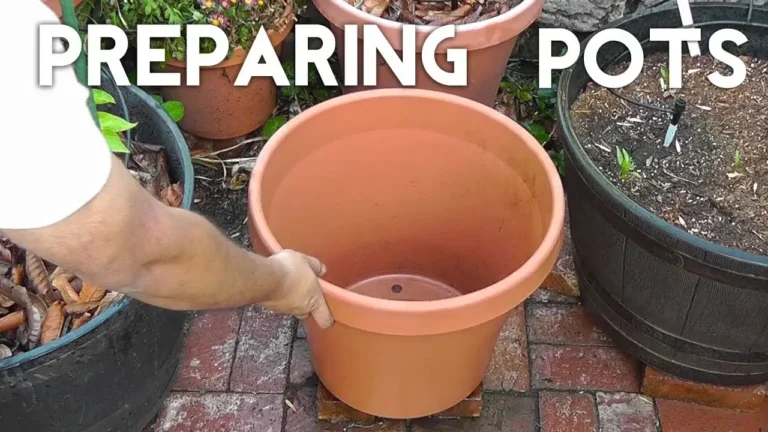
- Prepare the new pot. Add enough mix to keep the root ball near the same height it was growing before.
- Set the hydrangea in place. Keep the crown and existing soil level near the surface rather than burying the stems.
- Fill around the roots. Add mix in small amounts and gently settle it into gaps without pressing it into a hard block.
- Water slowly and thoroughly. Stop when water runs from the drainage holes, then let the pot drain freely.
- Check before watering again. Touch the top layer and feel the pot’s weight; don’t assume a dry surface means the entire root zone is dry.
- Place the pot where the plant suits its conditions. Consider sunlight, wind, and heat, since those affect how quickly the container dries.
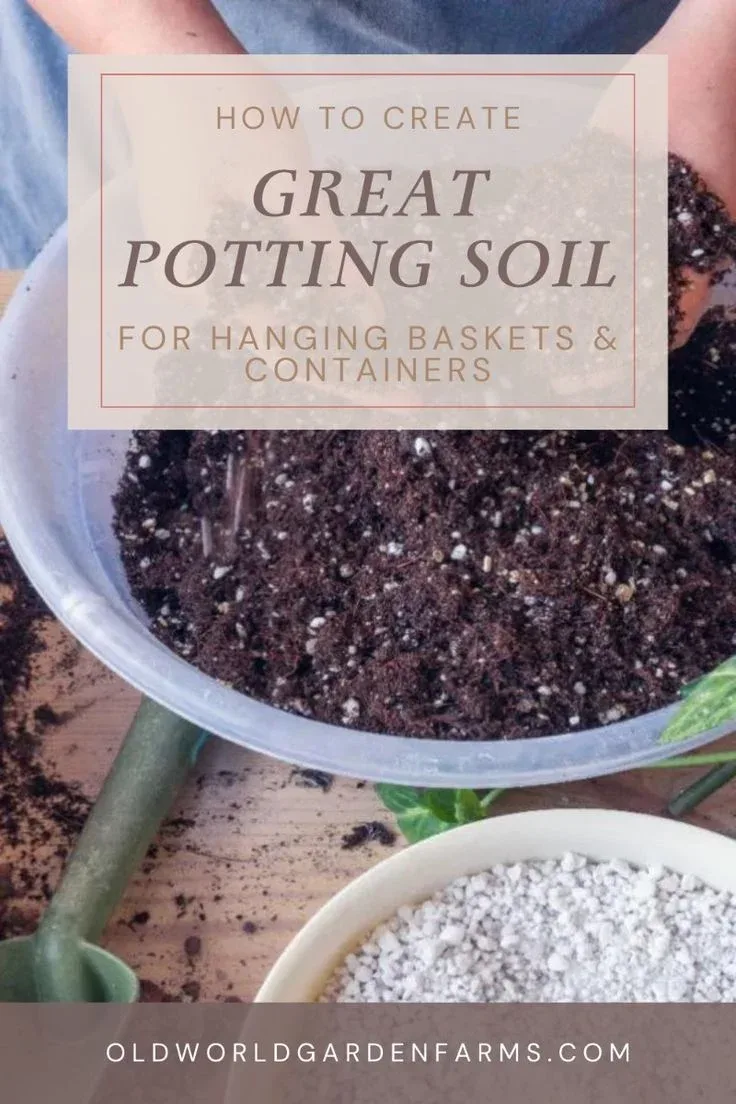
If the hydrangea needs a larger container, move up only enough to give roots room rather than choosing an enormous pot that stays wet for too long. For hanging containers, mix weight and water retention become separate concerns, and mixing soil for hanging baskets covers those particular trade-offs.
How to Make Your Potting Soil for Blue Hydrangeas Last Longer
Keep the mix from becoming waterlogged, compacted, or contaminated, and replace it when the plant’s roots or the soil’s condition call for it. A bag does not need special treatment, but dry, closed storage helps keep unused potting mix in better shape.
Store leftover soil in its original bag if it can be sealed, or use a clean container with a lid. Keep it out of rain and away from places where runoff, pests, or garden chemicals could get into the mix. Mark the bag with the plant type and date if you have several soils in storage.
During the growing season, clear fallen leaves and other debris from the soil surface. Make sure drainage holes remain open, and lift the pot occasionally to check that water is not collecting underneath. If the mix stays wet for unusually long periods, review the drainage holes, saucer, pot location, and watering frequency before adding anything.
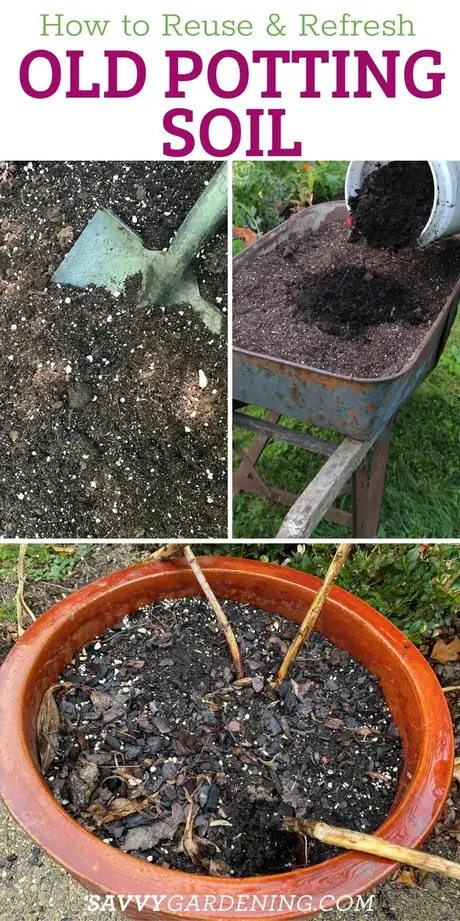
When you reuse a pot, remove old loose roots and wash the container before filling it again. Avoid reusing mix that is sour-smelling, heavily compacted, or known to have had serious pest or disease problems. If a healthy plant has simply used up its space, follow the plant’s repotting needs and refresh the root zone rather than assuming every bag of old soil must be discarded on a fixed date.
Check the plant’s growth and the mix’s texture every few weeks during active growth. If the pot dries very fast, roots fill the container, or water runs down the sides without soaking in, the hydrangea may need attention. Those signs call for checking the plant and pot, not automatically pouring in more water or fertilizer.
Common Mistakes to Avoid When Buying and Using Potting Soil for Blue Hydrangeas
A few small checks can prevent most avoidable soil problems: confirm the plant match, make sure water can drain, and follow the package’s fertilizer directions. These mistakes are easy to make when a bag’s front label sounds like a complete solution.
- Expecting an acidic mix to guarantee blue flowers. Soil is only one part of color; check the hydrangea variety and follow plant-specific acidity guidance.
- Buying by the bag name alone. A blueberry blend may not list hydrangeas; inspect ingredients, pH, intended use, and feeding directions.
- Using a pot without drainage holes. Extra water has nowhere to go; choose a draining container or a removable inner pot.
- Watering by the calendar. Heat, wind, pot size, and plant growth change drying speed; check the mix before watering.
- Adding fertilizer on top of a fertilized mix. Too much feeding can be harmful; read the package directions before applying extra plant food.
- Ordering too little soil. Small bags can fall short of a larger pot; estimate what the container needs and confirm the bag volume.
- Using garden soil in a container. Dense soil can drain poorly in pots; choose a potting mix intended for container growing.
How to Set Up Potting Soil for Blue Hydrangeas
Repotting is mostly a matter of preparing the container, keeping the plant at a familiar depth, and watering carefully afterward. Take a few minutes to check the pot and bag first; that is easier than correcting a soggy or undersized setup later.
- Check the plant and pot. Choose a container with drainage holes and enough room for the existing root ball.
- Read the mix label. Note its intended plant use, pH information, ingredients, and whether fertilizer is already included.
- Prepare the work area. Use a clean surface and keep the bag closed between scoops so the remaining mix stays dry.
- Add a base layer. Put in enough potting soil to bring the root ball close to its previous planting height.
- Loosen only crowded outer roots. If roots circle the root ball, gently tease the outside rather than pulling the plant apart.
- Center the hydrangea. Keep the old soil line near the new surface; burying the stems can create avoidable problems.
- Fill gaps and settle the mix. Add soil around the sides, then tap the pot lightly instead of crushing the mix down.
- Water and let the pot drain. Watch for water leaving the holes, then empty any saucer that holds excess.
The likely stumbling point is planting too deeply or packing the soil too firmly. Keep the root ball level and let water, rather than hard pressing, settle the new mix around it.
Common Questions About Potting Soil for Blue Hydrangeas
What pH is best for blue hydrangeas in pots?
A lower, acidic pH is generally associated with blue flowers in hydrangeas that can change color, but there is no one bag-level number that guarantees blue blooms. Variety and available aluminum also matter. Check the plant’s needs and the mix’s stated pH, and avoid adding acidifiers without reliable guidance.
Can blueberry soil be used for a hydrangea?
Sometimes, but check the specific blend before using it. Blueberry soils may share an acidic growing goal, yet their fertilizer directions and pH can differ, and not every hydrangea responds the same way. Look for a stated pH, ingredients, and plant-food instructions instead of assuming the crop name makes it a match.
How much potting soil does a potted hydrangea need?
The amount depends on the container’s size and how much of the root ball needs fresh mix. A 1-quart bag is only a small quantity, while larger bags suit bigger jobs. Check the pot dimensions and soil-bag volume before buying, and leave the root ball at its existing planting depth.
Does potting soil alone make hydrangeas turn blue?
No. An acidic potting mix can be part of the growing conditions, but soil alone does not guarantee a color change. The hydrangea variety and availability of aluminum also affect flower color.
Choose a suitable mix first, then use plant-specific advice before changing the soil chemistry.
Should I add fertilizer when repotting a hydrangea?
Not automatically. Some potting mixes include fertilizer, and adding more right away can conflict with the bag’s feeding directions. Check the package for a fertilizer ratio and schedule, then follow those instructions or the care guidance for your particular hydrangea.
How often should I water a potted hydrangea?
Water when the soil needs it, not on a fixed weekly schedule. Pot size, temperature, sun, wind, and plant growth all affect how fast a container dries. Check the mix before watering, then water thoroughly and let excess drain through the pot’s holes.
Before You Fill the Pot
Before ordering, compare the bag volume with your container, confirm that the mix suits container growing, and read any pH and fertilizer details on the package. If those details are missing, ask for them before planting; a clear label is a better starting point than a promise of blue blooms.

I’m Maya L. Greenwood, a lifelong plant lover who believes anyone can grow something beautiful with the right guidance. After years of testing soil mixes, pruning methods, irrigation tricks, and pest-safe solutions, I started EasyGardenTips.com to turn hard-won lessons into step-by-step advice. From seed starting and container gardens to composting and seasonal checklists, my goal is to make gardening simple, sustainable, and fun.
One Comment