
Can You Compost Old Potting Soil? Yes, and Here’s How to Do It
Yes, you can compost old potting soil if it came from healthy plants and doesn’t contain chemicals or other contaminants. Add it in modest amounts, mix it through the pile, and give the compost time to mature.
Have you emptied a pot and found a dry, root-filled block that seems too good to toss? Are you worried that old potting soil might bring pests or plant disease into the compost you’ll use next season?
I once tipped several pots into a compost pile without breaking up the root mats first. The soil sat in clumps, while the roots made a scratchy, tangled layer that took extra work to pull apart. That’s a common mistake, not a dumb one.
I wrote this to help you sort safe soil from soil that should go in the trash, then compost or reuse the rest without making a mess of your pile. It’s for anyone clearing out containers, saving money, or trying to avoid hauling a heavy bag of dirt to the curb.
Handle the soil well, and you can keep useful organic material in circulation and make the pile easier to turn. Skip the quick inspection, and you could spread plant disease, add too much soil at once, or end up with a dense pile that breaks down slowly.
This takes about 10 minutes to read. By the end, you’ll know how to:
- Spot potting soil that’s suitable for composting.
- Add old mix without smothering the pile.
- Decide when reuse makes more sense than composting.
- Handle diseased or pest-infested soil safely.
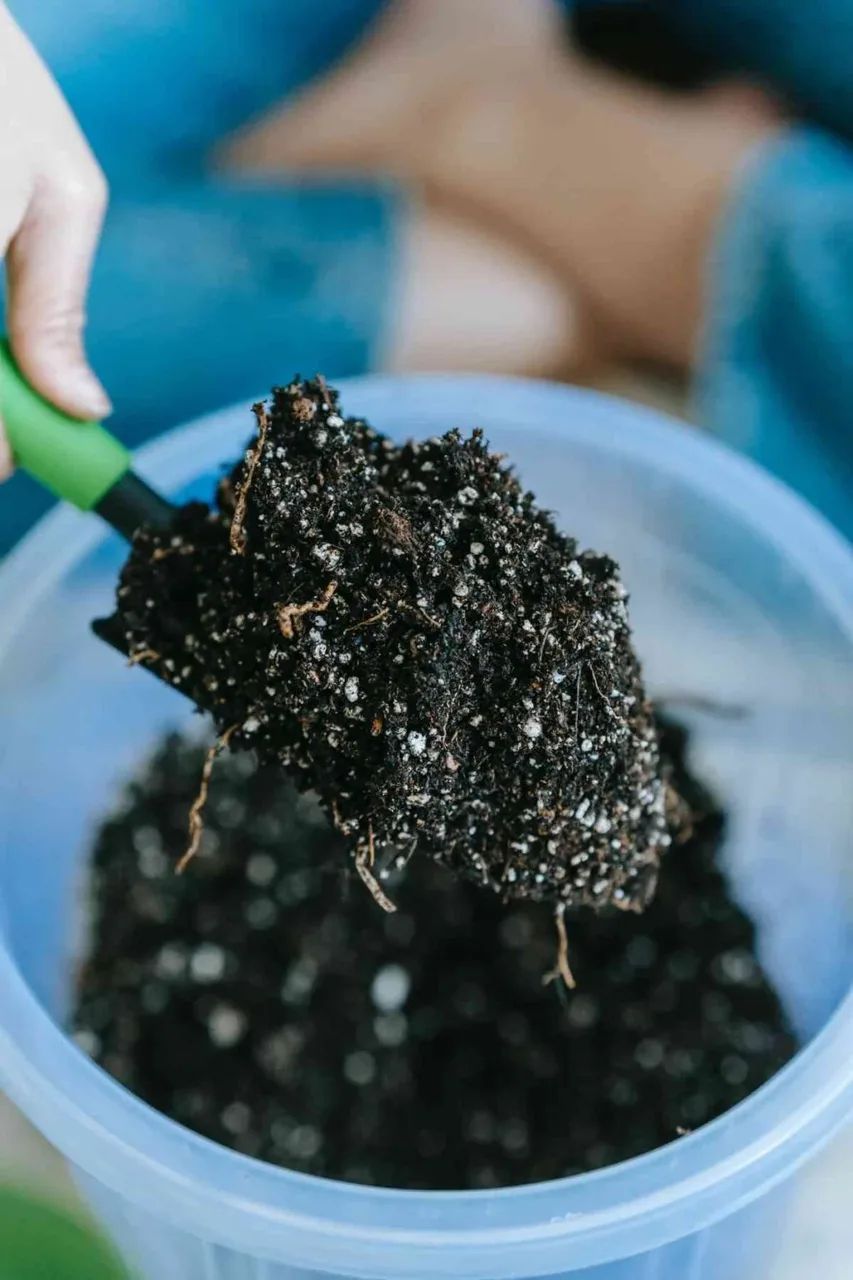
Can You Compost Old Potting Soil?
Yes, old potting soil can go in a compost pile when it’s free of serious plant disease, persistent pests, and chemical contamination. Remove large roots, break up clumps, and mix the soil into the pile in modest amounts rather than dumping in a whole potful at once.
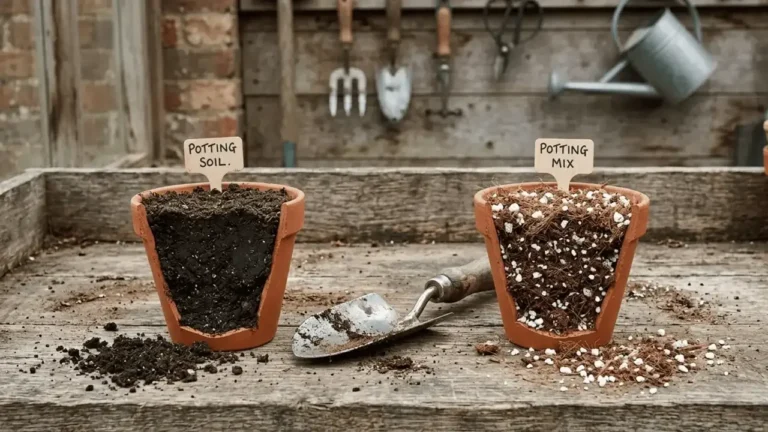
Potting soil, often called potting mix, usually contains organic materials such as peat moss, coconut coir, or compost, along with mineral materials such as perlite, vermiculite, or sand. Organic parts can break down further in a compost pile; mineral parts generally stay as particles, so they don’t disappear the way leaves do.
That’s why a handful of old mix can blend in nicely, while a wheelbarrow full may leave your pile heavy and slow. The goal is a loose, mixed pile with air pockets, not a dense layer of potting soil between everything else.
Before adding old mix, look at what grew in the pot and check for anything unusual. Soil from a healthy annual flower or a plant that simply finished its season is usually a reasonable candidate.
Keep soil out of a home compost pile if it came from a plant with a serious disease, a heavy pest infestation, or suspected chemical exposure. Home piles don’t always reach or hold a high enough temperature to destroy every troublesome organism, and contaminated soil can spread the problem when you use the finished compost.
If you’re unsure whether the plant had a soil-borne disease, don’t gamble with a pile you plan to use around valuable plants. Bag the soil for disposal according to local rules, and clean the pot before filling it again.
Check the soil before adding it
Take a moment to inspect the soil and the plant remains. The decision isn’t just about whether the soil looks old; it’s about what’s been living in it and what might be mixed through it.
- Usually suitable: soil from healthy annual flowers, herbs, or vegetables without signs of disease or serious pests.
- Use caution: soil with lots of roots, a heavy fertilizer crust, or a history you don’t know.
- Keep out of the compost: soil from plants with serious disease, major pest problems, or possible pesticide or herbicide contamination.
A few fine roots are no big deal, but woody roots and dense root balls take longer to break down. Pull out the larger pieces and chop them up or dispose of them separately if they’re diseased.
Don’t confuse a dry, compacted mix with contaminated soil. A dusty, hard pot may just need breaking up, while a sticky white crust or unusual chemical smell deserves a closer look before you add anything to the pile.
Which Old Potting Soil Is Safe to Compost?
Old potting soil is a good compost candidate when the plants were healthy and the mix has no known chemical contamination. Soil from diseased plants, severe infestations, or a source you can’t identify is safer to discard than to spread through your garden later.
The biggest practical concern is plant pathogens, meaning organisms that cause disease in plants. Some diseases live in soil or plant debris, and a backyard pile may not heat evenly enough to kill them. If a plant wilted from a likely root or crown disease, or had a problem that spread from the roots, keep its soil out of the pile.
Pests also need judgment. A small insect you spot above the soil doesn’t automatically make the potting mix unusable, but soil from a severe infestation may contain eggs, larvae, or other stages that are hard to notice. If the plants had a persistent soil pest problem, bagging the mix is the safer call.
Chemical history matters, too. Don’t compost soil that may have been exposed to herbicides, solvents, treated wood residue, or other substances that shouldn’t end up in garden compost. If you can’t tell what spilled into a pot, don’t use that soil around food crops or ornamental beds.
| Soil condition | Compost it? | Better next step |
|---|---|---|
| Healthy plant, no serious pests | Yes, in modest amounts | Break up clumps and mix it into the pile |
| Large roots or root-bound mix | Usually | Remove or chop roots before adding soil |
| Serious plant disease | No | Bag and dispose of it under local rules |
| Heavy pest infestation | Usually not | Discard the mix and clean the container |
| Unknown chemical exposure | No | Keep it out of compost and garden beds |
| Old mix with fertilizer salts | Maybe | Use a small amount, or discard if heavily crusted |
Fertilizer residue isn’t automatically a reason to reject the soil, but a thick, salty crust can signal a buildup of soluble salts. A little old mix won’t usually dictate how your whole pile behaves; a large amount of heavily fertilized soil is a different story.
Do you need to sterilize safe old soil before composting it? Usually not, and home methods like baking soil in an oven can create odors and aren’t a reliable substitute for handling diseased material properly. Sorting questionable soil out is simpler and safer.
I once caught myself treating every tired-looking pot as though its soil needed a dramatic rescue. After separating out the root-bound clumps and leaving questionable material aside, the rest mixed into the pile without fuss. A quick inspection beats trying to fix a whole compost bin later.
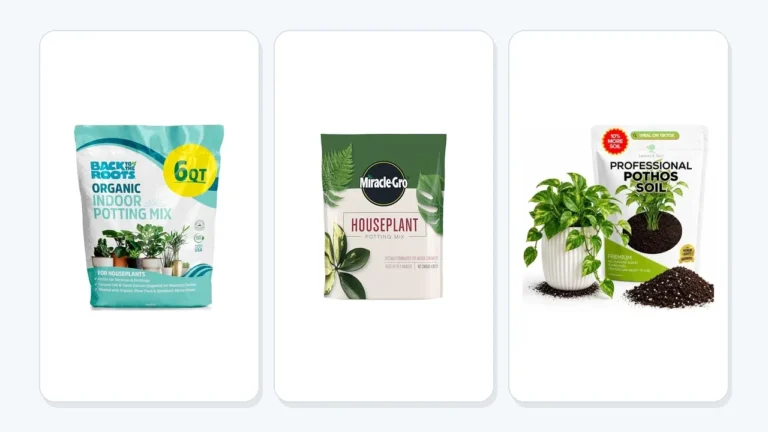
If you’re deciding between composting and using the mix again, the plant’s health is only part of the answer. Old soil can be reused in some situations, but it may have fewer nutrients and a poorer texture than fresh mix; the details matter for the next plant. reuse potting soil safely
Soil intended for a new container vegetable garden may need a different texture and nutrient balance from a compost pile. If you’re filling containers from scratch, choosing a mix made for container vegetables can save you from trying to correct a poor blend after the plants are already growing. potting mix for container vegetables
Tomatoes can be especially unforgiving when a container mix drains poorly or dries out too quickly. If you’re planning tomatoes rather than composting the soil, compare mixes suited to container tomatoes before planting. container mix for tomatoes
How to Compost Old Potting Soil Without Slowing the Pile
Add old potting soil a little at a time, break up dense clumps, and blend it with the pile’s other materials. Soil isn’t a stand-in for dry leaves or fresh green scraps, so adding a thick layer can weigh down the pile and reduce air movement.
Follow these steps:
- Empty the pot and inspect the contents. Check for signs of disease, pests, chemical exposure, and thick fertilizer crust before the soil goes near the compost.
- Remove large roots and debris. Pull out plant tags, plastic, twine, and woody roots. Diseased roots and stems should stay out of the pile with the soil.
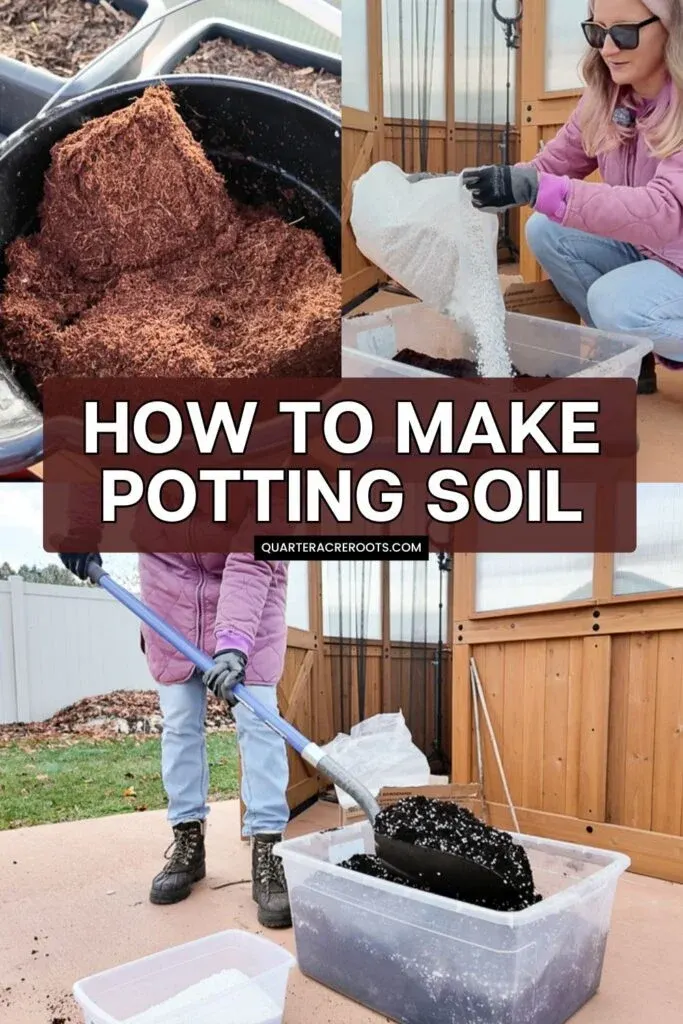
- Break up the mix. Crumble dry clods by hand or with a garden fork. If the soil is wet and sticky, spread it out briefly so you can loosen it without turning it into a heavy lump.
- Add a modest amount. Scatter the mix in a thin layer rather than tipping a whole large container into one spot.
- Blend it with other compost materials. Turn in leaves, shredded paper, plant trimmings, or other suitable materials so the old soil doesn’t form a solid band.
- Check the pile as it breaks down. Turn or fluff the pile if the soil has formed dense clumps, and adjust moisture if the mix feels bone dry or soggy.
Carbon-rich materials, often called “browns,” include dry leaves and shredded, uncoated paper. Fresh plant trimmings and vegetable scraps are generally nitrogen-rich “greens”; old potting soil may contain organic pieces, but it doesn’t replace either group neatly.
Aim for a pile that feels like a wrung-out sponge, not a puddle. If the old mix is dusty, a light watering as you blend it can help; if it’s already soaked, add dry material and loosen the pile instead of pouring on more water.
The finished compost should look dark and crumbly, with most of the original ingredients no longer easy to recognize. Some perlite, vermiculite, sand, or bark may remain visible because those materials don’t break down at the same rate as leaves and food scraps.
Does your old soil contain lots of perlite or vermiculite? That’s usually not a reason to reject a small amount, but the particles can remain in finished compost and change its texture. If your pile already has plenty of mineral material, keep the addition small.
Don’t put a full container’s worth of soil into a small countertop collection bin and leave it there until the weekend. Dense, damp soil can compact kitchen scraps and make the bin unpleasant; add it directly to the outdoor pile when you’re ready to mix it.
If the mix smells sour after you add it, check whether the pile has become wet and compacted. Loosen the clumps and mix in dry leaves or another dry, bulky material; a bad smell often means the pile needs more air, not another layer of soil.
Want to use some of the old mix in a new pot rather than composting all of it? Mixing old and fresh potting soil can work in some cases, but the old mix should be clean and the proportions should suit the plant you’re growing. mix old soil with new
For soil you plan to reuse, cleaning means removing roots and debris and dealing with any known problem safely, not simply making the mix look tidy. A clean pot and sound soil can reduce the chance of carrying old trouble into a new container. clean old potting soil
Pro Tip: Keep a small bucket beside your potting bench for healthy, root-free old mix. A few scoops are easy to add to the compost pile; a whole season’s worth dumped in at once is harder to manage.
The same “right soil for the plant” rule applies to ornamental containers. Rose bushes, for instance, have different container and drainage needs from a shallow annual flower pot, so don’t assume composted old mix alone will make a suitable rose planting medium. potting soil for rose bushes
Important Tip: Don’t put soil from a sick plant into a pile just because the pile is hot or covered. Backyard compost piles can have cool spots, and a tarp doesn’t prove that the material inside reached a disease-killing temperature.
FAQs About Can You Compost Old Potting Soil
Can old potting soil go in a compost tumbler?
Yes, old potting soil can go in a compost tumbler if the source plant was healthy and the mix is free of contaminants. Add a small amount, break up clumps, and balance the added soil with suitable compost materials. Too much soil can make a small tumbler heavy and hard to turn.
Does potting soil count as a brown in compost?
No, potting soil isn’t a dependable substitute for brown materials such as dry leaves or shredded paper. Some potting mixes contain organic ingredients, but the finished soil also has mineral particles that don’t break down. Add soil in moderation and keep the pile supplied with its usual mix of compostable materials.
Can I compost potting soil with perlite?
Yes, a small amount of potting soil containing perlite can go into compost when the soil is otherwise safe. Perlite is a mineral material, so it won’t break down like leaves or roots. Some particles may remain in the finished compost and make its texture lighter or more gritty.
Should I compost soil from a plant with root rot?
No, don’t put soil from a plant with suspected root rot into a home compost pile. Home piles may not heat evenly enough to kill disease organisms, and spreading the finished compost could carry trouble to new plants. Bag the soil for disposal under local rules, and clean the pot before reusing it.
Can I compost old potting soil with fertilizer in it?
Yes, soil with ordinary leftover fertilizer can usually be added in modest amounts if the plant was healthy and there’s no chemical contamination. A thick salt crust or unusually strong chemical odor calls for caution. Don’t add a large quantity of heavily fertilized mix to compost you plan to use around sensitive plants.
Make the Soil Earn Its Place
Composting old potting soil is a practical way to reuse safe material, as long as you don’t treat every tired pot as an automatic compost ingredient. Check the plant’s health, remove roots and trash, and mix clean soil into the pile in small amounts.
In my view, a cautious sort is worth the minute it takes. A little clean mix can fit into a healthy compost routine; diseased or chemically suspect soil can create a problem that’s much harder to undo.
Your next step is simple: empty one pot, inspect the soil, and decide whether it belongs in compost, in a clean container for reuse, or in the trash. Once you’ve made that call, the rest is just breaking up clumps and keeping the pile loose.

I’m Maya L. Greenwood, a lifelong plant lover who believes anyone can grow something beautiful with the right guidance. After years of testing soil mixes, pruning methods, irrigation tricks, and pest-safe solutions, I started EasyGardenTips.com to turn hard-won lessons into step-by-step advice. From seed starting and container gardens to composting and seasonal checklists, my goal is to make gardening simple, sustainable, and fun.
One Comment