
Can You Use Garden Soil in Pots? What Happens to Your Plants
You can use garden soil in pots in a pinch, but it’s usually a poor choice on its own because it can compact, drain badly, and stress roots. A container mix made for pots is a safer bet for most plants.
Have you filled a pot with soil from the yard and watched water sit on top, or found the whole thing turned into a hard, heavy lump? Are you trying to save money without giving your plants a rough start?
I once used garden soil to fill a large patio planter because I had plenty on hand and didn’t want to haul another bag home. The soil settled into a dense, wet mass, and the seedlings struggled until I replaced much of it. It’s a common mistake, not a dumb one.
I wrote this to help you tell when garden soil can work, what can go wrong, and how to make a better choice for containers. You don’t need a stack of fancy products; you need a growing medium that lets roots breathe and water move through.
Get the mix right, and you can avoid waterlogged roots, wasted seedlings, and a planter that weighs a ton when you need to move it. Skip that step, and even a healthy plant can look miserable for reasons that are hard to spot.
This takes about 16 minutes to read. You’ll come away knowing how to:
- Decide whether garden soil is suitable for your particular pot.
- Improve soil structure without guessing at random ingredients.
- Choose a better mix for vegetables, flowers, and houseplants.
- Spot drainage trouble before it gets expensive.
Can You Use Garden Soil in Pots?
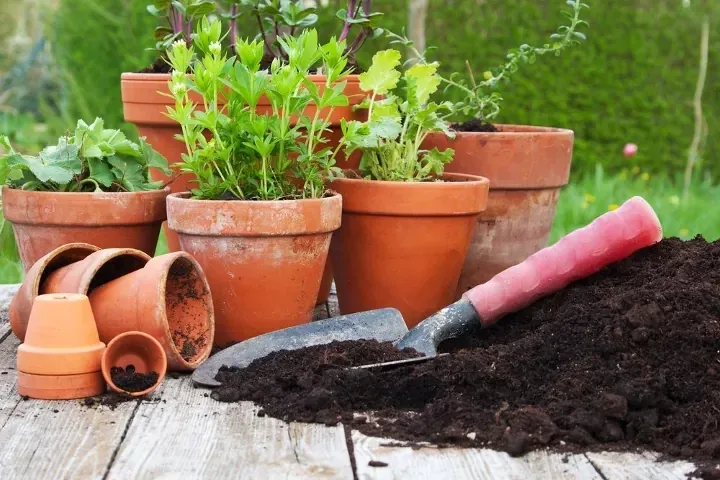
You can use garden soil in pots, but it’s best used sparingly and only when its texture and condition suit the container. For most pots, use a container mix as the main growing medium; if you add garden soil, keep the amount modest and test how the mixture drains before planting.
A pot behaves differently from a garden bed. In the ground, extra water can move through surrounding soil, roots can spread outward, and worms and other soil life can help keep the earth open. A container has fixed walls and a small drainage area, so dense soil has fewer ways to recover if water stops moving.
Garden soil means soil taken from an outdoor garden bed or yard. It can contain mineral particles, organic matter, microbes, weed seeds, insects, and bits of roots, while its texture can range from loose and sandy to sticky and clay-heavy.
Potting mix is a growing medium made for containers. Many mixes use materials such as peat moss or coir, bark, and perlite to hold some moisture while leaving air spaces around roots. The exact ingredients vary, so read the bag rather than assuming every mix is alike.
If your soil crumbles loosely, drains at a reasonable pace, and comes from a healthy bed without recent pesticide treatment or disease problems, a small amount may be workable. Heavy clay, soil that stays soggy, or soil from an area with known contamination belongs in the ground, not a food-growing pot.
Here’s a simple way to think about it: one scoop of good garden soil mixed into a larger amount of container mix may be manageable for a hardy outdoor planter. Filling a pot entirely with compacted yard soil is a different story, especially for a small pot or a plant with delicate roots.
When you’re comparing ingredients and bag labels, a plain explanation of what potting soil contains can help you tell a container mix from ordinary dirt. The names can sound interchangeable on a garden-center shelf, but the job each material does is not the same.
| Growing medium | Typical behavior in a pot | Best use |
|---|---|---|
| Garden soil | May compact or drain unevenly; texture depends on the bed | Small addition to a suitable mix, if clean and crumbly |
| Potting mix | Usually lighter and designed to hold air and moisture in containers | Most houseplants, flowers, herbs, and vegetables in pots |
| Topsoil | Often dense and sold for leveling or filling ground areas | In-ground projects, not usually a complete container medium |
| Compost | Adds organic matter and nutrients, but can hold lots of water | A measured amendment, not usually the whole pot |
The difference matters most after watering. A container can look dry on the surface while staying wet deeper down, so the top inch alone doesn’t tell you what the roots are experiencing.
Why garden soil acts differently inside a pot
Container soil has to balance three needs: water retention, drainage, and air around the roots. Water retention keeps roots from drying out too quickly, while drainage helps excess water leave and airflow supplies oxygen to roots.
Fine particles pack close together. When wet, clay-rich or silty soil can leave very little space for air, and repeated watering can make the problem worse. Roots need oxygen as well as moisture, so a pot that stays waterlogged can cause weak growth and root rot.
The pot’s size changes the risk. A large outdoor container filled with dense soil may dry slowly, while a small pot in a warm, sunny window can dry much faster. The plant, weather, pot material, and drainage holes all play a part.
Don’t try to fix a drainage problem by pouring gravel into the bottom of the pot. A gravel layer doesn’t turn dense soil into a well-draining mix, and it can leave the saturated zone higher in the container. Use a pot with open drainage holes and a suitable medium from top to bottom.
Pro Tip: Before planting, wet a small amount of your proposed mix in a bucket. It should take up water without turning into sticky sludge, and excess water should drain rather than linger in a puddle.
When a little garden soil can work
Garden soil is most likely to work as a limited ingredient in a large outdoor container, especially when it’s loose, healthy, and mixed with a container medium. A small amount can add mineral texture and some of the organisms found in garden beds, though it doesn’t guarantee extra nutrients or better growth.
Think about a patio pot holding a sturdy ornamental plant rather than a tiny pot of seedlings. If the garden soil is crumbly and the planter drains freely, mixing in a modest amount may be reasonable. The same soil in a shallow herb pot can quickly become too dense.
You can also use garden soil in a large planter that sits directly on the ground, where roots can eventually grow through open spaces at the bottom. That setup still needs a sound growing medium, and it isn’t the same as placing a sealed pot on a balcony.
A compacted, wet mix doesn’t become safe just because the container is big. Check the soil’s texture first, and don’t use soil from a bed that has had serious plant disease, persistent weeds, or unknown chemical treatment.
When your goal is to stretch a bag of mix, it helps to compare the risks and proportions involved in mixing garden soil with potting soil. The amount matters, but the soil’s texture and the container’s drainage matter just as much.
- Garden soil can be used in a pot, but it usually shouldn’t make up the whole mix.
- A container mix is designed to keep a useful balance of moisture and air.
- Soil that is heavy, sticky, contaminated, or persistently wet is a poor pot ingredient.
How to Test and Amend Garden Soil for Pots
Test garden soil before it goes into a pot, then amend only when you can improve its texture without turning the mixture into a dense or soggy blend. A quick hand test and a small drainage trial can save you from repotting a struggling plant later.
Start with a handful of soil from the bed you plan to use. Remove stones, roots, and visible debris, then dampen the soil slightly. Good candidate soil should break apart when you press it, rather than forming a slick ribbon or a hard lump.
A soil test from an agricultural extension service can tell you more about nutrient levels and pH, especially if you’re growing food. But a nutrient test doesn’t tell you whether a soil is light enough for a container, and it won’t screen for every possible contaminant. If the soil’s history is unknown, don’t use it for edible plants.
Try the mix in a spare pot before filling the main one. Water it slowly, let it drain, and check how it feels after a day or two. A mix that stays sodden or shrinks away from the pot edge needs attention before you plant.
A practical test before you plant
- Check the source. Choose soil from a maintained bed, not a roadside, industrial lot, or area where chemical use is unclear.
- Break up clods. Remove stones, roots, and large woody pieces so the mixture is even.
- Feel the texture. Wet a handful and squeeze gently; crumbly soil is more promising than soil that smears or stays in a tight ball.
- Mix a small batch. Combine a little garden soil with a larger amount of container mix instead of filling a pot with the raw soil.
- Run a drainage test. Wet the sample in a pot with holes and watch whether water moves through without leaving the mix soggy.
- Plant only after the trial. If the sample dries and drains in a way that suits the plant, use the batch in a larger container.
A hand test is a screening tool, not a lab result. Soil can feel loose in your fingers and still contain weed seeds, insect eggs, or pathogens that you don’t want in a container.
Before using garden soil for a vegetable planter, check what has been applied to the bed. Some products need time before planting edible crops, and the product label gives the controlling directions. If you can’t identify a treatment, use a clean container mix instead.
How can you tell if the soil is too heavy without waiting weeks for a plant to suffer? Wet a sample, press it between your fingers, and watch how it drains; a slick, sticky mass that stays wet is a warning sign.
What to add, and what not to add
A soil amendment changes a soil’s physical properties or nutrient content. For pots, the goal is a mix that drains freely while holding enough moisture for roots, not a pile of ingredients that sounds impressive on the bag.
Coarse perlite can add air spaces, and bark can help create a more open structure, but neither is a magic fix if the base soil is very heavy. Adding a little compost may supply organic matter, yet too much compost can hold excess water or make the mix overly rich for some plants.
Avoid adding sand to clay-heavy garden soil as a casual fix. A small amount of fine sand may not improve structure, and the resulting mix can become dense. Soil texture changes depend on the proportions and particle sizes, so don’t assume that every extra ingredient makes a better pot.
Don’t add fertilizer just because the plant looks unhappy after potting. Waterlogging, poor light, root damage, and temperature stress can all mimic a nutrient problem. If you feed a plant in a mix that already contains fertilizer, you may add more than it needs.
A bag labeled soil conditioner usually describes an amendment for improving soil, not necessarily a complete container medium. If you’re unsure about the label, the answer to using soil conditioner as potting soil depends on its ingredients and intended use; check the product directions before putting it around roots.
Important Tip: Don’t use garden soil from a spot where diseased plants grew if you’re unsure whether the disease can persist in soil. A fresh container mix is a simple way to avoid carrying a problem into a new planter.
Mixing ratios are starting points, not guarantees
There isn’t one safe ratio for every garden soil and every pot. Texture varies from yard to yard, and a mix that works in a deep outdoor planter might stay too wet in a small indoor container.
For a trial batch, start with roughly one part garden soil to three parts potting mix. Treat that as a cautious starting point, not a universal recipe. If the sample feels heavy or drains slowly, reduce the garden soil or skip it.
For moisture-loving plants in a large outdoor container, a somewhat heavier blend may be acceptable, while succulents and many herbs need a mix that dries more quickly. Match the mix to the plant instead of choosing a ratio just because it’s easy to remember.
The container matters too. Unglazed clay pots lose moisture through their sides, while plastic pots hold moisture longer. A dense blend in plastic can stay wet for quite a while, especially in a cool, shady spot.
What if you already have two partly used bags of potting mix? Their ingredients and moisture needs should be compatible before combining them, and mixing different potting soils isn’t automatically a problem if both are meant for similar plants and containers.
I’ve had a mix look fine in a bucket and then settle more than expected after a thorough watering. The useful lesson was to test the blend in the actual kind of pot I planned to use, because a bucket doesn’t behave quite like a narrow planter.
Better Soil Choices for Different Pots
The best medium depends on the plant, container, and growing conditions, but most potted plants do better in a mix made for containers than in garden soil alone. Start with a product suited to the plant, then adjust watering and feeding based on how that plant responds.
A flowering annual on a sunny porch may need a mix that holds moisture through hot afternoons. A cactus on a bright windowsill needs faster drainage, and a tropical houseplant often prefers steady moisture without roots sitting in water.
The plant label can guide you, but don’t treat a broad label such as “all-purpose” as a promise that every plant will thrive. Look at ingredients, texture, and whether the mix is intended for indoor use, outdoor pots, seed starting, or a specific plant group.
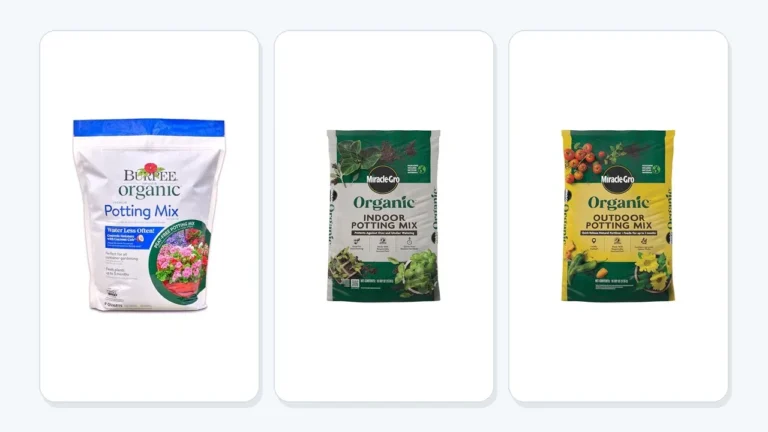
If you want an organic product, “organic” doesn’t automatically mean it drains well or suits every plant. A useful comparison of organic potting soil options should focus on ingredients and intended plants, not just the label on the front.
Choose a mix by plant type
| Plant or situation | Helpful mix qualities | What to watch |
|---|---|---|
| Houseplants | Airy structure and steady, moderate moisture | Dense soil can remain wet where light is limited |
| Vegetables in containers | Consistent moisture and enough room for roots | Containers dry quickly in sun and wind |
| Herbs | A mix suited to each herb’s water needs | Rosemary and basil don’t want identical watering |
| Succulents and cacti | Faster drainage and less moisture held around roots | Fine, heavy garden soil can stay wet too long |
| Seedlings | Fine, even texture and good drainage | Garden soil may carry weed seeds or disease organisms |
| Large outdoor planters | Mix suited to planter depth, exposure, and plant size | Heavy soil can make the planter difficult to move |
These are broad categories, not rigid formulas. A tomato plant in a hot, windy yard may need more frequent watering than the same variety on a sheltered deck, even in identical containers.
For edible crops, choose clean materials from a known source. A healthy-looking garden bed doesn’t prove that its soil is free of unwanted residues, and vegetables in pots are no place to gamble with unknown contamination.
When you’re selecting a potting medium for several plants, a broader guide to soil for potted plants can help you compare the needs of different roots and containers. You don’t need one fancy blend for everything, but matching the mix to the plant saves a lot of guesswork.
Indoor and outdoor pots need different attention
Indoor containers often dry more slowly because they get less sun and wind than outdoor pots. A mix that works well on a warm balcony can stay wet in a dim room, especially in a large plastic pot.
Outdoor pots face stronger changes in heat, wind, and rainfall. A mix that drains well can still dry too fast during hot weather, so check moisture below the surface and water when the plant’s needs call for it.
Can you move outdoor potting soil indoors? Sometimes, but the label and ingredients matter; a mix intended for outdoor use may contain fertilizer or materials that aren’t a good fit for a houseplant. The question of using outdoor potting soil indoors is best answered by checking the bag and matching its moisture behavior to the plant.
Indoor soil can also bring fungus gnats into the house if it stays consistently damp. Let the upper layer dry as appropriate for the plant, avoid leaving water in the saucer, and don’t water on a fixed schedule without checking the soil.
A pot’s drainage holes need to stay open. If a decorative outer pot has no holes, use a nursery pot with drainage inside it, then empty standing water from the outer pot after watering.
Topsoil and garden soil aren’t interchangeable with potting mix
Topsoil is the upper layer of soil, often sold for filling low spots or improving garden beds. It may be screened, but that doesn’t mean it has the light structure a container needs.
Garden soil comes from an outdoor bed; topsoil is a product or soil layer used for ground projects. Either may be heavy in a pot, and neither label alone tells you how the material will drain.
If you’re comparing a bag of topsoil with a container mix, the difference in purpose matters more than the word “soil.” A clear look at mixing topsoil with potting soil can help you decide whether the topsoil belongs in a ground bed instead.
Don’t fill the bottom of a container with topsoil and the upper part with potting mix. The different textures can hold water unevenly, and roots don’t care that the layers look tidy from above.
Fix Drainage Problems Before Roots Suffer
Slow drainage, persistent wetness, and poor growth are signs that a container’s mix may be too dense or the watering setup needs a change. Check the soil and the pot before adding fertilizer, since extra nutrients won’t fix a lack of root-zone air.
A plant’s leaves can droop in both dry soil and waterlogged soil, which makes diagnosis frustrating. Feel the mix several inches down, check the pot’s weight, and look for standing water before reaching for the watering can.
| Symptom | Possible cause | First step |
|---|---|---|
| Water sits on the surface | Compacted soil or an obstructed surface | Gently loosen the top layer and check drainage holes |
| Pot stays heavy and wet | Dense mix, large pot, or frequent watering | Let the mix dry to the plant’s needs; inspect the root zone |
| Leaves yellow while soil is wet | Roots may be short of air or damaged | Reduce watering and check for drainage |
| Plant wilts while soil feels dry | The mix may have dried too far or pulled from pot sides | Water slowly until the root zone is evenly moist |
| Soil shrinks from pot edges | Very dry mix may repel water | Rewet gradually rather than dumping water in one spot |
| White crust on soil or pot rim | Mineral salts may be accumulating | Check fertilizer and water habits; flush only if drainage is good |
A clogged hole can make a good mix act like a bad one. Set the pot on feet or a saucer that doesn’t block its openings, and clear debris without pushing a tool through where it could damage roots.
If the pot smells sour or stays wet for days, unpotting the plant may be the kindest move. Healthy roots are usually firm, while rotting roots can feel soft or look dark; trim only clearly damaged roots with clean tools and repot into a suitable medium.
Don’t add a layer of gravel to “fix” the bottom. The answer is better drainage through the whole root zone, not a rock barrier that leaves the mix above it wet.
When the soil is too dense, you can either repot into fresh mix or blend in a more open medium, depending on how badly the plant is stressed. For a plant already declining, replacing the mix is usually more reliable than trying to repair a compacted root ball in place.
Pro Tip: Water slowly in two passes if a very dry mix sheds water down the pot’s sides. Give the first light pass time to soak in, then water again until excess drains from the holes.
Keep weight, watering, and root space in balance
Garden soil can make a container surprisingly heavy. That matters on balconies, shelves, hanging planters, and any spot where you may need to move the pot; wet soil weighs more than dry soil, and a large planter can become awkward fast.
A lightweight potting mix is often easier to manage, but it may dry sooner in hot weather. That’s a tradeoff, not a flaw. Watering frequency depends on plant size, pot material, root development, sun, wind, and temperature.
Choose a pot with room for roots but not a huge excess of wet soil around a small root ball. A plant in an oversized container can use water slowly, leaving the unused medium damp for longer than the roots need.
For a balcony planter, check the weight limit and drainage before filling it. Don’t assume a container is safe just because it fits on the ledge, and don’t fill an elevated pot with heavy garden soil without checking the support.
Common mistakes that are easy to avoid
- Using soil from a questionable or contaminated area for food plants.
- Treating all garden soil as the same texture.
- Filling an entire pot with heavy soil because the plant is outdoors.
- Adding lots of compost or fertilizer without checking the mix.
- Assuming a layer of rocks will solve drainage.
- Watering on a calendar instead of checking the root zone.
- Using a pot without open drainage holes.
- Reusing soil from a pot with serious disease without considering the risk.
Old container soil isn’t always useless, but it may have broken down, lost structure, or carried pests and disease. Don’t reuse it automatically for seedlings or a valuable plant, and avoid mixing suspect old soil into a fresh batch.
If the plant is healthy and the old medium is still loose, you may reuse some of it for a less demanding outdoor planter. Remove dead roots and debris, then refresh the mix with clean material suited to the new plant.
A tidy potting job isn’t about buying every ingredient in the garden aisle. It’s about choosing a medium that stays open, drains properly, and holds enough water for the plant you’re growing.
- A potting mix should balance air, drainage, and moisture for the specific plant.
- Garden soil may be a minor ingredient in a large, well-drained outdoor pot, but it isn’t a reliable stand-alone mix.
- If a pot stays wet or smells sour, fix the drainage and root-zone conditions before feeding the plant.
FAQs About Can You Use Garden Soil in Pots
Can you use garden soil in pots for vegetables?
You can, but garden soil should come from a known, clean source and usually shouldn’t fill the whole container. Vegetables need a root zone with good drainage and enough air, so a container mix is generally the more dependable base. Avoid unknown soil for edible crops, especially when its treatment history is unclear.
Can garden soil kill potted plants?
Garden soil can contribute to plant decline if it compacts, stays waterlogged, carries disease, or contains unwanted chemicals. The soil itself doesn’t automatically kill a plant, but roots can struggle when they lack air or remain wet for too long. Check drainage and soil history before using yard soil in a pot.
How much garden soil can I mix with potting soil?
There’s no single ratio for every soil and plant. A cautious test batch might use one part garden soil to three parts potting mix, then be checked for drainage and texture. If the mixture becomes sticky, heavy, or slow to drain, use less garden soil or leave it out.
Can you use garden soil in pots without drainage holes?
No, garden soil in a pot without drainage holes is especially likely to stay waterlogged. Most plants need excess water to escape, and a saucer or decorative cachepot can trap water around the roots. Use a pot with open holes, or keep the plant in a draining nursery pot inside the decorative container.
Should you sterilize garden soil before using it in pots?
Heating soil at home isn’t a simple fix, and it can create unpleasant odors or safety problems. Garden soil may also contain chemical residues that heating won’t remove. If disease, pests, or contamination are a concern, use clean commercial container mix rather than trying to treat questionable soil.
Make the Pot a Better Home for Your Plant
You can use garden soil in a pot, but treating it as a complete replacement for container mix is a gamble. Its texture, source, moisture behavior, and the pot itself all shape what happens to the roots.
My preference is to start with a medium made for containers, then add only a small amount of clean, loose garden soil when there’s a good reason. That approach is easier to test, easier to move, and far less likely to turn a planter into a soggy brick.
Your next step is simple: check the pot’s drainage holes, test a small batch of soil, and match the medium to the plant. If the mix stays wet or clumps hard, skip the garden soil and give the roots a cleaner start.

I’m Maya L. Greenwood, a lifelong plant lover who believes anyone can grow something beautiful with the right guidance. After years of testing soil mixes, pruning methods, irrigation tricks, and pest-safe solutions, I started EasyGardenTips.com to turn hard-won lessons into step-by-step advice. From seed starting and container gardens to composting and seasonal checklists, my goal is to make gardening simple, sustainable, and fun.

One Comment