
Moisture Control vs Regular Potting Soil: Which Should You Buy?
Moisture-control potting soil holds water longer than regular potting soil, so it can help plants that dry out fast, while regular mix suits plants that prefer a quicker dry-down. The better choice depends on your plant, pot, weather, and watering habits, not just the label.
Do your containers seem bone-dry a day after watering, or are you worried a moisture-holding mix might leave roots soggy? The trick is knowing whether your plant needs extra water storage or more air around its roots.
I once used a moisture-control mix for a plant that preferred its soil to dry between waterings. The top looked fine, but the lower part of the pot stayed damp longer than I expected, and I had to change my watering routine. It’s a common mix-up, not a dumb one.
I wrote this to help you choose a bag based on what happens inside the pot, not just the promise on the packaging. You’ll get a plain comparison, a way to match soil to a plant, and practical watering advice.
Choose well, and you can avoid unnecessary watering, slow-drying roots, and the frustration of trying to rescue a plant in the wrong mix. This takes about 9 minutes to read, and you’ll learn how to:
- Tell what moisture-control mix does differently.
- Match soil to plant and growing conditions.
- Water without relying on a fixed schedule.
- Spot signs that a potting mix is staying too wet.
Moisture Control vs Regular Potting Soil: the Practical Difference
Moisture-control potting soil is designed to hold usable water longer, while regular potting soil generally lets a container dry sooner. A moisture-control bag may suit a thirsty annual on a sunny porch; a regular mix is often a better fit for a cactus that needs a dry spell between waterings.
Moisture retention means how much water a growing mix holds after watering. Drainage is how readily excess water leaves the pot, while aeration means how much air can reach plant roots through spaces in the mix.
Those traits work together. A mix can hold plenty of water and still drain well, but a pot with blocked drainage holes can stay saturated even when the bag says “moisture control.”
Moisture-control products vary by brand and formula. Some use ingredients such as peat moss or coir to retain water, and some may contain a water-absorbing polymer; check the bag’s ingredient list rather than assuming every product works the same way.
Regular potting soil isn’t one standard recipe either. Some mixes dry quickly because they contain more coarse material, while others hold a fair amount of water. The bag label gives you a starting point, but your pot and conditions finish the story.
A potting mix is a soilless blend made for growing plants in containers, while “potting soil” is often used as a broad retail term. If you’re sorting out the wording on bags, a closer look at potting mix versus potting soil can help clarify what the product is meant to do.
| Feature | Moisture-control mix | Regular potting soil |
|---|---|---|
| Water retention | Often holds water longer | Varies, but may dry sooner |
| Best fit | Plants that use water quickly | Plants with varied watering needs |
| Main caution | Can stay damp too long for some plants | May dry quickly in heat or small pots |
| What to check | Ingredient list and plant directions | Ingredient list and drainage guidance |
The table describes general tendencies, not a guarantee. A small plastic pot in hot sun may dry faster than a large ceramic pot in a cool room, even when both contain the same mix.
Pro Tip: Check the mix after watering by lifting the pot or gently feeling below the surface. A damp top can hide a dry root zone, and a dry top can hide wet mix lower down.
Does “moisture control” mean you can water less often without checking the pot? Not automatically; it means the mix may hold water longer, so you still need to check how quickly your plant and conditions use that water.
The goal isn’t to keep soil wet all the time. Roots need moisture, but they also need access to air, so a pot that stays saturated can cause trouble even for a plant that likes regular watering.
Choose a Mix That Fits Your Plant and Growing Conditions
Start with the plant’s water needs, then account for pot size, drainage, light, and climate. A thirsty patio plant in a small container might benefit from a moisture-control mix, while a succulent in a low-light room usually needs a faster-drying setup.
The plant label and care directions are useful clues, but watch how the plant behaves in your space. A leafy plant near a sunny window may use water faster than the same plant in a shaded corner.
- Moisture-control mix may help when containers dry rapidly, you’re away for a day, or hot weather speeds up water loss.
- Regular mix may be easier to manage when your plants have different watering needs or you prefer to check and water each pot individually.
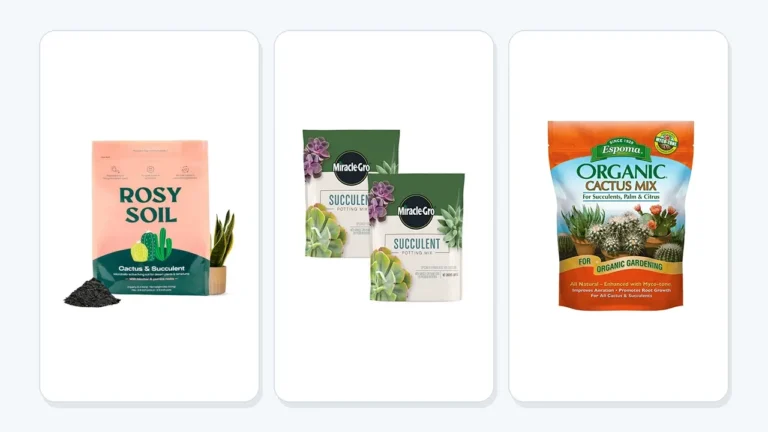
- A faster-draining mix may suit succulents, cacti, and other plants that need the root area to dry between waterings.
Those are starting points, not hard rules. Some moisture-control products may work for a broader range of plants when the pot drains freely and the watering routine fits the plant.
A product marketed as a “best potting soil” can still be the wrong choice for a particular plant. Compare the intended use and mix ingredients with the plant’s needs instead of relying on a ranking alone; the criteria behind choosing potting soil can help you make that comparison.
If you’re deciding between conventional and organic products, the label’s gardening claims don’t replace the care requirements of your plant. A comparison of organic and regular potting soil is useful when you’re weighing ingredients and cost, but water retention and drainage still matter either way.
I once brought home one mix for several containers because it seemed easier than keeping track of separate bags. One pot dried just right, while another stayed wet longer than I liked; splitting mixes by plant type made care much simpler.
Does a moisture-control mix work for indoor plants? It can, but indoor pots often dry more slowly than outdoor pots because they get less sun and wind, so check the mix before adding more water.
A soil amendment is a material added to change a mix’s traits, such as water retention or drainage. If the mix stays wet too long, don’t assume adding a little of another material will fix every problem; first check the drainage holes, pot size, and plant needs.
Use this quick decision process before opening a bag:
- Read the plant’s care directions and note whether it prefers evenly moist soil or a dry period.
- Check the pot for open drainage holes, then consider whether it’s plastic, clay, or another material.
- Think about where the pot sits; direct sun and wind can speed drying, while a cool, dim spot can slow it.
- Choose the mix that fits those conditions, then adjust your watering based on the pot’s actual moisture.
Important Tip: Don’t put gravel in the bottom of a pot to improve drainage. Gravel doesn’t replace open drainage holes, and it takes up room that roots could use.
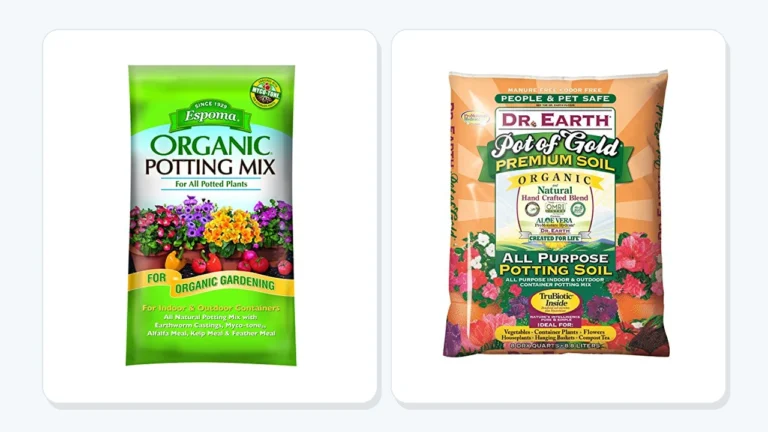
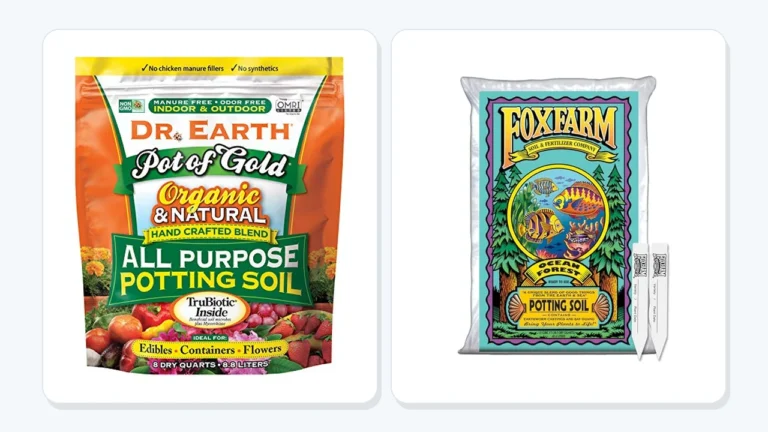
For plants that prefer a natural-input product, compare the exact ingredient list and intended use on the package. A guide to organic potting soil options can support that choice, but organic labeling alone doesn’t tell you how fast a particular mix will dry.
Water, Troubleshoot, and Repot Without Guesswork
Water when the plant and potting mix need it, not because a calendar says it’s Tuesday. Check the mix near the root zone, then water thoroughly enough to wet the mix and let excess water drain out.
A reliable routine looks like this:
- Check the top inch or two of mix, or use the plant’s care directions if it needs a different approach.
- Feel the mix near the root zone with a finger or wooden skewer; a moisture meter can offer another clue, but don’t treat a single reading as a full diagnosis.
- Water when the mix has reached the dryness the plant prefers, then empty standing water from a saucer or cachepot.
- Check again after the pot’s next normal drying period, especially after changing the mix or moving the plant.
The right check depends on the plant. A plant that likes evenly moist soil shouldn’t be left to dry out completely, while a succulent may need the mix to dry more deeply before you water again.
A root zone is the part of the pot where most active roots take up water and air. The surface can fool you, so check below the top layer when the plant is large or the pot is deep.
| What you notice | Possible cause | What to check |
|---|---|---|
| Mix dries very fast | Small pot, hot sun, or a fast-draining mix | Pot size, location, and mix ingredients |
| Mix stays wet for days | Slow drying, poor drainage, or too much water | Drainage holes, saucer, light, and watering |
| Water runs down the pot’s sides | Very dry mix may be pulling away from the pot | Water slowly in stages and check the center |
| Leaves wilt while mix is wet | Roots may be stressed or the plant may have another issue | Root condition, drainage, and plant care needs |
These clues aren’t a diagnosis by themselves. Yellowing leaves, drooping, and slow growth can have several causes, so check the whole plant and its conditions before changing the mix.
If a mix dries too fast, try moving the pot out of harsh afternoon sun or using a container that gives roots more room, provided the plant can handle the change. If the mix stays wet, confirm the drain holes are open and stop watering until the plant’s preferred dry-down point.
For a repot, choose a container with drainage holes and only move up modestly in size. A pot that’s much larger than the root ball contains more mix than the plant can use quickly, which can leave extra moisture around the roots.
A broad guide to potting mix and potting soil can help you interpret product labels, but your plant’s needs should decide the final choice. For a mixed collection, a dedicated soil for potted plants comparison can also help you sort products by intended use.
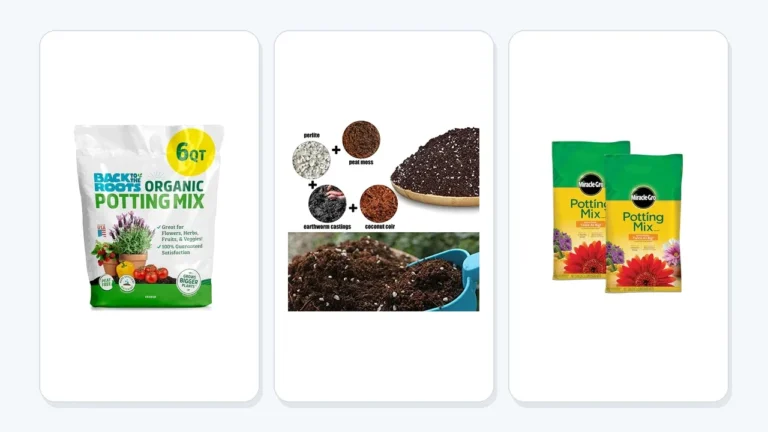
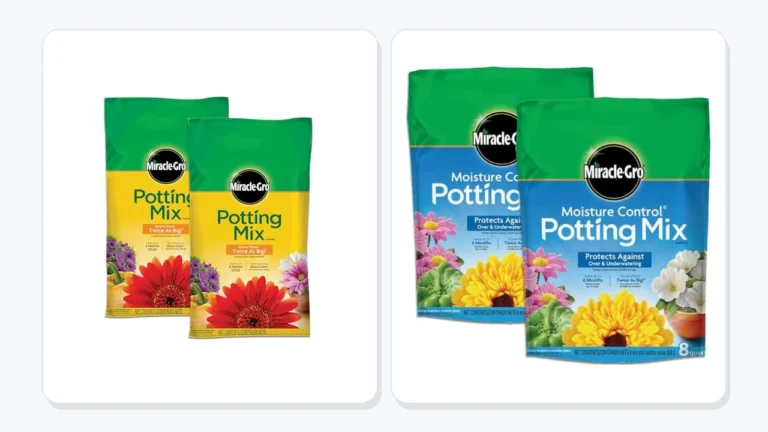
If you’re comparing a specific branded regular mix with a moisture-control version, compare the bag directions and ingredients side by side. Miracle-Gro mix differences may be relevant to that choice, but no brand name can tell you whether the product fits a particular plant and pot.
Pro Tip: When you change a mix, keep the plant in the same spot for a while and check moisture more often at first. That makes it easier to tell whether the new mix, rather than a change in light or temperature, has shifted the drying time.
Take extra care when handling dry potting mix, which can create dust. Open bags in a ventilated area, avoid breathing the dust, follow the package directions, and wash your hands after working with the mix.
- Moisture-control mix can slow drying, but it doesn’t remove the need to check the pot.
- Plant preference, drainage, pot size, and location matter as much as the bag label.
- If soil stays wet, check the pot and watering routine before adding another product.
FAQs About Moisture Control vs Regular Potting Soil
Is moisture-control potting soil good for all plants?
No, moisture-control potting soil isn’t right for every plant. It may suit plants that use water quickly, but succulents and other plants that need a dry period can struggle if their root area stays wet. Check the plant’s care needs and the mix’s drainage before choosing.
Can you use moisture-control soil for indoor plants?
Yes, you can use moisture-control soil for some indoor plants, provided the plant tolerates a longer-lasting moisture supply and the pot drains freely. Indoor conditions can slow drying, especially in a cool room with little sun, so check below the surface before watering again.
Does moisture-control soil prevent overwatering?
No, moisture-control soil doesn’t prevent overwatering. The mix may hold water longer, but watering too often or using a pot without open drainage holes can still leave roots short of air. Check the mix and plant rather than relying on the product name.
Can you mix moisture-control potting soil with regular soil?
Yes, you can blend two commercial potting mixes, but the result may not behave exactly like either bag’s formula. Mix a small amount first, then check how it drains and dries. Don’t add garden soil to a container unless the plant’s growing directions call for it.
How often should you water plants in moisture-control soil?
There’s no single watering schedule for moisture-control soil. A plant in a small pot outdoors may need water more often than one in a large indoor pot. Check the moisture near the root zone and water when it reaches the dryness your plant prefers.
Make the Bag Fit the Plant
Moisture-control potting soil is a practical option when your containers dry too quickly, but it isn’t a shortcut around plant care. Regular potting soil may be the simpler choice when you want a mix that dries sooner or when you’re growing plants with different moisture needs.
I’d choose based on the plant and the place the pot will live, then pay attention to how the mix dries after the first watering. That small check tells you more than a bold claim on the bag.
Your clearest next step is to read the plant’s care directions, check that the pot has drainage holes, and select a mix that matches both. Start there, and you’ll have a much better shot at healthy roots and a watering routine that feels manageable.

I’m Maya L. Greenwood, a lifelong plant lover who believes anyone can grow something beautiful with the right guidance. After years of testing soil mixes, pruning methods, irrigation tricks, and pest-safe solutions, I started EasyGardenTips.com to turn hard-won lessons into step-by-step advice. From seed starting and container gardens to composting and seasonal checklists, my goal is to make gardening simple, sustainable, and fun.
One Comment