
5 Best Potting Soil for Raspberries: Mixes for Sweeter Berries
A raspberry plant in the wrong potting soil can stay soggy after watering, dry out too quickly, or struggle in a container that leaves its roots cramped. Then you’re left guessing whether the plant needs more water, more food, or a different mix altogether. Getting the soil and pot wrong can turn a small fruit-growing project into repeated repotting and wasted money.
For raspberries in pots, the key is a mix that holds enough water for roots without staying waterlogged. The container also needs room for the plant and drainage holes at the bottom, since a bigger bag of soil won’t solve a pot that traps water.
Here’s what this guide will help you sort out:
- Which mix fits one small pot, several containers, or a larger planting project.
- How to judge drainage, moisture retention, and feeding claims on a bag.
- How to prepare a pot and settle new raspberry roots into their mix.
- What to check before buying, especially when the bag’s volume is small or compressed.
Quick Picks
-
Best For Raspberry Containers

GARDENERA Raspberry Premium Potting Soil Mix –
Peat moss, perlite, sand, compost, and worm castings make a raspberry-focused blend for a small container planting.
-
Best For Bulk Peat-Free Mix

Back to the Roots Organic Expanding Potting
The compressed coconut coir brick expands to 51 quarts, helping container gardeners store and prepare a larger batch.
Top 5 Potting Soils for Raspberries at a Glance
Start with GARDENERA Raspberry Mix if you want a small, raspberry-focused blend for a container. The other options cover broader uses, bigger quantities, or compressed mixes that take a little preparation, so the practical differences are ingredients, volume, and how much work you’re willing to do before planting.
| Product image | Product name | Check product |
|---|---|---|
| 1 |
GARDENERA Raspberry Premium Potting Soil Mix – | Check Price |
| 2 |
Back to the Roots Organic Expanding Potting | Check Price |
3 |
Burpee Premium Organic Potting Mix Garden Soil | Check Price |
4 |
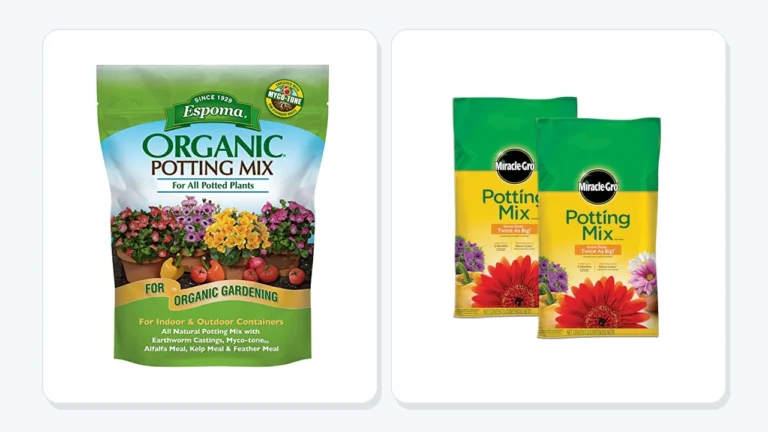
Miracle-Gro Potting Mix, 16 qt. (2-Pack) | Check Price |
5 |
Compressed Organic Potting Soil for Garden, Plants | Check Price |
5 Best Potting Soils for Raspberries: Detailed Reviews
When I considered the best potting soil for raspberries, I paid attention to drainage, moisture retention, available volume, and whether a mix was made for a container or for general planting. Those details can help prevent persistently wet roots, rushed repotting, and buying far more or less soil than your pot needs.
The choices range from a small raspberry-specific bag to general-purpose and compressed mixes. Looking at them side by side helps you decide whether a tailored blend, a larger supply, or an all-purpose option makes sense for the planting you actually have planned.
1. GARDENERA Raspberry Premium Potting Soil Mix –
Peat moss, perlite, sand, compost, and worm castings make a raspberry-focused blend for a small container planting.
- Size2 Quart Bag
- WeightNot listed; check details
- DimensionsNot listed; check details
- MaterialNot listed; check details
GARDENERA Raspberry Mix is a small, raspberry-specific potting blend for someone planting or topping up a container. The bag is only 2 quarts, so it suits a modest task better than filling a large planter from scratch.
The mix includes peat moss, a lightweight material that helps hold moisture while leaving some space for air. In a pot, that balance can help keep roots from drying out between waterings without treating the soil like a sponge; you’ll still need to check the mix and drainage in your own container.
GARDENERA also lists perlite and sand, two ingredients that help keep potting mix more open and let excess water move through. That matters because raspberry roots need moisture, but a pot that stays waterlogged can cause trouble. Compost and worm castings are also listed as ingredients intended to add organic matter and nutrients, though the amount of each is not stated.
Pros:
- Raspberry-focused blend, so the intended use is clear.
- Peat moss helps retain moisture between waterings.
- Perlite and sand support a more open, draining mix.
- Compost adds organic matter to the blend.
- Worm castings are included as a nutrient source.
Cons:
- The 2-quart bag is a small amount for a large pot.
- Ingredient proportions and nutrient amounts aren’t specified.
- You may need to check whether the amount fills your container.
Buy it if: you’re planting or refreshing a small raspberry container and want a blend with listed moisture-retaining and drainage ingredients.
Skip it if: you need enough mix to fill several large pots, because a 2-quart bag may leave you short, and a bulk potting mix would suit you better. For another fit, consider Back or Burpee.
I’d choose GARDENERA Raspberry Mix for a small container when the raspberry-specific ingredient blend matters more than buying in bulk. Its peat moss, perlite, sand, compost, and worm castings give a beginner a useful starting point without needing to assemble those ingredients separately. The clear hesitation is the size: check your pot’s capacity before ordering, since 2 quarts can disappear quickly in a roomy planter.
This mix makes most sense for a small planting or a limited soil refresh.
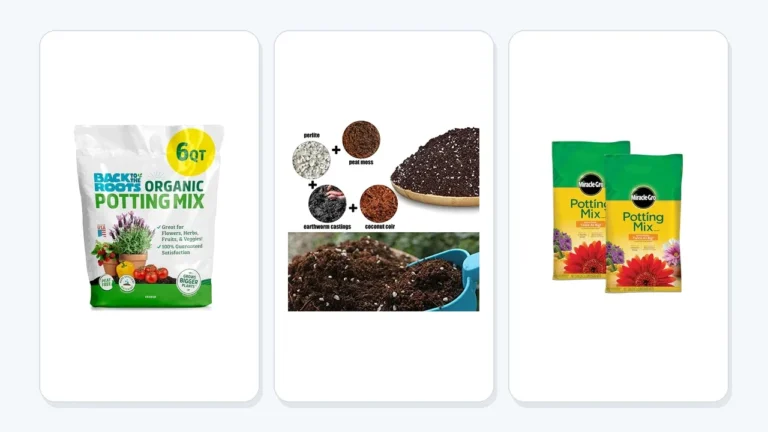
2. Back to the Roots Organic Expanding Potting
The compressed coconut coir brick expands to 51 quarts, helping container gardeners store and prepare a larger batch.
- Size51 Quart
- ColorExpanding Potting Mix
- WeightNot listed; check details
- DimensionsNot listed; check details
Back to the Roots Coir is a compressed, peat-free potting mix brick for gardeners who need a larger volume and have room to prepare it. Its title says the brick expands to 51 quarts, while the product features describe coconut coir and a balanced pH for broad planting uses.
Coconut coir is a growing medium made from coconut fiber; here, it is compressed into a brick rather than sold loose in a bag. That saves storage space before use, but you’ll need to follow the product directions to hydrate and break up the mix before filling pots. A compressed brick is handy in a shed or small storage area, though it takes more preparation than opening a loose bag.
The product description presents the mix as all-purpose and suitable for use alone or as an amendment. That flexibility can help if you’re potting several types of plants, but the description doesn’t list the full ingredient blend beyond coconut coir. Raspberries still need a container with drainage, and you should check whether the resulting mix’s texture and moisture behavior suit your pot and watering routine.
Pros:
- Compressed brick takes less space before preparation.
- Expands to 51 quarts, a larger stated volume.
- Coconut coir is listed as the main growing medium.
- Peat-free composition is stated in the title.
- Product description identifies balanced pH and broad uses.
Cons:**
- The brick needs preparation before it can fill pots.
- Full ingredient proportions aren’t listed in the supplied details.
- A large expanded volume may be more than one small pot needs.
Buy it if: you need a larger amount of compressed, peat-free mix and don’t mind preparing it before planting.
Skip it if: you want to plant immediately from a loose bag, because the brick needs hydrating and breaking up, and a ready-to-use potting mix would suit you better. Gardenera and Burpee are worth a closer look instead.
What I like about Back to the Roots Coir is the space-saving form paired with a substantial stated expanded volume. For a beginner filling several containers, that can make storage easier and reduce the need to handle a stack of loose bags. The main thing to verify is how much water and preparation the brick needs before you can use it, since the details here don’t give a specific hydration method.
Pick it if you value a compact package and can set aside time to prepare the mix.
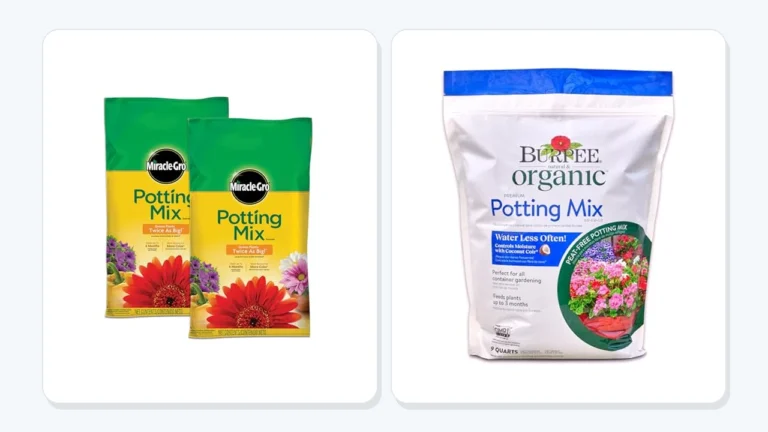
3. Burpee Premium Organic Potting Mix Garden Soil
The catalog lists SUPPORTS VIBRANT GROWTH: Transform your garden with our premium indoor/outdoor potting soil! This nutrient-ric. Compare fit and care needs before choosing.
- Size9 Quart
- ColorPotting Mix
- Number Of Items1
- WeightNot listed; check details
Burpee Potting Mix is a general-purpose option for someone who wants a loose potting mix for containers rather than a raspberry-only blend. The 9-quart bag is a more modest quantity than the largest option here, and the description names coconut coir as one of its ingredients.
Coco coir is coconut fiber used in growing mixes to help manage moisture and air around roots. Burpee says its coir helps retain moisture while improving aeration, which can make watering less of a constant chore when the container and weather are otherwise suitable. That’s useful for raspberries in pots, but it doesn’t remove the need to check the soil by feel before watering.
Burpee describes the mix as feeding plants immediately and providing slow-release nutrition for up to three months. That may be convenient when you don’t want to start with a separate feeding routine, but the supplied details don’t specify the nutrient amounts or explain how the claim applies to a particular raspberry variety. OMRI Listed appears in the product description; treat that as a product-specific listing claim, not proof of every gardening or food-safety claim you might see elsewhere.
Pros:
- Loose mix can be used without expanding a compressed brick.
- Coconut coir is listed for moisture balance and aeration.
- Product description states feeding for up to three months.
- 9-quart size offers more volume than a small 2-quart bag.
- Described for indoor and outdoor containers.
Cons:
- It’s a general potting mix, not raspberry-specific.
- The details don’t give nutrient amounts or ingredient proportions.
- Check the bag’s volume against your pot before buying.
Buy it if: you want a ready-to-use, general container mix with coir and a stated feeding period.
Skip it if: you need a tailored raspberry blend or a very large supply, because this bag is a general mix in a 9-quart size, and a more specialized or larger-volume potting mix would suit you better. If those trade-offs rule it out, Gardenera or Back may suit you better.
I’d consider Burpee Potting Mix when convenience matters and a ready-to-use general mix feels easier than preparing a compressed brick. The coir and stated feeding period give you a starting point for moisture and nutrition without asking you to mix several separate ingredients. The hesitation is that a general blend won’t tell you exactly how it will behave in your particular pot, and the supplied details don’t give ingredient ratios.
It’s a reasonable fit for a container gardener who wants a familiar, loose mix and will keep an eye on watering.
4. Miracle-Gro Potting Mix, 16 qt. (2-Pack)
The catalog lists FEEDS UP TO 6 MONTHS: Miracle-Gro Potting Mix is a gardening soil for outdoor containers that feeds all types . Compare fit and care needs before choosing.
- Size2-Pack
- ColorMulticolor
- Number Of Items1
- COVERAGEThis bundle includes two 16 qt. bags of Miracle-Gro Potting Mix, an outdoor potting soil; each bag fills one 12-inc
Miracle-Gro Potting Mix is a general outdoor container mix sold here as a two-pack, aimed at gardeners filling more than one planter or needing a larger supply. The product information says each bag is 16 quarts and describes the mix for container plants, including vegetables, shrubs, flowers, and herbs.
The clearest practical detail is the stated feeding period of up to six months. A built-in feeding claim can make initial care simpler, but it isn’t a reason to add extra fertilizer without checking the package directions; too much feeding can create a new problem instead of fixing one. The supplied information doesn’t name the ingredients or give nutrient amounts, so read the bag if those details will affect your choice.
The product directions say to fill a container about one-third full, place the plant, then add mix around it and press lightly. They also say each 16-quart bag fills one 12-inch container, with the amount varying based on the root ball. That gives a beginner a useful reference point, but a larger raspberry planter may need more, and the pot must still drain freely.
Pros:
- Two 16-quart bags provide a larger stated total supply.
- Product information gives a 12-inch container reference per bag.
- Stated feeding period is up to six months.
- Directions describe a simple fill-and-plant process.
- Intended for outdoor containers and a range of plants.
Cons:
- It’s a general mix, not a raspberry-specific formula.
- Supplied details don’t identify the ingredient blend.
- A two-pack may be more than a single small pot needs.
Buy it if: you’re filling multiple outdoor containers and want a loose mix with a stated feeding period.
Skip it if: you need a small, tailored amount or want ingredient details before choosing, because the supplied description is broad, and a smaller or more clearly specified potting mix would suit you better.
To me, Miracle-Gro Potting Mix makes the most sense when the two-bag format matches a real planting plan. The stated container reference and planting directions can help a beginner estimate how far a bag may go, while the feeding period may simplify early care. I’d double-check the package’s ingredients and fertilizer directions before putting it around a raspberry plant, since those details aren’t fully listed here.
Choose it if you need a broad-use outdoor mix and can use the quantity.
5. Compressed Organic Potting Soil for Garden, Plants
The catalog lists A LITTLE DOES A LOT – Easy to use compressed soil granules quickly expand up to 4X and make up to 3 gallons of. Compare fit and care needs before choosing.
- SizeOne 2 lb Bag
- Number Of Items1
- WeightNot listed; check details
- DimensionsNot listed; check details
Organic Coir Mix is a compressed growing mix for someone who wants a compact bag that expands after water is added. Its product description says the 2-pound bag can make up to 3 gallons and can be used for containers, seedlings, transplants, raised beds, and gardens.
The listed ingredients include coconut coir, worm castings, compost, and other materials, and the directions say to add water at a 1:1 ratio to expand the mix up to four times. That clear ratio gives you a starting point for preparation, but use the package instructions and add water gradually if you’re unsure how much the dry material will take. Compressed soil saves space before use, though you need a container or tub for mixing it.
The description says the mix stays moist longer and can be used straight or blended with other soil. Those are seller claims, not a guarantee that every pot will dry at the same rate; pot size, weather, drainage, and plant growth all matter. The bag is also a limited quantity, so check whether the stated output is enough before planning a larger raspberry planter.
Pros:
- Compact 2-pound bag is easy to store.
- Directions state a 1:1 water ratio for expansion.
- Product description says it can make up to 3 gallons.
- Coconut coir, worm castings, and compost are listed.
- Can be used for containers and transplants.
Cons:
- Requires water and preparation before planting.
- The stated output may be too little for a large container.
- Moisture claims won’t replace checking your pot’s drainage.
Buy it if: you want a compact, compressed mix with written preparation directions for a small container or transplant.
Skip it if: you need a ready-to-use bag for a large pot, because preparation and limited volume may slow you down, and a loose bulk potting mix would suit you better.
I’d pick Organic Coir Mix for a small planting where storage space matters and a defined mixing ratio is helpful. The ingredient list gives you more context than a generic mix description, and the package directions make preparation feel manageable for a beginner. I’d still check whether the expected expanded volume matches your pot, rather than relying on the compact bag size.
This mix fits someone willing to prepare a small batch before setting out a plant.
How to Choose the Best Potting Soil for Raspberries
The best potting soil for raspberries holds moisture without staying soggy, supports roots in a container, and comes in enough volume for your pot. Start with the container and the amount of soil you need, then compare the mix’s listed ingredients and any feeding directions.
Start with the pot and soil volume
A raspberry’s potting mix needs to fill the container around its root ball while leaving a little room at the top for watering. Measure the inside of the pot or check its stated capacity before ordering; bag sizes in quarts tell you volume, while a compressed brick’s bag size may describe the unexpanded package instead. If your pot is large, a small bag may work only for topping up, not for filling it.
For a fuller guide to choosing a container blend, see potting soil for containers. Match the quantity to your actual planting plan rather than buying by bag appearance, which can be misleading when a brick expands or a small bag is tightly packed.
Check drainage before chasing extra moisture
Drainage means excess water can leave the pot instead of collecting around the roots. Look for a container with open drainage holes, and check whether the soil description mentions ingredients that help keep the mix open, such as perlite or sand. A mix that holds water can be useful, but a pot without a way for extra water to escape is still a poor setup.
Read the ingredient list in plain language
Peat moss and coconut coir are ingredients used to help retain moisture. Perlite and sand can help open up a mix and support drainage, while compost and worm castings add organic material. Those ingredients tell you something about the intended texture, but a product description that leaves out proportions can’t tell you exactly how the mix will feel in your pot.
If you’re comparing a ready-made mix with making your own blend, use a dependable recipe and measure ingredients rather than guessing. The practical considerations involved in making potting soil for vegetables can help you think through ingredients and container use, though raspberry-specific needs and the product directions still matter.
Consider the feeding claim and timing
Some mixes say they feed plants for a stated period, while others give little or no feeding detail. Treat that statement as a starting point, not permission to add fertilizer on the same schedule as a different mix. Check the package for nutrient directions, and avoid stacking extra plant food on top of a mix that already includes it unless the instructions explain how.
Choose a loose, usable texture for fruiting plants
A mix that is easy to spread around roots is simpler to work with when potting or repotting. If the mix arrives compressed, count the preparation step as part of the job and confirm the stated expanded volume. Root crops such as potatoes also depend on loose soil and room below the surface; potato potting mix advice offers a useful comparison for thinking about soil texture, but raspberries grow differently and need their own suitable container.
How to Use Potting Soil for Raspberries for the Best Results
Prepare the container first, then add the soil and plant the raspberry at the depth it was growing before. Good watering and drainage matter more than trying to fix a poor pot with extra ingredients.
- Check the pot. Use a stable container with drainage holes and enough room for the plant’s root ball. If the container has no holes, choose a different pot rather than hoping a layer of gravel will solve trapped water.
- Prepare the mix. Open a loose bag and break up clumps by hand. For a compressed brick, follow its directions for water and expansion, then loosen the material until it is workable.
- Dampen dry mix if needed. Add water gradually and mix it through, especially if the material is very dry. Aim for evenly moist soil, not a dripping mass that pools water when squeezed.
- Add a base layer. Put enough mix in the pot to support the root ball at its previous planting depth. Avoid burying the raspberry stem deeper than it was in its original container.
- Set the plant in place. Loosen tightly circling roots gently if needed, then center the plant. Keep the root ball steady while you add soil around its sides.
- Fill and settle. Add mix around the roots, pressing lightly so the plant stands upright. Don’t pack the soil hard; roots need space for air and water to move through.
- Water slowly. Water until the mix is evenly damp and excess can drain through the holes. If water sits on top or runs down the sides without wetting the mix, pause and check whether the soil was too dry or packed.
- Check the plant after planting. Keep an eye on moisture and plant posture as it settles. Don’t water by calendar alone; a pot in sun and wind may dry faster than one in a sheltered spot.
How to Make Your Raspberry Potting Soil Last Longer
Potting mix lasts longer when you prevent waterlogging, avoid unnecessary feeding, and refresh it when its structure or the plant’s condition calls for attention. Don’t reuse old soil blindly if it is compacted, smells sour, or came from a plant with a serious disease problem.
Check moisture with a finger near the soil surface before watering. If the top feels damp, wait and check again later; if the pot feels dry and the plant is wilting, water thoroughly and allow the excess to drain. The right timing changes with sun, temperature, pot size, and plant growth, so a fixed daily schedule can easily overwater or underwater a container.
Keep drainage holes clear of compacted debris and roots. After a heavy rain, make sure water can still leave the pot, and empty any outer saucer that holds standing water. A saucer can protect a patio, but leaving the pot sitting in a puddle defeats the point of drainage.
Use fertilizer only according to the potting mix directions and the plant’s needs. If a bag states a feeding period, note when it begins and check the label before adding more plant food. Avoid assuming every mix has the same fertilizer strength or duration, especially when switching from a pre-fed mix to a blend with no feeding information.
At the end of a growing period, inspect the mix instead of automatically keeping or discarding it. If the soil still drains well and has no signs of disease or pests, it may be suitable for a non-sensitive garden use, depending on the plants involved. If it has become dense, stays wet for too long, or came from a sick plant, replacing it is the safer practical choice.
Store unused soil in a dry, covered place and close the bag to limit spills and exposure to rain. Keep compressed bricks dry until you’re ready to expand them. Wet leftover mix can become heavy and awkward to handle, and an open bag outside can collect water before you need it.
Common Mistakes to Avoid When Buying and Using Raspberry Potting Soil
- Buying by package size alone: A small bag can’t fill a roomy planter, while a compressed brick may expand considerably. Check the stated volume after expansion and estimate the pot’s capacity first.
- Choosing a pot without drainage holes: Excess water can collect around roots even when the mix contains draining ingredients. Use a container with holes and keep them clear.
- Assuming all moisture-retaining mixes need less attention: Coir or peat can help hold water, but the weather and pot still affect drying. Check the soil before watering instead of following a rigid schedule.
- Packing soil tightly around the roots: Hard-packed mix can make water movement and root growth more difficult. Fill gently and settle the plant without pressing the soil into a brick.
- Adding fertilizer without reading the bag: A mix may already include feeding, and the product directions vary. Check the label before adding extra plant food.
- Skipping preparation for compressed soil: A dry brick is not ready to spread around roots. Allow time to hydrate and loosen it according to the package directions.
- Treating general-purpose mixes as identical: Ingredients and stated feeding details differ. Read the bag, especially if you need to know what is included or how long the mix is meant to feed plants.
Looseness matters for other crops too, although each plant has different needs. Onion bulbs need soil they can expand into, so loose potting soil for onions is a useful point of comparison when you’re thinking about compaction; don’t assume an onion mix automatically suits a raspberry container.
How to Set Up Potting Soil for Raspberries
Set up the pot and soil before placing the raspberry so the roots aren’t left exposed while you search for tools or prepare a compressed mix. A few checks up front can save you from lifting the plant back out to correct a drainage or depth problem.
- Choose a work area. Set up outdoors or on a surface that can handle spilled soil and water. Keep the pot, mix, watering can, and a hand trowel close together.
- Inspect the container. Confirm it has drainage holes and enough capacity for the root ball. If you’re using a saucer, make sure it won’t hold runoff against the pot for long periods.
- Read the soil package. Look for preparation instructions, expanded volume, and feeding directions. Don’t treat a compressed bag’s package size as the amount of ready-to-use mix.
- Prepare compressed mix separately. Add water according to the product’s instructions and break up the expanded material. This is easier in a tub or bucket than in the final pot, where dry chunks can be hard to mix evenly.
- Add enough soil for planting depth. Set a small amount in the bottom and test the plant’s height before filling around it. The top of the root ball should remain at its previous level rather than being buried under extra mix.
- Fill around the roots gently. Add soil in stages, keeping the plant upright and avoiding big empty pockets. Press lightly with your fingers rather than forcing the mix down.
- Water and check drainage. Water slowly, then confirm excess moisture can escape. If water remains pooled, check the holes and the mix before adding more.
- Put the pot in its growing spot. Move the container to its intended location after setup, before it becomes heavy with wet soil. Check that you can reach it for watering and care.
Common Questions About Potting Soil for Raspberries
What kind of potting soil is best for raspberries in containers?
A container mix for raspberries should hold some moisture while allowing excess water to drain. Look for a potting blend with a workable, open texture and check that the pot has drainage holes. Ingredient names can help you compare mixes, but the package may not state exact proportions, so watch how the soil behaves after watering.
Can I use regular potting mix for raspberries?
Yes, a general-purpose potting mix can be used for a container raspberry if the pot drains and the mix doesn’t stay soggy. Check the package for ingredients and feeding directions, since general blends differ. After planting, monitor the moisture rather than assuming the mix needs the same watering schedule as another pot.
How much potting soil do I need for a raspberry plant?
The amount depends on the container’s capacity and how much room the root ball takes up. Check the pot’s stated volume, then compare it with the bag’s ready-to-use volume. For compressed soil, use the expanded-volume figure, not the compact package size, and allow a little room at the top for watering.
Is coconut coir a good ingredient for raspberry potting soil?
Coconut coir can help a potting mix retain moisture while keeping a workable texture. That can be useful in containers, but it doesn’t guarantee the soil will drain well in every pot or climate. Check the full mix description and make sure the container has open drainage holes before you plant.
Should I add fertilizer to potting soil for raspberries?
Only add fertilizer after checking the mix’s feeding directions and the plant’s needs. Some potting mixes state that they feed for a period, while others don’t provide that detail. Adding more without checking can mean using overlapping feeding schedules, so read the package and follow its instructions.
Can I reuse potting soil after growing raspberries?
Sometimes, but inspect the mix before reuse. Soil that remains loose and drains well may be suitable for another garden use, while dense, sour-smelling, or disease-affected mix should be replaced. If you’re unsure about the previous plant’s health, don’t put the old mix around a new raspberry.
Make Your Raspberry Pot Fit the Soil You Buy
Before ordering, check your pot’s capacity, confirm that water can drain, and compare that volume with the mix’s ready-to-use amount. If you’re deciding between a loose bag and a compressed brick, choose the one whose preparation and quantity fit the time and space you have for planting.

I’m Maya L. Greenwood, a lifelong plant lover who believes anyone can grow something beautiful with the right guidance. After years of testing soil mixes, pruning methods, irrigation tricks, and pest-safe solutions, I started EasyGardenTips.com to turn hard-won lessons into step-by-step advice. From seed starting and container gardens to composting and seasonal checklists, my goal is to make gardening simple, sustainable, and fun.
One Comment