5 Best Potting Soil for Sweet Potatoes: Loose Mixes for Big Tubers
Buying the wrong potting soil can leave sweet potatoes sitting in a wet, heavy container where roots struggle and tubers have little room to swell. A mix that dries too fast creates the opposite headache: you’re checking pots constantly and still may not keep the root zone evenly moist. For a first crop, the goal is a loose, manageable growing medium, not a mystery bag that promises everything.
Sweet potatoes need space below the leaves, so container depth and usable mix volume matter as much as the bag label. Drainage matters, too: water should pass through the mix rather than sit around the roots, while the container still needs regular watering in hot weather.
Here’s what to check before you buy:
- How loose ingredients such as coir, perlite, and vermiculite affect drainage and moisture.
- Whether the bag’s volume suits the number and size of your containers.
- What fertilizer is included, and when extra feeding may be needed.
- How to prepare, water, and care for the mix through the growing season.
Quick Picks
-
Best For Peat-Free Bulk Mix

Back to the Roots Organic Expanding Potting
A compressed coir brick expands into a large peat-free volume, suiting growers who need mix for several containers.
-
Best For Fertilized Outdoor Pots

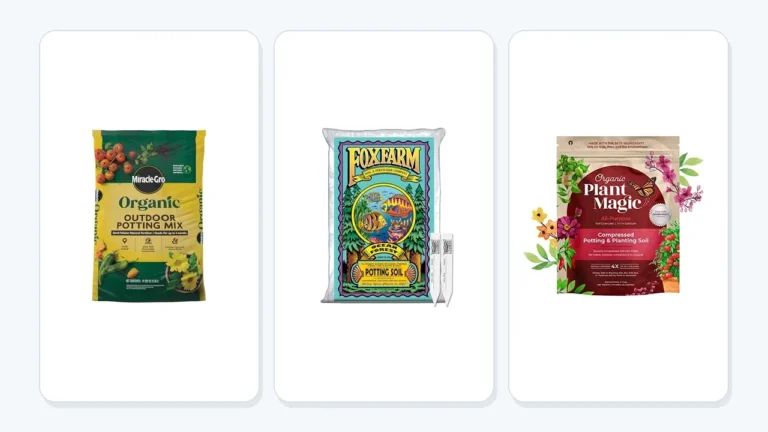
Miracle-Gro Organic Outdoor Potting Mix, 16 qt.
Natural fertilizer feeds outdoor container plants for up to two months, reducing early feeding steps for new growers.
Top 5 Potting Soils for Sweet Potatoes at a Glance
Start with Back to the Roots if you need a large volume of peat-free coir and don’t mind preparing it before planting. Miracle-Gro and Burpee include fertilizer, while the smaller ready-to-use mixes may suit a single container or gardeners who want a premixed blend.
| Product image | Product name | Check product |
|---|---|---|
| 1 |
Back to the Roots Organic Expanding Potting | Check Price |
| 2 |
Miracle-Gro Organic Outdoor Potting Mix, 16 qt. | Check Price |
3 |
Burpee Premium Organic Potting Mix Garden Soil | Check Price |
4 |
Potting Soil Mix, Peat Moss, Vermiculite, Perlite, | Check Price |
5 |
Rosy Soil Houseplant Potting Soil, Organic Indoor | Check Price |
5 Best Potting Soils for Sweet Potatoes: Detailed Reviews
When I chose the best potting soil for sweet potatoes, I focused on the mix’s ability to stay open, how much moisture it can hold, and whether fertilizer is included. Those details help you avoid a compacted pot, make watering less of a guessing game, and understand what else you may need during the season.
The choices here range from a compressed coir brick to small ready-to-use bags, so the right pick depends on how many containers you’re filling and how much prep you want to do. Comparing those differences helps you avoid buying too little mix, paying for ingredients you don’t need, or treating a houseplant mix as a proven vegetable formula.
1. Back to the Roots Organic Expanding Potting
A compressed coir brick expands into a large peat-free volume, suiting growers who need mix for several containers.
- Size51 Quart
- ColorExpanding Potting Mix
- WeightNot listed; check details
- DimensionsNot listed; check details
Back to the Roots Coir Brick is a compressed, peat-free growing medium for gardeners filling a large container or several pots. Its main draw is volume: the brick expands to over 2 cubic feet, which can be useful when a single small bag would barely cover the bottom of a tub.
The main ingredient is coconut coir, a fibrous material made from coconut husks that can hold water while leaving air spaces in a potting mix. In a container, that structure gives roots a looser medium than dense ground soil, though you’ll still need to check that water drains freely through the pot. The mix has a balanced pH and is described for vegetables and other plants, but the product details don’t specify a fertilizer analysis or feeding schedule for sweet potatoes.
Plan to read the package and decide on feeding based on the plant’s needs rather than assuming the coir brick supplies a full season of nutrients.
The brick is compressed, so it needs to be expanded before planting. That small chore is worth considering if you want a ready-to-use bag, and you’ll need room and water for the preparation step.
Pros:
- Expands to over 2 cubic feet, giving you plenty of mix.
- Peat-free coconut coir suits gardeners avoiding peat-based mixes.
- Balanced pH supports a range of container plants.
- Can be used alone or as an amendment.
- The compressed form takes less shelf space before expansion.
Cons:
- Requires preparation before you can fill a container.
- The supplied details don’t give a fertilizer analysis.
- The expanded volume may be more than one small pot needs.
Buy it if: you’re filling a roomy sweet potato container, because the expanded coir gives you a large amount of growing medium.
Skip it if: you need soil ready straight from the bag, because this compressed brick needs expansion first, and a ready-to-use potting mix would suit you better. For another fit, consider Miracle or Burpee.
I’d pick the Back to the Roots brick when volume and peat-free ingredients are the main priorities. The balanced pH and broad use make it flexible, but coir alone doesn’t tell you how much plant food is present. Before buying, check the instructions for how to expand the brick and whether you’ll need to supply fertilizer separately; it suits gardeners who don’t mind a little prep.
2. Miracle-Gro Organic Outdoor Potting Mix, 16 qt.
Natural fertilizer feeds outdoor container plants for up to two months, reducing early feeding steps for new growers.
- Size16QT
- Colorbrown
- Number Of Items1
- COVERAGEOne 16 qt. bag of Miracle-Gro Organic Outdoor Potting Mix fills one 12-inch pot with garden soil for containers (am
Miracle-Gro Organic Mix is an outdoor potting mix for container vegetables and other outdoor plants, with natural fertilizer included. That built-in feeding is its clearest practical advantage for a new grower who would rather not start by measuring and mixing separate fertilizer.
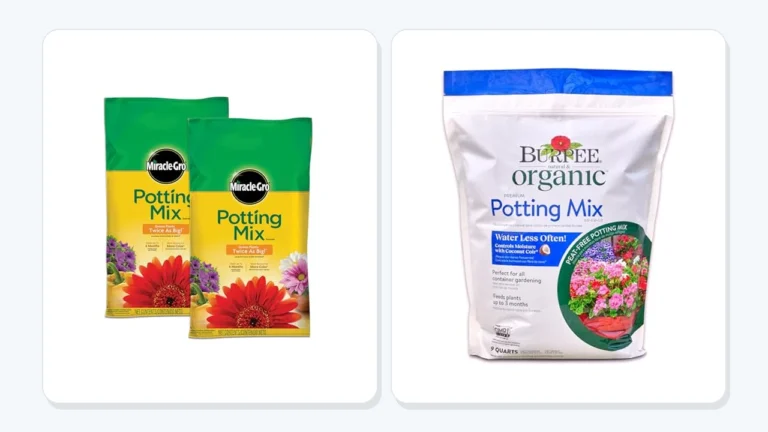
The mix contains quick-release fertilizer, meaning some plant nutrients are made available soon after planting rather than being held entirely for later. The package information says it feeds plants for up to two months, which gives you a starting point for planning, not a reason to ignore the plant or assume feeding is finished for the whole crop. The mix also contains peat moss, with peat sourced from certified producers according to the product details.
Sweet potatoes still need a container that drains well, so look for drainage holes and watch how water moves through the filled pot instead of relying on a soil label alone.
A 16-quart bag is listed as enough for one 12-inch pot, with the amount varying according to the root ball. That estimate can help you plan, though a large tub may call for more than one bag.
Pros:
- Natural fertilizer is included for a simpler start.
- Feeding is listed for up to two months.
- Intended for outdoor container vegetables and herbs.
- A stated pot coverage estimate helps with planning.
- The planting directions explain a basic fill-and-water process.
Cons:**
- The package volume may be small for a large tub.
- Contains peat moss, which some gardeners prefer to avoid.
- Feeding beyond the stated period still needs attention.
Buy it if: you’re planting sweet potatoes in an outdoor container, because the included fertilizer can reduce early feeding steps.
Skip it if: peat-free ingredients are a firm requirement, because this mix contains peat moss, and a peat-free potting medium would suit you better. Back and Burpee are worth a closer look instead.
What I like about Miracle-Gro Organic Mix is that the feeding window is clearly stated, so you can plan rather than guess from day one. That makes it an approachable option for one outdoor pot, but the coverage figure is for a 12-inch pot and may not match a larger sweet potato tub. Check the bag size against your container before ordering; choose it if included fertilizer matters more than avoiding peat.
3. Burpee Premium Organic Potting Mix Garden Soil
The catalog lists SUPPORTS VIBRANT GROWTH: Transform your garden with our premium indoor/outdoor potting soil! This nutrient-ric. Compare fit and care needs before choosing.
- Size9 Quart
- ColorPotting Mix
- Number Of Items1
- WeightNot listed; check details
Burpee Premium Mix is a coconut-coir potting mix for vegetables, flowers, and other container plants, and it’s the most natural fit here for someone who wants a ready-to-use blend in a modest bag. Its listed 9-quart size may suit a small planting project, but check the amount against your container before you start.
The mix includes coco coir, which helps hold moisture while improving aeration, or the amount of open space around roots. That balance can help a pot avoid the extremes of drying rapidly or staying dense, though your container, weather, and watering habits still affect the result. Burpee says the mix feeds plants immediately and provides slow-release nutrition for up to three months.
That information gives you a useful feeding window, but it doesn’t make every crop’s fertilizer needs identical; check the package directions and observe growth as the season goes on.
The product is described for indoor and outdoor containers and raised beds. For sweet potatoes, choose a container with enough room and drainage rather than assuming that a general vegetable label guarantees the best fit for every pot.
Pros:
- Coco coir helps balance moisture and airflow.
- Listed for vegetables and outdoor containers.
- Provides immediate feeding and nutrition for up to three months.
- The 9-quart bag is easier to store than a bulk brick.
- Can also be used in raised beds.
Cons:
- A 9-quart bag may not fill a large tub.
- The exact ingredient proportions aren’t specified here.
- The stated feeding period doesn’t replace checking plant needs.
Buy it if: you want a ready-to-use vegetable mix for a smaller container, because the coir supports moisture balance and the mix includes feeding.
Skip it if: you’re filling several large tubs, because the 9-quart bag may not stretch far, and a bulk-size growing medium would suit you better. If those trade-offs rule it out, Back or Miracle may suit you better.
I’d consider Burpee Premium Mix for a first container when you want coir and a stated feeding period without handling a compressed brick. The combination of moisture balance and nutrition makes the bag straightforward to understand. My hesitation is volume: nine quarts can disappear quickly in a wide tub, so check your container’s capacity and buy enough before planting; this mix fits a small-scale grower best.
4. Potting Soil Mix, Peat Moss, Vermiculite, Perlite,
The catalog lists READY TO USE MIXTURE – The same formulation as used by professional growers. Compare fit and care needs before choosing.
- Size8 Dry Quarts
- ColorBrown
- WeightNot listed; check details
- DimensionsNot listed; check details
Peat Perlite Potting Mix is a ready-to-use blend of peat moss, perlite, and vermiculite for gardeners who want a mixed medium in a small bag. The ingredients are relevant to container growing, but the supplied product details don’t identify a fertilizer schedule or specifically describe use for sweet potatoes.
Perlite is a lightweight, porous material used to create air spaces in a mix, while vermiculite helps retain moisture. Peat moss also holds water, so the combined ingredients are intended to balance airflow and moisture rather than leave you with a single dense material. In a sweet potato pot, that can be a useful starting structure, but the container’s drainage holes and your watering routine remain important.
The listed pH is balanced for a broad range of plants, yet no exact pH number is provided; don’t assume a specific reading that isn’t on the package.
At 8 dry quarts, this is a compact option rather than an obvious bulk purchase. If you plan a large container, work out the volume you need before deciding whether one bag is enough.
Pros:
- Ready-to-use blend avoids expanding a compressed brick.
- Perlite is included to support aeration.
- Vermiculite helps the mix retain moisture.
- Peat moss adds another moisture-holding ingredient.
- Described as pH-balanced for a broad range of plants.
Cons:
- The 8-dry-quart bag may be too small for a large tub.
- The supplied details don’t state a fertilizer schedule.
- Sweet potato use isn’t specifically described.
Buy it if: you want a premixed blend for a smaller container, because perlite and vermiculite offer a mix of airflow and moisture retention.
Skip it if: you need a large amount or want fertilizer information on the bag, because the size is limited and the feeding details aren’t stated, and a larger mix with a clear feeding plan would suit you better.
To me, the appeal of Peat Perlite Potting Mix is its simple ingredient logic: one ingredient opens the mix, another holds moisture, and peat contributes more water retention. That’s helpful context for a beginner, but it isn’t a complete sweet potato growing plan by itself. Check the bag for feeding directions and confirm the small volume will cover your pot; it suits someone who values a ready blend and has a modest container.
5. Rosy Soil Houseplant Potting Soil, Organic Indoor
The catalog lists ORGANIC INDOOR POTTING SOIL, MADE WITHOUT PEAT: Biochar, worm castings, mycorrhizae, compost, and bark fines r. Compare fit and care needs before choosing.
- Size4 Quarts
- ColorHouseplant
- Number Of Items1
- WeightNot listed; check details
Rosy Soil Houseplant Mix is a peat-free indoor potting mix built around ingredients such as biochar, worm castings, mycorrhizae, compost, and bark fines. It’s the least direct match for a sweet potato container because the product is positioned chiefly for houseplants, though the details also mention herbs and using the mix to refresh existing soil.
Biochar is a form of processed carbon used in growing media, and bark fines are small pieces of bark that help keep a mix open. The product details say bark, sand, and biochar support drainage and aeration, which may help prevent water from pooling around roots when the pot drains properly. The mix also includes worm castings and is described as containing fertilizer-free-from synthetic materials, but the supplied details don’t give a nutrient analysis for sweet potatoes.
Its small, 4-quart bag is said to fill two to three medium pots, a useful estimate for houseplants but likely limiting if you’re filling a substantial tub.
The resealable bag may be handy if you have leftover mix, but don’t let an appealing ingredient list distract from the intended use and amount you need.
Pros:
- Peat-free blend uses bark fines, compost, and biochar.
- Ingredients are described as supporting drainage and aeration.
- Worm castings and mycorrhizae are included.
- Resealable packaging can help store unused mix.
- Small bag may suit a minor potting or soil-refresh job.
Cons:
- The mix is primarily intended for indoor houseplants.
- Four quarts may not fill a sweet potato tub.
- A sweet potato feeding plan isn’t specified.
Buy it if: you’re refreshing a small pot and want a peat-free mix, because the 4-quart bag is resealable and includes open-textured ingredients.
Skip it if: you’re setting up a large outdoor sweet potato container, because the small bag and houseplant focus are limiting, and an outdoor vegetable potting mix would suit you better.
I’d treat Rosy Soil as a specialized indoor mix rather than my first choice for a full sweet potato crop. Its ingredients and peat-free design may appeal if you already have houseplants to pot, but neither its small size nor its main use makes it an easy fit for a large tub. Check the intended-use directions before choosing it for edible container growing; it makes more sense for a small pot or soil-refresh task.
How to Choose the Best Potting Soil for Sweet Potatoes
The best potting soil for sweet potatoes is a loose, container-ready mix that lets water drain while holding enough moisture for steady growth. Match the bag volume and feeding plan to your pot, then let drainage holes and the mix’s texture guide your decision.
Start with a loose, open texture
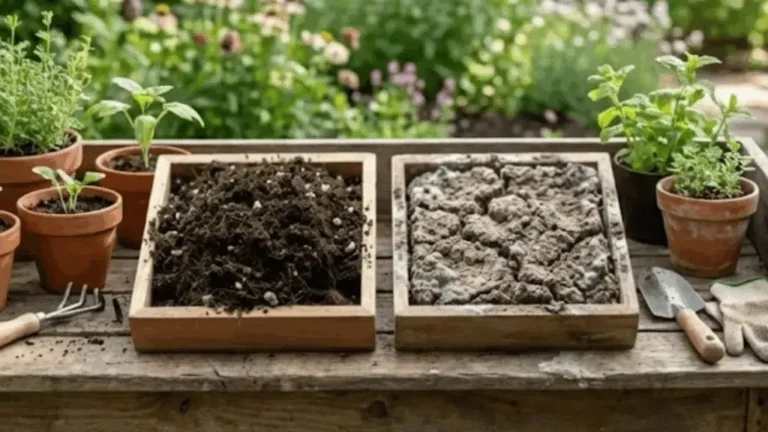
A loose mix gives roots room to spread and makes it easier for excess water to leave the container. Ingredients such as coir, perlite, and bark can help create air spaces, while peat and vermiculite can retain moisture. A label alone can’t tell you exactly how a mix will behave in your pot, so feel a sample if the store allows it and look for a blend that doesn’t resemble dense, sticky garden dirt.
For a broader look at mixes made for pots rather than garden beds, see potting soil for containers. The practical point is to match the medium to a confined root space, where drainage and regular watering matter more than they might in an open garden bed.
Pick a container with room for roots
Sweet potatoes form tubers below the plant, so a shallow decorative pot is a poor place to start. Choose a sturdy container with enough depth and width for the plant’s roots and tubers, and make sure it has drainage holes. Product data here doesn’t establish one container size as correct for every variety or planting plan, so use the plant’s growing instructions and container dimensions rather than guessing from a bag’s coverage claim.
Capacity labels are useful for estimating how much mix to buy, but pot shape changes how much soil it holds. A tall, narrow pot and a wide tub with the same stated capacity don’t offer the same growing space. Measure the container’s inside dimensions and allow for space at the top for watering.
Understand moisture and drainage together
Good drainage doesn’t mean the potting mix should dry out immediately. It means excess water can escape while the mix retains some moisture between watering. Coir, peat, and vermiculite can hold water; perlite and bark can help open the texture.
The balance depends on the proportions, which may not be listed, so check the mix after watering instead of relying on ingredient names alone.
If water remains pooled on the surface or the pot stays very heavy for a long time, pause and inspect drainage and watering frequency. If the mix dries rapidly in warm weather, check it more often and consider whether the container is too small or exposed to drying wind. Those observations are more useful than treating any one ingredient as a guarantee.
Check what fertilizer is included
Some potting mixes include fertilizer, while others don’t say how much nutrition they provide. A feeding claim such as “up to two months” is a planning clue, not an exact schedule for every plant, climate, or container. Read the package for directions and avoid adding another fertilizer immediately without checking whether the mix already contains nutrients.
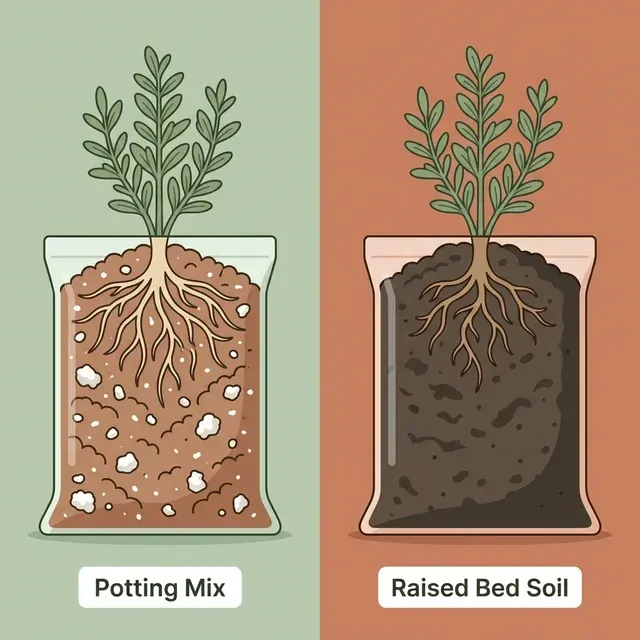
The difference between potting mix and garden soil matters when you’re growing vegetables in a container. Garden soil can be dense in a pot and may drain differently than a purpose-made potting mix, while bagged potting mixes are intended for containers. Sweet potatoes need a container environment that stays workable, so don’t fill a pot with heavy ground soil just because it’s available.
Buy enough mix without overbuying
Use the container’s volume and the bag’s stated volume to estimate how much you need, then leave a little room at the top for watering. Coverage estimates can vary with container shape and root-ball size, and compressed bricks expand after preparation. If the package says one bag fills a certain pot, treat that as a useful estimate rather than an exact guarantee for every tub.
For a single small pot, a compact bag may be convenient. A wider container or several plants can use far more mix than a small houseplant bag supplies, so compare quart or cubic-foot amounts before paying. Also decide whether you have space and water to prepare a compressed brick before you choose it.
Consider crop-specific needs
A general vegetable mix may be suitable for container growing, but a bag’s broad plant list doesn’t guarantee a sweet potato-specific formula. Focus on texture, drainage, volume, and nutrition, then follow the crop’s planting guidance for spacing and feeding. Don’t assume that a mix marketed for potatoes or other root crops is interchangeable without checking how it handles moisture and the size of your container.
If you’re comparing growing media for other tuber crops, the considerations in potting soil for potatoes can help clarify what is shared and what differs. Sweet potatoes and regular potatoes are different crops, so use that comparison as context, not as a substitute for sweet potato planting directions.
How to Use Potting Soil for Sweet Potatoes for the Best Results
Prepare the container and mix before planting, then keep the soil evenly moist without leaving the roots in standing water. Consistent checks matter more than following a rigid watering calendar, because container size, weather, and plant growth all change how quickly the mix dries.
- Check the container. Make sure drainage holes are open and the container is stable enough for the filled weight. If water can’t escape, fix that before adding mix.
- Prepare the growing medium. Expand a compressed coir brick according to its package directions. For a ready-to-use bag, loosen the mix with your hands so there are no hard clumps.
- Fill without packing tightly. Add mix to the container and settle it gently. Pressing it down hard can remove the open spaces that help water and air move around roots.
- Plant with room to grow. Follow the sweet potato plant’s instructions for planting depth and spacing. Avoid crowding several plants into one small container just because they fit above the surface.
- Water thoroughly at planting. Add water slowly until the mix is moist through the root zone and excess water can drain. If the surface sheds water while the center stays dry, water in stages and check the mix again.
- Check moisture before watering again. Touch the mix below the surface rather than judging only by its color. Water when the root area is beginning to dry, not simply because a set number of days has passed.
- Track fertilizer timing. If the mix includes fertilizer, note the stated feeding period and follow the package directions. If no feeding details are given, don’t guess a dose; use appropriate crop guidance and a fertilizer label.
- Keep the container in a suitable growing spot. Follow sweet potato growing directions for light and warmth, and check the pot more often during hot, windy weather. A container can dry much faster than a garden bed.
Root crops such as onions also depend on a workable growing medium, though their shape and planting needs differ from sweet potatoes. The discussion of loose soil for onions can help explain why gardeners pay attention to air and drainage, but use crop-specific instructions for planting and pot depth.
How to Make Your Potting Soil for Sweet Potatoes Last Longer
Protect unused mix from rain, pests, and moisture, and keep the container’s drainage clear during the growing season. Potting soil doesn’t last forever as a fresh growing medium, so inspect its structure before reusing it rather than assuming it stays suitable year after year.
Store any leftover mix in its original bag if it can be closed securely, or in a clean covered container. Keep the storage spot dry and out of direct weather, and don’t leave an open bag where rain can soak it or animals can get into it. Follow any storage directions printed on the package, especially for mixes with fertilizer or other added ingredients.
Avoid compressing unused mix under heavy bags or tools. A compressed brick is designed to be expanded, but a ready-to-use blend can lose its airy structure if it is packed tightly for storage. Before reusing stored material, break up clumps and check for a sour or musty smell, pest activity, and signs of persistent dampness.
During the season, remove leaves and debris that block drainage holes. If the mix pulls away from the container edges or dries unevenly, water slowly and check whether the whole root zone is getting moisture. Don’t let water sit in a saucer for long periods; empty it after watering so the bottom of the pot isn’t left standing in excess water.
After harvest, look at the mix before deciding whether to reuse it. If it is compacted, depleted, or has had plant health problems, don’t put it straight into another container of edible plants without considering its condition and the package’s reuse guidance. Some gardeners use old mix as an amendment for other garden areas, but its usefulness depends on what it contains and how it was used.
Common Mistakes to Avoid When Buying and Using Potting Soil for Sweet Potatoes
Most beginner problems start with a container or watering mismatch, not a complicated soil formula. Avoid these common missteps and use the package directions as a starting point, then adjust to what the pot actually does.
- Choosing a shallow pot: Tubers need room below the plant. Use a container with meaningful depth and check crop-specific guidance before planting.
- Using heavy garden dirt in a pot: Dense soil may not drain or stay loose in a container. Choose a potting mix intended for containers instead.
- Ignoring drainage holes: Even a loose mix can stay waterlogged if water has nowhere to go. Confirm that holes are open before filling the pot.
- Packing the mix down hard: Firm pressure closes air spaces and can slow drainage. Settle the mix gently and top it up if needed.
- Buying by bag count instead of volume: A small bag may not cover a large tub. Compare the stated volume with the container’s capacity before planting day.
- Watering by calendar alone: A hot, windy week dries a container faster than cool weather. Check moisture below the surface before adding more water.
- Adding fertilizer without reading the bag: Some mixes already include nutrients. Check the feeding directions first to avoid adding fertilizer without knowing what’s present.
- Assuming every “organic” mix is a vegetable formula: Ingredient and use claims differ. Read the intended-use directions and check whether the mix suits outdoor edible containers.
Container growers of fruit face a different mix of root-space and long-term care concerns. If you’re also considering potting soil for raspberries, keep in mind that a perennial berry plant has different needs from an annual sweet potato crop; choose each growing medium for the crop and container it will serve.
How to Set Up Potting Soil for Sweet Potatoes
Set up the growing space before opening the bag so you don’t have to move a heavy, wet container later. The main stumbling points are preparing a compressed mix, estimating volume, and filling without blocking drainage.
- Choose the final spot first. Place the empty container where it will get the light and warmth recommended for sweet potatoes. A filled pot can be awkward to move.
- Inspect the pot. Check for drainage holes, cracks, and sharp edges. Clear any blocked holes before the container touches the ground or patio.
- Work out how much mix you need. Use the container’s inside measurements and compare them with the bag’s listed volume. Leave a little space at the top instead of filling right to the rim.
- Protect the work area. Spread a tarp or work outdoors if possible. Dry potting mix and expanded coir can be messy, and preparation may take room.
- Expand compressed coir as directed. Add water in the amount and order stated on the package, then give the brick time to loosen. Don’t pour in an arbitrary amount and expect every compressed block to behave the same way.
- Fluff the mix. Break apart clumps by hand and check that the moisture is reasonably even. A dry center can remain inside a clump even when the outside feels damp.
- Fill and plant. Add mix loosely, plant according to the sweet potato’s directions, and water slowly. Stop pressing down if the surface begins to feel dense.
- Check the first drainage. Watch the water leave the pot and confirm that the holes are working. If water pools or leaks in an unexpected place, address it before regular care begins.
Common Questions About Potting Soil for Sweet Potatoes
What kind of potting soil is best for sweet potatoes?
Choose a loose potting mix that drains freely while holding enough moisture for roots to stay supplied between waterings. Coir, perlite, bark, peat, and vermiculite can affect texture and water retention, but ingredient names alone don’t prove a mix is right. Check the package use, container drainage, and crop directions together.
Can I use regular garden soil in a pot for sweet potatoes?
A container potting mix is usually the simpler starting point because garden soil can be dense in a confined pot and may drain differently. If you use soil from a garden bed, don’t assume it behaves like a bagged container blend. Keep the pot well drained and watch how the mix settles and dries.
How much potting soil do I need for a sweet potato container?
The amount depends on the container’s dimensions and shape, so compare its capacity with the volume printed on each bag. Coverage estimates can change with the size of the root ball and the way the soil settles. Measure the pot and leave a little space at the top for watering.
Does potting soil for sweet potatoes need fertilizer?
Sweet potatoes need suitable nutrition, but the right feeding plan depends on the mix and the crop’s growing instructions. Some mixes include fertilizer for a stated period; others don’t provide a clear feeding schedule. Read the bag before adding more, and follow fertilizer label directions rather than guessing an amount.
Should potting soil stay wet for sweet potatoes?
No, the mix should stay reasonably moist without leaving the roots in standing water. Water thoroughly, allow excess water to drain, and check below the surface before watering again. Container size, heat, wind, and plant growth all affect how fast the soil dries, so a fixed calendar can mislead you.
Can I reuse potting soil after harvesting sweet potatoes?
You can assess leftover mix, but don’t assume it is as fresh or loose as it was before planting. Check for compaction, persistent dampness, pests, and plant problems, then follow the mix’s reuse guidance. If the soil’s condition is poor or uncertain, use fresh container mix for the next crop.
Make the Container and Mix Work Together
Before you buy, measure the pot you plan to use, confirm that it drains, and compare its capacity with the bag size. Then check the mix’s ingredient and fertilizer directions so you know whether it needs preparation or extra feeding; that simple check is the best next step toward a manageable sweet potato container.

I’m Maya L. Greenwood, a lifelong plant lover who believes anyone can grow something beautiful with the right guidance. After years of testing soil mixes, pruning methods, irrigation tricks, and pest-safe solutions, I started EasyGardenTips.com to turn hard-won lessons into step-by-step advice. From seed starting and container gardens to composting and seasonal checklists, my goal is to make gardening simple, sustainable, and fun.