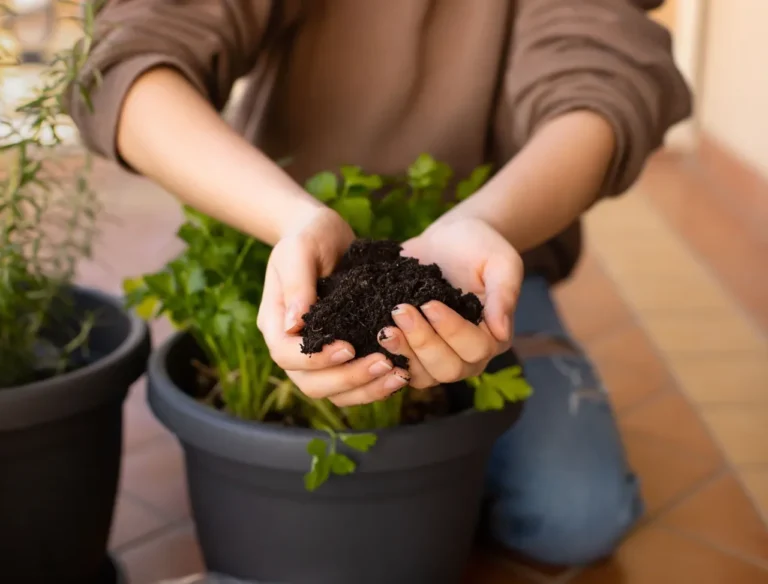
How to Keep Potting Soil Moist Longer: Easy Tricks That Work
Potting soil stays moist longer when you water deeply, use a mix suited to the plant, and limit moisture loss from sun and wind. A thin mulch layer and a pot with the right size and drainage help, too.
Does the top of your soil turn dusty by lunchtime, even after you watered that morning? Or are you worried about watering more often and ending up with soggy roots?
I once rushed through watering a group of containers, pouring a little into each one and moving on before the water soaked in. The next day, a few plants were drooping, and the soil had pulled away from the pot edges. It’s a common mistake, not a dumb one.
I wrote this to help you figure out why a pot dries out and what to change without turning plant care into a second job. You’ll get practical steps for everyday houseplants and outdoor containers, plus signs that tell you when the soil needs water.
Get the balance right, and you’ll spend less time carrying a watering can, avoid preventable wilt, and give roots a better shot at staying healthy. Water too often without checking, though, and you can trade dry soil for root trouble.
This takes about 10 minutes to read. By the end, you’ll know how to:
- Water the whole root ball instead of just wetting the surface.
- Choose a potting mix and container that hold moisture without staying soggy.
- Adjust your routine for heat, wind, plant type, and pot size.
- Fix soil that dries too fast or resists water.
How to Keep Potting Soil Moist with a Simple Routine
Potting soil stays moist longer when you wet the full root zone, let excess water drain, then check the soil before watering again. Start by checking below the surface; a dry-looking top layer doesn’t always mean the roots are thirsty.
-
Check the root-zone moisture. Press a finger about 1–2 inches into the mix, or use a wooden skewer in a deeper pot. If the mix feels cool and damp on the skewer, wait; if it feels dry, water.
-
Water slowly and evenly. Pour around the soil surface rather than onto one small spot. Pause if water runs straight down the gap between the soil and pot, then pour again after the mix has time to absorb it.
-
Keep watering until excess drains. Water should reach the whole root ball, not just the top inch. Let the pot drain fully, and empty a saucer so the bottom of the container doesn’t sit in standing water.
-
Check again based on conditions. A small pot in a sunny, breezy spot may dry much faster than a large pot indoors. The plant, container material, temperature, and potting mix all affect the timing.
This is a more reliable approach than watering every Monday or following a schedule copied from a plant label. If the plant’s soil is still damp, hold off; if it’s dry where the roots are, water even if the calendar says you watered recently.
How much water should you pour? There’s no single amount that fits every pot. Add water gradually until you see drainage from the bottom, then stop and let the container drain rather than adding a little more each day.
For a plant with a dry, compacted root ball, water can run down the sides without wetting the center. In that case, make several slow passes, allowing a short pause between them. Small indoor pots may need only a few seconds between pours; larger containers may take longer.
Potting soil can contain ingredients that affect how well it takes up water, so check the mix and pot as part of the routine. If you’re new to filling and watering containers, these basics on using potting soil correctly can help you avoid packing the mix down too firmly.
I now give a newly watered pot a brief lift when I can, especially if it’s small enough to handle safely. A pot that feels noticeably lighter a few days later gives me another useful clue, though I still check the soil rather than relying on weight alone.
Choose a Mix and Pot That Hold Water Well
A moisture-friendly container uses a potting mix that holds enough water for roots while still letting excess drain away. A container that’s too small, too exposed, or missing a drainage hole can make watering harder, not easier.
Potting mix is a loose, prepared growing medium for containers, not simply garden soil scooped from the yard. Many mixes combine materials that hold water with materials that create air spaces, and the balance changes how quickly the pot dries.
| What you’re checking | What often happens | A practical adjustment |
|---|---|---|
| Very small pot | The small amount of mix dries quickly | Move up one pot size if the plant and roots need more room |
| Unglazed clay pot | Water can evaporate through the pot walls | Check moisture more often or choose glazed ceramic or plastic |
| Dark pot in direct sun | The mix may heat and dry faster | Move it out of harsh afternoon sun or shade the container |
| Mix that drains too fast | Water passes through before the root ball absorbs much | Rewet slowly and consider a mix suited to the plant |
| No drainage hole | Excess water has nowhere to escape | Use a pot with drainage or keep the plant in a removable nursery pot |
A container’s size matters, but bigger isn’t automatically better. A pot much larger than the root ball holds extra wet mix that the plant can’t use quickly, so roots may stay in damp soil longer than they should.
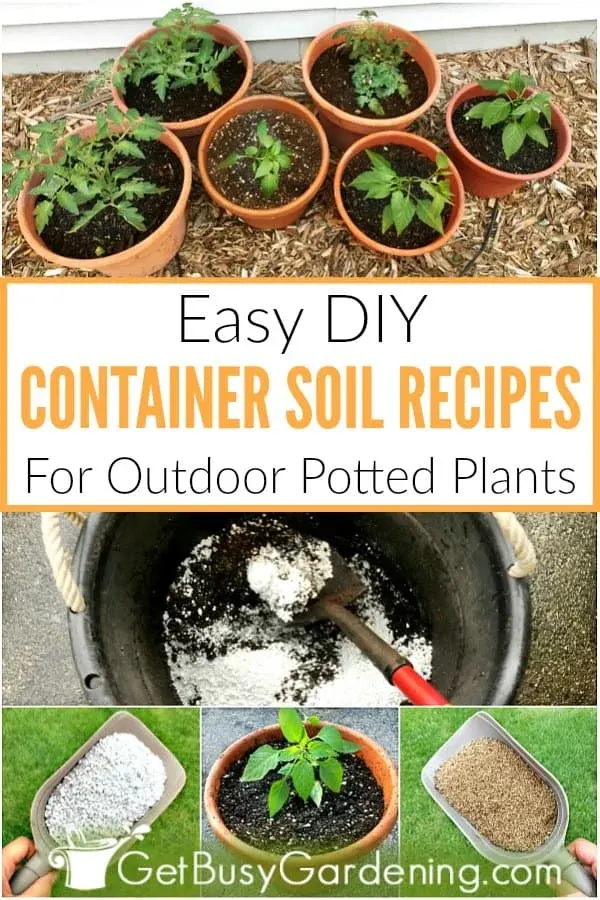
The right blend depends on the plant. Many foliage plants do well in a general-purpose mix, while succulents and cacti need a mix that drains readily. For a closer look at ingredients and drainage, read about well-draining potting soil before trying to fix every dry-pot problem by watering more often.
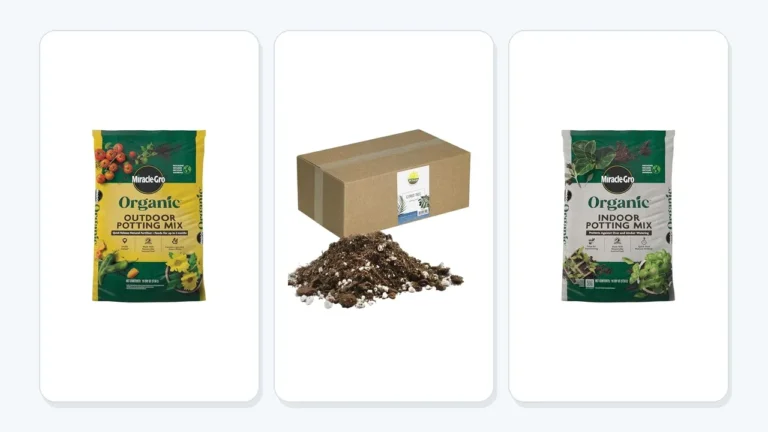
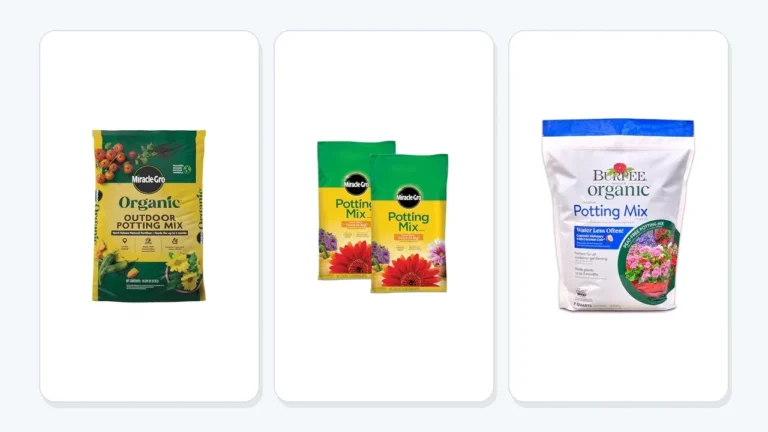
If you’re choosing a mix from scratch, look for one that fits the plant’s needs rather than a bag marketed as a cure-all. A guide to soil for potted plants can help you compare moisture retention with drainage. Container growers can also use this advice on potting soil for container gardening when choosing a general mix for several kinds of plants.
Pots with drainage holes are the easiest choice for most container plants because extra water can escape. If you use a decorative pot without holes, keep the plant in a draining nursery pot inside it and pour out collected water after watering.
Does soil keep spilling from the drainage holes? A small piece of mesh over the hole can help hold the mix in place without blocking water flow; more details on keeping potting soil in the pot can help you choose a simple fix.
Pro Tip: When repotting, don’t press the mix down hard to make it fit. Firm it gently around the roots, then water; tight, compressed soil can leave roots with less air and make moisture harder to manage.
Reduce Moisture Loss and Fix Fast-Drying Soil
A pot dries less quickly when you reduce harsh exposure and cover the soil surface without blocking airflow. Start with the conditions around the plant, then make small changes so you don’t create a soggy pot by trying to solve a dry one.
Direct afternoon sun, hot pavement, and steady wind can pull water from containers quickly. Moving a pot a few feet into afternoon shade or grouping containers together can reduce exposure, while still giving each plant the light it needs.
A thin layer of mulch, a cover over the soil surface, slows evaporation. Use a light layer of shredded bark, leaf mold, or another plant-safe material, and leave a little open space around the stem so it doesn’t stay damp against the plant.
Avoid piling mulch on so thickly that you can’t check the soil. You still need to know what’s happening below the surface, especially when a plant is indoors or the weather turns cool.
For pots that dry out while you’re away, a self-watering container stores water in a reservoir below the soil and draws it upward as the mix dries. These can help with some plants, but the reservoir doesn’t make every plant a fan of constantly damp soil. Check the plant’s needs before switching containers.
A wick system is another option for a short trip. A cotton or synthetic wick can carry water from a reservoir into potting mix, but the setup varies with wick material, pot size, and plant demand; test it before relying on it while you’re gone.
Bottom watering can help a very dry, water-resistant root ball take up moisture. Set the pot in a shallow tray of water for a short time, then remove it and let it drain fully. Don’t leave a plant sitting in water as a routine; standing water can keep roots too wet.
If the mix has dried so much that it repels water, add water in several slow rounds instead of flooding it. Some potting mixes containing peat can become difficult to rewet after drying out. A brief soak from the bottom may help the mix absorb water again, but drain the pot afterward.
Want less guesswork in your regular care? Keep a short note of when the soil dries, along with the pot’s location and recent weather. That record can show you that a plant dries faster after a hot, windy day, rather than because it needs water on a fixed schedule.
Healthy potting soil can also change over time as it breaks down or becomes compacted. For container plants you’ve kept for a while, habits for keeping pot soil healthy can help you judge when to refresh the mix instead of repeatedly adding water to a tired one.
Important Tip: Don’t add gravel to the bottom of a pot to “improve drainage.” Gravel doesn’t replace drainage holes or a suitable mix, and it takes up space that could otherwise hold soil for the roots.
For quick troubleshooting, use the plant and soil together as clues:
- Dry soil and drooping leaves: Water slowly, then confirm that the root ball absorbed it.
- Wet soil and drooping leaves: Pause watering and check whether the pot drains.
- Water running down the sides: Slow the pour and give the mix time to take up water.
- Soil drying in a day: Check pot size, sunlight, wind, and whether the roots have filled the container.
FAQs About How to Keep Potting Soil Moist
Should I water my potted plants every day?
No, most potted plants shouldn’t be watered every day by default. Check the root-zone moisture first, since a small pot outdoors may dry quickly while a larger indoor pot stays damp longer. Water when the mix is dry enough for that plant, then let excess drain.
Does mulch help keep potting soil moist?
Yes, a thin layer of mulch reduces evaporation from the soil surface. Leave space around the plant stem and keep the layer thin enough to check soil moisture. Mulch slows drying, but it doesn’t replace watering or fix a pot with poor drainage.
Why does water run straight through my potting soil?
Water may run through when the mix has dried and pulled away from the pot, or when the mix drains very quickly. Pour slowly in a few passes and let the soil absorb water between them. If the root ball stays dry, a short bottom soak followed by full draining may help.
Can I use a moisture meter for potted plants?
Yes, a moisture meter can offer another clue, but don’t treat its reading as a perfect answer. Probe the root zone rather than only the surface, and compare the reading with how the mix feels. Different meters and potting mixes can give readings that need interpretation.
Is it bad if the top of potting soil dries out?
No, a dry surface doesn’t always mean the full root ball is dry. Check an inch or two below the surface, or use a skewer in a deeper pot. If the soil below is still damp, waiting can help prevent watering more often than the plant needs.
Should I add water-retaining crystals to potting soil?
Not by default. Water-retaining crystals can change how much water the mix holds, but the result depends on the product, plant, and pot. I’d first adjust watering, exposure, or pot size; if you try an additive, follow its label and avoid assuming it replaces drainage.
Keep Moisture Steady Without Overwatering
The best way to keep a potting mix moist is to match watering to the plant, pot, and conditions instead of trying to keep the surface wet all the time. Deep, even watering followed by full drainage gives roots access to moisture without leaving the container sitting in excess water.
I’d start with the simplest changes: check below the surface, water slowly until the root ball is wet, and move a heat-stressed pot out of harsh afternoon sun. Add mulch or change the mix only if those steps don’t solve the problem. Your clearest next step is to check one pot today, then adjust its routine based on what the soil and plant tell you.

I’m Maya L. Greenwood, a lifelong plant lover who believes anyone can grow something beautiful with the right guidance. After years of testing soil mixes, pruning methods, irrigation tricks, and pest-safe solutions, I started EasyGardenTips.com to turn hard-won lessons into step-by-step advice. From seed starting and container gardens to composting and seasonal checklists, my goal is to make gardening simple, sustainable, and fun.