How to Keep Soil From Coming Out of a Pot: Easy Drainage Fixes
A small piece of mesh over the drainage hole usually stops potting mix from spilling out while still letting extra water escape. The key is covering the opening loosely, not plugging it or piling gravel at the bottom.
Are you finding a little pile of soil under your planter every time you water? Or are you worried that the hole is so wide your plant’s roots will end up exposed?
I once filled a planter with a light, fluffy mix and skipped the hole cover because I was in a hurry. The first watering left a muddy streak down the side and a bare patch on the patio. It’s a common mistake, not a dumb one.
I wrote this to help you fix soil loss without creating a soggy pot or making repotting harder than it needs to be. The advice works for indoor planters, outdoor containers, and pots with unusually large drainage holes.
A good fix saves cleanup, keeps more mix around the roots, and lets you water with confidence. A bad one can trap water, wash out nutrients, or leave roots sitting in soggy soil.
This takes about 9 minutes to read. By the end, you’ll know how to:
- Pick a cover that fits your pot’s drainage hole.
- Set it up without blocking water flow.
- Fix soil loss caused by fast watering or loose mix.
- Choose a cleaner setup for indoor pots and planters.

How to Keep Soil from Coming Out of Pot Without Blocking Drainage
To keep soil from coming out of pot, cover the drainage hole with a small piece of mesh, a screen, or a thin piece of landscape fabric. The cover should stay put while leaving enough open space for water to drain freely.
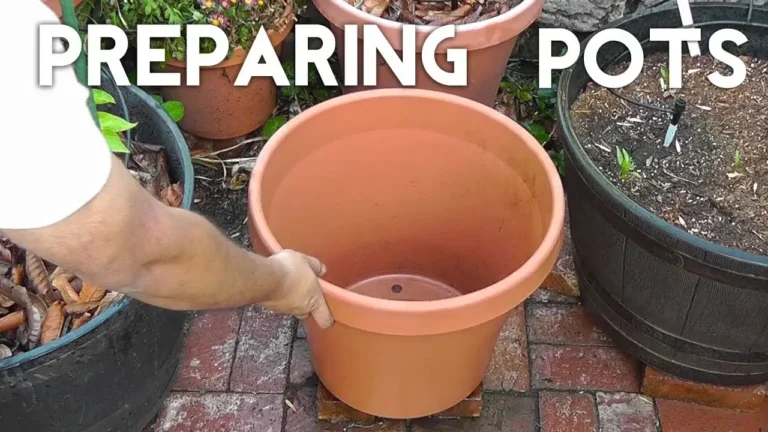
Start with an empty pot if you can. If the plant is already potted, you may need to lift it out carefully to position a cover; don’t pull hard on the stems or tug the root ball apart just to stop a small spill.
- Check the size and number of drainage holes.
- Cut a piece of plastic mesh or screen slightly larger than the hole.
- Lay the piece flat inside the pot, centered over the opening.
- Add potting mix over it, then water slowly and watch the drainage.
The cover doesn’t need to seal against the pot. A loose fit is fine, and it gives water a path out. For a hole smaller than a dime, a scrap of mesh may sit in place on its own; for a wide opening, choose a larger piece that can’t slide aside as you add soil.
If you’re starting with a new plant, use the right mix and fill the container without packing it down hard. using potting soil correctly also means checking that the mix suits the plant and the container, since dense garden soil can wash out in clumps or drain poorly.
Pro Tip: Place a shallow tray or saucer under an indoor pot while testing the setup. It catches runoff, but empty it after watering so the pot isn’t left sitting in standing water.
- Cover the hole, but don’t plug it.
- Let extra water drain before returning an indoor pot to its saucer.
- Match the cover material to the hole size and container.
Choose a Hole Cover That Fits Your Planter
A good drainage-hole cover keeps potting mix in place while water passes through. Mesh is a dependable everyday choice, but a temporary paper cover or a fitted nursery liner can make sense in certain pots.
| Cover material | Best use | What to watch for |
|---|---|---|
| Plastic or nylon mesh | Most pots and large holes | Cut it wide enough to stay centered |
| Fiberglass window screen | Reusable cover for many containers | Check that the screen is clean and intact |
| Thin landscape fabric | Large holes or several openings close together | Use a breathable piece, not a heavy folded wad |
| Paper coffee filter | Temporary cover during planting | Paper can soften and break down over time |
| Nursery pot inside a decorative planter | Clean indoor setup | Empty trapped water from the outer pot |
Mesh is easy to trim and doesn’t soften when watered. A piece of clean window screen can work well, too, as long as it’s intact and doesn’t have sharp edges that could catch roots or fingers.
A coffee filter can work for a short-term fix because water passes through while the fresh mix stays in place. It’s less suitable as a lasting cover, since the paper can weaken as it stays damp and the roots grow around it.
If your ceramic planter has a very wide hole, one small square of screen may shift while you fill it. Use a broader piece that covers the opening and rests flat, or choose an inner pot with working drainage holes. Avoid gluing the cover in place; adhesive can make cleaning and repotting a headache.
Is a shard of broken pottery a good hole cover? It can keep large chunks from falling through, but a flat shard that sits tightly against the hole may slow drainage. Mesh is easier to size and less likely to turn into an accidental plug.
Pot choice matters, too. A planter with a drainage hole is easier to manage than a decorative container with no outlet. If you use a cachepot, the decorative outer pot can hold water, while the inner nursery pot drains and lifts out for emptying.
Important Tip: Check the pot’s drainage after adding the cover, before planting. Pour in a little water and confirm it comes out; if the opening stays dry while water pools inside, adjust the cover.
Fix Soil Loss Caused by Watering and Potting Mix
A hole cover solves soil slipping through the opening, but it won’t stop every kind of soil loss. Fast watering, thin potting mix, and rain striking bare soil can also push mix toward the drainage hole or over the pot’s rim.
My own messy planter taught me to pay attention to the water, not just the hole. When I slowed the pour and gave the mix a moment to absorb water, the runoff carried far less soil onto the patio.
Use a watering can with a narrow spout or a gentle shower setting. Pour near the surface, move around the pot, and pause if water starts running down one side before the mix has a chance to absorb it.
If the mix has dried until it pulls away from the pot, water in two or three small passes rather than dumping in a full can at once. Very dry potting mix can shed water through gaps, carrying loose particles with it.
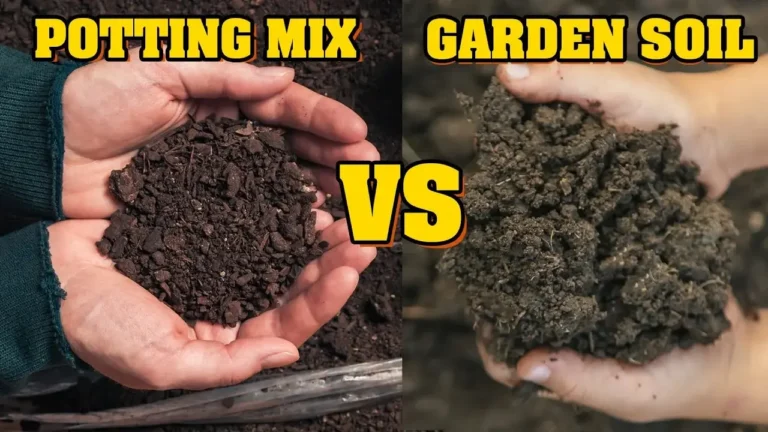
A quality potting mix is made for containers and generally drains differently from garden soil dug from the yard. If your plants dry out quickly after watering, check the mix and watering routine together; learning how to keep potting soil moist can help you hold moisture without sealing the drainage hole.
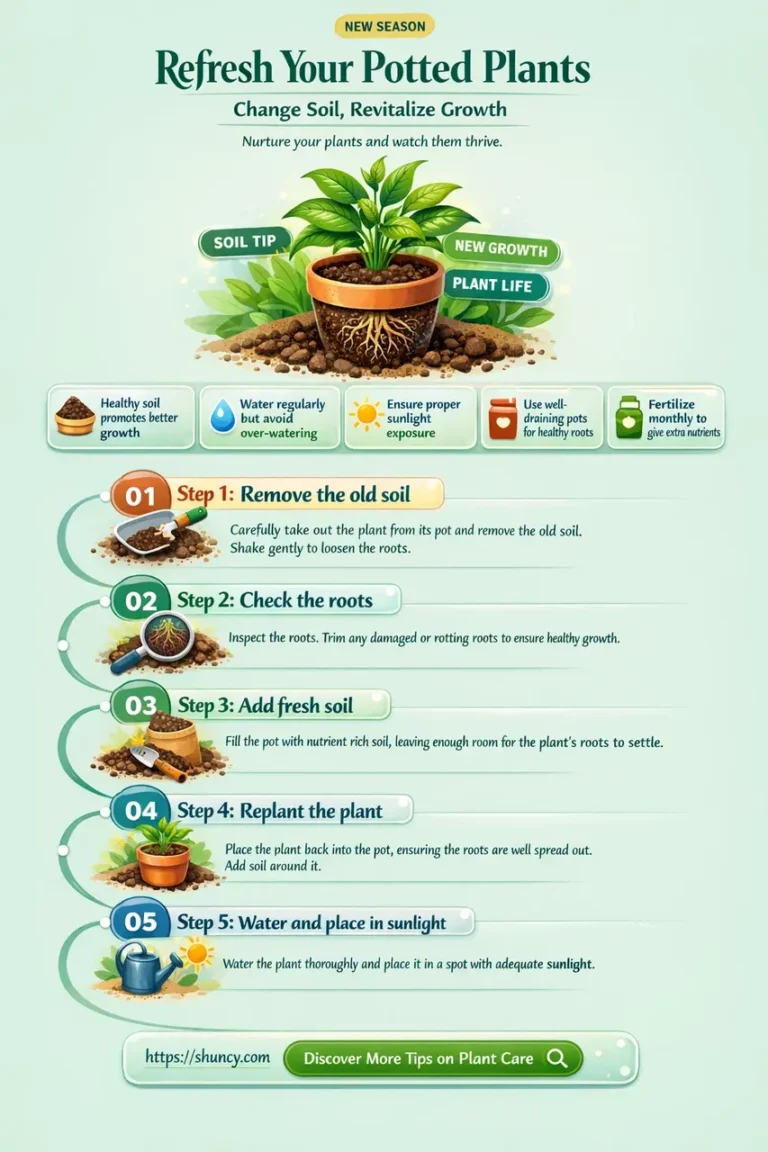
For healthier container plants, the soil needs to stay airy enough for roots while holding some water and nutrients. keeping soil healthy in pots also involves refreshing depleted mix when needed, rather than continually adding more soil to cover exposed roots.
A thin layer of mulch, such as small bark pieces, can help keep rain from splashing loose mix out of an outdoor pot. Keep mulch away from stems and crowns, and don’t use it to hide a pot that’s losing soil because the hole cover has slipped.
If the potting mix itself seems too fine or dense, replace it with a mix suited to the plant and container. choosing soil for potted plants starts with the plant’s needs: a mix for a moisture-loving plant may behave differently from a fast-draining blend for succulents.
Avoid adding gravel, rocks, or broken-pot pieces as a drainage layer at the bottom. Those materials don’t replace an open drainage hole, and they take up space that could hold potting mix. Keep the container’s outlet clear and use a suitable mix throughout the pot.
Match the soil mix to the plant
The best mix depends on what you’re growing, how often you water, and whether the pot sits indoors or outdoors. The potting mix should support both water movement and air around the roots.
| Plant or setup | Mix feature to look for | Common trouble sign |
|---|---|---|
| Herbs in containers | Loose mix that drains after watering | Soil washes out under a hard pour |
| Succulents and cacti | Fast drainage suited to the plant | Mix stays wet for too long |
| Leafy houseplants | Airy mix that holds some moisture | Water runs around dry mix without soaking in |
| Outdoor flowers | Container mix that drains and supports growth | Rain splashes soil from the surface |
For herbs, avoid filling a pot with dense soil from a garden bed. soil for herb pots should suit the herbs and the container, and it still needs a clear drainage path so roots don’t sit in water.
Container gardening also changes how often you water, since a pot can dry faster than a garden bed in wind and sun. If you’re comparing mixes for different containers, potting soil for container gardening can help you narrow your choice based on the plants and growing setup.
Troubleshoot a Pot That Still Loses Soil
If soil keeps coming out after you add a cover, check where the soil is escaping and when it happens. The pattern usually points to the cause.
| What you notice | Likely cause | What to try |
|---|---|---|
| Soil falls out as you fill the pot | Cover is too small or shifts aside | Use a wider piece of mesh |
| Muddy water pours from the hole | Watering is too fast or mix is very fine | Slow the pour and review the potting mix |
| Soil splashes over the rim outside | Rain or watering hits bare soil hard | Add a thin mulch layer or use gentler watering |
| Water sits in the pot | Hole is blocked or the pot has no outlet | Clear the opening or use a draining inner pot |
| Roots show at the surface | Mix has settled or washed away | Add suitable mix around the roots, without burying stems |
When a cover slips during planting, empty the pot and reset it if the plant isn’t in place yet. If the plant is already established, avoid digging around the root ball; a fitted liner pot may be the simpler fix.
A root ball is the mass of roots and soil held together when you lift a plant from its container. If soil has washed away around the sides, add fresh potting mix in small amounts and gently settle it into gaps. Don’t press hard enough to compact the whole pot.
If the problem is a pot with no drainage hole, don’t rely on a layer of rocks at the bottom. Use a nursery pot with holes inside the decorative container, then remove the inner pot to water and drain it before putting it back.
If water drains slowly despite a clear hole, the mix may be compacted or the plant may need a different container setup. Check the pot’s drainage and the mix before adding more material. Constantly wet soil can stress roots, so don’t keep watering just because the surface looks dry.
Pro Tip: Keep a small scrap of clean mesh with your potting supplies. It’s easier to place a cover before filling the pot than to chase soil around a patio afterward.
FAQs About How to Keep Soil from Coming Out of Pot
Should I put rocks in the bottom of a pot?
No, rocks don’t stop potting mix from escaping through a drainage hole, and they don’t replace a clear outlet. Cover the hole with mesh instead, then fill the container with a suitable potting mix. A rock layer also reduces the space available for roots and soil.
Can I use a coffee filter over a drainage hole?
Yes, a coffee filter can work as a temporary cover for a small hole because water can pass through while fresh mix stays in the pot. Paper can soften or break down over time, so mesh is a better long-term choice for a plant that will stay in the same container.
How do I stop potting soil from washing out when I water?
Use a gentle stream and water in slow passes around the soil surface. If very dry mix repels water, give it time to absorb each pass before adding more. A properly placed mesh cover can catch loose particles at the outlet, but it won’t fix forceful watering by itself.
What can I use if my planter has a very large drainage hole?
Use a broad piece of plastic mesh or window screen that covers the opening and lies flat inside the pot. If the hole is unusually large or the planter has several openings, a nursery pot with drainage holes inside the decorative planter may be simpler to manage.
Will landscape fabric stop water from draining?
A thin, breathable piece can hold potting mix while allowing water to pass. A thick or tightly folded piece may slow drainage, so use only enough fabric to cover the opening. If water pools in the pot after watering, remove the cover and check for a blockage.
Keep the Hole Open and the Soil in Place
For most pots, the simplest answer is a small, clean piece of mesh over the drainage hole, paired with a gentle watering routine. That setup keeps loose mix from falling out without making the roots sit in water.
I’d choose mesh before paper for a plant you plan to keep in the same pot, since it holds its shape through repeated watering. If the planter has no hole or an opening too large to cover neatly, an inner nursery pot is a practical fix, not a compromise.
The next time you plant or repot, check the drainage opening first and cut the cover before adding soil. That tiny pause can save you a muddy floor, a messy patio, and a lot of avoidable fuss.

I’m Maya L. Greenwood, a lifelong plant lover who believes anyone can grow something beautiful with the right guidance. After years of testing soil mixes, pruning methods, irrigation tricks, and pest-safe solutions, I started EasyGardenTips.com to turn hard-won lessons into step-by-step advice. From seed starting and container gardens to composting and seasonal checklists, my goal is to make gardening simple, sustainable, and fun.