
Can You Use Outdoor Potting Soil for Indoor Plants? Not Always
Yes, you can use outdoor potting soil for indoor plants if the mix drains well, has no pests or strong odor, and suits the plant’s watering needs. A heavy or moisture-holding mix can cause trouble indoors, where pots often dry more slowly.
Have you brought home a bag labeled for outdoor containers and wondered if it’ll do for your houseplant? Are you trying to avoid a soggy pot, tiny flying gnats, or a plant that starts looking worse right after repotting?
I once used a dense outdoor mix for a plant in a dim corner, thinking the pot’s drainage holes would handle the extra water. The soil stayed damp far longer than I expected, and I had to repot before the roots got into worse shape. It’s a common mistake, not a dumb one.
I wrote this for anyone standing in front of a bag of soil with a plant waiting at home. You’ll get a straightforward way to judge the mix, make it safer to use indoors, and know when a different soil is the better call.
Choose well, and you can save a trip to the store and give your plant a mix that drains at a useful pace. Choose poorly, and you may end up with fungus gnats, sour-smelling soil, or roots struggling in a wet pot.
This takes about 10 minutes to read. By the end, you’ll know how to:
- Tell potting mix from garden soil before you open the bag.
- Check outdoor mix for drainage, moisture, and signs of pests.
- Adjust the mix for a houseplant’s roots and watering routine.
- Decide when it’s safer to buy or blend a different mix.
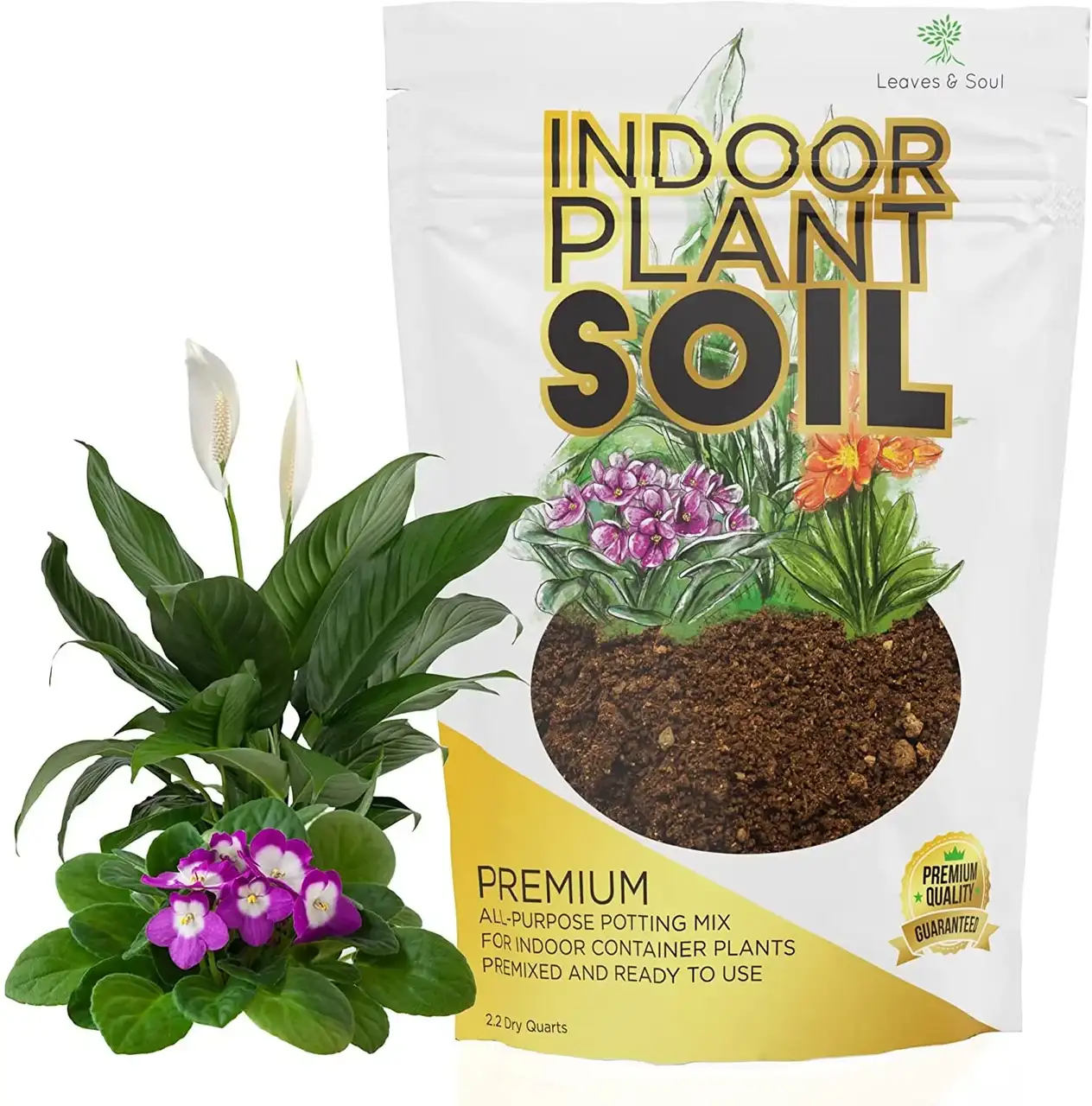
Can You Use Outdoor Potting Soil for Indoor Plants?
Outdoor potting soil can work for indoor plants when it’s a clean, container-ready mix with suitable drainage and moisture retention. Check the label and the contents, then test a small amount before filling a whole pot.
The word “outdoor” doesn’t automatically mean the mix is unsuitable. Many outdoor mixes are made for containers, but their ingredients and moisture-holding ability vary; some hold more water or contain more coarse material than your indoor plant needs.
Start by checking the bag for a clear description of container use and ingredients. A bag labeled for raised beds or garden beds may contain heavier soil, while a container mix is generally made to leave more air space around roots.
What if the label says “potting soil” but gives little detail? Look at the mix itself: loose, lightweight material that doesn’t pack into a dense lump is a better starting point than soil that feels heavy, muddy, or sticky when damp.
Before using the mix, check for:
- Drainage: Water should pass through the mix rather than sit on top or leave a dense, waterlogged mass.
- Texture: The mix should feel loose enough to separate by hand, without large clods of mineral soil.
- Condition: Reject bags with a sour or rotten smell, visible mold spreading through the mix, or signs of insects.
- Moisture ingredients: Coir, peat, bark, and other organic materials can hold water, but the balance matters for your plant and room.
A drainage hole helps excess water leave the pot, but it doesn’t make every mix suitable. If the mix stays wet for days in a cool room, roots can still sit in too much moisture between waterings.
Don’t confuse potting mix with garden soil. Garden soil is dug from the ground and can compact in a container, restricting airflow and drainage; the concerns are similar to those covered in using garden soil in pots.
For a simple first check, put a handful of mix in a small pot with drainage holes and water it slowly over a sink. If water barely passes through or the mix remains a dense, slick clump, don’t use it straight from the bag for a houseplant that prefers an airy root zone.
Why Outdoor Mix Can Cause Indoor Problems
Outdoor potting mix can cause indoor trouble when it holds too much water, brings unwanted insects inside, or doesn’t match the plant’s needs. Indoor conditions can slow drying, so a mix that works on a sunny patio may stay damp on a shelf.
Sun, wind, temperature, pot size, and watering all affect how quickly soil dries. A large outdoor planter in a warm, breezy spot may lose moisture much faster than a small pot by a window, even when both contain the same mix.
A common issue is poor aeration, meaning too little open space for air around the roots. When the mix stays packed and wet, roots may struggle; a plant with yellowing leaves, soft stems, or a sour smell from the pot needs attention, though those signs can have other causes too.
Do indoor and outdoor potting mixes always have different ingredients? No, the labels don’t guarantee a fixed recipe, so compare the texture and ingredient list rather than relying on the name alone; the differences are laid out in indoor and outdoor potting soil.
Some outdoor mixes contain fertilizer or compost. Those ingredients can be useful, but a rich mix may not fit a houseplant that prefers leaner soil, and fertilizer already in the mix can make added feeding unnecessary for a while.
Moisture-retaining ingredients deserve a closer look. Peat moss and coir, a fiber made from coconut husks, help hold water; that can be handy in a hot, dry spot but less helpful in a cool room where the pot dries slowly.
The risk isn’t limited to root problems. Open bags stored outside or in damp places can contain insects, larvae, or plant debris, and bringing that material indoors may introduce pests. Outdoor exposure alone doesn’t prove a bag is infested, so inspect rather than assume.
I once opened a bag that had been sitting in a damp storage area and found clumpy, musty mix near the fold. I set it aside instead of using it on a healthy plant, and that small pause saved me from bringing a questionable bag into the house.
Pro Tip: If an outdoor mix seems sound but stays wet too long in a small test pot, blend in a coarse ingredient such as perlite or pumice to add air space. Make a modest adjustment first, then test again rather than guessing at a big change.
| What you notice | Why it matters indoors | A practical response |
|---|---|---|
| Dense, sticky texture | The mix may compact and dry slowly | Choose a looser mix or add a coarse aeration ingredient |
| Water pools on the surface | The mix may be compacted or difficult to wet evenly | Break apart clumps and test a fresh handful |
| Sour or rotten odor | The mix may be degraded or waterlogged | Don’t use it for houseplants |
| Visible insects or larvae | The bag may introduce pests | Keep it away from indoor plants and discard questionable material |
| Loose texture and clean smell | The mix may be a reasonable candidate | Test drainage in a small pot before repotting |
How to Prepare Outdoor Potting Soil Before Bringing It Inside
Prepare outdoor potting soil by inspecting it, testing drainage, and adjusting the texture before it goes into a houseplant’s pot. Start with a small batch, because changing a mix is easier than rescuing a plant from a pot that stays wet.
- Read the bag. Check whether the mix is intended for containers, and look for listed fertilizer, compost, or moisture-holding ingredients.
- Inspect the mix. Break apart a handful and look for clods, debris, insects, mold, or anything that smells sour or rotten.
- Test it in a small pot. Use a container with drainage holes, water the mix, and check whether it drains freely without turning dense and soggy.
- Adjust only if needed. Mix in a coarse ingredient such as perlite or pumice if the material feels too dense or stays wet too long.
- Choose a suitable pot. Use a container with drainage holes and one that gives the plant room without leaving a huge volume of wet mix around a small root ball.
- Water with care after repotting. Let excess water drain away, empty the saucer, and check the mix before watering again.
Keep the mix and tools clean while you work. Wash hands after handling questionable material, and don’t bring an outdoor bag into the room if you spot insects or a strong foul smell.
Should you bake outdoor soil to kill pests? I wouldn’t, because heating soil in a home oven can create unpleasant odors and isn’t a dependable substitute for starting with clean, suitable mix. If you suspect pests or disease, use fresh bagged mix instead.
For many common houseplants, a loose, well-draining base works better than a heavy mix. A homemade blend can combine potting mix with ingredients that improve air space, and making indoor potting mix gives you a way to tailor the texture to your plant.
A ready-made indoor mix may be simpler if you don’t want to adjust ingredients yourself. Compare the label and texture with your plant’s needs; a guide to indoor potting soil choices can help you sort through common mix types.
The best choice depends on the plant, pot, room, and how you water. For a plant that likes evenly moist soil, a mix that dries slowly may suit it, while a cactus or succulent generally needs a faster-draining blend. Broader advice on soil for potted plants can help if you’re choosing mix for several kinds of containers.
Outdoor container mixes still have their place outside. If you’re replacing soil for patio planters, look for a product suited to containers and local growing conditions; guidance on potting soil for outdoor plants can help separate those needs from indoor ones.
Important Tip: Don’t place gravel or stones at the bottom of a pot to “fix” poor drainage. That layer doesn’t replace drainage holes or a suitable mix, and it takes up space the roots could use.
Use the plant itself to guide your choice. A tropical foliage plant, a cactus, and an orchid don’t all want the same balance of water and air, so match the mix to the roots instead of using one bag for every pot.
Choosing a Better Mix for Your Plant
A better potting mix matches how much moisture your plant uses and how quickly your room dries the pot. If the outdoor mix doesn’t suit those conditions, choosing a fresh indoor mix is usually less hassle than trying to force it to work.
Start with the plant’s basic preference. Many leafy tropical plants do well in a loose mix that holds some moisture while draining excess water; succulents and cacti usually need a grittier, faster-draining mix.
Then factor in the spot where the pot will live. A plant in bright light near warm air may dry faster than one in a dim corner, while a large pot holds more wet mix than a small pot around the same plant.
How can you tell if the mix is too wet for your routine? Check the soil before watering rather than following a fixed calendar; if the top remains wet and the pot feels heavy, wait and check again instead of adding more water.
You can also compare the plant’s needs with the bag’s listed ingredients and texture. If the label is vague and the contents feel dense, a labeled indoor mix is the safer choice, especially for a plant that’s already stressed or costly to replace.
A few situations call for extra care:
- New plants: Avoid repotting just to change soil if the plant is healthy and the current pot drains well.
- Root-bound plants: Move up only to a pot that gives roots room, not a much larger container full of wet mix.
- Succulents and cacti: Use a mix that drains freely and a pot with drainage holes.
- Plants with pests or rot: Don’t reuse soil from a plant with suspected root disease or a serious pest problem.
When in doubt, I’d pick a clean, fresh mix labeled for the plant type over a questionable outdoor bag. The small cost of a suitable mix is often easier to handle than repotting twice because the first soil stayed wet.
A final check after repotting can catch trouble early. Watch how quickly the pot dries, smell the soil if the plant looks unwell, and make sure the saucer isn’t holding runoff; those simple checks tell you more than the word “outdoor” on the bag.
- Outdoor potting mix can work indoors if it’s clean, loose, and drains well.
- Garden soil and container potting mix aren’t interchangeable.
- Match soil texture and moisture retention to the plant and room.
- Skip questionable bags rather than trying to sterilize or rescue them.
FAQs About Can You Use Outdoor Potting Soil for Indoor Plants
Can outdoor potting soil bring bugs into my house?
Yes, outdoor potting soil can carry insects or larvae, especially if the bag was open or stored in damp conditions. Inspect the mix before bringing it indoors, and keep questionable bags away from houseplants. Fungus gnats can also appear in indoor potting mixes, so clean soil and careful watering both matter.
Is outdoor potting soil the same as garden soil?
No, outdoor potting soil is often intended for containers, while garden soil comes from the ground and can compact in pots. Product labels vary, so check the ingredients and texture. A heavy bag labeled for garden beds may be a poor choice for a houseplant container.
Can I mix outdoor potting soil with indoor potting soil?
Yes, you can combine the two if both mixes are clean and suitable for containers. Test the blended texture and drainage before repotting, since combining two moisture-retaining mixes can still leave the final blend too wet. Don’t mix in soil from a plant with suspected pests or root disease.
Should I add perlite to outdoor potting soil for houseplants?
Perlite can add air space to a dense mix and help water drain more freely, but it won’t make every unsuitable soil safe to use. Start with a small amount, blend it evenly, and test the mix. A plant that prefers moisture may not need as much added drainage as a cactus.
Can I reuse outdoor potting soil from last season?
Sometimes, if the soil is clean, loose, and free of pests, disease, and a sour smell. Old mix can break down or lose its useful structure, so inspect it before reuse and don’t use material from a sick plant. Fresh mix is the safer choice when its past use is unclear.
Make the Soil Choice Before You Repot
Outdoor potting soil isn’t automatically wrong for indoor plants, but the label alone can’t tell you if it’ll suit your pot and watering routine. Check the ingredients, look at the texture, and test drainage before the mix gets near your plant’s roots.
In my view, a clean container mix that stays loose is worth using if it fits the plant. A dense, musty, pest-ridden, or persistently wet mix isn’t worth gambling on, especially when a fresh indoor blend is easy to find.
Your clearest next step is simple: test a small amount in a drained pot and watch how it behaves. If it drains well and suits the plant, go ahead; if it stays heavy and wet, choose another mix. That little check can save you a messy repot and a lot of second-guessing.

I’m Maya L. Greenwood, a lifelong plant lover who believes anyone can grow something beautiful with the right guidance. After years of testing soil mixes, pruning methods, irrigation tricks, and pest-safe solutions, I started EasyGardenTips.com to turn hard-won lessons into step-by-step advice. From seed starting and container gardens to composting and seasonal checklists, my goal is to make gardening simple, sustainable, and fun.

3 Comments