
5 Best Potting Soil for Tomatoes in Containers: Picks for Big Fruit
A tomato in a container depends on the mix around its roots for water, air, and food. Choose a mix that stays soggy or dries too quickly, and you can end up with drooping leaves, slow growth, or fruit that never gets going. Buying too little soil is another easy way to stall a planting day.
For tomatoes, a suitable mix needs to hold enough moisture without leaving roots sitting in water, and a container needs drainage holes. The bag’s feeding information matters too, since a hungry tomato can need more nutrition as it grows and produces fruit.
Here’s what this guide will help you sort out:
- Which mixes suit outdoor tomatoes and which are aimed at indoor plants.
- How much soil a container may need, and why bag volume matters.
- When to water and feed after planting.
- How to avoid common container-growing mistakes.
Quick Picks
-
Best For Large Container Gardens

Back to the Roots Organic Expanding Potting
The compressed coir brick expands to over 2 cubic feet, giving growers a peat-free base for several pots.
-
Best For Outdoor Feeding

Miracle-Gro Organic Outdoor Potting Mix, 16 qt.
Natural fertilizer feeds outdoor container plants for up to two months, a helpful head start for busy gardeners.
Top 5 Potting Soils for Tomatoes in Containers at a Glance
Start with Back to the Roots Coir Brick if you want a peat-free, expandable base and have several pots to fill. For an outdoor tomato that needs a ready-to-use mix with fertilizer, look first at Miracle-Gro Outdoor Mix; the other options vary in intended use, bag size, and moisture features.
| Product image | Product name | Check product |
|---|---|---|
| 1 |
Back to the Roots Organic Expanding Potting | Check Price |
| 2 |
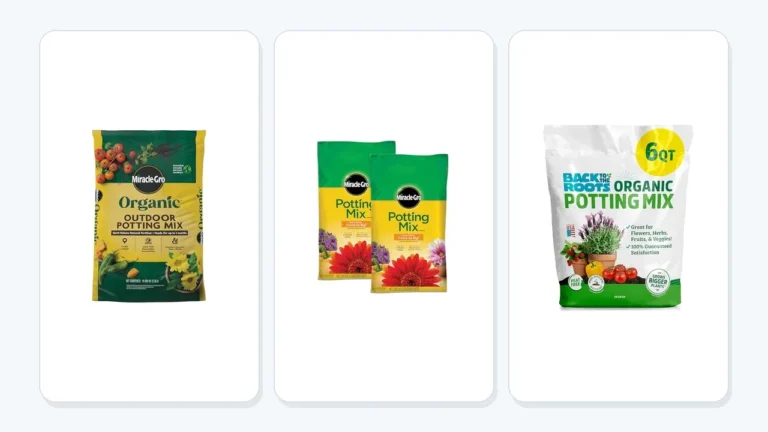
Miracle-Gro Organic Outdoor Potting Mix, 16 qt. | Check Price |
3 |
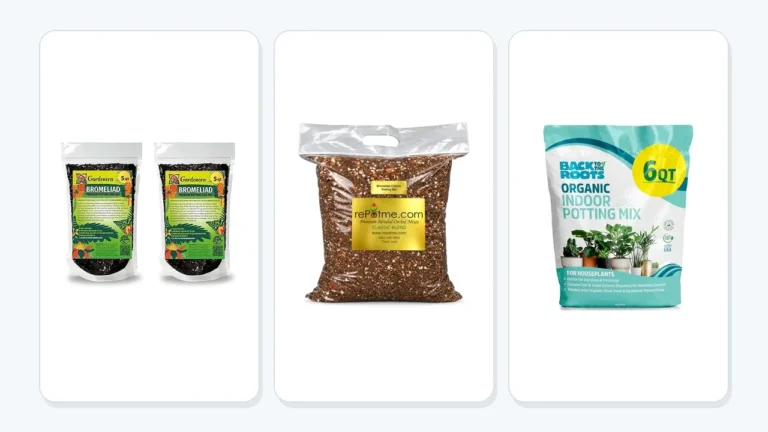
Miracle-Gro Organic Indoor Potting Mix, 16 qt. | Check Price |
4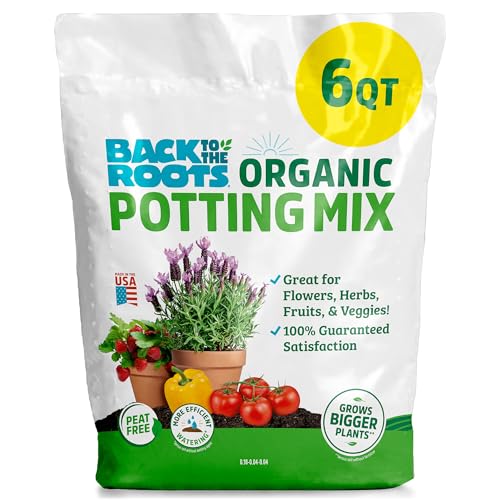 |
Back to the Roots Organic Potting Soil, | Check Price |
5 |
Burpee Premium Organic Potting Mix Garden Soil | Check Price |
5 Best Potting Soils for Tomatoes in Containers: Detailed Reviews
When I chose the best potting soil for tomatoes in containers, I paid attention to how each mix handles moisture, what the label says about feeding, and whether it is intended for outdoor containers. Those details can help you avoid an overly wet root zone, an unexpected fertilizer gap, or a mix that is simply meant for a different growing setup.
I also weighed bag size and how much preparation each option may need, because the wrong quantity or extra mixing can turn a simple planting into a chore. The picks range from a compressed coir brick to small bags of ready-to-use mixes, so you can match the choice to your container and routine rather than treating every potting mix as interchangeable.
1. Back to the Roots Organic Expanding Potting
The compressed coir brick expands to over 2 cubic feet, giving growers a peat-free base for several pots.
- Size51 Quart
- ColorExpanding Potting Mix
- WeightNot listed; check details
- DimensionsNot listed; check details
Back to the Roots Coir Brick is a compressed coconut-coir growing medium for gardeners who want to prepare a large amount of peat-free material for container planting. Its expanding format can suit someone filling several pots, though it takes more preparation than opening a loose bag and pouring.
The brick is made from coconut coir, the fibrous material from coconut husks. Once prepared according to the package directions, coir can provide a light growing base that holds moisture; for your tomato, that may mean a useful starting point for maintaining steady root-zone moisture between waterings.
The package describes a balanced pH and all-purpose use, including vegetables and plants grown in pots. That flexibility is handy if your garden has tomatoes alongside herbs or flowers, but “all-purpose” doesn’t tell you how much nutrition a heavy-feeding tomato will need over a full season. Check the label and plan a suitable feeding routine rather than assuming the coir brick alone supplies everything a mature plant needs.
The advertised expansion is over 2 cubic feet, and the listed size is 51 quarts. That is a substantial amount for a compressed brick, which can be easier to store before use than an equally large loose bag; you’ll still need to follow the package directions to prepare it and judge whether the expanded amount fits your containers.
Pros:
- Compressed coir expands to over 2 cubic feet for multiple pots.
- Coconut coir offers a peat-free base for container planting.
- Balanced pH supports the stated all-purpose use.
- Listed for vegetables, flowers, herbs, and starting seeds.
Cons:
- The brick needs preparation before you can fill a pot.
- The supplied details don’t state a complete tomato feeding schedule.
- The large expanded quantity may be more than one small pot needs.
Buy it if: you have several containers to fill, because the compressed coir expands to over 2 cubic feet and provides a peat-free starting base.
Skip it if: you need a ready-to-pour mix with clearly stated starter feeding, because the coir brick requires preparation and a loose potting mix may suit your planting day better. For another fit, consider Miracle-Gro Organic Outdoor Potting Mix, 16 or Miracle-Gro Organic Indoor Potting Mix, 16.
I’d choose Back to the Roots Coir Brick when storage space is tight before planting and several pots need filling afterward. The large expansion and peat-free material are the main reasons it earns the first spot, especially for a gardener who already has a feeding plan. Check the package directions and the amount of water needed to prepare the brick before buying.
It suits you best if you want a versatile base and don’t mind doing a little setup.
2. Miracle-Gro Organic Outdoor Potting Mix, 16 qt.
Natural fertilizer feeds outdoor container plants for up to two months, a helpful head start for busy gardeners.
- Size16QT
- Colorbrown
- Number Of Items1
- COVERAGEOne 16 qt. bag of Miracle-Gro Organic Outdoor Potting Mix fills one 12-inch pot with garden soil for containers (am
Miracle-Gro Outdoor Mix is a ready-to-use potting mix for outdoor container plants, including vegetables, herbs, flowers, and tomatoes. It may suit a new patio gardener who wants to fill a pot without first preparing a compressed growing medium.
A quick-release natural fertilizer is included, and the package says the mix feeds plants for up to two months. That gives a newly planted tomato some stated starter nutrition, so you don’t have to begin by selecting a separate fertilizer on planting day. It does not mean you should ignore plant growth or feeding instructions after that period; read the package and adjust care as the season progresses.
The mix uses responsibly sourced peat, according to the product details. Peat is a common ingredient in potting mixes, but gardeners who specifically want a peat-free blend should choose accordingly rather than assuming every mix labeled organic avoids peat.
A 16-quart bag is listed as enough to fill one 12-inch pot, with the amount varying based on the root ball. That’s a handy estimate for a small container, but a tomato may need a larger pot than a 12-inch starter container, so check the capacity of your chosen pot before deciding how many bags to buy.
Pros:
- Ready-to-use outdoor mix avoids preparing a compressed brick.
- Natural fertilizer feeds plants for up to two months.
- Intended for outdoor container vegetables, herbs, and flowers.
- The package gives a 12-inch-pot coverage estimate.
Cons:
- The mix contains peat, so it isn’t a peat-free choice.
- A 16-quart bag may not fill a larger tomato container.
- Feeding beyond the stated period still needs attention.
Buy it if: you’re planting an outdoor container tomato and want starter nutrition, because the natural fertilizer is stated to feed plants for up to two months.
Skip it if: avoiding peat is a priority, because this outdoor mix contains peat and a peat-free growing medium would better match that preference. Back and Miracle are worth a closer look instead.
What I like about Miracle-Gro Outdoor Mix is the straightforward combination of outdoor use and a stated feeding period. That can make the first steps easier for a beginner who wants to plant rather than blend ingredients. The 16-quart amount is the detail I’d double-check against the actual pot, since tomatoes often call for more room than a small decorative container provides.
This mix is a practical fit for outdoor growers who are comfortable with its peat ingredient.
3. Miracle-Gro Organic Indoor Potting Mix, 16 qt.
The catalog lists HELPS REGULATE SOIL MOISTURE: Miracle-Gro Organic Indoor Potting Soil Mix is an organic potting soil that prot. Compare fit and care needs before choosing.
- Size16.qt
- COVERAGEOne 16 qt. bag of Miracle-Gro Organic Indoor Potting Mix fills one 12-inch container with potting soil for indoor p
- WeightNot listed; check details
- DimensionsNot listed; check details
Miracle-Gro Indoor Mix is made for houseplants and other indoor container plants, with possible use for seed starting. It’s the least direct fit for a typical outdoor tomato garden, but an indoor grower with suitable light and space may consider it for a tomato grown inside.
The mix combines sphagnum peat moss, coir, and quick-start natural fertilizer. Coir and peat help form the growing medium, while the fertilizer provides a stated early nutrient source; for you, that means the mix has more going on than plain coir, but it does not remove the need to follow feeding directions as the plant grows.
Its moisture feature is described as helping regulate moisture and protecting against over- and underwatering. That may help smooth out small changes in watering, but it cannot replace checking the soil or making sure a container drains. Even moisture-supporting material can’t rescue roots left in a pot with no way for excess water to escape.
The product is intended for indoor containers, and the package says one 16-quart bag fills one 12-inch container, with the amount depending on the root ball. A tomato can become a sizable plant, so consider the final growing space and support needs before choosing an indoor setup; the mix’s intended setting alone doesn’t make a small pot suitable for a mature plant.
Pros:
- Peat, coir, and quick-start fertilizer form an indoor mix.
- Moisture regulation may help with small watering swings.
- Intended for houseplants, herbs, and seed starting.
- The package gives a 12-inch-container coverage estimate.
Cons:**
- Its intended use is indoor planting, not outdoor tomato containers.
- The listed coverage may not suit a mature tomato’s space needs.
- Moisture regulation doesn’t replace drainage or regular checks.
Buy it if: you’re growing a tomato indoors with enough light and room, because this mix is intended for indoor containers and includes coir and quick-start fertilizer.
Skip it if: your tomatoes will grow outdoors on a patio, because the mix is aimed at indoor plants and an outdoor container mix is a more direct match. If those trade-offs rule it out, Back or Miracle may suit you better.
I’d keep Miracle-Gro Indoor Mix in consideration only for a deliberate indoor growing setup. Its moisture feature and combination of coir, peat, and quick-start fertilizer may be useful, but its intended setting is a real limitation for most patio tomatoes. Before ordering, check the container size and think through light, airflow, and support for the plant.
This is best for an indoor gardener who has already planned those needs.
4. Back to the Roots Organic Potting Soil,
The catalog lists Includes 6qt of Back to the Roots Premium Blend Potting Mix. 100% Organic and Peat-Free, made from upcycled pl. Compare fit and care needs before choosing.
- Size6 Quart
- ColorPremium Potting Mix
- WeightNot listed; check details
- DimensionsNot listed; check details
Back to the Roots All-Purpose Mix is a small, peat-free potting blend for gardeners who want a compact bag for a container or a few smaller plantings. The 6-quart size may be convenient for a limited project, but it is unlikely to stretch far across several large tomato pots.
The blend is described as using upcycled plant matter and wood fines, material from wood processing that can add structure to a growing mix. For a container gardener, that can make a more varied base than a single ingredient; still, the product details don’t provide a full ingredient ratio or a tomato-specific fertilizer schedule, so check the bag before planning long-term feeding.
Yucca extract is included for moisture control, and dolomitic limestone is listed for pH balancing. In plain terms, those ingredients are intended to help manage moisture and soil acidity, which can make a container mix more forgiving to use. They don’t guarantee that your watering habits or the tomato’s nutrition will take care of themselves.
The mix is described as all-purpose for vegetables, herbs, fruits, and flowers, and it is made in the USA. Those broad uses are useful if you want to share a bag across different plants, but the 6-quart quantity is the main constraint. Measure your container’s needs before purchase so you don’t find yourself short halfway through planting.
Pros:
- Peat-free blend uses upcycled plant matter and wood fines.
- Yucca extract is included for moisture control.
- Dolomitic limestone is included for pH balancing.
- All-purpose use covers vegetables, herbs, fruit, and flowers.
Cons:
- The 6-quart bag may be too small for a large tomato pot.
- The supplied details don’t state a tomato-specific feeding period.
- You’ll need to check the bag for complete use directions.
Buy it if: you’re filling one small container and want a peat-free all-purpose mix, because the 6-quart size and moisture-control ingredients suit a limited planting.
Skip it if: you need soil for several full-size tomato containers, because the 6-quart bag may run short and a larger quantity would be more practical.
To me, the strongest case for Back to the Roots All-Purpose Mix is its compact size and clearly described peat-free ingredients. Yucca extract and limestone give you useful clues about moisture and pH goals, even though they aren’t a substitute for checking how your plant is doing. I’d verify the amount needed for your pot and look for feeding details on the bag.
Pick it for a small planting where a little mix is enough.
5. Burpee Premium Organic Potting Mix Garden Soil
The catalog lists SUPPORTS VIBRANT GROWTH: Transform your garden with our premium indoor/outdoor potting soil! This nutrient-ric. Compare fit and care needs before choosing.
- Size9 Quart
- ColorPotting Mix
- Number Of Items1
- WeightNot listed; check details
Burpee Premium Mix is a 9-quart potting mix for indoor plants and outdoor containers, including vegetables and herbs. Coconut coir is part of the blend, so the mix may suit a tomato grower looking for a ready-to-use option with a stated moisture and drainage focus.
Coir is described as helping the mix hold moisture while improving aeration, meaning the growing medium has space for air as well as water. That balance matters because container roots need moisture but can struggle in saturated soil; you’ll still need drainage holes and a watering routine that responds to the pot rather than the calendar.
The product details say the mix feeds plants immediately and provides slow-release nutrition for up to three months. Slow-release means nutrients become available over time rather than all at once, which may reduce the need to add fertilizer right after planting. Follow the package directions, and don’t assume the stated period means every tomato needs exactly the same feeding plan.
The bag is 9 quarts and is described as useful for pots and raised beds. That smaller volume may be enough for a modest planting, but it could leave you short for a bigger tomato container. Check the bag and your pot size together before purchase; a soil shortage mid-planting is a very avoidable garden annoyance.
Pros:
- Coconut coir is included for moisture balance and aeration.
- Listed for indoor plants and outdoor containers.
- Nutrition is stated to last for up to three months.
- The mix is intended for vegetables, flowers, and herbs.
Cons:
- The 9-quart bag may not fill a large tomato pot.
- A stated feeding period still requires following package directions.
- The supplied details don’t give a container coverage estimate.
Buy it if: you want a ready-to-use mix with coir and stated slow-release nutrition, because the blend is intended for outdoor containers and vegetables.
Skip it if: you need a clearly stated volume for a large pot, because the 9-quart bag has no supplied coverage estimate and may require more than one bag.
I’d consider Burpee Premium Mix for someone who wants a small, multipurpose bag and appreciates having a stated feeding period. The coir and aeration focus are relevant to container roots, and the mix is described for both indoor and outdoor use. I’d check the amount needed before buying, since 9 quarts can disappear quickly in a deep pot.
This is a sensible option for a smaller container or a limited planting.
How to Choose the Best Potting Soil for Tomatoes in Containers
The right mix should hold water for the roots while still letting excess moisture drain away, and its feeding details should make sense for your planting plan. When comparing the best potting soil for tomatoes in containers, match the intended use and bag volume to the pot you’ll actually plant.
Container volume and bag size
A tomato needs room for roots, water, and nutrients, so check the final container’s capacity before buying a bag. A 5-gallon container is a common starting point for many tomato varieties, while larger plants may benefit from more room; follow the needs of your variety and check that the container is stable enough to support a growing plant.
Bag volume is often shown in quarts, and one cubic foot equals about 25.7 quarts. That conversion can help you compare a 51-quart brick with smaller 6-, 9-, or 16-quart bags, but the amount you need depends on the pot shape, root ball, and whether you’re filling one container or several. A practical container potting soil guide can help you think about how mix volume and container type work together.
Drainage and air around roots
Good container soil should not stay waterlogged after watering. Look for a mix intended for containers, and use a pot with drainage holes; a layer of rocks at the bottom does not replace holes and can leave water trapped above the rock layer.
Ingredients such as coir can help hold moisture, while a mix’s structure also needs to leave air spaces around roots. Product descriptions may use words like “aeration” or “drainage,” but those terms don’t mean you can water without checking. If the pot remains wet for days, review the drainage holes, weather, and watering amount before adding more water.
Feeding and fertilizer claims
Tomatoes need nutrition as they grow, flower, and set fruit, but potting mixes differ in how much fertilizer they include and how long the label says it feeds. Check whether the mix has starter fertilizer, slow-release nutrients, or no stated feeding period, then follow the package directions rather than stacking extra fertilizer on top without a plan.
Container vegetables can use up available nutrients as roots fill the pot, so it helps to understand the label before planting. For a broader look at choosing a growing medium for several edible crops, see this container vegetable soil guide. Keep the feeding instructions with the plant so you know when to check them again.
Intended setting and ingredients
Choose an outdoor mix for a patio or balcony tomato unless you have a specific indoor growing setup. A mix made for indoor houseplants may have moisture features that sound helpful, but it does not solve the need for strong light, adequate space, and plant support.
Check whether peat-free ingredients matter to you, and read the actual ingredient details rather than guessing from a product name. Coir, peat, wood fines, and other organic materials can behave differently as a mix dries; a plain-language tomato soil guide for pots can help you compare the needs of a tomato with the limits of a small container.
Pot shape, location, and care routine
A pot in hot afternoon sun can dry faster than one in a cooler, shaded spot. Before choosing the mix, think about how often you can check moisture, how much rain reaches the container, and whether you can move or shade the pot during extreme heat.
A deep, stable container with drainage is usually easier to manage than a shallow pot that dries rapidly. If the pot is on a balcony or deck, account for the weight of wet soil and water, and make sure the location can support it. A little planning here can prevent a last-minute scramble after the tomato starts growing.
How to Use Potting Soil for Tomatoes in Containers
Start with a clean pot that has drainage holes, use the mix according to its package directions, and water thoroughly after planting. Then check the soil regularly so your routine responds to the plant, the weather, and the pot rather than an arbitrary schedule.
- Choose the final pot first. Confirm that the container is large and stable enough for your tomato, and that water can escape through the bottom.
- Read the soil label before opening the bag. Check whether the mix needs preparation, how much it covers, and what it says about fertilizer.
- Prepare compressed material as directed. For a coir brick, follow the package’s instructions instead of guessing at the water amount or preparation time.
- Fill the pot partway. Leave enough room to position the root ball and add mix around it without burying the plant too deeply.
- Set the tomato into the container. Loosen a tightly bound root ball gently, then add mix around the roots and press lightly so the plant is supported without packing the soil hard.
- Water slowly and let excess drain. Wet the mix evenly, then make sure water can leave the pot instead of pooling in a saucer.
- Add support early if the variety needs it. A stake or cage is easier to position before the roots and stems spread through the container.
- Keep checking moisture and feeding directions. Feel the mix below the surface and follow the label’s fertilizer guidance as the plant grows.
For tomatoes in pots, the mix itself is only part of the setup: light, drainage, and enough root space matter too. A guide to tomatoes in pots can be useful when you’re deciding how a container’s soil fits into the rest of the growing setup.
How to Make Your Tomato Potting Soil Last Longer
Store unused mix in a dry, covered place, keep the bag closed, and avoid leaving potting soil exposed to rain or standing water. During the season, protect the mix’s structure by watering gently and keeping the container’s drainage openings clear.
Close opened bags so wind and rain can’t carry debris into the mix. Keep bags off wet ground if possible, and don’t store them in a place where water can collect around the opening. If the mix becomes soaked or develops an unusual odor, check the package guidance before using it with seedlings or a food crop.
At the pot, pull away fallen leaves and other debris that can cover the soil surface. Check drainage holes now and then, especially if roots or loose material are blocking them. Avoid pressing the soil into a hard layer, since compacted mix can make water movement and root growth more difficult.
Follow the fertilizer label rather than adding extra feed whenever leaves look pale. Too much fertilizer can create problems of its own, and a plant’s appearance can reflect watering, light, temperature, or other stress. If a tomato is struggling, check those basics before adding another dose.
At the end of the season, don’t assume used mix is automatically suitable for another tomato. Consider how healthy the plant was, whether pests or disease were present, and whether the old mix has become compacted or depleted. If you want to reuse it, read a careful guide to reusing tomato potting soil and refresh the mix only when it makes sense for the plant and container.
Common Mistakes to Avoid When Buying and Using Tomato Potting Soil
Most container-soil problems begin with a mismatch: the wrong use, too little volume, blocked drainage, or a care routine that ignores the plant. These fixes are simple, but they’re easier to make before the tomato is established.
- Choosing garden soil for a container: Dense ground soil can behave poorly in a pot. Use a mix labeled for containers instead.
- Buying only by bag count: Small bags may not fill a large pot. Compare the listed volume with your container before planting day.
- Ignoring the intended setting: An indoor mix is not automatically the best choice for an outdoor patio tomato. Match the mix to where the plant will grow.
- Assuming “moisture control” prevents every watering problem: It doesn’t replace drainage or checking the mix. Make sure water can escape and adjust watering to conditions.
- Adding fertilizer without reading the label: Some mixes already include nutrients. Check the stated feeding period before adding more.
- Filling a pot with no drainage holes: Excess water has nowhere to go. Choose a container with open holes and keep them clear.
- Reusing old mix without checking its history: A mix from an unhealthy plant may not be a good choice for a new tomato. Assess the old plant and the mix before reusing it.
If you also grow herbs nearby, keep in mind that watering needs can differ between plants and pots. A soil guide for herb pots can help you plan those separate containers instead of assuming every edible plant wants the same watering routine.
How to Set Up Potting Soil for Tomatoes in Containers
Set up the pot before moving the tomato into it, and keep the bag label nearby so you can follow the mix’s own directions. The steps below cover the usual container preparation; for a compressed brick or a mix with special instructions, the package directions take priority.
- Pick a suitable location. Choose a spot that gives the tomato enough sunlight for its variety and leaves room to water and harvest.
- Check the container. Confirm that it has drainage holes and enough capacity for the expected plant size.
- Set up support. Place a stake or cage while the pot is still easy to reach, taking care not to damage the root ball later.
- Prepare the mix. Open a loose mix or expand a compressed coir brick according to its package instructions.
- Add a base layer. Put enough mix in the pot to position the root ball at the right height without covering the container’s drainage openings.
- Position and backfill. Set the tomato in place, add mix around the roots, and press gently so the plant stands upright.
- Water and check drainage. Water the soil evenly and confirm that excess water can run out of the bottom.
- Keep the care label. Note any stated fertilizer period and check the plant’s moisture needs as weather and growth change.
The most common beginner snag is filling the container before checking the bag volume or drainage. A quick check first can save you from moving a heavy pot or trying to patch a soil shortage with whatever is left in the shed.
Common Questions About Potting Soil for Tomatoes in Containers
Can I use regular garden soil in a tomato pot?
Use potting mix made for containers rather than digging up regular garden soil. Ground soil can become dense inside a pot and may not drain or hold air the way container roots need. Choose a mix intended for containers, then make sure the pot itself has open drainage holes.
How much potting soil does a tomato container need?
The amount depends on the pot’s capacity and the space the tomato variety needs as it grows. A 5-gallon container is a common starting point for many tomatoes, but larger plants may need more room. Compare the container volume with the bag’s quart or cubic-foot amount before buying.
Should tomato potting soil include fertilizer?
It can, but check the package to see what kind of fertilizer is included and how long the label says it feeds. Starter nutrition may be useful after planting, while a growing tomato can need continued feeding later. Follow the mix’s directions and avoid adding fertilizer without checking what is already present.
Is coir potting soil suitable for tomatoes?
Coir can be used as a growing-medium ingredient for tomatoes, but check the mix’s intended use and feeding information. A coir-based product may hold moisture and provide a peat-free base, while a tomato still needs suitable nutrition, room, and drainage. Follow the package directions if the coir comes compressed.
Can I use indoor potting mix for outdoor tomatoes?
Use an outdoor container mix for an outdoor patio tomato unless the indoor mix’s label says it is suitable for outdoor use. Indoor mixes can have features aimed at houseplants, but they don’t address outdoor weather, sun, or a tomato’s support needs. Check the intended use on the bag before planting.
Can I reuse potting soil after growing tomatoes?
Sometimes, but first consider whether the previous plant had disease or pest problems and whether the mix still drains well. Old soil may be compacted or low in nutrients, and using it again without checking can create trouble for the next plant. Follow a careful reuse plan and refresh the mix only when appropriate.
Before You Fill the Tomato Pot
Before buying, measure the container, confirm that it drains, and match the bag’s intended use and volume to your planting plan. Then read the fertilizer directions so you know what care may be needed after the first weeks of growth.

I’m Maya L. Greenwood, a lifelong plant lover who believes anyone can grow something beautiful with the right guidance. After years of testing soil mixes, pruning methods, irrigation tricks, and pest-safe solutions, I started EasyGardenTips.com to turn hard-won lessons into step-by-step advice. From seed starting and container gardens to composting and seasonal checklists, my goal is to make gardening simple, sustainable, and fun.
One Comment