
How Much Peat Moss to Add to Potting Soil: Ratios That Work Best
For most container plants, add peat moss as 10% to 30% of the finished potting mix by volume, starting near 20% if you’re unsure. Use less for plants that need fast drainage and more only when a mix dries too quickly.
Does your potting mix dry out before you remember to water again, or stay soggy long after watering? The right amount can help with moisture, but too much can leave roots short on air.
I once mixed peat into a container blend without fluffing or dampening it first. Dry clumps floated to the surface while the rest of the pot turned heavy and wet, and I had to take the whole mix apart. It’s a common mistake, not a dumb one.
I wrote this to give you a useful starting ratio, then show how to adjust it for your plants, pot, and existing mix. You don’t need a lab or a fancy measuring tool; a bucket works just fine.
Get the proportion right, and you can improve water retention without turning a planter into a swamp. Get it wrong, and you may end up with slow drainage, unhappy roots, or a bag of mix you can’t use as planned.
This takes about 10 minutes to read. You’ll come away knowing how to:
- Measure a peat moss ratio by volume.
- Adjust the amount for different plants and containers.
- Mix peat evenly and wet it before planting.
- Tell when a peat-free option makes more sense.
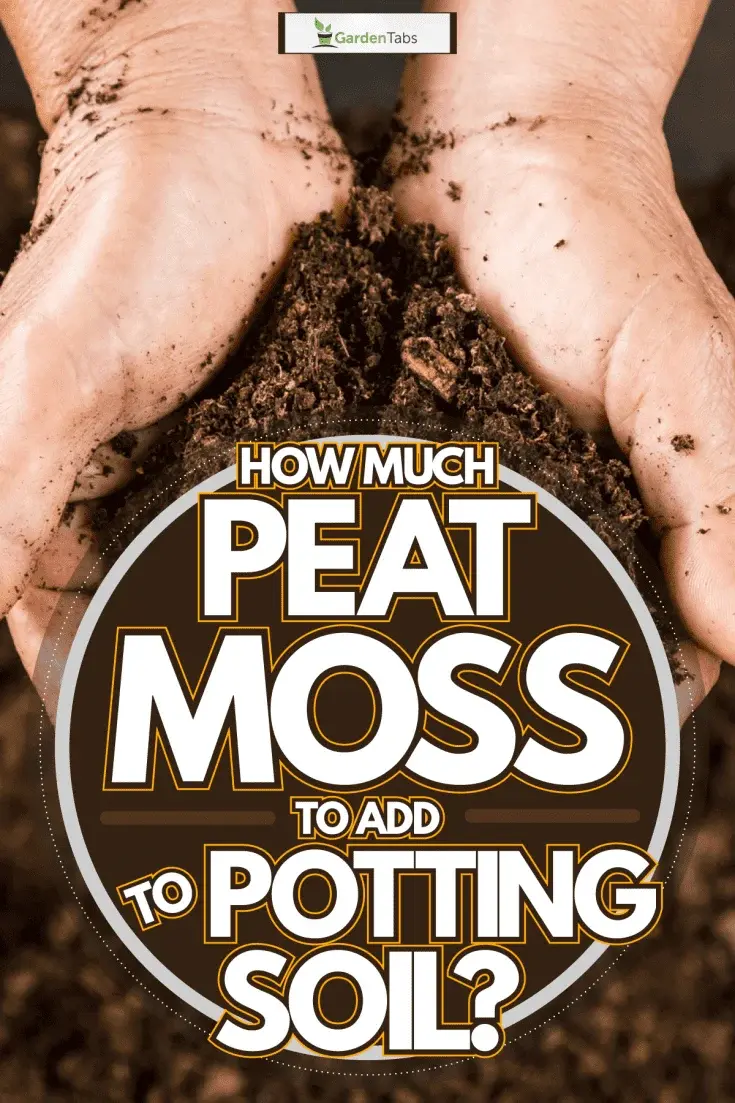
How Much Peat Moss to Add to Potting Soil
For most houseplants and outdoor container plants, peat moss should make up about 10% to 30% of the finished mix by volume. Start with 1 part peat moss to 4 parts potting soil for a roughly 20% addition, then adjust if the mix dries too quickly or stays wet too long.
Use volume, not weight, for this ratio. Peat moss is light and compresses easily, so weighing it won’t give you a consistent mix; measure both ingredients loosely in the same bucket or scoop.
| Peat moss in finished mix | Simple measuring ratio | Good starting point for |
|---|---|---|
| 10% | 1 part peat to 9 parts potting mix | Plants that need a quicker-drying blend |
| 20% | 1 part peat to 4 parts potting mix | Many common container plants |
| 25% | 1 part peat to 3 parts potting mix | Mixes that dry out quickly |
| 30% | About 3 parts peat to 7 parts potting mix | A cautious upper range for added moisture retention |
The ratios describe the finished mix. If you add 1 gallon of peat moss to 4 gallons of potting soil, you have 5 gallons total, so peat makes up 20% of the finished blend.
That distinction matters when a recipe calls for a percentage. Adding “20% of the soil’s volume” is different from adding peat equal to 20% of the final mix. For everyday container work, the simple 1-to-4 ratio is a handy starting point.
A five-gallon batch at that ratio uses 1 gallon of peat moss and 4 gallons of potting soil. Scale the same ratio up or down, and keep the ingredients loose while measuring so you don’t accidentally pack extra peat into the bucket.
Pro Tip: Write the ratio on a scrap of tape and stick it to your mixing bucket. When you make another batch next month, you won’t have to guess what worked.
Peat moss is an ingredient, not a complete potting mix. It holds water well but has few nutrients, so adding more of it doesn’t automatically feed a plant or fix every problem with its current soil.
Choose a Peat Moss Ratio That Fits Your Plants
The best amount depends on how quickly your current mix dries and how much moisture your plants prefer. Peat moss holds water and can make a potting blend feel lighter when dry, but a high proportion can also slow drying and reduce air around roots.
Start with the plants, not a one-size-fits-all recipe. A thirsty fern in a warm room may benefit from more moisture retention, while a cactus in a deep pot can struggle if its mix stays damp.
- Houseplants that like evenly moist soil: Try 20% to 25%, then check the mix before watering again.
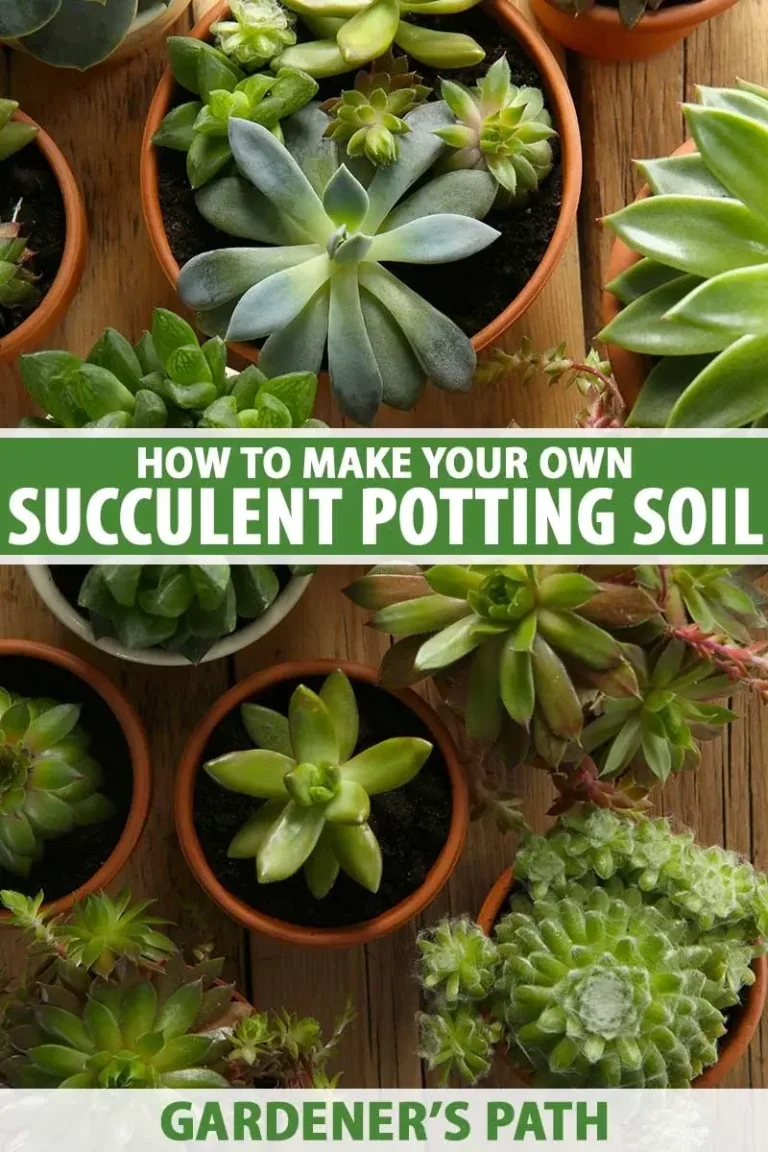
- Cacti and succulents: Keep peat low, often around 10% or less, and use a mix that drains freely.
- Seed starting: Choose a fine, clean seed-starting blend rather than adding a large amount of peat to ordinary potting soil. Tiny seedlings need an even texture and steady moisture.
- Outdoor planters: Begin around 20%. Sun, wind, pot size, and drainage holes can change how often you need to water.
- Large containers: Don’t add extra peat just because the pot is large. Check moisture farther down, since the surface can dry while the lower mix stays wet.
Your pot and growing conditions matter as much as the plant label. A small clay pot in a breezy spot dries differently from a plastic pot sitting in a cool corner, even if both contain the same plant.
What if you’re choosing between adding peat moss and changing your potting mix altogether? Peat moss changes the ingredients in a mix, while potting soil is the ready-to-use blend you start with; comparing peat moss and potting soil helps clarify which one you actually need.
Check the mix before reaching for another scoop. If water runs through quickly and the root zone dries soon after, a modest increase may help; if the pot remains wet, added peat is unlikely to solve the real problem.
I once tried to stretch a small amount of potting mix by adding a generous scoop of dry peat. The surface looked loose, but the center stayed wet and the roots weren’t getting the airy texture I wanted. I now adjust a test batch first, which is much easier than rescuing a full planter.
If you’re building a blend from scratch, peat moss is only one part of the recipe. A guide to making potting soil at home can help you think through the balance of moisture-holding material, drainage, and nutrients rather than relying on peat alone.
Mix Peat Moss Safely and Avoid Common Problems
Good mixing starts with dampening the peat and spreading it evenly through the potting soil. Dry peat can repel water at first, so planting into it dry may leave pockets that are hard to wet later.
- Measure the ingredients by volume. Use the same container for peat and potting soil, and avoid pressing either material down.
- Dampen the peat moss. Add a little water at a time and stir until it’s evenly moist, not dripping.
- Blend in the potting soil. Break apart clumps and mix until the color and texture look consistent.
- Check the blend’s moisture. Squeeze a handful gently. The mix should hold together loosely, then fall apart when you open your hand.
- Plant and water slowly. Water until the root zone is evenly moist and excess water can drain from the pot.
Wear gloves and avoid breathing dusty material while handling dry peat or potting mix. Work in a spot with good airflow, and wet dusty ingredients before stirring them; if you have a health condition that makes airborne dust a concern, take extra care or ask a clinician about precautions.
Important Tip: Don’t press the finished mix into a pot to make it fit. Compaction cuts down on air spaces, and roots need those spaces to take up oxygen as well as water.
Watch out for the common mistake of treating “more moisture retention” as an automatic improvement. Too much peat can leave a mix wet for too long, and a dense or poorly draining pot can make that problem worse.
| What you notice | Possible cause | A sensible next step |
|---|---|---|
| Water beads on the dry surface | Peat or the mix has dried out and resists wetting | Rewet gradually and stir; don’t dump in a large amount at once |
| Pot stays heavy and wet | Too much moisture retention, poor drainage, or both | Check drainage holes and reduce watering frequency |
| Mix dries very fast | Small pot, hot or windy conditions, or little moisture-holding material | Try a small increase in peat or adjust watering |
| Water runs down the sides | The mix may have pulled away from the pot or become hard to wet | Water in stages and check that the root ball gets wet |
If you already have a bag of potting soil, add peat in small batches rather than changing the whole bag at once. A one-gallon test batch makes it easy to compare the original mix with a version containing 10% or 20% peat.
Peat moss can also affect acidity. The material is naturally acidic, but the final mix’s pH depends on the other ingredients and any adjustments made by the potting-mix maker, so don’t assume a particular plant needs peat just because it likes acidic conditions.
Do you need to add sand for drainage instead? Usually, coarse perlite or bark is a better choice in container mixes, while fine sand can make some blends heavier; read about how much sand to add before treating sand as a universal fix.
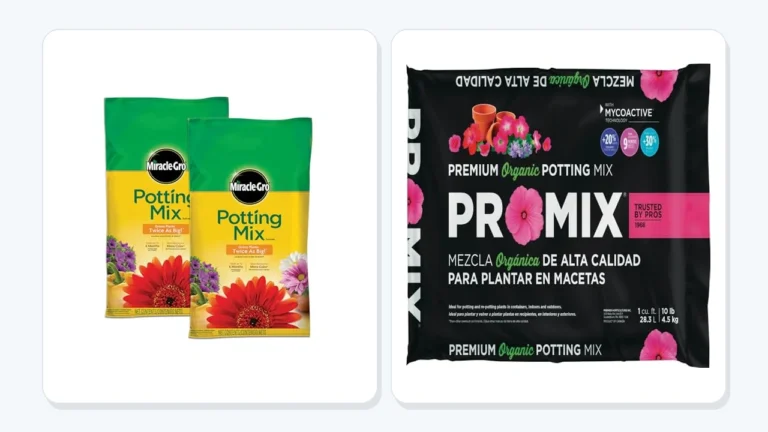
Your budget matters too, especially if you’re preparing several containers. Compare the cost of peat with ready-made options and cheap potting soil choices, but judge the mix by ingredients and how it performs, not just the bag price.
Peat-free products are another option if you’d rather avoid peat. Coir, bark, and compost can all appear in those mixes, but their water-holding and drainage vary, so a peat-free potting soil option still needs to suit your plant and watering habits.
If you move heavy planters often, don’t assume that adding peat will make the finished mix lighter once it’s wet. A lightweight potting soil blend may be a better fit, particularly for window boxes and containers you need to lift.
Before mixing a large batch, keep these checks nearby:
- The peat is damp, not dusty or dripping.
- The potting mix has drainage holes to let excess water out.
- The added peat matches the plant’s moisture needs.
- The test batch dries at a useful pace for your routine.
FAQs About How Much Peat Moss to Add to Potting Soil
Can I add peat moss directly to potting soil?
Yes, peat moss can be mixed directly into potting soil, but dampen it first and measure by volume. Start with about 1 part peat to 4 parts potting soil, then test the blend before using it in every container. Peat moss alone won’t supply the nutrients a growing plant needs.
Is 50% peat moss too much for potting soil?
For many container plants, 50% peat moss is more than needed as an amendment and may keep the mix wet for too long. Some specialized growing blends use high peat content, but those are formulated for a purpose. Match the proportion to your plant, pot, watering routine, and the rest of the ingredients.
Should I add peat moss to potting soil for tomatoes?
Tomatoes can grow in a well-draining container mix that holds steady moisture, and a modest peat addition may help if the mix dries too quickly. Start near 10% to 20%, then check moisture below the surface. Extra peat won’t replace a large enough container, drainage, or regular feeding.
Does peat moss need fertilizer?
Yes, growing plants need nutrients, and peat moss by itself contains very little plant food. If you’re adding peat to a fertilized potting mix, check the mix label before adding more fertilizer. Overfeeding can damage roots, so follow product directions rather than guessing from the amount of peat.
Can I use peat moss in potting soil for succulents?
Yes, but use only a small amount if the original mix needs a little more moisture retention. Succulents generally need a blend that drains and dries between waterings, so a high peat proportion can work against that. If the soil stays damp, change the blend or watering routine instead of adding peat.
Make a Small Test Batch Before You Repot
For most potting soil, 1 part peat moss to 4 parts mix is a reasonable starting point, not a rule you have to follow for every plant. A cactus, a fern, and a sunny patio planter don’t all want the same moisture level, and the pot itself changes how quickly the blend dries.
I’d start with a small batch, dampen the peat before mixing, and give the blend a few watering cycles before changing the ratio again. That way, you can tell whether the peat helped or whether drainage, pot size, or watering frequency is the real issue. The next step is simple: measure a small amount, mix it evenly, and check how it behaves where your plant actually grows.

I’m Maya L. Greenwood, a lifelong plant lover who believes anyone can grow something beautiful with the right guidance. After years of testing soil mixes, pruning methods, irrigation tricks, and pest-safe solutions, I started EasyGardenTips.com to turn hard-won lessons into step-by-step advice. From seed starting and container gardens to composting and seasonal checklists, my goal is to make gardening simple, sustainable, and fun.
One Comment