5 Best Potting Soil for Indoor Basil: Mixes for Bushy, Tasty Leaves
A basil plant can look fine for a few days after potting, then droop because the mix stays soggy or dries out before you notice. The wrong bag can also leave you with far more soil than a windowsill pot needs, or a dense mix that makes watering feel like guesswork.
For basil, start with a loose potting mix that holds some water but lets extra drain through the pot. A pot with drainage holes matters just as much; without them, even a suitable mix can leave roots sitting in water. Bag size also makes a difference when you are growing one plant rather than filling several containers.
Here’s what this guide will help you sort out:
- Which soil blends have useful features for indoor herbs.
- How to match bag size and drainage to your pot.
- How to pot basil and water without turning the soil into a swamp.
- What to check on the package before you buy.
Quick Picks
-
Best For Larger Indoor Herb Pots

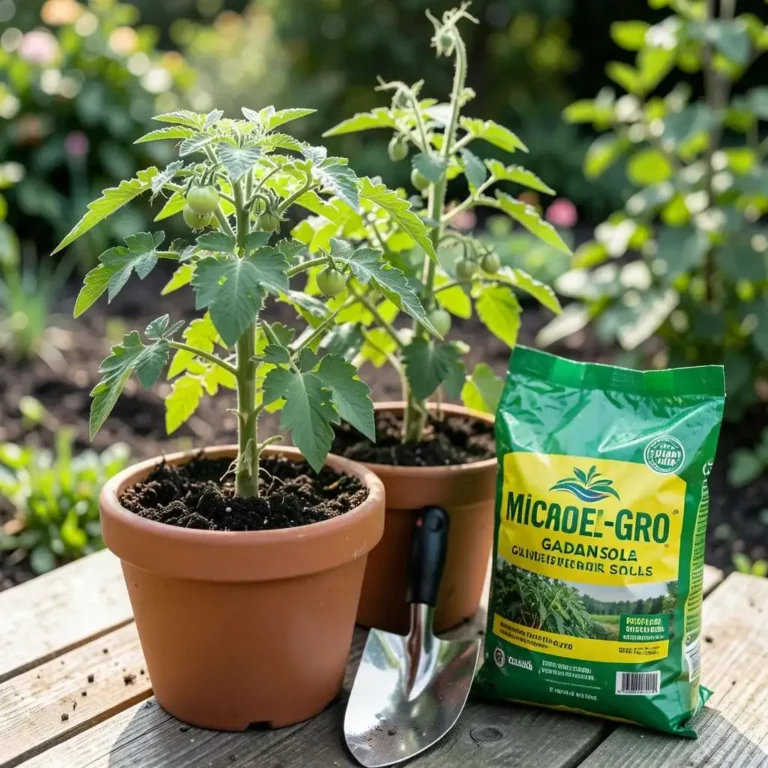
Miracle-Gro Organic Indoor Potting Mix, 16 qt.
A 16-quart mix with peat moss, coir, and natural fertilizer suits indoor herbs when you need soil for a larger container.
-
Best For Small Herb Containers

Rosy Soil Herb Mix, Organic Indoor and
This peat-free, fast-draining blend comes in a resealable 4-quart bag, useful for a few countertop or windowsill herb pots.
Top 5 Potting Soils for Indoor Basil at a Glance
The first two mixes are the easiest starting points if you want a bag aimed at indoor herbs or a broader indoor container mix. The remaining choices vary in bag size, listed ingredients, and whether the blend is positioned for herbs, leafy greens, or general containers.
| Product image | Product name | Check product |
|---|---|---|
| 1 |
Miracle-Gro Organic Indoor Potting Mix, 16 qt. | Check Price |
| 2 |
Rosy Soil Herb Mix, Organic Indoor and | Check Price |
3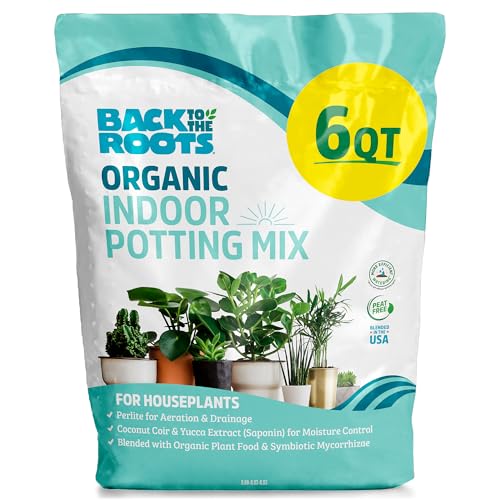 |
Back to the Roots Organic Indoor Potting | Check Price |
4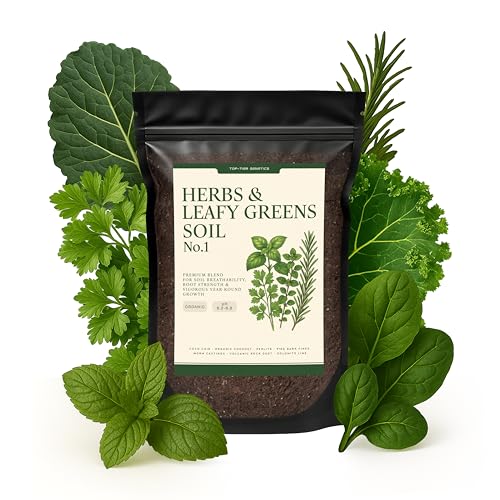 |
Herbs and Leafy Greens Soil | Check Price |
5 |
Burpee Premium Organic Potting Mix Garden Soil | Check Price |
5 Best Potting Soils for Indoor Basil: Detailed Reviews
When I chose the best potting soil for indoor basil, I paid attention to moisture behavior, drainage, stated ingredients, and how much soil comes in each bag. Those details can help prevent the common beginner headaches: a plant that stays wet too long, a mix that dries too quickly, and a half-used bag taking over a closet.
The choices range from small herb mixes to larger indoor and multipurpose blends, so you can compare the kind of soil and the amount you will actually use. I also looked at whether the product is described as suitable for herbs and indoor containers, since a bag aimed at a different job may not suit a kitchen basil pot as neatly.
1. Miracle-Gro Organic Indoor Potting Mix, 16 qt.
A 16-quart mix with peat moss, coir, and natural fertilizer suits indoor herbs when you need soil for a larger container.
- Size16.qt
- COVERAGEOne 16 qt. bag of Miracle-Gro Organic Indoor Potting Mix fills one 12-inch container with potting soil for indoor p
- WeightNot listed; check details
- DimensionsNot listed; check details
Miracle-Gro Organic Indoor Mix is a general indoor container potting mix for basil growers who want a larger bag and a blend described as helping regulate moisture. It is also listed for houseplants, herbs, and seed starting, so the bag may be useful beyond a single basil pot.
The mix contains sphagnum peat moss, a moisture-holding ingredient that helps keep water available between checks. It also includes coir, a fiber used in potting blends to help manage moisture and texture, so the mix is designed to balance holding water with letting excess drain. That may make watering less touchy, though your pot and room conditions still affect how quickly the soil dries.
The package describes this as an organic indoor mix with quick-start natural fertilizer. That means the mix includes a fertilizer source, so you may not need to add plant food immediately after potting; check the package directions before adding more. Its 16-quart bag is sized for a larger container, but you could have leftovers if you are only planting one small basil pot.
Pros:
- Moisture-regulating mix, giving beginners more forgiving watering conditions.
- Peat moss and coir, combining water-holding and airy materials.
- Natural fertilizer included, so the mix has a stated feeding component.
- Listed for indoor herbs, useful if you grow more than basil.
- 16-quart bag, enough soil for a larger container.
Cons:
- The 16-quart bag may be more than one small pot needs.
- Moisture balance still depends on drainage holes and your watering habits.
- The ingredient list includes peat moss, unlike peat-free choices.
Buy it if: you are filling a larger indoor herb container, because the 16-quart blend is designed for indoor plants and helps regulate moisture.
Skip it if: you only need soil for one small pot, because the larger bag may leave substantial leftovers, and a small-bag herb mix would suit you better. For another fit, consider Rosy or Back.
I’d consider Miracle-Gro Organic Indoor Mix when having one versatile bag matters more than buying the smallest amount. The moisture-focused blend and indoor herb use make sense for someone still learning how quickly a basil pot dries. Check the package directions for planting and fertilizer guidance, and choose it if you expect to fill a roomy pot or use the extra mix elsewhere.
2. Rosy Soil Herb Mix, Organic Indoor and
This peat-free, fast-draining blend comes in a resealable 4-quart bag, useful for a few countertop or windowsill herb pots.
- Size4 Quarts
- ColorHerb
- Number Of Items1
- WeightNot listed; check details
Rosy Soil Herb Mix is a small-bag potting blend made for herbs, including basil, and suits someone growing a few plants in containers. Its 4-quart bag is described as filling two to three medium 6-inch pots, so the quantity is easier to picture before you buy.
The mix is peat-free, meaning peat moss is not used as an ingredient. Instead, the stated components include wood biochar, compost, worm castings, bark fines, and mycorrhizae, a group of beneficial fungi that can work with plant roots. For a beginner, the practical point is that the bag has a more detailed herb-focused ingredient profile than a plain general-purpose mix, though those ingredients do not remove the need to water carefully.
Rosy Soil is also described as fast-draining and ready to use without mixing. Faster drainage can help excess water leave the root area, which is useful when basil is in a pot with holes, but a very airy mix may need more frequent checking in a warm, sunny spot. The resealable bag is handy if you have a little left over after planting.
Pros:
- Formulated for herbs, including basil and several kitchen favorites.
- Peat-free ingredient blend, for buyers avoiding peat moss.
- Fast-draining texture, helping excess water move through a pot.
- 4-quart resealable bag, easier to store after a small planting.
- Stated capacity of two to three medium 6-inch pots.
Cons:**
- A small bag may not cover a large planter.
- Quick drainage can mean more frequent moisture checks in a sunny room.
- The ingredient list may be more specialized than needed for one basic pot.
Buy it if: you are planting a few small herb pots, because the 4-quart bag is sized for that job and is ready to use.
Skip it if: you need to fill a deep or wide planter, because a single small bag may not cover it, and a larger container mix would suit you better. Miracle and Back are worth a closer look instead.
What I like about Rosy Soil Herb Mix is the clear match between its intended use and a kitchen herb setup. The smaller bag and ready-to-use format help avoid storing a bulky surplus, while the peat-free, fast-draining blend gives you a distinct option from general indoor soil. Check the pot capacity against your actual containers, and pick it if you want a compact bag meant for herbs.
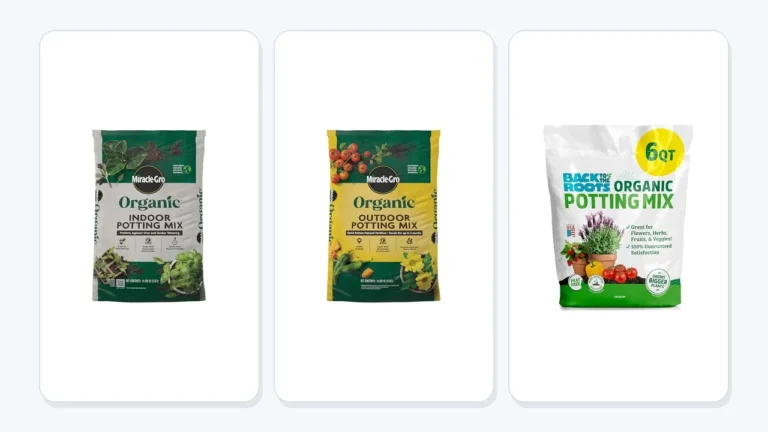
3. Back to the Roots Organic Indoor Potting
The catalog lists Includes 6qt of Back to the Roots Indoor Potting Mix. Our Potting Mix contains organic yucca extract that aids. Compare fit and care needs before choosing.
- Size6 Quart
- ColorIndoor Potting Mix
- Release Date2023-01-01T00:00:01Z
- Number Of Items1
Back to the Roots Indoor Potting Mix is a peat-free blend for people who want one bag for basil and other indoor plants. Its 6-quart size sits between the small herb bag and larger container mixes, which can be a practical amount for a couple of modest pots.
The mix includes yucca extract, which the product describes as helping retain moisture in soil. That can support a more even interval between watering, but it does not mean the soil should remain constantly wet. Feel the soil before watering and use a container with drainage holes so surplus water has somewhere to go.
The listed ingredients also include mycorrhizae, fungi that can associate with roots and are described as supporting root development and nutrient uptake. Back to the Roots says its blend is made without bark or compost and is less prone to indoor gnats and pests. Treat that as a stated product feature rather than a promise that pests cannot appear; clean pots and sensible watering still matter.
Pros:
- Peat-free mix, useful if you prefer to avoid peat moss.
- 6-quart bag, a middle-ground quantity for a few containers.
- Yucca extract, described as helping retain soil moisture.
- Mycorrhizae included, with a stated root-supporting role.
- Made without bark or compost, according to the product details.
Cons:
- The bag is not specifically positioned as a basil-only herb mix.
- Moisture retention still calls for checking soil before watering.
- Its stated pest-related feature does not guarantee a pest-free pot.
Buy it if: you want a peat-free indoor mix for basil and other houseplants, because the 6-quart bag and moisture-retaining yucca suit a few indoor containers.
Skip it if: you want a blend specifically formulated and sized for herbs, because this mix is presented for indoor plants more broadly, and an herb-focused potting mix would suit you better. If those trade-offs rule it out, Miracle or Rosy may suit you better.
I’d put Back to the Roots Indoor Potting Mix in the middle for shoppers who want a general indoor blend without peat. The bag size is manageable, and the stated moisture and root-support ingredients give you clear things to compare. I would still check the full directions and ingredient details before planting, and choose it if you need soil for basil plus other indoor pots.
4. Herbs and Leafy Greens Soil
The catalog lists ✔ VERSATILE BLEND: Premium potting mix specifically formulated for growing herbs and leafy greens indoors with. Compare fit and care needs before choosing.
- Size2 QTS
- ColorOrganic
- ✔ GROWING CAPACITYSuitable for multiple plant varieties including basil, mint, parsley, lettuce, and other common kitchen herbs
- WeightNot listed; check details
Herbs and Leafy Greens Soil is a small, ready-to-use style mix aimed at indoor herbs and greens, including basil. The 2-quart bag is best suited to a very small pot or a limited top-up, rather than a large planter or several full-size containers.
The mix is described as light and fluffy, which means the soil is intended to have an open texture that roots can spread through more easily. The product also says it combines moisture retention with drainage and aeration, or movement of air through the mix. Those goals matter because basil needs both available water and a root area that does not stay waterlogged.
The listed details do not name the ingredients or a precise fertilizer level. That makes this option harder to compare by recipe, so check the package for full ingredient information and whether you need to add fertilizer later. Its compact size is convenient for a windowsill setup, but estimate the amount your pot needs before choosing it.
Pros:
- Intended for herbs and leafy greens, including basil.
- Light, fluffy texture, designed to let roots spread.
- Described as balancing drainage and moisture retention.
- 2-quart bag, suitable for a small planting or limited refill.
- Listed for indoor container growing and windowsill gardens.
Cons:
- Two quarts may be too little for a medium or large pot.
- The supplied details do not specify the ingredient recipe.
- Check fertilizer guidance rather than assuming the mix includes feed.
Buy it if: you are filling a small windowsill pot, because the 2-quart size and herb-focused use may be enough for a compact planting.
Skip it if: you need a clearly detailed ingredient recipe or several pots’ worth of soil, because the stated information and bag size are limited, and a larger mix would suit you better.
To me, the main appeal of Herbs and Leafy Greens Soil is that it is aimed at the exact kind of small kitchen planting many beginners have in mind. The light texture and stated drainage goals sound relevant to basil in a container. The short ingredient detail is my hesitation, so read the bag before buying and pick it only if the small quantity matches your pot.
5. Burpee Premium Organic Potting Mix Garden Soil
The catalog lists SUPPORTS VIBRANT GROWTH: Transform your garden with our premium indoor/outdoor potting soil! This nutrient-ric. Compare fit and care needs before choosing.
- Size9 Quart
- ColorPotting Mix
- Number Of Items1
- WeightNot listed; check details
Burpee Premium Organic Potting Mix is a 9-quart container blend for someone who wants soil that can serve herbs along with vegetables or flowers. It is described for indoor and outdoor containers, so the bag may suit a household that grows more than basil.
The mix contains coco coir, a coconut fiber that helps the soil hold moisture while improving aeration. For basil, that combination aims to keep water available without making the mix feel dense, although the result still depends on the pot’s drainage and how much water you add. The product also describes immediate and slow-release nutrition for up to three months, so check the package before adding fertilizer on your own.
Burpee lists this as an OMRI Listed product, but that wording is not a substitute for reading the label or understanding the particular growing use. The 9-quart bag is larger than the small herb options and may be convenient for several containers. It can be more soil than you need for one basil plant, and the packaging description notes small holes for air circulation, so keep the bag stored as directed.
Pros:
- 9-quart bag, useful for several container plantings.
- Coco coir, described as helping with moisture and aeration.
- Listed for herbs, vegetables, and flowers in containers.
- Nutrition described as immediate and slow-release for up to three months.
- Intended for indoor and outdoor container use.
Cons:
- A larger bag may leave extra soil after one basil planting.
- The stated feeding period means you should check before adding fertilizer.
- A broad-use blend is less specifically focused on indoor herbs.
Buy it if: you are potting basil along with other container plants, because the 9-quart blend is intended for several plant types and uses coco coir for moisture balance.
Skip it if: your only job is filling one small basil pot, because you may not need 9 quarts, and a smaller herb mix would suit you better.
I’d choose Burpee Premium Organic Potting Mix when versatility and a larger supply matter more than a recipe tailored only to herbs. The coco coir and stated feeding window make it useful to compare with the smaller bags, especially if you already have multiple pots to fill. Check the exact fertilizer directions and the bag’s condition before use, and pick it if you can use the extra soil.
How to Choose the Best Potting Soil for Indoor Basil
The best potting soil for indoor basil should hold enough moisture for the plant while allowing excess water to drain away. Match the blend to your container, your watering habits, and the amount of soil you truly need rather than choosing by a catchy bag label alone.
Look for container potting mix
A container mix is made for pots, where roots depend on the soil inside a limited space. Garden soil from the ground can become heavy in a pot and may not drain or breathe the same way, so choose a bag labeled for container or indoor use.
A blend that lists herbs is a straightforward choice for basil, but a general indoor potting mix can also be suitable if the label allows herbs. Product language like “for all indoor plants” does not tell you everything about a mix, so look for the ingredient list and directions too. If you are also shopping for other leafy houseplants, compare the broader potting soil for houseplants options by intended use and bag size.
Balance moisture and drainage
Basil needs regular moisture, but roots should not sit in water. A useful mix should hold some water between checks and let extra run out through drainage holes; no soil blend can compensate for a pot with no place for excess water to escape.
Ingredients such as peat moss and coir are commonly used to manage water in potting mixes. Bark fines and other coarse materials can open up the texture, while compost or worm castings may contribute organic matter. These ingredients do not guarantee one exact drying time, so watch the soil in your own room rather than following a rigid schedule.
Match the mix to the pot size
Estimate the soil volume from the container you plan to fill. A small windowsill pot may need far less than a 9- or 16-quart bag, while a wider planter or multiple pots can make a larger bag sensible.
If the package gives a capacity guide, use it as a rough estimate and allow for the plant’s root ball. Don’t buy solely by the printed quart count if you are unsure what it means; measure the container and check the bag’s directions. A resealable bag can also make leftovers easier to store.
Check the ingredient and fertilizer details
Read the ingredients to see whether the mix contains peat, coir, compost, fertilizer, or other materials you care about. Terms such as “organic” or “natural” do not tell you the complete recipe, and they should not be treated as proof of a particular safety certification.
A soil blend that includes fertilizer may not need extra feeding immediately after potting. Follow the package’s schedule, since adding fertilizer without checking can result in more than the plant needs. For mixes that do not state a feeding level or period, look for instructions on the bag before planning a separate fertilizer routine.
Decide whether indoor or outdoor use matters
If basil will stay indoors, choose a mix whose label includes indoor containers or herbs. A blend listed for both indoor and outdoor pots can work for either use, but sunlight, wind, and heat outdoors can change how quickly the soil dries.
The question of indoor versus outdoor potting soil comes down to the intended container environment and label directions, not just the bag color or name. Don’t assume every garden soil is a container mix, and don’t assume an indoor blend is the right choice for every outdoor planter. Match the wording to where the basil will grow.
Think about how many plants you will grow
For one basil plant, a small bag may cut waste; for a few herbs, a medium or large bag may be more practical. Check the package’s estimate for pot capacity and compare it with the number and width of your containers.
If you grow several types of indoor plants, a general indoor blend may be useful, while an herb-specific soil may offer a recipe aimed at kitchen crops. A broader indoor potting soil mix comparison can help when the same bag needs to serve plants beyond basil. Keep the plant’s individual care needs in mind rather than treating all houseplants as identical.
How to Use Potting Soil for Indoor Basil for the Best Results
Start with a clean pot that has drainage holes, then fill it with fresh potting mix and water according to how quickly the soil dries. The goal is evenly damp soil, not a permanently wet pot or a strict calendar routine.
- Choose a pot with at least one open drainage hole. If the pot has a decorative outer cover, make sure water can be emptied from it after watering.
- Add enough mix to support the plant’s root ball without filling the pot to the rim. Leave space at the top so watering does not immediately spill over.
- Loosen the root ball gently if you are transplanting a basil plant. Avoid pulling hard on the stems, which can damage the plant while you are trying to settle it in.
- Set the plant at a similar depth to its previous container. Cover the roots with soil, then press lightly so the plant stands upright without packing the mix hard.
- Water slowly until a little water drains from the bottom. Let the pot finish draining instead of leaving it in a saucer full of runoff.
- Check the soil before watering again. A finger pressed into the top layer gives you a quick sense of whether the surface is still damp; adjust your routine as the room’s light and temperature change.
- Rotate the pot occasionally if one side gets more window light. This helps the plant grow more evenly without changing the soil or adding unnecessary water.
If you are starting from seed, follow the seed packet’s planting depth and spacing instructions. Keep the soil from drying completely while seedlings establish, but avoid flooding the container; tiny sprouts are not a reason to keep the mix soaked.
How to Make Your Indoor Basil Potting Soil Last Longer
Potting mix can remain useful between plantings when you keep it sealed, dry, and free from plant debris. Good storage also makes it easier to avoid spills and discourages unwanted insects from settling in the bag.
Close a resealable bag after each use, or fold and secure an ordinary bag so the opening is covered. Store it in a dry place away from rain, standing water, and extreme heat. Don’t leave an open bag next to damp plant saucers or a compost bin.
Use clean tools and containers when you pot basil. Remove old roots and dead leaves from the pot before adding fresh mix, and don’t pour leftover soil back into a clean bag if it contains roots, spilled water, or debris. Keeping the unused portion separate protects it from contamination and makes the remaining amount easier to judge.
Check the mix before reusing it. If it smells sour, feels persistently waterlogged, or contains visible pests or mold, don’t use it for a fresh basil planting; discard it rather than trying to hide the problem with new soil. A dry, clean remainder with no signs of trouble may be kept for a later use if the package directions allow it.
Avoid storing the mix in a way that lets it dry into a hard clump or get repeatedly soaked. For a new planting, use fresh potting mix when the old soil has compacted or no longer drains well. Different container plants have different moisture needs, so a mix that worked for a spider plant indoors may not be the right choice for basil without checking its texture and drainage.
Common Mistakes to Avoid When Buying and Using Potting Soil for Indoor Basil
Most basil soil problems come from a mismatch between the pot, the mix, and the way the plant is watered. These simple checks can prevent wasted soil and a struggling plant.
- Using garden soil in a small pot: It may be too dense for a container. Choose a mix labeled for pots or indoor containers.
- Ignoring drainage holes: Excess water has nowhere to go. Use a pot with holes or empty the outer pot after watering.
- Watering on a fixed schedule: A sunny windowsill and a cool room dry at different rates. Check the soil before adding more water.
- Buying far more soil than you need: Leftovers can sit open for months. Estimate the pot volume and compare it with the bag’s stated capacity.
- Assuming every “organic” mix has the same ingredients: The label can describe different blends. Read the ingredient and fertilizer information before choosing.
- Adding fertilizer without checking the soil: Some mixes already include a feeding component. Follow the product directions before adding more.
- Packing the mix firmly around the roots: Hard packing can reduce air spaces and make watering less predictable. Settle soil with a light press, not a shove.
- Leaving runoff in the saucer: Roots may remain in water after the top soil appears fine. Empty standing water once the pot has drained.
A final easy-to-miss point is using the same care routine for every herb. Basil tends to need steady moisture and good light, while a different plant may prefer a drier mix; a comparison of soil for indoor ferns can make those differences clearer. Choose the soil and watering approach for the plant actually growing in the pot.
How to Set Up Potting Soil for Indoor Basil
Setting up basil in a new pot is simple if you prepare the container before opening the soil bag. Keep the work area clear, and follow the package directions if they differ from these general steps.
- Pick a pot with drainage holes and a saucer that can be emptied. A decorative pot without holes can hold water around roots, so use it as an outer cover only if runoff can be removed.
- Wash a used pot and rinse away old soil and plant debris. Let the pot drain before filling it; leftover water can make the fresh mix wetter than intended.
- Read the soil package for use and fertilizer directions. This is particularly important when a blend includes a stated feeding period or is intended for a particular type of planting.
- Place a small amount of mix in the pot. Leave enough space for the root ball and a little room at the top for watering.
- Set the basil at a similar depth to its original planting. Add soil around the roots and press gently so the plant is steady without tightly compressing the mix.
- Water slowly and let the pot drain fully. If water runs straight out immediately, pause and add it gradually so the soil has time to take up moisture.
- Put the pot where the basil gets strong light and check the soil before watering again. The package cannot tell you exactly how fast your specific room will dry the mix.
For seed starting, use a container suited to the seed packet’s instructions and avoid burying seeds deeper than directed. If you later move seedlings to a larger pot, handle the roots gently and use a container mix that drains well.
Common Questions About Potting Soil for Indoor Basil
What kind of potting soil is best for indoor basil?
Choose a container mix that holds some moisture while letting excess water drain. A blend labeled for indoor plants or herbs is a sensible starting point, but check the ingredients and fertilizer directions rather than relying on the front of the bag alone. Use a pot with drainage holes so water does not collect around the roots.
Can I use regular garden soil for basil in a pot?
Garden soil is usually not the best choice for a container because it may be dense and drain differently from a potting mix. Choose soil labeled for containers or indoor plants instead. That gives you a blend intended for a confined root space, though the pot still needs drainage and careful watering.
How much potting soil does one basil plant need?
The amount depends on the size of the pot, not simply the number of plants. Check the bag’s stated capacity and measure your container before buying, then allow room for the root ball. A small bag can be enough for a windowsill pot, while a larger planter may need several quarts.
Should indoor basil soil stay wet all the time?
No, the soil should not stay waterlogged. Basil needs regular moisture, but excess water should drain from the pot and the saucer should be emptied. Check the soil before watering instead of following a fixed daily schedule, since sunlight, room temperature, and pot size change how quickly it dries.
Does indoor basil need special herb potting soil?
Not always; a general indoor container mix may work if its directions allow herbs and it drains appropriately. An herb-focused blend can make the intended use clearer, but the label still matters. Compare the ingredient list, bag size, and fertilizer instructions with the pot and growing setup you have.
When should I replace the potting soil for basil?
Replace the mix when it has become compacted, drains poorly, smells sour, or shows signs of pests or mold. A clean leftover bag can be stored for later use if it stays dry and the package directions permit it. Don’t reuse soil that has been sitting wet or contains plant debris.
Before You Fill the Basil Pot
Measure the container, confirm that it drains, and choose a bag whose stated use and quantity match your setup. Then read the ingredient and fertilizer directions before opening it, so you know what the mix contains and how to care for your basil after planting.

I’m Maya L. Greenwood, a lifelong plant lover who believes anyone can grow something beautiful with the right guidance. After years of testing soil mixes, pruning methods, irrigation tricks, and pest-safe solutions, I started EasyGardenTips.com to turn hard-won lessons into step-by-step advice. From seed starting and container gardens to composting and seasonal checklists, my goal is to make gardening simple, sustainable, and fun.