5 Best Potting Soil for Corn Plant: Mixes for Tall, Healthy Growth
A corn plant can look fine at first, then struggle because the soil stays wet long after watering or dries out before the roots can take up enough moisture. The wrong mix can also pack down in the pot, leaving little room for air and making the next repotting messier than it needs to be. Since these houseplants grow indoors, a soggy pot is often a bigger problem than a missed watering.
For a corn plant, the useful question is not whether a bag says indoor or organic, but whether the mix and your pot let excess water drain. A bag’s volume matters too, since buying far more soil than your pot needs can leave you storing an open bag for months.
Here’s what to look for as you compare the mixes:
- How soil ingredients affect moisture, drainage, and root comfort.
- When a general houseplant mix may suit a corn plant, and when a specialty mix may not.
- How much soil to buy and how to repot without burying the stem too deeply.
- Simple watering, cleaning, and storage habits that help prevent avoidable problems.
Quick Picks
-
Best For Moisture Management

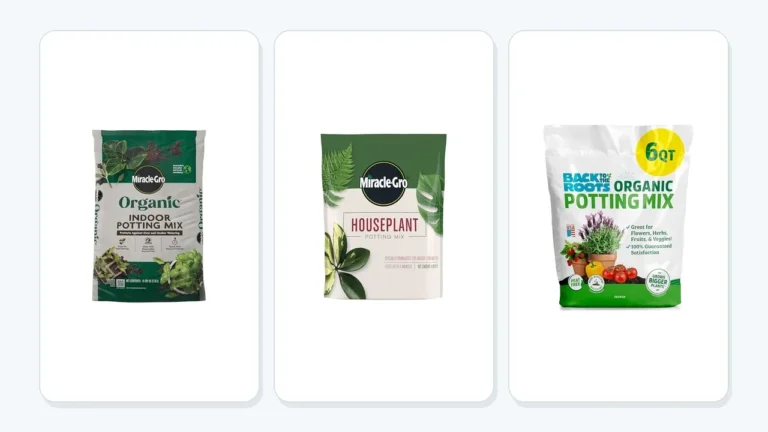
Miracle-Gro Organic Indoor Potting Mix, 16 qt.
Peat moss, coir, and natural fertilizer make a moisture-focused mix for corn plant owners who want a forgiving indoor potting soil.
-
Best For Smaller Houseplants

Miracle-Gro Houseplant Potting Mix, 4 qt.
Perlite and a blend without compost or bark suit indoor growers seeking a small bag of houseplant mix less prone to gnats.
Top 5 Potting Soils for Corn Plant at a Glance
Start with a general indoor mix if you want a practical option for repotting a corn plant. These choices differ most in their listed ingredients, bag size, and intended plant type, so pay attention to both drainage needs and how much soil you’ll actually use.
| Product image | Product name | Check product |
|---|---|---|
| 1 |
Miracle-Gro Organic Indoor Potting Mix, 16 qt. | Check Price |
| 2 |
Miracle-Gro Houseplant Potting Mix, 4 qt. | Check Price |
3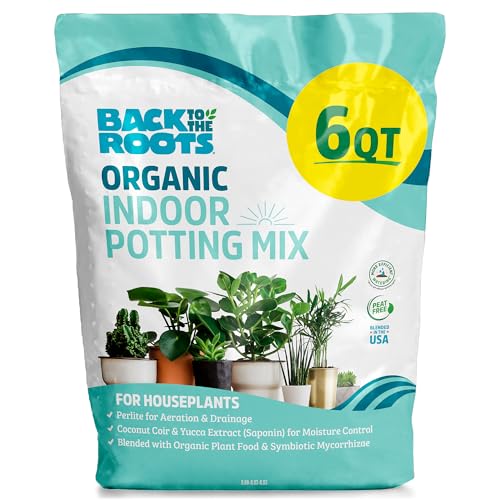 |
Back to the Roots Organic Indoor Potting | Check Price |
4 |
Perfect Plants Snake Plant Soil, 4 qt, | Check Price |
5 |
Rosy Soil Houseplant Potting Soil, Organic Indoor | Check Price |
5 Best Potting Soils for Corn Plant: Detailed Reviews
When I chose the best potting soil for corn plant, I paid attention to ingredients that affect how water moves through a pot, how the mix holds moisture, and whether the blend is aimed at indoor containers. Those details matter because overly wet roots and compacted soil can make routine care harder. I also weighed bag size, so you can avoid buying a quantity that doesn’t match your repotting job.
The picks range from general indoor potting mixes to blends aimed at houseplants or a specific plant family. Looking at them side by side helps you decide whether a moisture-focused mix, a smaller bag, or a more open specialty blend makes sense for your corn plant and your watering habits.
1. Miracle-Gro Organic Indoor Potting Mix, 16 qt.
Peat moss, coir, and natural fertilizer make a moisture-focused mix for corn plant owners who want a forgiving indoor potting soil.
- Size16.qt
- COVERAGEOne 16 qt. bag of Miracle-Gro Organic Indoor Potting Mix fills one 12-inch container with potting soil for indoor p
- WeightNot listed; check details
- DimensionsNot listed; check details
Miracle-Gro Organic Potting Mix is a general indoor container mix for someone repotting a corn plant who wants soil intended to help manage moisture. Its stated ingredients include sphagnum peat moss, coir, and natural fertilizer, rather than a recipe made specifically for corn plants.
Coir is a fiber made from coconut husks that can help a potting mix hold moisture. Paired with peat moss, it gives the soil a moisture-focused character, which may help if you tend to let a pot dry too far between waterings. That doesn’t mean you should keep the soil wet; a drainage hole and a check of the soil before watering still matter.
The mix is also described as suitable for indoor containers, herbs, and seed starting. That broad use makes it useful if you have other houseplants to repot, though the bag doesn’t make it a corn-plant-specific formula. The stated coverage is one 16-quart bag for one 12-inch container, with actual use depending on the root ball.
One thing to watch: a moisture-regulating mix can’t correct a pot without drainage or a watering routine that keeps adding water to already damp soil. Check the pot and the roots before repotting, and don’t assume that a plant needs water just because the surface looks dry.
Pros:
- Peat moss and coir, for a moisture-focused blend.
- Natural fertilizer, so the mix includes a starter nutrient source.
- Indoor container use, suitable for a range of houseplants.
- 16-quart bag, useful for a larger repotting job.
- Listed coverage for a 12-inch container, a helpful planning reference.
Cons:
- General indoor mix, not a corn plant-specific recipe.
- Large bag may leave extra soil after a single repot.
- Moisture-focused ingredients still require a pot that drains.
Buy it if: you want a general indoor mix with peat moss and coir, because those ingredients are intended to help regulate moisture.
Skip it if: you need a small amount for one modest pot, because a 16-quart bag may leave plenty unused, and a smaller bag of potting mix would suit you better. For another fit, consider Miracle or Back.
I’d consider Miracle-Gro Organic Potting Mix when the goal is a straightforward indoor repotting job and moisture management is high on your list. Its broad indoor use and stated coverage give a beginner a reasonable starting point. I’d still check the pot’s drainage and compare the bag’s volume with the container you’re filling.
This mix suits someone who wants a larger, general-purpose bag rather than a specialty corn plant soil.
2. Miracle-Gro Houseplant Potting Mix, 4 qt.
Perlite and a blend without compost or bark suit indoor growers seeking a small bag of houseplant mix less prone to gnats.
- Size1 Pack
- Color4 qt
- COVERAGEOne 4 qt. bag of Miracle-Gro Houseplant Potting Mix fills one 8-inch container; amounts may vary based on the size
- WeightNot listed; check details
Miracle-Gro Houseplant Mix is a small-bag indoor blend for a corn plant owner who wants a mix intended for tropical houseplants. It contains perlite, sphagnum peat moss, coir, and fertilizer, and the blend is described as less prone to fungus gnats because it leaves out compost and bark.
Perlite is a light, porous material mixed into potting soil to create air spaces. Those spaces can help water move through the pot and allow air around roots, which is useful when you’re trying to avoid a dense, persistently wet root area. Perlite doesn’t replace a drainage hole, though, and it doesn’t make overwatering harmless.
The mix is said to feed indoor container plants for up to six months. That can simplify the first stretch after repotting, but it also means you should check the bag and plant-care directions before adding another fertilizer. Its stated coverage is one 4-quart bag for one 8-inch container, with the amount varying according to the root ball.
This blend is intended for tropical houseplants, but the listing’s named examples don’t specifically include corn plants. Consider it a general houseplant option rather than a guaranteed match for every potting situation. The modest bag size can also be limiting if you are repotting several large plants.
Pros:
- Perlite in the mix, to support air spaces and water movement.
- Blend without compost or bark, described as less prone to gnats.
- Fertilizer included, with feeding listed for up to six months.
- Indoor tropical plant use, a sensible category for many houseplants.
- Four-quart bag, manageable for a smaller repotting task.
Cons:
- Not specifically named for corn plants.
- Small bag may not cover a larger container or several pots.
- Included fertilizer means you should avoid adding more automatically.
Buy it if: you’re repotting one smaller houseplant and want perlite in the mix, because it helps create air spaces and the bag is easy to manage.
Skip it if: you need enough soil for several large containers, because the 4-quart bag may run short, and a larger bag of indoor potting mix would suit you better. Miracle and Back are worth a closer look instead.
What I like about Miracle-Gro Houseplant Mix is the clear purpose: indoor plants, a perlite blend, and a smaller amount of soil. That is a useful combination when gnats are a concern and the job is limited to one pot. I’d check the pot size and the fertilizer directions before buying, since neither the coverage nor the feeding period suits every plant.
This mix makes the most sense for a small indoor repotting job.
3. Back to the Roots Organic Indoor Potting
The catalog lists Includes 6qt of Back to the Roots Indoor Potting Mix. Our Potting Mix contains organic yucca extract that aids. Compare fit and care needs before choosing.
- Size6 Quart
- ColorIndoor Potting Mix
- Release Date2023-01-01T00:00:01Z
- Number Of Items1
Back to the Roots Indoor Mix is a 6-quart peat-free blend for someone interested in a houseplant mix that uses different moisture and root-support ingredients. The listed features include organic yucca extract, mycorrhizae, and dolomitic limestone, with the product described as free of bark and compost.
Mycorrhizae are beneficial fungi that form a relationship with plant roots and can support nutrient uptake. The mix also includes yucca extract, which is described as helping the soil retain moisture. For a beginner, that means the recipe is designed to support roots and moisture balance, not that it can make a plant thrive without appropriate light, watering, or a draining pot.
The mix is described as peat-free, and the listed features say dolomitic limestone helps balance soil acidity and alkalinity. Those are ingredients worth noting if you specifically want to avoid peat or prefer a blend with a stated approach to soil balance. The bag doesn’t list a measured pH value, so don’t assume it will produce a precise acidity level for every plant.
The product information describes the mix as less prone to indoor gnats because it is made without bark or compost. That is a useful distinction if flying pests are a concern, though cleanliness, watering, and the condition of nearby plants still affect indoor pest problems. A 6-quart bag may suit one or a few smaller tasks, but confirm your pot’s needs before you start.
Pros:
- Peat-free blend, for buyers seeking an alternative to peat moss.
- Yucca extract, included to help the soil retain moisture.
- Mycorrhizae, intended to support root development and nutrient uptake.
- Dolomitic limestone, included to balance acidity and alkalinity.
- No bark or compost, a blend described as less prone to gnats.
Cons:
- No listed measured pH value to guide a precise soil adjustment.
- Six-quart bag may not cover several large containers.
- Specialty ingredients don’t remove the need for careful watering.
Buy it if: you prefer a peat-free indoor blend with mycorrhizae, because its ingredients are intended to support roots and nutrient uptake.
Skip it if: you need a measured soil pH or a simple plant-specific recipe, because those details aren’t stated, and a clearly specified houseplant mix would suit you better. If those trade-offs rule it out, Miracle-Gro Organic Indoor Potting Mix, 16 or Miracle-Gro Houseplant Potting Mix, 4 qt. may suit you better.
I’d look at Back to the Roots Indoor Mix if peat-free ingredients are a priority and you want more than a basic peat-and-coir blend. Its stated mix of yucca extract, mycorrhizae, and limestone gives you specific features to weigh. I’d verify how much soil your container needs, since six quarts can be more or less than a particular repotting job calls for.
This is a reasonable fit for a buyer who values the listed ingredients over a corn-plant-specific label.
4. Perfect Plants Snake Plant Soil, 4 qt,
The catalog lists SUPERIOR WATER MANAGEMENT- Quickly drain away excess moisture after each watering to protect roots and grow a . Compare fit and care needs before choosing.
- Size4qt
- ColorPremium Potting Mix
- WeightNot listed; check details
- DimensionsNot listed; check details
Perfect Plants Snake Plant Soil is a fast-draining specialty blend made for snake plants, not a general corn plant mix. Its listed ingredients are coconut coir, pine bark, perlite, and sand, with no added slow-release fertilizer.
Drainage means how readily extra water can leave the soil and pass through a pot’s drainage hole. Sand, perlite, bark, and coir are listed as ingredients in this blend, which is intended to drain quickly. That can appeal to someone whose main concern is wet soil, but a fast-draining blend may also require closer attention to watering than a mix designed to retain more moisture.
The product is specifically described for several types of snake plants, including Sansevieria varieties. A corn plant is not a snake plant, so the specialty label is a real reason to pause rather than a detail to ignore. The listing also says there is no added fertilizer, which means you shouldn’t expect the soil to feed a newly potted plant as part of its mix.
The 4-quart amount comes in a resealable bag, a convenient format if you use only part of it. Still, a specialty blend for a different plant type is not automatically the right pick just because it drains quickly. Consider the plant’s needs and your watering habits before choosing it for a corn plant.
Pros:
- Coir, bark, perlite, and sand, for an open blend.
- Fast-draining purpose, useful when excess water is a concern.
- No added slow-release fertilizer, clear for buyers managing feeding separately.
- Resealable bag, useful for storing leftover mix.
- Four-quart size, manageable for a limited soil change.
Cons:**
- Formulated for snake plants, not corn plants.
- Fast drainage may mean checking moisture more often.
- No added fertilizer, so the mix is not a complete feeding plan.
Buy it if: you’re repotting a snake plant and want a fast-draining blend, because the listed ingredients are chosen for that plant type.
Skip it if: your priority is a general corn plant mix, because this soil is specifically aimed at snake plants, and an indoor houseplant potting mix would suit you better.
To me, the important point about Perfect Plants Snake Plant Soil is the mismatch between its specialty purpose and a corn plant. Its ingredients and quick-draining aim may appeal to someone who wants to avoid water lingering, but that alone doesn’t make it my first choice for this plant. I’d double-check that the plant you’re potting is actually a snake plant and decide how you’ll handle fertilizer.
This blend is best reserved for its stated snake-plant use.
5. Rosy Soil Houseplant Potting Soil, Organic Indoor
The catalog lists ORGANIC INDOOR POTTING SOIL, MADE WITHOUT PEAT: Biochar, worm castings, mycorrhizae, compost, and bark fines r. Compare fit and care needs before choosing.
- Size4 Quarts
- ColorHouseplant
- Number Of Items1
- WeightNot listed; check details
Rosy Soil Houseplant Mix is a 4-quart peat-free blend for an indoor grower looking for a mix with biochar, worm castings, mycorrhizae, compost, and bark fines. It is described for several houseplant types, including tropical plants, though the named examples do not specifically include corn plants.
Biochar is a stable, charcoal-like material used in soil blends to help keep the mix open. The product also lists bark fines and sand, which are intended to support drainage and air spaces. For your corn plant, those features may be relevant if you want a blend designed to move water through the pot rather than leave it sitting around roots.
Worm castings are a nutrient-rich material produced by earthworms, and mycorrhizae are beneficial fungi associated with plant roots. The blend includes both, along with compost, so it differs from mixes that specifically leave compost out. If fungus gnats are already a problem in your home, consider that distinction and focus on careful watering and clean handling.
The bag is described as resealable, and the stated 4-quart amount is said to fill two to three medium pots. Your actual coverage depends on pot size and root-ball volume, so use that as a rough planning note rather than a guarantee. The listed claims about lasting longer or improving plant growth are not a substitute for checking how the mix behaves in your pot.
Pros:
- Peat-free blend, for buyers avoiding peat moss.
- Biochar, bark fines, and sand, intended to support an open mix.
- Worm castings and mycorrhizae, included as root and nutrient-support ingredients.
- Resealable bag, helpful when you have soil left over.
- Four-quart amount, with stated coverage of two to three medium pots.
Cons:
- Contains compost and bark, unlike mixes described as leaving them out.
- Not specifically named for corn plants.
- Four quarts may be too little for a larger repotting job.
Buy it if: you want a peat-free houseplant blend with biochar and worm castings, because those ingredients give the mix a distinct recipe.
Skip it if: your priority is avoiding compost and bark in an indoor mix, because both are listed, and a houseplant soil made without them would suit you better.
I’d put Rosy Soil Houseplant Mix on the list for someone who wants a peat-free blend and likes knowing the named ingredients in the bag. Its bark and sand are intended to help drainage, while the worm castings and mycorrhizae give the recipe a different balance from simpler mixes. I’d check the bag’s ingredient details and be realistic about the 4-quart amount before starting.
This mix suits a buyer who wants a specialty-style houseplant blend and is comfortable with compost and bark.
How to Choose the Best Potting Soil for Corn Plant
The best potting soil for corn plant should work with a pot that drains and a watering routine that lets the soil dry somewhat between waterings. Start with the mix’s ingredients and intended use, then check the volume and any fertilizer already included.
Drainage and air spaces
Drainage describes how easily extra water leaves the container, while air spaces are the small gaps between soil particles that let roots receive air. These ideas go together: a dense mix can stay wet, but a mix that drains extremely fast may dry before you expect. For a beginner, look for a bag that names its ingredients and is intended for indoor container plants, then pair it with a pot that has an open drainage hole.
Perlite, bark pieces, and sand can make a blend more open, although the overall recipe matters more than one ingredient on the label. A fast-draining snake plant mix may not suit every corn plant or every watering habit. If the soil stays damp long after watering, check the pot’s drainage, room conditions, and watering frequency before assuming you need a special ingredient.
Moisture retention
Moisture retention is the mix’s ability to hold some water after watering. Peat moss and coir are common potting ingredients, and several mixes here use them; a blend that holds moisture can be useful if you tend to forget a watering, but it still should not remain soggy. Think of it as a buffer, not a substitute for checking the soil.
Use a finger to check the upper layer before watering instead of following a rigid calendar. A room with bright light, warm air, or a smaller pot may dry at a different pace from a cool room or a larger container. If you’re comparing potting soil for houseplants, look for clear ingredient details and intended indoor use rather than relying on a broad claim alone.
Ingredients and plant fit
Ingredients tell you what a blend is designed to do, but no single ingredient guarantees a good result. Peat and coir can help hold moisture, perlite can add air spaces, and bark or sand may contribute to a more open mix. Yucca extract, mycorrhizae, limestone, biochar, and worm castings each have different stated roles, so compare what the bag says rather than treating every ingredient as a must-have.
A general indoor mix may be the simplest starting point for a corn plant if you don’t need a specialized recipe. A blend made for snake plants is aimed at a different plant type, and its drainage profile or lack of fertilizer may not match your plan. When considering a potting mix for indoor plants, compare the ingredient list with the pot’s drainage and your usual watering habits.
Fertilizer in the mix
Some potting mixes include fertilizer, while others state that they do not. That difference matters because adding more fertilizer on top of a mix that already feeds the plant can be unnecessary. Read the bag for a stated feeding period, and follow the manufacturer’s directions rather than guessing from the size or color of the granules.
A mix that includes fertilizer does not mean you never need to feed the plant again. The timing depends on the product’s instructions and your plant’s growth, so keep the label or take a photo of the directions before discarding the bag. If a soil blend says no added fertilizer, plan separately for feeding instead of assuming the soil contains nutrients.
Bag amount and container size
Buy enough soil to fill the pot around the root ball, not an arbitrary amount based only on the plant’s height. Check the stated bag volume and any coverage note, then compare that with the container you plan to use. Coverage estimates can change with pot shape and the space taken up by roots, so it’s sensible to have a little margin without buying far more than you can store.
A bigger pot is not automatically better. Moving a corn plant into a container much larger than its root ball leaves more soil that can stay damp after watering. Choose a pot with drainage and a size only modestly larger than the root area, then make sure the bag amount is enough to fill the space without burying the base of the stem.
Peat-free and specialty choices
Peat-free describes a mix made without peat moss, but it does not tell you by itself how quickly the soil drains or how often you’ll need to water. Compare the ingredients that replace peat, such as coir, bark, or other materials, and decide whether the product’s intended use fits your plant. A specialty label is a clue about the target plant, not proof that the mix is unsuitable or ideal for every other plant.
For example, advice about soil for spider plants indoors can help you think through indoor drainage and moisture needs, but spider plants and corn plants are not interchangeable. Treat plant-specific guidance as a starting point for the questions to ask, then check the soil and pot you actually have. If the blend’s target plant differs from yours, look closely at the stated ingredients before deciding.
How to Use Potting Soil for a Corn Plant for the Best Results
Good results come from matching the soil to a draining pot and handling the roots gently during repotting. Use fresh indoor potting mix, keep the plant at a similar depth, and water thoroughly enough to settle soil without leaving the pot standing in runoff.
- Choose a suitable pot. Use a clean container with drainage holes. If the decorative outer pot has no holes, use a nursery pot inside it and empty any water that collects below.
- Check the root ball. Slide the plant out carefully and look for roots circling the outside or soil that has become dense. Avoid pulling on the trunk, which can stress the plant.
- Prepare the mix. Break up large clumps with your fingers and remove any obvious debris. Don’t add garden dirt to a container mix, because the blend is meant for pots and garden soil can compact in a container.
- Add a base layer. Put enough mix in the pot so the top of the root ball will sit at its previous depth. A deep layer under the plant can raise the root ball too high and make the plant unstable.
- Set the plant in place. Center the root ball and keep the stem base at the same height it had before. Fill around the roots in small handfuls, gently tapping the pot to settle soil without crushing it down.
- Leave room at the rim. Stop filling a short distance below the top edge so water has room to go into the pot instead of running over the sides. Don’t pack soil tightly around the trunk.
- Water and drain. Water until a little excess comes through the drainage holes, then let the pot finish draining. Empty the saucer or outer pot rather than leaving the root area sitting in standing water.
- Watch the plant after repotting. Keep the plant in its usual suitable light and check soil moisture before watering again. A little settling is normal; if the soil sinks substantially, add a small amount without burying the stem.
If you’re considering another plant’s mix, such as soil for a rubber plant, focus on the actual ingredients and drainage rather than assuming all broadleaf houseplants have identical needs. For a corn plant, avoid making a drastic change in pot size or planting depth at the same time as changing the soil. Simple, steady care makes it easier to see whether the new setup is working.
How to Make Your Corn Plant Potting Soil Last Longer
Potting soil lasts longer when you keep it clean, store unused mix properly, and avoid compacting the root area. The soil in a live pot still changes over time, so don’t treat an opened bag or an old container as permanently ready for reuse.
Store leftover soil in its original bag if it closes securely, or transfer it to a clean sealed container. Keep it somewhere dry and protected from rain, pests, and direct contact with dirty outdoor surfaces. Mark the container with the product name and the date you opened it so you can tell what is inside later.
Before using stored mix, check for a sour or musty smell, visible mold, pests, or unusual wet clumps. If the soil has been soaked or contaminated, don’t blend it into a fresh batch just to avoid waste. A clean, dry store helps, but it cannot guarantee that a bag left open in a damp shed will still be suitable.
In the pot, avoid pressing the soil down hard when watering or adding fertilizer. Compacted mix has fewer open spaces, and water may not move evenly through the root area. If the surface becomes crusted, gently loosen only the top layer without digging into roots or damaging the plant’s base.
Check the pot’s drainage holes during routine care. Roots, old soil, or debris can block an opening, so remove buildup carefully when the plant is out of the pot. Don’t try to make soil last by leaving a plant in a soggy mix; if the soil has collapsed or no longer drains as expected, refreshing it may be the more sensible choice.
A corn plant may not need a full repot simply because the surface looks untidy. Look for practical signs such as roots filling the container, soil that has become difficult to wet evenly, or water that no longer drains as it used to. The timing varies with plant growth and conditions, so check the root ball and pot rather than following a fixed annual schedule.
Common Mistakes to Avoid When Buying and Using Potting Soil for Corn Plants
The most common mistakes are usually about mismatched pots, excess water, or assuming a product label does all the decision-making for you. A quick check before buying or repotting can spare you from moving the plant twice.
- Choosing a mix only because it says organic. That word doesn’t tell you how the soil drains or holds water. Read the ingredients and intended use before deciding.
- Using a pot without drainage. Excess water has nowhere to go, which can keep roots wet. Choose a pot with holes or use a draining inner pot and empty the outer one.
- Moving the plant to a much bigger container. Extra soil can stay wet around a small root ball. Pick a pot only modestly larger than the roots.
- Packing the mix down hard. Tight soil leaves less room for air and can slow water movement. Settle the mix gently instead of pressing it into a firm block.
- Watering by the calendar alone. Indoor soil dries at different speeds depending on light, temperature, pot size, and the mix. Check the soil before watering.
- Adding fertilizer without reading the bag. Some mixes include fertilizer for a stated period. Follow the product directions before adding another feed.
- Choosing a specialty mix for the wrong plant. A snake plant blend is made for a different plant type. Check the intended use and ingredients before putting it around a corn plant.
When deciding whether potting soil suits a tree, remember that a container mix and soil in the ground serve different settings. A corn plant in a pot needs a mix suited to a container, while outdoor planting has different soil and drainage conditions. Keep the use case clear before reusing a bag for a different job.
How to Set Up Potting Soil for a Corn Plant
Set up the pot before opening the soil bag so the root ball isn’t left exposed while you look for tools. A clean workspace, a draining container, and a plan for where runoff will go make repotting much easier.
- Gather a pot, fresh mix, gloves, and a small scoop. Place newspaper or a washable tray underneath. Soil always seems to find the one spot you didn’t cover.
- Check that the new pot drains. Pour a little water into the empty container and confirm it can pass through the holes. Don’t proceed with a blocked pot and hope the soil will compensate.
- Compare pot size with the root ball. The new container should leave room for fresh soil around the roots without surrounding them with a large excess of damp mix. If you’re unsure, choose a modest step up rather than a dramatically larger pot.
- Prepare fresh potting mix. Open the bag and loosen clumps by hand. Don’t mix in outdoor dirt, compost, or extra fertilizer unless you have a specific reason and know how it will affect the blend.
- Remove the plant with care. Support the root ball and avoid tugging the trunk. If roots hold the plant firmly in the old pot, work around the container gently instead of pulling harder.
- Set the root ball at its former depth. Add or remove soil from underneath until the stem base sits where it did before. Avoid burying the trunk while trying to make the plant feel secure.
- Fill gaps and settle gently. Add soil around the sides in small amounts, then tap the container lightly. Leave a little space below the rim so watering stays manageable.
- Water, drain, and tidy. Water the mix, allow extra moisture to escape, and empty the saucer. Wipe soil off the outside of the pot and store the remaining mix in a clean, dry place.
Common Questions About Potting Soil for Corn Plants
What kind of potting soil is best for a corn plant?
A general indoor potting mix that works with a pot’s drainage is a practical starting point for a corn plant. Check whether the mix is intended for houseplants, what ingredients it contains, and whether it includes fertilizer. Your watering habits and the pot’s drainage matter as much as the name on the bag.
Can I use regular potting mix for a corn plant?
Yes, a regular indoor potting mix can be suitable if it is intended for container plants and the pot drains well. Avoid using garden soil in a houseplant container, since it may not behave like a prepared potting blend in a pot. Check the soil’s moisture and adjust watering to the conditions in your home.
Should corn plant soil be kept moist or allowed to dry?
Let the soil dry somewhat between waterings instead of keeping the root area constantly wet. Check the upper layer with a finger before watering, and make sure excess water can leave through drainage holes. The pace of drying depends on the pot, room, plant size, and mix, so a fixed schedule can mislead you.
How much potting soil do I need to repot a corn plant?
The amount depends on the root ball and the new pot, so use the bag’s volume and coverage note as a guide rather than a guarantee. A larger pot can take more soil than expected, but moving up too far can leave excess damp mix around the roots. Measure the container and leave room for the root ball before buying.
Does a corn plant need fertilizer in its potting soil?
Not necessarily, because some potting mixes already include fertilizer and others say they do not. Read the bag’s directions and feeding period before adding anything else. If the mix has no added fertilizer, plan feeding separately and follow plant-care instructions rather than guessing at an amount.
Can I reuse old potting soil for a corn plant?
Reuse is not always a good idea, especially if the old soil smells sour, has visible pests or mold, stays soggy, or has become compacted. Fresh mix is a safer choice when you’re unsure about the condition of the old soil. Don’t reuse soil from a plant with a known pest or disease problem.
Make Your Repotting Plan Before Opening the Bag
Before you buy, check the pot’s drainage, estimate how much soil the root ball needs, and read the mix’s ingredients and fertilizer directions. Choose a blend intended for indoor containers, then repot at the same planting depth and let excess water drain away before returning the corn plant to its usual care routine.

I’m Maya L. Greenwood, a lifelong plant lover who believes anyone can grow something beautiful with the right guidance. After years of testing soil mixes, pruning methods, irrigation tricks, and pest-safe solutions, I started EasyGardenTips.com to turn hard-won lessons into step-by-step advice. From seed starting and container gardens to composting and seasonal checklists, my goal is to make gardening simple, sustainable, and fun.