What to Do With Old Potting Soil: Smart Ways to Put It to Use
Old potting soil can often be reused, but check it for pests, disease, bad smells, and poor texture first. If it passes those checks, mix in fresh ingredients and nutrients before planting again.
Have you opened a pot from last season and found a shrunken, hard clump instead of loose soil? Or are you staring at several bags in the garage, wondering if they’re still worth keeping?
I once dumped a container of tired mix into a new pot without checking what was in it. The plant struggled in the dense, sour-smelling soil, and I had to pull it back out and start over. That kind of shortcut is common, not dumb; the soil can look fine on top while the trouble sits underneath.
I wrote this for anyone trying to save money and avoid tossing useful materials, whether you have one patio planter or a stack of old nursery pots. You’ll get a clear way to decide what’s safe to reuse, what needs work, and what belongs in the trash.
A quick check can save you from wasting new plants, fertilizer, and time. Skip it, and you could carry pests into clean containers, leave roots sitting in soggy mix, or use soil that no longer drains well.
This takes about 10 minutes to read. By the end, you’ll know how to:
- Sort reusable soil from soil that should be discarded.
- Refresh old mix without guessing at the amendments.
- Choose a useful destination for soil you shouldn’t use in pots.
What to Do with Old Potting Soil
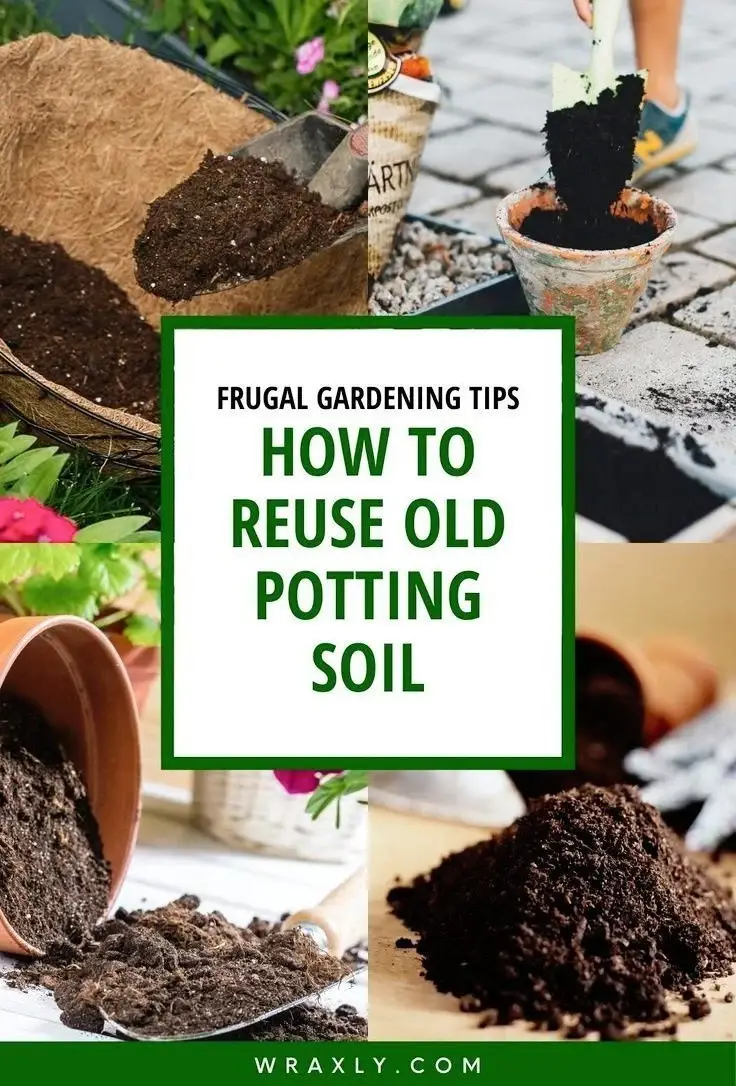
Reuse old potting soil if it’s free of disease, pests, and foul odors, then loosen it and blend it with fresh material and nutrients. Soil with signs of serious contamination should go in the trash, while healthy but exhausted mix can go into containers, garden beds, or compost.
Start with the soil’s history. A pot that held a healthy tomato plant is a different proposition from one that grew a plant with persistent disease or was crawling with pests. The old roots matter, too: a few dry, brittle roots are normal, but a thick mat can make the soil hard to wet and slow drainage.
Use this quick sorting guide before you choose a destination:
| Condition of the old soil | What to do | Why |
|---|---|---|
| Loose, earthy-smelling, no pests or disease | Refresh before using in pots | It may have lost nutrients or structure |
| Dry and compacted, but no signs of disease | Break it up and test how it wets | Compaction can keep water away from roots |
| Musty or sour smell, with no clear disease history | Spread it out to dry and inspect closely | Trapped moisture can cause odors |
| Known plant disease or heavy pest problem | Bag it and discard it | Reuse can carry the problem into new plants |
| Very fine, dusty, broken-down mix | Use sparingly in a garden bed or compost | It may no longer drain well in a pot |
When soil is safe to keep, remove old stems, large roots, plant labels, and plastic bits by hand. Break apart clods gently, then fluff the mix in a bucket or wheelbarrow; grinding it into powder can make drainage worse.
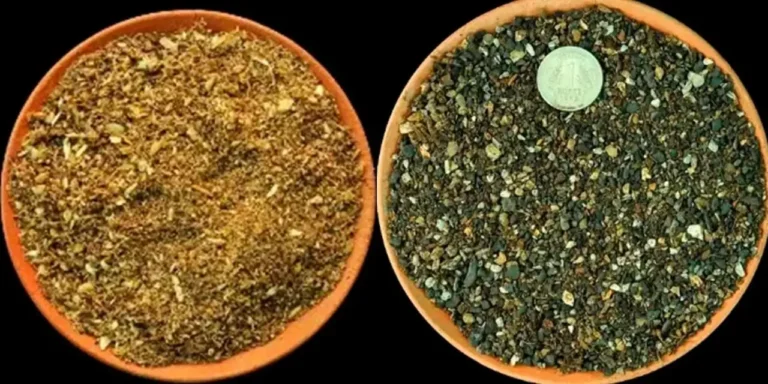
A quick wetting test helps with dried-out soil. Pour water over a handful in a tray or pot: if water runs down the sides while the center stays dry, the mix has become hydrophobic, meaning it repels water instead of absorbing it. Add water gradually and stir until the mix dampens evenly.
How much fresh mix should you add? For a container with healthy but tired soil, start by blending roughly one part fresh potting mix with two parts old soil, then adjust if the old soil is dense or broken down. There isn’t one perfect ratio, since ingredients and the plant’s needs vary.
Old soil often needs more than fresh mix. Plants draw nutrients out as they grow, and fertilizer replaces some of those nutrients; it doesn’t repair a poor texture or fix a drainage problem. A soil mix with little fertilizer can be useful if you prefer to choose nutrients separately, and a potting mix without fertilizer gives you more control over that part.
Pro Tip: If you’re not sure how much old soil a container holds, loosen it first and mix amendments in small batches. It’s easier to add a little more fresh material than to rescue a pot that’s packed with too much.
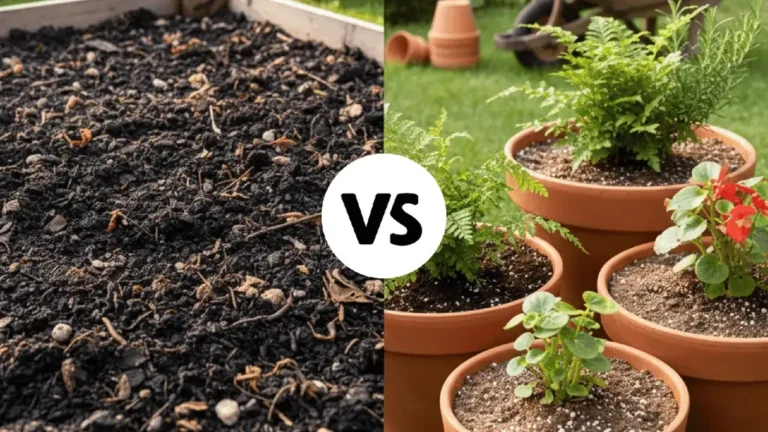
For a garden bed, old potting soil can be useful as a modest addition to existing soil if it’s healthy and doesn’t contain a large amount of artificial material. Spread it thinly and work it into the surface rather than dumping a whole pot in one spot. That gives the bed a better chance of blending the mix instead of leaving a dense pocket.
Check Old Potting Soil for Pests, Disease, and Damage
Check old potting soil by examining its smell, texture, roots, and surface for warning signs before reusing it. Discard soil linked to a serious disease or heavy infestation, because refreshing the mix won’t reliably remove those problems.
A clean, earthy smell is reassuring, while a rotten, sour, or strongly musty odor calls for a closer look. Odor alone doesn’t identify the cause, but it can point to soil that stayed wet too long or has decaying material inside. Let questionable soil dry in a shallow layer and inspect it again before deciding what to do.
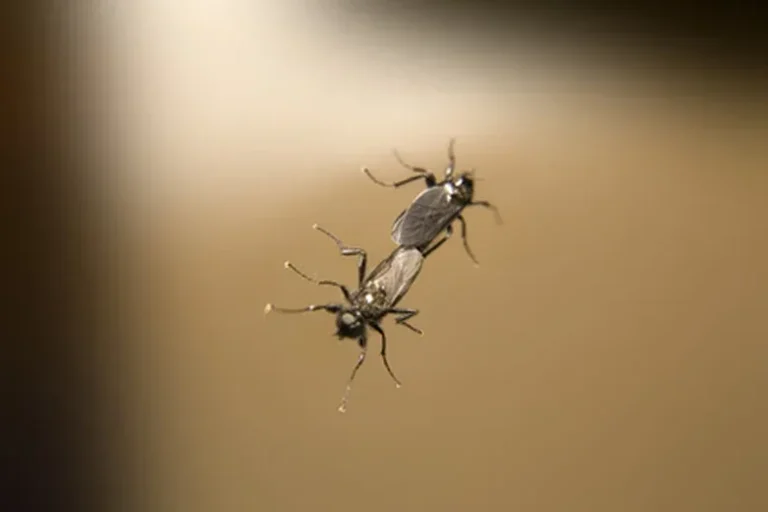
Look closely for live insects, webbing, egg clusters, small larvae, and white fungal growth. A little harmless surface mold can appear in damp soil, but mold plus a persistent sour smell, soft roots, or a history of sick plants deserves caution. If you can’t tell whether a problem is harmless, don’t put that mix around a valuable plant.
I once sifted out a thick tangle of old roots and found the soil underneath was packed into a tight, wet layer. I spread it out and let it dry before deciding where it could go, instead of putting it straight into a fresh pot. That small pause saved me from repeating the same drainage problem.
Do you need to worry about a few old roots? Not usually, if they’re dry, easy to remove, and came from a healthy plant; the concern is a dense mass that blocks water or holds damp, rotting material. Pull out the bigger pieces, then loosen the mix without shredding it into fine dust.
Some soil problems follow the plant that grew in the pot. If a plant had a known root disease or a persistent pest infestation, don’t reuse its soil for seedlings, vegetables, or houseplants. Avoid adding suspicious soil to a home compost pile, where a small problem can be spread around later.
Soil storage matters between growing seasons, too. Keep leftover mix dry, covered, and off the ground so rain, pests, and fallen debris don’t get in; a sealed bag is handy only if the soil was already dry and clean. If you’re deciding whether stored mix has deteriorated, check whether potting soil goes bad before putting it back in a planter.
Important Tip: Don’t mix questionable soil into good soil just to use it up. Blending spreads the problem, and it also makes it harder to tell which portion needs to be discarded.
Heat treatment gets discussed as a way to sanitize soil, but it isn’t a simple fix for every problem. Heating soil can create unpleasant odors, and home methods may not reliably treat the entire batch. For soil tied to a serious plant disease or pest outbreak, discarding the mix is usually the more sensible choice.
Refresh Old Potting Soil for Its Next Job
Refresh healthy old potting soil by removing debris, loosening it, improving its structure, and replacing nutrients before planting. The right additions depend on the original mix and the next plant, so avoid treating every old pot the same way.
Work through the batch in this order:
- Remove debris. Pick out stems, large roots, labels, and any visible pests.
- Break up clumps. Use your hands or a trowel to loosen compacted soil without pulverizing it.
- Check moisture and drainage. Add water slowly if dry soil repels it, then let excess water drain.
- Add fresh material. Blend in fresh potting mix or an appropriate component to improve the texture.
- Replace nutrients. Follow the fertilizer label for the type of plant you’ll grow.
- Fill the pot loosely. Don’t press the mix down hard; roots need both moisture and air.
The goal is aeration, or enough open space in the mix for air and water to move around roots. Fine, broken-down material can pack tightly; fresh potting mix can help, while a coarse component may be useful when the existing soil is heavy. Follow the product label for each amendment, since ingredients and directions vary.
A refresh won’t turn every old batch into a good container mix. If the soil stays dense after loosening, or water keeps draining around the edges without wetting the center, use it in a garden bed if it’s clean, or discard it if the texture is too far gone. For a step-by-step approach to restoring a usable batch, refresh old potting soil based on its condition rather than a fixed recipe.
Do you need to add fertilizer every time? Only if the next plant needs it and the mix doesn’t already contain enough; check the label on fresh soil and any fertilizer before combining products. Too much fertilizer can damage roots, so more isn’t a shortcut to faster growth.
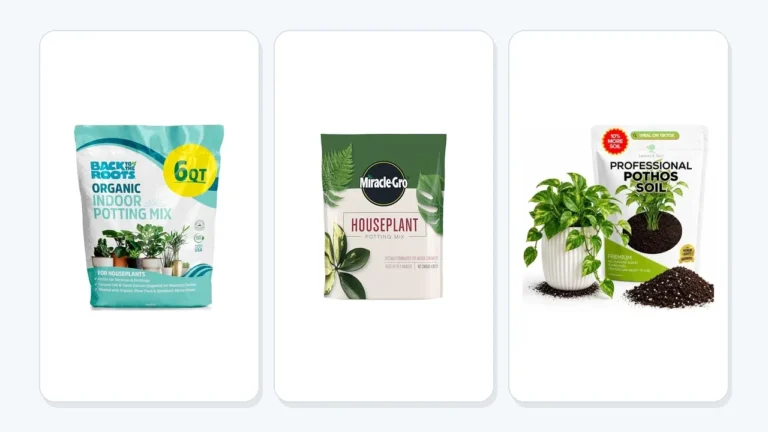
Plant choice matters as much as the soil. A moisture-loving plant and a drought-tolerant plant don’t want the same balance of water retention and drainage, and a container-grown vegetable needs the right setup for its roots. If you’re reusing mix for a deep container crop, compare its needs with the right potting soil for potatoes before filling the pot.
| Next use | What to consider | A good fit when |
|---|---|---|
| Another container | Texture, drainage, nutrients, and plant needs | Soil is clean and can be loosened |
| Outdoor garden bed | How much soil you’re adding and how it blends | Soil is healthy and not overly compacted |
| Compost pile | Whether the soil is free of persistent disease or pests | You want to add a modest amount of clean material |
| Trash | Known disease, heavy infestation, or poor condition | Reuse could spread a problem |
If you’re preparing several containers at once, clean the empty pots before adding refreshed soil. Wash off old soil and plant debris, and use a suitable cleaning method for the pot material; porous clay and plastic don’t handle every treatment the same way. Soil and container cleaning are separate jobs, and cleaning old potting soil isn’t a replacement for washing a contaminated pot.
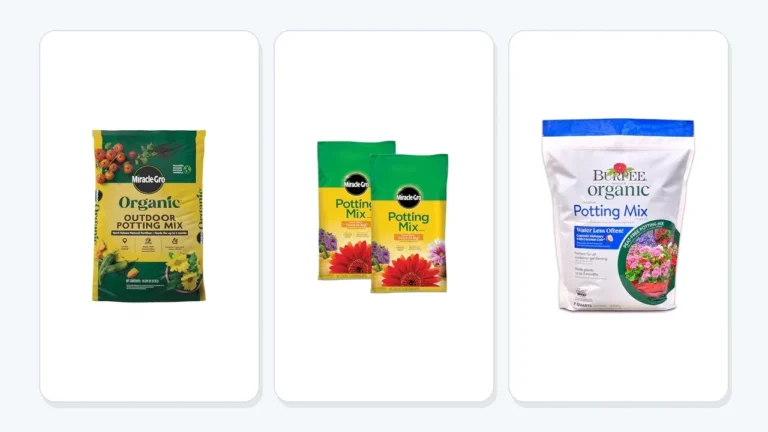
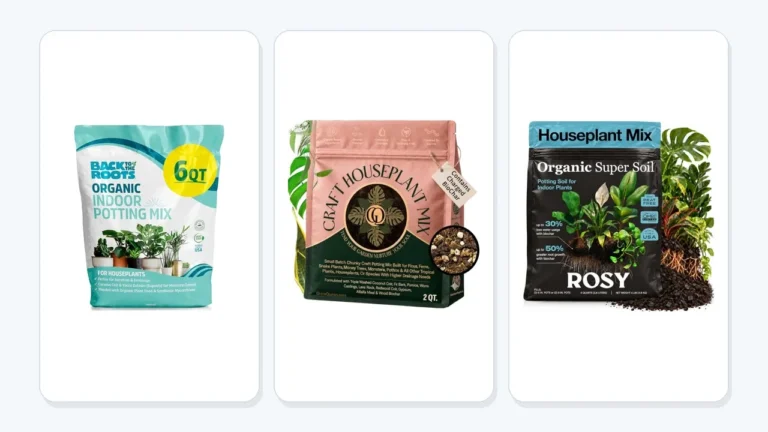
Organic mixes can be a good option when you want ingredients from organic sources, but the word “organic” doesn’t mean the soil is automatically suitable for every plant or free from problems. Check the ingredient list and any fertilizer details, then match the mix to the plant and container. A useful starting point is comparing what you have with organic potting soil options before mixing it into old material.
Pro Tip: Keep a small amount of fresh potting mix on hand for gradual blending. When old soil is only slightly compacted, a modest addition can be enough; a badly degraded batch needs a different destination, not a bigger handful of amendments.
FAQs About What to Do with Old Potting Soil
Can I reuse potting soil from last year?
Yes, if the soil has no signs of serious disease, heavy pests, or a foul, persistent odor. Remove old roots and debris, loosen the mix, and refresh its structure and nutrients before planting. Soil from healthy plants is a better candidate than soil from a pot with unexplained decline.
Can old potting soil go in a garden bed?
Yes, clean old potting soil can be added in a modest amount and mixed into an outdoor bed. Don’t dump a dense pile in one place, since it may create a pocket with a different texture from the surrounding soil. Skip this route if the mix may carry disease or pests.
Should I throw away potting soil with mold?
Not always. A small patch of surface mold can grow when soil stays damp, but mold combined with a bad smell, sick roots, or a known disease problem is a reason to be cautious. Let the soil dry and inspect it; discard it if you can’t rule out a serious problem.
Can I reuse potting soil for vegetables?
Yes, if the old soil is healthy, drains well, and can be refreshed to suit the vegetable. Remove old roots and check its fertilizer content before planting. Don’t reuse soil from a diseased vegetable plant for another crop, since the old mix may carry a problem forward.
Can I put old potting soil in compost?
Yes, a small amount of clean potting soil can be mixed into a home compost pile. Don’t add soil from a plant with serious disease or a heavy pest problem, since compost conditions may not remove the issue. Remove plastic, plant tags, and large roots before adding the soil.
Put Healthy Soil to Work, and Let the Rest Go
Old potting soil isn’t automatically waste, but it does need a quick, honest check before it goes near a new plant. If it smells clean, has no signs of pests or disease, and can be loosened and rewetted, refreshing it is a reasonable way to save material and money.
I’d rather reuse a healthy batch in a less demanding container than force a poor-quality mix into a plant that needs careful drainage. And if the soil’s history worries you, tossing it is a small price for avoiding trouble in fresh pots.
Your next step is simple: empty one container, inspect the soil, and sort it by condition before mixing anything in. Start with the cleanest batch, refresh only what can be improved, and give the questionable stuff a pass.

I’m Maya L. Greenwood, a lifelong plant lover who believes anyone can grow something beautiful with the right guidance. After years of testing soil mixes, pruning methods, irrigation tricks, and pest-safe solutions, I started EasyGardenTips.com to turn hard-won lessons into step-by-step advice. From seed starting and container gardens to composting and seasonal checklists, my goal is to make gardening simple, sustainable, and fun.