How to Make Cactus Potting Soil: Fast-Draining Mix in Minutes
A good homemade cactus mix drains quickly but still holds a little moisture and nutrients. Start with equal parts potting mix, pumice or perlite, and coarse horticultural grit, then adjust for your cactus and growing conditions.
Are you tired of potting soil that stays damp long after watering, or unsure whether a bag labeled “cactus mix” is actually gritty enough? Those are common worries, especially when the plant looks fine one day and starts turning soft near the base the next.
I once used a regular houseplant mix for a small cactus because it looked loose on top. Underneath, the soil stayed wet and packed around the roots, so I had to repot it sooner than planned. That’s a common mistake, not a dumb one; the surface can fool you.
I wrote this to help you make a dependable mix with easy-to-find ingredients, without turning a simple potting job into a shopping expedition. You’ll learn what each ingredient does, how to adjust the recipe, and how to tell if the finished soil drains well.
Get the mix right and you give roots more air, reduce the chance of soggy soil, and make watering less of a guessing game. Get it wrong, and water can linger around the roots even when the top looks dry.
Set aside about 10 minutes to read this. By the end, you’ll know how to:
- Mix a practical starting recipe by volume.
- Choose safe, useful substitutes for the ingredients.
- Adjust the blend for indoor conditions and different cactus types.
- Check drainage and fix a mix that holds too much water.
How to Make Cactus Potting Soil: the Reliable Base Recipe
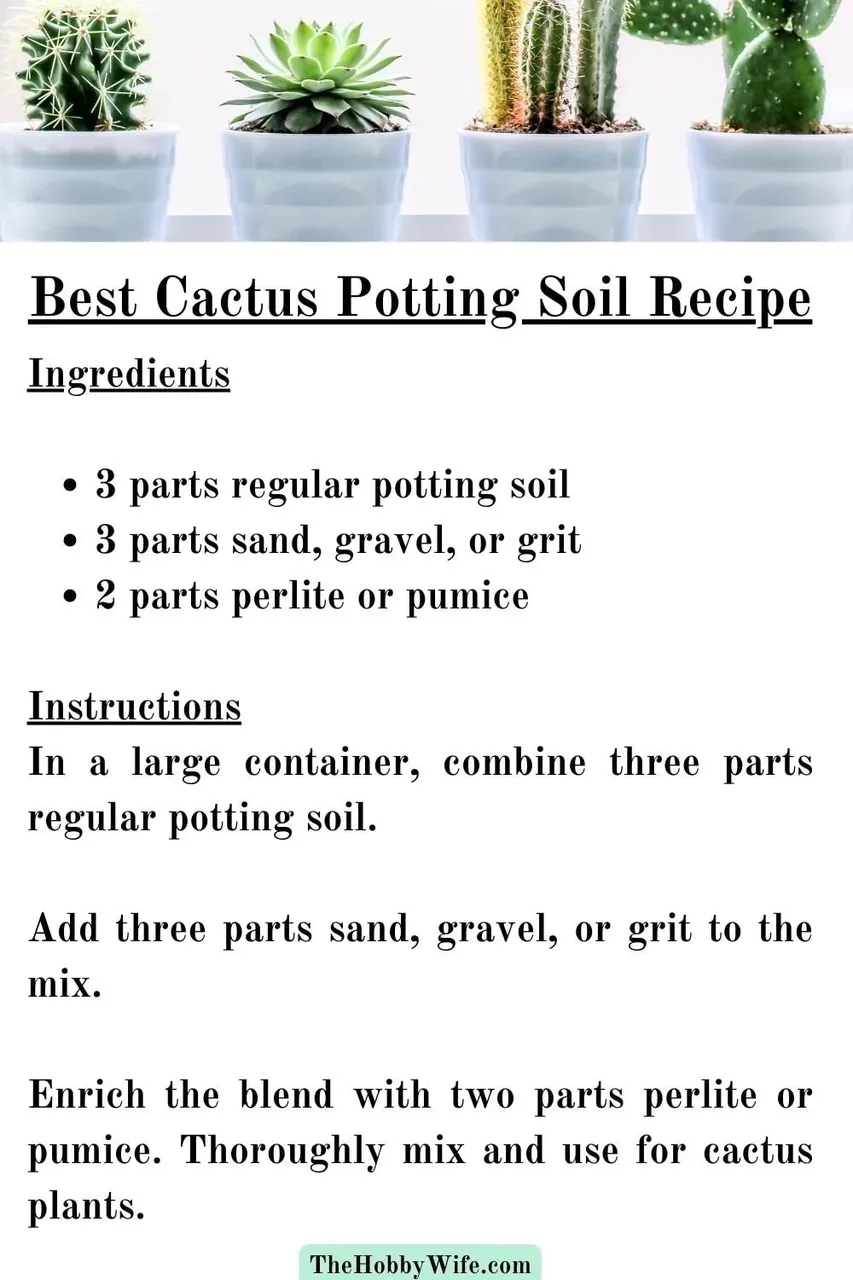
Mix equal parts potting mix, pumice or perlite, and coarse horticultural grit for a simple, fast-draining cactus blend. Use a measuring cup, scoop, or small container for every part, and mix the ingredients evenly before filling a pot.
A “part” means any repeatable scoop size, not a special measurement. If you use one cup as a part, combine one cup of each ingredient; if you use a bucket, keep the same bucket for all three.
The three ingredients have separate jobs. Potting mix supplies organic matter that holds some water and nutrients, while mineral grit creates open spaces that help water move through the pot and let air reach the roots.
- Put on a dust mask before handling dry perlite or pumice, and work outdoors or in a well-ventilated spot. Add a little water to dusty ingredients if needed, keeping the mix damp rather than muddy.
- Measure equal parts of the ingredients into a clean tub or bucket.
- Stir from the bottom until the blend looks even, with mineral pieces spread through the potting mix.
- Moisten a handful lightly and check its feel. The mix should hold together loosely when pressed, then fall apart when you open your hand.
- Fill a pot with drainage holes, leaving room at the top for watering. Don’t press the soil down hard around the roots.
A cactus mix shouldn’t turn into a solid lump when squeezed. If yours clumps tightly, add more mineral material; if it falls apart like clean gravel and dries almost immediately, add a little more potting mix.
You might be tempted to use garden soil because it’s already on hand, but garden soil can compact in a container and may bring weed seeds or pests. A clean, bagged potting mix gives you a more predictable starting point.
The best potting mix for one plant group can still be wrong for another. If you’re comparing blends for fleshy-leaved plants as well as cacti, a fast-draining succulent mix can help clarify how much organic material those plants may tolerate.
- Measure ingredients by volume and use the same container for each part.
- Pick coarse mineral ingredients, not fine sand.
- Use a pot with drainage holes so excess water has somewhere to go.
Pick Ingredients That Drain Without Drying Too Fast
Pumice, perlite, and coarse horticultural grit are useful mineral ingredients, while a plain potting mix supplies modest water and nutrient retention. Choose clean, dry materials without added fertilizer or water-holding crystals unless you specifically want those additions.
Pumice is a lightweight volcanic rock with a rough, porous surface. It adds air space and stays mixed through the soil rather than floating as easily as very light materials can.
Perlite is a light, expanded mineral often sold in potting supplies. It can improve drainage and airflow, but its dust can irritate your lungs, so keep it damp or wear a dust mask while mixing.
Coarse horticultural grit adds weight and larger spaces between particles. Look for gritty material sold for plants, not fine beach or play sand, which can fill gaps and make a mix dense.
| Ingredient | What it contributes | What to watch for |
|---|---|---|
| Basic potting mix | Some moisture and nutrients | Avoid dense mixes with lots of fine material |
| Pumice | Air space, drainage, and a heavier feel | Large pieces may suit bigger pots better |
| Perlite | Air space with a lightweight texture | Control dust while measuring |
| Coarse horticultural grit | Weight and larger drainage spaces | Avoid fine sand that packs tightly |
| Fine sand | Little benefit in most cactus mixes | Can settle into gaps and reduce airflow |
A blend that drains well won’t necessarily look like a pile of rocks. The goal is a loose mixture with visible mineral pieces, not a pot full of gravel or a dense, dark block of peat.
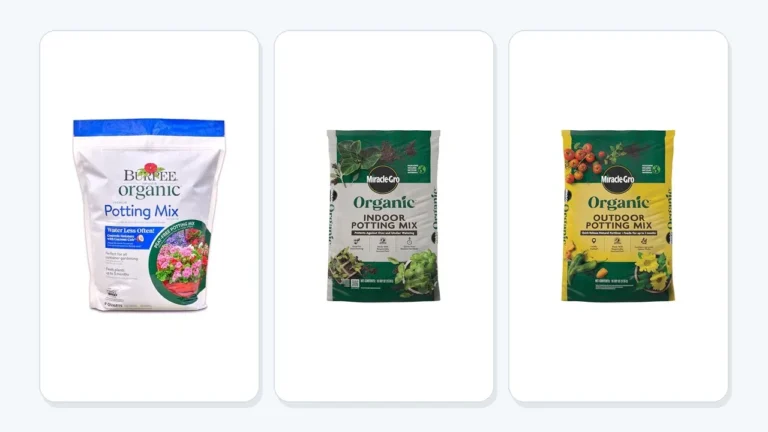
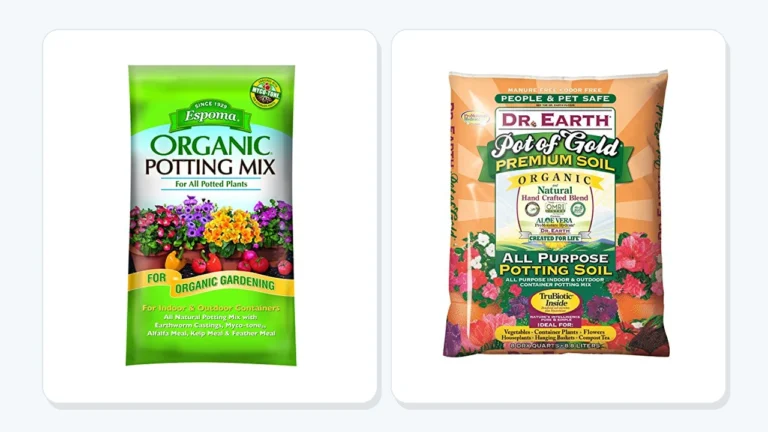
If all you can find is a bagged “cactus and succulent” mix, check its texture before using it. Some commercial blends are quite organic and may need extra pumice or perlite in a humid home, while others already contain plenty of grit. That’s the practical difference behind cactus soil vs regular potting soil.
What if your local garden center has no pumice? Perlite or coarse horticultural grit can fill the same general role, though the finished mix will feel different in weight and texture.
- Use horticultural grit marked for potting or gardening, not fine construction sand.
- Skip garden soil and materials with an unknown source.
- Avoid fertilizer-heavy ingredients for a newly repotted cactus unless the plant’s care needs call for them.
For a broad-leaved succulent, I’d keep the same basic idea but adjust the organic portion for its growing conditions. A gritty succulent potting blend may call for a different balance than a mix for a cactus adapted to dry, open ground.
The word “cactus” covers plants with different growing habits, so one exact formula won’t suit every pot and room. A kalanchoe often grows in ordinary indoor conditions, and its mix needs to drain without becoming so gritty that the roots dry too quickly; the right mix for kalanchoe depends on that balance.
Adjust the Mix for Your Plant, Pot, and Room
Keep the 1:1:1 recipe as your starting point, then change the mineral-to-organic balance based on how quickly the pot dries. A cool room, low light, a large pot, or a humid climate can all leave soil wet longer.
For many indoor desert cacti, try two parts mineral material to one part potting mix if your first batch stays damp for too long. If the pot dries very quickly in a warm, bright spot, return to equal parts or add a modest amount of potting mix.
Treat those ratios as starting points, not a promise that every cactus wants the same soil. A young plant in a small clay pot may dry much faster than a mature cactus in a wide plastic container.
| Growing situation | Starting blend by volume | What to check |
|---|---|---|
| Typical indoor desert cactus | 1 part potting mix, 1 part pumice or perlite, 1 part coarse grit | Does the pot dry at a steady pace? |
| Humid room or slow-drying pot | 1 part potting mix, 2 parts mineral material | Does the root ball still take up water? |
| Warm, bright spot with a small clay pot | Equal parts, then adjust if drying is unusually fast | Does the plant dry out too soon between waterings? |
| Tropical holiday cactus | Use a less mineral-heavy, airy mix suited to its care needs | Does the mix retain some moisture without staying soggy? |
A columnar desert cactus and a tropical holiday cactus don’t have identical needs. San Pedro cactus is a desert-growing columnar type, so a mineral-rich blend is a sensible starting point; compare that with a San Pedro cactus soil blend when choosing the final texture.
Christmas cactus is a tropical cactus, not a desert cactus, and often does better with a mix that holds a little more moisture while remaining airy. A commercial Christmas cactus mix can be a useful reference if you want a ready-made option rather than adapting a desert-cactus recipe.
The pot matters as much as the recipe. A container without a drainage hole can trap water regardless of how gritty the mix looks, and a pot much larger than the root ball holds more damp soil than the plant can use quickly.
I once repotted a cactus into a decorative pot that had no drainage hole, thinking a thick layer of grit at the bottom would solve the problem. It didn’t; water still collected around the root zone, and I had to move the plant again. The useful lesson is simple: drainage holes beat a gravel layer.
Pro Tip: If you’re unsure how fast your mix dries, try it in a small test pot before repotting a prized plant. Water the test pot, let it drain, and check the soil below the surface the next day.
Do you need to add fertilizer to homemade cactus soil? Usually, not as a separate ingredient during mixing; fresh potting mix may already contain nutrients, and feeding needs vary with the plant and season. Check the potting mix label before adding anything.
Repot and Water Without Guesswork
Repot a cactus into dry or barely damp mix, keep the roots intact as much as possible, and wait until the plant’s roots have settled before watering. The right waiting period depends on root condition, the plant, and its care instructions.
A healthy root system doesn’t need a rough shake or a hard rinse. Loosen only soil that falls away easily, trim roots only when they’re damaged or dead, and use clean tools if you need to cut anything.
- Check that the new pot has a drainage hole and isn’t much larger than the root ball.
- Add enough mix to raise the cactus to its old soil level.
- Set the plant in place, then fill around the roots without packing the mix down.
- Let the plant rest in bright, indirect light while it adjusts.
- Water according to the plant’s needs and the root condition, then let excess water drain fully.
Cactus spines can catch skin and clothing, so handle the plant with folded newspaper, thick gloves, or cactus tongs. Don’t squeeze the body to get a grip; a piece of cardboard wrapped around the plant can give you a steadier hold.
The mix’s appearance isn’t the only clue that watering is due. Check beneath the surface with a wooden stick or your finger where safe, and pay attention to the pot’s weight; a dry pot often feels lighter than one with damp soil.
Important Tip: Don’t water on a fixed weekly schedule just because a label says “cactus.” Temperature, light, pot size, season, and soil texture all change how quickly the root zone dries.
A cactus that looks wrinkled may need water, but softness or dark, mushy tissue can point to root trouble rather than thirst. If the base smells sour or the pot stays wet for days, check drainage and roots before adding more water.
FAQs About How to Make Cactus Potting Soil
Can I use regular potting soil for a cactus?
Yes, regular potting soil can be part of a cactus mix, but it’s usually too moisture-retentive to use alone in many indoor settings. Combine it with coarse mineral ingredients and check how quickly the pot dries. A dense, peat-heavy mix may need more pumice or perlite than a loose one.
Is sand good for cactus potting soil?
Coarse horticultural sand can work in a cactus mix, but fine sand is a poor choice because it can settle between larger particles and reduce airflow. Choose a coarse, clean product sold for gardening. If the sand feels powdery or packs into a firm clump, use pumice, perlite, or grit instead.
Can I make cactus soil without perlite?
Yes, cactus soil can be made without perlite. Pumice and coarse horticultural grit are common alternatives that add mineral structure and drainage. Use whichever clean ingredient is available, then test the texture and drying speed; the exact result depends on particle size and how much organic potting mix you add.
How do I know if my cactus soil drains well?
A well-draining cactus mix lets excess water run out through the pot’s drainage hole and doesn’t remain muddy or tightly packed. After watering, check below the surface rather than judging by the top alone. If the mix stays wet for a long time, add more coarse mineral material or use a smaller pot.
Should I sterilize homemade cactus potting soil?
No, routine home sterilizing usually isn’t needed when you use clean bagged ingredients and a clean pot. Avoid reusing soil from a plant with pests or suspected root rot, since old mix may carry the problem. Wash reusable pots and tools before planting, then use fresh ingredients for the new blend.
Make a Small Batch and Let the Plant Guide You
A dependable cactus mix starts with simple ingredients, measured consistently, and adjusted to the plant’s growing conditions. The equal-parts recipe is a useful first try, not a rule you need to follow when your room, pot, or cactus calls for a different balance.
I’d make a small batch before filling several pots. It’s easier to add a scoop of pumice to a mix that feels too heavy than to fix a whole row of plants after they’ve been potted.
Your clearest next step is to check the pot and ingredients you already have, then mix one small test batch. If it stays loose, drains freely, and doesn’t remain soggy, you’re off to a good start.

I’m Maya L. Greenwood, a lifelong plant lover who believes anyone can grow something beautiful with the right guidance. After years of testing soil mixes, pruning methods, irrigation tricks, and pest-safe solutions, I started EasyGardenTips.com to turn hard-won lessons into step-by-step advice. From seed starting and container gardens to composting and seasonal checklists, my goal is to make gardening simple, sustainable, and fun.