Succulent Soil vs Potting Soil: What Your Plants Really Need
Most succulents do better in a loose, fast-draining mix than in ordinary potting soil, which can hold too much moisture around their roots. You can still use potting soil if you add enough gritty material to help excess water drain away.
Have you watered a succulent, then watched the soil stay dark and damp for days? Or brought home a new plant only to find the bagged mix looks nothing like the dry, crumbly soil you expected?
I once used regular potting soil for a small succulent because the plant looked thirsty and the mix was already open. The soil stayed wet, and I had to repot before the roots could settle in; it’s a common mistake, not a dumb one.
I wrote this to help you choose a mix based on your plant, pot, and watering habits, not just the label on a bag. You’ll get a clear way to compare the two soils and adjust what you already have.
Get the mix right and you can spend less time fretting over soggy roots, avoid a messy emergency repot, and feel more confident when watering. Skip the drainage question, and even careful watering can leave a succulent sitting wet.
This takes about 10 minutes to read. By the end, you’ll know how to:
- Tell succulent mix apart from standard potting soil.
- Adjust a regular mix using common materials.
- Match soil texture to your container and watering routine.
- Spot warning signs that your mix is staying wet too long.
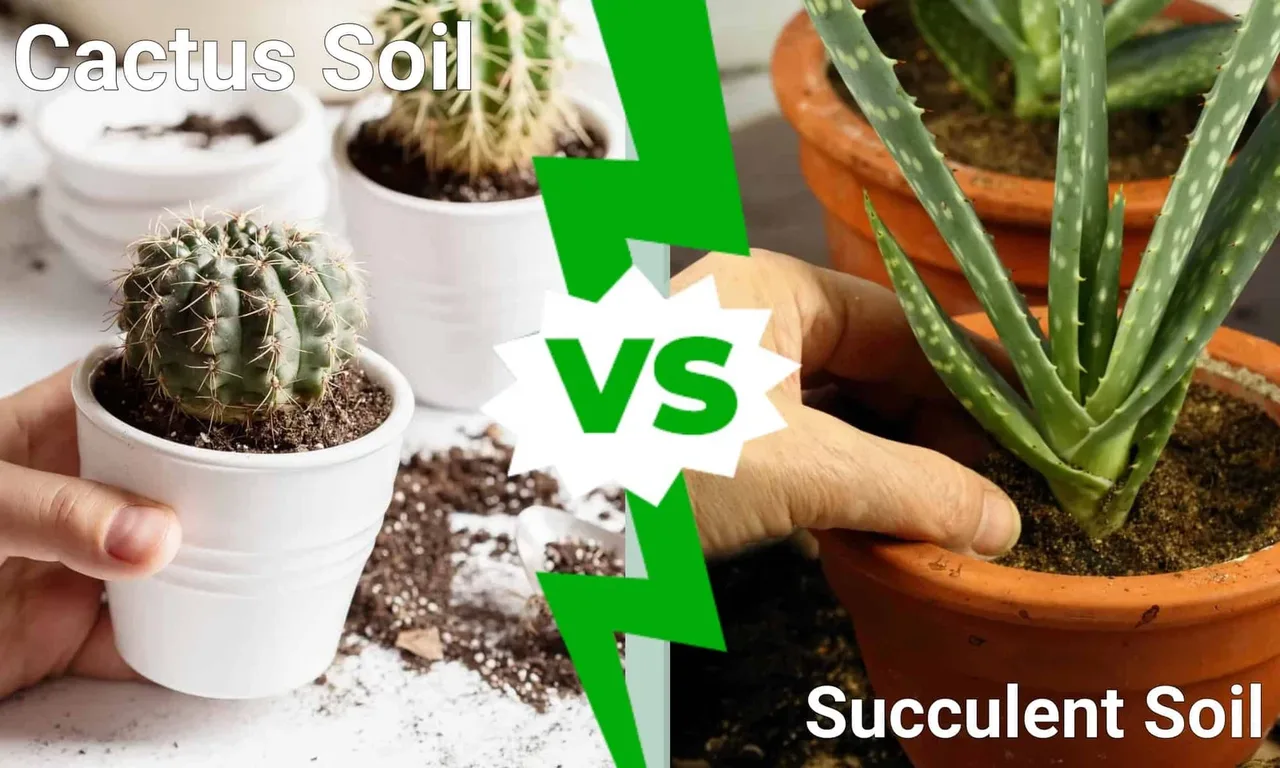
Succulent Soil vs Potting Soil: Which Mix Should You Use?
Succulent soil is usually coarser and drains faster than standard potting soil, making it a safer starting point for most succulents. Regular potting soil can work when you blend it with gritty materials and use a pot with a drainage hole.
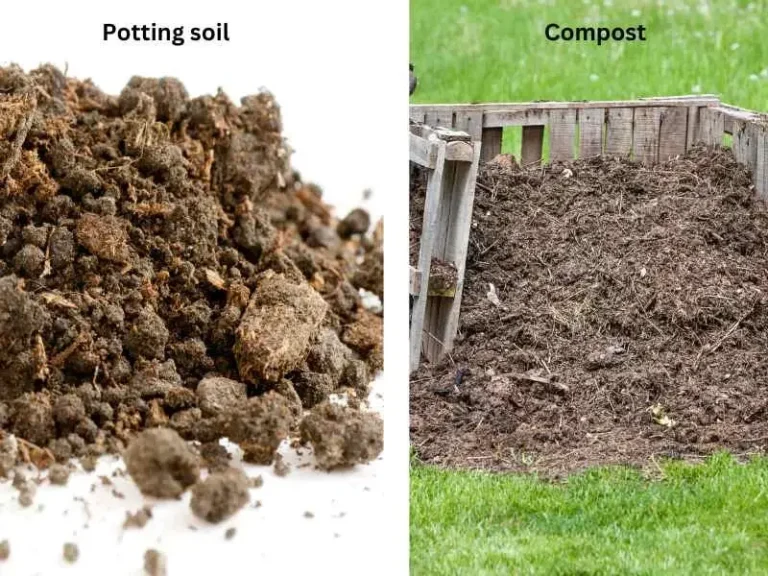
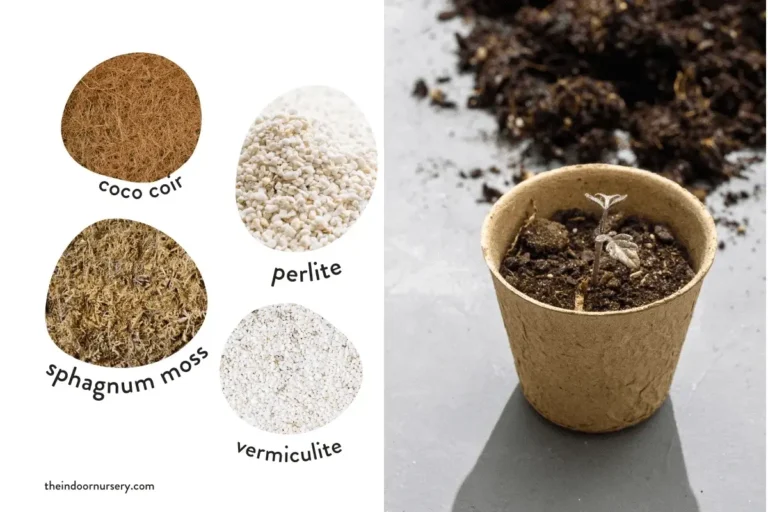
The main difference is how long water stays in the root zone. Potting soil often contains materials such as peat moss or coconut coir that hold moisture, while succulent mixes generally include more coarse mineral particles, such as pumice or perlite. Drainage means water can move through the mix and out of the pot, rather than pooling around roots.
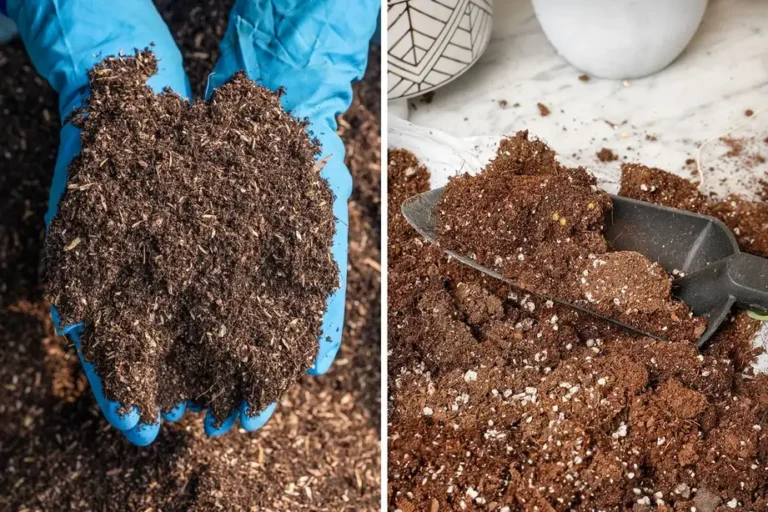
A bag labeled “cactus and succulent mix” is a useful starting point, but labels don’t guarantee a particular texture or drying time. Some mixes still feel dense when damp, so check the ingredients and squeeze a small handful after moistening it. A good mix should feel loose, not like a mud pie.
| Mix | Typical feel | How it handles water | Best starting point |
|---|---|---|---|
| Standard potting soil | Fine, soft, often fluffy | Holds moisture longer | Moisture-loving houseplants |
| Succulent or cactus mix | Coarse, crumbly, gritty | Drains faster | Many common succulents |
| Potting soil amended with grit | Depends on the ratio and materials | Can drain well if the blend stays loose | Gardeners adjusting what they have |
Plant type, pot size, indoor temperature, airflow, and how often you water all affect how quickly soil dries. A sunny windowsill in a warm room will usually dry a pot faster than a cool corner with low light, so there isn’t one mix that works perfectly in every home.
Do you need a special bag for every succulent? No. A commercial mix saves time, but a well-amended potting mix can do the job if the final texture lets water pass through and roots get air.
Pro Tip: Check drainage by watering slowly until excess water exits the hole, then feel the soil below the surface later. A dry crust on top doesn’t prove the root zone has dried.
For more detail on choosing a ready-made blend, this guide to fast-draining succulent soil covers what to look for in a bagged mix.
What Makes a Succulent Mix Drain Well?
A useful succulent mix combines a moisture-holding base with coarse particles that create air spaces and let extra water escape. The goal isn’t to make soil bone-dry at all times; roots still need water, just not a long stay in soggy conditions.
Many mixes use potting soil or another organic base alongside mineral amendments, which are gritty, non-composting materials such as pumice, perlite, or coarse horticultural grit. These particles help keep the mix from packing down as easily. They don’t replace watering judgment, but they can give roots a better chance to breathe between waterings.
Common ingredients have different textures and trade-offs:
- Pumice is a porous volcanic rock that adds weight and air spaces.
- Perlite is a lightweight expanded mineral that loosens dense mixes, though it may float to the surface during watering.
- Coarse horticultural grit adds structure and weight; use a grade meant for gardening, not fine sand.
- Bark can add larger pieces and airflow, but it also breaks down over time.
- Peat moss or coconut coir can hold useful moisture, but a mix with a lot of either may stay damp longer.
Avoid treating “more grit” as an automatic fix. Fine sand can fill gaps between larger particles and make a mix denser, and a very gritty blend may dry so quickly that roots don’t get enough water in a hot or breezy spot. The right texture depends on the plant and growing conditions.
I once assumed a bag would be gritty enough because its front said “succulent.” When I opened it, the mix looked fine and compressed into a damp clump, so I loosened it before planting; reading the ingredients would’ve saved me the surprise.
People often compare cactus soil with regular potting soil because the labels seem interchangeable. They share a focus on drainage, but the actual ingredients and texture vary by brand, so a closer look at cactus soil and potting soil can help when you’re choosing between bags.
A practical starting blend
For many indoor succulents, start with about one part potting soil to one part coarse mineral material by volume, then adjust based on how quickly the pot dries. This is a starting point, not a universal recipe: a cool, dim room may call for a grittier blend than a warm, bright spot.
- Put the dry ingredients in a clean container and mix them evenly.
- Moisten a small handful, then squeeze it gently.
- If it stays in a tight, sticky clump, add more coarse material.
- If it falls apart immediately and water runs straight through without wetting the base, add a little more potting soil.
- Test the finished mix in a spare pot before planting a treasured specimen.
If you’d rather blend your own from scratch, the guide to making succulent potting soil walks through the choices and mixing process.
Choose Soil for the Plant, Pot, and Room
The best mix depends on the succulent’s growth habit and the conditions around its pot, not just the plant family printed on its tag. A sturdy plant in a terracotta pot near a bright window may need a different blend from a small cutting in plastic in a cool room.
Terracotta is unglazed clay that lets moisture evaporate through the pot walls. Plastic and glazed ceramic don’t wick water in the same way, so their soil may stay wet longer. Drainage holes matter in every case; a decorative outer pot can hide standing water, so empty it after watering.
Container size counts, too. A small plant in an oversized pot may leave a large volume of unused soil around its roots, and that soil can take longer to dry. Choose a pot only a little wider than the root ball, then move up as the plant grows.
| What you’re growing or using | Soil adjustment to consider | What to watch |
|---|---|---|
| Hens and chicks | Use a loose, gritty mix, especially in pots | Dense soil can stay wet around the crown |
| Aeoniums | Use a draining blend that still holds some moisture | Growth and watering needs can shift with the season |
| Agave | Favor a coarse mix and a sturdy pot with drainage | Large plants can become top-heavy |
| Plastic or glazed pots | Consider adding more coarse material | Soil may dry more slowly than in clay |
| Small pots or cuttings | Keep the blend airy without making it too coarse | Tiny root systems can dry out quickly |
Hens and chicks often grow in tight rosettes, so avoid packing damp soil against the center of the plant. A comparison of soil for hens and chicks can help you match the mix to a pot or outdoor bed.
Aeoniums can have different seasonal growth patterns from many familiar succulents, so don’t assume the same watering schedule fits every rosette. A flexible blend and close attention to the soil’s drying time are more useful than following a fixed calendar; this guide to potting soil for aeoniums focuses on their particular needs.
Agave plants can grow large and heavy, and their stiff leaves may have sharp tips. Choose a stable container, handle the plant carefully, and use a gritty mix that doesn’t turn the pot into a wobbly tower; soil for potted agave offers more detail for that group.
Important Tip: Before repotting a large agave or any plant with sharp leaves, wear sturdy gloves and protect your eyes. If the plant is too heavy or awkward to handle safely, ask someone experienced to help rather than grabbing it by the leaves.
Watering and Soil Problems to Catch Early
Water succulents when their mix has dried enough for the plant and conditions, rather than watering on a fixed weekly schedule. Water the root zone thoroughly, let excess water drain, and don’t leave the pot standing in a filled saucer.
A dry surface can fool you. Check a little below the top layer with a finger or wooden stick, and lift the pot if you know how heavy it feels after a full watering. A light pot and dry mix together are more useful signals than a calendar reminder.
The plant itself can offer clues, but no single symptom tells the whole story. Soft, translucent leaves may point to excess moisture, while shriveled leaves can come from underwatering or root trouble. Look at the soil, light, temperature, and pot drainage before changing several things at once.
| What you notice | Possible cause | A sensible first move |
|---|---|---|
| Soil stays damp for several days | Dense mix, oversized pot, low light, or cool conditions | Check the mix below the surface and improve airflow or drainage |
| Leaves look soft or translucent | Roots may be staying too wet | Pause watering and inspect the drainage hole and root zone |
| Leaves look wrinkled or limp | Dry soil, damaged roots, or a change in growing conditions | Check moisture before watering again |
| Water runs down the pot edge | Dry, shrunken soil may be repelling water | Water slowly in passes so the root zone can absorb it |
| A sour smell comes from the pot | Soil may be breaking down or staying wet | Remove the plant and inspect roots and mix |
If you find dark, mushy roots, remove the plant from the pot and trim damaged material with a clean tool. Let cut areas dry before replanting in fresh, appropriately dry mix, and avoid watering right away; the plant needs time to recover from the disturbance.
Don’t rush to repot a healthy plant just because its soil differs from a favorite recipe. If the mix drains, the plant looks firm, and the pot dries at a reasonable pace for your room, changing soil may create more stress than benefit.
FAQs About Succulent Soil vs Potting Soil
Can I use regular potting soil for succulents?
Yes, regular potting soil can work if you loosen it with coarse material and use a pot with a drainage hole. A starting blend of equal parts potting soil and pumice or perlite suits many indoor plants, but adjust it if the mix stays wet or dries too quickly.
Is succulent soil the same as cactus soil?
Often, the labels refer to similar fast-draining mixes, but ingredients and texture vary by brand. Check the bag and feel the mix after watering instead of relying on the name alone. A cactus mix that stays dense may need an amendment before you use it for a succulent.
Can I use garden soil in a succulent pot?
Garden soil usually isn’t a good choice for indoor pots because it can compact and drain poorly in a container. It may also contain materials or organisms that don’t belong indoors. Choose a clean potting base and coarse amendments instead, especially for plants growing in a small pot.
Should succulent soil dry completely between waterings?
No, the right timing depends on the plant, pot, and growing conditions, and dry-looking soil at the surface can hide moisture below. Let the root zone dry sufficiently before watering again, but don’t leave a plant dehydrated for long stretches just to follow a rigid rule.
Can I add sand to potting soil for succulents?
You can add coarse horticultural sand, but fine sand may fill spaces between soil particles and make the mix denser. Pumice, perlite, or coarse grit is often easier to use for adding structure. Check the finished mix when damp to make sure it stays loose.
Make the Mix Fit Your Growing Space
For most home growers, a bagged succulent mix or an amended potting soil is a practical choice, as long as water drains freely and the root zone doesn’t stay soggy. I prefer starting with a loose commercial blend, then adjusting it only when the plant and room give me a reason.
Your pot, light, temperature, and watering habits all change how quickly soil dries, so a recipe can’t replace observation. If a pot remains wet, start by checking the drainage hole and mix texture; if it dries too fast, adjust the blend rather than watering on a frantic schedule.
The clearest next step is to check your current pot: confirm it has a drainage hole, then test how the soil feels below the surface after watering. Make one change at a time, and your succulent’s response will tell you what to do next.

I’m Maya L. Greenwood, a lifelong plant lover who believes anyone can grow something beautiful with the right guidance. After years of testing soil mixes, pruning methods, irrigation tricks, and pest-safe solutions, I started EasyGardenTips.com to turn hard-won lessons into step-by-step advice. From seed starting and container gardens to composting and seasonal checklists, my goal is to make gardening simple, sustainable, and fun.