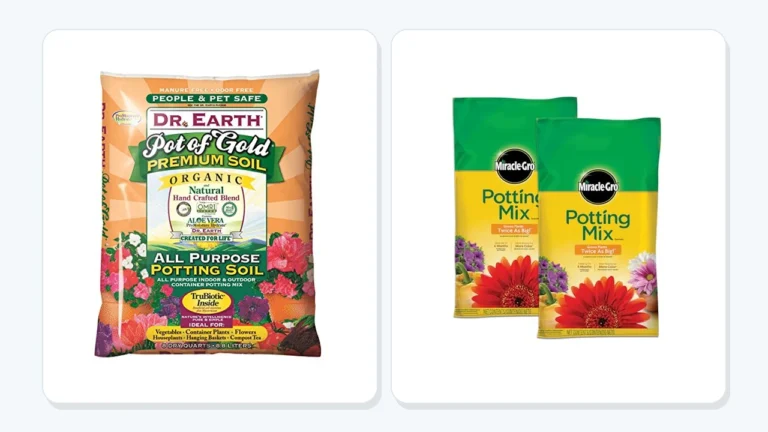
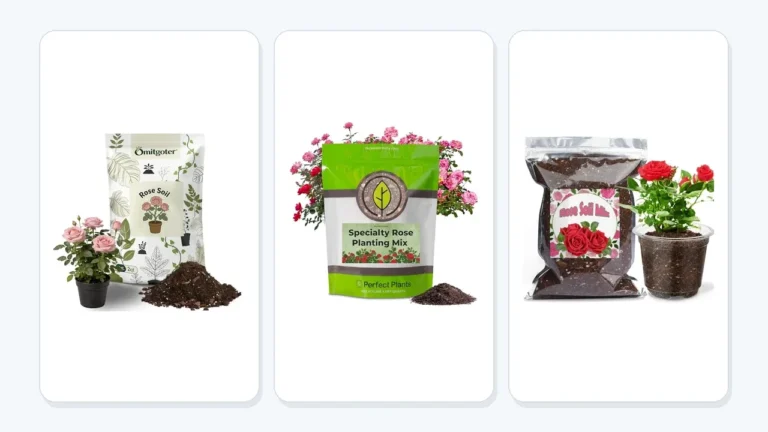
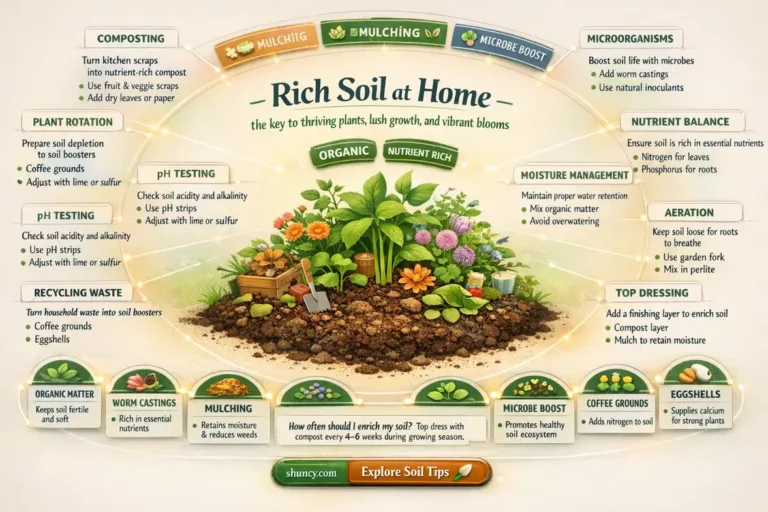
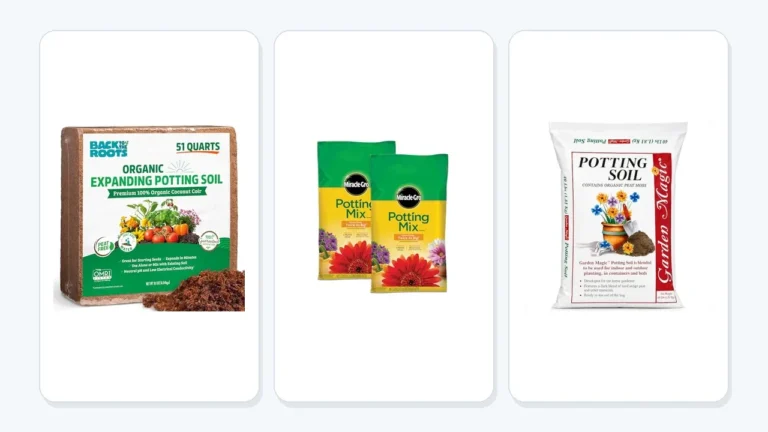
5 Best Potting Soil Mix for Indoor Plants: Picks for Lush Growth
Repotting can turn into a frustrating guessing game if the soil stays soggy, dries into a hard lump, or spills through the drainage holes every time you water. A poor match can leave you cleaning up messes and wondering whether the plant needs more water, less water, or a different pot. For a beginner, the tricky part is that a bag’s appealing words don’t tell you whether the mix suits your plant and routine.
The main thing to match is how your plant likes its soil to drain, since roots need both water and air. Bag size matters too: a large bag may suit several pots, while a small one is easier to store after a single repotting job. If you tend to overwater, a chunky, open mix may help water move through more quickly, but it won’t replace a pot with drainage holes or careful watering.
Here’s what to check before you bring a bag home:
- How texture and drainage relate to your plant and watering habits.
- How much mix you’ll need for your pot or plant collection.
- What fertilizer, moisture-retaining ingredients, and care notes are listed.
- How to repot, store extra soil, and avoid common watering mistakes.
Quick Picks
-
Best For Moisture Buffering

Miracle-Gro Organic Indoor Potting Mix, 16 qt.
Peat moss and coir help manage moisture, giving indoor growers a forgiving mix for houseplants and seed starting.
-
Best For Peat-Free Mix
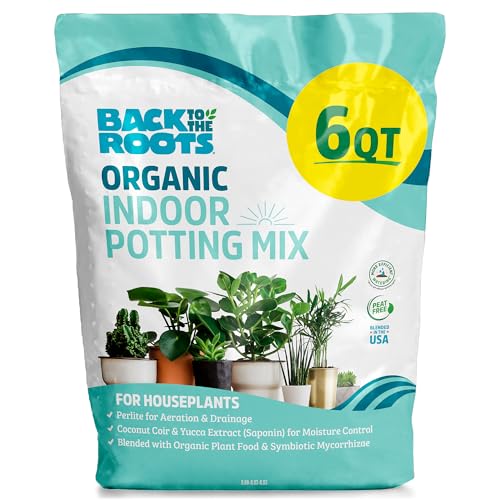
Back to the Roots Organic Indoor Potting
Peat-free mix with yucca extract retains moisture, while mycorrhizae support roots for growers wanting a smaller bag.
Top 5 Potting Soil Mixes for Indoor Plants at a Glance
Start with Miracle-Gro Organic Indoor Potting Mix if you want a larger bag with a stated range of indoor uses, including seed starting. Back to the Roots offers a peat-free option in a smaller amount, while the other mixes emphasize houseplant feeding, chunky drainage, or ingredients such as biochar and worm castings.
| Product image | Product name | Check product |
|---|---|---|
| 1 |
Miracle-Gro Organic Indoor Potting Mix, 16 qt. | Check Price |
| 2 |
Back to the Roots Organic Indoor Potting | Check Price |
3 |
Miracle-Gro Houseplant Potting Mix, 4 qt. | Check Price |
4 |
Grow Queen Craft Houseplant Potting Mix, Organic | Check Price |
5 |
Rosy Soil Houseplant Potting Soil, Organic Indoor | Check Price |
5 Best Potting Soil Mixes for Indoor Plants: Detailed Reviews
When I chose the best potting soil mix for indoor plants, I paid attention to moisture behavior, texture, and the amount in each bag, because those details can affect root conditions and make repotting easier or messier. I also considered what the mix is meant for, whether it includes fertilizer, and how clearly the product describes its ingredients.
The options here range from a broad-use mix to smaller bags with specific features, such as peat-free ingredients or a chunky texture. Looking at those differences side by side helps you choose for your plant, pot size, watering habits, and storage space rather than picking a bag based on a label alone.
1. Miracle-Gro Organic Indoor Potting Mix, 16 qt.
Peat moss and coir help manage moisture, giving indoor growers a forgiving mix for houseplants and seed starting.
- Size16.qt
- COVERAGEOne 16 qt. bag of Miracle-Gro Organic Indoor Potting Mix fills one 12-inch container with potting soil for indoor p
- WeightNot listed; check details
- DimensionsNot listed; check details
Miracle-Gro Organic Indoor Potting Mix is a broad-use choice for indoor growers who want one mix for houseplants, herbs, or seed starting. Its listed ingredients include sphagnum peat moss, coir, and a natural quick-start fertilizer, so the blend has both moisture-related materials and a source of plant nutrients.
Peat moss is a lightweight material used in potting mixes to hold water while leaving spaces in the soil. This mix pairs peat moss with coir, a material made from coconut husks, and the blend is described as helping regulate moisture. That may suit you if you’re still learning when to water, though no mix can correct a pot that stays waterlogged or has no drainage.
The bag is listed as 16 quarts, and the stated coverage is one 12-inch container, with the amount varying according to the root ball. That gives you a useful planning point, not a guarantee that every 12-inch pot takes exactly one bag. The product title also says OMRI Listed, but check the packaging and details if that designation matters to your purchase.
Pros:
- Peat moss and coir help manage soil moisture.
- Quick-start natural fertilizer is included in the blend.
- The stated uses include houseplants, herbs, and seeds.
- The 16-quart bag suits more than a tiny repotting job.
- Coverage guidance gives you a starting point for planning.
Cons:
- A 16-quart bag may be more than you need for one small pot.
- The blend contains peat, so it isn’t a peat-free choice.
- Moisture regulation doesn’t remove the need for drainage holes.
Buy it if: you want one indoor mix for houseplants or seed starting, because the bag lists both uses and combines peat moss, coir, and fertilizer.
Skip it if: you need a peat-free mix or only want a small amount, because this bag contains peat and is listed at 16 quarts, and a smaller-format potting mix would suit you better. For another fit, consider Back or Miracle.
I’d choose Miracle-Gro Organic Indoor Potting Mix when the broader stated uses and larger bag match the job. Peat moss and coir make the moisture focus easy to understand, and the seed-starting use may be handy if you’re beginning plants from seed. Before buying, check that you’re comfortable with peat in the ingredient mix and have a place to store any leftover soil.
2. Back to the Roots Organic Indoor Potting
Peat-free mix with yucca extract retains moisture, while mycorrhizae support roots for growers wanting a smaller bag.
- Size6 Quart
- ColorIndoor Potting Mix
- Release Date2023-01-01T00:00:01Z
- Number Of Items1
Back to the Roots Organic Indoor Potting Soil suits plant owners looking for a peat-free blend in a six-quart bag. The listed mix includes organic yucca extract, mycorrhizae, and dolomitic limestone, which the product describes as supporting moisture retention, root development, and soil acidity balance.
Mycorrhizae are fungi that can form a relationship with plant roots and are used in some growing mixes. This blend includes them as a root-focused ingredient, which may appeal if you want that feature in the bag rather than adding it separately. The product also says yucca extract aids soil moisture retention, a feature to consider if your potting mix dries faster than you expect.
The peat-free description is a clear point of difference, and the listed size is 6 quarts. That smaller quantity can be easier to handle for a few pots, but it may not go far if you’re repotting a large collection. The brand also says the mix is made without bark or compost and is less prone to indoor gnats and pests; that is a product claim, not a promise that pests can never appear.
Pros:
- Peat-free blend for buyers avoiding peat.
- Yucca extract is included for moisture retention.
- Mycorrhizae are included as a root-focused ingredient.
- Dolomitic limestone is listed for balancing acidity and alkalinity.
- Six quarts is a manageable amount for a smaller repotting job.
Cons:
- The six-quart bag may not cover many large pots.
- A moisture-retaining mix still needs a suitable watering routine.
- Check the full ingredient details if your plants need a specialized blend.
Buy it if: you want a peat-free mix for a few indoor plants, because this six-quart bag includes yucca extract and mycorrhizae.
Skip it if: you need a large amount for a full shelf of plants, because six quarts may run short, and a larger-volume potting mix would suit you better. Miracle-Gro Organic Indoor Potting Mix, 16 and Miracle-Gro Houseplant Potting Mix, 4 qt. are worth a closer look instead.
To me, Back to the Roots makes sense when peat-free ingredients matter more than getting the biggest bag. Its listed ingredients give you clear points to weigh, instead of relying only on a vague promise about plant growth. I’d check the bag size against your pots and confirm the ingredient mix suits the plants you’re repotting before ordering.
3. Miracle-Gro Houseplant Potting Mix, 4 qt.
The catalog lists INDOOR GROWING: Growing indoors is easy under the right conditions; Miracle-Gro Houseplant Potting Mix is an i. Compare fit and care needs before choosing.
- Size4 qt
- Color4 qt
- COVERAGEOne 4 qt. bag of Miracle-Gro Houseplant Potting Mix fills one 8-inch container; amounts may vary based on the size
- WeightNot listed; check details
Miracle-Gro Houseplant Potting Mix is a small-bag option for people repotting tropical houseplants who want fertilizer included. Its listed mix combines perlite, sphagnum peat moss, and coir, and the product says its fertilizer feeds indoor container plants for up to six months.
Perlite is a lightweight, porous material added to potting soil to create spaces that help air and water move through the mix. Here it’s combined with peat moss and coir, so the mix is intended for indoor plants that need a growing medium rather than dense garden soil. The named plant examples include pothos, spider plants, monstera, philodendron, and English ivy.
The product says the blend is less prone to fungus gnats because it does not contain compost or bark, which can shelter them. That wording is comparative, not a guarantee of a gnat-free home. The bag is four quarts, with stated coverage of one eight-inch container; the actual amount can vary with the root ball, so a big repot may call for more than one bag.
Pros:
- Perlite helps create air spaces in the growing mix.
- Fertilizer is listed as feeding plants for up to six months.
- Named uses include several familiar tropical houseplants.
- The product is described as less prone to fungus gnats.
- Four quarts is a practical size for a smaller repot.
Cons:
- The four-quart bag may not cover a large pot collection.
- Fertilizer is already included, so check feeding directions before adding more.
- The gnat claim does not mean pests are impossible.
Buy it if: you’re repotting a tropical houseplant in a smaller pot, because the mix includes perlite and fertilizer and is listed for those plants.
Skip it if: you need a large bag or want to control feeding separately, because this mix is four quarts and includes fertilizer, and an unfertilized potting mix would suit you better. If those trade-offs rule it out, Miracle or Back may suit you better.
I like that Miracle-Gro Houseplant Potting Mix states both the plants it targets and how long its fertilizer is intended to feed them. Perlite gives a beginner a plain reason to consider the texture, while the small bag limits waste when you only have one pot to refresh. Before buying, check the feeding directions and make sure the stated coverage fits your pot.
4. Grow Queen Craft Houseplant Potting Mix, Organic
The catalog lists INDOOR POTTING SOIL MADE FOR HOUSEPLANTS: A premium potting soil for indoor plants that replaces dense, generi. Compare fit and care needs before choosing.
- Size2 quarts
- Number Of Items1
- PICK YOUR SIZEChoose a small bag (2 or 4 quart) for a single repot or a large bag (8 or 12 quart) for a full plant shelf. Same cr
- WeightNot listed; check details
Grow Queen Craft Houseplant Potting Mix is a small, chunky blend for indoor growers who want a mix built around faster drainage and air spaces. The listed ingredients include Douglas fir bark, lava rock, pumice, worm castings, and charged biochar, and the bag is described as pre-moistened and ready to use.
Pumice is a porous, lightweight rock that can leave open spaces in potting soil. Grow Queen pairs it with lava rock and bark, ingredients the product says create air pockets and help water drain through. If you tend to keep soil wet for a long time, that more open texture may be worth considering, though it won’t make overwatering harmless or remove the need for a pot with drainage.
The blend also includes worm castings and charged biochar. The product describes worm castings as a source of micronutrients and biochar as a material that holds water and nutrients near the roots; those are ingredient claims, not a substitute for checking whether a particular plant needs extra fertilizer. This bag is listed as two quarts, which is a convenient scale for a single small job but can be limiting if several plants need repotting.
Pros:
- Bark, lava rock, and pumice form a chunky texture.
- The mix is described as well draining and air-filled.
- Worm castings and charged biochar are included.
- The bag arrives pre-moistened and ready to use.
- Peat-free and perlite-free are stated features.
Cons:
- Two quarts is a small amount for multiple large pots.
- A chunky mix may not match every plant’s moisture needs.
- The product’s broad plant list doesn’t replace checking individual care needs.
Buy it if: you’re repotting one plant that suits a chunky, fast-draining mix, because this blend includes bark, lava rock, and pumice.
Skip it if: you want a large supply for several containers, because the bag is listed at two quarts, and a larger-volume potting mix would suit you better.
I’d consider Grow Queen Craft Houseplant Potting Mix for a single repot where a visibly chunky texture is the point. The ingredient list helps explain why it should drain more openly than a fine, dense mix, and the pre-moistened description may make opening the bag straightforward. Check the two-quart quantity and the plant’s moisture needs before you commit, since a very small bag can disappear quickly.
5. Rosy Soil Houseplant Potting Soil, Organic Indoor
The catalog lists ORGANIC INDOOR POTTING SOIL, MADE WITHOUT PEAT: Biochar, worm castings, mycorrhizae, compost, and bark fines r. Compare fit and care needs before choosing.
- Size4 Quarts
- ColorHouseplant
- Number Of Items1
- WeightNot listed; check details
Rosy Soil Houseplant Potting Soil is a peat-free option for indoor plant owners interested in bark, biochar, and worm castings. Its listed ingredients also include mycorrhizae, compost, and sand, and the product says the mix is intended for tropical plants, herbs, ferns, and several other indoor plant types.
Biochar is a carbon-rich material used in growing mixes, and this product describes its biochar as charged to hold water and nutrients. Rosy Soil also lists bark fines and sand, which it says help keep the mix open and allow water to move through. That combination may interest someone trying to avoid a dense, compacted feel, but drainage still depends on the pot, the amount of water, and the plant’s needs.
Worm castings and mycorrhizae are included as ingredients the product associates with root and nutrient support. The bag is four quarts, and the product says that amount fills two to three medium pots, though pot shape and root balls affect how much soil a repot takes. A resealable bag is also listed, which gives you a way to close up the extra mix between jobs.
Pros:
- Peat-free blend includes bark fines, sand, and biochar.
- The product describes the mix as open and well draining.
- Worm castings and mycorrhizae are included.
- The stated uses include tropical plants, herbs, and ferns.
- A resealable bag helps contain remaining mix.
Cons:
- Four quarts may not be enough for several large containers.
- Compost is included, so this isn’t a compost-free option.
- The ingredient blend may not fit plants that need a different soil texture.
Buy it if: you want a peat-free mix for a few indoor pots, because the four-quart bag includes bark fines, biochar, and worm castings.
Skip it if: you specifically want a mix without compost, because compost is listed as an ingredient, and a compost-free potting mix would suit you better.
What I like about Rosy Soil Houseplant Potting Soil is that its ingredient list gives you a real basis for judging the texture and contents. The resealable bag is a useful touch if you won’t use the full amount at once, and the stated coverage helps with rough planning. I’d still check that your plant can use a mix containing compost and confirm the quantity against the pots on your list.
How to Choose the Best Potting Soil Mix for Indoor Plants
Choose a mix by matching its texture and ingredients to the plant, your pot, and how you water. The best potting soil mix for indoor plants isn’t the same for every root system, so start with the plant’s care needs rather than a general promise on the bag.
Match the texture to the plant
Texture means how fine, loose, or chunky the mix feels. Fine blends can hold water more evenly, while chunky blends with materials such as bark, pumice, or rock leave larger spaces for air and water movement. A plant that prefers evenly moist soil may need something different from one that benefits from quick drainage, so check the plant’s care guidance before choosing.
If you have several different plants, don’t assume one mix is automatically right for all of them. A general indoor blend may work for common houseplants, but a fern, cactus, or orchid can have different moisture and root-air needs. A quick look at a plant’s normal growing conditions can prevent the “one bag fits all” mistake.
Spider plants are a useful reminder that species still matter even when the plant seems easy to care for. If you’re choosing a blend for one, compare its moisture and drainage needs with the bag’s ingredients and the guidance in spider plant soil advice.
Look for water movement that suits your routine
Drainage is how readily excess water moves through the potting mix and out of the container. If you tend to water generously, a more open mix may be helpful, but the pot still needs drainage holes and you should empty collected water from its saucer. A mix that holds more moisture can suit someone who checks the plant regularly but should not be treated as a reason to keep the roots constantly wet.
Don’t judge drainage from a single ingredient name. Perlite, pumice, bark, and lava rock can contribute to an airy structure, while peat moss and coir are often used in mixes that retain moisture. The full blend and the actual pot both matter; a container without a drainage hole can trap water even when the soil seems loose.
If you’re shopping for soil for indoor ferns, pay attention to the balance between moisture and air rather than choosing the fastest-draining mix you can find. Ferns are not all identical, so use the plant’s specific care instructions to decide how long the mix should stay damp between waterings.
Check the bag size against your job
Bag size tells you how much mix you’re buying, not exactly how many pots it will fill. Root balls, pot shape, and how much old soil you remove all affect the amount needed. Use any stated coverage as a rough estimate, then allow for differences between your container and the example on the bag.
Small bags are easy to store and useful for one or two pots, but the quantity can be frustrating if you’re refreshing an entire shelf. Larger bags can be more practical for several plants, though leftover soil needs to be kept closed and dry enough to avoid becoming a storage mess. If you have one medium pot, compare its inside dimensions with any coverage guidance rather than guessing from the pot’s outside width.
A houseplant potting soil guide can help you think through how a general mix differs from one built for particular plant types. That matters most if your collection includes plants with notably different watering needs.
Understand fertilizer and added ingredients
Some potting mixes include fertilizer, while others focus on the base materials and leave feeding to you. Read the label for the kind of feeding claim and its stated duration, then avoid automatically adding more fertilizer right after repotting. Too much fertilizer can be hard on roots, and a pre-fertilized mix may not need an immediate extra dose.
Ingredients such as worm castings, mycorrhizae, biochar, and yucca extract each have a different stated role. Their presence doesn’t prove that a mix is right for every plant, and ingredient claims shouldn’t replace a plant’s basic care requirements. If a bag doesn’t clearly explain an ingredient or feeding schedule, check the package details before purchase rather than filling in the blanks yourself.
Consider peat, compost, and storage preferences
Peat-free is a specific ingredient preference, not a shortcut for judging the entire mix. Check whether the bag names peat moss, coir, bark, compost, or other materials, and decide which matter to you. A claim about being less prone to gnats also isn’t a guarantee that insects can’t show up, since pests can enter the home in other ways.
Storage matters if you buy more than you need at once. A resealable bag or a container with a close-fitting lid can help keep leftover soil contained, while a dry storage spot helps prevent an open bag from becoming an unpleasant pile. Consider where the bag will live before you choose a size; a bargain-sized sack is less useful if it has no practical place to go.
Pick a mix for specialty plants carefully
A general-purpose indoor mix may suit familiar foliage plants, but plants with unusual roots or moisture needs may need a different texture. Corn plants, for instance, should be matched to a mix and watering routine that allow excess water to escape rather than leaving the root area continually soggy. Review the care guidance for your specific plant before using a broad houseplant mix as a default.
For a corn plant, use corn plant potting mix guidance to compare the drainage and moisture balance your plant needs. Don’t rely on a bag’s broad list of plant names as proof that every plant in your home wants identical soil.
How to Use Potting Soil Mix for Indoor Plants for the Best Results
Use clean, appropriately sized pots with drainage, loosen the root ball gently, and settle the mix without packing it hard. Good soil helps, but careful watering and a container that lets excess water escape do much of the day-to-day work.
First, check the pot and the plant before opening a bag. Choose a container that gives the roots room without leaving an enormous volume of wet soil around a small root ball, and confirm that water can drain from the bottom. If the plant’s care instructions call for a specific soil type, follow those before using a general indoor blend.
Set out a scoop, a tray or newspaper, and a container for the old soil if needed. Open the mix carefully to avoid spilling it across the floor, and check whether the instructions say to moisten it or use it as it comes. Some mixes arrive pre-moistened, so adding water before reading the directions can make the work messier.
For a transplant, add enough mix to the bottom of the pot to bring the plant to a suitable height. Loosen the outer roots gently if they’re tightly wrapped, then place the root ball in the center and fill around it. Keep the plant at a similar depth to its previous pot unless plant-specific instructions say otherwise.
Press the soil lightly to remove large gaps, but don’t compact it into a hard mass. Roots need space for both moisture and air, and hard packing can interfere with water moving through the pot. Leave a small amount of room at the top so watering doesn’t immediately wash soil over the rim.
Water according to the mix and plant instructions, then let excess water drain away. Don’t leave the pot standing in a full saucer, and don’t repeat watering just because the soil surface looks dry. Check below the surface or use the plant’s care guidance to judge when another drink is due.
Seed starting calls for a lighter touch than repotting a mature plant. Fill the container with the mix, follow the seed packet’s depth and watering directions, and keep the growing medium as moist as those instructions require. The seed packet matters because different seeds can need different planting depths and conditions.
For old soil you plan to refresh, first decide whether it is still suitable for reuse and free of visible pest or disease problems. The Rosy Soil feature list says its mix can be added to existing soil, but that doesn’t mean every old pot is worth saving. If you see a serious problem or don’t know what caused it, use fresh mix rather than carrying the trouble into a clean pot.
If you want to blend your own ingredients instead of buying a ready-made bag, plan the recipe around the plant’s needs and use indoor potting soil mixing steps as a starting point for learning about ingredient roles. Avoid adding materials at random; a homemade mix still needs the right balance of moisture, air space, and drainage for the plant.
How to Make Your Indoor Potting Soil Mix Last Longer
Keep unused soil closed, dry, and protected from dirt or pests, and avoid leaving a newly potted plant in standing water. Good storage and gentle care help keep the mix usable, though potting soil gradually changes as roots grow and ingredients break down.
Close the original bag tightly after each use if it can be resealed. If it cannot, move the remaining mix into a clean storage container with a secure lid and label it so you know what it is later. Store the container somewhere dry and out of the way of household spills, cleaning products, and loose garden debris.
Keep the soil away from rain and damp floors. An open bag left outside can get soaked, compact, or become difficult to handle, while a dusty indoor corner can mix debris into the soil. Choose a spot where the container won’t be knocked over, especially if children or pets can reach it.
Before reusing stored mix, open it and check its condition. If it smells unusual, looks contaminated, or has visible insects or mold, don’t assume it is fine simply because the bag was closed. When you can’t tell whether a problem is harmless, err on the side of using fresh soil for a sensitive plant.
Avoid keeping an opened bag longer than you can store it sensibly. The product details don’t establish a universal shelf life for these mixes, and different ingredients and storage conditions can affect how they hold up. Buy an amount you can use for your planned repotting work, rather than storing a huge bag indefinitely.
A plant may need fresh mix when the old soil has become very compacted, water no longer moves through it as expected, or roots have filled the pot. Those signs call for checking the plant and container, not simply adding fertilizer. When repotting, remove only old soil that comes away easily unless plant-specific care instructions say otherwise.
After watering, empty the saucer or outer cachepot so the base of the pot doesn’t sit in a pool. This habit protects the root zone from prolonged excess water and makes it easier to notice whether drainage is working. Keep leaves and loose soil clean around the rim so the pot stays easy to inspect.
Common Mistakes to Avoid When Buying and Using Potting Soil Mix for Indoor Plants
Most beginner problems come from treating every houseplant and pot as if they need the same mix and watering routine. Use the bag as one part of the decision, then pay attention to drainage, plant type, and how the soil behaves at home.
- Buying by the bag’s biggest claim: A broad phrase such as “for indoor plants” doesn’t tell you whether the texture suits your particular plant. Fix: check its care needs and compare those with the listed ingredients and texture.
- Assuming “well draining” means hard to overwater: A quick-draining mix can still stay wet in a pot without holes or a saucer full of water. Fix: use a pot with drainage and empty excess water after watering.
- Choosing a bag without estimating the amount: A small bag can run out during a multi-pot repot, while a large one can be awkward to store. Fix: count the pots you plan to fill and use coverage notes as estimates.
- Adding fertilizer immediately after repotting: Some mixes already include fertilizer, and extra feeding may not be needed right away. Fix: read the bag’s feeding directions before adding plant food.
- Packing the mix down tightly: Hard pressing removes the open spaces that help water and air move through the pot. Fix: settle soil with light pressure and add more only where the root ball needs support.
- Treating a gnat claim as a guarantee: A mix described as less prone to gnats can’t promise that insects will never appear. Fix: check new plants and store open soil closed.
- Ignoring the pot’s drainage: Soil alone cannot solve a container that traps excess water. Fix: choose a pot with drainage holes or use an inner pot that can be lifted out to empty water.
- Repotting into a much larger pot without a reason: A large ring of extra soil can hold water around a small root system. Fix: choose a container that fits the root ball and the plant’s care needs.
How to Set Up Potting Soil Mix for Indoor Plants
Set up the pot, soil, and work area before you remove the plant from its current container. That simple order gives you time to check drainage and the bag directions before exposed roots are waiting on the table.
- Choose a work surface. Put down a tray or newspaper so loose soil is easy to gather rather than sweep from the floor.
- Check the container. Confirm the pot has drainage holes and is an appropriate size for the root ball.
- Read the soil directions. Check whether the mix should be used as is, whether fertilizer is included, and what coverage the bag states.
- Prepare the plant. Water or loosen the root ball only as the plant’s care instructions recommend, then remove it gently from its old pot.
- Add a base layer. Put enough mix in the new pot to place the plant at a suitable height without burying its stem or crown.
- Position and fill. Center the root ball, add mix around it, and leave room at the top for watering.
- Settle without crushing. Press lightly so the plant is supported, but don’t pack the soil into a dense block.
- Water and drain. Follow the soil and plant directions, then empty any water left in the saucer or outer container.
The most common stumbling point is filling the pot before checking the plant’s height. Pause before adding the final soil around the top; it is easier to adjust the base layer while the root ball is still easy to lift.
Common Questions About Potting Soil Mix for Indoor Plants
Can I use garden soil for indoor plants?
Garden soil is usually not the right default for indoor pots because it can be dense and may not drain or behave like a container mix. A potting mix is made for growing plants in containers. Check the ingredients and plant-care needs, and use soil intended for indoor pots rather than scooping from an outdoor bed.
How much potting soil do I need for an indoor plant?
The amount depends on the pot’s inside size, the root ball, and how much old soil you remove. Use a bag’s coverage estimate as a rough guide, not an exact promise. If the bag says it fills a particular container, your pot may still take more or less because shapes and roots vary.
Should indoor potting soil be wet before I plant?
Follow the instructions for the specific mix instead of soaking every bag automatically. Some soil may arrive pre-moistened, while other mixes may need water during or after planting. The goal is a mix that is ready to support the roots, not a pot that is dripping wet before the plant goes in.
How often should I replace potting soil in houseplants?
There isn’t one replacement schedule that fits every houseplant. Consider repotting when roots have filled the container, soil is badly compacted, or water no longer moves through the pot as expected. Check the plant’s needs and the condition of the mix, rather than replacing healthy soil simply because a set number of months has passed.
Is peat-free potting soil better for indoor plants?
Peat-free describes an ingredient choice; it doesn’t automatically mean a mix is better for every plant. Compare the blend’s texture, drainage, moisture behavior, and plant guidance before choosing. If avoiding peat matters to you, check the ingredient list, then confirm the mix still suits the roots and watering routine of your plant.
Can I reuse potting soil after repotting?
You can sometimes use leftover mix if it has been stored cleanly and has no signs of pests, contamination, or other problems. Avoid reusing soil that came from a sick plant or has an unusual smell or visible growth. If you’re unsure about its condition, fresh mix is the simpler choice for a new planting job.
Make Your Soil Choice Before You Open the Bag
Before you buy, name the plants you’re repotting, check whether they need a moisture-holding or more open mix, and estimate how many quarts your pots will take. Then read the ingredient and feeding details on the bag, confirm you can store what remains, and choose the smallest amount that comfortably covers the job.

I’m Maya L. Greenwood, a lifelong plant lover who believes anyone can grow something beautiful with the right guidance. After years of testing soil mixes, pruning methods, irrigation tricks, and pest-safe solutions, I started EasyGardenTips.com to turn hard-won lessons into step-by-step advice. From seed starting and container gardens to composting and seasonal checklists, my goal is to make gardening simple, sustainable, and fun.