Is Mulch a Fertilizer or Just a Soil Cover
Mulch usually isn’t a fertilizer, but organic mulch can feed soil slowly as it breaks down. Mulch mainly covers the soil, holds moisture, reduces weeds, and moderates temperature, while fertilizer supplies concentrated nutrients that plants can use more quickly.
Have you spread mulch around a plant and wondered why growth didn’t improve right away? Are you worried that mulch might steal nitrogen from your vegetables or flowers?
Guessing can waste money and leave plants hungry, especially in beds with poor soil.
You’ll learn how mulch works, which materials add nutrients, when fertilizer still makes sense, and how to spread mulch without hurting roots.
Used correctly, mulch can mean fewer weeds, less watering, cooler roots, and soil that gets easier to work over time. Used carelessly, thick mulch can hold too much moisture, hide pests, or press against stems and trunks.
This article takes about 9 minutes to read. By the end, you’ll know how to:
- Tell organic mulch from true fertilizer.
- Choose mulch for flowers, vegetables, shrubs, and trees.
- Avoid nitrogen tie-up and stem rot.
- Pair mulch with compost or fertilizer wisely.
Is Mulch a Fertilizer?
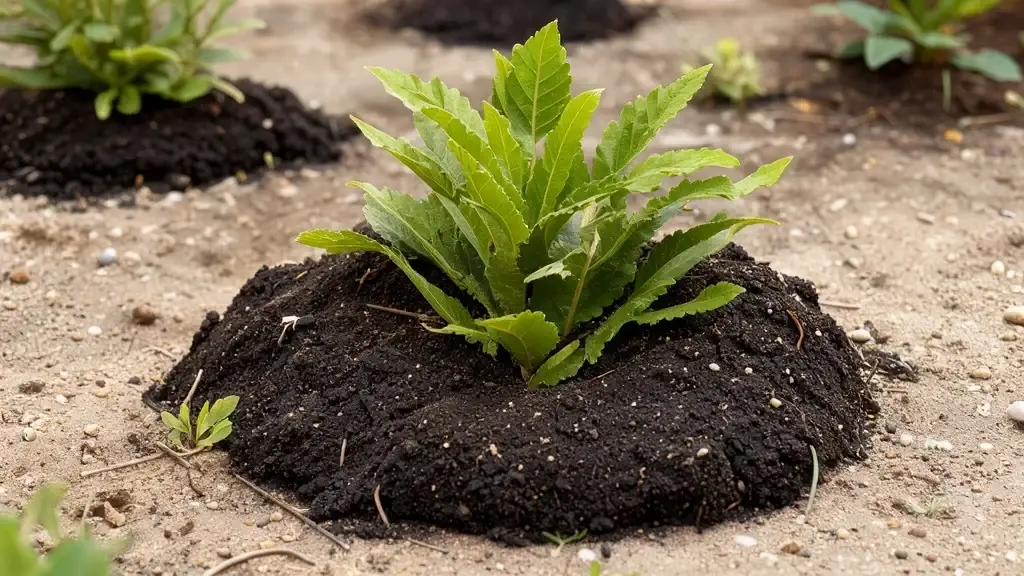
Mulch is not usually a fertilizer because mulch’s main job is covering the soil, not delivering a measured dose of plant nutrients. Organic mulch, such as shredded leaves, bark, straw, or wood chips, slowly decomposes and adds small amounts of nutrients and organic matter, while synthetic mulch adds little or no nutrition.
Fertilizer is labeled by its N-P-K analysis, which shows nitrogen, phosphorus, and potassium content. A bag marked 10-10-10 contains 10 percent of each nutrient by weight, but a pile of bark mulch doesn’t provide a dependable nutrient analysis for garden use.
That difference matters. You can spread mulch to improve the soil’s condition, but you can’t count on mulch alone to correct yellow leaves, weak growth, or a known nutrient shortage.
A two-inch layer of shredded leaves may break down fairly quickly and add organic matter. A four-inch layer of pine bark may last much longer, protect roots well, and contribute very little nutrition during the growing season.
What Mulch Actually Does
Mulch creates a protective layer between the soil and the weather. That simple cover affects water, temperature, weeds, erosion, and soil life all at once.
Organic mulch can:
- Slow evaporation during hot weather.
- Reduce splashing soil onto leaves.
- Limit weed seed germination by blocking light.
- Protect shallow roots from temperature swings.
- Reduce erosion during heavy rain.
- Add carbon and organic matter as microbes break it down.
- Make compacted soil softer over time.
Stone, rubber, and plastic mulch can control weeds and conserve moisture, but they don’t feed the soil as they age. They function more like a blanket or shield than a meal.
The difference between mulch and soil amendments trips up plenty of gardeners. If you’re comparing mulch with topsoil, mulch and topsoil serve different jobs: mulch sits on the surface, while topsoil becomes part of the growing layer.
What Fertilizer Does Instead
Fertilizer supplies nutrients in a form roots can absorb after water moves those nutrients through the soil. Some fertilizers work quickly, while slow-release fertilizer feeds plants over a longer period.
Plants need more than three nutrients, although nitrogen, phosphorus, and potassium get the most attention. Calcium, magnesium, sulfur, iron, and several trace nutrients also affect plant color, roots, flowers, and fruit.
A plant with pale older leaves may need nitrogen, but yellow leaves can also point to poor drainage, root damage, cold soil, or a disease problem. Dumping fertilizer on every yellow plant is like taking cough medicine for a broken toe. The treatment misses the cause.
Pro Tip: Use a soil test before adding large amounts of fertilizer, lime, or manure. A test can show whether the soil actually lacks a nutrient or already contains too much.
Organic Mulch Versus Inorganic Mulch
Organic mulch comes from plant or animal materials and can decompose. Inorganic mulch includes materials that remain mostly unchanged for years.
| Mulch type | Main benefit | Nutrient contribution | Typical use |
|---|---|---|---|
| Shredded leaves | Breaks down and improves soil | Low to moderate over time | Flower beds and vegetable rows |
| Straw | Protects soil and fruit from splashes | Low | Vegetable gardens and strawberries |
| Grass clippings | Breaks down quickly | Low to moderate | Thin layers around established plants |
| Wood chips | Long-lasting weed and moisture control | Low at first | Paths, shrubs, and trees |
| Pine bark | Attractive, durable surface cover | Low | Acid-loving plants and ornamental beds |
| Compost | Feeds soil and adds organic matter | Moderate, variable | Bed preparation and top dressing |
| Gravel or stone | Long-lasting cover | None | Dry gardens and paths |
| Rubber mulch | Durable surface cover | None | Some ornamental areas |
Compost sits in a middle category because gardeners use it as both a soil amendment and a surface cover. It is not the same as ordinary mulch, even though a thin compost layer can act like mulch.
People searching for mulch and compost differences are usually asking which material belongs on top and which material should mix into the soil. Compost is generally more broken down and nutrient-rich, while coarse mulch lasts longer and protects the surface better.
How Organic Mulch Feeds Soil
Organic mulch feeds soil gradually through decomposition, but the speed depends on the material, moisture, temperature, oxygen, and contact with the soil. Fine materials break down faster than thick wood chips, and warm, damp conditions speed microbial activity.
Decomposition happens when fungi, bacteria, insects, and other soil organisms consume dead plant material. Those organisms turn mulch into smaller particles and eventually release some nutrients into the soil.
The process isn’t instant. Fresh wood chips may sit on the surface for months or longer before you notice much change, while chopped leaves can disappear within part of a growing season.
Why Fresh Wood Mulch Can Tie Up Nitrogen
Fresh woody mulch contains lots of carbon compared with nitrogen. Microbes need nitrogen to break down that carbon, so they may pull some available nitrogen from the thin soil layer directly under the mulch.
This is called nitrogen immobilization, which means nitrogen becomes temporarily tied up in microbial bodies. Plants may show slow growth or pale leaves if roots sit in that low-nitrogen zone, especially when fresh chips get mixed into the soil.
The risk drops when wood chips stay on top of the soil instead of being tilled into it. Established shrubs and trees usually handle surface wood mulch well because their roots reach beyond the shallow decomposition zone.
Grass clippings can act differently. They contain more nitrogen and break down quickly, but thick wet clumps can form a slimy mat that blocks water and air.
A Practical Mulch Story
I once spread a heavy layer of fresh chips around young plants because the bed looked dry and unfinished. The plants stalled until I pulled the chips a little farther from the stems and added a modest nitrogen source, which taught me that surface mulch and soil fertility need separate decisions.
That small correction saved the bed from a much bigger rescue job. Mulch was doing its moisture-control job, but it wasn’t feeding those young plants.
Which Mulch Breaks Down Fastest?
Fine, soft, and nitrogen-rich materials usually break down faster than coarse, dry, woody materials. Chopped leaves, grass clippings, and straw may need more frequent replacement, while bark and wood chips can last longer.
Breakdown also depends on how thickly you spread the mulch. A thin layer has more contact with air and moisture, while a packed layer can become slow, sour-smelling, and difficult for rain to penetrate.
Material choice matters more than most people expect. Gardeners comparing the best mulch for compost often want a material that breaks down without forming a dense mat, especially in beds where soil improvement matters more than a polished look.
How To Use Mulch With Fertilizer
Mulch and fertilizer work well together when each material does its own job. Fertilizer supplies measured nutrients, while mulch protects the soil and slows nutrient loss from runoff and evaporation.
Use this order for an established bed:
- Check the plant’s symptoms and the soil moisture before adding anything.
- Apply fertilizer only if the plant, soil test, or label supports that choice.
- Water soluble fertilizer into the soil according to the product label.
- Pull mulch back so fertilizer doesn’t sit on top of a dry, thick layer.
- Replace the mulch and keep it away from stems and trunks.
- Water gently if the label calls for it.
Safety matters here. Wear gloves when handling fertilizer, avoid breathing dusty products, and keep children and pets away from treated areas until the product label says the area is safe.
Don’t mix fertilizer into fresh wood chips just to make the chips “complete.” That can waste nutrients near the surface and create uneven feeding.
Important Tip: Keep mulch 2 to 4 inches away from plant stems and tree trunks. Mulch touching bark holds moisture against the plant and can encourage decay, insect problems, and disease.
Choosing Mulch for Vegetables, Flowers, Trees, and Shrubs
The best mulch depends on the crop, the climate, the soil, and the problem you want to fix. A material that works neatly around a tree may be awkward around lettuce or young pepper plants.
Vegetable Gardens
Straw, shredded leaves, compost, and untreated grass clippings can work well in vegetable beds when spread in thin, clean layers. Avoid grass clippings from lawns treated recently with herbicides unless the product label gives a safe waiting period for garden use.
Keep mulch a few inches away from vegetable stems. Contact with wet mulch can cause soft stems, fungal problems, and damage from slugs or other pests.
For gardeners deciding what mulch to use for a vegetable garden, the safest starting point is often clean straw, chopped leaves, or finished compost. Match the material to the crop, because low-growing greens need a lighter layer than large plants with broad spaces between rows.
Tomatoes need special care because leaves and fruit can suffer from soil-borne disease when rain splashes dirty soil upward. A clean layer of straw, shredded leaves, or another suitable organic material can reduce that splash.
If you’re comparing the best mulch for tomatoes, focus on clean material, good air movement, and proper spacing around the stem. Mulch won’t cure blight, but it can reduce one path that moves soil and spores onto lower leaves.
Flower Beds
Shredded bark, pine bark, leaves, and composted wood products suit many ornamental beds. Choose a texture that stays in place during storms and doesn’t pack into a hard crust.
A two- to three-inch layer usually gives good coverage without burying crowns or shallow stems. Recheck the depth after heavy rain because mulch can wash into one corner and leave roots exposed elsewhere.
Colored mulch deserves a closer look. Ask what material received the color and whether the product is intended for garden use, especially around edible crops.
Trees And Shrubs
Wood chips and bark work well around established trees and shrubs because they last and protect broad root zones. Spread mulch in a wide, shallow ring rather than a tall cone.
A mulch volcano traps moisture against the trunk and can hide bark damage. The soil near the trunk should remain visible, with the thickest mulch several inches away from the base.
Roots need oxygen. A thick, compacted layer can reduce air movement into the soil even though the surface looks tidy.
Acid-Loving Plants
Pine bark, pine needles, and oak leaves often suit plants that prefer acidic soil, such as blueberries, azaleas, and rhododendrons. The mulch may affect surface conditions slowly, but it won’t reliably change the whole soil pH by itself.
Test soil pH before using lime or sulfur. A plant that struggles in alkaline soil may need a proper pH correction rather than a different decorative mulch.
Mulch Depth And Timing
Depth controls both the benefits and the risks. Too little mulch leaves bare soil and weak weed control, while too much can block water and air.
| Plant area | Useful mulch depth | Main caution |
|---|---|---|
| Annual vegetables | 1 to 3 inches | Keep stems clear |
| Flower beds | 2 to 3 inches | Don’t bury plant crowns |
| Shrubs | 2 to 4 inches | Spread beyond the root zone |
| Trees | 2 to 4 inches | Never pile against trunks |
| Paths | 3 to 4 inches | Refresh where traffic thins the layer |
Timing matters as well. Applying mulch to cold, wet soil in early spring can slow warming, while a summer layer can reduce heat stress. In fall, mulch protects roots, but dense piles against stems still cause trouble.
Common Mulching Mistakes
Most mulch problems come from depth, placement, or material quality rather than the basic idea of mulching.
- Mixing fresh wood chips into garden soil.
- Covering plant crowns or low stems.
- Creating a thick ring against a tree trunk.
- Spreading diseased leaves around healthy plants.
- Using hay filled with weed seeds.
- Applying wet grass clippings in thick clumps.
- Covering soggy soil and trapping excess water.
- Assuming dark color means high fertilizer value.
- Replacing a soil test with a guessed nutrient treatment.
Mulch also doesn’t fix poor drainage. If a bed stays wet for days, adding more cover may hide the issue and make root problems harder to spot.
A clean rake can spread mulch evenly, while a shovel or wheelbarrow makes large beds easier. Keep tools clean when moving material from a diseased bed to a healthy one.
Pro Tip: Pull mulch back before checking soil moisture. The surface under mulch can look dry while the soil a few inches down stays damp, so feel the soil before watering.
- Mulch protects soil; fertilizer supplies measured nutrients.
- Organic mulch adds some nutrients only as microbes break it down.
- Fresh wood mulch belongs on the surface, not mixed into garden soil.
- Keep mulch away from stems and trunks, and match depth to the plant.
FAQs About Is Mulch a Fertilizer
Can mulch replace fertilizer?
No, mulch usually can’t replace fertilizer when plants have a confirmed nutrient shortage. Organic mulch improves soil gradually, but fertilizer supplies nutrients in measured amounts, so hungry plants may need both a suitable fertilizer and a protective mulch layer.
Does mulch make soil more fertile?
Yes, organic mulch can make soil more fertile over time by adding organic matter as it decomposes. The effect varies by material, climate, moisture, and soil life, while stone, rubber, and plastic mulch add little or no fertility.
Does mulch steal nitrogen from plants?
Fresh woody mulch can temporarily reduce available nitrogen near the soil surface, especially when gardeners mix the material into soil. Surface-applied wood chips create less trouble, and nitrogen-rich materials such as compost or grass clippings behave differently.
Should fertilizer go under or over mulch?
Fertilizer usually works best when applied to the soil according to the product label, not left sitting on top of thick mulch. Pull mulch aside, apply the product safely, water as directed, and return the mulch without covering stems.
Is compost better than mulch?
Neither material wins every job because compost and mulch serve different purposes. Compost is usually more broken down and better for feeding soil, while coarse mulch lasts longer and gives stronger protection from weeds, evaporation, erosion, and temperature swings.
Can mulch burn plants?
Yes, mulch can damage plants when fresh material touches stems, when thick layers stay soggy, or when contaminated grass clippings contain herbicide residue. Keep mulch several inches from stems and trunks, and use clean materials intended for garden use.
The Practical Mulch Decision
Mulch is best treated as a soil cover with a slow side benefit, not as a dependable fertilizer. Organic materials can feed soil over time, but they won’t take the place of a soil test, a balanced feeding plan, or a fix for poor drainage.
My preference is simple: use compost or fertilizer to address nutrition, then use clean mulch to protect the soil. Spread the layer at a sensible depth, leave breathing room around stems and trunks, and check the soil before watering.
The clearest next step is to inspect one bed today. Pull mulch away from the plants, test the soil moisture with your fingers, and decide whether the bed needs nutrition, better drainage, or just a thinner, cleaner cover.

I’m Maya L. Greenwood, a lifelong plant lover who believes anyone can grow something beautiful with the right guidance. After years of testing soil mixes, pruning methods, irrigation tricks, and pest-safe solutions, I started EasyGardenTips.com to turn hard-won lessons into step-by-step advice. From seed starting and container gardens to composting and seasonal checklists, my goal is to make gardening simple, sustainable, and fun.