5 Best Mulch for Compost That Breaks Down and Feeds Soil
Mulch can help cover soil, but the wrong setup leaves you with soggy scraps, half-rotted leaves, or a pile that never seems ready. A poor choice may also mean turning heavy material by hand, chasing loose pieces around the yard, or buying a tool that cannot handle the work you actually need to do.
For composting, the bin matters more than a clever label. Look for enough space, steady airflow, a way to mix or turn the contents, and an opening that lets you remove finished compost without tearing the pile apart.
Here’s what the picks help you sort out:
- Which setup fits kitchen scraps, leaves, grass, or bulky garden waste.
- How turning, airflow, chamber design, and access doors affect daily work.
- Which care habits help compost mature instead of staying wet and sour.
- Why a pitchfork can be useful beside a bin, but cannot replace the bin itself.
Quick Picks
-
Best For Two-Batch Composting

VIVOSUN Outdoor Tumbling Composter Dual Rotating Batch
Twin chambers and deep turning fins keep fresh scraps separate from finished compost for steadier garden use.
-
Best For Large Backyard Batches
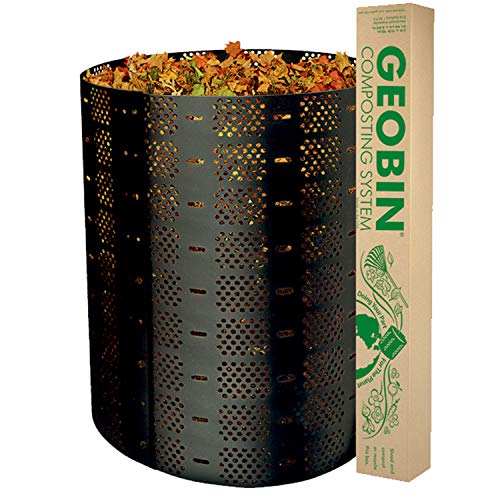
Geobin Compost Bin – 246 Gallon, Expandable,
Expandable 246-gallon capacity and open ventilation suit gardeners handling leaves, grass clippings, and kitchen scraps.
Top 5 Mulches for Compost at a Glance
The group splits into rotating compost tumblers, open backyard bins, and one long-handled fork for moving mulch and compost. VIVOSUN is the strongest starting point for separated batches, while Geobin suits large piles and COSITA suits hands-on spreading or aerating work.
| Product image | Product name | Check product |
|---|---|---|
| 1 |
VIVOSUN Outdoor Tumbling Composter Dual Rotating Batch | Check Price |
| 2 |
Geobin Compost Bin – 246 Gallon, Expandable, | Check Price |
3 |
JupiterForce Garden Compost Bin 80 Gallon (300 | Check Price |
4 |
Maygrove Outdoor Compost Bin 53 Gallon, Dual | Check Price |
5 |
COSITA Pitch Fork for Garden, 44-Inches Pitchfork | Check Price |
5 Best Mulches for Compost: Detailed Reviews
When I chose the best mulch for compost, I looked first at capacity, airflow, access, and the amount of turning each setup demands. Those details decide whether scraps stay active, whether wet material can breathe, and whether finished compost is easy to remove instead of trapped at the bottom.
I kept the lineup broad because a small kitchen-scrap routine needs a different shape than a yard full of leaves. Side-by-side, the choices make the trade-offs clearer: tumblers save digging, open bins hold more bulky material, and a pitchfork gives you control over movement without storing the compost itself.
1. VIVOSUN Outdoor Tumbling Composter Dual Rotating Batch
Twin chambers and deep turning fins keep fresh scraps separate from finished compost for steadier garden use.
- ColorBlack
- Size43 Gallon
- WeightNot listed; check details
- DimensionsNot listed; check details
VIVOSUN Dual Chamber Composter suits gardeners who want two batches moving at different stages without digging through a single pile.
Twin chambers separate the work
A twin chamber setup divides the compost bin into two sections. One side can finish breaking down while the other side receives new food scraps, leaves, or grass clippings.
That split helps prevent the common mistake of adding fresh waste to a nearly finished batch. Finished compost stays easier to identify, and you can keep feeding the active side without disturbing the older material.
The two compartments do not make compost by themselves. You still need a sensible mix of moist green material and dry brown material, but the divided layout makes the routine less confusing for a beginner.
Turning fins reduce hand mixing
The VIVOSUN composter uses a 360-degree tumbling design, meaning the drum rotates instead of requiring a shovel or fork to stir the pile. Deep fins on eight panels help grip the contents as the drum turns.
That action spreads air through clumps and moves wetter scraps away from one spot. It also saves the awkward job of lifting a heavy, half-rotted pile from the bottom upward.
The air vents support circulation inside the drum. Good airflow helps aerobic composting, the oxygen-based process that usually produces a cleaner earthy smell than a sealed, waterlogged pile.
What to watch
A 43-gallon size is useful for regular household scraps and moderate garden waste, but bulky fall leaves can fill the drum quickly. A rotating bin also needs enough open space around the frame for turning and door access.
Pros:
- Twin chambers, fresh scraps stay apart from finished compost
- Rotating drum, mixing takes less digging and lifting
- Deep fins, clumps break apart during turning
- Air vents, oxygen can circulate through the contents
- Metal frame and PP body, outdoor use is supported
- Included gloves, basic garden handling gets more comfortable
Cons:
- 43-gallon capacity may feel small for heavy yard cleanup
- Rotating equipment needs clearance around the frame
- A tumbler does not replace correct green-and-brown layering
Buy it if: you want separate active and finishing batches, because the twin chambers and rotating design simplify regular turning.
Skip it if: you need one very large open pile for seasonal leaves, because a high-capacity backyard bin would suit you better. For another fit, consider Geobin or Jupiterforce.
I’d pick VIVOSUN Dual Chamber Composter for a beginner who wants a clear routine and dislikes digging into a pile. The separate sides give each batch a defined place, while the fins make mixing less of a chore. Double-check the available yard space and the 43-gallon size before buying.
This composter is the sensible choice for steady household composting rather than massive fall cleanup.
2. Geobin Compost Bin – 246 Gallon, Expandable,
Expandable 246-gallon capacity and open ventilation suit gardeners handling leaves, grass clippings, and kitchen scraps.
- ColorBlack
- Size246 gallon
- Number Of Items1
- CapacityLarge capacity—expandable to 3.75 feet (237 gallon)
Geobin Expandable Compost Bin suits gardeners with a lot of leaves, grass clippings, and other loose yard material who prefer an open, expandable circle.
Large capacity handles bulky waste
The Geobin is listed at 246 gallons and can expand to 3.75 feet, with the feature information also listing 237 gallons for the expanded capacity. That generous volume gives leaves and grass more room to settle without forcing you to pack everything into a small drum.
Large capacity is helpful because yard waste takes up space before it collapses. A full season of pruning and mowing can overwhelm a compact tumbler long before the first batch finishes.
The trade-off is that a large pile takes more material to heat evenly. Kitchen scraps alone may not fill the space well, so Geobin makes more sense for a yard that produces plenty of dry and green waste.
Ventilation keeps the pile breathing
Ventilation means openings that let air move through the composting material. The Geobin’s open ventilation supports airflow without sealing the pile inside a solid container.
Air helps the pile stay active and reduces the chance of a dense, wet center. You still need to turn or mix the material from time to time, especially after rain or when grass clippings mat together.
The closure keys make assembly, moving, and reassembly easier. That matters if you rent, rearrange a small yard, or need to empty the bin before placing it somewhere else.
What to watch
An open bin offers less physical separation from rain, animals, and loose leaves than a lidded tumbler. Choose a level spot and be ready to cover or balance the pile if heavy rain makes the upper layers too wet.
Pros:
- 246-gallon size, large volumes have room to settle
- Expandable design, the bin can fit changing waste levels
- Open ventilation, air can move through the pile
- Closure keys, assembly and reassembly are straightforward
- Easy to move, yard layout changes are less troublesome
Cons:
- Large capacity needs a steady supply of compost materials
- Open design may need extra rain and animal management
- Mixing a large pile still takes physical effort
Buy it if: you manage lots of leaves and grass clippings, because the expandable high-capacity design gives bulky waste room to break down.
Skip it if: your compost mostly comes from a small kitchen, because a smaller lidded composter would suit your waste volume better. Vivosun and Jupiterforce are worth a closer look instead.
Geobin earns its place for sheer room and simple construction. I like the idea of a bin that can move with a changing yard instead of locking you into a rigid footprint. The main hesitation is the amount of material needed to use the capacity well.
Pick Geobin when yard waste is the main job, not when a few weekly food scraps are your entire compost stream.
3. JupiterForce Garden Compost Bin 80 Gallon (300
The catalog lists BPA Free Materials: The garden compost bin is made of BPA free materials for environmental protection and dura. Compare fit and care needs before choosing.
- Colorblack
- Size80 Gallon
- Number Of Items1
- Large CapacityWith an 80 gallon (300 L) capacity, our large compost bin outdoor provides ample space for creating nutrient-rich c
JupiterForce 80-Gallon Compost Bin suits gardeners who want a lidded outdoor container with a moderate size, bottom access, and no-tool assembly.
The vent pattern supports airflow
Each side has four vents, according to the feature details. These openings provide air circulation around the composting material, which helps prevent the pile from becoming a sealed wet mass.
Airflow is especially useful when kitchen scraps are mixed with leaves or grass clippings. Dry material creates spaces between wetter pieces, while the vents give the pile another route for oxygen.
The 80-gallon capacity gives more room than a small countertop or patio container without taking on the footprint of a very large yard bin. That middle size works well for a home garden that produces regular clippings but not truckloads of leaves.
Top loading and bottom harvesting
The top lid gives you a clear place to add new material. The sliding bottom door lets you collect finished compost from below, so you do not need to empty the entire container to reach older material.
A lid also helps keep small animals out when the container is closed. That does not mean every pest problem disappears, so avoid adding meat, dairy, oily food, or other materials that can attract animals.
The feature details say the bin sits directly on the ground and does not include a base. Ground contact can let moisture move naturally, but the location should drain well and should not stay flooded after rain.
Four-step assembly
The no-tool design locks into place in four steps when you follow the instructions. That saves a trip to the garage for hardware, though plastic panels still need to be aligned before you force a lock.
Pros:
- 80-gallon capacity, moderate household yard waste fits comfortably
- Four vents per side, airflow reaches the composting material
- Top lid, loading is simple and small animals are discouraged
- Sliding bottom door, finished compost is easier to harvest
- No-tool assembly, setup does not require extra hardware
- BPA-free material claim, the stated material detail may matter to some buyers
Cons:
- No base included, placement directly on the ground is required
- A single chamber mixes fresh and older material together
- An 80-gallon bin still needs balanced compost ingredients
Buy it if: you want a medium-size ground-level bin, because the lid, vents, and bottom door make loading and harvesting straightforward.
Skip it if: you need separate batches at different stages, because a dual-chamber tumbler would suit your compost schedule better. If those trade-offs rule it out, Vivosun or Geobin may suit you better.
JupiterForce 80-Gallon Compost Bin is a practical middle ground between a small tumbler and a huge open pile. The bottom door is the feature I value most because harvesting is often where beginners lose patience. Check that you have a well-drained ground location and accept the lack of a base.
This bin fits a gardener who wants moderate capacity without a complicated frame.
4. Maygrove Outdoor Compost Bin 53 Gallon, Dual
The catalog lists Fast, Effortless Composting: This outdoor compost bin features a 360° rotating design with built-in mixing bar. Compare fit and care needs before choosing.
- ColorBlack
- Number Of Items1
- WeightNot listed; check details
- DimensionsNot listed; check details
Maygrove Dual Chamber Compost Tumbler suits gardeners who want rotating mixing, two batches, adjustable airflow, and a frame designed for repeated outdoor use.
Rotation and mixing bars do the heavy work
The Maygrove drum rotates through 360 degrees and includes built-in mixing bars. The bars catch material as the drum turns, helping redistribute wet scraps, dry leaves, and partially broken-down clumps.
That saves your back from repeated shovel work. An ergonomic handle and gear-assist system are designed to make rotation smoother, even when the drum is loaded.
A brake lock holds the drum stable during use. Stability matters when you are opening a sliding door, adding material, or checking the contents instead of having the barrel roll away from your hands.
Adjustable vents help balance conditions
Adjustable air vents are openings that can be changed to affect airflow. The feature description connects the vents with moisture and temperature control, giving you a way to respond if the contents feel too wet or too dry.
Airflow is only one part of the balance. If the drum contains mostly wet kitchen scraps, add dry leaves or shredded cardboard rather than relying on the vents to solve every problem.
The dual-chamber layout lets one side finish while the other receives fresh waste. That is useful for a household that wants a continuing compost routine instead of waiting for one batch to finish before starting again.
Built for outdoor placement
The frame uses steel, while the body uses UV-resistant PP plastic. UV resistance helps the plastic handle sunlight, and the steel frame gives the drum support above the ground.
The large sliding doors make loading and harvesting easier than reaching through a narrow opening. Still, check the surrounding space before assembly because the rotating drum, handle, and doors need room to operate.
The feature details mention compost in as little as 4 to 6 weeks. Treat that as a possible time frame rather than a promise, since temperature, moisture, material size, and the green-to-brown balance affect the actual schedule.
Pros:
- Dual chambers, fresh and finishing batches stay separated
- Gear-assist handle, rotating a loaded drum takes less effort
- Adjustable vents, airflow can respond to moisture conditions
- Sliding doors, loading and harvesting are more accessible
- Steel frame, the drum receives firm outdoor support
- UV-resistant PP plastic, the body is designed for sunlight exposure
Cons:
- More moving parts require careful assembly and checking
- A rotating drum needs open clearance around the frame
- The stated 4-to-6-week timing depends on compost conditions
Buy it if: you want two rotating batches with airflow control, because the gear-assist handle and adjustable vents make routine management easier.
Skip it if: you prefer a low-cost open pile with no rotating frame, because a simple backyard bin would suit you better.
I’d choose Maygrove Dual Chamber Compost Tumbler for someone who wants a more guided daily routine than an open pile provides. The handle, brakes, vents, and sliding doors all address small annoyances that can turn composting into a forgotten chore. My hesitation is that extra mechanisms create more assembly details to get right, so read the instructions before rushing.
This tumbler is a good fit for regular composters who value controlled batches and easy turning.
5. COSITA Pitch Fork for Garden, 44-Inches Pitchfork
The catalog lists 【Heavy-Duty 4-Tine Steel Head】 Constructed with premium heat-treated steel, the 4-tine design delivers excepti. Compare fit and care needs before choosing.
- ColorBlack+Red
- Power【Heavy-Duty 4-Tine Steel Head】 Constructed with premium heat-treated steel, the 4-tine design delivers excepti
- WeightNot listed; check details
- DimensionsNot listed; check details
COSITA 44-Inch Pitch Fork suits gardeners who need to lift, turn, spread, or aerate loose mulch, straw, leaves, and compost beside a bin.
Four steel tines move loose material
The fork has four heat-treated steel tines. A tine is one of the pointed prongs on a fork head, and the four-prong layout can slide under loose material for lifting or turning.
The steel head is intended for dense hay, straw, compost, mulch, and leaves. The feature details specifically say the fork is not recommended for compacted soil or clay, so use a digging fork or another suitable tool for hard ground.
For compost, the fork is useful after material leaves the bin. You can spread finished compost over a bed, pull apart a matted layer, or move dry brown material into a pile without grabbing handfuls.
Fiberglass handle reduces common tool problems
The fiberglass handle is designed to resist splintering, warping, and corrosion. A non-slip cushion grip helps your hands stay in place when the handle is wet or muddy.
The 44-inch length gives you reach while standing, which can reduce repeated bending during a large compost job. A D-grip and balanced weight distribution are also intended to reduce hand and shoulder strain.
The shaft and head use a tool-free assembly design. The bonded joint is described as reinforced, but check the connection before each session if the fork has been stored outdoors or used in heavy material.
What to watch
COSITA is a handling tool, not a compost container. It cannot control moisture, protect scraps from animals, or separate a fresh batch from finished compost.
Pros:
- Four steel tines, loose compost and mulch lift cleanly
- 44-inch fiberglass handle, standing work requires less bending
- Non-slip cushion grip, wet hands get a steadier hold
- D-grip design, hand placement feels more controlled
- Tool-free assembly, setup needs no extra tools
- Weather-resistant handle, common outdoor storage problems are reduced
Cons:
- Not recommended for compacted soil or clay
- A fork cannot replace a compost bin or enclosure
- Four tines may leave smaller material behind when spreading
Buy it if: you move loose compost, straw, leaves, or mulch by hand, because the long fiberglass handle gives reach and the steel tines provide lift.
Skip it if: your main need is enclosed composting, because a lidded bin would suit you better.
COSITA 44-Inch Pitch Fork earns its place because composting does not end when the bin is full. The fork handles the unglamorous work of turning and spreading material, and the long shaft is friendlier to your back than a short hand tool. Check the warning about compacted soil before buying.
Choose COSITA as a companion for loose garden material, not as a stand-alone composting system.
How to Choose the Best Mulch for Compost
The best mulch for compost depends on whether you need a place to break material down, a way to turn it, or a tool to spread finished material. Start with the waste stream, then match the capacity, airflow, access, and physical effort to that routine.
Decide whether you need a bin or a handling tool
A compost bin contains and organizes decomposition. A pitchfork moves material after or during the process, but it does not provide a chamber, lid, vents, or protection from weather.
Choose a bin if food scraps, leaves, and grass are building up in a loose pile. Choose a fork if you already have a pile or bin and need to lift, aerate, or spread the contents.
A simple rule helps: if the problem is where compost goes, buy a bin; if the problem is how compost moves, buy a fork.
Match capacity to your waste
Capacity tells you how much material the container can hold. Small households with mostly kitchen scraps usually need less space than homes that mow often or collect bags of autumn leaves.
An 80-gallon container is a middle-size choice for regular household and garden waste. A 43-gallon tumbler can suit smaller batches, while a 246-gallon expandable bin is aimed at large yard volumes.
Do not choose a huge bin just because the number sounds impressive. A large pile needs enough material to maintain a useful mix, and a half-empty container may not heat or break down evenly.
Check airflow and moisture control
Airflow gives oxygen to the microorganisms that break down organic material. Vents, open sides, and adjustable openings all help, but no vent system fixes a pile made entirely of wet scraps.
Look for vents around the sides, open ventilation, or adjustable openings. Pair wet green material with dry brown material such as dry leaves, plain shredded cardboard, or untreated plant matter.
If a pile smells sour or feels slimy, add dry material and turn the contents. If the pile is dusty and inactive, add a little moisture, but avoid soaking it.
Choose the right access style
Access means how you add material, turn the pile, and remove finished compost. A top lid helps with loading, a bottom door helps with harvesting, and a rotating drum helps with mixing.
A bottom door is useful when you want to remove older compost without emptying the entire bin. Dual chambers help even more because fresh material can stay separate while the older side finishes.
Open bins are easier to fill with bulky leaves, but they may require more turning by hand. Tumblers reduce digging, though the drum and doors need clear space around them.
Consider turning effort
Turning mixes oxygen and moisture through the pile. A rotating tumbler reduces lifting, while an open bin may require a fork or shovel.
Choose a tumbler if bending, digging, or heavy mixing is a concern. Choose an open bin if you have plenty of yard material and do not mind manual work.
A pitchfork with a long handle can make open-bin work easier. Pick a steel-tine fork for loose material, not compacted clay or hard soil.
Check placement before assembly
The best location is level, drains after rain, and leaves room for doors, handles, or rotation. Ground contact is acceptable for designs intended to sit directly on the soil, but standing water can make compost too wet.
Measure the area before choosing a large container. Leave enough room to walk around the bin, open a door, turn a drum, and place a bucket or wheelbarrow nearby.
If you are planning a layered garden bed, remember that sheet mulching materials are chosen for covering and building soil in place, while a compost bin is meant to break organic material down before use.
How to Use Compost Bins and Mulch Tools for the Best Results
The best results come from balanced ingredients, moderate moisture, and occasional mixing. Treat compost like a managed pile, not a trash can that magically turns everything into soil.
- Start with a dry base of leaves, small twigs, or plain shredded cardboard. The base creates air spaces under wetter ingredients.
- Add green material such as vegetable scraps, fresh grass clippings, or young plant trimmings. Chop large pieces so more surface area is exposed.
- Cover each wet layer with a dry layer. This helps limit odors and keeps the pile from collapsing into a dense mat.
- Keep meat, dairy, oily food, pet waste, and diseased plant material out unless the specific composting method is designed for them.
- Turn a tumbler when the contents begin to settle or clump. Rotate an even amount rather than forcing a heavily packed drum.
- Use a pitchfork to lift loose material through an open bin. COSITA is suited to leaves, straw, compost, and mulch, not packed clay.
- Check moisture by feel. The contents should feel damp like a wrung-out sponge, not dripping and not bone dry.
- Harvest only the dark, crumbly material that has mostly finished breaking down. Return recognizable scraps to the active side or center.
Mulch and compost serve different jobs. Compost is a decomposed soil amendment, while mulch sits on top of soil to slow weeds, reduce evaporation, and soften temperature swings, so mulch and compost differences matter before you spread either material.
How to Make Your Compost Setup Last Longer
A compost bin lasts longer when the frame stays level, the plastic is not overloaded, and moving parts are kept free of grit. Simple checks prevent small assembly or placement problems from becoming expensive replacements.
Keep rotating drums on firm, level ground. A tilted frame puts uneven pressure on the legs, doors, and joints each time you turn the barrel.
Rinse compost residue from sliding doors and latches when buildup prevents smooth movement. Let parts dry before closing a bin tightly for long storage.
Do not force a door against a packed mass. Remove some material with a fork or hand tool, then open the door without bending the panel or latch.
Spread wet grass clippings instead of adding one thick, heavy mat. Dense grass can block airflow and place unnecessary weight on the container.
Keep open bins away from areas that flood. Waterlogged ground can make the pile too wet and may soften the footing beneath the bin.
Store the pitchfork where the tines will not become a tripping hazard. Wipe mud from the steel head and inspect the handle joint before heavy use.
Use dry brown material throughout the season instead of saving every dry leaf for one huge batch. A covered supply of leaves or plain cardboard makes moisture control easier.
If your main mulch material is straw, check that the source is free of unwanted seeds before spreading it through a garden. The choice of seed-free straw mulch can matter as much as the thickness of the layer.
Common Mistakes to Avoid When Buying and Using Compost Tools
Most compost problems come from a mismatch between the container and the waste stream, not from a lack of gardening talent. Fixing the setup early is easier than rescuing a wet, smelly pile later.
- Buying a huge bin for a tiny waste stream: The pile may stay sparse and inactive; choose capacity based on the material your home actually produces.
- Filling the pile with only grass: Thick grass mats block airflow; mix grass with dry leaves, shredded cardboard, or other brown material.
- Adding kitchen scraps without a dry cover: Exposed wet scraps attract pests and smell; cover each addition with a layer of dry material.
- Placing a bin in standing water: Excess moisture slows decomposition; use a level spot that drains after rain.
- Ignoring clearance around a tumbler: Doors and handles become awkward to use; leave working space around every side before assembly.
- Using a pitchfork on hard clay: The tines are designed for loose material; use a tool intended for digging compacted soil.
- Harvesting too early: Recognizable food pieces are not finished compost; return unfinished material to the active section and wait.
Wood-based mulch also deserves a clear distinction. wood chips and mulch differences help prevent the mistake of treating every chipped branch as finished compost or as an instant soil amendment.
How to Set Up a Compost Bin
Setup is easiest when the location is chosen first and the parts are kept in order. A rushed assembly can leave doors, locks, or rotating sections misaligned.
- Choose a level, well-drained spot. Avoid low areas where rain collects, and leave room for a bucket, wheelbarrow, or fork.
- Read the assembly steps before locking panels. Plastic sections often need the correct orientation before the final closure is secured.
- Build the frame or body on the ground. This reduces the chance of dropping a panel or twisting a connection while working at an angle.
- Check every door and latch. Openings should move without scraping, and a lid should close without being forced.
- Confirm the drum or bin is stable. A tumbler should rotate with clear space, while a ground-level bin should sit evenly on its intended surface.
- Add a dry base layer. Leaves, small twigs, or plain shredded cardboard create air gaps before wet scraps arrive.
- Add mixed ingredients gradually. Start with modest layers rather than filling the container in one heavy load.
- Turn or inspect the contents after settling. A quick check catches blocked vents, packed grass, or excess moisture before the pile becomes difficult to correct.
For an open expandable bin, use the closure keys as directed and check the circumference before loading. For a bottom-door bin, make sure the lower opening is not blocked by a wall or fence.
Common Questions About Mulch for Compost
Is mulch the same as compost?
No, mulch and compost serve different roles. Mulch rests on top of soil to cover the surface, slow evaporation, and limit weeds, while compost is decomposed organic material mixed into soil or used as a planting amendment. Some materials can serve either role at different stages, so maturity matters.
Can mulch go into a compost bin?
Yes, many plant-based mulches can go into a compost bin if the material is clean and suitable for decomposition. Mix dry mulch with wetter kitchen scraps so the pile has both carbon-rich and nitrogen-rich material. Avoid treated, painted, oily, or contaminated material unless the label clearly supports compost use.
How much space does a compost bin need?
A bin needs its listed footprint plus working room for loading, turning, harvesting, and cleaning. A tumbler needs clearance for the drum and doors, while an open bin needs walking space and room for a fork. Measure the area before assembly instead of relying only on the container’s capacity.
Is a tumbler easier than an open compost bin?
A tumbler is often easier for turning because the drum mixes material without a shovel. An open bin usually offers more room for bulky leaves and may cost less effort to fill, but mixing can require a fork. The better choice depends on whether your bigger problem is lifting or capacity.
How long does compost take to finish?
Compost can finish in weeks under favorable conditions, but the actual time varies with material size, moisture, airflow, temperature, and turning. A stated four-to-six-week estimate should be treated as a possible range, not a guarantee. Finished compost is dark, crumbly, and mostly free of recognizable scraps.
Is pine straw better than regular mulch?
Neither is automatically better because the best choice depends on the bed, local availability, and the result you want. Pine straw is light and easy to spread, while other mulches may form a different surface layer and last for a different amount of time. Read about pine straw versus mulch before choosing for a specific bed.
Choose the Setup That Matches Your Yard
Start by deciding whether your main job is breaking down scraps, handling large yard waste, or spreading finished material. Then measure the space, estimate the weekly volume, and choose a bin or fork that solves that specific problem instead of paying for capacity or features you will not use.
If fresh kitchen scraps are your main concern, a divided or moderate-size bin is easier to manage than a huge empty enclosure. If leaves and grass arrive by the bag, give that material room to settle and keep a long-handled fork nearby for turning and spreading.
Before buying, confirm the listed size, placement requirements, access style, and any limits on the materials you plan to add. That short check is the practical step most likely to keep your compost routine useful through the whole season.

I’m Maya L. Greenwood, a lifelong plant lover who believes anyone can grow something beautiful with the right guidance. After years of testing soil mixes, pruning methods, irrigation tricks, and pest-safe solutions, I started EasyGardenTips.com to turn hard-won lessons into step-by-step advice. From seed starting and container gardens to composting and seasonal checklists, my goal is to make gardening simple, sustainable, and fun.