Is Dyed Mulch Bad for Plants and Soil Life
Dyed mulch usually isn’t bad for plants when it comes from clean wood and uses iron oxide or carbon-based colorants, but low-quality mulch can cause trouble. The bigger risks come from contaminated recycled wood, poor drainage, excessive depth, and mulch touching plant stems.
Are you worried that black or red mulch will damage your flowers, vegetables, or shrubs? Do you wonder if the color is hiding treated wood, chemicals, or a problem beneath the surface?
Guessing can leave you with weak growth, sour-smelling soil, gnats, or a garden that dries out in the wrong places.
You’ll learn how dyed mulch affects plants, soil organisms, pets, edible gardens, and water movement. You’ll also get a practical way to judge mulch quality before spreading it.
Good mulch can lower watering needs, reduce weeds, protect roots from temperature swings, and give bare soil a tidy finish. Poor mulch can hold too much moisture, steal nitrogen as it breaks down, spread unwanted debris, or stress a plant crown.
This takes about 10 minutes to read, then you’ll know:
- Which mulch colors and ingredients deserve caution.
- How deep to spread mulch around different plants.
- When dyed mulch helps soil and when it creates headaches.
- How to choose a cleaner option for pets, children, and vegetables.
Is Dyed Mulch Bad for Plants? the Clear Answer
Dyed mulch is generally safe for established plants when the mulch uses clean wood, approved colorants, and a shallow 2-to-3-inch layer. Trouble usually comes from contaminated feedstock, excessive mulch depth, poor airflow, or mulch piled against trunks and stems.
The dye itself often contributes less risk than the material underneath it. Common colorants include iron oxide, which produces red, brown, or yellow shades, and carbon-based black pigment. Iron oxide is a form of iron and oxygen found naturally in soil, while carbon pigment gives mulch a dark finish.
A reputable bag or bulk supplier should be able to tell you the mulch’s wood source and colorant type. If the seller can’t answer basic questions, I’d pass, especially for a vegetable garden or play area.
Dyed mulch can help by slowing evaporation, softening hard rain, and blocking sunlight from weed seeds. A 2-inch layer around shrubs can keep roots cooler during a hot spell, much like a thin blanket that still lets air move.
Problems show up when mulch sits too deep or stays wet for days. Roots need oxygen, and a thick, soggy layer can reduce air movement near the soil surface.
Mulch touching a tree trunk or plant stem creates a damp collar. That spot can invite decay, insects, rodents, and bark damage. Leave a 3-to-6-inch gap around woody stems, and keep mulch away from soft annual stems.
A useful starting point looks like this:
| Garden situation | Reasonable mulch depth | Main caution |
|---|---|---|
| Annual flowers and vegetables | 1 to 2 inches | Keep mulch off stems and crowns |
| Perennial beds | 2 inches | Avoid burying low-growing plants |
| Shrubs | 2 to 3 inches | Leave open space around stems |
| Trees | 2 to 3 inches | Never build a volcano against the trunk |
| Heavy clay soil | 1 to 2 inches | Use a thinner layer to protect airflow |
| Poorly drained beds | About 1 inch or skip mulch | Fix standing water first |
Fresh wood mulch can temporarily tie up nitrogen, a nutrient plants use for green leaves and steady growth. Soil microbes need nitrogen while breaking down carbon-rich wood, so a plant may turn pale if fresh mulch gets mixed into the soil instead of sitting on top.
That nitrogen effect doesn’t mean dyed mulch poisons plants. It means placement matters. Keep wood mulch on the surface, and add compost or fertilizer based on a soil test rather than guessing.
What Is Dyed Mulch Made Of?
Dyed mulch usually starts as shredded wood, bark, or recycled wood fiber that receives a water-based colorant. The safety of the finished mulch depends on the wood source, processing, pigment, moisture, and storage conditions.
Clean bark and untreated natural wood are straightforward choices. Recycled pallets, demolition lumber, painted boards, and unknown construction scraps deserve more caution because the original coatings or treatments may not be clear.
Pro Tip: Ask whether the mulch contains recycled wood, and ask how the supplier screens out painted, treated, or contaminated pieces. A clear answer is a good sign; a shrug isn’t.
Some recycled wood mulch has a sharp, sour smell caused by anaerobic fermentation, which happens when wet material breaks down with too little oxygen. That mulch can release organic acids that burn tender roots, especially in hot weather.
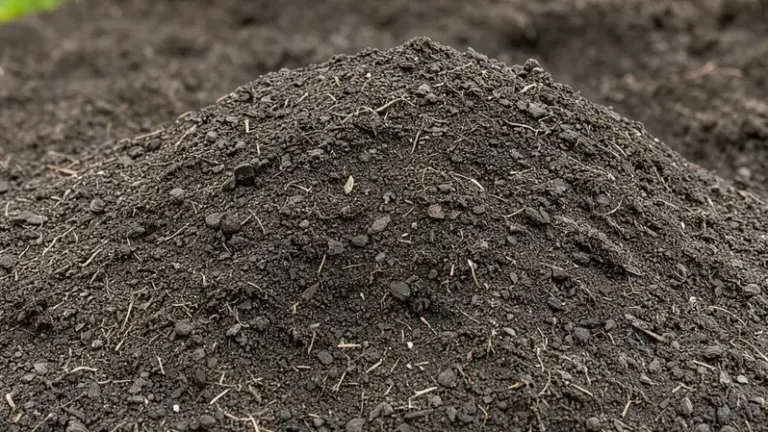
Open the pile before buying. Fresh mulch should smell woody or earthy, not like vinegar, ammonia, rotten eggs, or a sealed basement. If the material feels hot in the center, spread it out and let it air before placing it near plants.
Color can fade from sunlight, rain, and repeated watering. Fading doesn’t automatically mean the mulch has become unsafe, but it may signal that you’re paying for appearance that won’t last.
People who care mainly about long-lasting color often compare non fading mulch with standard dyed products. A darker pigment may hold its look longer, but color life still depends on sun exposure, rainfall, irrigation, and the wood texture.
Brown mulch has a more forgiving appearance because fading blends into the soil. If you want a calmer garden bed, brown mulch that holds color can make faded spots less noticeable without turning the bed into a bright red or black patchwork.
One concern deserves a straight answer: does black mulch heat the soil enough to hurt plants? It can warm the surface more than pale mulch in strong sun, but the real effect depends on mulch depth, moisture, sunlight, soil type, and local weather.
Dark mulch may help cool nighttime soil by slowing heat loss, yet it can warm the top layer during a sunny afternoon. Keep dark mulch away from shallow-rooted seedlings during hot, dry weather, and check soil moisture below the mulch rather than judging by the surface color.
How Does Dyed Mulch Affect Soil, Bugs, Pets, and Vegetables?
Dyed mulch can support soil life when it stays on the surface, drains well, and comes from clean wood. Soil organisms benefit from organic matter, but wet, contaminated, or overly deep mulch can shift the balance toward odor, decay, and plant stress.
Earthworms, fungi, bacteria, and other decomposers break down wood slowly. That process adds organic matter over time, though coarse wood mulch improves soil more slowly than compost because large chips take longer to decay.
White mushrooms in mulch usually mean fungi are feeding on moist organic material, not that the plants are sick. If you notice mushrooms in mulch, rake away heavy clusters, improve airflow, and let the surface dry between watering.
Mushrooms may appear after rain and disappear during dry weather. Don’t eat unknown mushrooms, and keep children and pets from handling them, since appearance alone can’t identify a safe species.
Pets can react to mulch in several ways. Some dogs chew wood because of boredom, teething, texture, food smells, or an urge to swallow nonfood items.
If you’re asking dogs eat mulch, check whether your dog is chewing, carrying, or swallowing it. Swallowed chunks can cause choking or digestive blockage, so call a veterinarian promptly if a dog shows repeated vomiting, belly pain, weakness, trouble passing stool, or unusual distress.
Cocoa-shell mulch deserves separate caution around dogs because it can contain the same stimulant family associated with chocolate. Dyed wood mulch doesn’t carry that specific cocoa risk, but sharp splinters, moldy pieces, and swallowed chunks can still cause trouble.
For a play space, dog run, or edible garden, a cleaner material may be the better call. non toxic mulch options can include untreated hardwood, shredded leaves, pine straw, or certified garden materials, depending on the plants and the site.
“Non-toxic” doesn’t mean edible or harmless to swallow. A dog can still choke on wood, and any mulch can hide sharp pieces, pests, or mold if the pile stays wet.
I once spread a dark mulch layer too thick around a group of young shrubs because the bed looked unfinished. The plants didn’t fail overnight, but the soil stayed wet underneath, and pulling the mulch back later showed pale, stressed roots near the surface.
That mistake taught me to judge mulch by depth and soil condition, not by how polished the bed looks on day one. A neat 2-inch layer beats a dramatic 5-inch mound every time.
Important Tip: Pull mulch back with your fingers before watering deeply. If the soil beneath feels damp several inches down, skip the next watering instead of soaking the bed on a schedule.
For edible gardens, keep dyed mulch away from direct contact with leaves and produce. A 1-inch surface layer can control weeds between rows, but avoid mixing unknown mulch into planting soil.
If the mulch smells chemical, contains bright paint chips, shows bits of drywall or metal, or has many splinters, remove it. Bag the material according to local disposal rules, and don’t burn unknown wood because treated or painted pieces can release dangerous smoke.
How Can You Tell If Dyed Mulch Is Poor Quality?
Check the material before it reaches your garden. You’re looking for clean, consistent wood pieces, a normal earthy smell, reasonable moisture, and a seller who can explain the source.
Use this quick inspection:
- Look for painted flakes, glossy chips, plastic, glass, metal, or drywall.
- Smell the pile for vinegar, ammonia, rotten eggs, or solvent odors.
- Feel for excessive heat in the center of a large pile.
- Ask if the wood came from untreated lumber, pallets, pallets mixed with construction waste, or yard debris.
- Choose a supplier that accepts questions instead of hiding behind vague labels.
- Spread suspicious mulch on a tarp for several days before using it near plants.
A few colored fibers aren’t automatically dangerous, especially in recycled material. A pile full of strange debris tells a different story.
When Should You Replace Dyed Mulch?
Replace mulch when it smells sour after airing, contains visible contaminants, stays waterlogged, or has formed a thick crust that blocks water from reaching the soil. You may also refresh it when the layer has broken down to less than about 1 inch and weeds are returning.
Don’t automatically add new mulch every spring. Measure the existing depth first, because repeated top-ups can slowly bury roots, edging, and plant crowns.
Rake old mulch lightly to break crusting, remove clumps, and check for exposed roots. If the lower layer has turned into soft, sour sludge, remove the worst material and correct drainage before adding anything new.
How Should You Use Dyed Mulch Around Plants?
Use dyed mulch as a surface cover, not a soil amendment. Spread a thin, even layer after the soil has warmed enough for the plants, then leave clear space around trunks, stems, and crowns.
Follow these steps:
- Pull weeds before spreading mulch.
- Check the soil for standing water, compacted spots, or exposed roots.
- Water the bed if the soil is dry, then let excess water drain.
- Spread 1 to 3 inches, based on the plant and soil type.
- Keep the mulch 3 to 6 inches away from tree trunks and shrub stems.
- Leave crowns and low stems visible.
- Check moisture below the mulch before watering again.
- Rake away moldy clumps or packed areas.
Never use a thick mulch layer to hide drainage problems. Water will keep collecting underneath, and the plant may decline even though the bed looks tidy.
A sloped bed may need less mulch near the bottom because rainwater already moves there. A raised, windy bed may need a little more surface protection, though anchoring the soil with groundcover can work better than piling on chips.
Watch the plant, not just the mulch. Yellow leaves can point to wet roots, nitrogen shortage, poor light, root damage, or disease, so one symptom rarely identifies the cause by itself.
Can Dyed Mulch Burn Plants?
Dyed mulch can stress plants when the material is hot, sour, or placed directly against tender growth. Fresh, poorly aired mulch has a higher chance of causing root irritation than mature, loose mulch that has cooled and developed a normal woody smell.
Keep fresh mulch away from seedlings and newly planted perennials until it has aired out. Plants with thin stems and shallow roots need more breathing room than established shrubs.
Pro Tip: Buy a small bag first and test it around one hardy plant, not across the entire yard. A short trial gives you time to notice odor, settling, fungus, or drainage changes.
Does Dyed Mulch Improve Soil?
Dyed wood mulch can add organic matter slowly as decomposers break it down, but compost improves soil structure faster. Mulch also protects the soil surface from raindrop impact, which helps reduce crusting and erosion.
Don’t mix fresh wood mulch into garden soil before planting. Mixing creates a carbon-heavy layer that can compete with plant roots for nitrogen during decomposition.
For a vegetable bed, use finished compost in the soil and keep wood mulch on top. For shrubs and trees, surface mulch can work well because the plants have deeper root systems and the mulch stays away from the trunk.
- Clean, well-sourced dyed mulch is usually fine for plants.
- The wood source matters more than the color.
- Keep mulch 2 to 3 inches deep and away from stems.
- Sour odors, visible debris, heat, and waterlogging are warning signs.
FAQs About Is Dyed Mulch Bad for Plants
Is red dyed mulch safe for a vegetable garden?
Red dyed mulch can be suitable for a vegetable garden when the wood source is clean and the colorant is intended for landscape use. Keep the mulch on the soil surface, away from edible plant parts, and avoid unknown recycled material that contains paint, treated wood, or construction debris.
Does black mulch make plants grow better?
Black mulch doesn’t automatically make plants grow better. Black color may warm the surface and block light from weeds, but plant growth still depends on water, nutrients, sunlight, root space, and temperature. A thin, clean layer can help, while a thick layer can reduce airflow.
Can dyed mulch kill flowers?
Dyed mulch can damage or kill flowers when it stays sour, hot, waterlogged, or piled over plant crowns. The pigment usually isn’t the main problem. Pull mulch away from stems, remove foul-smelling material, and check drainage before blaming the color.
Is dyed mulch safe for dogs?
Dyed wood mulch may be safer for dogs than cocoa-shell mulch, but no wood mulch is safe to swallow. Dogs can choke on chips or develop digestive problems after eating mulch, so block access and call a veterinarian if swallowing is followed by vomiting, pain, weakness, or straining.
Should old dyed mulch be removed before adding new mulch?
Old dyed mulch doesn’t always need removal before adding fresh material. Rake it, check its smell and depth, remove contaminated or soggy sections, and add only enough new mulch to bring the total layer back to about 2 or 3 inches.
Can dyed mulch attract bugs?
Dyed mulch can shelter insects because any organic mulch creates cover near the soil. Most insects are harmless decomposers, but wet mulch against a plant can encourage pests and decay. Keep the layer loose, leave stem gaps, and fix standing water rather than spraying automatically.
The Practical Choice for Your Garden
Dyed mulch isn’t automatically bad for plants or soil life. Clean wood, a reliable supplier, a normal earthy smell, and a 1-to-3-inch surface layer make a much safer combination than any particular color.
My preference is simple: choose untreated or clearly sourced material first, then pick the color you like. If the mulch smells sour, contains odd debris, feels hot, or needs a deep pile to look finished, skip it and choose a cleaner option.
Start with one small bed. Spread the mulch thinly, keep stems clear, and check the soil underneath after rain and watering. That small test can save your plants, your money, and a whole lot of backbreaking cleanup.

I’m Maya L. Greenwood, a lifelong plant lover who believes anyone can grow something beautiful with the right guidance. After years of testing soil mixes, pruning methods, irrigation tricks, and pest-safe solutions, I started EasyGardenTips.com to turn hard-won lessons into step-by-step advice. From seed starting and container gardens to composting and seasonal checklists, my goal is to make gardening simple, sustainable, and fun.