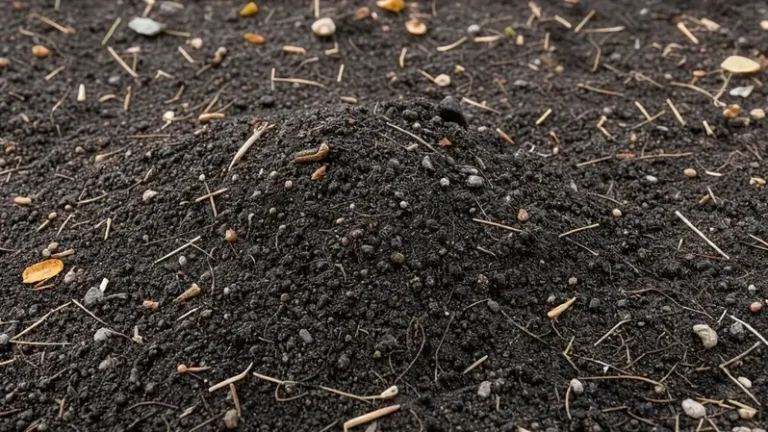
Can I Put Mulch Down Before It Rains? What Really Happens
Yes, you can put mulch down before rain, as long as the soil drains well and the mulch gets enough time to settle. Light or moderate rain can help hold mulch in place, but heavy rain may wash fresh mulch downhill, float wood chips, or pack fine material against plant stems.
Have you watched new mulch slide into the driveway after one storm? Are you worried that wet mulch will smother plants or create a soggy mess?
You’ll learn how to judge the forecast, prepare the bed, spread the right depth, and protect mulch on slopes. You’ll also learn which mulch types stay put, when to wait, and what to do if rain arrives too soon.
Good timing saves a second trip with a wheelbarrow, keeps soil from splashing onto siding, and gives roots a cleaner growing area. Poor timing can leave thin spots, buried crowns, clogged drains, and mulch piled against tree trunks.
This takes about 10 minutes to read, and the practical payoff is a much better first attempt:
- Choose a safe rain window for fresh mulch.
- Match mulch type to slopes, soil, and storm strength.
- Spread mulch at a depth that protects plants without trapping moisture.
- Fix floating, washed-out, or matted mulch after rainfall.
Can I Put Mulch Down Before It Rains?
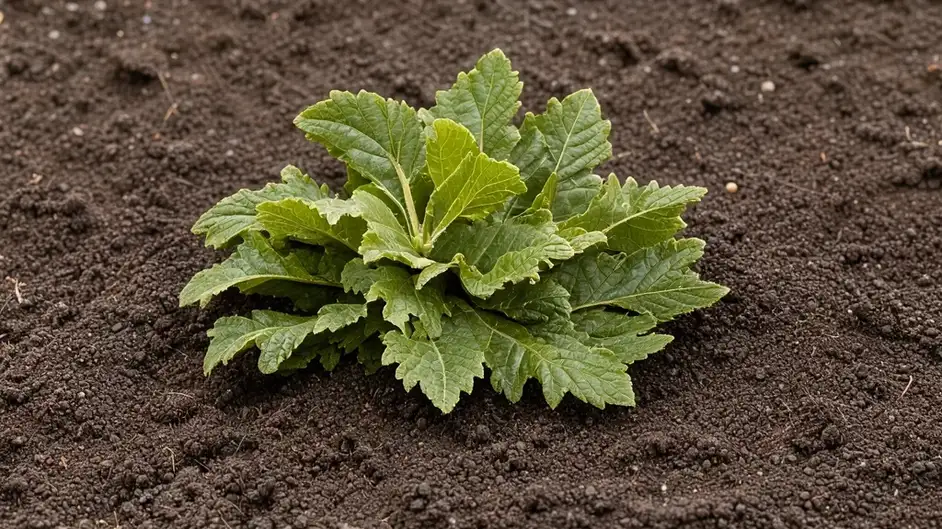
Yes, you can put mulch down before it rains if the rain will be light to moderate, the bed drains freely, and the mulch gets at least a few hours to settle. Avoid spreading fresh mulch right before a hard thunderstorm, especially on a slope or beside a downspout.
Rain can help organic mulch, such as shredded bark, wood chips, pine straw, or compost, settle around the soil surface. That contact reduces loose dust and helps small pieces interlock. A steady soaking rain is far kinder than a sudden burst that turns the bed into a shallow conveyor belt.
Check three things before unloading the bags or wheelbarrow:
- The soil isn’t already saturated or muddy.
- Rain won’t arrive as a severe downpour.
- Water has somewhere to drain instead of pooling in the bed.
Fresh mulch works best on a firm, lightly moist surface. If your shoes sink into the soil, wait. Mulch placed over mud can seal the surface, hide soft spots, and move more easily once water starts flowing.
The best mulch depth depends on the material, but 2 to 3 inches works for most flower beds and around shrubs. Fine mulch may need less, while coarse wood chips can sit closer to 3 inches because air moves through the larger pieces.
A useful rule is simple: light rain after installation can help, but fast-moving water causes trouble. A bed beside a flat lawn may handle rain nicely, while a bed below a roof drain may lose mulch within minutes.
You can also follow a careful step-by-step mulch installation method if the bed needs edging, weed removal, or a full refresh. Remove the stray space and parentheses? The marker must be exact syntax, so write naturally: install mulch correctly.
This placement is ordinary prose and not in first two body paragraphs. Good.
- Light rain is usually helpful after mulch installation.
- Heavy rain can move mulch before the pieces settle.
- Keep mulch 2 to 3 inches deep in most planting beds.
- Leave a clear gap around stems, trunks, and drainage paths.
When Should You Apply Mulch Before Rain?
The safest time to apply mulch before rain is several hours before a light shower, after the soil surface has dried enough to support foot traffic. A calm forecast gives loose material time to settle, while a heavy storm warning calls for waiting until the ground and weather improve.
A forecast can change, so judge the sky and the bed as well as the weather app. Dark clouds alone don’t mean disaster, but a strong wind, rising water in nearby gutters, or fast runoff deserves caution.
Use this quick timing guide:
| Forecast or site condition | Good idea? | What to do |
|---|---|---|
| Light rain, flat bed, firm soil | Yes | Spread mulch and smooth the surface |
| Steady rain after several dry days | Usually | Install early enough for settling |
| Heavy rain or thunderstorms | No | Wait until the storm passes |
| Steep slope or loose soil | Maybe | Use heavier mulch and add edging |
| Saturated ground or standing water | No | Let the bed drain and firm up |
| Rain arriving within minutes | Usually no | Delay unless the bed is protected |
What if rain is due in an hour and the mulch is already sitting beside the bed? Spread it only if the soil can hold the material and the rain looks gentle; otherwise, cover the pile loosely with a tarp while leaving the sides open for airflow.
Don’t cover a full planting bed with plastic to force a rushed installation. Water can collect under the tarp, and wind can turn the sheet into a flying hazard. Covering the pile is safer than covering the entire bed.
How Much Rain Is Too Much?
Rain becomes a poor match for fresh mulch when water runs across the bed instead of soaking into the soil. The exact limit depends on soil texture, slope, mulch weight, and drainage, so the movement of water matters more than a single rainfall number.
Sandy soil drains quickly, while clay soil drains slowly and may stay slick after a modest shower. A level bed with a thick border can hold mulch that would wash away from a narrow strip beside a sidewalk.
Watch for these warning signs before spreading:
- Water already stands in the bed.
- Soil sticks heavily to your shoes or shovel.
- A roof downspout empties near the planting area.
- The bed slopes toward a walkway, drain, or street.
- Rain comes with strong wind.
I once spread a thin layer of bark on a gently sloped bed shortly before a rough storm. The bark didn’t vanish, but water gathered at the low edge and left the top looking patchy, which taught me to build a small border before trusting the forecast.
Pro Tip: Leave a shallow channel or clear drainage path at the low side of a bed. Mulch should slow water, not block its route.
How Do You Keep Mulch from Washing Away?
You keep mulch from washing away by preparing a firm bed, choosing heavier material for exposed areas, spreading the correct depth, and controlling runoff before the rain starts. Mulch alone can’t solve water moving downhill at speed, so fix the flow when the site sends water through the bed.
Start with the bed itself. Pull weeds, remove large stones, break up hard clumps, and rake the soil nearly level. Don’t create a smooth downhill ramp with the rake.
A slightly rough surface gives mulch more places to grip.
Then install mulch in this order:
- Check the edge. Add a low garden border where lawn, pavement, or a slope meets the bed.
- Redirect concentrated water. Extend a downspout or add a drainage path before laying mulch.
- Spread the material. Use a rake for loose mulch and your hands near delicate plants.
- Set the depth. Aim for 2 to 3 inches, measured after the material settles.
- Clear plant bases. Pull mulch back from stems, crowns, and tree trunks.
- Smooth the top. Remove piles and thin areas before rain arrives.
A mulch mat is a woven or natural fiber layer that can help hold soil on a slope beneath decorative mulch. It works best when pinned securely and covered properly, not when laid loosely where it can fold or trap water.
For steep areas, choose heavier chunks, shredded hardwood that knits together, or a properly secured erosion-control material. Fine compost and light straw can move quickly in runoff. If the bed sits beside a roof drain, fix the water source first.
Are wood chips always a poor choice before rain? No. Large chips can stay put on flat soil, but small, dry chips may float when water reaches the bed faster than the ground can absorb it.
Some sites need a mulch that resists floating more strongly than ordinary chips. Compare a no-float mulch for heavy rain when the bed sits below a slope, beside a drainage outlet, or near a frequently wet walkway. Again, remove the space between the opening parenthesis and marker in final formatting.
Write it as: mulch that stays put.
Which Mulch Works Best Before Rain?
The best mulch before rain depends on the bed, but heavier shredded bark, hardwood chips, and pine straw held in place with edging usually perform better than very light, dry material. No mulch is flood-proof, and drainage matters more than the label on the bag.
| Mulch type | Rain performance | Best use | Main concern |
|---|---|---|---|
| Shredded hardwood | Good after settling | Flower beds and gentle slopes | Can mat when applied too thickly |
| Large wood chips | Good on flat beds | Shrubs and pathways | May float in fast runoff |
| Pine straw | Fair to good | Acid-loving plants and wide beds | Blows or shifts in wind |
| Bark nuggets | Fair | Decorative, level beds | Floats easily in moving water |
| Compost | Poor in heavy runoff | Soil improvement and thin top layer | Washes away from slopes |
| Straw | Fair for seed coverage | Fresh grass seed | Can blow or clump when soaked |
Don’t mix several mulch types just to use leftovers. Different pieces settle at different rates, leaving a lumpy surface that sheds water into low spots. Use one main material and reserve a small amount for touch-ups.
If you’re covering newly planted grass seed, the material needs to protect seed without forming a thick blanket. A guide to mulch for covering grass seed can help you choose between straw, fine fiber, and other seed-safe options.
How Thick Should Mulch Be Before Rain?
Most planting beds need 2 to 3 inches of mulch, while areas with tiny seedlings or groundcover may need a thinner layer. Excess mulch holds moisture against stems, reduces air movement, and can hide pests or decay.
Measure depth in several spots instead of judging by appearance. Fresh mulch often looks deeper near the wheelbarrow path and thinner near the bed edge, especially after a quick rake.
Keep these clearances:
- Leave 2 to 4 inches around woody shrub stems.
- Keep mulch several inches away from tree trunks.
- Don’t cover plant crowns, which are the points where stems meet roots.
- Keep drains, vents, irrigation valves, and stepping stones visible.
Fine mulch packs more tightly than coarse chips, so a thin layer may protect the soil better than a deep, fluffy pile. A thick blanket isn’t a badge of good gardening. It can turn a healthy bed into a damp, airless pocket.
Should You Water Mulch After Putting It Down?
Usually, you don’t need to water mulch after putting it down if rain is coming soon and the soil already has adequate moisture. A light spray can settle dusty material when rain isn’t expected, but heavy watering may create runoff and move fresh mulch.
Rain will naturally dampen the top layer and add weight. If the mulch is extremely dry, a gentle shower from a hose can help settle it, but stop before water begins flowing across the bed.
The answer changes with the material. Pine straw may need gentle hand placement rather than soaking, while shredded bark can benefit from light moisture on a dry, windy day. Follow the label when a packaged product gives specific handling directions.
What Should You Do If Rain Washes Mulch Away?
If rain washes mulch away, wait until the bed drains and the soil firms before raking material back into place. Replace only the missing mulch, correct the water path, and rebuild the low edge instead of adding a deeper layer everywhere.
First, check for hidden damage. Look for exposed roots, buried plant crowns, blocked drains, and mulch piled against stems. Don’t walk repeatedly across saturated soil because footprints can compact the bed and make later drainage worse.
Use this repair sequence:
- Wait until the surface no longer shines with standing water.
- Clear mulch from trunks, crowns, drains, and walkways.
- Rake displaced mulch uphill only when the soil supports your weight.
- Add edging or a small diversion where water entered.
- Replace thin spots with the same mulch type.
- Check the bed again after the next moderate rain.
Important Tip: Don’t rake muddy mulch into a steep pile beside a plant. The pile may dry into a hard crust, bury the stem, and send the next rainfall around the plant’s root zone.
Floating mulch often gathers at the low edge, while washed mulch leaves bare soil at the top. Those patterns tell you where water traveled. Use them as clues, not as a reason to dump another bag across the entire bed.
A small correction can save repeated repairs. Extend a downspout, raise a border slightly, or break one long slope into two shorter sections with a stable edge. The right fix depends on how fast the water enters and where it leaves.
Can You Mulch in Fall Before Rain?
Yes, you can mulch in fall before rain if the soil isn’t waterlogged and the material doesn’t bury dormant plants or tree trunks. Fall mulch helps reduce soil temperature swings, but apply it after the ground cools rather than while warm soil still encourages tender growth.
Rain can settle fall mulch nicely around shrubs and perennial beds. Keep the layer moderate, because a heavy wet blanket may create hiding places for rodents and leave crowns damp through cold weather.
Season affects the job, but the basic rules stay steady. A practical guide to fall mulching timing can help you choose the right depth and placement for seasonal protection.
Common Mulch Mistakes That Cause Trouble
Most rain-related mulch problems come from poor water control, excessive depth, or bad placement rather than from rain itself. Fixing the bed before spreading material usually matters more than finding a special product.
Avoid these mistakes:
- Spreading mulch over standing water.
- Dumping a thick pile against a tree trunk.
- Covering a drainage outlet.
- Using lightweight mulch on an exposed slope.
- Applying fine material 4 or more inches deep.
- Installing mulch immediately before a severe storm.
- Relying on landscape fabric to fix poor drainage.
Landscape fabric is a permeable sheet placed beneath decorative mulch to limit some weed growth. Fabric can reduce soil contact, but it won’t stop runoff, repair compacted clay, or keep floating chips from reaching a sidewalk.
Weed control also needs realistic expectations. Mulch blocks light and makes many weeds easier to pull, but perennial weeds can grow through thin layers. Remove established weeds first, then maintain the recommended depth as the material settles.
A clean bed should look gently covered, not mounded like a row of tiny volcanoes. That shape lets rain spread through the mulch rather than race down the sides.
FAQs About Can I Put Mulch Down Before It Rains
Is rain good for fresh mulch?
Yes, gentle rain is good for fresh mulch because moisture helps settle loose pieces against the soil surface. Light rain can reduce dust and improve contact, while intense runoff may float bark, expose soil, or pile mulch at the bed’s low edge.
How long should mulch sit before rain?
Mulch benefits from several hours before rain when possible, though the needed time depends on material, slope, and soil firmness. A level bed can handle a shorter window than a steep bed, while a saturated surface needs drying time rather than a faster installation.
Will heavy rain wash away mulch?
Yes, heavy rain can wash away mulch when water runs across a slope or enters through a downspout. Shredded hardwood and larger chips usually resist movement better than fine compost or bark nuggets, but edging and runoff control matter more than mulch weight alone.
Should mulch touch plant stems?
No, mulch shouldn’t touch plant stems, tree trunks, or plant crowns because trapped moisture can encourage decay and pest problems. Leave a visible gap around each base, and pull mulch away again after a storm if water pushes it into the opening.
Can mulch go over wet soil?
Mulch can go over lightly moist soil, but mulch should wait when the soil is muddy, saturated, or holding standing water. Working wet soil compacts pore spaces, and a mulch layer may hide drainage trouble until plants begin to decline.
Does mulch stop weeds after rain?
Mulch reduces weed growth after rain by blocking light and covering bare soil, but mulch doesn’t stop every weed. A 2- to 3-inch layer works best after existing weeds are removed, and thin spots need occasional replenishment as rain and settling reduce coverage.
A Better Mulch Job Starts with Water Control
Putting mulch down before rain can be a smart move when the bed drains well, the storm is mild, and the material gets spread at the right depth. Rain isn’t the enemy here; fast water moving through a poorly prepared bed causes the real mess.
My preference is to install mulch several hours before a gentle shower, leave space around every plant, and add a low edge wherever water changes direction. If the forecast looks rough, waiting is cheaper than hauling washed mulch back uphill.
Start with one small bed, watch how water moves, and make the drainage correction before covering a larger area. That simple step gives you a cleaner finish, healthier plants, and far fewer muddy surprises after the clouds clear.

I’m Maya L. Greenwood, a lifelong plant lover who believes anyone can grow something beautiful with the right guidance. After years of testing soil mixes, pruning methods, irrigation tricks, and pest-safe solutions, I started EasyGardenTips.com to turn hard-won lessons into step-by-step advice. From seed starting and container gardens to composting and seasonal checklists, my goal is to make gardening simple, sustainable, and fun.