5 Best Mulch for Ground Cover in Beds, Slopes and Bare Spots
Buying ground cover without checking the material, width, or coverage can leave you with weeds poking through, exposed soil washing away, or several extra trips to the store. A roll that is too narrow creates seams everywhere, while a small bag of decorative material may cover only one corner of a bed.
Ground cover works best when the material matches the job. Fabric is useful beneath mulch or gravel, while rubber chips provide a visible surface layer, so choosing the wrong type can leave you doing the work twice.
Here is what the guide covers:
- Which width and material make sense for beds, paths, slopes, or large yards.
- How to prepare soil, cut fabric, overlap seams, and secure edges.
- Why water permeability matters beneath plants and decorative cover.
- How to avoid common problems such as exposed edges, trapped weeds, and thin coverage.
Quick Picks
-
Best For Small Garden Beds
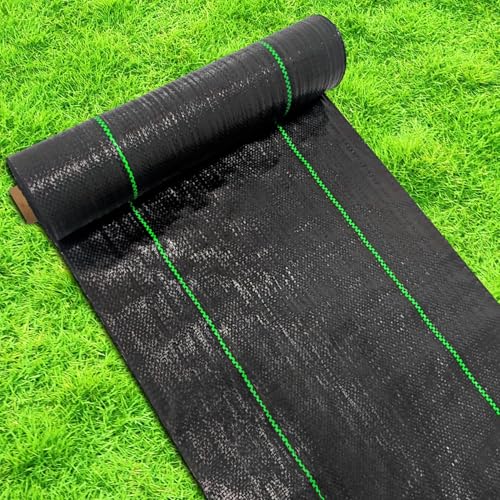
Groweco Weed Barrier Landscape Fabric Heavy Duty
Permeable polypropylene fabric blocks weeds while guide stripes make trimming and alignment easier for compact garden projects.
-
Best For Beds With Staples
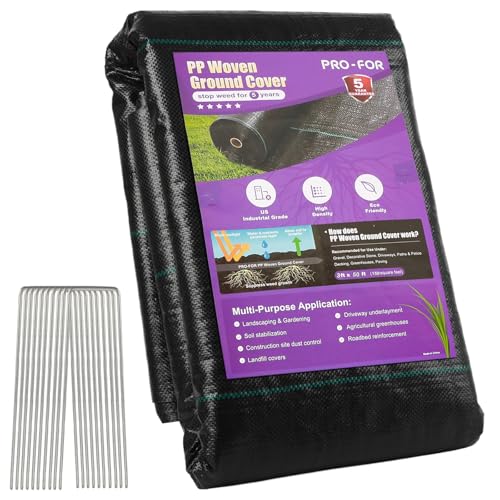
PRO-FOR 3FT x 50FT Weed Barrier Landscape
Woven black fabric includes ten U-shaped staples, helping gardeners secure clean edges around beds, paths, and gravel.
Top 5 Mulches for Ground Cover at a Glance
Groweco and PRO-FOR suit smaller garden areas where neat cuts and manageable rolls matter. LAVEVE and Pterying make more sense for broad paths, driveways, slopes, and large landscaping jobs, while the black rubber mulch is a decorative surface layer rather than an underlayment.
| Product image | Product name | Check product |
|---|---|---|
| 1 |
Groweco Weed Barrier Landscape Fabric Heavy Duty | Check Price |
| 2 |
PRO-FOR 3FT x 50FT Weed Barrier Landscape | Check Price |
3 |
Premium Black Rubber Mulch 4 QT | Check Price |
4 |
LAVEVE Heavy Duty Weed Barrier Landscape Fabric | Check Price |
5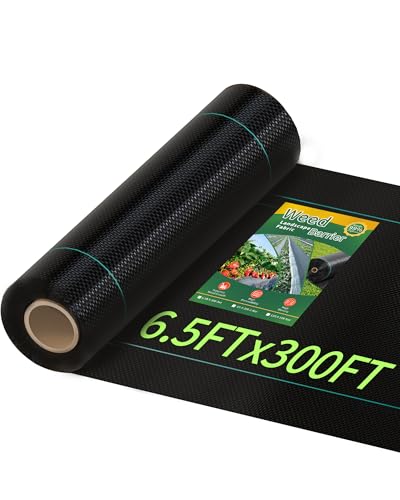 |
Pterying 6.5x300ft Weed Barrier Landscape Fabric Heavy | Check Price |
5 Best Mulches for Ground Cover: Detailed Reviews
When I chose the best mulch for ground cover, I looked at material, width, permeability, cutting, and edge security. Those details decide whether rain reaches roots, whether weeds find gaps, and whether installation becomes a calm afternoon or a wrestling match with a roll of fabric.
I kept the group varied so you can match the coverage to the space instead of buying the largest roll by default. Comparing a small 50-foot fabric roll with broad 100- and 300-foot options also makes the likely waste, seams, and storage needs easier to judge.
1. Groweco Weed Barrier Landscape Fabric Heavy Duty
Permeable polypropylene fabric blocks weeds while guide stripes make trimming and alignment easier for compact garden projects.
- Size1.4X50 FT
- WeightNot listed; check details
- DimensionsNot listed; check details
- MaterialNot listed; check details
Groweco Weed Barrier is a compact landscape fabric for gardeners covering beds, paths, raised-bed areas, or small outdoor sections.
Permeable polypropylene fabric
The fabric uses polypropylene, a plastic material commonly woven into outdoor garden cloth. Groweco describes the 3.2-ounce fabric as permeable, meaning water and air can pass through rather than collecting on top.
That matters after rain or irrigation. Water can move toward the soil while the fabric helps block sunlight at ground level, which makes weed growth harder and reduces the need to pull small weeds by hand.
The benefit is practical for a beginner: you can place a surface layer such as mulch, gravel, or another ground cover above the fabric without turning the area into a waterproof sheet. The fabric still needs properly prepared soil, since established weeds can push through openings or seams.
Green guide stripes and a narrow roll
Green stripes help you line up cuts and planting rows. The 1.4X50 FT size is easier to carry and handle than a very wide commercial roll, though the narrow width may create more joins across a broad bed.
Groweco says the cloth can be cut with scissors. That is useful around curved borders, trees, and raised beds, where forcing a full-width sheet into place usually creates folds that collect soil.
The main watch point is coverage planning. Measure the area first, allow extra fabric for overlaps and edge turns, and remember that a narrow roll may need more pieces than a wider option.
Pros:
- 3.2-ounce polypropylene fabric, blocks light from emerging weeds
- Permeable construction, lets water and air reach soil
- Green stripes, make alignment and trimming simpler
- 1.4X50 FT size, fits smaller garden projects
- Cuttable material, adapts around beds and paths
Cons:
- Narrow width, may require more seams on broad areas
- Staples are not listed, so separate fasteners may be needed
- Fabric alone does not hide exposed edges or open seams
Buy it if: you are covering a small or medium bed, because the narrow roll and guide stripes make controlled cutting easier.
Skip it if: you need one broad sheet for a long driveway, because the 1.4-foot width creates extra joins, and a wider ground-cover roll would suit you better. For another fit, consider Pro or Black.
What I like about Groweco Weed Barrier is the sensible balance between manageable handling and a material suited to water-permeable garden coverage. The guide stripes should help a first-time installer make straighter cuts without measuring every line from scratch. Double-check the total width before buying, especially if the area is wider than a single garden row.
Groweco fits gardeners who value easy handling more than maximum coverage per roll.
2. PRO-FOR 3FT x 50FT Weed Barrier Landscape
Woven black fabric includes ten U-shaped staples, helping gardeners secure clean edges around beds, paths, and gravel.
- ColorBlack
- Size3FT×50FT
- Number Of Items1
- WeightNot listed; check details
PRO-FOR Landscape Fabric is a black woven ground cover for beds, vegetable rows, walkways, gravel areas, and other spaces where visible guide lines and included staples can save setup time.
Woven black polypropylene
PRO-FOR uses woven black polypropylene, a fabric structure made by crossing strands into a sheet. The black surface helps block sunlight at ground level, while the permeable weave lets rain and nutrients pass toward plant roots.
That combination makes the fabric suitable beneath mulch or gravel, but it is not a waterproof tarp. Water pooling is less likely on prepared soil, though sloped areas still need proper grading and firmly secured edges.
For a beginner, the important point is that the fabric is a barrier, not a replacement for removing existing weeds. Clear perennial weeds first, smooth the soil, and keep seams tight so the cover is not asked to solve every problem by itself.
Guide lines and included staples
Green guide lines help with row spacing, trimming, and laying out irregular beds. PRO-FOR also includes ten U-shaped staples, which can hold edges and corners while you cover the fabric with mulch or gravel.
Staples are most useful during installation, when wind or foot traffic can shift loose cloth. The listing also advises adding extra pins or using mulch, soil, gravel, or pavers in windy areas, slopes, driveways, and busy paths.
The 3FT×50FT size gives more width than Groweco while remaining easier to divide into manageable sections than a very large commercial roll. Ten staples may not be enough for every installation, so count corners, seams, and exposed edges before starting.
Pros:
- Black woven polypropylene, blocks sunlight at soil level
- 3FT×50FT roll, covers wider strips than narrow fabric
- Ten U-shaped staples, help secure initial placement
- Green guide lines, simplify spacing and straight cuts
- Permeable weave, allows rain and nutrients through
Cons:
- Ten staples may not cover a large or windy layout
- Requires extra edge support on slopes and driveways
- Woven fabric still needs a surface layer for appearance
Buy it if: you want a medium-width fabric with starter fasteners, because the roll and included staples simplify the first installation.
Skip it if: you are covering several hundred feet at once, because a 50-foot roll may mean repeated joins, and a bulk ground-cover roll would suit you better. Groweco and Black are worth a closer look instead.
PRO-FOR earns its place near the top because the buyer gets a useful mix of width, guide lines, permeability, and included staples. The black woven construction makes sense beneath mulch or gravel, where exposed fabric would not be the finished look. Check how many pins your layout needs before beginning, since ten staples may cover only the first stage of a large job.
PRO-FOR is a practical choice for ordinary beds and paths where setup help matters.
3. Premium Black Rubber Mulch 4 QT
The catalog lists PREMIUM LANDSCAPING LOOK Enhance flower beds, pathways, gardens, and outdoor spaces with rich black rubber mul. Compare fit and care needs before choosing.
- ColorBlack
- Size4 QT
- Number Of Items1
- MaterialLONG LASTING MATERIAL Made from durable recycled rubber designed to maintain its appearance longer than tradit
Premium Black Rubber Mulch is a decorative 4 QT surface material for flower beds, tree rings, pathways, planters, and small landscaping projects.
Recycled rubber chips
Rubber mulch uses recycled rubber chips rather than woven fabric. The chips sit on top of soil and create a visible black layer, so the material is chosen for appearance and surface coverage rather than as an underlayer beneath another mulch.
The listing describes the rubber as long lasting and designed to reduce frequent replacement compared with traditional wood mulch. That can appeal to someone who wants a consistent look without adding fresh wood chips as often.
Rubber chips do not improve soil in the same way organic materials can break down. Treat Premium Black Rubber Mulch as a decorative ground cover, and keep the 4 QT amount in mind because a small bag will not cover a large bed deeply.
Weather and fade resistance
The black rubber is described as weather and fade resistant through rain, sun, and changing seasons. A dark surface can make flowers and green foliage look sharper, though dust and soil may still collect between chips.
The low-maintenance appeal comes from leaving the material in place instead of replacing it after every season. Before spreading the chips, remove weeds, level the area, and consider a border that keeps the pieces from drifting into grass or walkways.
The biggest limitation is coverage. Four quarts is a modest quantity, so measure the bed and decide whether the bag is for a small accent area, a tree ring, or a sample-sized section rather than an entire yard.
Pros:
- Recycled rubber chips, create a visible decorative surface
- Black color, gives beds a clean, consistent appearance
- Weather-resistant design, suits outdoor landscaping areas
- Fade-resistant description, helps the dark look last
- Low-maintenance material, reduces frequent surface replacement
Cons:
- 4 QT quantity, covers only a limited area
- Not a weed barrier fabric, so soil preparation remains necessary
- Does not add organic material as it breaks down
- Loose chips may need borders near lawns or walkways
Buy it if: you need a small decorative surface for a bed or tree ring, because black rubber chips create visible coverage without a fabric layer showing.
Skip it if: your main goal is blocking weeds beneath a large mulch area, because rubber chips are a surface material, and permeable landscape fabric would suit you better. If those trade-offs rule it out, Groweco or Pro may suit you better.
To me, Premium Black Rubber Mulch makes sense as a focused decorative choice rather than a general solution for every bare patch. The weather and fade-resistant design may reduce how often the surface needs refreshing, and the black color is easy to coordinate with many plantings. Check the area against the 4 QT quantity before ordering, since coverage can be disappointing when a small bag meets a large bed.
Choose this rubber mulch for appearance and low surface maintenance, not soil improvement.
4. LAVEVE Heavy Duty Weed Barrier Landscape Fabric
The catalog lists Professional Grade Weed Barrier: LAVEVE weed barrier fabric is made of woven polypropylene material. Its high-. Compare fit and care needs before choosing.
- ColorBlack
- Size4FT×100FT
- WeightNot listed; check details
- DimensionsNot listed; check details
LAVEVE Weed Barrier Fabric is a broad woven polypropylene cover for gardens, vegetable plots, paths, driveways, sidewalks, and other large outdoor areas.
Broad coverage for bigger layouts
The listed size is 4FT×100FT, giving you a wide strip and substantial length for long beds or repeated rows. A wider sheet can reduce the number of seams, which means fewer places for soil to collect and weeds to find daylight.
LAVEVE describes the fabric as woven, permeable, and breathable. In plain language, the sheet is meant to slow weed growth while allowing air and water to pass toward the soil instead of acting like a solid plastic tarp.
Large coverage also brings a handling trade-off. A 100-foot roll takes more planning and storage space, so mark the area first and cut sections before trying to move a full length through a crowded garden.
Guide lines, cutting, and edge support
Green guide lines help with alignment and planting positions. The fabric can be cut with household scissors or a craft knife, which helps when the bed has curves, corners, or openings around established plants.
LAVEVE lists U-shaped securing pegs as part of the installation approach. Secure edges, corners, and overlaps before adding mulch, gravel, or soil, since loose edges can lift and expose the ground beneath.
The fabric is described for many uses, including gravel paths, brick pavements, sidewalks, driveways, and construction projects. Those uses can place more stress on the sheet, so high-traffic or sloped areas deserve extra pins and careful overlap planning.
Pros:
- 4FT×100FT size, covers long and broad outdoor areas
- Woven polypropylene, provides a physical weed barrier
- Permeable design, allows water and air through
- Green guide lines, help position rows and cuts
- Multiple outdoor uses, fits beds, paths, and driveways
Cons:
- Large roll, takes more room to handle and store
- Broad projects need careful measuring before cutting
- Exposed edges still require pegs or a covering layer
Buy it if: you are laying ground cover across long beds or paths, because the 4-foot width and 100-foot length can reduce repeated seams.
Skip it if: you have only a small raised bed, because a large roll may create unnecessary handling and leftover material, and a compact fabric roll would suit you better.
LAVEVE is the kind of choice I would consider when the project has enough length to justify a large roll. The 4FT×100FT format can make a broad layout cleaner, while the permeable woven construction fits areas that still need rain and air to reach the soil. I would double-check storage space and the number of securing pegs before purchase.
LAVEVE suits large garden, path, and driveway jobs more than quick touch-ups.
5. Pterying 6.5x300ft Weed Barrier Landscape Fabric Heavy
The catalog lists Weed Control: Three-ounce thick woven polypropylene blocks sunlight to suppress weed seed germination; a durab. Compare fit and care needs before choosing.
- ColorBlack
- Size6.5FTx300FT-3OZ
- Number Of Items1
- WeightNot listed; check details
Pterying Weed Barrier Fabric is a very wide, long ground-cover roll for large yards, garden rows, driveways, paths, slopes, animal enclosures, and areas beneath gravel or mulch.
Extra-wide, long-format coverage
The listed size is 6.5FTx300FT-3OZ. That width and length are aimed at large projects, where buying several short rolls could create many seams and slow down installation.
Pterying uses woven polypropylene and describes the material as a three-ounce fabric. The weave is intended to block sunlight, while the permeable design lets rain and irrigation move into the soil and allows air circulation around roots.
The trade-off is physical handling. A 300-foot roll is far more material than most small flower beds need, so measure the project carefully and plan where the unused portion will stay dry and protected between jobs.
Tensile-strength information and clean cutting
The listing gives a tensile-strength figure of 146 pounds per five-centimeter strip and up to 600 pounds across the full width. Tensile strength describes resistance to pulling force, which can matter when fabric sits beneath gravel or across a slope.
Those figures do not remove the need for careful installation. Sharp rocks, exposed edges, poor overlaps, and foot traffic can still damage or shift ground cover, so smooth the soil and secure the perimeter before adding weight.
Green alignment stripes help position rows, and standard scissors can cut the sheet. Pterying also suggests placing tape along a cut line to reduce fraying, a small step that can make edges look neater and easier to overlap.
Pros:
- 6.5FTx300FT-3OZ size, covers very large projects
- Woven polypropylene, blocks sunlight beneath surface cover
- Permeable construction, supports water and air movement
- Listed tensile strength, helps assess heavy-use applications
- Green stripes, assist with rows and straight placement
- Tape-ready cutting method, helps reduce edge fraying
Cons:
- Very large roll, excessive for small beds
- Storage and handling require advance planning
- Large areas still need many fasteners and secured edges
- Fabric is not a finished decorative surface by itself
Buy it if: you are covering a large yard, farm row, slope, or driveway, because the 6.5-foot by 300-foot format reduces repeated short sections.
Skip it if: you are treating a single flower bed, because the roll is likely far more material than the area needs, and a smaller ground-cover roll would suit you better.
Pterying has the clearest case for large-scale coverage in this group. The long, wide format can save seams, while the stated tensile-strength figures give you more information to consider beneath gravel or on slopes. I would verify the storage plan and calculate the needed fasteners before buying such a large roll.
Pterying is best for a planned landscaping or agricultural project, not a weekend patch repair.
How to Choose the Best Mulch for Ground Cover
The best mulch for ground cover depends first on whether you need a hidden weed barrier or a visible surface layer. Match the material, width, coverage, and installation method to the area before thinking about color.
Choose fabric or loose chips first
Landscape fabric is a sheet placed over prepared soil, usually beneath mulch, gravel, or another visible layer. Rubber mulch is a loose surface material that creates a finished look but does not replace the fabric barrier beneath it.
Choose fabric when weed suppression, water movement, and clean separation beneath gravel matter most. Choose rubber chips when the main goal is decorative coverage and a low-maintenance black surface in a small or defined area.
Measure the area and coverage
Measure length and width in feet, then multiply them to estimate square footage. Add extra material for overlaps, curves, turned edges, and mistakes, because a perfect measurement leaves no room for real garden shapes.
A 1.4-foot-wide roll can fit narrow beds but may require several strips for a wide area. A 4-foot or 6.5-foot roll can reduce seams, though the larger roll needs more space and effort to handle.
Check permeability
Permeability means water and air can pass through the material. Look for a permeable fabric when plants remain in the ground, since rain and irrigation need a path to roots.
Do not treat permeable fabric as a waterproof barrier. Grade the soil so water drains naturally, and avoid using landscape cloth to cover drainage problems that should be fixed with soil preparation.
Plan the visible surface
Fabric usually needs mulch, gravel, soil, or another covering layer to protect it from sunlight and make the area look finished. Rubber chips can serve as the visible layer, though the amount needed depends on bed size and desired depth.
The cover also keeps seams and edges in place. Before spreading anything, decide where borders, pavers, edging, or a shallow trench will stop loose material from moving into grass.
Think about weeds already present
Remove large weeds and roots before laying fabric. A sheet blocks new light from reaching the soil, but it cannot erase a tough perennial root trapped beneath a seam or opening.
Keep planting openings as small as practical. Large cuts expose more soil, and exposed soil gives wind-blown seeds a convenient landing place.
Pick fasteners for the site
Flat garden beds may need fewer pins than slopes, driveways, or windy corners. Use enough fasteners to hold corners, edges, overlaps, and openings flat until the covering layer is installed.
The included ten staples in PRO-FOR can help with the beginning of a project. Large areas may need additional pins, especially where people walk, gravel shifts, or wind can lift an edge.
How to Use Ground Cover for the Best Results
Good ground-cover results begin with clean, level soil and end with covered, secured edges. The material works as part of a system, not as a sheet tossed over weeds.
- Remove visible weeds, roots, sticks, and sharp stones from the area.
- Level low spots and fill holes so the fabric lies flat.
- Measure the space, then mark beds, paths, and plant openings.
- Roll out fabric with the guide stripes facing upward.
- Overlap adjoining strips instead of leaving a narrow gap.
- Cut openings just large enough for trunks or planted stems.
- Pin corners, edges, seams, and openings before adding surface cover.
- Spread mulch, gravel, or rubber chips evenly over exposed fabric.
For a more detailed installation sequence, see step-by-step mulch installation while planning the work. The most common mistake is covering the fabric before checking every seam and edge, so walk the area first and fix movement while the cloth is still visible.
Water plants at the soil level when possible. Surface cover reduces evaporation, but new plants still need regular watering until roots become established.
How to Make Your Ground Cover Last Longer
Ground cover lasts longer when edges stay buried or pinned, sharp debris is removed, and heavy traffic is limited. A quick seasonal inspection can prevent a small exposed seam from becoming a large weedy gap.
Inspect after strong wind, heavy rain, or freeze-thaw cycles. Press down lifted corners, add a fastener where needed, and replace surface material that has washed away from a slope.
Keep grass clippings and leaves from forming deep piles on top of fabric. Organic debris can create a thin growing layer where wind-blown seeds sprout above the barrier.
Pull weeds while they are small and avoid yanking hard against a loose opening. If roots have grown through a seam, cut the weed at the soil line and repair the gap rather than tearing a larger hole.
Rake rubber chips gently instead of dragging sharp tools across them. For fabric beneath gravel, use a rake with controlled strokes and avoid scraping down to the cloth.
Store leftover rolls off wet ground and away from sharp objects. Fold or roll the material without crushing it under heavy equipment, and label the remaining size if you plan another project later.
Common Mistakes to Avoid When Buying and Using Ground Cover
Most ground-cover failures come from poor measuring, weak edge control, or skipping soil preparation. Each problem has a simple fix if you catch it before adding the visible surface layer.
- Buying by roll length alone: a narrow roll may create many seams, so compare width and total coverage.
- Covering active weeds: roots can push through gaps, so remove established weeds before laying fabric.
- Leaving seams apart: even a small opening exposes soil, so overlap strips and pin the join.
- Cutting oversized plant holes: wide openings invite weeds, so cut close around stems and trunks.
- Skipping edge support: wind and foot traffic can lift cloth, so pin edges or bury them beneath a border.
- Treating fabric as a tarp: water still needs to drain, so correct grading and low spots first.
- Buying a small decorative bag for a large bed: coverage disappears quickly, so measure square footage before choosing rubber chips.
For gardeners comparing surface materials, a focused guide to mulch for weed control can help clarify how a visible mulch layer works with or without fabric. Color is also a separate decision from weed control, so do not assume a darker surface automatically provides a stronger barrier.
How to Set Up Ground Cover
Setup is easiest when the area is divided into short, planned sections. A helper can hold a long roll, but careful measuring matters more than speed.
- Mark the outside border with stakes or a hose, noting curves and corners.
- Remove weeds and debris, especially sharp stones that can puncture cloth.
- Smooth the soil with a rake, filling holes before the fabric arrives.
- Measure each section and add overlap room at joins and borders.
- Cut the first fabric piece on a clear surface, not directly against the soil.
- Lay the fabric flat, keeping guide stripes aligned with rows or edges.
- Pin corners and seams, then check that plant openings are not oversized.
- Add mulch, gravel, or rubber chips while leaving no large fabric areas exposed.
If a cut edge begins to fray, tape along the cut line before trimming, as suggested for Pterying. For loose decorative material, keep a shovel or scoop nearby and work from the far edge toward the path so you do not step repeatedly on freshly spread cover.
A suitable tool can make this job less tiring, especially for deep beds or repeated loading. The advice in shovel choices for mulch is useful when you are moving more than a few bags or filling a wheelbarrow.
Common Questions About Mulch for Ground Cover
Is landscape fabric better than rubber mulch for weed control?
Landscape fabric is better suited to blocking sunlight beneath a surface layer, while rubber mulch is mainly a visible covering. Fabric still needs weed removal, overlap, and edge security, and rubber chips can leave soil exposed if spread too thin. Many beds use fabric below a decorative material rather than choosing only one.
How deep should ground cover be?
The right depth depends on the material and the finished appearance, so follow the package guidance for the material you buy. Fabric should lie flat and be covered enough to protect it from sunlight, while loose chips need enough depth to hide bare soil without burying plant crowns or touching tree trunks.
Can seeds grow through mulch?
Seeds can grow through mulch when the covering is thin, the seeds land on top, or gaps expose soil. The answer to whether seeds grow through mulch depends on seed placement and cover depth, so remove existing weeds, close seams, and keep fresh debris from building a new growing layer above the barrier.
Does landscape fabric let water reach plants?
Permeable landscape fabric is designed to let water and air pass toward the soil. Drainage still depends on the soil beneath it, so fabric cannot correct compacted ground, blocked low spots, or poor grading. Water slowly after installation and watch whether runoff collects anywhere.
How long does landscape fabric last?
Lifespan varies with fabric weight, sunlight exposure, foot traffic, sharp stones, shifting soil, and edge security. A covered sheet generally faces less direct sunlight than exposed cloth, but regular inspection still matters. Repair lifted seams and exposed sections before weeds establish in the openings.
Is rubber mulch safe around every plant?
Rubber mulch should be treated as a decorative landscaping material, not automatically as a soil amendment or proof of a safety certification. Check the package details for the intended use, keep material away from plant crowns, and consider whether the bed would benefit more from an organic surface cover.
Make the Next Ground-Cover Decision Carefully
Start by measuring the area, then decide if you need an underlayer that blocks light or a visible material that finishes the surface. For fabric, plan overlaps and fasteners before buying; for rubber chips, confirm the quantity can cover the intended bed.
Write down the length, width, number of corners, and surface type before opening a cart. That short measurement check will tell you whether a compact roll, a broad landscape fabric, or a small decorative bag is the sensible next step.

I’m Maya L. Greenwood, a lifelong plant lover who believes anyone can grow something beautiful with the right guidance. After years of testing soil mixes, pruning methods, irrigation tricks, and pest-safe solutions, I started EasyGardenTips.com to turn hard-won lessons into step-by-step advice. From seed starting and container gardens to composting and seasonal checklists, my goal is to make gardening simple, sustainable, and fun.