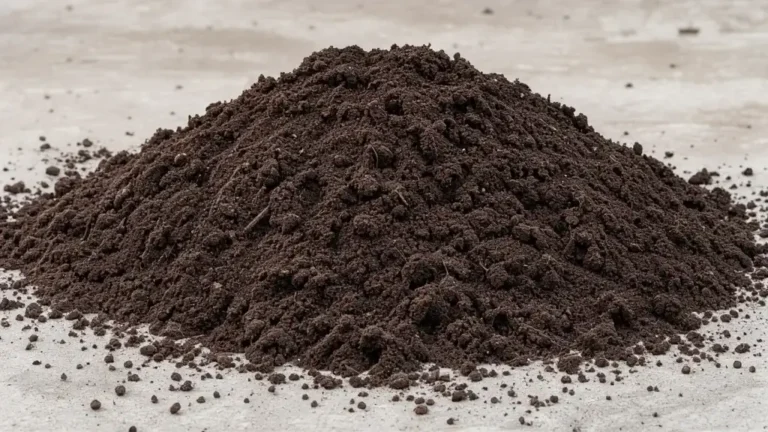
Can Seeds Grow Through Mulch? Depth Rules for Sowing
Yes, seeds can grow through mulch, but most garden seeds need a thin, loose layer rather than a thick blanket. Tiny seeds may fail under wood chips or compacted straw, while larger seeds such as beans, peas, and corn can push through light mulch after you sow them at the correct depth.
Are your seeds staying damp but never appearing? Are seedlings emerging in one spot and disappearing under mulch nearby? Guessing at mulch depth can waste a whole planting window.
You’ll learn which seeds can push through mulch, how thick the layer can be, when to move mulch aside, and how to protect young seedlings from drying out, weeds, slugs, and temperature swings.
Get the depth right, and you gain steadier moisture, fewer weeds, and cleaner rows. Lay mulch too thick, and seeds may rot, run out of energy, or never reach sunlight.
This takes about 10 minutes to read, then you can use these practical rules:
- Choose the right mulch for direct-sown seeds.
- Set mulch depth by seed size and texture.
- Know when seedlings need mulch moved away.
- Fix poor germination caused by heavy or wet mulch.
Can Seeds Grow Through Mulch?
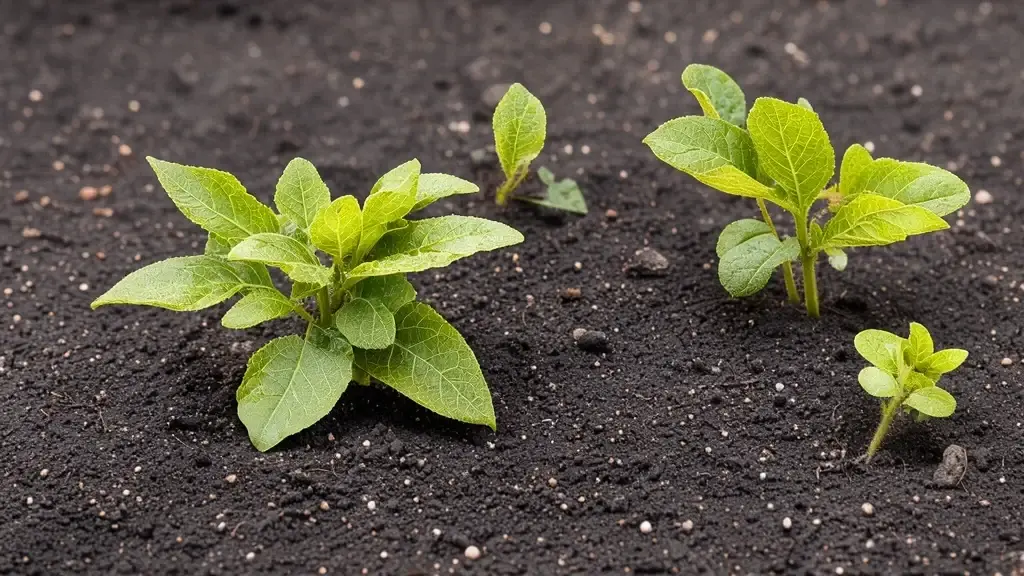
Can seeds grow through mulch? Yes, if the mulch is loose, shallow, and suited to the seed. Leave fine seeds uncovered or use about 1/8 inch of fine material, while larger seeds can push through roughly 1/4 to 1/2 inch of loose straw, shredded leaves, or compost.
A seed carries a small food supply inside itself. That stored energy lets the embryo send a root downward and a shoot upward, but the shoot has limited strength before it needs light.
Seed size gives you the easiest depth rule:
- Tiny seeds, such as lettuce, carrots, basil, and onions, need light soil contact and little or no mulch over the seed.
- Medium seeds, such as spinach, beets, cucumbers, and squash, can handle a thin layer of fine compost or shredded leaves.
- Large seeds, such as beans, peas, corn, and pumpkin, can emerge through a light layer of loose organic material.
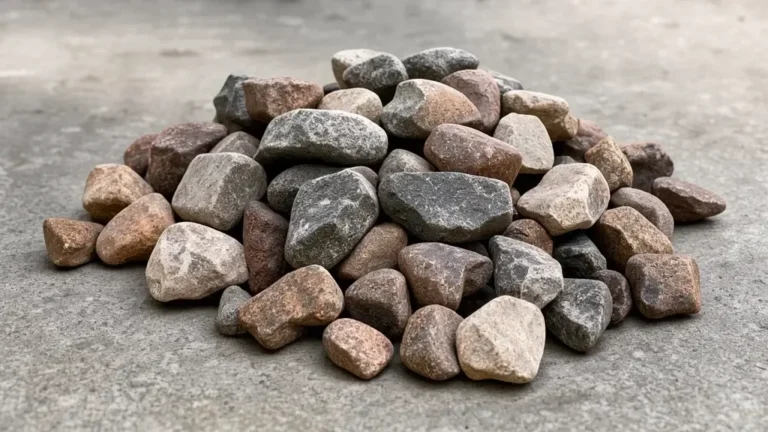
Wood chips, bark nuggets, and chunky straw create air pockets and weight. A bean may push through that kind of mulch, but a carrot seedling usually gets buried, bent, or starved of light.
| Seed Type | Typical Sowing Depth | Mulch Approach | Best Action |
|---|---|---|---|
| Lettuce, basil, onion | Surface to 1/4 inch | No mulch or dusting of fine compost | Keep the seedbed evenly damp |
| Carrot, radish, spinach | 1/8 to 1/4 inch | Very fine, thin cover | Move coarse pieces away |
| Cucumber, squash, beet | 1/2 to 1 inch | Thin shredded leaves after sowing | Keep mulch off the planting line |
| Bean, pea, corn | 1 to 2 inches | Up to about 1/2 inch of loose mulch | Use straw or fine plant material |
| Transplanted seedlings | Root ball level with soil | 2 to 3 inches around, not against, stems | Leave a small open ring |
Those measurements guide the seed itself, not the mulch layer. A seed planted 1 inch deep may tolerate another 1/4 inch of loose mulch, but a seed sitting on the soil surface usually cannot handle the same cover.
A good direct-sowing bed has firm soil beneath the seed and a loose surface above it. Press the soil gently around the seed, water it, and then apply only enough mulch to slow evaporation without blocking the shoot.
Pro Tip: Use a short piece of cardboard as a depth gauge. A 1/8-inch layer is surprisingly thin, closer to a light dusting than a fluffy garden blanket.
How Much Mulch Can New Seeds Handle?
New seeds handle mulch best when the material is fine, dry enough to stay fluffy, and spread thinly. A practical limit is about 1/8 inch for tiny seeds, 1/4 inch for medium seeds, and up to 1/2 inch for large seeds or grass seed, depending on the material.
Fresh mulch can create problems beyond simple weight. Fine grass clippings may mat together, bark can form a crust, and wet leaves can press into a solid sheet after rain.
The seed-to-soil contact matters just as much as the mulch depth. Seeds need close contact with damp soil so water can move into the seed coat, which is the outer shell that softens during germination.
Use these rules when sowing into a mulched bed:
- Pull mulch away from the exact planting row.
- Rake the exposed soil smooth and firm.
- Sow seeds at the depth listed on the seed packet.
- Cover the seed with soil or fine compost.
- Water gently with a soft spray.
- Return only a thin layer of loose mulch beside the row.
- Check the bed daily until seedlings appear.
Why move mulch aside first? Seeds need a stable surface, and mulch rarely gives roots the same contact as soil. A clean planting strip also makes it easier to spot weeds, crusting, dry spots, and ants carrying seed away.
If you’re sowing grass seed, use a very light covering that holds moisture without hiding the seed. Grass seed needs close soil contact, so a thin layer of straw, compost, or a suitable fiber mulch works better than thick wood chips. The right mulch for grass seed depends on slope, moisture, seed type, and how much coverage the surface needs.
Ground cover seeds need extra care because many are tiny and slow to emerge. Pull coarse mulch back from the planting patch, sow into bare soil, and return only a dusting after watering. You can also compare materials suited to beds, slopes, and bare spaces in this guide to mulch for ground cover.
When Should You Move Mulch Away?
Move mulch away before sowing small seeds, after heavy rain compacts the surface, or whenever seedlings appear trapped beneath the material. Leave mulch nearby as a moisture barrier, but keep the planting line open until the seedlings have several true leaves.
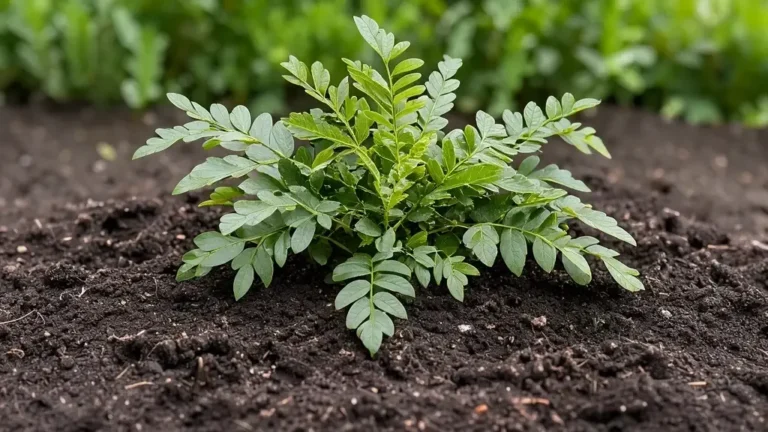
The first leaves are called cotyledons, and they often look different from the plant’s later leaves. Once a seedling develops true leaves and stands upright, you can add a little fine mulch around it.
Keep mulch about 1 to 2 inches away from delicate stems. A damp collar around the stem can invite rot, chew marks, and soft tissue, especially during cool nights.
A seedling that bends sideways under mulch needs help quickly. Brush material away with your fingers rather than pulling the stem, because young roots can still be shallow and fragile.
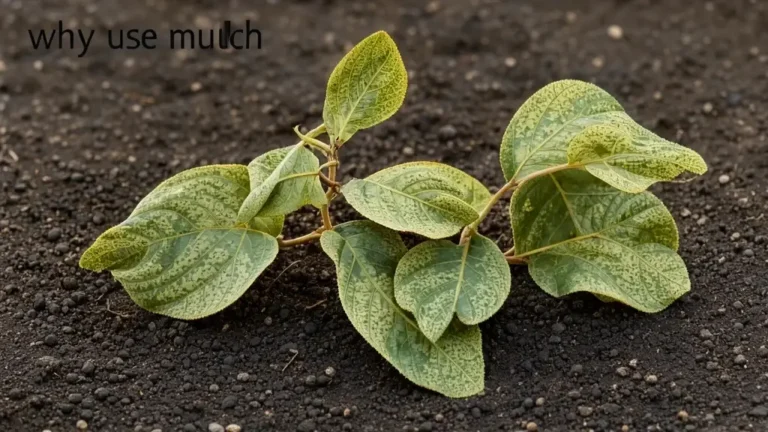
I once left shredded leaves too thick over a row of small greens after a windy afternoon. The soil stayed damp, yet the seedlings came up pale and weak until I cleared the leaves back and gave the row more light.
That small mistake taught me a useful lesson: mulch protects the soil, not the seedling at every stage. The material has to change as the plant grows.
Important Tip: Check a mulched seedbed after rain, not just after watering. Rain can flatten loose material into a crust that blocks oxygen and traps emerging stems.
Which Mulch Works Best Over Seeded Beds?
The best mulch over seeded beds is light, loose, and easy for a shoot to push aside. Fine compost, screened leaf mold, clean straw, shredded leaves, and lightweight grass-clipping mulch can work when applied in a thin layer and kept free of weed seeds.
Fine Compost
Finished compost makes a useful light cover for many garden seeds. It holds moisture, touches the seed closely, and breaks apart easily as the shoot rises.
Use screened compost for carrots, lettuce, radishes, and herbs. Large chunks can bury tiny seeds unevenly, leaving some uncovered and others far too deep.
Shredded Leaves
Shredded leaves protect the soil surface and break down gradually. Whole leaves can mat after rain, so run them through a mower or use small pieces no larger than your thumb for direct-sown beds.
A leaf mulch layer around established plants can be 2 to 3 inches deep. Over fresh seed rows, use far less, often just enough to shade the soil.
Straw
Clean, loose straw works well for large seeds and grass seed. It reduces erosion, slows evaporation, and allows air to move through the bed.
Avoid packing straw down. A loose scatter is useful; a compressed mat is a headache.
Grass Clippings
Grass clippings can help around mature plants, but fresh clippings heat up and clump when spread too thickly. Use a thin layer of dry clippings, and never use material from a lawn treated with a persistent weed killer unless the product label confirms garden use.
Wood Chips And Bark
Wood chips and bark work best around established plants, not directly over tiny seeds. Their rough texture blocks light, holds weight, and can shift into the planting hole during watering.
If you want a seeded bed covered with wood chips, clear a strip for each row. Add the chips after seedlings have gained size, keeping them away from stems.
The right material changes with the crop. A vegetable bed may need a fine, clean cover, while a lawn renovation may benefit from straw or a specialized fiber material. For food crops, choose safe vegetable garden mulch based on cleanliness, breakdown speed, and the way the material touches edible plants.
How Do You Sow Seeds in an Already Mulched Bed?
Sow seeds in an already mulched bed by opening a planting strip, placing each seed in exposed soil, and returning only a thin layer of fine mulch. Do not bury the seed under the full depth used around established plants.
Follow this order:
- Mark the row. Use a stick, hand trowel, or board to create a straight line.
- Move mulch aside. Pull it several inches away from the planting path.
- Check soil moisture. The soil should feel damp like a wrung-out sponge, not muddy.
- Loosen the surface. Break crusts without turning the whole bed upside down.
- Plant at packet depth. Depth varies by crop and seed size.
- Firm the soil lightly. Good contact helps water reach the seed.
- Water slowly. A hard spray can wash seed into the mulch.
- Add a thin cover. Use fine compost or shredded material, not chunky bark.
- Watch the row. Check for crusting, drying, ants, birds, and emerging stems.
Should you put mulch over a seed trench before watering? No, water the soil first if the surface is dry, then cover lightly after the water settles. That keeps the seed from floating away and gives you a clearer view of the planting line.
For a lawn, rake the seed into the top fraction of an inch of soil, then use a light protective cover. Thick straw can hide germination and create damp, matted patches. When you need a deeper explanation of material choice and placement, follow this step-by-step guide to install mulch correctly.
What About New Grass Seed?
New grass seed needs close soil contact, steady moisture, and a light cover that protects the surface from wind and birds. Keep the cover thin enough that you can still notice the soil beneath it.
Grass seed varies in size, and the ideal sowing depth depends on the grass type. Many lawn seeds perform poorly when buried deeply, so follow the packet depth instead of copying the depth used for vegetable seeds.
A small bare patch beside a sidewalk may need only a thin layer of straw or screened compost. A sloped area needs protection from runoff, yet heavy mulch can slide downhill and gather in a thick pile.
The mulch for new grass should match the site. Flat soil allows lighter coverage, while a slope may call for a fiber blanket or another erosion-control product designed to stay in place.
What Causes Seeds to Fail Under Mulch?
Seeds fail under mulch when the layer blocks light, compacts after rain, stays too wet, dries unevenly, or prevents the shoot from reaching the surface. Poor seed quality, old seed, cold soil, planting depth, birds, and insect damage can cause the same symptoms.
| Symptom | Likely Cause | Practical Fix |
|---|---|---|
| No seedlings after the expected time | Seed is too deep or soil is too cold | Clear mulch and check planting depth |
| Seedlings appear pale | Thick cover blocks light | Remove material around the row |
| Patchy emergence | Uneven mulch or uneven watering | Level the surface and water gently |
| Mushy seeds | Saturated mulch or poor drainage | Thin the layer and let the surface breathe |
| Bent stems under cover | Mulch shifted over the row | Brush mulch away carefully |
| Seeds vanish | Birds, ants, or runoff | Firm the row and use gentle watering |
| Hard surface crust | Fine material dried into a cap | Loosen the top gently without disturbing roots |
Temperature matters, too. Cool-season seeds may germinate in cool soil, while warm-season crops need warmer conditions before they begin. Mulch can slow warming in spring, especially when it is dark, wet, or thick.
Do not keep adding water because the seedlings are late. Lift a small patch of mulch and check the soil first. If the soil is wet and cool, more water can push the seeds closer to rot.
Pro Tip: Test a doubtful row by clearing a 6-inch section. If seedlings appear in the cleared section but not under the mulch, the cover is the likely problem.
How Do You Mulch Around Seedlings Safely?
Mulch around seedlings safely by waiting until the plants stand upright, then spreading a shallow ring that leaves the stem base open. Mature vegetable plants can usually handle 2 to 3 inches around the root zone, but young seedlings need less.
The stem base needs air movement. Pressing mulch against a tomato, pepper, bean, or squash stem keeps the tissue damp and gives slugs an easy hiding place.
Use a small open circle around each plant:
- Leave about 1 to 2 inches clear around small seedlings.
- Keep 2 to 3 inches clear around thicker stems.
- Spread mulch evenly, without piling it against leaves.
- Pull mulch back if the stem turns soft or dark.
- Check under the mulch during cool, wet weather.
Mulch depth also depends on texture. Two inches of fluffy shredded leaves may protect soil without much weight, while two inches of wet bark can press hard against a young plant.
For new grass, wait until the roots hold the soil before mowing or adding more material. For vegetable seedlings, add mulch gradually after the plants have several true leaves and active growth.
Key Takeaways:
- Tiny seeds usually need bare soil or a dusting of fine material.
- Large seeds can push through more mulch, but the cover must stay loose.
- Wood chips suit established plants better than fresh seed rows.
- Clear mulch from stems and planting lines when seedlings begin emerging.
FAQs About Can Seeds Grow Through Mulch
Can tomato seeds grow through mulch?
Tomato seeds rarely grow well through thick mulch because tomato seeds are small and need shallow planting. Sow tomato seeds in fine soil or a seed-starting mix, then cover them lightly and move coarse mulch away until the seedlings have several true leaves.
Can vegetable seeds germinate under wood mulch?
Vegetable seeds can germinate under wood mulch only when the layer is extremely thin and the seed is large enough to push through. Carrots, lettuce, onions, and other tiny seeds usually need a clear planting strip with wood mulch kept beside the row.
How thick should mulch be over grass seed?
Mulch over grass seed should usually stay light enough for the soil surface to remain partly visible. A loose scatter of clean straw or a thin fiber cover protects moisture and reduces erosion, while a thick layer can block light and trap wet, matted material.
Should mulch be removed before planting seeds?
Mulch should be removed from the exact planting line before planting most seeds. Leave the mulch beside the row to reduce evaporation and weeds, then return a thin layer of fine material after sowing if the seeds need protection.
Can seeds grow through leaf mulch?
Seeds can grow through leaf mulch when the leaves are shredded, loose, and applied thinly. Whole leaves can form a wet mat after rain, so clear them from small-seed rows and use them more deeply around established plants.
The Best Way to Protect Seeds
Seeds can grow through mulch, but direct sowing works best when the seed starts in clean soil with only the lightest cover above it. Mulch should protect moisture and reduce weeds without becoming a wall that the seedling has to fight.
My practical choice is simple: clear a planting strip, sow at the correct depth, water gently, and add fine material only when the seed needs protection. Save thick wood chips and heavy leaf layers for established plants, where they can do their job without smothering new growth.
Start with one small test row if you’re unsure. A few inches of cleared soil can tell you more than a whole bed covered in guesswork.

I’m Maya L. Greenwood, a lifelong plant lover who believes anyone can grow something beautiful with the right guidance. After years of testing soil mixes, pruning methods, irrigation tricks, and pest-safe solutions, I started EasyGardenTips.com to turn hard-won lessons into step-by-step advice. From seed starting and container gardens to composting and seasonal checklists, my goal is to make gardening simple, sustainable, and fun.