Can Flowers Grow in Mulch? Planting Tips for Mulched Beds
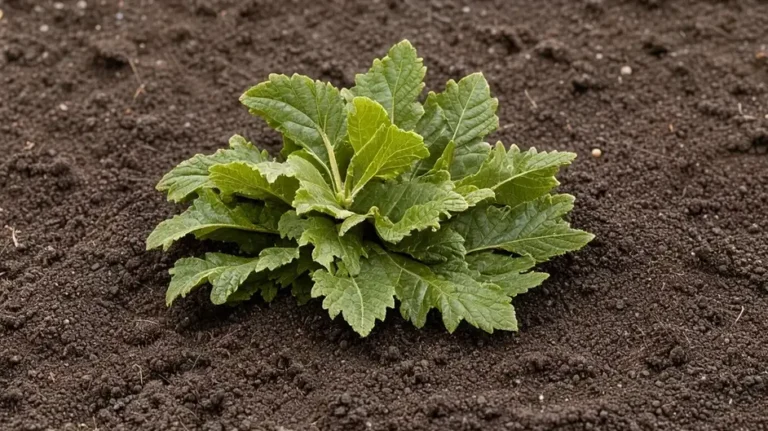
Yes, flowers can grow in mulch when the mulch stays shallow around the plant and never covers the crown, stem, or growing point. Established flowers can thrive with about 2 to 3 inches of mulch, while seeds need bare or lightly covered soil because thick mulch blocks light, warmth, and seedlings.
Have you planted flowers in a mulched bed only to watch them struggle? Are weeds, soggy soil, or buried stems making the bed look worse instead of better? Guessing at mulch depth can cost you a growing season.
You’ll learn how to plant flowers in mulch, which flowers handle mulched beds well, why seeds need different treatment, and how mulch affects weeds, moisture, soil temperature, and drainage.
Get the depth right, and you can water less, pull fewer weeds, and keep flower stems cleaner after rain. Get it wrong, and buried crowns may rot, seedlings may never emerge, and heavy mulch can turn a neat bed into a damp hiding place for pests.
This takes about 9 minutes to read, then you can use these practical results:
- Plant nursery flowers without burying their crowns.
- Choose a mulch depth that protects roots without smothering growth.
- Decide when to clear mulch for seeds and small seedlings.
- Fix wet soil, weeds, and mulch piled against stems.
Can Flowers Grow in Mulch? the Core Answer
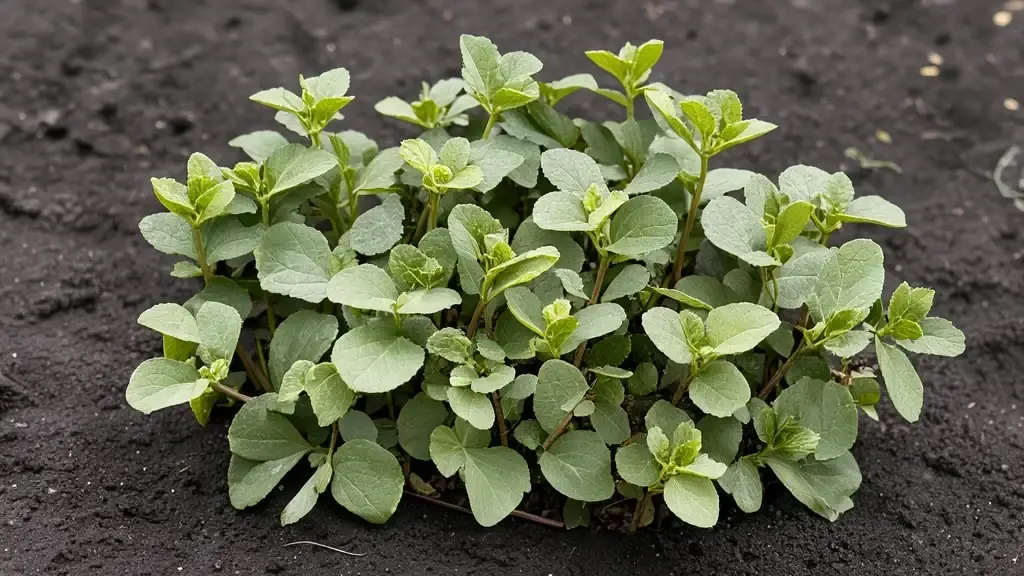
Yes, flowers grow well in mulch when you plant them into the soil beneath the mulch and keep the mulch away from the plant’s base. Use roughly 2 to 3 inches around established flowers, leave a small open ring around each stem, and avoid placing mulch over seeds unless the seed packet calls for shallow coverage.
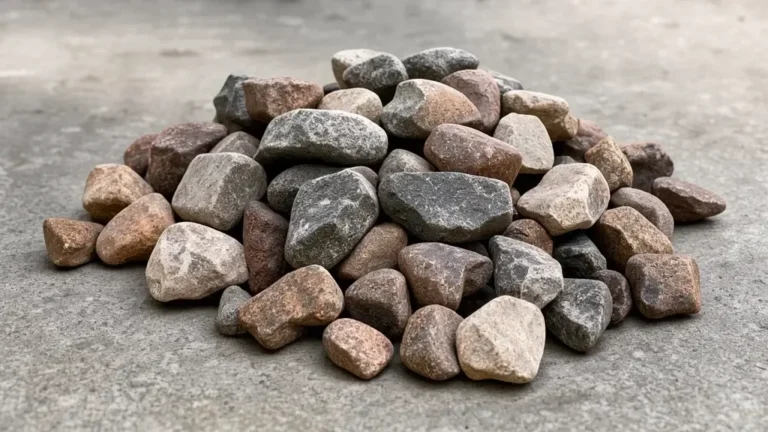
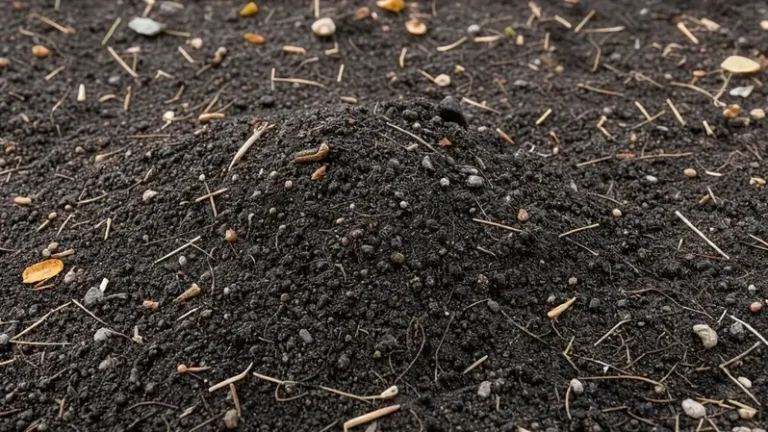
Mulch is a protective layer placed over soil. Shredded bark, wood chips, pine straw, chopped leaves, compost, and small stones all count as mulch, but each material behaves differently.
The basic planting method looks like this:
- Pull mulch away from the planting spot until you reach the soil.
- Dig a hole about as deep as the flower’s root ball and twice as wide.
- Set the flower at the same soil level it had in its nursery container.
- Firm the soil gently around the roots and water slowly.
- Move mulch back around the plant, keeping it 2 to 3 inches from the stem.
- Leave the final mulch layer about 2 inches deep for most flower beds.
The open ring matters more than many gardeners expect. Mulch touching a stem holds moisture against the crown, the point where roots and stems meet, and that wet contact can lead to decay.
A flower planted in a 2-gallon container may have a root ball that sits slightly above the surrounding soil after planting. Set the root ball level with the bed, water the soil, then spread mulch around it without piling mulch over the top.
For new beds, correct installation makes the whole job easier. This guide to installing mulch correctly covers edging, depth, soil preparation, and ways to keep mulch from washing into flower stems.
How Thick Should Mulch Be Around Flowers?
Most established flowers do well with 2 to 3 inches of loose mulch, while heavy or compacted mulch may need to stay closer to 2 inches. Keep mulch thinner around small annuals, seedlings, and plants growing in cool, wet soil.
Use this table as a starting point:
| Flower-bed situation | Suggested mulch depth | Main reason |
|---|---|---|
| Established perennials | 2 to 3 inches | Protects roots and slows weeds |
| Small annual flowers | 1 to 2 inches | Prevents buried stems and excess moisture |
| Newly planted nursery flowers | About 2 inches | Reduces transplant stress without covering the crown |
| Flower seeds | Bare soil or a very thin layer | Allows light, air, and warmth to reach seeds |
| Heavy clay soil | About 2 inches | Reduces crusting without holding too much water |
| Sandy, fast-drying soil | 2 to 3 inches | Slows moisture loss and temperature swings |
| Wet or poorly drained soil | 1 to 2 inches, or none until drainage improves | Limits extra moisture near roots |
Loose mulch settles after rain, so measure the bed again a few days after installation. A fresh layer that looked modest can pack down and become a thick, airless blanket.
Pro Tip: Use a ruler the first time you mulch a bed. After a few jobs, your eye gets good at judging 2 inches, but mulch depth is easy to misread when the surface is uneven.
Which Mulch Works Best In Flower Beds?
The best mulch depends on your flowers, soil, weather, and how often you want to refresh the bed. Shredded bark and pine straw suit many flower borders, while compost and chopped leaves feed soil but break down faster.
A practical comparison:
| Mulch material | Good fit | Watch for |
|---|---|---|
| Shredded bark | Perennial beds and slopes | Can mat if spread too thickly |
| Pine straw | Acid-loving plants and light, airy beds | Blows around in windy spots |
| Chopped leaves | Garden beds and soil improvement | Whole leaves can form a wet mat |
| Compost | Annual beds and soil building | Breaks down quickly and may sprout weeds |
| Wood chips | Paths and established borders | Keep fresh chips away from tender stems |
| Gravel or stone | Dry gardens and areas needing a long-lasting surface | Stores heat and adds no organic matter |
If you’re comparing materials, this breakdown of the best mulch for flower beds can help you match mulch to soil type, flower style, and maintenance needs.
I favor shredded bark for many perennial borders because it stays in place and forms a fairly even layer. I use pine straw where a lighter, softer surface fits the plants, especially in beds that dry quickly.
How to Plant Flowers in an Existing Mulched Bed
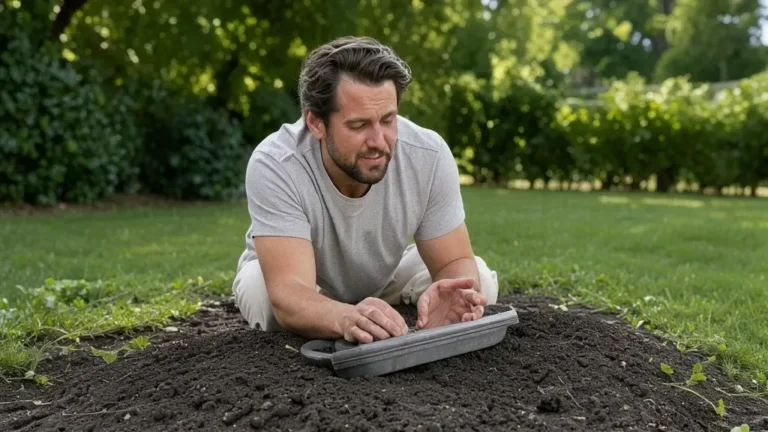
Plant flowers in an existing mulched bed by clearing a wide planting area, setting the root ball at the right height, and replacing mulch without burying the plant. The goal is to let roots contact soil while mulch protects the surface around them.
Start with the flower and the bed conditions. A plant that needs full sun can stretch and flower poorly if nearby shrubs cast shade, and a moisture-loving plant may suffer where mulch keeps the soil wet for days.
Follow These Planting Steps
-
Check the soil first.
Push a hand trowel through the mulch and into the soil. If the soil smells sour, stays shiny with water, or feels sticky several inches down, improve drainage before planting. -
Clear more mulch than the hole requires.
Move mulch aside in a circle at least 12 inches wide for a small flower. Clearing a larger space prevents loose mulch from sliding back into the hole as you work. -
Inspect the roots.
Loosen circling roots gently with your fingers. A tightly wound root ball can keep water from moving into the center, even when the surrounding soil looks damp. -
Set the plant at the original level.
The top of the root ball should sit level with the garden soil. Do not bury the stem to make a short plant look taller. -
Backfill with the soil you removed.
Avoid filling the hole with a pocket of rich potting mix in ordinary garden soil. Roots need to move into the surrounding bed, not stay trapped in a soft pocket. -
Water deeply and slowly.
Water until the soil below the root ball feels damp. A quick splash may wet the mulch while leaving the roots dry. -
Replace the mulch carefully.
Pull mulch toward the plant, then stop several inches from the stem. Smooth the surface so rain reaches the soil instead of running down one side.
Can you plant directly on top of old mulch? Usually no, because the roots need contact with soil and the new flower may sit too high. Clear a planting pocket first, then use the old mulch around the plant after the soil settles.
Important Tip: Never use mulch to correct a planting-depth mistake. If a root ball sits too low, lift the plant and add soil beneath it rather than covering the stem with extra mulch.
Flowers That Handle Mulch Well
Established perennials usually handle mulch better than tiny annual seedlings because their crowns and root systems are larger. Daylilies, coneflowers, black-eyed Susans, salvia, coral bells, hostas, and many ornamental grasses can grow well with a moderate mulch layer when the bed drains properly.
Annual flowers such as marigolds, zinnias, petunias, and begonias also grow in mulched beds after transplanting. Keep the mulch slightly thinner around annuals because their stems are often soft and their roots sit closer to the surface.
Drought-tolerant flowers need a little extra care. Lavender, many sedums, yarrow, and some Mediterranean herbs dislike wet mulch pressed against the crown, so use a thin, airy layer and leave more open space around the plant.
I once planted a small flower in a bed with mulch that had settled against every stem. The flowers perked up within days after I pulled the mulch back and let the crown dry between waterings, which was a useful reminder that neat-looking beds can hide wet problems.
What Happens When Mulch Covers A Flower Stem?
Mulch covering a flower stem can trap moisture, limit airflow, invite decay, and encourage insects or small animals to stay close to the plant. The risk rises when mulch is fine, compacted, and watered frequently.
Watch for these warning signs:
- A soft or darkened stem at soil level.
- Yellow leaves despite damp soil.
- Flowers that wilt while the bed remains wet.
- A sour smell near the crown.
- Mushrooms or mold growing through packed mulch.
- Roots exposed after mulch washes away.
Pull the mulch back right away if you notice these signs. If the stem has already rotted, the flower may need replacement, while a healthy plant often recovers after the crown dries and watering becomes less frequent.
Can Seeds and Seedlings Grow Through Mulch?
Most flower seeds struggle to grow through thick mulch because mulch blocks light, warmth, oxygen, and the seedling’s path to the surface. Sow seeds in cleared soil, press them to the depth listed on the packet, and add only the lightest covering when required.
Small seeds such as petunia, snapdragon, foxglove, and many lettuce-like flowers can fail under even a thin layer of coarse bark. Large seeds such as nasturtium, sunflower, and sweet pea push harder, but thick mulch can still delay emergence or bend new stems.
The safest seed-starting method is simple:
- Rake mulch away from the planting strip.
- Smooth the exposed soil.
- Break up crusted soil without turning the whole bed into powder.
- Sow seeds at the packet depth.
- Press the soil lightly for good seed contact.
- Water with a gentle spray.
- Return a very thin layer of fine material only if the seed needs darkness or moisture protection.
- Keep the surface damp until seedlings emerge.
Does mulch help newly planted seedlings? Yes, after seedlings have several true leaves and a sturdy stem, but leave a small open space around each seedling. Tiny sprouts need light and airflow more than they need a thick protective layer.
A clear strip of soil also makes watering easier. You can tell whether the seedbed is damp, and you won’t mistake wet mulch for moist soil.
Mulch And Weed Control
Mulch helps control weeds by blocking light, slowing weed-seed germination, and making young weeds easier to pull. Mulch cannot stop every weed, especially perennial weeds that spread through roots or weeds already growing beneath the layer.
A 2- to 3-inch layer usually gives better weed control than a very thin layer. Still, piling mulch higher does not keep improving results because compacted mulch can hold too much moisture and create a poor rooting zone.
For strong weed control, remove existing weeds before spreading mulch. This article on mulch for weed control explains why material choice, layer depth, and weed removal matter more than simply dumping another bag on top.
Pro Tip: Pull weeds after rain or irrigation, when the soil is soft. You’ll remove more of the root, and the loosened mulch can slide back into place without much fuss.
Some mulch can also carry weed seeds. Hay is a common offender, while clean straw, bark, and finished compost usually create fewer problems, though no organic mulch is perfectly weed-free.
Does Mulch Improve Drainage?
Mulch can improve surface drainage and reduce soil crusting, but mulch cannot repair compacted clay, a low planting area, or a clogged drainage path. Organic mulch lets rain enter gradually, while wet soil beneath thick mulch may stay damp longer.
The difference comes down to where the water goes. Mulch can slow raindrops and reduce runoff on a slope, yet it cannot make water disappear from soil that already drains poorly.
Before adding mulch to a wet flower bed, check the soil:
- Dig a hole about 12 inches deep.
- Fill it with water and let it drain.
- Fill it again and watch how quickly the level falls.
- Check the bed after a heavy rain for standing water.
A bed that stays flooded needs grading, amended soil, a drain, raised planting, or a different plant choice. The article on mulch and garden drainage explains how mulch changes water movement without pretending it can solve every wet-soil problem.
Stone mulch deserves caution in hot areas. Gravel improves surface airflow and won’t decompose, but it can heat the soil and make summer watering harder for delicate flowers.
Seasonal Care for Flowers Growing in Mulch
Flowers growing in mulch need routine checks rather than constant attention. Inspect the mulch depth, stem clearance, soil moisture, and weed growth every few weeks during active growth.
Spring is a good time to pull winter-wet mulch away from crowns. Wait until the soil begins warming, then spread a fresh, loose layer around plants that benefit from moisture control.
Summer care depends on the weather. During a hot, dry stretch, check the soil under the mulch before watering because the surface may look dry while the root zone remains damp.
Fall care calls for restraint. A light mulch layer can protect shallow roots from temperature swings, but heavy wet mulch around dormant crowns can create rot during long cold periods.
Refresh mulch when the layer becomes thin, washed away, or mixed into the soil. Add only enough to restore the target depth instead of piling new material over old material every season.
Common Mulching Mistakes
These mistakes cause most flower problems in mulched beds:
- Covering the crown or stem.
- Spreading mulch over freshly sown seeds.
- Using more than 3 inches in a wet bed.
- Leaving plastic landscape fabric exposed near flower stems.
- Adding fresh wood chips directly against tender plants.
- Watering by the appearance of the mulch.
- Ignoring weeds already rooted beneath the mulch.
- Letting mulch wash onto sidewalks or lawn areas.
A clean edge improves more than appearance. It keeps mulch from spreading into grass, gives water a clear path, and makes it easier to spot weeds before they become established.
Important Tip: Check mulch after strong rain and wind. A small drift can bury one flower while leaving another flower’s roots exposed just a few feet away.
- Plant flowers in soil, not in a thick mulch layer.
- Keep 2 to 3 inches of mulch around established plants, never against stems.
- Sow seeds in cleared soil with only the covering they need.
- Fix poor drainage before using mulch to manage moisture.
FAQs About Can Flowers Grow in Mulch
Can flowers grow through wood mulch?
Yes, established flowers can grow beside or through loose wood mulch when their roots sit in soil and the mulch stays shallow. New seedlings rarely push through thick wood chips because the chips block light, slow warming, and interfere with the delicate stem reaching open air.
Can I plant annual flowers in mulch?
Yes, you can plant annual flowers in mulch after clearing a planting pocket down to the soil. Set marigolds, petunias, zinnias, or begonias at their original depth, then keep 1 to 2 inches of mulch several inches away from each stem.
Should mulch touch flower stems?
No, mulch should not touch flower stems or crowns because constant moisture at the base can encourage decay and pest problems. Leave an open ring about 2 to 3 inches wide around small plants, with a wider gap for thick-stemmed perennials.
Can I put mulch over flower seeds?
Usually no, because thick mulch keeps flower seeds from getting enough light, warmth, and air. Clear a seed strip, sow at the packet depth, and use only a thin covering when the seed instructions call for one.
How often should I water flowers in mulch?
Water flowers in mulch when the soil below the mulch begins to dry, rather than watering by the surface appearance. Check 2 to 3 inches down with a finger or trowel, then water slowly enough to wet the root zone.
Does mulch kill flowers?
Mulch can damage or kill flowers when it buries crowns, holds water against stems, or creates an overly thick layer over shallow roots. Properly placed mulch usually protects flowers by reducing weeds, slowing evaporation, and moderating soil temperature.
A Simple Mulch Plan for Healthier Flowers
Flowers can grow beautifully in mulch, but the mulch needs to support the planting rather than cover it. Clear the soil for roots and seeds, match the material to the bed, keep the layer near 2 inches when conditions are wet, and leave every stem breathing room.
My practical preference is to start with less mulch and add a little later if the bed dries too quickly. A neat 2-inch layer is easier to manage than a thick blanket that hides stems, holds water, and makes every small problem harder to spot.
Before planting, move the mulch aside, inspect the soil, set the flower level with the bed, water deeply, and pull the mulch back without touching the crown. That small habit gives you cleaner flowers, fewer weeds, and far less frustration through the growing season.

I’m Maya L. Greenwood, a lifelong plant lover who believes anyone can grow something beautiful with the right guidance. After years of testing soil mixes, pruning methods, irrigation tricks, and pest-safe solutions, I started EasyGardenTips.com to turn hard-won lessons into step-by-step advice. From seed starting and container gardens to composting and seasonal checklists, my goal is to make gardening simple, sustainable, and fun.