Does Mulch Help With Drainage or Make Wet Soil Worse
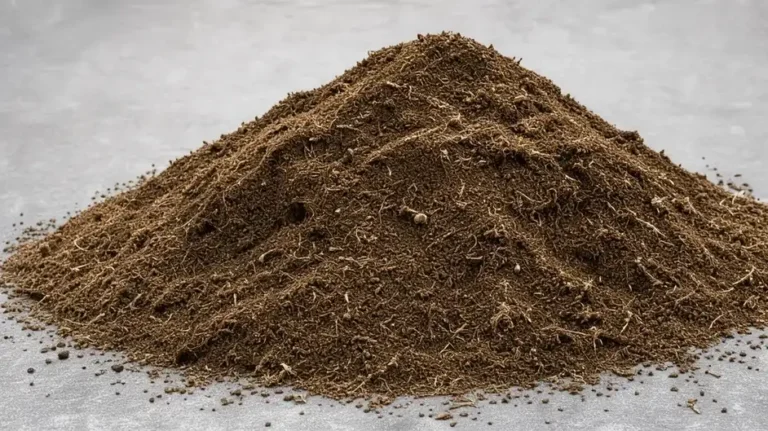
Mulch can help drainage when it covers compacted soil with a thin, breathable layer, but mulch won’t fix standing water or clay that drains poorly. Organic mulch slows rain impact, reduces crusting, and helps soil structure over time, while a thick wet layer can hold moisture against plant roots and make soggy ground worse.
Are puddles sitting in your flower bed long after the rain stops? Are your plants yellowing even though the soil never seems dry? Guessing at mulch depth can cost you healthy roots, wasted bags, and a muddy mess.
You’ll learn how mulch changes water movement, when to use it around plants, how deep to spread it, and which drainage fixes work better for serious wet spots.
Get the balance right, and you can reduce runoff, protect soil from pounding rain, and give roots a steadier supply of air and water. Spread mulch over saturated ground or pile it against stems, and you may invite root rot, fungus, insects, and slow-growing plants.
This takes about 9 minutes to read, and the practical points are right here:
- Choose a mulch depth that helps water enter instead of blocking it.
- Tell surface moisture apart from a true drainage problem.
- Fix compacted clay, low spots, and downspout runoff before adding mulch.
- Pick organic or inorganic mulch based on your bed’s moisture needs.
Does Mulch Help with Drainage?
Yes, mulch can improve drainage at the soil surface by reducing compaction, slowing raindrops, and adding organic matter, but mulch cannot drain a low spot by itself. A 2- to 3-inch layer of coarse organic mulch over prepared soil usually works better than a 6-inch blanket that stays wet after every storm.
Rain hits bare soil like a tiny hammer. Repeated impacts flatten soil particles, create a hard crust, and push water across the surface instead of allowing water to enter.
Mulch softens that impact. Wood chips, shredded bark, and leaves catch the rain first, so water reaches the ground with less force and less runoff.
As organic mulch breaks down, it adds carbon-rich material that supports soil structure. Soil structure means the way soil particles form small spaces where air and water can move.
That benefit takes time. A fresh layer of bark won’t turn heavy clay into sandy loam overnight, and no mulch can replace a drain, grading work, or a properly routed downspout.
A shallow bed with firm but not saturated soil may improve after adding 2 inches of mulch. A yard where water sits for two days after a normal storm needs diagnosis before mulch enters the picture.
How mulch affects water movement
Mulch changes drainage in four useful ways:
- It reduces soil crusting from heavy rain.
- It slows runoff on gentle slopes.
- It limits fast evaporation from the top few inches.
- It adds organic material as it decomposes.
That last point matters most in beds that drain slowly but aren’t permanently wet. You gain a looser top layer over time, not an instant underground plumbing system.
A quick test helps. Dig a hole about 12 inches deep, fill it with water, and let it drain once; fill it again and watch how fast the second fill drops. Water that remains for hours points to compacted soil, heavy clay, a high water table, or a blocked path below the bed.
When Does Mulch Make Wet Soil Worse?
Mulch makes wet soil worse when the ground already holds standing water, the layer is too deep, or the mulch touches plant crowns and tree trunks. A thick, fine mulch layer acts like a damp blanket, keeping the surface wet and reducing air around shallow roots.
Mulch depth controls much of the result. Most flower beds do well with 2 to 3 inches, while 1 to 2 inches may suit small annuals, herbs, or beds with slow-draining clay.
Avoid piling mulch against stems. Leave a small open ring around each stem or trunk so moisture can evaporate and bark can stay dry.
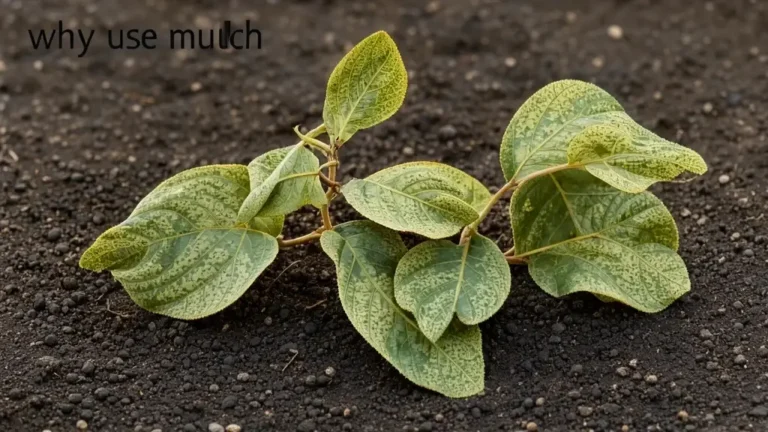
Fungal problems also become more likely when mulch stays wet and crowded. Yellow leaves, soft stems, sour-smelling soil, and roots that turn brown or black can point to too much water rather than too little fertilizer.
What happens if a bed stays soggy after a week of dry weather? Stop adding mulch and inspect the grade, soil texture, and nearby water sources before changing the plant mix.
My first garden bed taught me this the hard way. I spread a generous layer over a low corner, then found the mulch stayed damp while the plants struggled, so I pulled it back and corrected the water path first.
The lesson was plain: mulch belongs after basic drainage, not in place of basic drainage.
Signs mulch is trapping too much moisture
Watch for changes after rain, not just the color of the mulch. These signs suggest the layer is holding more water than the bed can handle:
- Puddles remain after the surrounding lawn dries.
- Mulch develops a sour or swampy smell.
- Soil beneath the layer feels slick and airless.
- Leaves turn yellow from the bottom upward.
- Fungus or slimy growth appears across the surface.
- Gnats gather around constantly wet soil.
- Roots stay shallow because deeper soil lacks air.
Wet mulch isn’t automatically bad. A shaded bed may remain damp longer than a sunny bed, and some plants prefer that condition.
The red flag is a pattern of poor plant growth plus slow drainage. Pull back a small section, squeeze the soil, and check if water beads out easily.
How Deep Should Mulch Be for Better Drainage?
Use 2 to 3 inches of coarse mulch for most garden beds, keep the mulch several inches away from stems, and leave the soil surface slightly visible around small plants. Coarse pieces allow more air and water movement than fine sawdust, grass clippings, or matted leaves.
Use these practical depths:
| Garden situation | Suggested mulch depth | Reason |
|---|---|---|
| Annual flowers and small herbs | 1 to 2 inches | Prevents smothering and lets young stems breathe |
| Established perennial beds | 2 to 3 inches | Slows runoff while protecting soil moisture |
| Shrubs and young trees | 2 to 3 inches | Covers roots without holding water against bark |
| Heavy clay with mild surface runoff | About 2 inches | Adds protection without creating a wet cap |
| Low spot with standing water | Do not add mulch first | Drainage or grading needs attention |
| Fine mulch or shredded leaves | 1 to 2 inches | Fine material can mat and block water |
Depth isn’t the only factor. A wet, compacted layer of fine mulch may drain worse than 3 inches of loose wood chips.
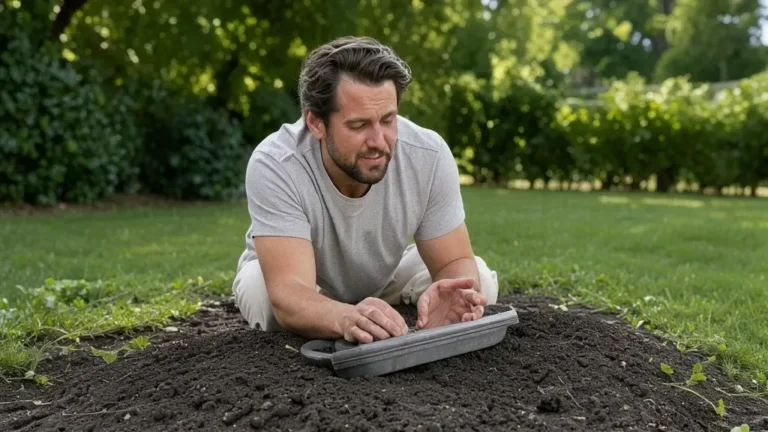
Before spreading, remove weeds and break up only the top few inches if the soil isn’t saturated. Working wet clay turns it into hard clods that can stay compacted for years.
Spread mulch in a broad, even layer. Don’t form a volcano around trees, because that shape directs water toward the trunk and keeps the bark damp.
Pro Tip: Check mulch depth with a ruler in several places, not just near the edge of the bed. Uneven piles commonly reach 5 or 6 inches where a shovel or wheelbarrow dumped material.
If you need a clean process for edging, spacing, and depth, follow this [step-by-step mulch installation guide](LINK:MUL-S2|natural anchor) before bringing in a full load of material.
Which Mulch Is Best for Drainage?
Coarse shredded bark, wood chips, and chunky hardwood mulch usually work best for drainage because their larger pieces leave small air spaces. Fine mulch, compost, and grass clippings can seal together when wet, especially on heavy clay.
Organic mulch
Organic mulch comes from plant material and breaks down gradually. Common choices include:
- Shredded hardwood
- Bark nuggets
- Wood chips
- Pine straw
- Chopped leaves
- Compost used as a thin surface layer
Shredded hardwood stays in place better than loose chips on a mild slope, though texture and moisture affect performance. If you need a long-lasting option for a bed that gets regular rain, compare [shredded hardwood mulch choices](LINK:MUL-C98|shredded hardwood options) by piece size and how tightly the material mats.
Pine straw sheds some water at first but can settle into a dense layer when packed down. Chopped leaves add good organic matter, though whole leaves may form a slick mat that blocks air.
Fresh wood chips can temporarily tie up a small amount of nitrogen near the surface as microbes break them down. That concern matters more when chips mix into the soil, so keep fresh chips on top rather than digging them into a planting bed.
Inorganic mulch
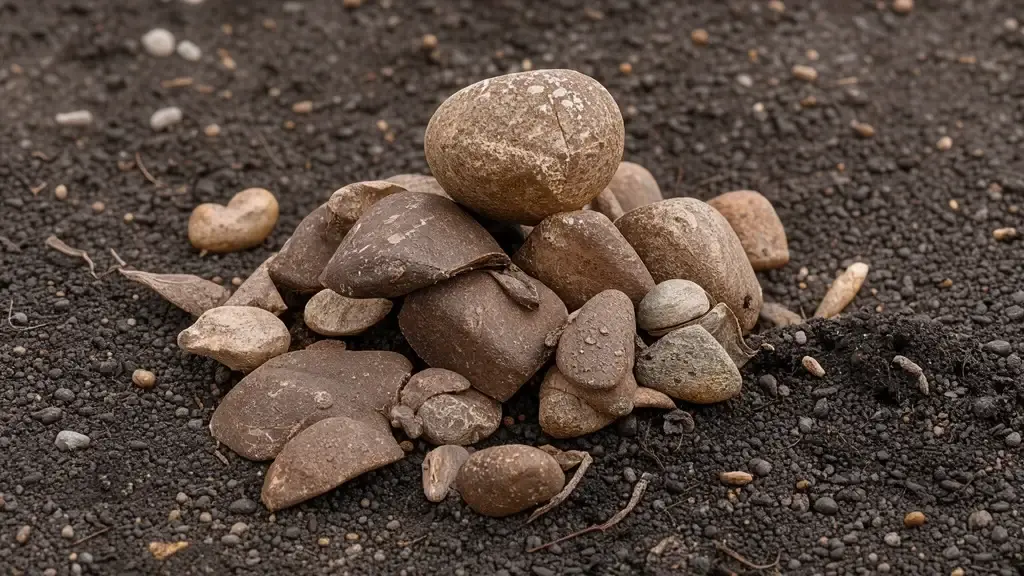
Inorganic mulch includes stones, gravel, rubber, and other materials that don’t break down like plant matter. These materials don’t add organic matter, and dark rock can raise soil temperature in sunny locations.
Gravel may help water move across a well-graded surface, but it won’t make compacted soil drain below the gravel. Water can simply collect underneath, leaving the root zone wet.
Is mulch better than rocks for a wet flower bed? Usually, organic mulch offers more help for soil improvement, while rock suits areas where you want a permanent surface and already have good grading.
The right choice depends on the bed. A sloped path may benefit from stable stone, while a perennial bed with compacted soil usually gains more from coarse organic mulch and added compost worked into dry soil.
What Should You Do Before Adding Mulch to Wet Soil?
Before adding mulch, identify where the water comes from, check the slope, test the soil, and correct obvious runoff sources. Mulch works as a surface treatment, so water entering from a downspout, hill, or high water table needs a separate solution.
Use this order:
- Watch the bed during and after rain.
- Check downspouts, gutters, irrigation heads, and leaking hoses.
- Look for a low edge where water flows into the bed.
- Test whether the soil is clay, sandy, or mixed.
- Loosen compacted dry soil with a garden fork.
- Add finished compost only when the soil can be worked without smearing.
- Regrade or install a drainage channel if water still collects.
- Add a thin mulch layer after the water path improves.
Safety comes before digging. Call a qualified contractor before cutting into a slope, digging near buried utilities, or installing a deep drainage trench beside a foundation.
A downspout that releases roof water beside a flower bed can overwhelm even excellent soil. Redirecting that water to a legal, stable outlet may solve more than replacing every bag of mulch.
Does adding compost always fix clay soil? No, because a thin surface layer won’t change a compacted subsoil or a high water table; organic matter needs to mix into suitable soil at the right time.
Never till saturated clay. Grab a handful and squeeze it first; if it forms a shiny ribbon or smears like modeling clay, wait until the soil crumbles instead.
Better fixes for serious drainage problems
Mulch won’t solve these conditions on its own:
- Water enters from an uphill property.
- A downspout empties beside the bed.
- Soil sits below the surrounding grade.
- A hardpan layer blocks downward movement.
- A foundation area collects runoff.
- Irrigation runs too long or too often.
- The water table sits close to the surface.
Possible fixes include a shallow swale, a dry creek bed, a French drain, a catch basin, a raised bed, or a different planting area. Each choice depends on slope, soil, available outlet, local rules, and the amount of water involved.
A raised bed can separate roots from wet native soil, but it still needs drainage openings and suitable soil. Building a box over standing water without an outlet only creates a taller wet box.
Can Flowers Grow in Mulch?
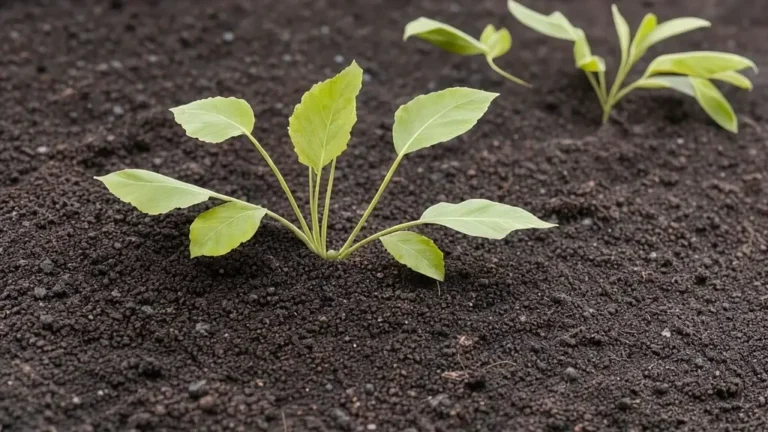
Yes, flowers can grow in mulched beds when roots have contact with soil and the mulch layer stays shallow around each plant. Set flowers into soil first, then pull mulch back from the crown so stems don’t remain buried and damp.
Planting depth matters. Burying a flower crown under several inches of mulch can suffocate the plant even when the bed drains well.
Annual flowers often need a thinner layer because their stems and roots are small. Established perennials can handle 2 to 3 inches, though plants with low crowns may need less.
For a bed full of young flowers, keep a small bare ring around each crown and water slowly at the soil line. That method wets the root zone without washing mulch onto the stems.
You can read more about [flowers growing in mulch](LINK:MUL-C26|flowers growing in mulch) when planning spacing, planting depth, and the right mulch thickness for different plants.
Plants also need different moisture levels. Lavender, rosemary, sedum, and many Mediterranean herbs prefer sharp drainage, while cardinal flower, astilbe, and certain ferns tolerate wetter soil.
Match the plant to the site instead of forcing a dry-soil plant into a soggy corner. A plant that naturally likes moisture will save you a lot of frustration.
How Do You Fix Mulch That Is Already Too Wet?
Fix wet mulch by pulling it back, removing matted material, checking the soil below, and correcting the water source before replacing a thin layer. Don’t bury sour-smelling mulch under fresh mulch, because the damp lower layer will keep causing trouble.
Rake the top layer loose on a dry day. If the material has turned into a dense mat, remove it from the bed and let the soil surface breathe.
Inspect the roots of struggling plants only when the soil is workable. Healthy roots feel firm and show cream, tan, or natural plant color, while damaged roots may feel soft and smell unpleasant.
Don’t add fertilizer to rescue yellow leaves until you know the cause. Excess water can stop roots from taking up nutrients, so more fertilizer may burn already stressed roots.
Important Tip: Keep mulch away from siding, wooden structures, and tree trunks. A gap helps reduce trapped moisture and makes it easier to spot insects, decay, or movement around the base.
If the bed dries normally after the layer is removed, replace mulch at the lower end of the recommended depth. If water still sits, stop treating the surface and fix the grade, soil, or water source.
A simple moisture check prevents guesswork. Push a finger or soil probe 3 to 4 inches down, because the surface can look dry while the root zone stays soaked.
- Mulch improves surface drainage, not deep drainage failures.
- Most beds need 2 to 3 inches, not a towering pile.
- Coarse organic material usually breathes better than fine, wet mulch.
- Fix downspouts, low spots, and compacted soil before adding more material.
FAQs About Does Mulch Help with Drainage
Does mulch absorb excess water?
Mulch absorbs and holds some rainwater, but mulch doesn’t remove large amounts of standing water from a bed. Organic mulch slows rainfall and reduces runoff, while the soil beneath still controls how fast water leaves the root zone.
Should you remove mulch before heavy rain?
No, you usually don’t need to remove properly spread mulch before heavy rain. A 2- to 3-inch layer helps prevent erosion, but pull back thick or matted mulch if the bed already has standing water.
Does mulch help clay soil drain?
Mulch can help clay soil drain better over time by protecting the surface and adding organic material as it breaks down. Mulch won’t fix compacted subsoil, so avoid walking on wet clay and correct grading or subsurface barriers first.
Is wood mulch bad for wet areas?
Wood mulch isn’t automatically bad for wet areas, but a deep layer can keep the surface saturated and reduce air around roots. Coarse wood mulch at about 2 inches works better than fine material piled over a low, soggy spot.
How long does mulch take to improve soil?
Mulch starts protecting soil right away, while meaningful soil structure changes can take one or more growing seasons. The timeline depends on mulch type, soil texture, rainfall, plant roots, and whether foot traffic keeps compacting the bed.
Can mulch stop puddles in a flower bed?
No, mulch can’t stop persistent puddles caused by low grading, blocked drainage, or heavy runoff. Mulch may reduce small surface puddles after ordinary rain, but standing water needs a change to the water path or soil profile.
The Right Mulch Strategy for Your Yard
Mulch helps drainage when you use it as a protective top layer over soil that already has a workable water path. A shallow, coarse layer can reduce crusting, slow runoff, protect roots, and gradually improve the upper soil.
My practical choice is 2 inches of loose organic mulch in most beds, with extra care around crowns, trunks, and wet corners. I wouldn’t bury a soggy bed under more material and hope for a miracle, because water problems usually begin below the surface.
Start with one small test area. Watch it through the next rain, check the soil several inches down, and adjust the depth before spreading mulch across the whole yard.

I’m Maya L. Greenwood, a lifelong plant lover who believes anyone can grow something beautiful with the right guidance. After years of testing soil mixes, pruning methods, irrigation tricks, and pest-safe solutions, I started EasyGardenTips.com to turn hard-won lessons into step-by-step advice. From seed starting and container gardens to composting and seasonal checklists, my goal is to make gardening simple, sustainable, and fun.