Should You Water Mulch After Putting It Down
Yes, you should usually water mulch after putting it down, but only enough to settle the material and help it stay in place. A light, even watering works best for most bark, wood, and straw mulch, while soaked mulch can trap moisture against stems, wash downhill, and invite rot.
Did your fresh mulch blow into the lawn after the first windy day? Are you worried that watering mulch will make it float, clump, or suffocate your plants?
You’ll learn when to water, how much moisture different mulch needs, and how to keep water away from trunks and crowns. You’ll also get a simple timing guide, common mistakes, rain advice, and fixes for mulch that moves.
Get the watering right, and your mulch settles into a clean layer, protects the soil, and holds moisture where roots can use it. Skip the prep, and you can end up with bare patches, buried stems, fungus, or mulch piled against a house foundation.
This takes about 8 minutes to read, then you can put the advice to work right away:
- Set the right mulch depth without burying plants.
- Water fresh mulch without creating soggy soil.
- Keep mulch from floating, blowing, or washing away.
- Adjust the method for slopes, rain, grass seed, and different materials.
Should You Water Mulch After Putting It Down?
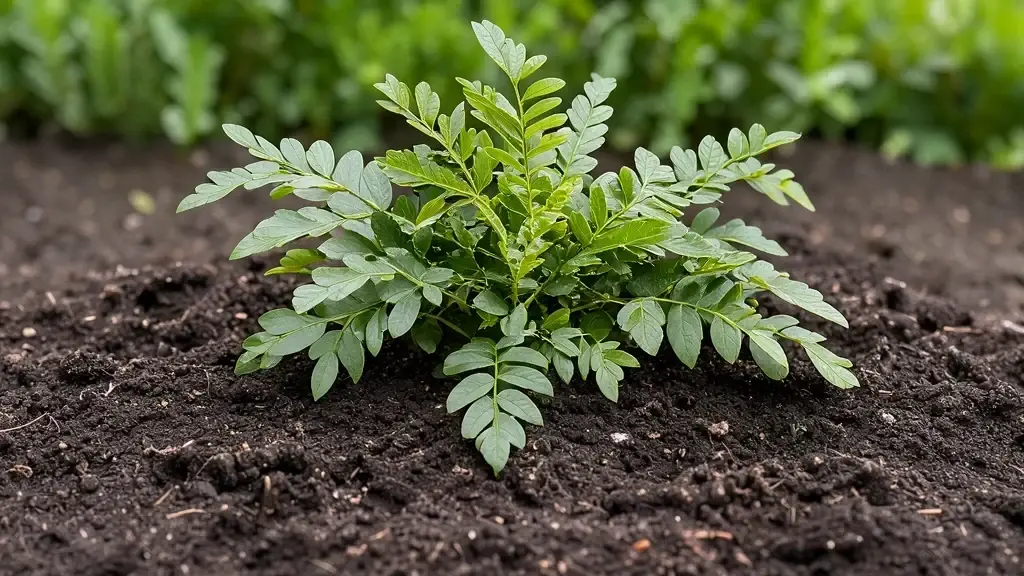
Yes, water fresh mulch lightly after installation when the soil is dry, the material is dusty, or wind could move it. Apply enough moisture to settle the top layer, usually around 5 to 10 minutes with a gentle spray over a small bed, then stop before puddles form.
Fresh mulch does not need a deep soaking for its own sake. The goal is to settle loose pieces, reduce dust, and help the mulch make contact with the soil surface.
Water the soil before spreading mulch if plants need a deep drink. After spreading, water again only as a finishing step, since heavy irrigation can push mulch downhill or leave wet pockets around plant stems.
A clean mulch layer usually measures 2 to 4 inches deep, depending on the material and location. Keep the layer thinner around young seedlings, and leave a bare ring around tree trunks, shrubs, and perennial crowns.
A simple installation sequence works well:
- Pull weeds and remove old, moldy mulch.
- Water dry soil before spreading the new material.
- Spread mulch evenly, keeping it off stems and trunks.
- Rake the surface into a level layer.
- Spray lightly until the mulch settles.
- Check for puddles, runoff, or exposed roots.
- Move loose pieces back into place once the surface firms.
A gentle fan spray works better than a hard jet. Strong water breaks wood chips apart, pushes mulch into drains, and exposes soil near edging.
If you need the full placement process, this practical guide to installing mulch correctly covers bed preparation, depth, spacing, and cleanup in the same order used by experienced landscapers.
The right amount depends on the material, weather, slope, and soil beneath the bed:
| Mulch situation | Water after spreading? | Best approach |
|---|---|---|
| Dry shredded bark on level soil | Usually | Light spray to settle dust and fibers |
| Large wood chips | Sometimes | Water only if wind may move them |
| Straw over bare soil | Usually | Gentle spray so straw grips the surface |
| Mulch before heavy rain | Usually not | Let rain settle it unless the soil is very dry |
| Mulch on a slope | Yes, lightly | Use short passes to limit runoff |
| Wet soil with poor drainage | Rarely | Skip watering until the surface dries |
| Mulch around established shrubs | Often | Water the root zone first, then settle mulch |
The soil underneath matters more than the mulch itself. If you press a finger 2 inches into the soil and feel cool, damp soil, another watering may do more harm than good.
How Much Water Does Fresh Mulch Need?
Fresh mulch needs a light, even spray rather than a deep irrigation cycle. Stop when the surface looks slightly darker, the pieces settle, and water begins moving across the bed instead of soaking in.
A handheld wand, hose nozzle with a shower setting, or low-pressure sprinkler gives you the control needed. Avoid a narrow jet because it can carve channels through the mulch and expose the soil underneath.
Water in short passes:
- Spray one section for 30 to 60 seconds.
- Pause and watch for runoff.
- Move to the next section.
- Return for a second light pass only if the surface stays dusty.
- Check the soil near plants, not just the mulch on top.
Mulch can look dry while the soil stays wet. Wood fibers shed water at first, so a fast spray may run off before moisture reaches the soil.
Pro Tip: Water early in the day when possible. The surface has time to dry before nighttime, which lowers the chance of mildew and slimy mulch.
Match Watering To The Mulch Material
Shredded hardwood mulch usually benefits from a gentle settling spray because fine pieces interlock as they become damp. Large chips may need little or no water unless wind, pets, or a steep grade can move them.
Straw mulch needs careful watering because dry straw floats and scatters easily. A soft spray helps straw press against the soil, but a hard blast creates bare streaks.
Rubber mulch and stone mulch behave differently. They don’t absorb water the way wood does, so watering mostly helps settle dust and move loose particles into place.
For hardwood beds, the right material matters before the hose ever comes out. Dense, interlocking shredded hardwood mulch tends to hold together better than very loose, stringy material.
A short rain can settle mulch nicely, but a downpour may spread it across walkways. Check the weather before watering, and skip the hose if steady rain is already on the way.
Does Watering Make Mulch Float?
Water can make mulch float when the layer is too deep, the soil is saturated, or water hits the bed faster than the ground can absorb it. Mulch floats most easily on slopes, compacted soil, and beds with a smooth plastic barrier beneath the material.
If floating happens, don’t add more mulch right away. First rake the material back, open a path for drainage, and slow the water source.
Good edging also helps. A 2- to 4-inch raised edge, stone border, or dense plant line gives mulch a place to stop when runoff crosses the bed.
A low spot deserves special attention. Water may collect there even when the rest of the bed drains well, leaving a dark, sour-smelling patch underneath the mulch.
I once overwatered a newly mulched corner because the surface still looked dusty after the first pass. The mulch settled, but the soil beneath stayed wet for days, which taught me to check soil moisture with a finger instead of judging the top layer alone.
How Do You Keep Mulch in Place After Watering?
Keep mulch in place by preparing the soil, using the right depth, slowing water, and adding physical control on slopes. Watering helps mulch settle, but it can’t fix loose soil, poor drainage, excessive depth, or a bed with no edge.
Start with a firm, weed-free surface. Rake away loose debris, break up hard crusts, and flatten channels that could guide rainwater through the bed.
Use these controls where movement is common:
- A solid edge along sidewalks and driveways.
- Small terraces across sloped beds.
- Coarser mulch below downspouts.
- Short watering passes instead of one long spray.
- A slightly shallower layer near drainage paths.
- Landscape pins only where fabric or erosion control needs support.
A slope needs special handling because gravity pulls every loose piece downhill. Spread mulch across the slope in shallow bands, then water from the lower side upward so the hose doesn’t push material toward the bottom.
If heavy rain keeps moving the bed, choose mulch that locks together rather than chasing the problem with more watering. A guide to no-float mulch choices can help when rain and grade make loose material a constant headache.
You may ask, should you water mulch on a steep slope at all? Yes, but use brief, low-pressure passes, and stop as soon as the mulch darkens and settles without visible runoff.
What If Mulch Washes Away?
Raked mulch can wash away when rain follows a poorly placed layer, the bed slopes toward a drain, or water enters from a roof downspout. Move the mulch back only after the ground drains, then correct the water path before adding more material.
Redirect downspouts away from the bed. Add a splash block, buried drain extension, or coarse stone at the discharge point if roof water keeps cutting channels.
For mild movement, rake the mulch uphill and press it gently into place. For repeated erosion, build small cross-slope breaks with edging, stones, or plants with dense roots.
Important Tip: Never bury a tree trunk flare, shrub crown, or perennial growing point under mulch. Pull the material back until the bark or crown stays dry and visible.
Does Mulch Need Water In Hot Weather?
Mulch needs watering in hot weather only when the soil or plants need moisture, not because the mulch looks pale. A dry surface can still cover damp soil, while wet mulch over dry soil may fool you into thinking the root zone received enough water.
Push a finger through the mulch near the plant’s drip line. The drip line is the area beneath the outer leaves where rain naturally lands, and it often holds more active roots than the base of a shrub.
Water slowly at the soil line when the root zone feels dry. Avoid spraying foliage in intense afternoon heat because droplets can evaporate quickly and leave uneven coverage.
New plantings need closer checks than established shrubs. Their root balls may dry faster than the surrounding bed, even when the mulch layer looks perfectly damp.
What Common Mulch Watering Mistakes Cause Problems?
The biggest mistakes are watering too hard, piling mulch against plants, ignoring the soil condition, and treating every mulch material the same. Each mistake can create a different problem, from runoff and mold to dry roots hidden beneath a wet-looking surface.
Watch for these trouble signs:
| What you notice | Likely cause | Fix |
|---|---|---|
| Mulch moves in sheets | Heavy spray or saturated soil | Rake flat and water in shorter passes |
| White fuzzy growth | Damp organic material with poor airflow | Thin the layer and let the surface dry |
| Plant stem turns dark | Mulch touching the stem | Pull mulch back several inches |
| Bare soil appears downhill | Runoff or missing edge | Add a border or slow incoming water |
| Mulch stays soggy | Poor drainage or overwatering | Pause irrigation and improve drainage |
| Dust returns quickly | Very dry, loose material | Add a second light spray, not a flood |
| Straw blows away | Dry fibers with no soil contact | Mist gently and add a thin holding layer |
Fungal threads on old wood mulch aren’t always harmful, but thick slime, sour odor, and constantly wet soil point to a drainage or watering problem. Raking the material lightly can improve airflow.
Do not mix fresh mulch deeply into the soil. Wood products can temporarily tie up available nitrogen as they break down, especially when large amounts get tilled into the root zone.
Keep irrigation focused on the soil, too. A shrub’s leaves may look wet while the roots remain dry if the spray never reaches the soil beneath the mulch.
Could mulch harm new grass seed if you water it this way? Yes, heavy wood mulch can bury seed or block small seedlings, while a thin layer of fine straw can protect bare soil and reduce erosion. Choose a material made for seed contact, such as the options discussed in mulch for new grass seed.
Should You Water Before Or After Mulching?
Water the soil before mulching when the bed is dry, then give the finished layer only a light settling spray. Prewatering reaches roots more reliably because the mulch won’t repel or redirect the first heavy flow.
If the soil already feels damp, skip the deep prewatering. Spread the mulch, check the depth, and wait for the next normal irrigation cycle.
Newly planted shrubs deserve a slow drink before mulch goes down. That sequence helps the root ball connect with surrounding soil instead of leaving a dry pocket under a fresh blanket.
When Should You Water Mulch After Installation?
Water mulch right after installation when the soil needs moisture, the material is dusty, or the bed sits in a windy location. If rain is expected soon or the soil is already damp, waiting is usually the better move.
Morning watering gives the bed several hours to drain and dry at the surface. Evening watering can work in dry climates, but it leaves organic mulch wet longer in cool, humid weather.
A quick hand test beats a strict calendar. If the soil feels moist below the mulch, leave the hose alone.
Key Takeaways:
- Water fresh mulch lightly, not deeply.
- Check soil moisture below the mulch before adding more water.
- Keep organic mulch away from trunks, stems, and plant crowns.
- Use edging and slower spray patterns on slopes.
- Let heavy rain do the settling when the soil is already damp.
FAQs About Should You Water Mulch After Putting It Down
Should you water mulch immediately after putting it down?
Yes, water mulch immediately when the soil is dry, the material is dusty, or wind may scatter it. A gentle spray helps fine wood fibers settle against the soil, but saturated ground and incoming rain are good reasons to wait.
How long should you water mulch after spreading it?
Water mulch for short passes rather than a fixed long session. A small bed may need several minutes with a soft spray, while a larger bed depends on hose pressure, slope, mulch depth, and soil absorption.
Can you water mulch too much?
Yes, overwatering mulch can keep the soil wet, cause runoff, and encourage stem rot or fungal growth. Stop when the mulch darkens and settles, then test the soil underneath before adding more water.
Should you water mulch before rain?
Usually no, because steady rain can settle fresh mulch without extra hose water. Water before rain only when plants need a drink and the forecasted rain may be too light to wet the root zone.
How do you stop mulch from washing away?
Stop mulch from washing away by slowing incoming water, adding a firm edge, spreading the material across the slope, and using coarser mulch in high-flow areas. Fix downspout discharge first if roof water crosses the bed.
Does mulch need watering every day?
No, mulch doesn’t need daily watering. Water the soil when plants need moisture, then use the mulch layer as a moisture shield rather than treating the surface like grass or a potted plant.
The Best Next Step for Fresh Mulch
Watering fresh mulch is a finishing touch, not a full irrigation cycle. Give the soil a proper drink first when needed, spread a clean 2- to 4-inch layer, keep mulch off trunks and crowns, then use a gentle spray to settle the surface.
My practical choice is to water less than you think at first. You can always add another light pass, but soggy soil, floating mulch, and buried stems take more work to fix.
Grab a hose wand, check the soil with your finger, and water one small section before doing the whole bed. If that patch settles without puddles or runoff, repeat the same light technique across the rest.

I’m Maya L. Greenwood, a lifelong plant lover who believes anyone can grow something beautiful with the right guidance. After years of testing soil mixes, pruning methods, irrigation tricks, and pest-safe solutions, I started EasyGardenTips.com to turn hard-won lessons into step-by-step advice. From seed starting and container gardens to composting and seasonal checklists, my goal is to make gardening simple, sustainable, and fun.