Is Mulch Made of Poop? What Is Really in Your Mulch
Most mulch isn’t made of poop. Standard wood mulch comes from shredded bark, tree branches, pallets, or other woody material, while some compost blends and specialty products contain aged manure. The bag label, ingredient list, smell, color, and texture can tell you what you’re spreading around your plants.
Have you opened a mulch bag and caught a sharp barnyard smell? Are you worried that manure-based mulch could harm your vegetables, pets, children, or soil?
You’ll learn how mulch gets made, which products may contain animal waste, how to read a label, and what strange smells or mushrooms mean.
You gain cleaner garden beds, fewer plant problems, and more confidence around edible crops. Skip the basic checks, and you could spread unfinished compost, invite pests, or place the wrong material near seedlings.
This article takes about 9 minutes to read, and these points will help you make a better call:
- Identify the ingredients in common mulch products.
- Tell aged manure from unfinished organic material.
- Choose mulch for vegetables, flowers, pets, and play areas.
- Fix sour odors, mold, and excess moisture safely.
Is Mulch Made of Poop? the Straight Answer
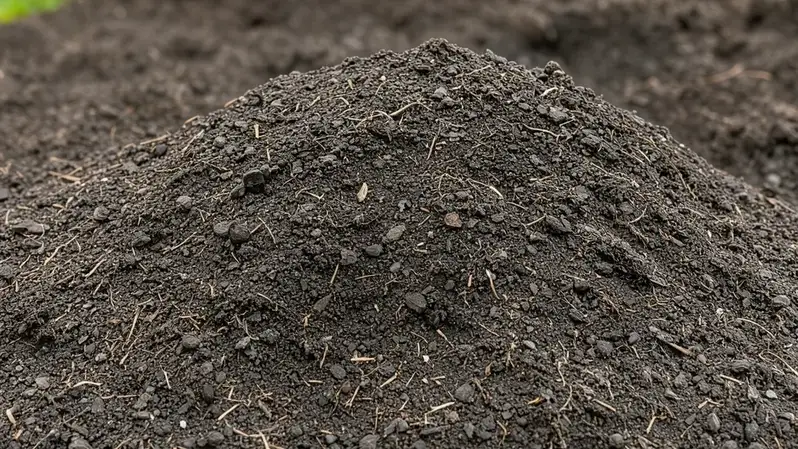
Mulch usually comes from wood, bark, leaves, straw, or other plant material, not animal waste. Some products called compost mulch, manure compost, mushroom compost, or soil conditioner may include composted manure, but the package should list those ingredients.
A bag labeled “cedar mulch” points to shredded cedar wood. A product labeled “composted manure” has a different job, since it adds organic matter and nutrients while breaking down in the soil.
The word organic doesn’t automatically mean “made from poop.” In gardening, organic simply describes material based on living things or materials that came from living things, including leaves, wood, straw, food scraps, and manure.
The fastest way to check a mystery mulch is to read the front and back of the package. Look for these terms:
- Hardwood
- Cedar or pine bark
- Arborist chips
- Shredded leaves
- Straw
- Compost
- Composted manure
- Cow manure or poultry litter
- Mushroom compost
- Recycled wood
Loose mulch sold by the truckload can be harder to identify because the material may come from a mixed yard-waste pile. Ask the supplier what the pile contains, how long it has aged, and whether treated lumber or construction debris enters the mix.
A brown, crumbly product with a forest smell usually contains decomposed plant matter. A black, rich material with a barnyard scent may contain manure or unfinished compost, though color alone can’t prove the ingredients.
Why do some mulch products contain manure?
Manure adds nitrogen and organic matter, so composting facilities may blend it with leaves, straw, wood fines, or other plant material. After proper composting, heat-loving microbes break down much of the fresh waste and reduce the harsh smell.
Fresh manure shouldn’t sit directly against plant stems or spread around crops that will soon touch the soil. Fresh material can burn roots, carry weed seeds, attract flies, and release more ammonia than plants can handle.
Aged manure is different from raw manure, but “aged” and “fully composted” don’t always mean the same thing. A pile that sat for several months may still have cool, damp pockets that haven’t finished breaking down.
Pro Tip: Treat a vague label as a question mark, not a guarantee. If the package says “natural soil amendment” but doesn’t list ingredients, ask the seller what animal or plant materials went into it.
What Types of Mulch Can Contain Manure?
Manure can show up in compost-based mulch, mushroom compost, blended soil conditioners, and some bulk landscape mixes. Plain bark mulch, wood chips, pine straw, and shredded leaves generally don’t contain manure unless the seller mixed them with another material.
The name on the bag can confuse new gardeners because “mulch” describes how you use a material, not one exact recipe. A layer of compost can act as mulch, while a wood product can act as a surface cover without feeding the soil much.
| Mulch product | Common main ingredients | Manure possible? | Best use |
|---|---|---|---|
| Bark mulch | Pine, cedar, hardwood bark | Uncommon | Trees, shrubs, flower beds |
| Wood chips | Branches, trunks, pruning waste | Uncommon | Paths and established beds |
| Shredded leaves | Fallen leaves | Rare | Beds, soil protection, composting |
| Straw mulch | Dried grain stems | Rare | Vegetable beds and winter cover |
| Compost mulch | Decomposed plant waste | Possible | Soil improvement and top dressing |
| Manure compost | Composted animal waste and bedding | Common | Soil amendment, if fully finished |
| Mushroom compost | Spent growing medium, often with composted ingredients | Possible | Garden beds, depending on the blend |
| Dyed wood mulch | Processed wood with colorant | Usually uncommon | Decorative landscape beds |
A product made for improving soil may contain more fine material than a decorative wood mulch. Fine material holds moisture and breaks down faster, while chunky bark and wood chips last longer on top of the bed.
If you notice mushrooms after heavy rain, the mulch is usually breaking down and feeding fungi. That doesn’t prove the mulch contains manure, and this guide to mushrooms growing in mulch explains why fungal growth can appear after wet weather.
Can compost mulch smell like poop?
Yes, compost mulch can smell like poop when manure, wet organic matter, or low-oxygen pockets haven’t finished breaking down. A healthy finished compost smell is usually earthy, like damp soil, while ammonia, sulfur, or strong sewage odors suggest the product needs more curing or better airflow.
I once opened a bulk load that smelled far stronger than the sample near the supplier’s office. The lesson was simple: smell the actual pile, not just the clean handful someone keeps in a display bucket.
Strong odor doesn’t always mean the mulch is dangerous, but it tells you to slow down. Spread a small test area away from vegetables, wait several days, and watch for heat, slimy texture, flies, or plant stress before using more.
The guide to mulch that smells like poop covers the common odor causes and practical fixes. Turning or airing a questionable pile can help, but a sour, hot, or slimy product may need more composting time.
Does mushroom compost contain mushrooms or animal waste?
Mushroom compost usually contains the spent growing medium left after commercial mushroom production. The mix may include straw, peat, hay, corn cobs, poultry litter, horse manure, or other ingredients, depending on the supplier and crop.
The word “mushroom” refers to the production process, not a guarantee that fresh mushrooms remain in the bag. Check the ingredient statement because recipes vary by region and manufacturer.
Mushroom compost can work well as a soil amendment, yet it may contain soluble salts that bother salt-sensitive plants if you apply too much. Use a moderate layer and mix it into the top few inches of soil rather than creating a thick, wet blanket around young plants.
How Can You Tell If Mulch Is Safe to Use?
Safe mulch depends on the ingredients, how fully the material decomposed, and where you plan to spread it. A finished product should be cool, crumbly, reasonably earthy-smelling, and free from obvious trash, treated wood, sharp metal, and thick slime.
Check the mulch before placing it near food crops, pets, or play areas. A few minutes of inspection can save a season of struggling seedlings.
- Read the full label. Look for wood, bark, leaves, compost, manure, poultry litter, or mushroom-growing material.
- Smell a handful. Earthy is usually a good sign; sharp ammonia or sewage odor deserves caution.
- Feel the material. Finished compost feels crumbly rather than hot, greasy, slimy, or sticky.
- Check for contamination. Remove plastic, glass, metal, painted wood, and large pieces of trash.
- Ask about testing. Bulk suppliers may know the source, composting process, and intended use.
- Start with a small area. Give the material several days before covering the entire garden.
Important Tip: Don’t place unknown mulch against edible leaves, strawberries, or low-growing herbs. Keep the material on the soil surface, and wash produce before eating even when the mulch source is known.
For vegetable beds, finished compost, clean straw, shredded leaves, and plain wood chips each have different jobs. Straw creates a loose barrier around vegetables, while compost feeds soil and wood chips protect the surface without breaking down as quickly.
Gardeners who want a low-risk choice may prefer plain untreated bark, arborist chips from a known source, or leaf mulch. A guide to the best non toxic mulch compares safer choices for children, pets, and edible gardens.
How thick should manure-based mulch be?
Spread finished manure-based compost about 1 to 2 inches thick as a top dressing, then keep it away from plant stems and crowns. A thicker layer can hold too much moisture, reduce air movement, and bury shallow roots.
Wood mulch can often sit about 2 to 4 inches deep around established trees and shrubs, but depth depends on the material. Fine mulch needs a thinner layer than chunky chips because fine particles pack together and block water from moving into the soil.
Leave a few inches of open space around trunks and stems. A mulch volcano traps moisture against bark, which can invite decay, insects, and disease.
Is manure mulch safe around vegetables?
Fully composted manure can be used around vegetables, but timing and crop contact matter. Apply it before planting when possible, mix it into soil according to the product directions, and avoid fresh manure in active food beds.
Leafy greens, carrots, radishes, and strawberries sit close to the soil, so splashing and direct contact deserve extra care. Finished compost used as a thin layer gives you more control than a thick layer of uncertain material.
Manure from grazing animals may carry weed seeds if composting wasn’t hot or long enough. Poultry litter can be especially strong because it contains concentrated nitrogen, so too much may scorch plants or push leafy growth at the expense of fruit.
What should you do if mulch feels hot?
Remove hot, steaming, or visibly smoking mulch from direct contact with plants and structures. Heat means biological activity is still high, and a large dry pile can create a fire risk under the wrong conditions.
Spread the material thinly in a clear area away from buildings, fences, vehicles, and dry grass. Keep it damp but not waterlogged, turn it when appropriate, and contact the supplier if the pile continues heating.
Never place hot mulch around a foundation or under a deck. The article about mulch catching fire explains how dry conditions, deep piles, and heat buildup can turn a landscape material into a serious hazard.
Which mulch works best for a compost pile?
Leaves, shredded plant stems, untreated wood chips, and straw make useful carbon-rich mulch materials for a compost pile. Fresh manure, grass clippings, and green kitchen scraps add nitrogen, so a balanced pile breaks down better than a pile made from one material alone.
A coarse mulch creates air spaces, while fine leaves hold moisture and can mat together. Mix wet green material with dry brown material and turn the pile when it becomes compacted or smells sour.
A compost pile needs moisture similar to a wrung-out sponge, not a dripping bucket. The guide to the best mulch for compost explains which materials break down well and which ones take longer.
Common Mulch Problems and Simple Fixes
Most mulch problems come from excess moisture, unfinished decomposition, contamination, or poor placement. The material may look harmless in a pile but behave differently after you spread it several inches deep.
Sour odor
A sour smell usually points to low oxygen and too much moisture. Pull the layer back, let air move through it, and replace heavily spoiled material if the odor doesn’t improve.
White mold
White threads or fuzzy patches often appear as fungi feed on damp wood. Stir or rake the surface, let it dry between rains, and avoid piling mulch against stems.
Mushrooms
Mushrooms can fruit from decaying wood or compost after rain. Remove them if children or pets may handle them, but don’t assume their presence proves the mulch contains animal waste.
Flies
Flies usually mean fresh organic matter, manure, food scraps, or poor storage. Covering the material with more mulch won’t solve the source, so contact the seller if flies keep emerging.
Seedlings turn yellow
Yellow leaves may come from nitrogen tie-up, salty compost, root damage, poor drainage, or unrelated watering problems. Wood-rich mulch can temporarily use soil nitrogen as microbes break it down, especially when you mix fresh chips directly into the planting hole.
Weeds appear everywhere
Weeds can come from the soil below, windblown seeds, or incompletely composted manure. Pull young weeds before they set seed, and ask the supplier about the composting process if the problem repeats.
How do you avoid bad mulch?
Buy from a seller who can name the source and intended use, then inspect a small amount before accepting a large delivery. Keep receipts and product labels, especially if the mulch will cover a vegetable garden or children’s play space.
Skip mulch containing painted wood, glossy paper, plastic bits, sharp debris, or a strong chemical odor. I’d choose a plain, clearly labeled product over a mystery bargain every time.
Pro Tip: Take a photo of the label before you empty the bags. Ingredient details have a habit of disappearing once the packaging hits the trash.
Key Takeaways:
- Most mulch is made from wood, bark, leaves, straw, or plant-based compost.
- Some compost mulch, mushroom compost, and soil conditioners contain composted manure.
- Strong ammonia, sewage, heat, slime, or trash signals a product that needs caution.
- Use finished material, keep mulch away from stems, and match the product to the job.
FAQs About Is Mulch Made of Poop
Is all brown mulch made from manure?
No, brown mulch is usually made from wood, bark, leaves, or a color-treated plant material. Brown color doesn’t identify the ingredients because manufacturers can dye wood mulch, compost can turn dark, and manure-based products can also appear brown.
Does mulch contain animal feces?
Some mulch products contain composted animal manure, while standard bark mulch, wood chips, pine straw, and shredded leaves usually don’t. The ingredient list or supplier’s description is the reliable way to identify manure content, not color or appearance.
Can mulch make dogs sick?
Mulch can make dogs sick if a dog eats treated wood, moldy organic material, cocoa-based mulch, or large amounts of any landscape product. Keep pets from chewing unknown mulch, remove visible trash, and ask a veterinarian about vomiting, weakness, tremors, or unusual behavior.
Is manure mulch safe for a vegetable garden?
Yes, fully composted manure mulch can be suitable for a vegetable garden when used in a thin layer and kept off edible plant parts. Fresh or unfinished manure may burn roots, carry weed seeds, and introduce harmful organisms, so product maturity and timing matter.
Why does my mulch smell like sewage?
Mulch can smell like sewage when wet organic material decomposes without enough oxygen, or when manure-based compost hasn’t finished curing. Spread a small amount in a ventilated area, avoid planting into it, and replace the material if the odor remains strong.
Should mulch touch plant stems?
No, mulch should stop a few inches away from plant stems and tree trunks. Direct contact holds moisture against living tissue, which can encourage decay, insects, and disease, while a clear gap lets air reach the stem and makes watering easier.
Choosing Mulch Without Guesswork
The cleanest answer is simple: mulch isn’t automatically poop, and manure isn’t automatically bad. The real question is what ingredients went into the product, how fully those ingredients broke down, and where you plan to use the finished material.
Choose plain bark or wood chips for a neat surface cover, shredded leaves or straw for seasonal garden protection, and finished compost when soil improvement is the main goal. Read the label, smell the material, inspect for debris, and start small if the source isn’t familiar.
My practical pick is a clearly labeled product from a seller who can explain the ingredients and composting process. That one habit saves money, protects young plants, and removes the unpleasant mystery before the mulch ever touches your garden.

I’m Maya L. Greenwood, a lifelong plant lover who believes anyone can grow something beautiful with the right guidance. After years of testing soil mixes, pruning methods, irrigation tricks, and pest-safe solutions, I started EasyGardenTips.com to turn hard-won lessons into step-by-step advice. From seed starting and container gardens to composting and seasonal checklists, my goal is to make gardening simple, sustainable, and fun.