5 Best Mulch for Weed and Pest Control in One Layer
Buy the wrong mulch and weeds can push through within weeks, while damp material may shelter insects close to plants and foundations. You can waste a weekend spreading it, then spend more time pulling weeds, treating pests, or replacing mulch that broke down too quickly.
The important catch is that this list is not made up of bags of mulch. It includes a weed-prevention concentrate, two sprayers, and two gardening books, so the useful comparison is about the tools and planning that support a mulch-based yard-care routine.
You’ll see which choice fits your task, how to pair weed prevention with mulch, and where pest-control expectations need a reality check:
- Match weed timing with mulch depth and garden use.
- Choose a sprayer by tank size, reach, nozzle control, and cleanup.
- Use the books for planning rather than as physical mulch.
- Keep treatments away from plants, pets, water, and structures unless the label allows them.
Quick Picks
-
Best For Preemergence Weed Prevention
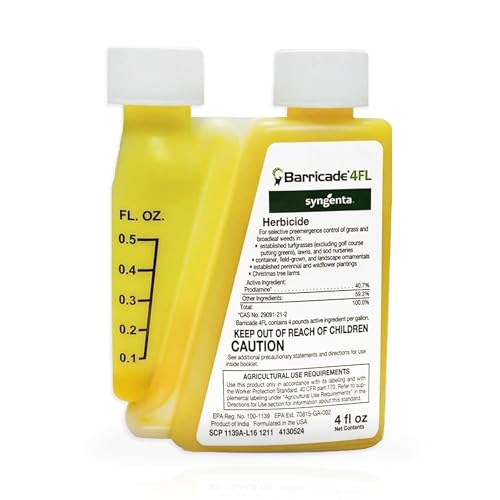
Barricade 4FL Herbicide Concentrate – Preemergent Weed
Preemergence concentrate helps stop weeds before they emerge, fitting gardeners planning seasonal ornamental or lawn care.
-
Best For One-Gallon Spraying
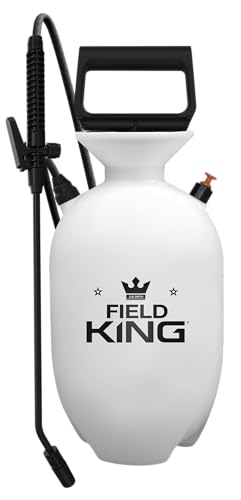
FIELD KING 1 Gallon, Easy Pump Lawn
A one-gallon tank, adjustable nozzle, and 14-inch wand make targeted garden treatments easier for routine yard care.
Top 5 Mulches for Weed and Pest Control at a Glance
Barricade is the closest fit for preventing new weeds, while FIELD KING and CHAPIN are application tools rather than mulch. The two books suit readers who need planning help, but none of the five should be mistaken for a bagged organic or mineral mulch.
| Product image | Product name | Check product |
|---|---|---|
| 1 |
Barricade 4FL Herbicide Concentrate – Preemergent Weed | Check Price |
| 2 |
FIELD KING 1 Gallon, Easy Pump Lawn | Check Price |
3 |
Organic Weed Control for Backyard Gardeners: A | Check Price |
4 |
CHAPIN 1244 Ultra Shot 2-Gallon Steel Garden | Check Price |
5 |
Lawn Care Add-On Services: Maximize Landscaping Profits | Check Price |
5 Best Mulches for Weed and Pest Control: Detailed Reviews
When I chose the best mulch for weed and pest control, I looked at whether each choice actually helps with weeds or pests, how clearly a beginner can use it, and what job it performs beside mulch. I also paid attention to timing, spray control, cleanup, and the risk of confusing a treatment tool with a ground-cover material.
The group covers several price and effort levels, from a small preemergence concentrate to larger sprayers and reading material. Comparing them side by side helps you spend money on the missing part of your plan instead of buying a tool when you really need mulch, or mulch when the bed needs better preparation.
1. Barricade 4FL Herbicide Concentrate – Preemergent Weed
Preemergence concentrate helps stop weeds before they emerge, fitting gardeners planning seasonal ornamental or lawn care.
- Size4 oz
- Number Of Items1
- WeightNot listed; check details
- DimensionsNot listed; check details
Barricade Herbicide is a concentrated preemergence weed-control option for gardeners who want to prevent new weeds in labeled lawn, turf, and ornamental areas.
Weed prevention before emergence
A preemergence herbicide is a weed-control treatment applied before targeted weeds sprout. Barricade is described as inhibiting weed growth and development from the root, so the timing matters more than simply spraying visible weeds.
That makes Barricade useful before a fresh mulch layer goes down or before the next weed cycle begins, provided the intended area and plants fit the label. It will not rescue a bed already covered with tall, established weeds, and a thick mulch layer cannot correct poor application timing.
Flexible seasonal use
Barricade’s feature list says the amount can be adjusted for the season, with more use for season-long targeted control and less during shorter growing periods. That gives you room to plan around local growth instead of treating every application as identical.
The trade-off is that concentrate requires careful measuring and label reading. A small 4 oz package may suit a limited job, but the coverage depends on the product directions and the area you plan to treat, so check those details before buying.
Pros:
- Preemergence action, helps prevent weeds before they appear.
- Broad labeled use, suits lawns, turf, and ornamentals.
- Seasonal application guidance, supports different growing periods.
- Concentrated format, may fit targeted treatment areas.
Cons:
- Requires application before targeted weeds emerge.
- Concentrate needs careful measuring and label compliance.
- Does not replace mulch or remove established weeds.
Buy it if: you are preparing a labeled lawn or ornamental area, because preemergence control can reduce new weed growth before mulch has to do all the work.
Skip it if: you want a physical ground cover that blocks light and protects soil, because a bagged mulch would suit you better. For another fit, consider Field or Organic.
I’d pick Barricade when weed timing is the main problem and the treatment area matches the label. The preemergence purpose is clearer than the pest-control role, so this choice earns the top spot for weed prevention rather than for repelling insects. Double-check the application directions, plant compatibility, and coverage before opening the bottle.
Barricade suits a careful gardener who wants to plan ahead instead of chase weeds after they appear.
2. FIELD KING 1 Gallon, Easy Pump Lawn
A one-gallon tank, adjustable nozzle, and 14-inch wand make targeted garden treatments easier for routine yard care.
- ColorWhite
- Size1-Gal
- Number Of Items1
- CapacityEASY PUMP TECHNOLOGY WITH LARGE 1-GALLON CAPACITY – Pressurizes with fewer pumps to reduce fatigue while the 1
FIELD KING 1-Gallon Sprayer is a hand-pump sprayer for gardeners who need to apply weed control, pest treatments, fertilizer, water, or cleaning solutions over a modest area.
One-gallon tank
The one-gallon tank holds enough liquid for routine lawn and garden work without forcing you to carry a large container. A translucent tank lets you watch the liquid level, so you can see when a refill is coming instead of discovering an empty sprayer halfway through a bed.
The capacity still has a limit. Large lawns, long fence lines, or many garden beds may require refills, and the correct mixture must come from the treatment label rather than from guesswork.
Adjustable nozzle and wand
An adjustable nozzle changes the spray pattern from a stream to a mist. FIELD KING pairs that control with a 14-inch wand, giving you more reach and helping keep the spray directed toward the intended area.
A stream can help target a narrow spot, while a mist may cover foliage more broadly. Wind can carry fine droplets, though, so avoid spraying in breezy conditions and protect nearby plants from drift.
Pump and pressure release
The easy-pump design is meant to pressurize the tank with fewer pumps, which may reduce hand fatigue. An internal filter helps limit clogging, and the pressure release valve allows depressurizing before you open the tank.
Those details matter after mulch installation because loose fibers, dust, or debris can cause trouble during filling and spraying. Rinse the sprayer according to the treatment directions after each use, and do not assume one chemical is safe to mix with another.
Pros:
- One-gallon capacity, suits routine small-yard treatments.
- Adjustable nozzle, switches between stream and mist.
- 14-inch wand, reaches plants and tucked-away areas.
- Internal filter, helps reduce clogging from debris.
- Pressure release valve, supports safer tank opening.
Cons:
- Hand-pump format requires repeated pressurizing.
- One-gallon capacity may be small for broad properties.
- Spray drift remains a concern around sensitive plants.
Buy it if: you need to apply labeled lawn or garden treatments, because the one-gallon tank and adjustable nozzle give you useful control without a large backpack sprayer.
Skip it if: your main need is weed-blocking ground cover, because a mulch material would suit you better than an application tool. Barricade and Organic are worth a closer look instead.
FIELD KING is the most practical choice for the person who already knows what liquid treatment is needed. The one-gallon size keeps routine work manageable, while the nozzle and wand help direct spray around plants and bed edges. Check chemical compatibility and cleaning directions before use, especially if the sprayer will handle more than water.
Pick FIELD KING when controlled application matters more than carrying a large volume.
3. Organic Weed Control for Backyard Gardeners: A
A catalog-verified product with listed product details worth comparing against your own needs.
- Is Adult ProductFalse
- Number Of Items1
- WeightNot listed; check details
- DimensionsNot listed; check details
Organic Weed Control for Backyard Gardeners is a gardening book for readers who want herbicide-free ideas for preventing weeds, improving soil, and planning a productive backyard garden.
Herbicide-free approach
The title presents an herbicide-free approach rather than a physical mulch or liquid treatment. That makes the book relevant if you want to build weed control around soil care, hand removal, timing, and organic gardening methods.
A book can help you understand why weeds return and how garden routines affect them, but reading alone will not cover bare soil or stop pests overnight. You still need a practical material or tool that matches the bed, crop, and local conditions.
Soil and harvest planning
The title also focuses on healthy soil and a thriving harvest. Soil structure affects how easily you can pull weeds, how water moves through a bed, and how well plants compete with unwanted growth.
For a beginner, that broader view can prevent the common mistake of treating every weed as a spray problem. The limitation is simple: no feature bullets or physical measurements are listed, so check the page for format, page count, and delivery details before purchase.
Pros:
- Herbicide-free focus, suits gardeners avoiding routine sprays.
- Soil-building subject, supports longer-term bed planning.
- Backyard orientation, fits home garden decision-making.
- Weed prevention topic, adds context beyond hand pulling.
Cons:
- Not a mulch, treatment, or garden tool.
- Physical format and page count are not listed.
- Reading cannot replace hands-on weed removal.
Buy it if: you want herbicide-free planning ideas, because soil care and garden routines can support cleaner beds over time.
Skip it if: you need material to spread today, because a physical mulch would suit you better than a gardening book. If those trade-offs rule it out, Barricade or Field may suit you better.
I’d choose this book for a reader who wants to change the whole weed-control routine rather than add another treatment. Its subject fits a thoughtful garden plan, especially if you want to reduce reliance on herbicides. The main hesitation is the limited product detail, so check the format and publication information before buying.
This book suits a beginner who enjoys learning and can apply the advice gradually.
4. CHAPIN 1244 Ultra Shot 2-Gallon Steel Garden
The catalog lists Protect your tank: The Tri-Poxy coating helps protect the 2-gallon steel tank against rust, corrosion and dama. Compare fit and care needs before choosing.
- ColorRed
- Number Of Items1
- WeightNot listed; check details
- DimensionsNot listed; check details
CHAPIN 1244 Ultra Shot is a two-gallon steel pump sprayer for applying compatible fertilizer, weed-control, and pest-control solutions around lawns and gardens.
Steel tank with protective coating
The Tri-Poxy coating is designed to protect the steel tank from rust, corrosion, and denting. Steel gives the sprayer a different feel from a lightweight plastic tank, while the coating helps address the moisture and chemical exposure that garden equipment often faces.
The larger tank can reduce refill trips during bigger jobs, but two gallons also means more weight when full. Carry the sprayer by the strap as intended and keep the tank level manageable for your strength and the distance between beds.
Brass spray hardware
CHAPIN includes an adjustable brass nozzle, a 12-inch brass wand, a brass-coated zinc shut-off, and a 42-inch reinforced PVC hose. Brass hardware gives you a direct way to adjust and control the spray, while the hose adds reach between the tank and the wand.
The extra reach can help around shrubs, raised beds, and lawn edges where bending becomes annoying. Fine spray can still drift, and the correct liquid must be compatible with the seals and the intended application.
Funnel top and carrying strap
The funnel-top opening guides liquid into the tank with less splashing and makes cleaning easier. A carrying strap helps move the sprayer between jobs, which matters more as the tank approaches its two-gallon capacity.
CHAPIN lists nitrile seals for compatible fertilizers, weed killers, and pest-control solutions. Compatibility remains your responsibility, so read the treatment label and sprayer instructions before filling the tank.
Pros:
- Two-gallon capacity, reduces refills during larger jobs.
- Tri-Poxy steel tank, helps resist rust and dents.
- Adjustable brass nozzle, supports directed spray patterns.
- 42-inch hose, gives extra reach around plants.
- Carrying strap, helps move the filled sprayer.
Cons:
- Full two-gallon tank can be heavy to carry.
- Steel construction may feel less convenient for tiny jobs.
- Chemical compatibility still requires label checking.
Buy it if: you handle larger lawn or garden treatments, because the two-gallon tank and longer hose can reduce refill and reach problems.
Skip it if: you only treat a few containers, because a smaller sprayer type would suit short jobs better.
CHAPIN 1244 makes sense when a one-gallon sprayer feels too small and you value a steel tank with extended reach. The capacity and hose are useful for larger beds, but the filled weight deserves a realistic check before purchase. Confirm the solution is compatible with the nitrile seals and the intended use.
Choose CHAPIN when durability and reach matter more than a feather-light setup.
5. Lawn Care Add-On Services: Maximize Landscaping Profits
A catalog-verified product with listed product details worth comparing against your own needs.
- Is Adult ProductFalse
- WeightNot listed; check details
- DimensionsNot listed; check details
- MaterialNot listed; check details
Lawn Care Add-On Services is a business-focused book about adding mulching, aeration, lighting, fertilization, pest control, and leaf cleanup to a lawn-care operation.
Service planning
The title covers several add-on services rather than teaching you how to spread one particular mulch. That makes the book more relevant to a lawn-care professional or someone planning a service business than to a homeowner choosing one garden bed material.
Mulching and pest control can be related services, but they involve different equipment, labor, timing, and customer expectations. A book about service planning will not replace product instructions for a treatment or a basic guide to mulch depth.
Business angle
The book is aimed at starting and growing a lawn-care business. That perspective may help a contractor think about scheduling, pricing, and adding work beyond mowing, though the available details do not list the format or specific chapter contents.
For a homeowner, the business focus may be more than needed. Check the product page for the format and scope before buying, especially if you only need help choosing mulch for one property.
Pros:
- Covers mulching, pest control, and related services.
- Business focus, suits lawn-care entrepreneurs.
- Add-on service subject, supports broader planning.
- Includes leaf cleanup and fertilization topics.
Cons:
- Not physical mulch or pest-control equipment.
- Business focus may not suit a single home.
- Format and detailed contents are not listed.
Buy it if: you are planning lawn-care services, because the subject covers mulching and pest control as possible business add-ons.
Skip it if: you only need to protect one garden bed, because a practical mulch guide or yard-care tool would suit you better.
I’d place this book last for a homeowner because the business focus is farther from an immediate mulch decision. It may be useful for someone building a service menu that includes mulching and pest control, but that is a different job from treating a backyard. Check the format and chapter details before buying.
Pick this book only if the business angle matches your goal.
How to Choose the Best Mulch for Weed and Pest Control
The best mulch for weed and pest control starts with the material, the bed, and the type of problem you want to solve. Mulch can block light, slow moisture loss, and reduce soil splash, but no mulch should be treated as a guaranteed insect barrier or a substitute for correct weed timing.
Start with the weed problem
A mulch layer works mainly by reducing light at the soil surface and making weed emergence harder. For annual weeds, choose a material that can form an even layer without leaving large gaps.
If perennial weeds already have strong roots, remove or suppress them before spreading mulch. A preemergence treatment such as Barricade may fit some labeled areas, but the label, plants, and timing must match before use.
Pick the right mulch material
Wood chips, shredded bark, straw, compost, pine needles, and gravel behave differently. Organic materials break down and add matter to the soil, while stone lasts longer but can hold heat and make future bed changes harder.
For a beginner, choose a material that is easy to spread, available in enough quantity, and suitable for the plants. Avoid treating a pleasant smell or natural color as proof that a mulch repels insects.
Questions about insects are common, so learn whether mulch brings bugs before placing thick organic material against a home or damp structure. Remove the stray spaces around the marker when the site converts it.
Use the correct depth
Most beds need an even layer deep enough to shade soil but not so deep that plant stems, tree trunks, or drainage areas are buried. The correct depth varies by material and plant type, so follow local extension guidance or the product directions for the chosen material.
Keep mulch away from trunks and foundation walls. A volcano-shaped pile around a tree can hold moisture against the bark, while mulch touching siding or a foundation can create a damp path for insects.
Think about pest behavior
Mulch can change moisture, shelter, and temperature near the soil. That may help some beneficial organisms while giving other pests a protected place to hide, especially if the layer stays wet and is piled against structures.
If your goal is natural pest reduction, compare material choices and placement instead of trusting a broad promise. A careful review of mulch that repels bugs can help separate realistic use from exaggerated claims.
Check the home boundary
Keep organic mulch and woody debris away from doors, siding, vents, and the foundation. A clear strip of visible ground makes inspections easier and reduces direct contact between damp mulch and the structure.
This matters most if the home has moisture problems or a history of wood-destroying insects. Read whether mulch attracts termites before choosing a deep layer beside the house, and ask a pest professional about an active infestation.
Match tools to the treatment
A hand spreader, rake, wheelbarrow, hose, or sprayer may be useful, but each tool solves a different part of the job. A sprayer applies liquid, while mulch blocks light and cushions soil, so do not buy one expecting the other to perform the same task.
For liquid treatments, confirm the nozzle, tank size, seals, and cleanup steps. For dry mulch, measure the bed area and buy enough material to create an even layer without burying plants.
How to Use Mulch for the Best Results
Use mulch after clearing the bed, correcting drainage, and deciding how far the material should stay from stems and structures. The cleanest result comes from preparation rather than simply piling material over existing problems.
- Remove visible weeds before spreading mulch.
- Pull weeds while the soil is slightly workable, not muddy.
- Check irrigation lines, edging, drains, and plant crowns.
- Spread mulch evenly across exposed soil.
- Keep the material away from trunks, stems, vents, and walls.
- Water according to the plants and local weather.
- Inspect the bed after rain for washouts and bare patches.
- Top up thin areas instead of covering the whole bed repeatedly.
If you use a liquid treatment, identify every plant in the spray area first. Read the label for timing, dilution, protective equipment, reentry, and disposal, then keep people and pets away as directed.
A sprayer should be filled on a stable surface and depressurized before opening when the design includes a pressure-release valve. Rinse according to the treatment directions, and keep leftover chemicals in their original labeled containers rather than pouring them into drains or soil.
How to Make Your Mulch Last Longer
Mulch lasts longer when water drains properly, foot traffic stays off the bed, and the layer is not mixed into the soil too often. Good edging also keeps mulch from washing onto paths and lawns.
Rake scattered mulch back into place after strong rain. Remove leaves and compacted debris when they form a wet mat, because a surface that stays soggy can encourage rot and create hiding places for pests.
Check mulch depth at the start and end of the growing season. Add only enough fresh material to restore an even layer, and do not bury perennial crowns, low branches, or tree trunks.
Store sprayers empty, rinsed, and protected from freezing when the instructions allow it. Inspect hoses, seals, nozzles, and handles before the next season, because a small leak can turn a controlled application into a messy one.
Choose materials that fit the site rather than buying the cheapest bulk option without checking quality. If you use cedar, learn whether cedar mulch repels bugs before paying extra for an insect claim, because scent and pest control are not the same thing.
Common Mistakes to Avoid When Buying and Using Mulch
Most mulch problems come from wrong placement, poor timing, or expecting one material to solve every garden problem. These mistakes are easy to avoid once the job is separated into weed control, moisture management, and pest prevention.
- Spreading over live weeds: Roots can push through the new layer. Remove or suppress existing growth first.
- Using an overly deep layer: Thick mulch can trap moisture and stress plant crowns. Follow depth guidance for the material and plants.
- Piling mulch against tree trunks: Constant dampness can damage bark. Leave a visible gap around each trunk.
- Touching mulch to the house: Organic material can hide moisture and insects. Keep a clear inspection space near walls and foundations.
- Assuming natural means pest-proof: Natural materials can still shelter insects. Watch the bed and correct moisture or placement problems.
- Applying herbicide after weeds emerge: Preemergence products are designed for earlier timing. Use only a treatment labeled for the target and location.
- Spraying in wind: Fine droplets can drift onto vegetables or ornamentals. Wait for suitable conditions and follow the label.
- Ignoring cleanup: Residue can clog equipment or cause accidental mixing. Rinse and store tools according to their directions.
How to Set Up a Mulch and Treatment Plan
A simple plan keeps mulch, weed control, and pest management from working against each other. Set the order before buying materials or mixing any treatment.
- Map the area: Mark lawn, ornamentals, vegetables, walkways, and structures.
- Identify the problem: Decide whether weeds, moisture, insects, erosion, or appearance is the main concern.
- Clear the bed: Remove weeds, dead growth, trash, and loose debris.
- Check drainage: Fix standing water before adding a thick organic layer.
- Choose the material: Match texture, color, breakdown rate, and plant needs.
- Plan the boundary: Leave space around trunks, stems, walls, vents, and paths.
- Add treatment only if needed: Confirm the label, timing, coverage, and plant compatibility first.
- Spread and inspect: Apply an even layer, then check it again after rain or watering.
The usual stumbling point is trying to do every task at once. A clean bed, measured material, and clear treatment plan are easier to manage than a rushed pile of mulch with several products mixed in.
Common Questions About Mulch for Weed and Pest Control
Does mulch stop weeds completely?
No, mulch does not stop every weed. A suitable layer can block light and slow new growth, but windblown seeds, gaps, and perennial roots can still produce weeds. Remove existing weeds before spreading, inspect the bed regularly, and refresh thin spots without burying plant stems or tree trunks.
What depth of mulch works for weed control?
An even layer that blocks light is generally more useful than a thin dusting, but the safe depth depends on the material and plants. Follow directions for the chosen mulch, keep it away from trunks and crowns, and avoid deep piles that hold excess moisture or hide pests.
Can mulch replace pest control?
No, mulch is not a complete pest-control program. It can change moisture, shelter, and soil conditions, but some pests may still enter from nearby plants or structures. Watch for damage, remove hiding places, keep mulch away from the house, and use only treatments labeled for the specific pest and site.
Is organic mulch safer around a house?
Organic mulch is not automatically safer around a house. Wood-based materials can hold moisture and provide cover for insects if placed against walls or foundations. Leave an inspection gap, correct leaks and drainage problems, and ask a qualified pest professional about signs of termites or other wood-damaging insects.
Should I use a sprayer with mulch?
Use a sprayer only when a labeled liquid treatment is appropriate for the target and area. A sprayer does not replace mulch, and mulch does not make an unapproved chemical application safe. Confirm dilution, plant compatibility, wind conditions, protective equipment, and cleanup before spraying.
How often should mulch be refreshed?
Refresh mulch when the layer becomes thin, uneven, washed away, or heavily broken down, not simply because a calendar date arrived. Inspect after heavy rain and during the growing season. Add enough material to restore coverage, then keep it away from trunks, stems, siding, vents, and foundation walls.
Make the Next Mulch Decision Carefully
Start by measuring the bed, naming the main problem, and checking the boundary around plants and structures. If weeds are the priority, plan removal and timing first; if pests are the concern, focus on moisture, shelter, inspection gaps, and a treatment labeled for the exact situation before buying more material.

I’m Maya L. Greenwood, a lifelong plant lover who believes anyone can grow something beautiful with the right guidance. After years of testing soil mixes, pruning methods, irrigation tricks, and pest-safe solutions, I started EasyGardenTips.com to turn hard-won lessons into step-by-step advice. From seed starting and container gardens to composting and seasonal checklists, my goal is to make gardening simple, sustainable, and fun.