3 Best Mulch to Repel Bugs Naturally Around Your Home
Buy the wrong mulch and you may create a damp hiding place for insects, stain a walkway, or spend a weekend spreading material that does little for the pests in your yard. The wrong choice can also make termite worries worse when mulch sits against siding or blocks a clear view of the foundation.
One important detail comes first: the three ranked choices here are liquid yard and household sprays, not bags of mulch. That makes them useful for treating pest pressure around mulch, but none replaces choosing a dry mulch, keeping it airy, and leaving a gap near the foundation.
A good plan separates the job into two parts. Pick mulch that dries well and stays a few inches from the house, then use a labeled spray only where the product directions allow it.
This guide explains:
- How to judge cedar oil and plant-based spray claims without guessing about safety.
- Which container size makes sense for patios, pets, baseboards, or larger yards.
- How to keep mulch from becoming a damp shelter for ants, termites, and other pests.
- When a liquid treatment is the wrong answer for a recurring yard problem.
Quick Picks
-
Best For Small-area spot treatment

Cedarcide Original Bug Spray
Cedar oil helps repel listed pests and suits homeowners treating patios, baseboards, kennels, or small yard areas.
-
Compare Features

Cedarcide Original Cedar Oil Bug Spray, Kills
The catalog lists 💚 WORRY-FREE INGREDIENTS; NATURAL CEDAR OIL: Effectively repels mosquitoes, ticks, fleas, chiggers, and ants w. Compare fit and care needs before choosing.
Top 3 Mulches to Repel Bugs at a Glance
Start with Cedarcide Original Spray for a small treatment area and Cedarcide Gallon Spray when a larger container better matches repeated use. EcoGuard Plus Spray is the yard-focused option, but the listed claims cover a concentrated spray rather than a mulch material, so check dilution, coverage, and plant directions before applying it.
| Product image | Product name | Check product |
|---|---|---|
| 1 |
Cedarcide Original Bug Spray | Check Price |
| 2 |
Cedarcide Original Cedar Oil Bug Spray, Kills | Check Price |
3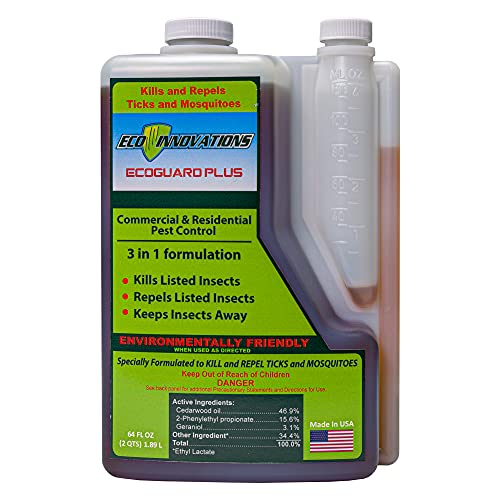 |
EcoGuard Plus Concentrated Mosquito & Tick Yard | Check Price |
3 Best Mulches to Repel Bugs: Detailed Reviews
When I chose the best mulch to repel bugs, I looked first at whether each choice was actually mulch or a treatment used around mulch. I also weighed the listed pest targets, container size, treatment location, and the need to protect plants, pets, people, and the foundation from careless application.
The group separates mainly by format and coverage: two cedar-oil sprays come in very different container sizes, while the third is a 64-fluid-ounce plant-based concentrate aimed at yard use. Seeing that difference side by side helps you avoid buying a liquid spray when you really need dry mulch, or buying a small bottle for a job that needs regular outdoor treatment.
1. Cedarcide Original Bug Spray
Cedar oil helps repel listed pests and suits homeowners treating patios, baseboards, kennels, or small yard areas.
- Size16 Fl Oz (Pack of 1)
- Number Of Items1
- WeightNot listed; check details
- DimensionsNot listed; check details
Cedarcide Original Spray is a ready-to-use cedar-oil bug spray for people who want to treat small indoor, pet, personal, patio, or yard areas without buying a large container.
Cedar oil for listed pests
The spray uses cedar oil, an oil from cedar that gives the treatment its characteristic scent and is listed to repel mosquitoes, ticks, fleas, chiggers, and ants. The product description also says the spray can kill bugs on contact, so the main appeal is direct treatment rather than changing the mulch itself.
That distinction matters around garden beds. Cedar oil spray may help with insects on approved surfaces, but spraying the top of every mulch bed does not fix standing water, heavy shade, packed mulch, or a food source that keeps attracting pests.
The cedar scent may also be noticeable after application. A smaller bottle lets you try a limited treatment area instead of committing to a large amount before you know how the smell fits your patio, porch, kennel, or indoor space.
Ready-to-use treatment
A ready-to-use spray does not require the reader to measure concentrate or mix a tank before starting. That cuts down on one common beginner mistake, using the wrong dilution and ending up with weak coverage or an unnecessarily strong mixture.
The listed use cases include indoor, pet, and personal protection, along with treatment and prevention. Read the current label carefully before spraying near animals, food surfaces, children’s play areas, edible plants, or fabrics, because a broad description does not replace directions for a specific surface.
The 16-fluid-ounce size is the main limitation. Cedarcide Original Spray makes more sense for spot work, small patios, baseboards, kennels, or a trial area than for repeatedly treating a broad yard.
Pros:
- Cedar oil targets listed mosquitoes, ticks, fleas, chiggers, and ants.
- Ready-to-use format avoids measuring and mixing concentrate.
- 16-fluid-ounce size suits small treatment areas.
- Contact-kill claim supports direct treatment of visible bugs.
- Cedar scent may discourage pests after application.
Cons:
- The liquid is not mulch and cannot replace a dry mulch layer.
- The 16-fluid-ounce container may run short for large yards.
- Cedar scent may not suit every indoor or patio setting.
- Surface and plant directions still need careful checking.
Buy it if: you need a small ready-to-use treatment, because the cedar-oil spray targets listed pests without asking you to mix a concentrate.
Skip it if: you need to cover a broad property repeatedly, because a 16-fluid-ounce spray may be inconvenient, and a larger yard-treatment format would suit you better. For another fit, consider Cedarcide or Ecoguard.
I’d pick Cedarcide Original Spray when the pest problem is limited to a few defined spots and you want to avoid storing a gallon container. The simple format is friendly for a beginner who has never measured yard chemicals, though the product should still be used only on surfaces allowed by the label. Double-check the current application directions and the amount needed before buying, especially if mulch covers a large bed.
This spray suits small-area treatment around a home more than full-yard coverage.
2. Cedarcide Original Cedar Oil Bug Spray, Kills
The catalog lists 💚 WORRY-FREE INGREDIENTS; NATURAL CEDAR OIL: Effectively repels mosquitoes, ticks, fleas, chiggers, and ants w. Compare fit and care needs before choosing.
- ColorClear
- Size128 Fl Oz (Pack of 1)
- Number Of Items1
- WeightNot listed; check details
Cedarcide Gallon Spray is a large cedar-oil bug spray for homeowners who expect repeated treatment around patios, kennels, baseboards, and other larger areas.
Larger container for repeated work
The main difference is size: the container holds 128 fluid ounces, or one gallon, and the listing describes it as a whole-home value size. More liquid can reduce interruptions when the same outdoor areas need treatment more than once, but the practical coverage still depends on the label directions and how heavily the spray is applied.
A gallon container is helpful when small bottles would create a pile of empty containers and repeated shopping trips. It also requires more storage space, so keep the container in an appropriate location away from children, pets, heat, food, and incompatible materials according to the label.
The larger size does not make the spray a mulch. If mulch stays wet against the house, a bigger container only treats the symptom while the damp edge continues to offer shelter and concealment.
Cedar-oil contact treatment
Like the smaller Cedarcide spray, this cedar-oil formula is listed to repel mosquitoes, ticks, fleas, chiggers, and ants. The longer product title also names wasps and roaches for contact killing, so read the exact current label rather than assuming every listed pest receives the same type or length of protection.
Contact treatment means the spray is intended to affect bugs reached directly by the application. It does not mean hidden insects inside walls, under dense mulch, or in protected soil will all be reached.
The product description names indoor, pet, and personal protection, but those broad uses deserve careful handling. Never treat a pet, person, food area, vegetable crop, or indoor surface unless the label specifically allows that use and explains how to apply it.
Clear liquid and storage
The listed color is clear, which may be useful around surfaces where a colored residue would be unwelcome. Clear does not mean stain-proof on every material, so test an inconspicuous area when the directions permit and avoid assuming that fabric, painted wood, stone, and plant leaves will react the same way.
A gallon container also changes the handling question. A beginner should have a plan for carrying, closing, measuring, and storing a large container before choosing a size this big.
Pros:
- 128-fluid-ounce size supports repeated larger-area treatment.
- Cedar oil targets several listed outdoor and household pests.
- Clear liquid may leave less visible color on suitable surfaces.
- Contact-kill wording supports direct treatment of visible insects.
- Product description includes patios, kennels, and baseboards.
Cons:
- A gallon requires more storage space and careful handling.
- Large volume can be wasteful for a small pest problem.
- The spray still does not replace correct mulch placement.
- Coverage depends on label directions, surface, and application rate.
Buy it if: you treat several approved areas more than once, because the 128-fluid-ounce size reduces the need to replace small containers.
Skip it if: you have only one small spot to treat, because the gallon may take too much storage space, and a small-area ready-to-use spray would suit you better. Cedarcide and Ecoguard are worth a closer look instead.
What I like about Cedarcide Gallon Spray is the clear fit between container size and repeated treatment. The larger bottle earns its rank for homeowners managing patios, kennels, baseboards, and other approved areas rather than one isolated ant trail. My hesitation is simple: a large container can encourage overapplication, so check the label rate and storage plan first.
This cedar-oil spray suits a household that already knows where treatment is needed and expects to return to those areas.
3. EcoGuard Plus Concentrated Mosquito & Tick Yard
The catalog lists ECOGUARD POWER: Harness the power of EcoGuard Plus, a tick yard spray concentrate that naturally strengthens y. Compare fit and care needs before choosing.
- Size64 Fl Oz (Pack of 1)
- Number Of Items1
- ECOGUARD POWERHarness the power of EcoGuard Plus, a tick yard spray concentrate that naturally strengthens your defenses against
- WeightNot listed; check details
EcoGuard Plus Spray is a 64-fluid-ounce plant-based mosquito and tick yard spray concentrate for people treating outdoor spaces rather than looking for a small household spot spray.
Concentrate for yard treatment
A concentrate is a product intended to be prepared for use according to its directions rather than sprayed straight from the container. The listing says EcoGuard Plus can be applied by various methods, but the exact dilution and equipment still need to come from the current label.
That format can cover a larger outdoor job with less storage than a full gallon of ready-to-use liquid. It also creates a measurement step, so a beginner should not pour concentrate into a sprayer by guesswork or copy a dilution from another brand.
The listing says the spray can kill insects on contact and repel them for up to 30 days, with coverage of up to 10 acres. Treat those figures as label claims that require checking for your specific application, because coverage changes with dilution, equipment, vegetation, weather, and the area being treated.
Plant-based essential oils
The formula is described as using plant-based essential oils and being DEET free. Those terms describe ingredients or exclusions, not a universal promise that the spray is harmless in every situation.
The same listing calls the spray eco-friendly and biodegradable, and says it does not stain lawns or plants. Even so, apply only as directed, keep people and animals away for any stated interval, and check whether edible plants, ponds, flowers, pollinators, or runoff areas have special restrictions.
This spray is aimed at mosquitoes and ticks, while the cedar-oil choices list a wider mix of pests. If ants, fleas, or roaches are the main problem, EcoGuard Plus may not be the closest match based on the stated pest focus.
Outdoor coverage and mulch limits
A yard spray can be useful around the outside edge of a mulch bed, seating area, or lawn when the label allows that use. It will not correct mulch piled against siding, poor drainage, dense leaf litter, or a hidden animal making holes beneath the mulch.
The 64-fluid-ounce container is between the two Cedarcide sizes. That may suit a homeowner who wants an outdoor concentrate without storing a full gallon, though the right choice depends on the actual area and mixing instructions.
Pros:
- Plant-based essential oils support the stated yard-treatment format.
- 64-fluid-ounce size sits between small and gallon options.
- Listing states mosquito and tick contact killing and repellency.
- Claimed coverage reaches up to 10 acres under stated conditions.
- DEET-free description may matter to shoppers comparing formulas.
Cons:
- Concentrate requires accurate preparation before application.
- The listed pest focus is narrower than the cedar-oil sprays.
- Up-to-30-day protection needs label and weather checks.
- Yard spray cannot fix mulch drainage or foundation gaps.
Buy it if: you need an outdoor mosquito and tick treatment, because the plant-based concentrate is designed for yard application and larger-area coverage.
Skip it if: you want a no-mixing spot treatment for ants or fleas, because the concentrate adds preparation and its stated pest focus is different, and a ready-to-use household spray would suit you better. If those trade-offs rule it out, Cedarcide Original Bug Spray | Repel or Cedarcide Original Cedar Oil Bug Spray, may suit you better.
I’d choose EcoGuard Plus Spray only when the real problem is mosquitoes or ticks across an outdoor area and the label matches the site. The 64-fluid-ounce concentrate gives a middle-ground container size, while the stated coverage may be useful for a larger yard. I would double-check dilution, reentry directions, plant restrictions, and the meaning of the coverage claim before purchase.
This spray suits a careful homeowner who is comfortable preparing a yard treatment and does not mistake spray for mulch.
How to Choose the Best Mulch to Repel Bugs
The best mulch to repel bugs is usually a dry, well-maintained mulch layer paired with sensible pest prevention, not a spray alone. Choose the mulch by drainage, distance from the house, depth, and local pest pressure, then consider a treatment only when its label fits the surface and pest.
Start with the material
Mulch is a cover placed over soil to slow evaporation, reduce weeds, and protect roots. Organic choices such as cedar, bark, and wood chips can improve the look of a bed, while stone and gravel do not decay but can hold heat and may shift onto walkways.
Cedar is often discussed for insect resistance because its scent and oils may discourage some pests when fresh. The effect fades as the material ages, weathers, and loses aroma, so do not treat cedar mulch as a permanent insect barrier.
If you are weighing one material against another, the question [does mulch bring bugs](LINK:MUL-S5|does mulch bring bugs) depends on moisture, depth, wood condition, nearby plants, and the pests already present. Dry mulch placed correctly is a different situation from wet leaves and wood pressed against a wall.
Keep mulch away from the house
A mulch gap is the open strip that lets you see the foundation and keeps damp organic material away from siding, trim, and doors. Leave a visible space around the foundation based on local building guidance, drainage needs, and the type of wall finish.
Do not pile mulch against siding or cover weep holes, vents, or inspection points. A clear edge helps you spot mud tubes, ant trails, moisture, and small openings before a hidden problem grows.
Homeowners worried about termites should read [will mulch attract termites](LINK:MUL-C50|will mulch attract termites) before spreading a thick layer near the structure. The safer habit is to keep wood-based mulch away from the foundation and inspect the edge often.
Choose a workable depth
A mulch layer is usually useful when it covers bare soil without becoming a deep, wet blanket. Follow local gardening guidance for the plant type, and keep the layer shallow enough that air and water can move through it.
Avoid piling new mulch over old mulch every season without checking the total depth. A deep layer can stay wet, bury plant crowns, hide pests, and make it harder to see the ground below.
The best depth is the least amount that protects the soil and looks finished. Rake compacted areas, pull mulch away from stems, and remove soggy or moldy material instead of simply adding a fresh layer on top.
Match the treatment to the pest
Identify the pest before buying a spray. Mosquitoes point toward standing water and shaded resting areas, fleas may involve pets and indoor fabrics, and termites require structural attention rather than a casual surface treatment.
Cedarcide Original Spray and Cedarcide Gallon Spray list cedar oil and several pest targets. EcoGuard Plus Spray lists mosquitoes and ticks with a plant-based concentrate format, so the choice should follow the actual pest and the approved application site.
A treatment can reduce exposed insects while the source remains active. Remove leaf piles, empty containers that hold rainwater, trim dense growth near walls, and repair gaps before expecting a spray to solve the whole problem.
Consider coverage and storage
Container size should match the area, application frequency, and storage space you can manage. A 16-fluid-ounce bottle is easier for a small job, a 128-fluid-ounce bottle suits repeated larger-area work, and a 64-fluid-ounce concentrate requires preparation before use.
Do not estimate coverage from the container size alone. Read the label for dilution, surface, sprayer type, weather limits, and retreatment timing, since one fluid ounce can cover very different areas under different instructions.
The best yard plan also avoids buying more treatment than you can use correctly. A large container is not a bargain if it encourages excess spraying, sits in poor storage, or remains unused after the pest season.
Check plant, pet, and people directions
Plant-based or cedar-based wording does not remove the need for label directions. Check whether the treatment can contact lawn, ornamental plants, edible crops, mulch, soil, patios, pet areas, or indoor surfaces.
Keep children and animals away for the stated period. Protect ponds, streams, pollinators, and food surfaces when the directions call for special care, and never assume a product allowed on a lawn is also allowed on a vegetable garden.
If the label is unclear, pause before applying. A short call to the manufacturer or a local pest professional is better than guessing around a pet bowl, beehive, fish pond, or foundation drain.
How to Use Mulch-Area Treatments for the Best Results
Use mulch-area treatments as one part of pest control, not as a substitute for dry mulch, drainage, and structural inspection. Start with identification and cleanup, then apply only the labeled amount to an approved surface.
- Identify the insect or animal before choosing a treatment. A mosquito problem, termite concern, and animal hole require different responses.
- Inspect the mulch bed after rain. Look for standing water, compacted material, decaying wood, mud tubes, ant trails, and gaps near the foundation.
- Remove obvious attractants. Empty buckets, clean pet areas, clear leaf piles, and trim vegetation touching the house.
- Pull mulch away from siding, doors, vents, and inspection points. Keep the foundation edge visible so new activity is easier to notice.
- Read the treatment label from start to finish. Confirm the pest, surface, dilution, protective equipment, weather limits, and reentry instructions.
- Measure concentrate with the correct tool. Never use a kitchen cup, bottle cap, or guess based on another product’s directions.
- Apply evenly to the approved area. Avoid wind, rain, drains, ponds, edible plants, and surfaces not named on the label.
- Let the area dry and follow the stated wait time. Keep people and animals away until the directions say the area is ready.
- Recheck the mulch after the stated interval. If insects return quickly, find the source instead of repeatedly increasing the spray.
For a small spot, Cedarcide Original Spray may be simpler because the listing describes a ready-to-use format. For a larger yard, EcoGuard Plus Spray may involve more preparation, so the measurement and coverage instructions matter as much as the container size.
How to Make Your Mulch Last Longer
Good mulch care reduces pest shelter and saves you from replacing the bed too often. Keep the layer loose, dry out wet areas, and refresh only after checking what is already there.
Rake the surface lightly after heavy rain or wind. This breaks up crusted areas and exposes hidden debris without disturbing shallow roots, irrigation lines, or ground-cover plants.
Remove leaves, fallen fruit, pet waste, and rotting wood from the top of the mulch. Those materials can hold moisture and provide food or hiding places that fresh mulch will not solve.
Check the edge near the house every month during the growing season. Look for mulch touching siding, mud tubes, damp soil, ants entering cracks, and blocked vents or drainage paths.
Top up thin areas rather than covering the whole bed automatically. Mixing new mulch into a deep old layer can bury stems and make the bed wetter, so first remove excess or badly decomposed material.
Water plants at the root zone instead of soaking the entire mulch surface every day. Deep, appropriate watering is usually better for plants than frequent shallow wetting that leaves the top layer damp.
Store unused spray in the original labeled container. Keep caps tight, protect the container from heat and freezing conditions when the directions require it, and never transfer liquid into a drink bottle.
Clean application tools as directed after use. Do not rinse leftover treatment into storm drains, ponds, vegetable beds, or a neighbor’s property, and follow disposal instructions for the container.
Common Mistakes to Avoid When Buying and Using Mulch
Most mulch and pest-control mistakes come from treating the visible symptom while ignoring water, shelter, or access near the home. These fixes are simple, but they require a little patience before spreading or spraying.
- Buying spray when you need mulch: A liquid treatment will not protect soil or suppress weeds like mulch. Choose a dry mulch for the bed and use spray only for an approved pest problem.
- Piling mulch against the foundation: Contact with the wall hides moisture and insects. Leave a visible inspection gap and keep vents, doors, and drainage points clear.
- Adding new mulch over a wet layer: Extra material traps more moisture. Rake, remove damaged mulch, and correct drainage before refreshing the surface.
- Using cedar scent as a guarantee: Cedar aroma can fade and does not solve every pest issue. Inspect for standing water, cracks, pet activity, and decaying material.
- Ignoring the exact pest: A mosquito spray may not address termites or a hidden animal. Identify the pest first and match the treatment to the label.
- Guessing concentrate measurements: A stronger mix is not automatically better. Use the stated dilution and the right sprayer for the approved area.
- Spraying before checking weather: Wind and rain can move treatment away from the target. Follow weather restrictions and keep runoff away from drains and water.
- Treating edible plants without permission: General yard wording may not cover food crops. Confirm the label allows contact with the specific plant and follow harvest directions.
- Skipping a foundation inspection: Repeated spraying can delay a structural repair. Check for mud tubes, moisture, cracks, and damaged wood, then seek professional help when signs persist.
A single layer can sometimes support both weed and pest goals, but material and placement still matter. The guide to [best mulch for weed and pest control](LINK:MUL-C59|best mulch for weed and pest control) is useful when you want one bed treatment to handle more than appearance.
How to Set Up Mulch and Yard Treatments
Setting up a mulch bed is mostly preparation, while setting up a concentrate adds a measurement step. The safest order is to prepare the area first, then handle treatment only after the label confirms that the site is approved.
- Mark the bed edge before spreading mulch. This prevents material from creeping onto sidewalks, drains, or the foundation.
- Remove weeds, trash, wet leaves, and damaged old mulch. Do not bury a pest source under a fresh layer.
- Inspect irrigation and drainage. Repair leaks and redirect water before adding material.
- Place mulch around plants without covering stems or trunks. A small open ring reduces trapped moisture at the plant base.
- Leave the foundation visible. Pull wood-based mulch away from siding, vents, doors, and inspection points.
- Measure the bed depth in several places. Remove excess from deep spots instead of leveling everything by adding more.
- Read the spray label before opening the container. Confirm the pest, surface, dilution, protective gear, and drying time.
- Prepare a concentrate only in the listed container or sprayer. Mark the mixture clearly and never leave it unattended.
- Apply in calm, suitable weather. Keep spray away from people, pets, food, ponds, drains, and unapproved plants.
- Store or dispose of remaining material correctly. Keep liquid in its original container and keep unused mulch dry and away from the foundation.
If you are planning a darker cedar bed, check the material rather than relying on color alone. Advice about [best black cedar mulch](LINK:MUL-C90|best black cedar mulch) can help separate dyed wood from a cedar-based option, but color is not proof that a mulch repels insects.
Common Questions About Mulch to Repel Bugs
Does mulch repel bugs by itself?
Mulch alone rarely provides complete insect control. Cedar and other aromatic materials may discourage some pests for a time, but moisture, food, shelter, and cracks often matter more. Use a dry, correctly placed layer, remove attractants, and choose a labeled treatment only when the pest and application site match.
What mulch is least attractive to termites?
No mulch should be treated as termite-proof. Gravel does not provide wood food, while wood-based mulch can hold moisture and hide activity, so keep any mulch away from the foundation and maintain a visible inspection gap. Persistent mud tubes or damaged wood need professional assessment.
Can I spray bug repellent directly on mulch?
Only spray mulch when the current label specifically allows that surface and application. Some treatments are meant for lawns, patios, baseboards, or other named areas, and runoff can affect plants or water. Read the pest, surface, dilution, weather, drying, and reentry directions first.
How thick should mulch be around a house?
Use the thinnest layer that protects soil and looks finished, while following plant and local landscaping guidance. Avoid deep, compacted layers because they stay wet, hide insects, and can cover vents or inspection points. Keep mulch pulled away from siding, doors, and the foundation edge.
Why are animals digging holes in my mulch?
Small holes can come from pets, rodents, birds, insects, or other wildlife searching for food or shelter. Check hole size, nearby tracks, disturbed plants, and the timing of the damage instead of filling holes immediately. The guide to [what is digging holes in my mulch](LINK:MUL-C57|what is digging holes) can help narrow the likely cause.
Is cedar mulch safe around pets and plants?
Cedar mulch is not automatically safe for every pet, plant, or situation. Check the specific mulch material, avoid piles that pets may chew or sleep in, keep it away from plant stems, and ask a veterinarian or gardening professional about unusual animal or plant concerns. Product labels govern any spray used nearby.
Make the Next Mulch Decision Carefully
Start by inspecting the bed, foundation edge, moisture, and actual pest before buying anything. Choose dry mulch for soil coverage, keep wood-based material away from the house, and use a spray only when the label clearly matches the pest, surface, and people or pets nearby.

I’m Maya L. Greenwood, a lifelong plant lover who believes anyone can grow something beautiful with the right guidance. After years of testing soil mixes, pruning methods, irrigation tricks, and pest-safe solutions, I started EasyGardenTips.com to turn hard-won lessons into step-by-step advice. From seed starting and container gardens to composting and seasonal checklists, my goal is to make gardening simple, sustainable, and fun.