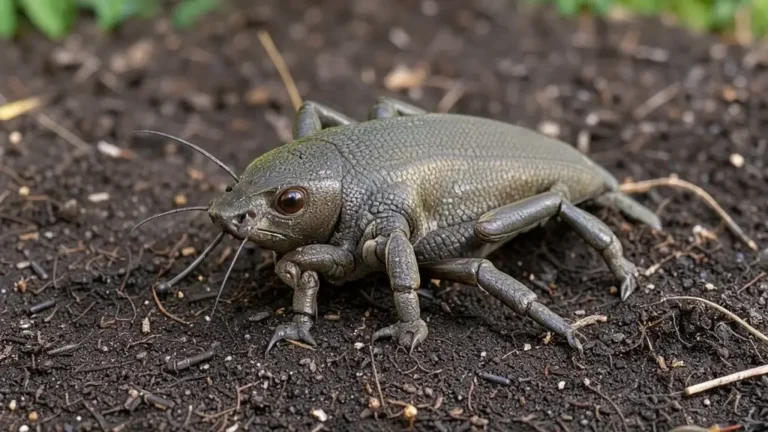
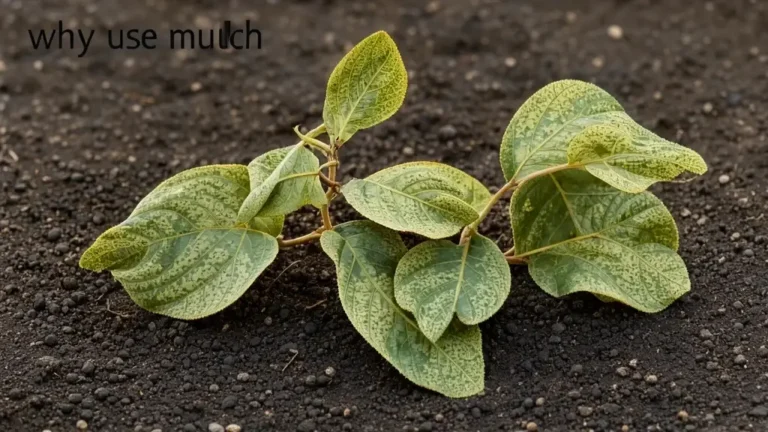
How to Get Rid of Fungus in Mulch and Stop It Coming Back
Remove visible fungus by wearing gloves, lifting out the affected mulch, bagging it, and replacing wet, compacted material with a thin layer of fresh mulch. Improve drainage, reduce watering, and keep mulch away from plant stems so fungus has less moisture and decaying material to feed on.
Are you dealing with mushrooms, fuzzy patches, or orange dust spreading across your mulch? Does the bed smell sour even after you rake it?
You’ll learn how to identify common mulch fungus, remove it without spreading spores, fix the damp conditions causing it, and choose mulch that behaves better in your garden.
The payoff is pretty practical: cleaner flower beds, fewer foul odors, less chance of fungus returning, and healthier soil around your plants. Skip the moisture fix, though, and fresh mulch may turn ugly again within days.
This takes about 9 minutes to read, then you can tackle the bed with a simple plan:
- Remove fungus without mixing it deeper into the mulch.
- Tell harmless mushrooms from troublesome plant disease.
- Correct watering, drainage, and mulch depth problems.
- Pick a mulch type that fits your plants and climate.
- Prevent the same patch from coming back.
How to Get Rid of Fungus in Mulch

The fastest fix is to remove the visible fungus and the damp mulch directly beneath it, then dry and refresh the bed. Rake away mushrooms, slime, moldy clumps, or crusty growth, place the waste in a sealed bag, and add fresh mulch only after the soil surface has dried.
Follow these steps in order:
- Put on gloves and eye protection. Fungus can release spores when disturbed, and some people react to moldy organic material. Keep children and pets away while you work.
- Do not spray the patch first. Water can spread spores and push loose growth deeper into the mulch.
- Scoop out the affected material. Remove the growth plus roughly 1 to 2 inches of mulch underneath it, especially if the material feels slimy, sour, or heavily matted.
- Bag the waste. Seal it for household trash unless local rules allow organic waste disposal. Avoid adding suspicious fungus to a home compost pile.
- Rake the remaining mulch thin. Aim for about 2 to 3 inches around most shrubs and flower beds, with the lower amount on poorly drained soil.
- Let the surface dry. A sunny, breezy day helps, though the soil should not become dusty or hard.
- Replace only what you removed. Fresh mulch should sit loosely, not form a thick blanket.
Mushrooms usually grow because fungal mycelium, the hidden threadlike part of a fungus, is feeding on damp wood or plant debris. Removing the mushroom heads improves appearance, but removing wet, decomposing mulch and correcting moisture gives you a better shot at stopping the cycle.
What if the fungus returns after a few days? That usually points to a wet layer under the surface, a leaking irrigation line, poor grading, or mulch piled too deep around the plants.
A small amount of white fuzz may be harmless saprophytic fungus, which feeds on dead organic matter rather than living roots. It still deserves cleanup when the patch smells bad, spreads quickly, blocks water from reaching soil, or bothers you visually.
Pro Tip: Rake mulch away from the base of a tree or shrub before checking moisture. If the trunk flare stays buried, the plant can suffer from rot even when the mulch itself looks tidy.
Why Fungus Grows in Mulch
Fungus grows in mulch when moisture, shade, warmth, and decomposing wood stay together long enough for fungal threads to spread. Fresh wood mulch can be especially active because fungi help break down carbon-rich material as it ages.
The most common causes include:
- Mulch deeper than 3 inches.
- Frequent light watering that never lets the surface dry.
- Downspouts or sprinklers wetting one small area.
- Soil that drains slowly after rain.
- Mulch touching stems, trunks, or siding.
- Fresh mulch spread over old, compacted mulch.
- Shaded beds with little air movement.
- Buried leaves or grass clippings mixed into the bed.
A sour or rotten smell comes from anaerobic decomposition, which happens when wet material lacks enough air. That odor can resemble sewage or spoiled food, but it does not mean the mulch contains human waste. The phrase what is really in mulch usually leads to a simpler answer: mulch is commonly made from shredded bark, wood, leaves, yard debris, or blended organic materials.
If your mulch smells especially foul, rake it open and check the bottom layer. The article on why mulch smells like poop connects that odor to trapped moisture, low oxygen, and decomposing material rather than a mystery ingredient.
I once cleared a bed that looked fine from the sidewalk but felt like wet felt underneath. The top layer dried after raking, yet the sour smell lingered until I removed the compacted material below and corrected a sprinkler that was hitting the same corner.
Mushrooms themselves are often the visible fruiting bodies of a much larger fungal network. A cluster may vanish after a hot afternoon and return after rain, because the hidden threads remain in the mulch.
The key question is whether fungus has moved into a living plant. Mulch fungus usually feeds on dead material, while root rot attacks roots in saturated soil and can cause yellow leaves, wilting, soft stems, or stunted growth.
Common Mulch Growth And What It Means
| What you notice | Likely cause | Best first move |
|---|---|---|
| White fuzzy coating | Active decomposition or surface mold | Rake thin, remove clumps, improve airflow |
| Brown or tan mushrooms | Fungal fruiting bodies in damp wood | Pick them out, bag them, reduce moisture |
| Yellow-orange jelly | Moisture-loving fungus on decaying mulch | Remove the patch and let the bed dry |
| Black dust or crust | Mature spores or decomposed organic matter | Wear protection, scoop out affected mulch |
| Sour or sewer-like odor | Low-oxygen decomposition | Remove compacted material and fix drainage |
| Fungus beside a wilted plant | Possible root or crown problem | Check soil moisture and contact a plant professional if damage continues |
The color alone cannot identify every fungus. Texture, odor, moisture, plant symptoms, and the material underneath give you a more useful answer than a quick internet photo match.
How to Remove Mulch Fungus Safely
Safe removal means disturbing the smallest area possible, avoiding dusty cleanup, and protecting your skin, eyes, and lungs. Most home garden patches need physical removal and moisture control, not a fungicide sprayed across the whole bed.
Before scooping or raking, take these precautions:
- Wear waterproof gloves, closed shoes, and eye protection.
- Use a dust mask or a properly fitted respirator if the mulch is dry and dusty.
- Work on a calm day, not during strong wind.
- Keep pets and children away from the work area.
- Wash hands and tools after cleanup.
- Do not burn moldy or fungus-covered mulch.
Do not use bleach, gasoline, motor oil, or harsh household cleaners on garden soil. These products can injure roots, damage helpful soil organisms, and create a bigger cleanup problem than the original fungus.
A fungicide may not solve the real cause because mulch fungus lives on dead organic material rather than inside a plant. I’d reserve chemical treatment for a disease diagnosed on a specific plant, and I’d follow the product label exactly if a licensed professional recommends one.
The right tools are basic:
- Hand trowel or flat shovel.
- Garden rake.
- Heavy-duty yard bags.
- Bucket for small patches.
- Hose nozzle with a gentle setting.
- Clean pruners if dead plant material needs removal.
Do you need to remove every bit of mulch from the entire bed? Usually not. Take out the visibly affected zone and any foul, saturated material below it, then inspect nearby mulch for the same smell or texture.
Rinse tools after use, then scrub soil and organic residue from the blades or rake teeth. Dry metal tools before storage because damp dirt can encourage rust and leave residue ready to spread into another bed.
Important Tip: Never kneel directly in a moldy patch while wearing fabric work pants. Spores and damp organic particles can cling to clothing, so wash gardening clothes separately after heavy cleanup.
How to Prevent Fungus from Coming Back
Fungus returns when the bed stays wet or the mulch remains too deep, so prevention depends on water control, airflow, and a loose mulch layer. Raking alone changes the surface, while drainage and watering changes affect the conditions below it.
Use this prevention routine:
- Check the water source. Run sprinklers briefly and watch for overspray, broken heads, or one section receiving more water than the rest.
- Test drainage after rain. Dig a small hole about 6 inches deep and check whether water remains hours later.
- Correct the mulch depth. Pull thick layers down to 2 or 3 inches, depending on the plant and drainage.
- Leave a gap around plants. Keep mulch several inches from stems and tree trunks.
- Break up matted areas. A rake can restore air at the surface without turning the entire bed upside down.
- Water deeply and less often. Let the upper inch of soil dry before watering again, unless the plant has special moisture needs.
- Refresh carefully. Add a thin top layer only after old mulch has partly decomposed and the bed drains well.
Different mulch materials behave differently. Coarse shredded hardwood can form a dense mat if spread too thick, while pine bark nuggets leave larger air spaces but may shift on slopes.
Garden beds with roses, shrubs, and general ornamentals often do well with aged wood mulch. Acid-loving plants such as blueberries, azaleas, and rhododendrons may fit better with pine bark or another material selected for the plant’s soil needs.
The choices best shredded hardwood mulch and best pine bark mulch depend on texture, particle size, moisture retention, slope, and the plants growing nearby. A cheap bag that mats into a wet sheet can cost more in cleanup than a better-sized mulch applied correctly.
| Mulch choice | Good fit | Fungus-related concern |
|---|---|---|
| Shredded hardwood | Shrubs, paths, broad planting beds | Can mat when wet or overapplied |
| Pine bark nuggets | Acid-loving plants and sloped beds | May dry quickly or float during heavy rain |
| Fine bark | Vegetable and flower beds when aged | Can compact if spread too thick |
| Leaf mulch | Trees and woodland-style beds | Can mat and hold moisture when finely chopped |
| Gravel or stone | Dry beds and some decorative areas | Does not decompose, but can trap heat near plants |
Mulch should not touch a tree trunk. The trunk needs airflow and a dry transition into the soil, not a volcano-shaped pile that holds water against the bark.
A thin layer of compost beneath mulch can support soil life, but too much fresh compost adds moisture and decomposing material. Keep compost and mulch separate enough that neither forms a soggy cap.
Pro Tip: Take a quick moisture reading with your finger before turning on irrigation. If the soil feels damp several inches down, another watering may feed the fungus instead of the plant.
When Mulch Fungus Signals A Bigger Plant Problem
Mulch fungus deserves closer attention when nearby plants wilt, develop soft stems, lose roots, or show disease spots at the same time. A mushroom patch alone usually points to decomposing mulch, but plant decline can signal a separate issue below the surface.
Check the plant and soil for these warning signs:
- Leaves stay limp after the soil dries slightly.
- Lower stems turn dark or soft.
- Roots smell sour or look brown and mushy.
- New growth remains small or pale.
- Water pools around the crown.
- Fungal spots spread across living leaves.
- The same plant declines each season.
Do not pull a healthy shrub just because mushrooms appear nearby. First move the mulch back, check the soil moisture, and inspect the stem base without scraping healthy bark.
If roots are soft, the crown is discolored, or a valuable plant keeps declining, contact a qualified arborist, horticulturist, or local extension professional. A plant disease may need a different diagnosis, and random fungicide use can make the situation harder to read.
One more concern is artillery fungus, a tiny fungus that can shoot dark spore spots onto light siding, cars, and outdoor furniture. It favors moist, decaying wood mulch, so replacing the mulch with a less favorable material and keeping the bed drier may help reduce new spotting.
Do mushrooms make mulch unsafe for every garden? No, but unknown mushrooms should not be eaten, handled by bare hands, or fed to pets. Physical removal is the sensible choice when children or animals use the yard.
- Remove fungus and the wet mulch beneath it.
- Fix irrigation, drainage, and mulch depth before adding fresh material.
- Keep mulch away from trunks and plant stems.
- Treat sick plants separately from ordinary mulch fungus.
- Never eat wild mushrooms from a garden bed.
FAQs About How to Get Rid of Fungus in Mulch
Should I throw away mulch with fungus?
Yes, heavily affected or foul-smelling mulch should go into sealed yard-waste or household trash bags, based on local disposal rules. Small surface patches can sometimes dry after raking, but compacted, slimy material underneath deserves removal because it holds moisture and fungal growth.
Will vinegar kill fungus in mulch?
Vinegar may damage exposed plant tissue and soil organisms, but it does not reliably remove the fungal network feeding on decaying mulch. Physical removal, better drainage, thinner mulch, and corrected watering usually address the cause more safely than pouring vinegar into a garden bed.
Is mulch fungus harmful to plants?
Usually, mulch fungus feeds on dead wood and does not attack healthy plants directly. Concern rises when the soil stays saturated or plants show wilt, soft stems, root decay, or leaf disease, because those signs point to a separate plant health problem.
Can I put new mulch over moldy mulch?
No, adding fresh mulch over moldy, wet material can trap moisture and hide the problem. Remove the affected layer first, let the bed dry, and add only enough new mulch to restore a loose 2- to 3-inch cover.
Why are mushrooms growing in my mulch after rain?
Mushrooms grow after rain because damp mulch activates fungal threads feeding on decomposing wood. The mushrooms may disappear in dry weather, but repeated flushes point to ongoing moisture, deep mulch, compacted material, or poor drainage beneath the surface.
Does mulch fungus mean the soil is bad?
No, mulch fungus does not automatically mean the soil is unhealthy. Fungi are natural decomposers, and a brief flush can happen in good soil, but persistent odor, standing water, or declining plants means the bed needs a moisture and drainage check.
A Cleaner Mulch Bed Starts with Moisture Control
Mulch fungus rarely needs a dramatic fix. Remove the visibly affected material, protect yourself from spores and dust, let the bed dry, and correct the water problem that gave fungus a comfortable home.
My practical preference is a loose, moderate mulch layer over well-drained soil, with clear space around every trunk and stem. That setup looks neater, keeps roots steadier, and saves you from chasing the same mushroom patch after every storm.
Start with one affected area rather than stripping the whole yard. Check the mulch depth, move the sprinkler if needed, and replace only the material that truly smells bad or has broken down into a wet mat.

I’m Maya L. Greenwood, a lifelong plant lover who believes anyone can grow something beautiful with the right guidance. After years of testing soil mixes, pruning methods, irrigation tricks, and pest-safe solutions, I started EasyGardenTips.com to turn hard-won lessons into step-by-step advice. From seed starting and container gardens to composting and seasonal checklists, my goal is to make gardening simple, sustainable, and fun.