How to Get Rid of Bugs in Mulch the Safe and Easy Way
The safest way to get rid of bugs in mulch is to identify the pest, remove wet or infested mulch, let the area dry, and replace it with a thin, clean layer. Most mulch insects stay near the surface, so targeted cleanup usually works better than spraying the whole bed.
Are tiny ants marching toward your house through the mulch? Are beetles, earwigs, or roaches hiding under damp chips every time you move them?
You’ll learn how to tell harmless decomposers from pests, remove bugs without hurting plants, choose replacement mulch, and stop the same problem from coming back.
Handled well, you can protect seedlings, keep pests away from doors and windows, and avoid wasting money on broad insect sprays. Skip the cause, and wet mulch can keep attracting insects, mold, and even rodents.
This takes about 9 minutes to read, and the practical steps are below:
- Identify the bug before choosing a treatment.
- Remove mulch that stays wet, sour-smelling, or heavily infested.
- Treat ants, termites, roaches, and nuisance insects safely.
- Choose mulch depth and placement that discourage pests.
- Know when a pest problem needs professional help.
How to Get Rid of Bugs in Mulch
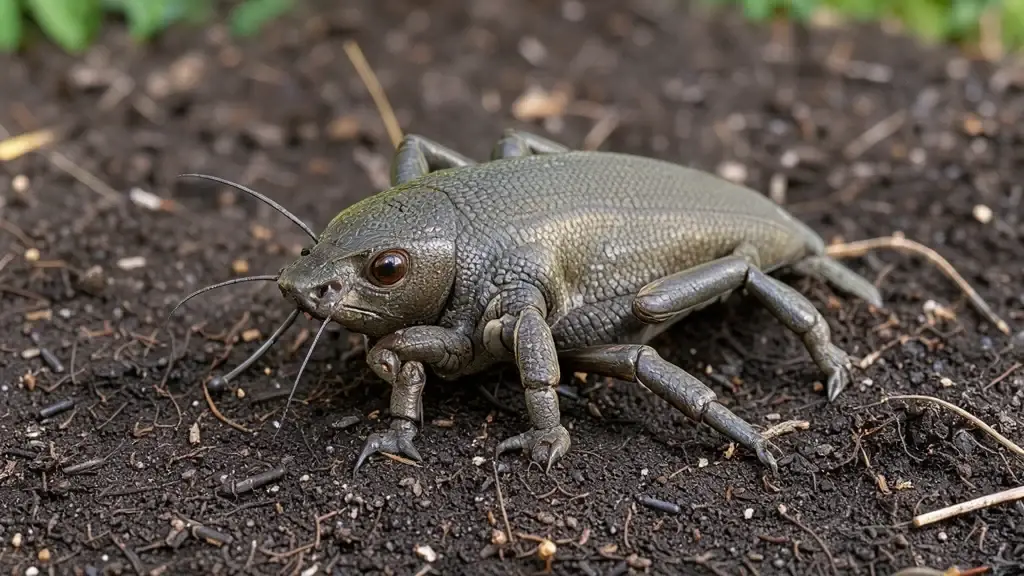
The fastest reliable method is to rake the mulch away from plants and structures, bag heavily infested material, dry the bed, and replace only what the area needs. Keep mulch 3 to 6 inches away from siding, door thresholds, tree trunks, and foundation walls, then water plants at the soil instead of soaking the mulch.
Start with a flashlight and a small hand trowel. Check the top inch of mulch during the day, then inspect again after sunset because earwigs, roaches, slugs, and some beetles become active in darkness.
- Identify the insect. Look at body shape, color, wings, legs, tunnels, sawdust-like material, and where the insects gather.
- Remove the worst material. Scoop out mulch with heavy insect activity, visible egg clusters, fungal growth, or a sour odor.
- Dry and clean the bed. Rake the remaining mulch into a loose layer, clear leaves and dead stems, and fix dripping hoses or clogged downspouts.
- Treat only when needed. Use a labeled product that matches the pest and the planting area, or use a nonchemical method when removal solves the problem.
- Replace mulch carefully. Add fresh mulch in a 2- to 3-inch layer, leaving air space around stems and trunks.
You don’t need to remove every tiny creature. Springtails, millipedes, and many soil mites break down organic matter and rarely harm healthy plants, while termites, carpenter ants, cockroaches, and plant-eating beetles deserve closer attention.
A simple test helps. If insects scatter from damp mulch but plants look healthy and no structural damage appears, drying and thinning the mulch may solve the problem.
Does mulch bring bugs?
Mulch can provide moisture, shade, shelter, and food for insects, especially when organic material touches a building or stays soaked. That does not mean mulch automatically causes an infestation, since proper depth, drainage, and spacing make the bed much less inviting. The larger question is whether the mulch is supporting pests near something you want protected.
If you want the broader pest picture, [does mulch attract bugs](LINK:MUL-S5|does mulch bring bugs) explains which insects commonly show up and why some mulch types create better shelter than others.
A bed beside a shaded porch can stay damp for days after rain. The same bed with a thin layer, open spacing, and good airflow dries faster and gives insects fewer hiding places.
- Remove wet, sour-smelling, or heavily infested mulch first.
- Keep mulch away from siding, thresholds, trunks, and vents.
- Treat the named pest, not every insect in the garden.
- Fresh mulch works best after the moisture problem gets fixed.
Which Bugs Live in Mulch, and What Should You Do?
The right response depends on the insect and the damage, because a harmless decomposer needs different handling than a termite or plant pest. Ants usually point to shelter or food, while termites, carpenter ants, and cockroaches can signal a larger moisture or building problem.
| Bug or sign | What it may mean | Best first move |
|---|---|---|
| Ant trails or soil nests | Dry shelter, aphids on plants, spilled food, or moisture nearby | Remove nests where practical and correct moisture |
| Earwigs | Damp mulch and nighttime shelter | Thin the mulch, improve drainage, and remove hiding debris |
| Roaches | Deep, wet mulch near buildings or outdoor food | Move mulch back, remove clutter, and inspect nearby cracks |
| Termites or mud tubes | Possible wood-destroying insect activity | Move mulch away from the structure and call a pest professional |
| Carpenter ants with sawdust | Moist or damaged wood nearby | Check wood, stumps, and leaks before treating |
| Slugs and snails | Moist mulch and plant leaves close to the ground | Hand-pick, reduce hiding places, and water at the soil |
| Fungus gnats | Constantly wet organic material or potting soil | Let the surface dry and reduce frequent watering |
| Millipedes or springtails | Decomposing material and high moisture | Allow drying unless numbers become a nuisance |
Ants in mulch
Ants in mulch usually need shelter, moisture, sugar, or access to honeydew, the sweet liquid produced by aphids and other plant-sucking insects. Rake away loose mulch around the nest, check nearby plants for aphids, and avoid soaking the bed every day.
A bait can work better than a surface spray because worker ants carry food back to the colony. Use only a product labeled for outdoor use near the plants involved, and keep bait away from children, pets, edible crops, and pollinators.
For a focused cleanup plan, [how to remove ants from mulch](LINK:MUL-C53|how to get rid of ants in mulch) covers nest locations, plant protection, and methods that avoid drenching the root zone.
Termites and carpenter ants
Termites are the bug in mulch that deserves the most caution. Mulch doesn’t create termites from nowhere, yet thick, damp mulch against a house can hide mud tubes, block inspections, and give insects a bridge toward wood.
Pull mulch back so the foundation, sill plate, and lower siding remain visible. Don’t disturb mud tubes more than needed before taking a clear photo, because a pest professional may use the location and pattern to judge activity.
Carpenter ants don’t eat wood like termites do. They excavate damp or softened wood, so a leaky hose bib, buried stump, rotting edging, or wet deck can be the real source.
Important Tip: Never bury wood scraps, tree stumps, cardboard, or untreated lumber under fresh mulch near a structure. Those materials hold moisture and can give insects a quiet place to settle.
Roaches, earwigs, beetles, and millipedes
Roaches prefer protected, damp spaces with food nearby. Store pet food indoors, remove fallen fruit, clear boards and dense weeds, and keep mulch shallow near doors.
Earwigs and beetles often hide in mulch during hot days. A few don’t mean the garden has failed, but plant damage, clusters under pots, or insects entering the house call for more action.
Millipedes usually feed on decaying leaves rather than living plants. They can wander indoors after heavy rain, so reduce leaf litter and dry the perimeter instead of reaching for a powerful insecticide.
I once found a bed loaded with earwigs beside a dripping downspout. The insects faded after the water path got fixed and the mulch was raked thin, which made the point plainly: the wet spot mattered more than the bug spray.
How Should You Treat Mulch Without Hurting Plants?
Treat mulch by starting with removal, drying, and habitat changes, then use a targeted pesticide only when the pest remains active or poses a clear risk. Broad spraying can kill beneficial insects, contaminate flowers, and leave the real problem untouched.
Before any chemical treatment, read the entire label. Check the approved pest, plant types, application rate, reentry time, protective gear, weather limits, and restrictions around vegetables, pets, children, ponds, and pollinators.
Start with physical removal
Wear gloves and closed-toe shoes before handling infested mulch. If the material is moldy, dusty, or full of stinging insects, add eye protection and avoid stirring it on a windy day.
Bag heavily infested mulch and place it in the trash if local rules allow. Don’t spread it to another bed, because moving the material can move ants, roaches, eggs, or plant disease.
Rake the remaining mulch away from stems and the foundation. Leave exposed soil only long enough to dry, then replace the mulch after the surface no longer feels wet several inches down.
What if the insects return after cleanup? Check the moisture source before applying anything else, because a leaking irrigation line or blocked drain can rebuild the same habitat within days.
Use low-risk controls first
Useful nonchemical controls include:
- Hand-picking slugs, snails, and visible beetles after dark.
- Removing fallen fruit, dead leaves, and rotting boards.
- Placing sticky traps near potted plants for fungus gnats.
- Using ant bait stations in protected locations.
- Improving drainage with a downspout extension or graded soil.
- Pruning dense growth so the mulch can dry.
Diatomaceous earth can lose its effect after rain and may irritate breathing passages when airborne. Keep the powder away from flowers where bees forage, and never blow it around with a leaf blower.
Boiling water can kill insects, but it also burns roots, tender stems, and beneficial soil life. Don’t pour it into a planted bed unless the area contains no valuable vegetation.
Pick mulch that fits the pest problem
No mulch type repels every insect. Cedar and cypress may smell less attractive to some pests for a while, but moisture, depth, nearby food, and building contact usually matter more than scent alone.
A guide to the [best mulch to repel bugs naturally](LINK:MUL-C58|best mulch to repel bugs) can help compare aromatic wood mulch, gravel, and placement choices around homes. Gravel doesn’t feed decomposers, though it can reflect heat and make plant care harder in hot, exposed beds.
For a bed where weeds and insects both cause trouble, [best mulch for weed and pest control](LINK:MUL-C59|best mulch for weed and pest control) compares coverage choices and the limits of using one material for every problem.
| Mulch choice | Bug-related strength | Main drawback |
|---|---|---|
| Shredded hardwood | Good soil cover and easy shaping | Can stay wet when packed too deeply |
| Cedar or cypress | Aromatic and slow to break down | Scent fades, and quality varies |
| Pine straw | Dries quickly in many beds | Can shelter ants or rodents when piled |
| Gravel or stone | Doesn’t decompose or feed insects | Holds heat and can complicate planting |
| Compost-rich mulch | Feeds soil and plants | More likely to attract decomposers if overwatered |
How deep should mulch be?
Most landscape beds do well with 2 to 3 inches of mulch after settling. More than about 4 inches can trap moisture, reduce airflow, encourage shallow roots, and hide pests near the soil surface.
Keep a bare ring around each tree trunk and plant stem. A 3- to 6-inch gap gives the bark room to dry and makes it harder for insects to use mulch as a direct path upward.
Don’t use mulch to cover a drainage problem. If water sits for hours after ordinary rain, fix the grade, soil compaction, gutter discharge, or irrigation schedule before adding more material.
How Can You Keep Bugs Out of Mulch?
You can prevent most mulch pest problems by controlling moisture, reducing hiding places, keeping mulch away from structures, and checking beds regularly. Prevention doesn’t mean keeping every insect away, since healthy soil needs decomposers, but it keeps nuisance insects from building up.
Walk the perimeter after rain and look for standing water, muddy edges, ant trails, mud tubes, and mulch touching siding. A five-minute check catches small changes before a bed turns into a damp, crowded shelter.
Use this seasonal routine:
- Spring: Remove winter debris, inspect irrigation, and refresh mulch only after the soil drains.
- Summer: Water deeply at the root zone, not in short daily bursts over the mulch.
- Fall: Clear fallen fruit, thick leaf piles, and dead stems from the foundation edge.
- After storms: Check displaced mulch, clogged drains, and new wet pockets.
Do snakes like mulch? Snakes don’t seek mulch as a food source, but thick, cool mulch can provide cover when frogs, mice, slugs, and insects are nearby. The piece on [whether snakes like mulch](LINK:MUL-C55|do snakes like mulch) explains how mulch depth, prey, and nearby hiding places affect sightings.
Keep firewood, cardboard, spare pots, and lumber off the ground and away from the house. Those items create better shelter than a clean, thin mulch layer and can make a small insect issue much harder to track.
Pro Tip: Use a hand rake instead of a blower near doors and windows. A blower scatters insects, eggs, dust, and mulch into places you just cleaned.
Call a licensed pest professional when you find termites, repeated carpenter ant activity, large roach populations inside the home, stinging insect nests, or damage to structural wood. Professional help costs less trouble than guessing with several products and possibly pushing pests deeper into the building.
FAQs About How to Get Rid of Bugs in Mulch
Will removing mulch get rid of bugs?
Removing infested mulch can greatly reduce bugs, especially ants, earwigs, roaches, and millipedes that use the material for shelter. Removal works best when you also fix standing water, leaking irrigation, dense leaf litter, or food sources that attracted the insects in the first place.
Should I spray insecticide on mulch?
Spray insecticide on mulch only when the product label names the pest and allows use in that planting area. Start with drying, cleanup, and targeted bait or trapping, since broad sprays can harm pollinators and beneficial insects without solving a moisture problem.
What mulch keeps termites away?
No mulch guarantees termite protection, but thin, dry mulch kept several inches from the foundation makes inspection easier and removes a hidden bridge to wood. Gravel can reduce decomposing food near a structure, yet drainage and a visible foundation matter more than the mulch material alone.
Can mulch attract roaches?
Yes, mulch can attract roaches when it stays damp, deep, shaded, and close to food or building cracks. Pull mulch away from doors, remove leaf piles and pet food, repair leaks, and use labeled bait stations in protected areas when cleanup alone doesn’t stop activity.
How often should I replace mulch?
Replace mulch when the layer becomes compacted, sour-smelling, moldy, or mixed with heavy debris, not just because a calendar says so. Many beds need only occasional top-ups, and adding fresh mulch over an old, wet layer can trap moisture and hide insects.
Are bugs in mulch bad for plants?
Most bugs in mulch aren’t bad for plants, because springtails, millipedes, and soil mites help break down organic matter. Treat the situation when insects chew living leaves, damage roots, enter the home, threaten wood, or appear alongside poor drainage and plant decline.
A Cleaner Mulch Bed Starts with Moisture Control
Getting rid of bugs in mulch rarely requires nuking the whole garden. The practical fix is usually a short chain of simple moves: identify the insect, remove the worst mulch, dry the bed, correct the moisture source, and replace the material at a sensible depth.
I’d choose targeted cleanup over a blanket spray almost every time. It protects more helpful insects, costs less, and gives you a better shot at fixing the reason pests arrived.
Start with one bed today. Pull mulch away from the house and plant stems, inspect the dampest spots, and remove anything rotten or heavily infested. That first clean edge often tells you exactly what needs to happen next.

I’m Maya L. Greenwood, a lifelong plant lover who believes anyone can grow something beautiful with the right guidance. After years of testing soil mixes, pruning methods, irrigation tricks, and pest-safe solutions, I started EasyGardenTips.com to turn hard-won lessons into step-by-step advice. From seed starting and container gardens to composting and seasonal checklists, my goal is to make gardening simple, sustainable, and fun.