Do Snakes Like Mulch? Types That Attract or Deter Them
Snakes don’t like mulch as food, but mulch can make a yard more inviting when it provides cool cover, moisture, and insects or rodents to hunt. Loose, deep organic mulch creates more hiding places than thin gravel, though no mulch reliably repels snakes by itself.
Are snakes showing up near your flower beds after you spread mulch? Are you trying to choose a mulch that won’t turn your yard into a cool hiding place?
You’ll learn which mulch types create shelter, how bugs and mice fit into the problem, and what changes make a mulched yard less appealing.
That can save you wasted money on fake snake repellents, reduce hiding spots near doors and play areas, and help you spot conditions that deserve attention. Skip the habitat changes, and a fresh layer of mulch may quietly protect the very pests snakes are tracking.
This takes about 10 minutes to read, and the practical payoff is a much clearer plan.
- Pick mulch with fewer hiding advantages.
- Keep mulch away from foundations and doorways.
- Reduce insects, mice, moisture, and clutter.
- Handle snake encounters without risky guessing.
Do Snakes Like Mulch?

Snakes can use mulch for shelter, but mulch itself usually doesn’t attract them from far away. Snakes follow food, water, temperature, and cover, so a damp bed with thick wood chips, weeds, insects, or mice offers more value than a clean bed with a thin, open layer.
A snake doesn’t smell mulch and decide to move in the way a dog might follow a food scent. Instead, mulch changes the ground around plants by blocking sunlight, holding moisture, and creating gaps beneath the surface.
The type and depth matter. A 1- to 2-inch layer spread evenly across a bed gives less room than 4 inches of loose bark piled beside a foundation. Thick mulch also makes it harder for you to spot a snake before reaching into a shrub.
Snakes may use mulch to:
- Hide from hawks, cats, dogs, and people.
- Stay cooler during hot afternoons.
- Avoid dry, exposed soil.
- Hunt earthworms, slugs, spiders, frogs, insects, or rodents.
- Move between thicker vegetation and other sheltered areas.
That doesn’t mean every mulched yard has a snake problem. A tidy bed in a sunny, dry location may never attract one, while a neglected bed beside stacked lumber can become a convenient stop.
Which mulch types offer the most cover?
Loose organic mulch generally offers more cover than a thin, hard surface because pieces create small gaps and hold moisture. Wood chips, bark, pine straw, and leaf mulch can all shelter insects and make a snake less visible.
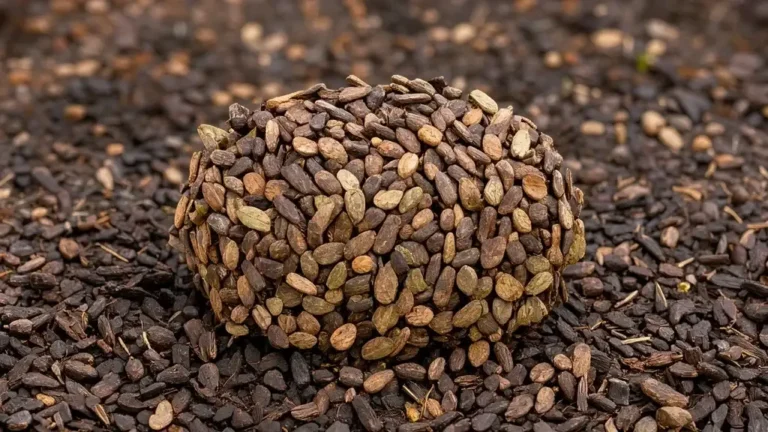
Pine straw creates a soft, layered mat that can hide small animals underneath. Bark nuggets leave larger spaces, especially after rain washes soil away. Leaf mulch breaks down into damp material that supports insects, worms, and other small prey.
Rubber mulch doesn’t provide food, and it may create fewer natural gaps when installed tightly. Still, snakes can rest beneath any material that stays cool, damp, and undisturbed, so rubber isn’t a guaranteed deterrent.
Gravel exposes more ground and drains quickly when installed correctly. It can make movement and hiding harder, but weeds, edging, landscape timbers, and nearby shrubs may still provide shelter.
| Mulch type | Snake appeal | Main reason | Better yard practice |
|---|---|---|---|
| Pine straw | Moderate to high | Soft layers hold moisture and hide prey | Keep the layer thin and rake it regularly |
| Wood chips | Moderate | Loose pieces create gaps and cover insects | Avoid deep piles beside structures |
| Bark nuggets | Moderate | Large pieces leave sheltered spaces | Use an even layer away from doors |
| Leaf mulch | Moderate to high | Damp, decaying material supports prey | Remove buildup and wet pockets |
| Rubber mulch | Low to moderate | Less natural food, but shade remains | Keep edges clean and dry |
| Gravel | Low as a hiding surface | Open, draining ground offers fewer gaps | Control weeds and nearby clutter |
No mulch type should be treated as a snake-proof barrier. Habitat around the mulch often matters more than the material itself.
Which Mulch Attracts Snakes, Bugs, and Mice?
Mulch attracts snakes indirectly when it supports the insects, amphibians, or rodents that snakes hunt. The chain usually looks like this: thick mulch holds moisture, moisture supports small prey, and prey gives a snake a reason to pass through or stay nearby.
The answer to does mulch bring bugs depends on the material, moisture, age, and how long the mulch sits undisturbed. Fresh mulch may contain small insects, while older damp mulch can support ants, beetles, termites near damaged wood, earwigs, slugs, and other decomposers.
Not every bug brings snakes. A few harmless beetles won’t turn a garden into a snake magnet, but a constant supply of insects can support frogs, lizards, and rodents, which may attract larger predators.
Rodents matter more around homes. Mulch piled against a shed, garage, or foundation gives mice a covered route, especially when nearby grass grows tall or birdseed spills onto the ground.
People often ask, does mulch attract mice? Mulch can give mice cover, but food and nearby shelter usually decide whether mice stay. Dense vegetation, fallen fruit, pet food, compost, and gaps under sheds can matter just as much.
Snakes also need a place to retreat. Wood piles, rock borders, irrigation boxes, dense ground cover, abandoned pots, and stacked pavers can create better shelter than mulch alone.
A practical yard story
I once pulled back a thick layer of damp mulch beside a shrub and found a busy pocket of insects underneath. No snake was there, but the spot made the larger issue obvious: the bed had become cool, shaded, and undisturbed enough to support prey.
That small inspection changed my approach. I started thinning the mulch, clearing the edge, and checking the nearby storage area instead of blaming the mulch itself.
If you want fewer bugs around the bed, mulch that repels bugs can help with surface conditions, but no mulch removes every insect. Drainage, cleanup, plant spacing, and regular disturbance still matter.
How deep should mulch be?
Most planting beds work well with roughly 2 to 3 inches of mulch, depending on the material and plant needs. Deeper layers can hold too much moisture, cover plant crowns, hide pests, and make inspection harder.
Keep mulch several inches away from tree trunks, shrubs, siding, and foundation walls. A clear strip gives you a visible inspection line and reduces damp contact with the building.
Mulch shouldn’t form a mound against a wall. Water can collect there, insects can settle in, and mice gain a protected travel lane. A gentle, even layer works better than a thick volcano shape around plants.
A bed designed for best mulch for ground cover may need different material than a narrow strip beside the house. Ground-cover beds can tolerate broader planting patterns, while foundation beds need visibility, drainage, and room for inspection.
Pro Tip: Pull mulch back before reaching into a dark gap, lifting a pot, or moving a board. Use a rake or long-handled tool first, then wear gloves and closed shoes.
How to Make A Mulched Yard Less Attractive to Snakes
The best approach combines shallow mulch, fewer prey animals, open sightlines, and reduced clutter. Removing one hiding spot helps, but changing several conditions at once gives snakes fewer reasons to remain near living areas.
Start with the areas that affect safety first:
- Clear mulch, leaves, and plant debris from steps, doorways, play equipment, and frequently used paths.
- Trim low branches and dense plants so the soil line stays visible.
- Keep mulch shallow and level, with a clean gap near walls and paved areas.
- Move lumber, pavers, pipes, pots, and storage bins onto raised supports.
- Repair gaps under sheds, porches, gates, and crawl spaces.
- Clean spilled birdseed, pet food, and fallen fruit that can support rodents.
- Fix leaking spigots and irrigation lines so the bed doesn’t stay soggy.
- Inspect the area after heavy rain, then again during warm, active seasons.
You don’t need a bare yard. A healthy garden can still work with open paths, spaced plants, and mulch that doesn’t bury every inch of soil.
Which mulch is least likely to create hiding places?
Gravel usually creates fewer concealed spaces than thick organic mulch, especially when the stone layer remains open, dry, and free of weeds. Thin rubber mulch can also offer less natural food, but neither option prevents a snake from using a shaded edge or nearby structure.
The best choice depends on the bed. Gravel can heat up, shift on slopes, and make planting harder. Organic mulch supports soil health and reduces watering, but it needs regular raking and depth control.
I prefer a modest layer of wood chips in plant beds, paired with a clear perimeter near buildings. It supports plants without turning the whole edge into a deep, damp blanket.
The safe way to get rid of bugs in mulch starts with removing excess moisture and old debris, not spraying harsh chemicals at random. Broad pesticide use can harm helpful insects and may create risks for pets, children, pollinators, and nearby water.
What should you do if you spot a snake?
Keep your distance and give the snake a clear path away from people and pets. Don’t poke it, corner it, grab it, or pour chemicals on it, because a frightened snake may defend itself.
Bring children and pets indoors, then note the snake’s color, pattern, size, and location from a safe distance. A local wildlife professional can help identify and remove a snake when the species is unknown or the animal is trapped near a building.
Treat every unknown snake with caution. Many harmless species resemble venomous species at a quick glance, and an amateur identification can go sideways in a hurry.
If a bite occurs, move away from the snake, call emergency services, and seek medical care immediately. Don’t cut the wound, suck out venom, apply ice, or use a tight tourniquet.
What mulch habits cause the most trouble?
The biggest problems usually come from deep buildup, poor drainage, and clutter beside structures. Mulch becomes more inviting when it hides the ground so completely that nobody notices rodent holes, wet soil, shed gaps, or decaying boards.
Watch for these trouble signs:
- Mulch deeper than the bed needs.
- A damp smell or standing water after rain.
- Holes, droppings, or narrow runways near the edge.
- Dense weeds growing through the mulch.
- Boards, stones, or pots resting directly on the ground.
- Cracks beneath doors, sheds, decks, or retaining walls.
- Birdseed or fallen fruit mixed into the bed.
A quick monthly inspection can catch these issues before they turn into a bigger cleanup. Rake lightly, check the perimeter, and replace only the mulch that has washed away or decomposed.
Important Tip: Don’t use mothballs, sulfur, gasoline, bleach, or homemade chemical mixtures as snake repellents. These products can harm people, pets, soil, and wildlife while failing to solve the shelter or food problem.
Do commercial snake repellents work better than mulch changes?
Commercial repellents have mixed results, and scent products rarely solve a yard that offers food and shelter. A snake can tolerate an unpleasant smell when a cool hiding place or reliable prey sits nearby.
Physical changes usually give you more control. Seal entry gaps, remove clutter, improve drainage, and keep the area visible before spending money on a product that may wash away after one storm.
Motion sprinklers and fencing can help in select situations, but installation details matter. A fence needs a tight bottom edge and few gaps, while a sprinkler works only when its sensor covers the approach route.
- Mulch doesn’t attract snakes as food.
- Thick, damp mulch can provide cover and support prey.
- Bugs and mice often matter more than the mulch material.
- Shallow mulch, clean edges, and sealed gaps reduce risk.
- Unknown snakes deserve distance, not homemade treatment.
Choosing Mulch Near Your Home
Choose mulch based on plant needs first, then reduce snake-friendly conditions through depth, placement, drainage, and cleanup. A mulch bed doesn’t need to become sterile or bare; it needs enough structure for plants without hiding every problem at ground level.
For a foundation bed, use an even layer that leaves the wall, siding, and plant crowns visible. For a vegetable garden, keep paths clear and remove damaged produce promptly. Around a shed, the cleanest option may be a wider gravel strip paired with sealed openings.
A sunny, open bed dries faster than a shaded bed under dense shrubs. That difference can matter more than whether the bag says bark, chip, or straw.
How often should mulch be checked?
Check mulch after major rain, during warm weather, and whenever you notice new holes or rodent signs. Most beds don’t need a full replacement every season, because adding a thin top layer may be enough when the existing mulch remains clean and at the right depth.
Rake gently rather than turning the bed into a cloud of dust. Look beneath boards and pots only after using a tool to move them, and keep your hands out of unseen spaces.
Mulch that smells sour, stays soaked, or has persistent pest activity needs attention. Remove the problem material, correct the drainage, and inspect the nearby structure before adding anything fresh.
Can plants repel snakes?
No plant reliably keeps snakes out of a yard. Strong-smelling herbs and ornamental plants may change the scent of a small area, but they don’t remove shelter, prey, or entry gaps.
Use plants for sunlight, drainage, and visibility instead. Low, spaced plants let you inspect the soil, while dense ground covers can hide both rodents and snakes.
A neat transition works well: taller plants toward the back, open mulch around the base, and a visible border beside paths or walls. That layout looks good and makes routine checks less of a chore.
FAQs About Do Snakes Like Mulch
Does mulch attract snakes to a yard?
Mulch can make a yard more usable to snakes by providing shade, moisture, and cover, but mulch alone doesn’t usually attract snakes from far away. Snakes respond more strongly to prey, water, hiding places, and access to structures. Deep mulch beside a shed offers more shelter than a thin, dry layer in an open bed.
What mulch keeps snakes away?
No mulch reliably keeps snakes away. Gravel may provide fewer hiding spaces than deep pine straw, wood chips, or leaf mulch, but nearby weeds, rocks, stacked materials, and rodent activity can still attract snakes. The strongest approach combines shallow mulch with clean edges, sealed gaps, good drainage, and less available prey.
Do snakes hide under wood mulch?
Yes, snakes can rest under wood mulch when the material stays cool, damp, and undisturbed. Wood mulch doesn’t provide food, so the attraction usually comes from shelter or prey living below it. Rake the surface carefully, keep the layer modest, and use a tool before moving clumps near buildings.
Does cedar mulch repel snakes?
Cedar mulch doesn’t reliably repel snakes. Cedar’s strong odor may seem unpleasant to people, but snakes can still use the area when it offers shade, moisture, insects, rodents, or a protected entry point. Choose cedar for plant and appearance needs, then handle snake concerns through habitat cleanup.
Should mulch touch a house foundation?
No, mulch shouldn’t sit against a foundation, siding, door threshold, or wooden wall. A clear inspection gap helps you spot moisture, insects, rodent holes, and snake movement while reducing sheltered routes into the building. The exact gap depends on the structure and local conditions, but direct contact is poor practice.
A Better Mulch Plan for Your Yard
Mulch doesn’t deserve all the blame when snakes appear. The real issue is usually a package deal: thick cover, damp soil, available prey, clutter, and a nearby place to hide.
My practical choice is a moderate mulch layer in planting beds, a clear strip beside structures, and regular checks after rain. That setup keeps the garden healthy without giving pests a dark, soggy hideout right beside the door.
Start with one bed today. Pull mulch away from the wall, remove hidden clutter, check for rodent signs, and correct any wet spot. Those small changes give you a cleaner yard, better visibility, and fewer reasons for snakes to linger.

I’m Maya L. Greenwood, a lifelong plant lover who believes anyone can grow something beautiful with the right guidance. After years of testing soil mixes, pruning methods, irrigation tricks, and pest-safe solutions, I started EasyGardenTips.com to turn hard-won lessons into step-by-step advice. From seed starting and container gardens to composting and seasonal checklists, my goal is to make gardening simple, sustainable, and fun.