What Is Digging Holes in My Mulch? Animals to Blame
Small holes in mulch usually come from squirrels, skunks, raccoons, birds, chipmunks, or pets searching for food and insects. The hole size, shape, location, nearby tracks, and digging time can reveal the culprit, while simple changes to food sources, mulch depth, and barriers usually stop the damage.
Are you finding fresh holes in mulch every morning? Do the holes appear overnight, even after you smooth the bed?
Guessing can waste time and money, especially if you keep adding mulch while an animal keeps turning it over.
You’ll learn how to match hole patterns to common animals, check tracks and droppings safely, and stop repeated digging without damaging your plants.
A correct match helps you avoid harming harmless wildlife, protect flower roots, and keep mulch from spreading across walkways. A poor match can lead to useless repellents, damaged soil, or a bigger pest problem hiding under the surface.
This takes about 9 minutes to read. By the end, you’ll know how to:
- Match hole size and shape to the likely animal.
- Check a mulch bed for tracks, food scraps, and grubs.
- Choose humane fixes that fit your yard.
- Know when digging points to termites, rodents, or a larger problem.
What Is Digging Holes in My Mulch?
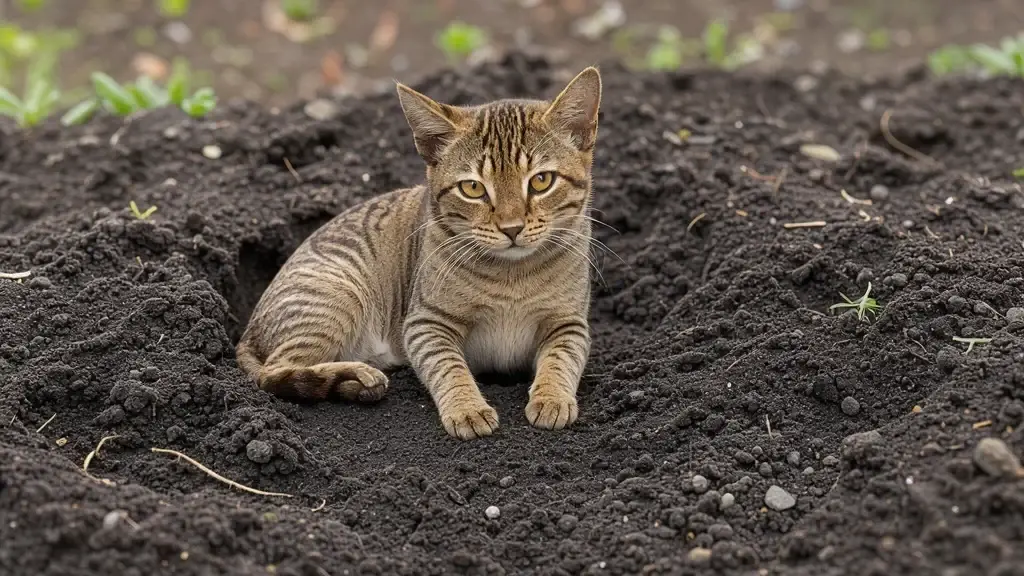
The most likely animals digging holes in mulch are squirrels, skunks, raccoons, chipmunks, birds, and neighborhood pets. Small shallow holes usually mean an animal is hunting insects or burying food, while wider torn-up areas often point to skunks or raccoons searching for grubs.
Start with the evidence instead of the hole alone. Smooth the mulch flat in the evening, place a ruler beside the bed, and check the area at first light.
- Measure the opening. A hole about 1 inch wide may come from a squirrel or chipmunk, while a 3- to 5-inch disturbed patch can point to a skunk or raccoon.
- Check the mulch surface. Look for paw prints, claw marks, scattered mulch, feathers, fur, or food scraps.
- Note the location. Holes beside trees often come from squirrels, while holes near trash cans, compost, or pet bowls may involve raccoons or rodents.
- Track the timing. Fresh damage overnight suggests nocturnal animals, while holes that appear during the day often involve squirrels, birds, or pets.
- Remove attractants before adding a repellent. Pet food, fallen fruit, birdseed, and exposed compost can keep drawing animals back.
A single small hole does not always mean a pest infestation. Animals may make one quick dig, find nothing useful, and leave the bed alone afterward.
What The Hole Pattern Tells You
The hole’s edges can be more useful than its depth. A clean, round opening suggests probing or buried food, while a ragged patch with mulch flung outward suggests active feeding.
| What you find | Most likely cause | What the animal may be doing |
|---|---|---|
| Small round holes, 1 to 2 inches wide | Squirrels or chipmunks | Burying nuts or checking old food caches |
| Tiny peck marks across the surface | Birds | Pulling out insects, larvae, or worms |
| Shallow cone-shaped pits | Skunks | Searching for grubs under damp mulch |
| Broad torn patches, 3 to 6 inches wide | Raccoons or skunks | Turning mulch over to hunt insects |
| Narrow tunnels or holes near foundations | Mice, voles, or rats | Traveling, nesting, or reaching food |
| One large loose patch near a fence | Dog or cat | Burying, chasing, or investigating a scent |
| Damp sawdust, mud tubes, or wood damage | Termites or other wood pests | Moving through soil or feeding near wood |
A hole beside a healthy shrub does not prove the shrub caused the problem. The animal may simply be using soft mulch as an easy digging surface.
Pro Tip: Take a phone photo before you rake the mulch smooth. Comparing fresh photos for several mornings can reveal a pattern your eyes miss during a quick walk past the bed.
How Can You Identify the Animal Digging?
You can identify the animal by combining hole size, tracks, time of activity, and nearby food clues. No single sign gives a perfect answer, but four matching clues usually narrow the list quickly.
Squirrels And Chipmunks
Squirrels make small, neat holes while burying acorns, walnuts, and other food. Chipmunk holes often appear beside rocks, retaining walls, steps, or foundations because those spots offer cover.
A squirrel may return to several spots in one bed, then ignore the area for days. Chipmunks tend to use the same protected routes and may leave tiny tracks in soft soil.
Squirrels also pull up bulbs and loosen newly planted annuals. If the mulch contains fresh nut shells, the case gets much easier.
Skunks And Raccoons
Skunks create shallow, cone-shaped holes as they hunt grubs, which are soft-bodied beetle larvae living in soil. Raccoons make larger, rougher disturbances and may leave mulch scattered several inches away.
Skunk damage often appears in damp weather because moist soil brings insects closer to the surface. Raccoons may return to beds near garbage, compost, outdoor pet food, or a water source.
Could a small hole still come from a large animal? Yes, because a skunk can make a narrow probe hole with its snout, even though the animal itself is much bigger.
I once found a bed that looked as if someone had poked it with a stick all night. The pattern turned out to be shallow skunk probes, and reducing lawn grubs helped more than any scent spray I tried.
Birds
Birds leave small punctures, loose feathers, and scattered bits of bark or mulch. Robins, starlings, crows, and jays may search garden beds for worms, beetle larvae, and other insects.
Bird damage usually looks lighter than mammal damage. The mulch may stay mostly in place, with many tiny holes spread across a broad area.
Birds can also pull mulch aside while searching near plant stems. A temporary layer of garden mesh, held above the soil, can protect a new bed while you address the insect supply.
Mice, Voles, And Rats
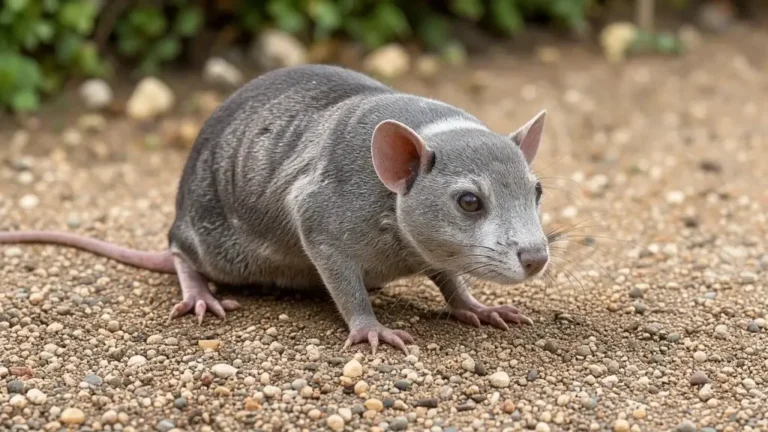
Rodents leave narrow holes, runways, or openings beside foundations, dense ground cover, wood piles, and thick mulch. Voles are small plant-eating rodents that travel through surface paths, while mice and rats often seek shelter and food.
Rodent holes may connect to protected spaces rather than stopping at the mulch surface. Look for clipped stems, gnaw marks, droppings, or compressed paths through the bed.
Mulch itself does not create rodents from thin air, but thick, undisturbed mulch can give rodents cover. Research on whether mulch attracts mice often comes down to shelter, food, moisture, and nearby hiding places rather than the mulch label alone. The marker above is the site’s internal article reference.
Insects And Soil Life
Some holes come from insects, earthworms, or ground-nesting bees instead of animals tearing through mulch. Small openings with loose soil may indicate ground-nesting bees, which are usually active for a short season and rarely defend the nest aggressively.
Ants can also move mulch while building shallow tunnels. If you notice many insects around the bed, the issue may be connected to the mulch’s moisture and organic material.
Does mulch bring bugs into every garden? No, but moist organic mulch can provide food and shelter for insects, especially when it touches siding, stays wet, or sits in a thick layer. A helpful guide to mulch and common bugs can help separate normal decomposers from pests that need action.
Do not pour gasoline, bleach, boiling water, or harsh pesticide mixtures into a hole. Those products can injure roots, contaminate soil, kill useful insects, and harm pets or wildlife.
Important Tip: Wear gloves when moving mulch, and wash your hands afterward. If you find droppings, nesting material, or a dead animal, avoid bare-hand contact and keep children and pets away.
Signs That Point Beyond Surface Digging
A few holes rarely signal a major structural problem. Call a qualified pest professional if you find active termite tubes, repeated rodent entry near the foundation, chewed wiring, hollow-sounding wood, or damage that keeps expanding after food sources are removed.
Termites do not usually make random open holes across decorative mulch. They may travel through hidden soil routes, though, especially near damp wood or a foundation.
Mulch near a house deserves extra care. Keep it from touching siding, doors, vents, or wood trim, because constant moisture can invite decay and make inspections harder.
How Do You Stop Animals from Digging in Mulch?
The best way to stop mulch digging is to remove food and shelter first, then add a physical barrier where needed. Repellents can help with repeat visits, but they work poorly when pet food, grubs, fallen fruit, or birdseed remains nearby.
1. Remove Easy Food
Pick up fallen fruit, clean spilled birdseed, secure garbage lids, and bring pet bowls indoors at night. Empty compost containers need tight-fitting lids, especially if raccoons or rodents visit.
If skunks keep probing, check for lawn grubs or overwatered soil. Treating a suspected grub problem should follow the product label and local rules, since broad pesticide use can hurt pollinators and other helpful insects.
2. Adjust The Mulch Bed
Keep mulch about 2 to 3 inches deep around most ornamental plants, with a few inches of bare space around trunks and stems. Thick piles hold moisture against plant tissue and give small animals a softer tunnel roof.
Rake disturbed mulch back into place after removing debris. A clean surface makes fresh holes easier to spot, and it stops one animal from turning an old dig into a regular route.
What mulch stays in place during heavy rain and animal activity? Chunkier bark, shredded hardwood, and other heavier materials usually shift less than very light, fluffy mulch, though bed slope and rainfall still matter. A guide to mulch that stays put covers materials that resist floating and washing away.
3. Add A Physical Barrier
For bulbs, seedlings, and freshly planted beds, a barrier often beats a spray. Use hardware cloth with openings no larger than 1/2 inch for small rodents, and secure the edges under the mulch so animals cannot lift the mesh.
Keep metal mesh a little above delicate leaves when possible. Direct contact can rub stems and leaves in wind, leaving cuts that invite disease.
For squirrels and chipmunks, cover only the vulnerable zone rather than the whole yard. A ring of mesh around bulbs or a newly planted shrub takes less effort and looks better than a blanket of wire across the entire bed.
4. Reduce Hiding Places
Trim dense ground cover near foundations, move lumber and brush away from the house, and keep weeds from forming a thick canopy over the mulch. Rodents feel safer when they can travel without crossing open ground.
A narrow strip of visible soil beside a foundation also makes new tunnels easier to spot. Leave enough clearance for drainage and inspection instead of piling mulch against the wall.
5. Use Repellents Carefully
Commercial animal repellents may contain odors or tastes that discourage repeat digging. Rain, irrigation, temperature, and animal motivation affect how long a repellent works, so follow the label and plan for reapplication.
Hot pepper products can irritate eyes, noses, and paws. Keep them away from windy locations, children’s play areas, and places where pets rub their faces.
Some gardeners choose aromatic bark or plant-based materials because they prefer a lower-odor approach. A practical comparison of mulch choices for fewer bugs can help you weigh scent, moisture, texture, and how often the material needs replacement.
6. Protect The House From Termites
Keep mulch below siding and away from wood trim, door thresholds, and vents. Check for damp spots, leaking downspouts, and direct contact between soil, mulch, and wooden parts of the house.
Will mulch attract termites by itself? Not usually, but damp wood, poor drainage, and hidden contact points can create conditions termites like. Guidance on mulch and termite concerns explains why placement and moisture matter more than a simple yes-or-no answer.
When Traps Or Removal Make Sense
Do not trap and relocate wildlife casually. Local rules may restrict trapping, and moving an animal can spread disease or leave young animals behind.
A licensed wildlife professional can handle raccoons, skunks, bats, or persistent rodents more safely. This choice makes sense when an animal enters the attic, chews wiring, behaves strangely, or keeps returning despite food and shelter changes.
Pro Tip: Fix the reason for the visit before buying a stronger repellent. A skunk hunting grubs will ignore a pleasant-smelling mulch, while a squirrel may keep digging until buried food is no longer easy to find.
- Small neat holes usually point to squirrels or chipmunks.
- Shallow cone-shaped holes often point to skunks hunting grubs.
- Broad torn patches fit raccoons or larger animals.
- Food removal and physical barriers work better than scent alone.
FAQs About What Is Digging Holes in My Mulch
Why Are There Small Holes In My Mulch Overnight?
Small holes in mulch overnight usually come from squirrels, chipmunks, skunks, or birds searching for food. Squirrels and chipmunks make neat openings, while skunks leave shallow cone-shaped probes and birds leave tiny peck marks across the surface.
Do Coffee Grounds Stop Animals From Digging In Mulch?
Coffee grounds rarely stop animals reliably because rain and irrigation wash away their odor quickly. Coffee grounds can also alter the mulch surface without removing the food source, so barriers, clean beds, and sealed garbage usually work better.
Will A Thicker Layer Of Mulch Stop Digging?
A thicker mulch layer usually will not stop digging and may give rodents more cover. Keep most ornamental mulch about 2 to 3 inches deep, leave space around plant stems, and use buried hardware cloth for bulbs or seedlings that animals keep disturbing.
Are Holes In Mulch A Sign Of Termites?
Holes in mulch alone are not a reliable sign of termites. Termite activity more often involves mud tubes, damp wood contact, hollow-sounding wood, or hidden routes near a foundation, so a pest professional should inspect repeated structural signs.
Should You Fill Animal Holes In Mulch?
Fill animal holes in mulch after checking for nests, tunnels, droppings, or active wildlife. Rake the mulch level, remove nearby food, and watch for fresh damage for several mornings before adding a barrier or changing the bed.
Can Pets Be The Cause Of Holes In Mulch?
Pets can cause mulch holes by burying toys, chasing scents, or digging near plant roots. Fresh paw prints, wider scooped areas, and damage that appears while pets are outside point toward a pet rather than a nocturnal wild animal.
A Simple Plan for Your Mulch Bed
The practical verdict is straightforward: identify the animal before treating the mulch. Hole size, digging style, timing, tracks, and nearby food usually tell you enough to choose a sensible fix.
Start tonight by smoothing one small area and removing pet food, fallen fruit, and spilled seed. Check the bed in the morning, then use a barrier around the plants that matter most.
In my view, physical protection is the most dependable first move because rain cannot wash away a piece of well-secured mesh. Once the food and hiding places are under control, most mulch digging becomes a minor nuisance instead of a daily battle.

I’m Maya L. Greenwood, a lifelong plant lover who believes anyone can grow something beautiful with the right guidance. After years of testing soil mixes, pruning methods, irrigation tricks, and pest-safe solutions, I started EasyGardenTips.com to turn hard-won lessons into step-by-step advice. From seed starting and container gardens to composting and seasonal checklists, my goal is to make gardening simple, sustainable, and fun.