How to Get Black Mulch Stain Off a Driveway or Patio
Black mulch stains usually come off a driveway with dish soap, water, a stiff nylon brush, and patience. Fresh tannins and dye lift fastest, while old marks may need oxygen bleach or a pressure washer used carefully for the surface.
Did rain carry dark mulch water onto your concrete after a bed cleanup? Are you worried that scrubbing harder will leave a pale, rough patch beside the stain?
You’ll learn how to match the cleaner to concrete, pavers, asphalt, and sealed surfaces, plus how to handle fresh drips, dried rings, and stubborn black streaks.
Get the steps right, and you can remove the stain without damaging the driveway finish, wasting cleaner, or turning one dark mark into a bigger light one. Skip the surface check, and strong chemicals or high pressure can etch concrete, strip sealer, or soften asphalt.
This takes about 9 minutes to read, then you can tackle the job with a short plan:
- Identify the driveway material before applying cleaner.
- Lift loose mulch and rinse without spreading the stain.
- Use the mildest cleaning method that fits the mark.
- Handle old stains without bleaching a clean halo around them.
How to Get Black Mulch Stain Off Driveway: Complete Method

The safest method starts with dry removal, moves to dish soap, and only steps up to oxygen bleach or controlled pressure when the stain stays behind. Work in shade on a cool surface, and test every cleaner in a hidden spot before treating the visible area.
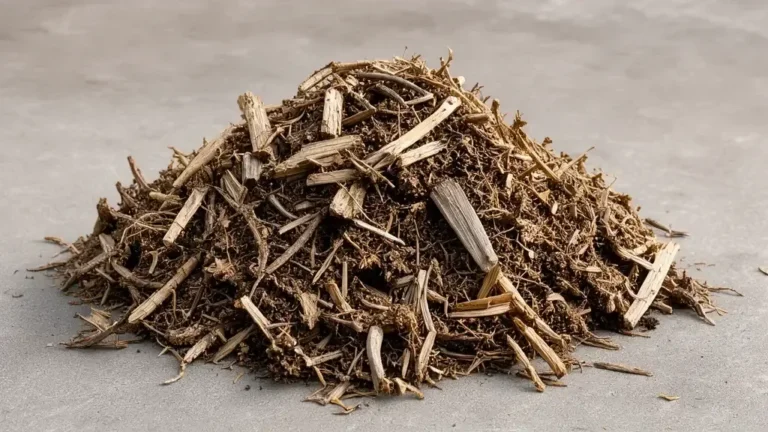
Black mulch can leave two kinds of marks. Tannins are natural brown compounds released by wet wood, while black colorant can add a gray, purple, or charcoal cast. Both marks settle into the pores of unsealed concrete, especially after several rainy days.
Start With The Surface
Check the material before you grab a cleaner. Concrete handles gentle alkaline soap well, but asphalt contains petroleum binders that can soften or discolor with harsh solvents, and pavers may have sand joints or a sealer that reacts differently.
| Driveway or patio surface | First cleaning choice | What to avoid |
|---|---|---|
| Unsealed concrete | Dish soap, warm water, nylon brush | Muriatic acid and aggressive pressure |
| Sealed concrete | Mild soap and soft-to-medium brush | Solvents and long chemical dwell times |
| Concrete pavers | Dish soap, careful rinsing | Blasting joint sand away |
| Asphalt | Mild dish soap and cool water | Gasoline, paint thinner, strong degreasers |
| Natural stone | Stone-safe cleaner and soft brush | Vinegar, bleach, and abrasive pads |
| Painted or coated surface | Manufacturer-approved cleaner | Scrubbing until the coating turns dull |
Important Tip: Never start with muriatic acid. Acid can etch concrete, harm nearby plants, damage metal edging, and leave a lighter patch that looks worse than the mulch stain.
Follow These Cleaning Steps
-
Remove dry mulch first. Pick up chips by hand or sweep them away with a soft broom. Don’t grind wet pieces into the surface, because the colorant and tannins can spread into a larger patch.
-
Rinse from the clean side toward the dirty side. Use a garden hose with a fan-shaped stream. A focused jet can push black water into expansion joints, paver seams, or tiny surface cracks.
-
Mix a mild cleaner. Add about 1 tablespoon of liquid dish soap to 1 gallon of warm water. A grease-cutting dish soap works well because it breaks the oily film that can hold fine mulch dust against the pavement.
-
Apply and scrub. Spread the solution over the stain, let it sit for about 5 minutes, then scrub with a stiff nylon brush. Use overlapping circles on concrete, but brush along the texture of pavers so you don’t pull joint sand loose.
-
Rinse fully. Flush the area with plenty of clean water, again moving toward the lawn or drain without flooding a garden bed. Leftover soap can trap dirt and create a dull film.
-
Let the surface dry. Damp concrete can hide a stain, so wait until the area has dried before judging the result. A mark that remains after one gentle round may need a second treatment rather than a much stronger chemical.
What if the stain lightens but doesn’t disappear after one pass? Repeat the soap treatment once, then move to oxygen bleach instead of immediately reaching for chlorine bleach or acid.
For stubborn marks on unsealed concrete, mix a powdered oxygen bleach product with water according to its package directions. Oxygen bleach uses peroxide-based compounds to loosen organic color, and it generally gives you more control around plants than chlorine bleach, though every product still needs careful handling.
Before applying oxygen bleach, wet nearby plants and cover delicate metal if the product label calls for it. Apply the solution to the damp stain, let it work for the label’s stated time, scrub with nylon, and rinse until no cleaner remains.
Pro Tip: Keep the cleaning area small, about 2 to 3 feet beyond the visible mark. Blending outward with a little clean water helps prevent a sharp light border on older concrete.
A pressure washer can help with porous concrete, but pressure is not a substitute for cleaner. Hold the wand at least 12 inches from the surface, use a wide fan tip, keep the spray moving, and start with the lowest useful pressure. Never aim directly at a paver joint or asphalt edge.
I prefer cleaning chemicals first and pressure second. A pressure washer can remove the stain while also cutting a stripe into soft concrete, lifting joint sand, or exposing a rough aggregate texture.
Why Black Mulch Stains Driveways and How to Prevent Them
Black mulch stains driveways when rain pulls dissolved wood compounds and colorant out of the mulch, then carries the dark runoff across a porous surface. Flat areas, low spots, rough concrete, and fresh mulch piles hold more colored water, so they tend to show the strongest marks.
The kind of mulch matters, too. Fresh shredded wood can release more color during its first heavy rains, while dyed mulch may leave a stronger surface tint than plain bark. A thick pile against a driveway edge acts like a wet tea bag, only less charming.
I once scrubbed a dark runoff line that looked permanent because the mulch had sat against a concrete edge through repeated rain. The stain faded after two gentle soap treatments and a controlled oxygen-bleach wash, which reminded me that patience beats attacking the pavement with the strongest product in the shed.
Keep Mulch Away From Pavement
Leave a narrow buffer between the mulch bed and the driveway. A strip of soil, decorative stone, or edging gives runoff somewhere to slow down before it reaches concrete.
Use these simple controls:
- Keep mulch below the top of the edging.
- Shape the bed so water moves away from the driveway.
- Avoid piling mulch against garage thresholds or patio slabs.
- Sweep loose chips off pavement before heavy rain.
- Refresh thin areas instead of adding a thick new layer over old mulch.
Routine care makes cleanup easier. A practical guide to maintaining mulch can help you manage depth, keep edges tidy, and reduce the wet piles that produce dark runoff.
How much mulch should sit beside a driveway? A common working depth is about 2 to 3 inches, though local drainage and the mulch type can change that choice. Deeper piles stay wet longer and can shed more colored water during storms.
Choose Mulch With The Runoff In Mind
Black mulch usually gets its dark color from a water-based dye, carbon-based colorant, or naturally dark wood, depending on the product. Color strength, sunlight exposure, rainfall, and the age of the wood all affect how the mulch looks and how much color can wash out.
If a dark bed keeps staining the pavement, compare products before simply replacing the same mulch. A guide to the best black mulch can help you compare texture, color depth, and how the mulch fits the bed.
Full sun can fade some black mulch faster than shade. Stronger color retention may matter more than the lowest bag price if you hate yearly touch-ups, and a comparison of black mulch that resists fading can help narrow the choices.
The phrase “doesn’t fade” deserves a careful read. No dyed organic mulch stays unchanged forever under intense sun and rain, so check the product label for colorant details, expected service conditions, and any care instructions.
You can also refresh an existing bed with a labeled mulch colorant. A guide to coloring mulch at home covers the basic idea, but keep any colorant on the soil and mulch, not on the driveway. Overspray can create the very stain you’re trying to prevent.
Use Edging Without Creating New Problems
Plastic, metal, stone, and concrete edging can all work, but the edge must shed water instead of trapping it. A low spot beside a rigid edge can hold black runoff against the pavement for hours.
Avoid sealing every gap with a thick bead of caulk unless the edging system calls for it. Water needs a controlled path, and trapping moisture against concrete may cause other problems during freezing weather.
Mulch also breaks down with time. As organic material decomposes, it becomes finer and holds moisture differently, so the runoff pattern can change from one season to the next. How long mulch lasts depends on material, depth, weather, and foot traffic, so old mulch may need removal before a fresh layer goes down.
Pro Tip: Take a quick photo of the driveway edge after installing fresh mulch. A photo makes it easier to spot new runoff paths before a dark ring has time to settle.
Tough Stains, Surface-Specific Fixes, and Mistakes
Old black mulch stains need slower treatment, not automatically stronger treatment. The right fix depends on whether the mark sits on the surface, inside concrete pores, between pavers, or in the softer top layer of asphalt.
Concrete And Pavers
For unsealed concrete, repeat the mild soap method before trying a stronger cleaner. If the mark remains, use oxygen bleach according to the label, scrub with nylon, and rinse thoroughly.
For pavers, keep the cleaning stream and brush away from the joints. If sand washes out, let the area dry and refill the joints with compatible paver sand after cleaning.
Sealed concrete needs extra care because the stain may sit on the sealer rather than inside the slab. Start with diluted dish soap and a soft brush, then stop if the finish turns cloudy, tacky, or noticeably dull.
Don’t use a wire brush. Steel bristles can scratch coatings, leave metal particles behind, and create tiny rust-colored marks that look like a second stain.
Asphalt
Asphalt needs the gentlest approach. Use cool water, a small amount of dish soap, and a soft or medium nylon brush, then rinse without soaking the area for a long time.
Avoid gasoline, kerosene, paint thinner, acetone, and strong solvent degreasers. Those products can soften the binder in asphalt, spread the dark mark, or change the surface texture.
If the asphalt is warm, wait until the pavement cools before cleaning. Warm asphalt can feel firm while still becoming more vulnerable to aggressive brushing and chemical contact.
A faded black mulch mark on asphalt may not respond fully because the color has mixed with the surface binder. In that case, a paving contractor can judge whether cleaning, sealcoating, or simple aging will give the best result.
Natural Stone And Coated Surfaces
Natural stone varies widely. Limestone and some other porous stones can react badly to acids, while sealed stone may lose its finish from harsh alkaline cleaners or abrasive scrubbing.
Use a cleaner labeled for the specific stone, test a hidden area, and rinse well. If the patio has paint, epoxy, or another coating, follow the coating maker’s cleaning directions instead of treating the surface like bare concrete.
Do you need a pressure washer for a stain that has already dried? Not usually. Cleaner, dwell time, and a brush often do more useful work, while pressure becomes helpful only after loose residue has been softened.
Common Mistakes That Make Stains Worse
- Scrubbing dry mulch into the pavement.
- Starting with a narrow pressure-washer tip.
- Letting a cleaner dry on the surface.
- Mixing bleach with vinegar, ammonia, or other cleaners.
- Rinsing dirty water into a flower bed without checking plant sensitivity.
- Treating only the darkest center and leaving a visible cleaning ring.
- Using a wire brush on sealed concrete or painted patio coatings.
Important Tip: Wear gloves and eye protection when handling oxygen bleach or any concentrated cleaner. Keep children and pets away until the surface has been rinsed and dried.
Work on a calm day if possible. Wind can carry spray onto siding, vehicles, outdoor furniture, or delicate leaves, and a breezy afternoon can turn a small cleanup into a frustrating scavenger hunt.
When The Stain Won’t Budge
If two careful cleaning rounds produce little change, stop escalating randomly. The stain may be below the surface, the pavement may already be discolored, or the visible mark may come from soil, rust, tire residue, or a damaged sealer rather than mulch.
A professional cleaning contractor can test a small area with surface-appropriate equipment. Ask what pressure, cleaner, and recovery method will be used, especially if the driveway contains asphalt, decorative concrete, natural stone, or fragile joints.
For a small concrete stain, a poultice-style cleaner may draw color from the pores, but products vary and can leave a light patch if used carelessly. I wouldn’t use one unless the label matches the surface and a hidden test area looks clean after drying.
- Start dry, then use dish soap and warm water.
- Match the cleaner to concrete, asphalt, pavers, stone, or coatings.
- Use oxygen bleach for stubborn organic color on suitable surfaces.
- Prevent repeat stains with cleaner bed edges and controlled runoff.
FAQs About How to Get Black Mulch Stain Off Driveway
Will black mulch stains come off concrete?
Yes, most black mulch stains on concrete fade or disappear with dish soap, a nylon brush, and thorough rinsing. Older tannin marks may need a second treatment with oxygen bleach made for outdoor surfaces, but unsealed concrete and sealed concrete require different dwell times and test spots.
Can vinegar remove black mulch stains from a driveway?
Vinegar isn’t a good first choice for black mulch stains because its acid can affect concrete, natural stone, metal edging, and nearby plants. Dish soap works better on fresh runoff, while oxygen bleach is a safer next step for organic discoloration on compatible surfaces.
Is bleach safe for removing mulch stains?
Oxygen bleach can work on suitable unsealed concrete when the label permits outdoor use, but chlorine bleach needs more caution around plants, metals, coatings, and runoff. Never mix bleach with vinegar, ammonia, or another cleaner, and rinse the pavement completely after treatment.
How do you remove black mulch stains from asphalt?
Use cool water, a small amount of dish soap, and a soft nylon brush on asphalt. Avoid solvents, gasoline, paint thinner, and strong degreasers because asphalt’s binder can soften or discolor, especially during hot weather or after long chemical contact.
Can a pressure washer remove black mulch stains?
Yes, a pressure washer can help lift softened stains from sound concrete, but it can damage pavers, asphalt, coatings, and weak concrete. Use a wide fan tip, keep the wand moving at least 12 inches away, and start with low pressure after applying a suitable cleaner.
Keep the Driveway Clean After Mulch Work
Black mulch stains usually respond best to a calm, staged cleanup: remove loose mulch, wash with dish soap, rinse toward a safe drainage area, and give the surface time to dry before judging the result. Stronger products belong later in the process, not at the starting line.
My practical preference is prevention. Keep mulch below the edge, sweep stray chips away before rain, and choose a bed layout that doesn’t funnel water onto the pavement. Take those small steps, and the next cleanup should be a quick rinse instead of a weekend wrestling match with a pressure washer.

I’m Maya L. Greenwood, a lifelong plant lover who believes anyone can grow something beautiful with the right guidance. After years of testing soil mixes, pruning methods, irrigation tricks, and pest-safe solutions, I started EasyGardenTips.com to turn hard-won lessons into step-by-step advice. From seed starting and container gardens to composting and seasonal checklists, my goal is to make gardening simple, sustainable, and fun.