Will Mulch Kill Grass? How to Smother Lawn for a New Bed
Yes, mulch can kill grass when you use a thick, light-blocking layer over closely cut turf, but a thin layer usually won’t. For dependable lawn removal, mow short, cover the grass with overlapping cardboard or several layers of newspaper, soak the cover, then add 4 to 6 inches of mulch.
Have grass blades pushed through a new bed after you worked all afternoon? Are you worried that cardboard, mulch, or both might hurt the soil underneath?
You’ll learn how to smother lawn without digging, choose the right mulch depth, handle stubborn grasses, and prevent new weeds from sneaking through the finished bed.
Do the job carefully, and you get a cleaner planting area, less back strain, and fewer weeds during the first growing season. Skip the cover or spread mulch too thin, and grass can return through seams, edges, and bare spots.
This takes about 9 minutes to read, and the practical payoff is a bed that stays put instead of turning into a grassy wrestling match.
- Kill existing turf with a simple sheet-mulching process.
- Choose between cardboard, newspaper, plastic, and direct mulch.
- Set the right mulch depth for grass control.
- Avoid common mistakes that let runners escape.
- Plant through the finished bed without removing healthy soil.
Will Mulch Kill Grass? the Reliable Way to Smother a Lawn
Mulch can kill grass by blocking sunlight, reducing air movement, and stopping the leaves from making food, but plain mulch works best over already-short grass. A 4-inch layer may smother weak turf, while aggressive grasses with runners can push through gaps unless you add a light-blocking sheet underneath.
The most dependable method is called sheet mulching, which means covering grass with overlapping cardboard or newspaper before adding organic mulch. The cover blocks light immediately, while the mulch holds it down, keeps the surface moist, and slowly breaks down into the soil.
Follow these steps in order:
- Mow the grass as short as the mower safely allows. Leave the clippings in place unless the lawn has heavy weed seed heads or disease.
- Remove large sticks, rocks, and thick clumps of thatch. A little thatch is fine, but dense thatch can create a dry layer between the cover and soil.
- Lay plain brown cardboard or several overlapping newspaper layers. Overlap seams by at least 6 inches, and extend the cover a few inches beyond the planned bed.
- Soak the paper thoroughly. Wet cardboard settles against the ground and makes gaps less likely.
- Add 4 to 6 inches of mulch. Use enough weight to hold the cover down through wind and rain.
- Water the finished bed again. Moisture helps the cardboard soften and brings soil organisms into contact with the material.
- Wait before planting if the turf is aggressive. Two to eight weeks gives stubborn roots more time to run out of stored energy.
A new bed placed over ordinary cool-season lawn may settle quickly. Bermuda grass, quackgrass, nutsedge, and other spreading grasses deserve extra overlap and close edge control because their underground stems can travel sideways.
What happens if you dump mulch straight onto tall grass? The top may turn brown while the crowns stay alive underneath, especially near the bed edge where mulch thins out. You may get a clean-looking bed for a month, then find green blades poking through after warm rain.
The goal isn’t to bury grass under a decorative blanket. The goal is to keep every leaf from getting light long enough for the roots and crowns to weaken.
Which Materials Work Best for Smothering Grass?
Plain cardboard under organic mulch gives the best balance of grass control, soil improvement, and easy planting. Newspaper works well in several overlapping layers, while plastic blocks light more completely but can interfere with water and soil life.
Choose material based on the grass, the bed’s purpose, and how soon you want to plant.
| Cover material | Grass control | Best use | Main drawback |
|---|---|---|---|
| Plain corrugated cardboard | High when overlapped | New flower and shrub beds | Can lift before mulch holds it |
| Newspaper, 6 to 10 sheets | Moderate to high | Small beds and narrow strips | Breaks down quickly when thin |
| Black plastic | Very high | Short-term solarizing or severe turf | Limits air and water movement |
| Landscape fabric | Moderate | Paths and permanent nonplanting zones | Grass can grow through seams |
| Mulch alone | Low to moderate | Weak, short turf with regular upkeep | Missed gaps let grass return |
| Compost plus mulch | Moderate | Soil building with light turf pressure | Compost can contain weed seeds |
Plain, uncoated cardboard is my first choice for a garden bed. Remove glossy paper, packing tape, plastic labels, and heavily printed sections when practical, because those materials don’t break down like plain fiber.
The cardboard needs contact with the soil. Air pockets give grass a little breathing room and create warm, protected channels where roots can keep growing. Flatten folds, overlap seams, and place stones or mulch along edges before wind gets a chance to do its thing.
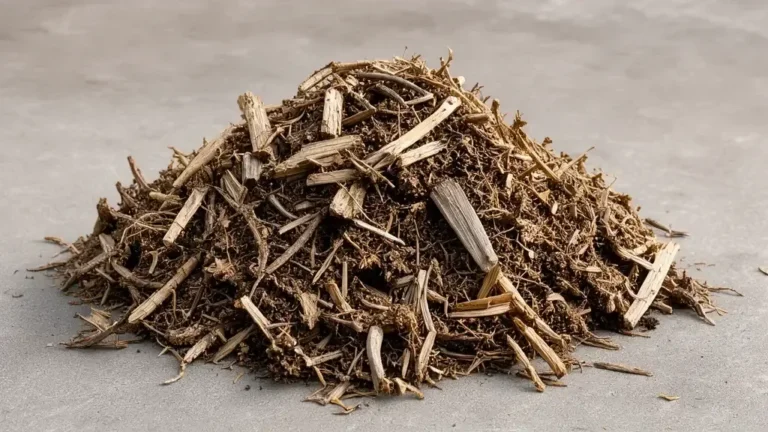
For the best mulch for sheet mulching, use a coarse organic material such as arborist wood chips, shredded bark, or chipped leaves. Fine material can mat together and shed water, while very chunky chips may leave open spaces that expose cardboard to drying air.
The best mulch for weed control depends on thickness and maintenance as much as the material itself. A 3-inch layer of clean wood chips may perform better than 6 inches of poor-quality material that has settled into a thin crust.
Plastic has a place, but it isn’t my pick for a permanent planting bed. Black plastic can kill grass by blocking light, yet water may run away from the soil or collect in low spots, and removing the sheet later can disturb roots.
Could newspaper replace cardboard? Yes, if you use enough layers and overlap every seam generously. Newspaper becomes fragile faster, so a thick mulch layer matters more, especially on a slope or in a windy yard.
A new bed beside a driveway often gets reflected heat and dries quickly. Cardboard covered with wood chips handles that situation more gently than exposed plastic, which can turn the topsoil hot and brittle.
Pro Tip: Keep a few extra pieces of wet cardboard nearby while working. You can patch torn corners and thin seams before mulch hides the problem.
I once relied on mulch alone over a narrow strip of tough lawn because the grass looked weak and tired. Green shoots returned along the sunny edge, and the fix was simple but annoying: I pulled the mulch back, added overlapping cardboard, and rebuilt that border deeper.
That small mistake taught me a useful rule: the bed edge deserves more attention than the middle. Grass usually finds the weak spot where mulch thins, cardboard ends, or a hard surface reflects heat.
For a bed containing roses, shrubs, or young trees, leave space around each trunk or stem. Mulch touching bark holds moisture against the plant and can invite decay, insects, or rodent damage.
How Thick Should Mulch Be to Kill Grass?
Use 4 to 6 inches of mulch over cardboard for reliable grass suppression, then maintain about 3 inches after the material settles. A direct mulch-only application needs more attention because rain, wind, and decomposition reduce depth over time.
Depth matters because sunlight can reach grass through surprisingly thin layers. A 1-inch layer may look finished on day one, but it shifts around roots, washes downhill, and leaves bright openings where turf can recover.
Use this practical depth guide:
- 2 inches: Decorative cover only, not dependable grass removal.
- 3 inches: Useful for maintenance after cardboard has broken down.
- 4 inches: Good starting depth for most sheet-mulched beds.
- 5 to 6 inches: Better for aggressive turf, rough ground, and exposed edges.
- More than 6 inches: Usually unnecessary and can bury plant crowns or raise the bed too high.
Measure depth in several places, not just near the wheelbarrow. Mulch often piles near the delivery point and grows thin at the edges, where the grass is waiting like it owns the place.
Should you remove the grass before adding mulch? You can, but digging isn’t required for most new beds. Removing sod makes the bed lower and can help when the finished grade must match a walkway, yet digging also exposes dormant weed seeds and takes more effort.
If the ground is badly compacted, loosen only the top few inches after laying the cover has been ruled out for that spot. Turning the soil deeply can bring buried seeds to the surface, which creates a second weed problem before the first one is gone.
The bed’s final height needs planning. Six inches of mulch beside a sidewalk can spill onto the walking surface, cover edging, or trap water near a foundation. Leave room for settling, and keep drainage paths open.
Organic mulch shrinks as it decomposes. Wood chips may settle noticeably after wet weather, while shredded leaves collapse faster. Check the bed after a few storms and add enough material to restore roughly 3 inches, rather than piling a fresh mountain on every visit.
If you want to use the area for grass again later, avoid burying it under a permanent weed barrier. Cardboard and organic mulch break down, making future changes easier. Plastic and fabric can become a tangled cleanup job once roots grow through them.
The best mulch for grass seed is a different question. Fine straw or a seed-starting mulch can protect newly sown grass, but that purpose requires light and moisture reaching the seed. A smothering mulch layer does the opposite, so never use thick wood chips where you want lawn to germinate.
Important Tip: Don’t cover active irrigation heads, drain openings, or low spots with deep mulch. Mark those features first, because a hidden sprinkler or blocked drain can create a headache after the bed is finished.
How Do You Stop Grass from Returning?
Prevent regrowth by sealing seams, building a thick edge, checking the bed after rain, and pulling escaped runners while they are small. Grass control is easiest during the first few weeks, before roots cross under the cardboard and spread into the new bed.
Edges need a deliberate barrier. A steel, plastic, stone, or trench edge can keep mulch in place and stop grass from creeping sideways, but no edging can replace a properly covered seam.
Use this maintenance routine:
- Walk the bed after the first heavy rain.
- Check the outer 12 inches for thin mulch or exposed cardboard.
- Pull any grass before it roots through the cover.
- Patch open spots with soaked cardboard when possible.
- Restore mulch depth after settling.
- Trim grass along the outside edge before seed heads form.
The article on preventing weeds in mulch covers the next layer of defense, especially for beds that already have a mulch cover. The practical idea is simple: block light, remove young weeds early, and don’t let bare soil sit exposed.
Grass runners deserve special handling. Pulling the visible blade may leave a stolon, which is a stem that creeps above ground, or a rhizome, which travels below ground. Use a hand trowel to remove the runner when you can do so without disturbing nearby plant roots.
Chemical weed control isn’t required for sheet mulching, and spraying around future food crops or young ornamentals adds risk. If you consider a herbicide, read the entire product label, follow the listed waiting period, and protect nearby plants from drift.
Pre-emergent products stop some weed seeds from forming new roots, but they don’t kill established grass or replace cardboard. If you plan to use one, the directions for using Preen with mulch matter because product timing, plant types, and label limits vary.
A bed near a lawn mower path may collect clippings that contain grass pieces. Keep clippings out of thick new beds until the turf is under control, especially if the lawn has spreading grass. Clippings can stay damp, mat together, and add unwanted seeds.
How soon can you plant after sheet mulching? You can plant immediately if the soil underneath is workable and you cut holes only as wide as needed. Waiting several weeks gives the cover time to soften, but planting right away works for many shrubs, perennials, and annuals.
Cut an X in the cardboard instead of removing a large circle. Fold the flaps under, dig the planting hole, set the plant at the same depth it grew in its container, and bring mulch back around the opening without touching the stem.
A vegetable bed needs a little more care because roots and crops may be planted close together. Use aged, clean organic mulch around established vegetables, and avoid fresh material that can tie up a small amount of available nitrogen while it decomposes.
If the bed will hold bulbs, groundcovers, or shallow-rooted plants, don’t bury the crowns under 6 inches of mulch. Set the initial cover around the planting pockets, then adjust the final depth after the plants settle.
Pro Tip: Take a photo of irrigation lines, buried edging, and drainage points before covering the area. A quick phone photo can save a lot of guessing later.
For beds with heavy weed pressure, compare the material itself instead of grabbing whatever bag is cheapest. The guide to the best mulch for weed control can help match mulch texture and depth to the type of bed you’re building.
What Problems Can Happen with Mulch Over Grass?
Most failures come from thin mulch, open seams, poor drainage, or aggressive grass that spreads beyond the covered area. Fixing the cause early usually takes minutes, while waiting can turn a small green patch into a rooted mat.
| Problem | Likely cause | Practical fix |
|---|---|---|
| Grass grows through the middle | Cover tore or mulch settled thin | Patch with cardboard and restore depth |
| Grass returns around the edge | Edge was not extended or sealed | Add overlap, edging, and extra mulch |
| Mulch floats away | Cardboard was dry or slope is steep | Wet the cover and use heavier material |
| Soil stays soggy | Drainage opening got buried | Clear the opening and lower the mulch |
| Plants look weak | Mulch covers crowns or stems | Pull mulch back and reset plant height |
| Bad smell develops | Thick wet mulch lacks air | Loosen the layer and remove rotting pockets |
| Weeds appear on top | Windblown seeds landed in mulch | Pull seedlings while roots are shallow |
A sour smell doesn’t automatically mean the whole bed has failed. Thick, waterlogged mulch can lose air, so rake the surface lightly and correct the drainage rather than adding another layer.
Fresh wood chips can look hot or bright, but color isn’t a reliable sign of danger. Keep chips away from plant stems, and use aged material when the bed contains delicate seedlings.
Don’t mix mulch into the soil just to make the bed look tidy. Deeply mixing wood chips can temporarily use available nitrogen near the surface, while leaving the mulch on top lets decomposition happen more gently.
Important Tip: Never pile mulch against a tree trunk or shrub stem. Pull the material back several inches and create a shallow donut shape, not a volcano.
A mulch bed can also hide a grading problem. If rainwater runs toward a foundation, doorway, or low window, fix the slope before adding material. Mulch may slow surface flow, but it won’t replace proper drainage.
For a steep bank, use larger wood chips, landscape staples only where appropriate, or a short retaining edge to hold material in place. Loose shredded mulch moves downhill faster than coarse chips, especially after a hard storm.
FAQs About Will Mulch Kill Grass
Will mulch kill grass without cardboard?
Mulch can kill weak grass without cardboard when the layer stays at least 4 to 6 inches thick, but results vary by grass type, moisture, and edge exposure. Cardboard makes the process more dependable because it blocks light at the surface and closes small gaps that mulch alone leaves behind.
How long does it take for mulch to kill grass?
Mulch usually weakens grass within several weeks, while complete control can take a few months for spreading turf. Warm-season grasses with runners may recover faster, so leave the cover in place and inspect the edges before planting permanent groundcovers.
Can grass grow through cardboard and mulch?
Grass can grow through cardboard and mulch when seams overlap poorly, the cardboard dries out, or the mulch becomes too thin. Wet, overlapping sheets plus 4 to 6 inches of mulch give the cover better contact and reduce the bright gaps that trigger regrowth.
Is cardboard safe under mulch in a garden bed?
Plain, uncoated cardboard is generally suitable under organic mulch in a garden bed. Remove tape, plastic labels, glossy coatings, and staples when practical, then wet the cardboard so it softens and breaks down instead of lifting away from the soil.
Should you put landscape fabric over grass?
Landscape fabric can block grass, but cardboard usually fits planted beds better because organic mulch can cover it without creating a long-term removal problem. Fabric works more naturally under paths or decorative rock, where plants won’t need frequent new planting holes.
What mulch kills grass the fastest?
Black plastic blocks light more completely than organic mulch, but it isn’t usually the best permanent choice for a planted bed. Cardboard under 4 to 6 inches of wood chips gives slower, steadier suppression while allowing the soil surface to receive moisture and organic matter over time.
Build the Bed Once, Then Maintain It Lightly
Mulch can kill grass, but reliable results come from the full system: short turf, overlapping cardboard, plenty of water, a 4- to 6-inch mulch layer, and careful edge checks. Dumping a thin layer over tall lawn is faster today and more work later.
My practical choice is plain cardboard with coarse wood chips for most flower and shrub beds. It handles ordinary turf without turning the project into a digging contest, and the bed gets easier to plant as the cover breaks down.
Start with one manageable section. Mow it short, cover every seam, water the cardboard, and check the edges after the first rain. That first finished patch will show exactly how much mulch settles in your yard, so the next section becomes much easier.

I’m Maya L. Greenwood, a lifelong plant lover who believes anyone can grow something beautiful with the right guidance. After years of testing soil mixes, pruning methods, irrigation tricks, and pest-safe solutions, I started EasyGardenTips.com to turn hard-won lessons into step-by-step advice. From seed starting and container gardens to composting and seasonal checklists, my goal is to make gardening simple, sustainable, and fun.