How to Get Leaves Out of Mulch Without Losing the Mulch
You can get leaves out of mulch with a leaf blower, rake, garden vacuum, or gloved hand, depending on the mulch type and how damp the leaves are. Work when the leaves are dry, use light airflow or shallow strokes, and finish by leveling any mulch that shifts.
Are wet leaves hiding under your mulch and turning into a soggy mat? Are you sending mulch flying every time you try to clean the bed?
You’ll learn which tool fits each kind of mulch, how to remove leaves without exposing roots, and how to handle packed leaves after rain. You’ll also get a simple cleanup routine, fixes for common mistakes, and safe ways to reuse or remove old mulch.
Get the method right, and your beds look tidy without wasting bags of mulch, damaging plants, or scraping soil into the driveway. Rush the job, and you can scatter bark, strip protective cover from roots, or leave damp leaf layers that invite mold and pests.
This takes about 9 minutes to read. By the end, you’ll know how to:
- Choose between a blower, rake, vacuum, or hand cleanup.
- Lift leaves from bark, wood chips, pine straw, and rubber mulch.
- Clear wet leaves without digging into the bed.
- Restore an even mulch layer after cleanup.
How to Get Leaves Out of Mulch
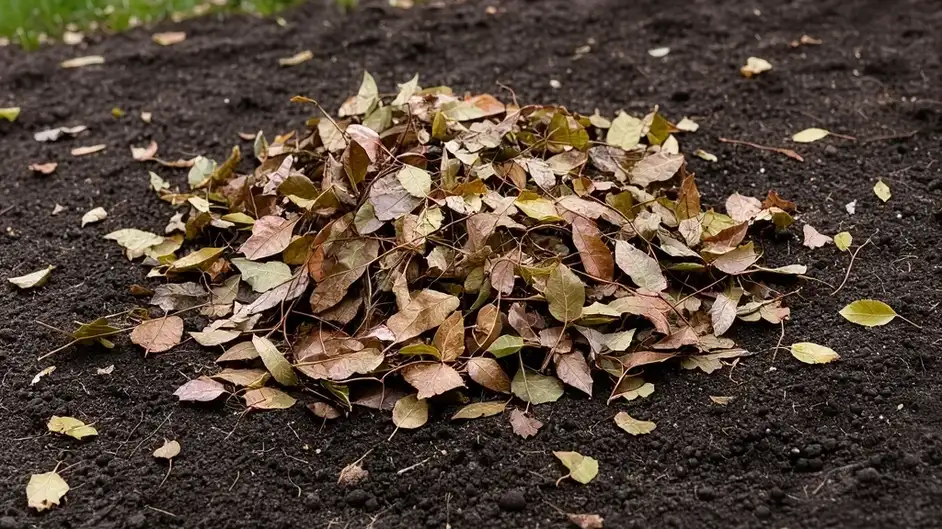
The safest method is to remove dry leaves in thin passes, starting at the bed edge and working toward the plants. Use a low-speed blower for loose leaves, a leaf rake for sturdy bark or wood chips, and your hands for leaves trapped around stems, edging, and shallow-rooted plants.
Start after a dry stretch, preferably in the late morning when dew has evaporated. Wet leaves cling to mulch, weigh more, and break apart when you rake them, leaving small scraps behind.
Follow these steps:
- Check the mulch depth first. Most landscape beds use about 2 to 4 inches of mulch, though the right depth depends on the material and plant area. If the mulch already looks thin, use gentler tools near exposed roots.
- Clear the bed edge. Pull leaves away from sidewalks, edging, and lawn grass before working inward. This gives loose leaves somewhere to go instead of pushing them deeper into the mulch.
- Start with the lightest tool. Try a blower on its lowest useful setting. Hold the nozzle several inches above the surface and point across the bed, not straight down.
- Switch tools when mulch starts moving. A plastic leaf rake with flexible tines usually lifts leaves while leaving heavier bark behind. Use short, shallow strokes rather than digging into the bed.
- Hand-pick the stubborn pieces. Leaves caught around shrubs, flowers, irrigation heads, and tree trunks need patience. Pull upward instead of dragging across the surface.
- Level the mulch. Use a gloved hand or a small hand rake to return displaced mulch to thin spots. Keep mulch a few inches away from tree trunks and woody shrub stems.
A quick blower pass works well on dry oak leaves sitting over chunky bark. A rake works better when the leaves are partly damp, because airflow may not lift them cleanly.
Could you use a garden vacuum instead? Yes, but keep the suction low and test one small corner first. A vacuum can grab light mulch, pine needles, and loose soil along with the leaves, especially around fresh, fluffy material.
Pro Tip: Place a tarp beside the bed before cleanup. Blow or rake the leaves onto the tarp, then empty the tarp into a compost pile or yard-waste container without making a second mess.
The best tool also depends on how much mulch shifts during cleanup. If the bed loses a noticeable layer every season, a gentler tool and slower passes will save money over time. For routine bed care after the leaves are gone, these mulch maintenance steps help keep the surface level and fresh.
- Dry leaves come out more cleanly than wet leaves.
- Low airflow protects loose mulch better than high airflow.
- A shallow rake stroke removes leaves without excavating the bed.
- Hand cleanup gives the most control around plants and roots.
Which Tools Remove Leaves Without Scattering Mulch?
A low-speed leaf blower, flexible plastic rake, handheld garden vacuum, and sturdy gloves cover most leaf cleanup jobs. The right choice depends on leaf moisture, mulch size, bed shape, and how close the leaves sit to delicate plants.
A leaf blower is fastest for dry leaves on firm, chunky mulch. Keep the nozzle angled across the surface and use brief bursts, because one long blast can push mulch into the lawn or against a fence.
A leaf rake gives better control over damp leaves and compacted spots. Choose flexible plastic tines for fine mulch, while a narrow shrub rake helps reach between plants without pulling large pieces of bark.
A garden vacuum can collect leaves neatly, but the suction may remove lightweight mulch. A model with adjustable power gives you more control than a fixed high-suction machine.
A pair of thick garden gloves sounds basic, yet it solves the hardest parts of the job. Gloves let you lift leaves from rose canes, ornamental grasses, hostas, and tight spaces where a tool would scrape stems.
| Tool | Best For | Main Risk | Safer Technique |
|---|---|---|---|
| Low-speed leaf blower | Dry leaves on bark or wood chips | Blowing mulch away | Aim across the surface |
| Plastic leaf rake | Partly damp leaves | Pulling up fine mulch | Use shallow strokes |
| Shrub rake | Tight spaces between plants | Snagging stems | Work outward gently |
| Garden vacuum | Loose leaves in open beds | Suctioning mulch | Use the lowest setting |
| Gloved hands | Stems, edges, and corners | Minor scratches | Lift leaves upward |
A wide rake moves more material, but a narrow rake gives you better control around shrubs. When a bed contains large wood chips, a standard plastic leaf rake often beats a metal garden rake because the metal tines can catch and drag the mulch.
I usually start with a blower, then switch to gloves before touching the areas around trunks and crowns. That small change prevents the familiar “clean bed, exposed roots” problem.
I once used a rake too aggressively on a bed with fine shredded bark, and the leaves came out along with a surprising amount of mulch. The fix was simple: shorter strokes, less downward pressure, and hand removal near the plants.
The right pitchfork for mulch belongs to a different job, moving, turning, or spreading larger mulch loads rather than lifting thin leaf layers. A pitchfork can help after a major bed cleanup, but it’s too blunt for precise leaf removal around established plants.
Important Tip: Wear eye protection when using a blower or vacuum near gravel, sticks, or decorative stone. A small pebble can travel much farther than a leaf.
Choose the tool by testing a small patch first. If mulch moves before the leaves do, stop and change the angle, lower the power, or switch to hand cleanup.
How Do You Remove Wet Leaves and Packed Leaf Mats?
Wet leaves need time, gentle lifting, and sometimes a two-pass cleanup. Let the surface dry when possible, then break the leaf mat into small sections with a gloved hand or narrow rake before removing the pieces.
A packed leaf layer can block air and water from reaching the mulch beneath it. The problem gets worse under dense shrubs, where shade slows drying and leaves may stay wet for days.
Use this approach after rain:
- Check the weather. If dry conditions are expected soon, waiting several hours can make the job much easier.
- Lift the top layer. Use your fingers or a narrow plastic rake to loosen the mat without scraping the soil.
- Move small sections. Place each section on a tarp, bucket, or yard-waste bag instead of dragging it across the bed.
- Let the exposed mulch breathe. Spread the mulch lightly with a hand rake so damp pockets can dry.
- Check the plant bases. Remove leaves touching tree trunks, shrub stems, and perennial crowns.
Don’t blast a wet mat with a powerful blower. The airflow may do little besides spray muddy bits around, and the force can expose soil once the leaf layer finally breaks apart.
What if the leaves have started decomposing into the mulch? Remove only the thick, slimy layer and leave the dark, crumbly material if it smells earthy and blends into the bed. That partly broken-down material adds organic matter, while a sour smell or gray, matted layer calls for more removal and better airflow.
Pro Tip: A plastic snow shovel can lift a wet leaf mat from a broad, flat bed, but keep the blade just above the mulch. Never push hard enough to scrape soil or tree roots.
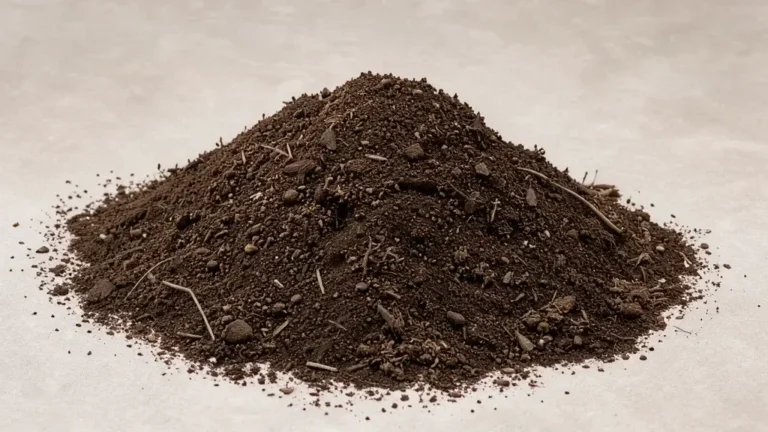
Fine mulch and leaf mold can look nearly identical after several months. If you’re unsure, pinch a small handful: mulch usually keeps its original texture, while decomposed leaves feel soft, dark, and crumbly.
How Do You Prevent Leaves from Mixing Into Mulch?
You prevent leaf buildup by removing leaves regularly, keeping bed edges clean, and choosing mulch that stays heavier than the leaf material. A short cleanup every week during peak leaf drop usually takes less effort than one large, wet removal later.
The best schedule depends on your trees, wind, and mulch type. Beds beneath mature oaks may need several passes during fall, while an open bed with little overhead cover may need only occasional cleanup.
These habits make the work easier:
- Clear leaves before heavy rain.
- Trim groundcover that traps leaves against the mulch.
- Keep grass clippings out of decorative beds.
- Use edging to stop leaves from blowing back onto paths.
- Rake leaves away from tree trunks and shrub stems.
- Top up thin mulch spots after the main leaf season.
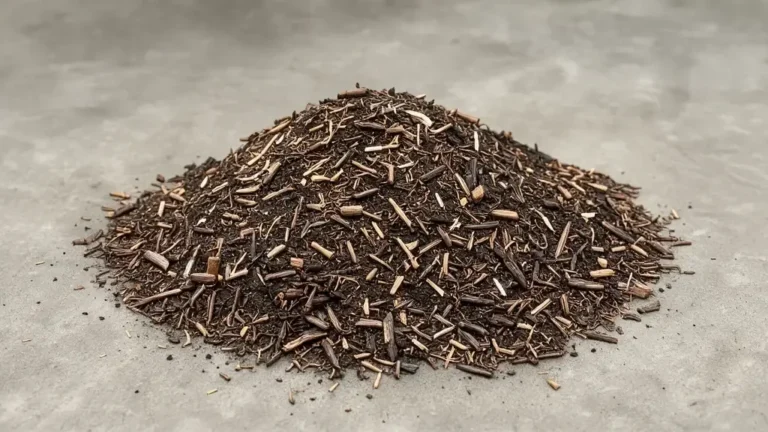
Dark mulch can hide small leaf pieces, while light-colored bark makes every fragment stand out. If appearance matters most, larger bark nuggets or heavier wood chips may be easier to clean than fine shredded mulch.
Some gardeners use mulch glue to hold loose material in place, but it isn’t a first choice for ordinary leaf cleanup. The answer to does mulch glue really work depends on the product, surface, drainage, and weather, and a bonded surface can make future bed repairs harder.
A thicker mulch layer doesn’t solve leaf buildup. Extra mulch may hold moisture longer and can bury plant crowns if you keep adding material without removing old, compacted layers.
What Should You Do with the Leaves After Removal?
Removed leaves can go into compost, a municipal yard-waste program, a leaf mold pile, or a garden bed where a loose layer won’t smother plants. Keep diseased leaves, invasive weeds, and thick wet mats separate until you know the right local disposal method.
Healthy leaves are useful yard material. Shredding them first helps them break down faster, though whole leaves also work in a compost pile when mixed with green material and turned occasionally.
Avoid putting thick leaf piles directly against stems or across small plants. A leaf layer several inches deep can hold too much moisture, block light, and press down delicate growth.
Use this simple sorting check:
- Clean, dry leaves: Compost or shred for a loose garden cover.
- Leaves with weeds or seed heads: Bag or dispose of them according to local yard-waste rules.
- Leaves from visibly diseased plants: Keep them out of home compost unless local guidance says otherwise.
- Mixed leaves and old mulch: Separate the useful mulch before disposal.
If the mulch has a sour odor, turns slimy, or contains heavy weed growth, removal may be better than repeated cleanup. These old mulch disposal options can help you decide whether to reuse, compost, or haul away the material.
I’d reuse clean bark or wood chips whenever they still smell earthy and have a workable texture. I wouldn’t spread moldy, sour-smelling material around healthy plants just to avoid carrying one extra load.
How Do You Restore the Mulch After Leaf Cleanup?
Restore mulch by pulling material back into thin spots, smoothing the surface, and keeping it away from plant stems. Don’t add fresh mulch until you know how much material the cleanup removed and whether the existing layer has compacted.
Use a small hand rake around shrubs and a bow rake only in open areas. Smooth the surface with the back of the rake, then check the depth in several places rather than judging by appearance alone.
A healthy mulch bed usually has an even surface with no volcano-shaped piles around tree trunks. Mulch touching bark holds moisture against the trunk and can encourage decay, so leave a clear ring around each trunk.
If the bed looks faded after cleanup, color alone doesn’t prove the mulch needs replacement. Natural weathering changes bark and wood chips over time, while thin spots, decomposition, and poor drainage matter more. A comparison of non fading mulch choices can help if long-lasting color matters to your landscape plan.
Important Tip: Before adding mulch, check irrigation lines, low-voltage lighting, and plant crowns. Covering a sprinkler head or burying a perennial crown creates a headache that fresh mulch won’t fix.
A good final pass takes only a few minutes:
- Pull mulch away from trunks and stems.
- Fill thin areas with nearby mulch.
- Smooth ridges and footprints.
- Clear mulch from sidewalks and drains.
- Remove any remaining wet leaf clumps.
FAQs About How to Get Leaves Out of Mulch
Can I use a leaf blower on mulch?
Yes, you can use a leaf blower on mulch when the leaves are dry and the blower runs at low power. Hold the nozzle several inches above the surface and aim across the bed, since direct downward airflow can scatter bark, wood chips, and fine shredded mulch.
How do you remove leaves from mulch without removing the mulch?
Remove leaves from mulch without losing mulch by using shallow plastic-rake strokes or gloved hands near plants. A low-speed blower works on chunky bark, while hand removal gives the best control around tree roots, shrub stems, edging, and lightweight fine mulch.
Should I remove wet leaves from mulch?
Yes, remove wet leaves from mulch when they form a thick mat, smell sour, or cover plant crowns. Let loose leaves dry first when weather allows, because dry material lifts more cleanly and leaves less residue behind.
Can a shop vacuum pick up leaves from mulch?
A shop vacuum can pick up leaves from mulch, but high suction may remove light bark, soil, and pine needles too. Use the lowest practical setting, test a small area, and choose a garden vacuum attachment designed for outdoor debris when possible.
How often should leaves be removed from mulch?
Leaves should be removed from mulch whenever they form a thick layer or after a major drop from nearby trees. During heavy fall shedding, a weekly cleanup usually prevents wet mats, while lightly covered beds may need attention only after storms.
Should I replace mulch after removing leaves?
You should replace mulch only when the remaining layer is thin, compacted, contaminated with weeds, or breaking down into poor-smelling material. If clean mulch still covers the soil evenly, rake it back into place and skip the extra cost.
A Cleaner Bed with Less Lost Mulch
Getting leaves out of mulch doesn’t require aggressive raking or a spotless bed after every breeze. Dry leaves, low tool pressure, and patient hand cleanup around plants give you the cleanest result with the least mulch loss.
My preferred routine is simple: clear the worst buildup before rain, use a low blower or plastic rake in open areas, then finish tight spots by hand. That approach takes a little longer than blasting everything at full power, but the bed stays fuller and the plants stay safer.
Start with one small section today and test the tool before working across the entire bed. Once you find the lowest setting that moves leaves without moving mulch, the rest of the cleanup becomes much less of a chore.

I’m Maya L. Greenwood, a lifelong plant lover who believes anyone can grow something beautiful with the right guidance. After years of testing soil mixes, pruning methods, irrigation tricks, and pest-safe solutions, I started EasyGardenTips.com to turn hard-won lessons into step-by-step advice. From seed starting and container gardens to composting and seasonal checklists, my goal is to make gardening simple, sustainable, and fun.