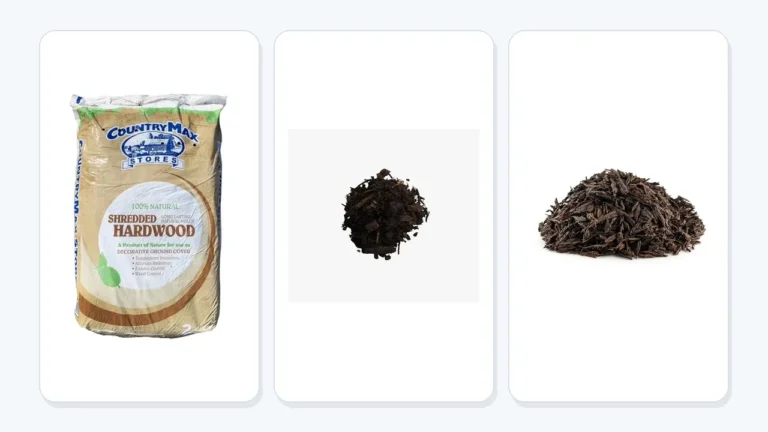
Is Mulch the Same as Top Soil? When to Use Each
No, mulch and top soil aren’t the same. Mulch sits on top of the ground to protect soil, while topsoil is soil used to fill, level, or improve the planting area itself. A flower bed may need both, but each material solves a different problem.
Are you trying to fix thin, tired soil before planting? Are weeds, drying beds, or washed-out soil making garden care harder than it should be? Guessing wrong can leave roots buried too deeply, plants hungry, or water running off instead of soaking in.
You’ll learn how mulch and topsoil differ, what each material contains, when to use them, and how much to spread without causing new problems.
The right choice can save money, reduce watering, protect roots, and give your beds a cleaner finish. The wrong one can smother plants, bury stems, or add poor-quality fill that drains badly.
This article takes about 9 minutes to read. By the end, you’ll know how to:
- Choose topsoil, mulch, or both for your project.
- Spread each material at a useful depth.
- Spot low-quality bags and common application mistakes.
- Build a simple planting bed that holds moisture without staying soggy.
Is Mulch the Same as Top Soil?
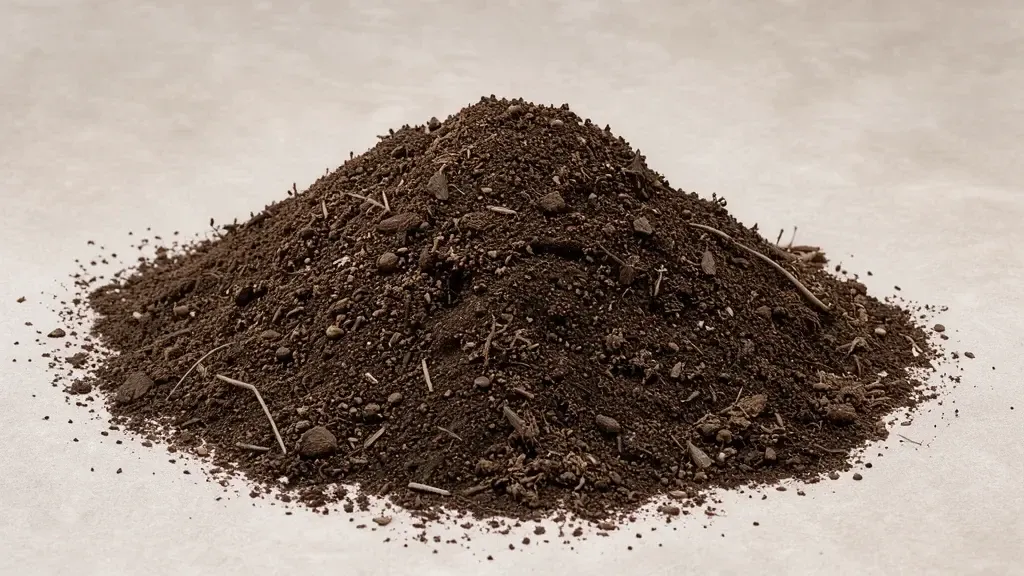
Mulch is a protective surface layer, while topsoil is the upper soil material used for planting and grading. Mulch usually goes on top of existing soil at about 2 to 4 inches deep, while topsoil gets mixed into or placed beneath the planting area when the soil level, texture, or fill needs work.
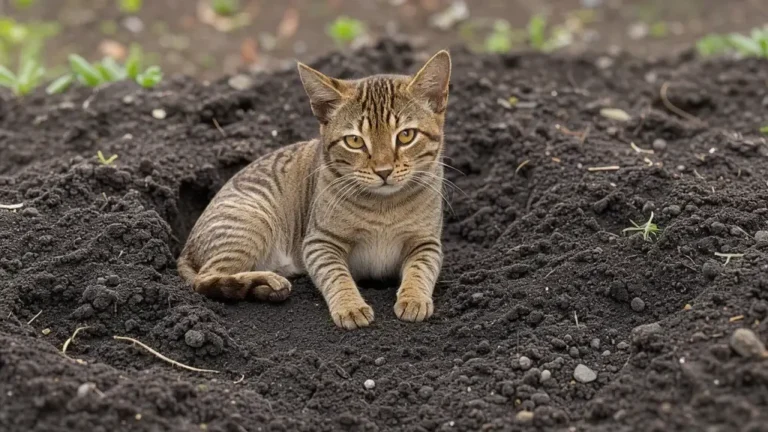
Topsoil contains mineral particles, organic matter, air pockets, water, and living organisms. Garden mulch can contain shredded bark, wood chips, leaves, straw, pine needles, or other materials that sit above the soil and break down slowly.
A bed covered with 3 inches of shredded wood mulch still has the same soil underneath. A bed raised with 6 inches of topsoil has a changed planting depth and surface grade, even before mulch enters the picture.
What mulch does
Mulch protects the soil surface from sun, wind, hard rain, and fast temperature swings. It slows evaporation, reduces weed seed light, limits erosion, and adds a tidy finish around plants.
Organic mulch comes from plant material and slowly decomposes. Wood chips, shredded bark, straw, composted leaves, and pine straw fall into this group.
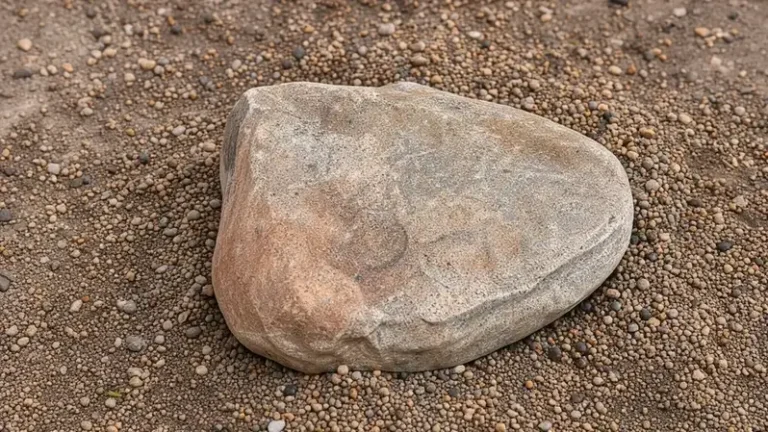
Inorganic mulch includes gravel, river rock, rubber pieces, and landscape fabric used with other surface materials. These options can last longer, though they don’t feed soil as they break down.
Mulch isn’t automatically compost. Compost is usually more broken down and used as a soil amendment, while mulch is chosen mainly for surface protection. The difference gets clearer in mulch and compost differences when a bed needs both cover and added organic matter.
What topsoil does
Topsoil creates or restores the upper layer where grass, flowers, vegetables, shrubs, and tree roots grow. Contractors also use it to fill low spots, cover construction damage, raise a planting bed, or blend with poor native soil.
Bagged topsoil may contain sand, silt, clay, compost, or screened organic material. Bulk topsoil varies by supplier, so the label or delivery description matters more than the word “topsoil” alone.
Topsoil isn’t always rich garden soil. Some products work well for leveling lawns but lack enough organic matter for vegetable beds, containers, or demanding flowers.
| Material | Main job | Typical depth | Breaks down? | Best use |
|---|---|---|---|---|
| Topsoil | Builds or fills the planting layer | 2 to 8 inches, depending on the job | Slowly, depending on contents | Low spots, new beds, lawn repair |
| Compost | Adds decomposed organic matter | 1 to 2 inches mixed into soil | Yes | Improving soil structure and fertility |
| Wood mulch | Covers and protects soil | 2 to 4 inches | Slowly | Trees, shrubs, flower beds |
| Pine straw | Covers soil and allows air movement | 2 to 4 inches | Yes, gradually | Acid-loving plants and sloped beds |
| Gravel or stone | Covers soil with a long-lasting surface | 1 to 3 inches | No | Paths, dry landscapes, drainage-friendly areas |
The numbers vary with the product and planting situation. A shallow layer may fail to block weeds, while a thick layer can hold too much moisture against stems and tree trunks.
How Do You Choose Between Mulch and Topsoil?
Choose topsoil when the ground needs more planting depth, better grading, or a new soil layer; choose mulch when the existing soil is usable but needs surface protection. Use both when you need to improve the root zone first and cover it afterward.
A new flower bed carved from compacted lawn may need several inches of suitable soil or compost blended into the existing ground. Once plants go in, a separate mulch layer helps slow drying and keeps weeds from taking over.
A mature shrub bed with decent soil usually doesn’t need more topsoil every spring. Fresh mulch around the shrubs may be enough, provided the old mulch isn’t piled too high.
When topsoil makes sense
Use topsoil for these jobs:
- Filling a shallow depression in a lawn.
- Raising a planting bed above a wet or compacted area.
- Covering rocky fill left after construction.
- Replacing soil removed during grading.
- Creating a new layer for grass seed or sod.
Topsoil should connect with the existing ground instead of sitting like a separate slab. Loosen the surface below it with a rake or garden fork, then blend the edges so water doesn’t stop at a sharp boundary.
If soil is hard as a brick, adding topsoil on top may hide the problem for a while. Roots still struggle below, and water may collect above the compacted layer after heavy rain.
When mulch makes sense
Mulch fits established beds where soil already supports the plants. It works around trees, shrubs, perennials, annual flowers, and many vegetable pathways.
Keep mulch a few inches away from plant crowns and woody stems. A volcano-shaped pile around a tree trunk traps moisture, encourages decay, and can attract insects or small animals.
What should you buy when the bed needs a quick refresh? Choose a material that matches the job, climate, and plants, not just the bag color or lowest price.
For a small bed, bagged mulch is easy to carry and spread in thin layers. Product quality varies, so a guide to choosing bagged mulch can help you compare texture, color, wood content, and how quickly the material may fade.
When you need both
Use topsoil first and mulch second when the planting area needs physical improvement. The order matters because mulch belongs above the soil surface, not mixed through the root zone during ordinary bed preparation.
- Remove trash, large stones, weeds, and thick dead roots.
- Loosen the existing soil several inches deep.
- Add suitable topsoil or compost based on the soil problem.
- Blend the materials through the upper root zone.
- Plant at the correct depth.
- Water the bed thoroughly.
- Spread mulch after the soil settles.
Keep finished soil below sidewalks, siding, and door thresholds. A raised bed that looks tidy can still push water toward a foundation if grading sends runoff the wrong way.
I once spread fresh mulch too close to a shrub because the bed looked unfinished without it. After pulling the mulch back, the soil stayed less soggy near the stems, and the planting area looked cleaner with a narrow open ring.
That small correction stuck with me: a neat surface isn’t worth much if the material touches plant tissue. Leave breathing room around trunks and crowns.
Pro Tip: Use a straight board or measuring stick to check mulch depth in several places. A bed that looks even from standing height may have 1 inch in one corner and 6 inches beside a walkway.
How Much Mulch or Topsoil Do You Need?
Calculate material in cubic feet, then divide by 27 for cubic yards. Multiply the bed’s length in feet by its width in feet and the planned depth in feet, then use the result to estimate the amount required.
For a 10-foot by 6-foot bed covered with 3 inches of mulch:
- Convert 3 inches to 0.25 feet.
- Multiply 10 × 6 × 0.25.
- The result is 15 cubic feet.
- Divide 15 by 27.
- You need about 0.56 cubic yard.
Buy a little extra for uneven ground, settling, and irregular edges. Don’t order a huge surplus, because stored mulch can become wet, sour-smelling, or compacted.
A 2-inch mulch layer often works for finer materials, while coarse wood chips may need closer to 3 or 4 inches to cover the ground well. Avoid burying low-growing plants, edging, and tree flares.
Topsoil calculations use the same formula, but depth depends on the job. A lawn repair may need a thin layer, while a new bed over compacted fill may need several inches plus blending below.
How to spread mulch correctly
Before spreading mulch, pull weeds and water dry soil lightly. Mulch placed over bone-dry ground can slow later watering, especially when a thick layer becomes tightly matted.
Spread the material evenly, then rake it away from stems. Around a tree, keep the root flare visible, which is the widened area where the trunk begins to meet the roots.
Coarse mulch allows more air movement than fine, wet material. Fine shredded mulch can form a crust after heavy rain, so check the surface before adding another layer.
How to spread topsoil correctly
Topsoil works best when you spread it in lifts instead of dumping one deep pile. A lift is a shallow layer that gets raked and blended before another layer goes down.
Avoid placing fresh topsoil over buried sod without a plan. Grass may regrow through the new soil, and the buried layer can shrink as it decomposes.
Topsoil near a house, retaining wall, or walkway needs careful grading. Water should move away from structures, not collect against them.
Which Material Is Better for Soil Health?
Topsoil provides the growing medium, while organic mulch protects that medium and slowly adds carbon as it decomposes. Neither product fixes every soil problem, and neither replaces a soil test when plant growth repeatedly fails.
Mulch feeds soil slowly, but most wood mulch isn’t a fast plant food. It can temporarily tie up available nitrogen at the soil surface as microbes break down fresh, high-carbon material.
That effect matters most when fresh wood chips get mixed into soil. Leave wood mulch on top, and the temporary nitrogen demand usually stays near the surface rather than inside the main root zone.
People often ask, is mulch a fertilizer? Usually no. A useful explanation of mulch versus fertilizer helps separate surface protection from products made to supply measured plant nutrients.
Compost adds more readily decomposed organic matter than ordinary wood mulch. It can improve drainage in heavy clay, help sandy soil hold water, and support soil life when blended into the root zone.
Plants still need the right conditions. A thick organic layer won’t fix standing water, damaged roots, extreme shade, poor planting depth, or a soil pH problem.
What mulch should you use?
Choose mulch by the plants and the bed’s conditions:
- Shredded bark works well around shrubs and ornamental beds.
- Wood chips suit trees, paths, and larger landscapes.
- Pine straw stays light and fits sloped ground.
- Leaf mulch breaks down quickly and improves surface organic matter.
- Gravel suits dry gardens where wood mulch would stay damp or blow away.
Bark is one type of mulch, not a separate replacement for every mulch product. The difference between bark and other materials becomes useful when comparing bark mulch and regular mulch for texture, longevity, and plant compatibility.
Freshly dyed mulch can stain hands, edging, and light-colored stone after rain. Natural materials fade, but that doesn’t mean they stopped working.
For compost-rich beds, choose a mulch that won’t form a dense mat. A coarse, airy material lets rain reach the soil while still cutting down weed growth, and mulch for compost-rich beds can help match the surface layer to the amendment below.
What can go wrong?
The most common mistake is using mulch as a substitute for soil. A plant placed directly into a deep pile of wood chips may dry out, wobble, or struggle because the roots lack stable contact with mineral soil.
Another mistake is adding topsoil every year when the real need is mulch. Repeated soil additions can bury crowns, alter drainage, and raise the bed against tree trunks or siding.
Watch for these warning signs:
- Water pools after ordinary rain.
- Mulch smells sour or feels slimy.
- Tree trunks disappear beneath a mound.
- New plants sit deeper than their original nursery level.
- Soil pulls away from the bed edge after drying.
- Weeds grow through a thin, scattered mulch layer.
If a bed stays saturated, stop adding material and fix the drainage problem first. A drainage contractor, arborist, or qualified landscape professional can help when grading, tree roots, retaining walls, or foundation water are involved.
Important Tip: Never use mulch to cover a plant crown, tree root flare, drain opening, or irrigation valve. Those parts need access to air, water, and routine maintenance.
Key Takeaways:
- Topsoil changes the planting layer; mulch protects the surface.
- Use topsoil for fill, grading, and new planting depth.
- Use mulch around established plants when the soil already works.
- Keep mulch 2 to 4 inches deep and away from stems and trunks.
- Compost and fertilizer serve different jobs from ordinary mulch.
FAQs About Is Mulch the Same as Top Soil
Can you use mulch instead of topsoil?
No, mulch can’t replace topsoil for most planting. Mulch lacks the stable mineral structure roots need, so a seedling planted in deep wood chips may dry out or fail to anchor. Use suitable topsoil or existing ground for the root zone, then add mulch above it.
Can you put topsoil over mulch?
Yes, but removing old mulch first usually gives a better result. Topsoil placed over thick wood mulch can settle unevenly as the mulch decomposes, creating soft spots and changing the planting depth. Clear the surface, blend the soil with the ground below, and mulch again afterward.
Is mulch good for a vegetable garden?
Yes, mulch can help a vegetable garden hold moisture and reduce weeds when applied after seedlings are established. Use clean straw, shredded leaves, or fine wood products suited to food beds, and keep the material away from plant stems to reduce rot and pest problems.
How deep should mulch be around trees?
Mulch around trees should usually measure about 2 to 4 inches deep and stay several inches away from the trunk. The root flare should remain visible, because a thick mound against bark keeps the trunk wet and can lead to decay.
Does topsoil improve clay soil?
Topsoil can improve clay soil when you blend it with the existing ground instead of laying a thin cap on top. Organic matter, such as finished compost, often helps more with structure, but the right mix depends on drainage, compaction, and the soil’s texture.
Choose the Material That Fits the Job
Mulch and topsoil aren’t interchangeable, and treating them like the same product creates avoidable headaches. Topsoil builds the place where roots grow, while mulch protects that place from drying, weeds, erosion, and temperature swings.
My practical choice is simple: fix the soil first, then cover it. If the existing bed drains well and plants are growing, skip extra topsoil and refresh the mulch at a sensible depth.
Start by digging a small test area, checking drainage, and measuring the depth you actually need. That quick check can save a full load of material, a pile of wasted money, and the unhappy sight of a tree trunk buried under a mulch volcano.

I’m Maya L. Greenwood, a lifelong plant lover who believes anyone can grow something beautiful with the right guidance. After years of testing soil mixes, pruning methods, irrigation tricks, and pest-safe solutions, I started EasyGardenTips.com to turn hard-won lessons into step-by-step advice. From seed starting and container gardens to composting and seasonal checklists, my goal is to make gardening simple, sustainable, and fun.