Is Mulch the Same as Bark? Bark Mulch vs Other Mulch
No, mulch and bark aren’t the same thing. Mulch is a broad name for any material spread over soil, while bark is one possible mulch material made from tree bark. Bark mulch can protect roots, slow weeds, and improve a planting bed, but its age, size, and processing change how it performs.
Have you bought a bag labeled bark mulch and wondered if plain mulch would do the same job? Are you worried that the wrong material could hurt plants, attract pests, or wash across the yard?
You’ll learn how bark mulch differs from wood chips, compost, topsoil, rubber, and shredded hardwood mulch. You’ll also learn which type fits flower beds, trees, vegetable gardens, slopes, and low-maintenance landscaping.
The right choice can save you repeat trips to the garden center, keep soil moisture steadier, and give beds a cleaner finish. The wrong choice can rob nitrogen near young plants, bury tree trunks, hold too much water, or break down before the season ends.
This takes about 9 minutes to read. By the end, you’ll know how to:
- Tell bark mulch from other mulch materials.
- Pick the right texture and depth for each planting area.
- Avoid common problems around trees, shrubs, and vegetables.
- Calculate how much mulch your yard needs.
- Replace old mulch without damaging the soil.
Is Mulch the Same as Bark?
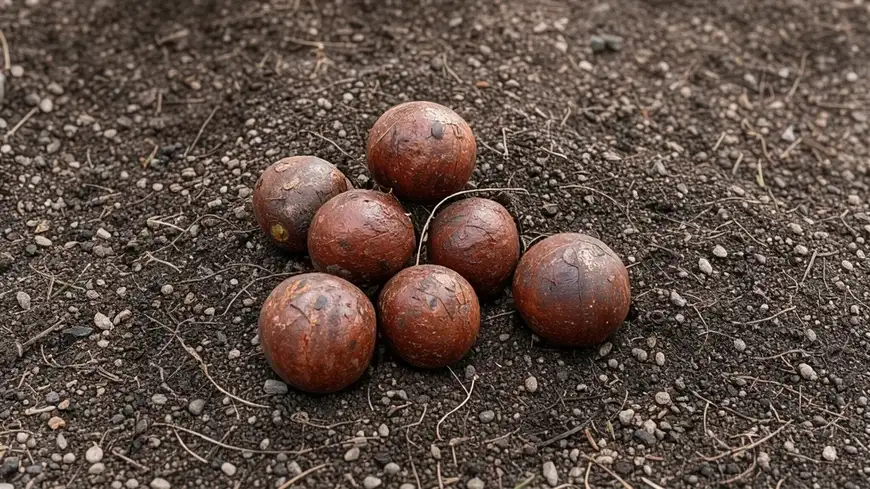
No, mulch is the category and bark is one material within that category. Mulch includes bark, wood chips, shredded leaves, straw, compost, pine needles, rubber, and mineral materials such as gravel, all spread over soil for protection or appearance.
Bark mulch comes from the outer covering of trees. Manufacturers may sell it as large chunks, nuggets, shredded bark, or finely screened particles. Each form behaves differently under rain, wind, foot traffic, and seasonal decay.
A simple comparison clears up the confusion:
| Material | What It Is | Best Use | Main Drawback |
|---|---|---|---|
| Bark mulch | Tree bark pieces or shreds | Shrubs, trees, ornamental beds | Some types float or dry slowly |
| Wood chips | Chopped branches and wood | Paths, trees, large beds | Fresh chips can tie up nitrogen at the surface |
| Shredded hardwood | Processed hardwood fibers | Sloped beds and tidy borders | Can mat together after heavy rain |
| Compost | Decomposed organic matter | Soil improvement and planting | Breaks down too fast for long-term cover |
| Rubber mulch | Processed rubber pieces | Play areas and decorative beds | Adds little to soil and can heat up |
| Gravel | Small stones | Dry gardens and fire-prone areas | Hard to remove and adds no organic matter |
The word mulch tells you the job, not the ingredient. A two-inch layer can reduce evaporation, soften raindrop impact, limit weed-light, and protect shallow roots from temperature swings.
Bark mulch usually lasts longer than leaves or compost because bark contains tougher, slower-decaying fibers. That doesn’t make bark the best choice everywhere. A vegetable bed needs a different material than a steep ornamental slope.
What Does Bark Mulch Do?
Bark mulch covers soil with a coarse organic layer that slows moisture loss, blocks some weed growth, and gives planting beds a finished look. Bark also breaks down gradually, adding a small amount of organic matter as fungi and soil organisms work through it.
Bark mulch doesn’t feed plants like fertilizer. Its main job is surface protection, much like a lightweight blanket that still lets rain and air reach the soil.
Large bark nuggets work well around established shrubs because they stay visible and resist quick breakdown. Shredded bark hugs the soil more closely, so wind has a harder time moving it across a walkway.
Bark mulch can also insulate roots. During a hot spell, covered soil stays cooler than bare soil, while winter mulch reduces rapid freeze-and-thaw swings that can heave shallow-rooted plants.
Does bark mulch make soil acidic? Sometimes, but the effect usually depends on the bark species, age, decomposition stage, and existing soil conditions. Pine bark has a reputation for acidity, yet aged bark mulch placed on the surface rarely changes garden soil enough to replace a soil test.
Pro Tip: Match the bark size to the planting area. Fine bark suits small borders and gentle slopes, while chunky nuggets look better around mature shrubs and stay loose longer.
Bark Mulch, Wood Chips, And Compost
Bark mulch, wood chips, and compost all come from organic sources, but they serve different jobs. Bark mulch is mainly a protective cover, wood chips provide a chunkier surface layer, and compost is a soil amendment that mixes into the ground.
The distinction matters because organic materials have different carbon-to-nitrogen ratios, which describe how quickly microbes use available nitrogen while breaking material down. Fresh woody material contains lots of carbon, so microbes may temporarily compete for nitrogen near the surface.
That concern gets overstated. Fresh chips lying on top of soil usually cause less nitrogen trouble than fresh wood mixed into the planting zone. Still, avoid blending large amounts of fresh sawdust or raw chips into garden soil.
A useful companion explanation is mulch versus compost, since compost belongs under mulch in some uses but works better mixed into soil for plant growth.
I once spread very fine, fresh wood material around young shrubs because the texture looked neat and rich. The surface formed a damp crust after repeated rain, and water began running off instead of soaking in, so I pulled some back and replaced it with coarser bark.
That taught me a simple lesson: appearance at installation doesn’t tell you how a mulch will behave after weather presses it together. Texture matters just as much as the label.
How Do You Choose the Right Bark Mulch?
Choose bark mulch by plant type, slope, climate, and how long you want the bed to look tidy. Fine bark settles quickly, shredded bark grips slopes, and large nuggets last longer but can shift during heavy rain.
Start with the area, not the product bag. A level shrub bed gives you more freedom, while a windy corner or sloped bed needs mulch that won’t migrate.
Pick The Right Texture
Fine bark particles create a smooth appearance and fit narrow borders. They can compact more quickly, especially where foot traffic, irrigation, or frequent rain presses the surface.
Shredded bark has long, stringy pieces that interlock. That texture makes it a strong choice for slopes, exposed beds, and areas where chunky pieces would roll downhill.
Bark nuggets have a bold, decorative look. Large pieces allow air movement and resist decomposition, but they may float during flooding and can leave bare soil after a hard storm.
A practical match looks like this:
- Use fine bark around annual flowers and compact shrubs.
- Use shredded bark on moderate slopes and broad foundation beds.
- Use medium nuggets around established trees and large shrubs.
- Keep very large nuggets away from narrow walkways where they can scatter.
- Avoid fine bark in spots that stay waterlogged.
If your bed sits beside a downspout, bark may not be the best answer by itself. Redirect concentrated water first, then choose a mulch that can stay put.
How Much Bark Mulch Do You Need?
Most ornamental beds need about 2 to 3 inches of bark mulch, while tree rings often work well at about 2 to 4 inches. Keep mulch several inches away from trunks, stems, and building siding so moisture doesn’t stay pressed against them.
Use this basic calculation:
- Measure the bed length in feet.
- Measure the average width in feet.
- Multiply length by width for square feet.
- Multiply square feet by depth in inches.
- Divide by 324 to estimate cubic yards.
A 10-foot by 12-foot bed covered at 3 inches needs about 1.1 cubic yards. Bag coverage varies, so check the package rather than guessing from bag count.
Mulch depth shouldn’t hide plant crowns or cover surface roots with a thick, wet blanket. If a bed already has 2 inches of old mulch, loosen and refresh the surface instead of piling another 3 inches on top.
Is Pine Bark Better Than Hardwood Bark?
Pine bark isn’t automatically better than hardwood bark, because the best option depends on plant needs, particle size, local availability, and how the mulch was processed. Pine bark often has a lighter color and softer texture, while hardwood bark can form a dense, durable layer.
Gardeners with azaleas, blueberries, rhododendrons, and similar plants often compare products by texture and cleanliness rather than name alone. A useful buying guide for those beds is pine bark mulch choices, especially when you need a smaller particle size.
Hardwood bark tends to offer a darker, more traditional bed color. Shredded hardwood also grips soil well, which helps on gentle slopes and around shrubs.
Before buying, check the bag or bulk supplier for:
- Bark-only material rather than mixed construction debris.
- A texture suited to the slope.
- No strong sour or rotten odor.
- No visible trash, plastic, or painted wood.
- A moisture level that doesn’t leave the product dripping wet.
A sour smell can point to anaerobic decomposition, which happens when wet material breaks down without enough oxygen. Spread suspicious mulch thinly in a safe outdoor spot and let it air out before placing it near plants.
What Are the Common Bark Mulch Mistakes?
The most common bark mulch mistakes are piling mulch against tree trunks, spreading too deeply, choosing a texture that washes away, and treating mulch as a substitute for healthy soil. Correct placement matters more than chasing a perfect brand or color.
The Volcano Around A Tree
A mulch volcano is a cone-shaped pile pressed against a tree trunk. The trapped moisture softens bark, creates hiding places for pests, and can encourage decay at the trunk base.
Build a flat ring instead. Keep the trunk flare visible, then spread mulch outward in a broad, even layer. The root flare is the point where the trunk widens before entering the soil, and that area needs air.
A tree ring shouldn’t look like a doughnut with a tiny opening. A wide, shallow layer protects more roots while avoiding contact with the trunk.
Important Tip: Pull mulch back whenever the trunk base disappears. If you can’t spot where the trunk widens, the mulch has gone too far.
Too Much Mulch
Deep mulch can keep soil wet, reduce oxygen near roots, and encourage shallow root growth. It also makes the bed harder to inspect, so pests and stem damage can hide beneath the surface.
Most beds don’t need annual removal. Rake old mulch lightly to break crusting, remove obvious clumps, and add only enough fresh material to restore the target depth.
Mulch should never cover plant crowns, the points where stems meet roots. Perennials buried too deeply may rot or produce weak new growth.
Fresh Wood In The Wrong Place
Fresh wood products work better as surface mulch than as a soil-mixed amendment. Mixing them into a vegetable bed can temporarily reduce available nitrogen while microbes decompose the carbon-rich material.
That doesn’t mean every wood product is harmful. Aged, composted, or properly processed material behaves differently from fresh sawdust or green chips.
Are wood chips the same as mulch? Wood chips can be used as mulch, but the terms aren’t identical. The explanation at wood chips and mulch helps sort out size, age, pathways, and planting-bed uses.
Mulch Touching Siding Or Concrete
Organic mulch against siding can hold moisture and invite insects, while mulch against concrete may stain or wash into drainage areas. Leave a small gap near walls and keep drainage paths open.
Mulch near a foundation also changes how water moves during heavy rain. If runoff already collects beside the house, solve the grading or drainage issue before adding a thick organic layer.
Using Mulch Instead Of Topsoil
Mulch sits on top of soil, while topsoil is the growing medium beneath plants. Topsoil changes the soil profile and supports roots; mulch protects the surface and decomposes from above.
Is mulch the same as topsoil? No. A clear comparison of mulch and topsoil helps when a bed needs more soil depth, a planting area needs surface cover, or a low spot needs grading.
Adding mulch won’t raise a low bed enough for healthy root growth. If roots need more volume, add suitable soil first, then apply a shallow mulch layer.
Bark Mulch Alternatives and Maintenance
Bark mulch is a strong general choice, but leaves, straw, compost, wood chips, rubber, and gravel may fit certain jobs better. The right alternative depends on whether you value soil improvement, long service life, low cost, fire resistance, or a specific appearance.
Use these practical matches:
- Choose shredded leaves for a free seasonal cover that breaks down quickly.
- Choose straw for vegetable paths and winter protection, while watching for weed seeds.
- Choose compost around plants when soil needs organic matter, not just surface cover.
- Choose wood chips for informal paths and broad tree areas.
- Choose rubber where long-lasting decorative cover matters more than soil improvement.
- Choose gravel for dry gardens where organic mulch would hold too much moisture.
Shredded hardwood mulch often suits homeowners who want a dark, tidy bed that stays in place. A comparison of shredded hardwood mulch can help you weigh longevity, texture, and use around shrubs.
Mulch maintenance is simple:
- Inspect beds after heavy rain and high wind.
- Pull mulch away from trunks and stems.
- Break up crusted areas with a hand rake.
- Remove obvious trash or diseased plant debris.
- Measure depth before adding anything new.
- Top up thin spots instead of covering the entire bed.
Color fading doesn’t always mean the mulch has stopped working. Sun bleaches the surface first, while the lower layer may still protect soil and slow evaporation.
A useful rule is to refresh by depth and condition, not by calendar. If the mulch still covers the soil evenly at the right depth, leave it alone.
Pro Tip: Keep a few inches of bare space around irrigation emitters, hose bibs, and drainage grates. You’ll spot leaks faster and won’t bury hardware under mulch.
When Should You Avoid Bark Mulch?
Avoid bark mulch where standing water, intense erosion, frequent foot traffic, or fire restrictions make organic cover a poor fit. Bark can float, wash away, compact, or add fuel near structures under certain dry conditions.
Check local rules around homes in fire-prone areas, especially if the bed touches siding, decks, vents, or wooden fences. Material choice and spacing can matter more than color.
Bark mulch also isn’t the best surface for a vegetable seed row. Fine particles can crust over tiny seedlings, while coarse chunks make sowing and weeding awkward.
For a new bed, remove invasive weeds first. Mulch blocks light from many small weeds, but established perennial weeds can push through or grow sideways beneath the layer.
Key Takeaways:
- Mulch is a category; bark is one type of mulch.
- Bark mulch protects soil but doesn’t replace fertilizer or topsoil.
- Use about 2 to 3 inches in most ornamental beds.
- Keep bark away from tree trunks, plant crowns, siding, and drainage paths.
- Choose texture based on slope, rainfall, wind, and plant size.
FAQs About Is Mulch the Same as Bark
Is bark mulch better than regular mulch?
Bark mulch can be better than another mulch material for ornamental beds, shrubs, and tree rings because it lasts fairly well and looks natural. “Regular mulch” isn’t a specific product, though, so compare bark with the actual alternative, such as compost, leaves, wood chips, rubber, or gravel.
Does bark mulch stop weeds completely?
No, bark mulch doesn’t stop weeds completely. A 2- to 3-inch layer blocks light and makes many weed seedlings easier to pull, but persistent weeds can grow through gaps, arrive as seeds, or spread beneath the mulch.
Can bark mulch hurt plants?
Yes, bark mulch can hurt plants when gardeners pile it against trunks, spread it too deeply, or use sour, poorly stored material. Bark mulch placed in a shallow, even layer with space around stems generally supports healthier soil moisture and temperature.
How long does bark mulch last?
Bark mulch often lasts one to several growing seasons, depending on particle size, rainfall, sun, soil contact, and the type of bark. Fine bark decomposes and settles sooner than large nuggets, while heavy rain can move any mulch before decay becomes the main issue.
Should bark mulch be mixed into soil?
Bark mulch should usually stay on the soil surface rather than being mixed into the planting zone. Fresh woody material can temporarily tie up nitrogen during decomposition, while aged organic matter or compost is more suitable for mixing into garden soil.
Is pine bark mulch good for vegetable gardens?
Pine bark mulch can work around established vegetables when the pieces are clean, aged, and not too coarse. Keep bark away from seed rows and young stems, because large particles can interfere with germination and fine particles may form a surface crust.
Make the Mulch Choice Fit the Bed
Mulch and bark aren’t interchangeable words, but bark mulch is one of the most useful organic choices for ordinary landscape beds. Pick the material by its real job, then match the particle size and depth to the site.
My preference is shredded or medium bark around established shrubs, with a thinner layer near smaller plants and no contact with trunks. That approach looks tidy without turning the bed into a damp pile.
Start by measuring one bed, checking its drainage, and choosing a sensible 2- to 3-inch depth. A careful first application beats a thick annual dump, and your plants will reward that bit of restraint.

I’m Maya L. Greenwood, a lifelong plant lover who believes anyone can grow something beautiful with the right guidance. After years of testing soil mixes, pruning methods, irrigation tricks, and pest-safe solutions, I started EasyGardenTips.com to turn hard-won lessons into step-by-step advice. From seed starting and container gardens to composting and seasonal checklists, my goal is to make gardening simple, sustainable, and fun.