Can Leaves Be Used as Mulch? How to Shred and Spread Them
Yes, leaves can be used as mulch when you shred them first and spread a loose layer about 2 to 4 inches deep. Leaf mulch protects soil, slows weeds, holds moisture, and adds organic matter as it breaks down. Whole, wet leaves can mat together, block air, and smother grass or small plants.
Have fallen leaves turned your yard into a slippery blanket? Are you worried that leaf mulch will attract pests or hurt your garden plants?
You’ll learn how to shred leaves, choose the right depth, place them around trees and vegetables, and avoid the few mistakes that cause trouble.
Used correctly, leaf mulch can save you bagging time, reduce watering, and improve tired soil. Used carelessly, thick wet layers can form a soggy mat, hide plant stems, and damage lawn grass.
This article takes about 9 minutes to read, then you can put the advice to work right away.
- Turn dry leaves into useful garden mulch.
- Pick the right depth for beds, trees, and lawns.
- Avoid mold, matted layers, and nitrogen worries.
- Protect plants through winter and cold snaps.
Can Leaves Be Used as Mulch? the Complete Answer
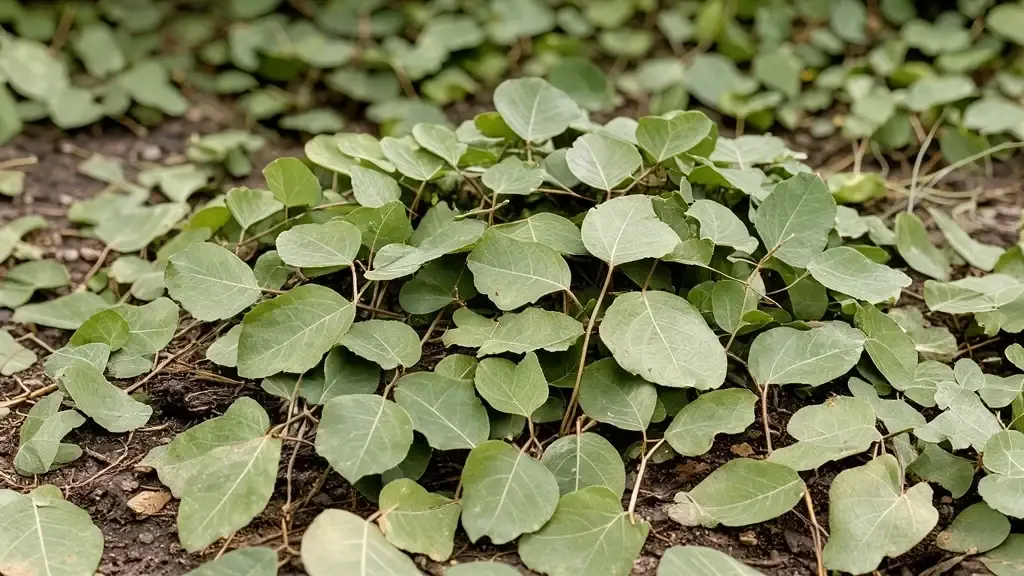
Can leaves be used as mulch? Yes, shredded leaves make excellent free mulch for garden beds, trees, shrubs, pathways, and compost piles. Spread the leaves after the soil cools, keep them away from plant stems, and add more when the layer settles below about 2 inches.
Leaf mulch works because it covers bare soil with a light, breathable layer. That cover slows evaporation, softens heavy rain, reduces soil temperature swings, and gives earthworms and microbes food to break down.
Shredding matters more than most beginners expect. Whole maple or oak leaves can overlap like roof shingles, trapping water underneath and forming a dense leaf mat that sheds rain instead of letting rain reach the soil.
A mower with a bagging attachment works well. Run over dry leaves once or twice, then check the pieces. The finished mulch should have small flakes, with most pieces closer to the size of a quarter than a dinner plate.
You can use several methods:
- Mow leaves directly onto a lawn until the pieces fall between grass blades.
- Vacuum and shred leaves with a yard vacuum.
- Run dry leaves through a chipper-shredder made for light yard debris.
- Rake leaves onto a tarp, fold the tarp, and crush the pile with repeated passes from a mower.
Do not shred leaves near roads, treated lawns, or areas contaminated with pet waste. Avoid leaves from a tree with a known serious disease, since moving infected debris into garden beds can spread problems.
Leaf mulch works best in a layer that stays loose. Use about 2 inches around annual flowers and vegetables, 2 to 4 inches around shrubs and trees, and a thinner layer on lawns.
Keep mulch 3 to 6 inches away from trunks and woody stems. A volcano-shaped pile against a tree trunk holds moisture against the bark, which can invite decay, rodents, and insects.
You can spread leaf mulch in fall, after most plants finish growing, or in spring after the soil begins warming. Fall applications protect exposed soil through winter, while spring applications give you a chance to remove large pieces before seedlings emerge.
Pro Tip: Leave a small circle of bare soil around seedlings. Tiny stems can disappear under even a thin layer of leaves after rain presses everything down.
Where Leaf Mulch Works Best
Leaf mulch suits established garden beds, perennial borders, shrub beds, and the soil beneath mature trees. It also works around berry bushes, provided the leaves are clean and the layer stays loose.
Leaf mulch does more than make a bed look tidy. As fungi and bacteria break down the leaves, the material becomes darker and more crumbly, improving soil structure, which means the soil holds water while still draining excess moisture.
A vegetable bed benefits from leaf mulch between rows, but keep fresh mulch from touching lettuce, beans, squash, or tomato stems. A few inches of open soil around the plant base makes watering and inspection easier.
For a lawn, finely shredded leaves can stay in place if the grass remains visible. A thick blanket blocks sunlight, so rake or vacuum excess material before the grass turns yellow.
How Much Leaf Mulch Should You Use?
Use enough leaf mulch to cover bare soil, not enough to bury the garden. The right depth depends on the plant, leaf texture, and how much rain compresses the layer.
| Garden location | Starting depth | What to watch |
|---|---|---|
| Lawn | Thin, shredded layer | Grass blades must remain visible |
| Annual vegetables | 1 to 2 inches | Keep mulch away from stems |
| Perennial flowers | 2 to 3 inches | Remove thick spring mats |
| Shrubs | 2 to 4 inches | Leave space around stems |
| Mature trees | 2 to 4 inches | Keep trunks uncovered |
| Winter root protection | 4 to 6 inches | Use loose, dry material |
These depths are starting points, not hard laws. Sandy soil may benefit from a little more cover, while poorly drained clay soil needs a thinner layer so water does not sit near plant crowns.
How to Make and Spread Leaf Mulch
Making leaf mulch takes a few simple steps, but the timing and texture decide whether the result helps or causes a headache. Dry leaves shred faster, spread more evenly, and resist clumping better than wet leaves.
Before using a mower, chipper, or vacuum, put on eye protection, sturdy shoes, and hearing protection. Look through the pile for stones, branches, wire, toys, and other debris, then keep hands away from every moving blade and intake.
- Choose clean leaves. Remove trash, pet waste, thick sticks, and leaves from trees with serious disease symptoms.
- Let wet leaves dry. Spread them in a thin layer for a few hours if rain made them heavy.
- Shred the pile. Mow over the leaves until most pieces are small and light.
- Check the texture. Squeeze a handful. The pieces should separate easily instead of forming a wet ball.
- Spread the mulch. Use a rake or gloved hands to place an even layer around plants.
- Open space around stems. Pull the leaves back from trunks, crowns, and tender shoots.
- Check after rain. Break up any crust or clump before it seals the soil surface.
What if the leaves keep blowing away? Water the bed lightly after spreading, or place a thin layer of heavier compost over the leaves. Avoid soaking the bed until the mulch becomes packed.
I once spread a thick layer of unshredded leaves under shrubs because the pile looked harmless. After several rainy days, the lower leaves turned into a slick mat, and water ran off the surface instead of soaking in.
That taught me a simple lesson: a thinner layer of shredded leaves performs better than a deep pile of whole leaves. The garden doesn’t need a blanket; it needs a loose cover.
Should You Mix Leaf Mulch Into The Soil?
Mixing a small amount of well-rotted leaf material into the top few inches can improve garden soil, but fresh leaf mulch belongs on the surface. Turning a deep layer of fresh leaves into soil may temporarily tie up available nitrogen while microbes break down the carbon-rich material.
Nitrogen tie-up means plants may have less readily available nitrogen for a short time. Yellowing leaves and slow growth can follow, especially in containers or small beds with little soil volume.
Use finished leaf mold when you want a softer soil amendment. Leaf mold is partly decomposed leaves that have become dark, crumbly, and earthy-smelling after months of breakdown.
I’d spread fresh shredded leaves on top and save older, crumbly material for planting holes or potting mixes. That approach gives the soil cover without burying a fresh carbon load beside plant roots.
Can Leaf Mulch Cause Mold Or Pests?
Leaf mulch can develop surface mold, but white threads or fuzzy patches usually mean fungi are breaking down damp organic material. Mold becomes a concern when leaves stay packed against plant crowns, stems, or a house foundation.
Turn compacted spots with a rake and reduce the depth if the bed stays wet. Healthy soil organisms usually handle ordinary leaf mold, while persistent sour smells, standing water, or rotting stems point to too much moisture.
Leaf mulch can provide shelter for slugs, snails, and small rodents. That risk rises in cool, damp beds with thick cover, especially near leafy vegetables.
Keep mulch away from edible plant stems, remove damaged fruit, and inspect under the layer during wet weather. I wouldn’t use a deep leaf pile around lettuce or hostas if slugs already cause trouble in the garden.
When Leaf Mulch Needs Extra Care
Leaf mulch is useful, but not every leaf pile deserves a spot in the garden. Tree species, disease, moisture, plant age, and local weather all change the result.
Leaves from oak, maple, beech, birch, ash, and many common shade trees can work well after shredding. Thick magnolia leaves and leathery evergreen leaves break down slowly, so shred them finely or mix them with softer leaves.
Walnut leaves and small twigs can raise questions because walnut trees produce juglone, a natural compound that can affect some sensitive plants. The concern depends on the plant, the amount of material, and how fully the leaves have decomposed, so I’d avoid using large amounts of fresh walnut debris around sensitive garden crops.
Diseased leaves deserve caution. Powdery mildew on the surface is not always a major soil problem, but leaves carrying serious fungal or bacterial diseases should not go into a home compost pile unless the pile reaches and maintains a heat level capable of killing pathogens.
Leaf Mulch For Winter Protection
Leaf mulch can protect perennial crowns and shallow roots from rapid temperature changes, especially when winter brings repeated freezing and thawing. A loose layer of 4 to 6 inches works better than a packed mound because air pockets help moderate cold while excess water can drain.
The best mulch for winter protection depends on the plant and local weather, but shredded leaves suit many hardy perennials and shrubs. You can add a wire ring around exposed plants if wind scatters the leaves.
Place winter mulch after the ground begins to freeze lightly or after plants enter dormancy. Applying a thick layer too early can hold warmth and moisture around crowns, which may encourage soft new growth or rot.
Remove or thin the layer gradually in spring. Pulling every leaf away on the first warm day can expose tender growth to a sudden cold night, while leaving a heavy mat in place can delay soil warming.
Leaf Mulch For Frost Protection
Leaf mulch can reduce cold stress near the soil, but it does not replace a frost cloth over tender foliage. A thick layer around roots helps with ground temperature swings, while frost protection over leaves must allow light and air once temperatures rise.
The best mulch for frost protection on cold nights is often a dry, loose material placed around the root zone before temperatures drop. Do not pile wet leaves over young plants, because they can press down tender stems and stay cold for hours.
For a late spring frost, cover small plants with frost cloth, an upside-down container, or another breathable cover before temperatures fall. Remove solid plastic from plant contact and uncover plants after the morning chill passes.
Leaf Mulch And Compost
Leaf mulch slowly becomes humus, the dark, stable material left after organic matter breaks down. A compost pile with shredded leaves needs a nitrogen-rich ingredient, such as fresh grass clippings or vegetable scraps, because dry leaves alone break down slowly.
A simple pile often works better with alternating loose layers. Keep the pile damp like a wrung-out sponge, turn it when the center becomes compacted, and add more dry leaves if the pile smells sour.
The best mulch for compost is a shredded, carbon-rich material that balances wetter ingredients and leaves air spaces. Leaf mulch can feed a compost pile, but a surface mulch layer and a compost ingredient serve different jobs.
If you want finished compost, don’t expect a fresh leaf layer to change overnight. Warm conditions, moisture, oxygen, leaf size, and the mix of ingredients decide how fast the pile turns dark and crumbly.
What Can Replace Leaf Mulch?
Leaf mulch isn’t the only choice for covering soil. If leaves are scarce, blow away, or come from a questionable source, use another clean material suited to the bed.
The right option depends on plant type, moisture, appearance, and how often you want to refresh the layer. cheap mulch alternatives can include arborist wood chips, straw, shredded bark, compost, pine needles, or a living ground cover.
Avoid using dyed landscape material, fresh manure, hay filled with weed seed, or grass clippings treated with a persistent lawn herbicide. The material may look fine at first and still create problems months later.
Can Grass Clippings Be Used With Leaves?
Yes, grass clippings can be used with leaves when the clippings are thin, dry, and free of lawn chemicals that could harm garden plants. Thick wet clippings form a slimy mat, smell sour, and block water and air.
The question “can I use grass clippings as mulch?” has a practical answer: apply clippings in layers no thicker than about 1 inch, let each layer dry slightly, and mix them with shredded leaves when possible. The leaves add air space, while the clippings add nitrogen.
Never use clippings from a lawn treated with a weed-and-feed product or a persistent broadleaf herbicide unless the product label confirms garden safety. Some lawn chemicals can remain active in clippings and compost.
Important Tip: Fresh grass clippings heat up quickly in a thick pile. Spread them thinly, mix them with dry leaves, or let them dry before adding them near plants.
Common Leaf Mulch Mistakes
Most leaf mulch problems come from too much material, poor placement, or leaves that were never shredded. A quick inspection can catch trouble before plants suffer.
- A thick layer on grass: Rake or mow it down until the blades remain visible.
- Mulch touching tree trunks: Pull it back several inches to keep bark dry.
- Wet leaves in a deep bed: Thin the layer and break up clumps.
- Fresh leaves mixed deeply into soil: Move them to the surface or add finished compost instead.
- Diseased leaves in a cool compost pile: Remove them and follow local yard-waste rules.
- Leaves covering seedlings: Clear a small ring around each plant.
- A sour smell: Turn the material and improve airflow.
Do you need to remove leaf mulch every spring? Not always. Rake off only the material that has compacted, buried stems, or slowed soil warming, then leave the loose remainder to finish breaking down.
Key Takeaways:
- Shred leaves before using them as mulch.
- Start with 2 to 4 inches around established plants.
- Keep leaves away from trunks, crowns, and tender stems.
- Thin wet or matted layers after rain.
- Mix fresh leaves with nitrogen-rich material in compost.
FAQs About Can Leaves Be Used as Mulch
Are whole leaves bad for garden mulch?
Whole leaves aren’t automatically bad, but large leaves can mat together and block water, air, and light. Shredding leaves with a mower or leaf vacuum reduces that problem, while a loose 2 to 4 inch layer gives garden soil better protection.
Do leaves make soil acidic?
Leaves do not automatically make garden soil too acidic. Finished leaf mulch usually has a mild effect, and soil pH depends more on the tree species, decomposition stage, rainfall, and existing soil chemistry than on the presence of leaves alone.
Can leaf mulch attract termites?
Leaf mulch can create damp shelter for insects, but leaf mulch itself isn’t a preferred food source for termites like structural wood. Keep all organic mulch several inches from building walls, siding, doors, and wooden foundations to reduce moisture near the structure.
How long does leaf mulch take to break down?
Shredded leaf mulch can partly break down in one growing season, while leathery whole leaves may last longer. Moisture, warmth, leaf size, airflow, and the carbon-to-nitrogen balance decide the pace, so thin layers disappear faster than compacted piles.
Should leaf mulch be removed in spring?
Leaf mulch should be thinned or removed in spring if the layer is packed, wet, or covering new growth. Loose material around established shrubs and trees can stay in place, while vegetable seedlings need open soil near their stems.
Can leaves be used as mulch around roses?
Yes, shredded leaves can mulch roses when the layer stays loose and several inches of space remain around the canes. Avoid burying the crown, piling leaves against stems, or leaving a wet mat through cool spring weather.
Make Fallen Leaves Work for You
Leaves make dependable mulch when you treat them as a loose soil cover instead of a pile to dump and forget. Shred dry leaves, spread a moderate layer, protect plant stems, and check the bed after heavy rain.
My preferred approach is simple: use finely chopped leaves on the surface, save the darkest broken-down material for compost or soil improvement, and keep questionable debris out of food-growing beds. That method costs little, cuts down on yard waste, and gives the soil a steady supply of organic matter.
Start with one garden bed this season. Shred a small batch, spread it 2 inches deep, and watch how the soil handles moisture before using more.

I’m Maya L. Greenwood, a lifelong plant lover who believes anyone can grow something beautiful with the right guidance. After years of testing soil mixes, pruning methods, irrigation tricks, and pest-safe solutions, I started EasyGardenTips.com to turn hard-won lessons into step-by-step advice. From seed starting and container gardens to composting and seasonal checklists, my goal is to make gardening simple, sustainable, and fun.