Can I Use Grass Clippings as Mulch in the Garden
Yes, you can use grass clippings as mulch if the clippings come from an untreated lawn, dry before spreading, and go down in a thin layer. Grass clippings help hold moisture, slow weeds, and add organic matter, but thick or wet layers can turn slimy, smelly, and short on air.
Are your clippings forming a sour-smelling mat instead of helping the soil? Are you worried that lawn weed killer or grass seeds will damage your vegetables?
Guessing can cost you seedlings, time, and a frustrating cleanup.
You’ll learn how to prepare grass clippings, apply the right depth, avoid chemical and weed problems, and choose another mulch when clippings aren’t a good fit.
Used correctly, grass clippings can lower watering needs, soften hard soil, and keep mud off your lettuce leaves. Used carelessly, they can block air, attract pests, spread lawn chemicals, or heat tender plants.
This takes about 9 minutes to read, and the practical payoff is a cleaner, calmer garden bed. You’ll learn how to:
- Decide if your lawn clippings are safe for garden use.
- Dry and spread clippings without creating a wet mat.
- Match grass mulch to vegetables, flowers, and young plants.
- Fix common problems such as mold, odor, and nitrogen competition.
Can I Use Grass Clippings as Mulch: the Safe Garden Answer
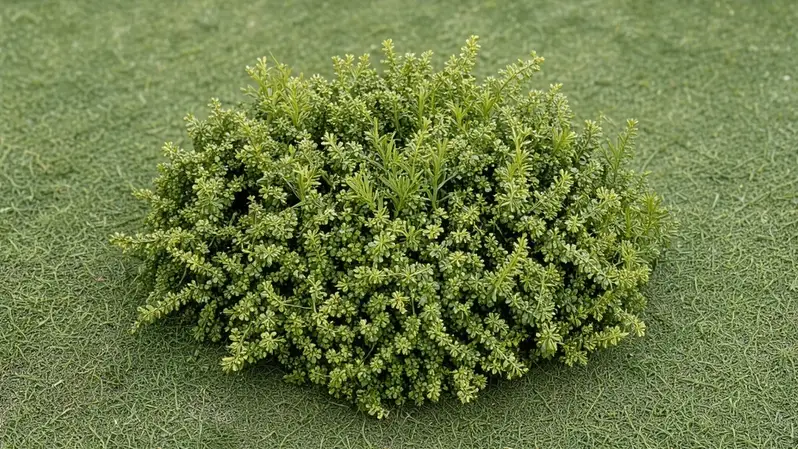
Yes, grass clippings make good mulch when you use clean, dry clippings in layers no thicker than 1 inch at a time. Leave a small gap around plant stems, refresh the layer after it settles, and avoid clippings from lawns treated recently with herbicides or other lawn chemicals.
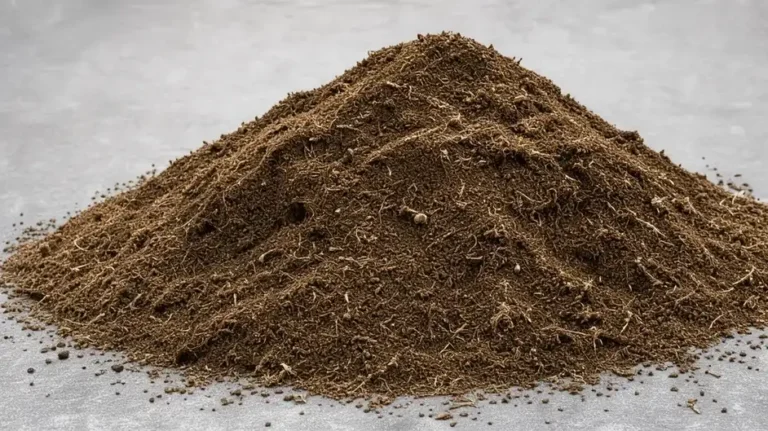
Grass clippings work because they shade the soil surface and slow evaporation. As the clippings break down, they add organic matter, which means decayed plant material that improves soil texture over time.
Start with these steps:
- Check the lawn history. Use clippings only from grass that hasn’t received a weed-and-feed product, lawn herbicide, insecticide, or other treatment that could affect garden plants. Follow the product label’s waiting period if a treatment was used.
- Mow before seed heads form. Young, leafy clippings break down more cleanly. Mature seed heads can carry grass seeds into garden beds.
- Let fresh clippings dry. Spread them loosely on a driveway, tarp, or patch of bare ground for several hours, turning them once if they feel warm or damp.
- Apply a thin layer. Spread ½ to 1 inch around established vegetables, flowers, shrubs, or fruit plants. Don’t pack the layer down.
- Keep stems clear. Leave 2 to 3 inches of open soil around each stem or trunk, especially on tomatoes, peppers, squash, and young trees.
- Add more only after the first layer shrinks. A light second layer works better than one thick dump of clippings.
A 1-inch layer looks modest, almost too modest, but that thin cover dries faster and lets air reach the soil. A thick pile can form a green blanket that sheds water from the top while staying soggy underneath.
Grass clippings are best for garden paths, established beds, and spaces between rows. Use extra care around seedlings because small stems can disappear under a wet layer overnight.
What makes grass clippings safe or risky?
The source matters more than the grass species. Clippings from a plain, untreated lawn are usually the safest choice, while clippings from a chemically managed lawn can carry residues into soil and plants.
Avoid using clippings if you don’t know:
- Which products were applied.
- When the lawn was treated.
- Whether the lawn contains persistent weed-control chemicals.
- Whether the mower recently cut weeds with mature seeds.
- Whether the grass contains pet waste or other contamination.
Fresh clippings also contain much more moisture than dried hay or straw. That moisture makes them break down quickly, which helps feed soil but also creates heat, odor, and a sticky mat if the layer gets too deep.
Pro Tip: Keep a separate bag or pile for clean grass clippings. Mixing trusted clippings with unknown lawn waste defeats the whole safety check.
How Should You Prepare and Apply Grass Clippings?
Prepare grass clippings by drying them loosely, removing obvious weeds or seed heads, and spreading them in several light applications instead of one thick layer. The best mulch depth depends on moisture, weather, plant size, and how quickly the clippings are drying.
A dry, breezy day gives you the easiest application. If rain is coming, wait, because wet clippings placed on damp soil can stay slick for days.
The table below gives a practical starting point.
| Garden situation | Starting depth | Best approach | Main concern |
|---|---|---|---|
| Seedlings under 4 inches tall | None or a very light dusting | Wait until plants have several true leaves | Smothering stems |
| Established vegetables | ½ to 1 inch | Keep clippings away from stems | Wet mat and stem rot |
| Flower borders | ½ to 1 inch | Use dry, fine clippings | Messy appearance |
| Shrubs and fruit plants | 1 inch | Leave open space near trunks | Rodents and trapped moisture |
| Garden paths | 1 to 2 inches | Refresh as the layer breaks down | Slippery, compacted patches |
| Compost pile | Add thin layers | Mix with dry leaves or shredded paper | Excess moisture and odor |
True leaves are the later leaves that look like the mature plant, rather than the first smooth seed leaves. Waiting for true leaves gives seedlings a stronger stem before mulch goes down.
When you spread clippings, think of dusting a cake, not dumping a bucket. A loose scatter allows rain to pass through and gives oxygen to the tiny organisms breaking the material down.
Why not use 3 or 4 inches at once? Thick grass clippings collapse under their own weight, especially after rain, and the lower layer may turn into a sour, airless mass. That process can produce unpleasant odors and temporarily slow water movement into the soil.
Can grass clippings steal nitrogen from plants?
Fresh grass clippings usually don’t steal much nitrogen from the soil when they sit on top as mulch. Nitrogen competition becomes more likely when thick clippings get mixed into the soil, because decomposers need nitrogen while breaking down carbon-rich material.
That difference matters. Surface mulch and buried green waste behave differently.
If you till a heavy layer of clippings into a bed, microbes may use available nitrogen during decomposition. Plants can then show pale leaves or slow growth until the material breaks down.
A surface layer mostly feeds the soil gradually. Keep it on top, use small amounts, and let rainfall carry nutrients downward over time.
I once spread a generous pile of fresh clippings beside young plants because the bare soil looked thirsty and dusty. The top stayed green while the bottom turned slimy, and pulling the mat away taught me the lesson plainly: thin layers beat enthusiasm every time.
Which plants benefit most?
Grass clippings suit plants that enjoy steady moisture and regular feeding, including:
- Tomatoes after the soil has warmed.
- Peppers and eggplants.
- Cucumbers, squash, and melons.
- Corn and other large vegetables.
- Established annual flowers.
- Shrubs that tolerate moist soil.
Avoid placing fresh clippings against onions, garlic, rosemary, lavender, and other plants that prefer drier conditions. Wet mulch around those plants can hold moisture longer than the roots can handle.
Seedlings need a lighter touch. Wait until the plant has a sturdy stem, then apply a narrow ring instead of covering the whole planting area.
What Problems Can Grass Clippings Cause?
Grass clippings can cause mold, odor, pests, poor water penetration, or chemical injury when the material is wet, too thick, contaminated, or placed against plant stems. Most problems come from application mistakes, not from grass clippings themselves.
A sour smell usually means the lower layer lacks air. Pull the clippings back, let the soil surface breathe, and replace the material with a thinner, drier layer after conditions improve.
White fungal threads on the surface aren’t automatically a problem. Fungi help decompose plant material, but a dense mat still needs thinning if water runs off or the soil stays soggy.
Common symptoms and practical fixes
| Problem | Likely cause | What to do |
|---|---|---|
| Sour or rotten smell | Wet clippings packed too thick | Remove part of the layer and let the rest dry |
| Water beads on top | Compacted grass mat | Rake lightly and reduce the depth |
| Pale young plants | Clippings buried into soil or roots staying wet | Pull mulch back and avoid mixing it into the bed |
| Grass growing in the garden | Seed heads went into the mulch | Remove seed-bearing clippings and weed early |
| Chewed leaves near the mulch | Snails, slugs, or sheltering pests | Thin the layer and water at soil level |
| Plant stem looks soft | Mulch touching the stem | Clear a 2- to 3-inch ring around the plant |
| Brown or twisted new growth | Possible chemical carryover | Remove the clippings and stop using that lawn source |
Could grass clippings spread weeds? Yes, if the mower cuts mature weeds or grass seed heads. Mowing regularly before seed production lowers the risk, but it doesn’t remove every seed from a mixed lawn.
Chemical carryover deserves extra caution. Some lawn weed-control products can harm broadleaf garden plants, which includes tomatoes, beans, peppers, lettuce, and many flowers.
When the lawn’s treatment history is unclear, use a different material. A clean bag of leaves, finished compost, or untreated straw may cost less than replacing a full row of vegetables. If you’re comparing cheap mulch alternatives, match the material to your plants and soil before spreading it.
Can grass clippings attract pests?
Grass clippings can shelter slugs, snails, and small rodents when the layer stays wet or touches plant stems. Dry, thin mulch creates fewer pest problems than a thick green pile pressed against vegetables.
Check underneath the mulch in the morning if you notice ragged lettuce leaves or holes in young cabbage. If pests gather there, rake the clippings thinner and leave a dry gap around the plants.
Grass mulch also decomposes faster than wood chips, shredded bark, or dry leaves. That quick breakdown means you may need to refresh it every few weeks during warm, wet weather.
How Does Grass Mulch Compare with Other Garden Mulches?
Grass clippings are a good low-cost mulch for clean, established beds, but they aren’t the best choice for every garden. Straw, shredded leaves, compost, pine needles, and wood chips each bring different moisture, weed, appearance, and breakdown traits.
For vegetable beds, choose based on plant age and soil moisture rather than appearance alone. The right mulch for a vegetable garden keeps weeds down without blocking young stems or holding too much water.
Grass clippings versus straw
Grass clippings break down faster and usually add more fresh nitrogen than straw. Straw lasts longer and stays more open, though poor-quality straw may contain weed seeds.
Clean straw works well around larger vegetables, pathways, and overwintering plants. If you choose straw, check the bale for mature seed heads and ask about chemical treatment if the source is uncertain.
Gardeners often search for the best seed-free straw mulch because seed-filled straw can create a new weed problem. Grass clippings avoid that straw issue only when the lawn was mowed before seed heads formed.
Grass clippings versus shredded leaves
Shredded leaves usually make a softer, more stable mulch and are less likely to form a slick mat. Whole leaves can block water and air, so run them through a mower or shredder before using them.
Leaves suit woodland-style beds, shrubs, and gardens that need a slower breakdown. Grass clippings suit places where you want faster nutrient cycling and don’t mind refreshing the mulch.
Grass clippings versus compost
Finished compost feeds soil and improves texture, but compost doesn’t always control weeds as well as a surface mulch. Grass clippings shade the soil more effectively when spread at the right depth.
Use finished compost as a soil amendment or thin top dressing. Keep unfinished, hot compost away from tender roots because active decomposition can damage plants.
Grass clippings versus pine needles
Pine needles stay loose, dry quickly, and work well around acid-loving plants. They don’t make garden soil sharply acidic just because they came from a pine tree.
If your bed contains blueberries, azaleas, rhododendrons, or other low-pH plants, pine needles as garden mulch may suit the planting better than fresh grass. Grass clippings can hold more moisture and may break down too quickly for a dry, acidic bed.
Grass clippings versus wood chips
Wood chips last longer and look tidy around shrubs, paths, and permanent plantings. They can be awkward around small annual vegetables because they take space and may need moving during seasonal bed preparation.
I prefer grass clippings for temporary vegetable rows and shredded leaves for beds that sit undisturbed. Wood chips earn their place around fruit trees and paths where long-lasting cover matters more than quick nutrient release.
Important Tip: Never mix a thick layer of fresh grass clippings into garden soil before planting. Compost the clippings first or spread them on top in thin layers.
A Simple Grass-Clipping Mulch Routine
A reliable routine is easy: check the source, dry the clippings, spread a thin layer, protect plant stems, and inspect the bed after rain. That five-part habit prevents nearly every common grass mulch mistake.
Use this quick process:
- Mow safely. Cut before grass or weeds develop mature seed heads, and don’t collect clippings from a lawn with unknown chemical treatment.
- Inspect the material. Remove visible weeds, sticks, trash, and pet waste.
- Dry the clippings. Leave them loose until they no longer feel hot, wet, or clumped.
- Water the soil first if needed. Mulch holds moisture, but mulch can’t replace a deeply watered root zone.
- Spread ½ to 1 inch. Keep the layer loose and away from stems.
- Check after the next rain. Break up any crust and remove spots that smell sour.
- Refresh lightly. Add another thin layer only after the first layer has visibly settled or decomposed.
Don’t use clippings as a substitute for fixing drainage. If water already pools in a bed, green mulch can make the wet conditions last longer.
For a cleaner look, use grass clippings beneath taller plants where the material hides under foliage. A narrow grass ring around a tomato can work well, while a thick blanket over tiny carrots can cause trouble fast.
Pro Tip: Keep mulch several inches away from the base of trees and shrubs. That open ring reduces trapped moisture, bark damage, and hiding places for pests.
- Use clippings only from a known, untreated lawn.
- Dry clippings before spreading them.
- Start with ½ to 1 inch around established plants.
- Keep clippings off stems and out of the soil.
- Remove any layer that smells sour or blocks water.
FAQs About Can I Use Grass Clippings as Mulch
Can I use fresh grass clippings as mulch?
Yes, fresh grass clippings can work as mulch if you spread them very thinly, but drying them first is safer. Fresh clippings contain heavy moisture and collapse quickly, so a layer thicker than 1 inch can become slimy, smelly, and hard for water or air to pass through.
Are grass clippings safe for vegetable gardens?
Grass clippings are safe for vegetable gardens when they come from an untreated lawn and contain no mature weed seeds or pet waste. Keep clippings away from edible leaves and plant stems, and wash harvested vegetables normally before eating.
How thick should grass clipping mulch be?
Grass clipping mulch should usually be ½ to 1 inch thick around established garden plants. A thinner layer works near small plants, while paths can handle more material because paths don’t have tender stems or shallow vegetable roots.
Can grass clippings kill plants?
Yes, grass clippings can damage or kill plants if they carry herbicide residue, smother stems, heat up in a thick pile, or keep roots constantly wet. Chemical risk depends on the product used, the waiting period, and the treatment label.
Do grass clippings attract bugs?
Grass clippings can attract or shelter slugs, snails, and small pests when the mulch stays damp and pressed against plants. Drying the clippings, keeping the layer thin, and leaving open space around stems lowers that risk.
Can I put grass clippings in compost?
Yes, grass clippings make useful compost material when mixed with dry leaves, shredded paper, straw, or other carbon-rich material. Add thin layers instead of one dense pile, because too much wet grass can turn anaerobic and develop a strong odor.
The Practical Garden Verdict
Grass clippings are worth using when the source is clean, the material is dry, and the layer stays thin. They save money, protect soil from drying, and break down faster than many bulky mulches.
My pick is simple: use grass clippings around established vegetables and flowers, then switch to straw, shredded leaves, or wood chips when the bed needs longer-lasting cover. Skip unknown lawn clippings rather than gambling with a season of plants.
Start with one small bed. Spread a ½-inch layer, leave air around every stem, and check the mulch after rain. If the soil stays crumbly and the clippings smell fresh, you’ve got a useful garden resource instead of a green headache.

I’m Maya L. Greenwood, a lifelong plant lover who believes anyone can grow something beautiful with the right guidance. After years of testing soil mixes, pruning methods, irrigation tricks, and pest-safe solutions, I started EasyGardenTips.com to turn hard-won lessons into step-by-step advice. From seed starting and container gardens to composting and seasonal checklists, my goal is to make gardening simple, sustainable, and fun.