Can Sawdust Be Used as Mulch Without Robbing Nitrogen
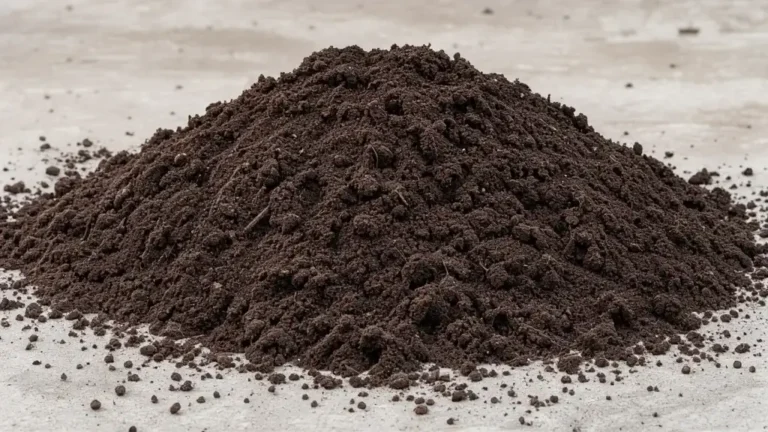
Yes, sawdust can be used as mulch when you apply a thin layer on the soil surface and balance its high carbon content with nitrogen. Fresh sawdust mixed into garden soil can temporarily tie up nitrogen, while aged or composted sawdust usually works more safely around established plants.
Have you spread sawdust around plants only to notice pale leaves and weak growth? Are you worried that a cheap pile of sawdust could damage your vegetables, shrubs, or trees?
You’ll learn how sawdust affects soil nitrogen, how thick the mulch layer should be, and which plants handle it best. You’ll also get a practical method for fresh sawdust, aged sawdust, and sawdust mixed with compost.
Used correctly, sawdust can slow weeds, reduce evaporation, protect roots from temperature swings, and turn a shop byproduct into useful garden material. Used carelessly, it can form a water-resistant crust, blow around the yard, or leave shallow-rooted plants hungry for nitrogen.
This guide takes about 9 minutes to read, and it gives you:
- A safe sawdust mulch method for garden beds and trees.
- Clear signs that sawdust is tying up nitrogen.
- Ways to fix fresh sawdust before spreading it.
- Better choices for vegetables, flowers, shrubs, and pathways.
Can Sawdust Be Used as Mulch?
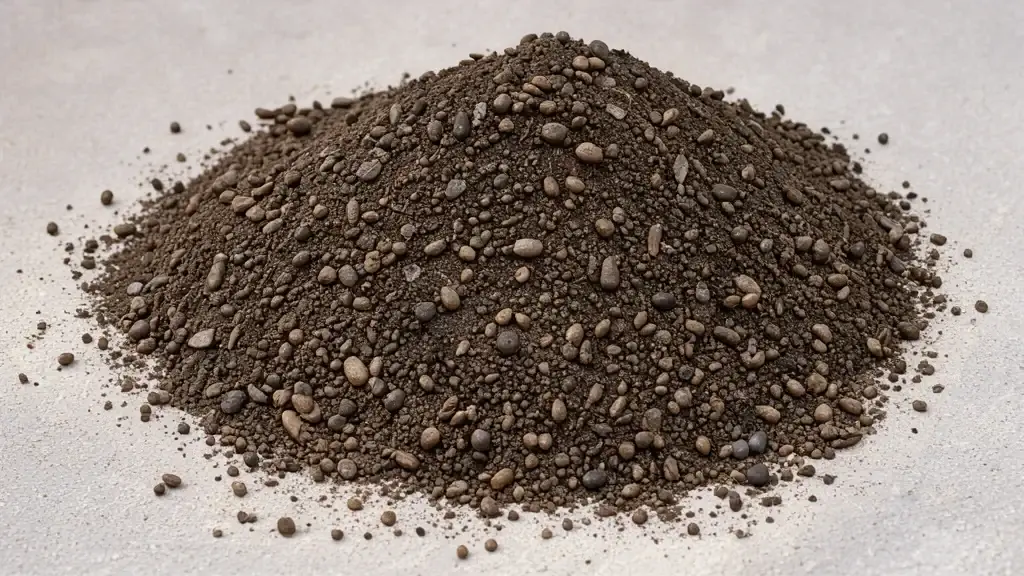
Sawdust works as mulch when you keep it on top of the soil, apply about 1 to 2 inches, and add nitrogen when plants need it. The safest material is clean, aged sawdust from untreated wood, especially around established trees, shrubs, paths, and ornamental beds.
Sawdust contains lots of carbon, the wood-based material that soil organisms use as food. Those organisms also need nitrogen to break carbon down, so they may pull available nitrogen from the top layer of soil while fresh sawdust decomposes.
That temporary process is called nitrogen immobilization. It doesn’t mean the nitrogen disappears forever, but plants may struggle to access enough nitrogen during the early breakdown period.
Sawdust works best in these situations:
- Around established trees and shrubs.
- On garden paths where plant growth isn’t the goal.
- Under berry bushes after the plants are well rooted.
- In thin layers beneath ornamental plants.
- Mixed with compost before use.
Fresh sawdust deserves more care around vegetables and annual flowers. A 2-inch layer around tomato plants can look tidy on day one, yet compact into a damp mat that slows water movement and leaves the tomatoes short on nitrogen.
The wood source matters, too. Use sawdust from plain, untreated lumber only. Avoid material from pressure-treated wood, painted boards, stained furniture, plywood, medium-density fiberboard, and demolition debris because those products may contain chemicals, glues, finishes, or mixed waste.
| Sawdust Type | Garden Use | Main Concern | Better Approach |
|---|---|---|---|
| Fresh sawdust from untreated wood | Paths and established trees | Nitrogen tie-up and crusting | Use 1 inch, then add nitrogen if plants show stress |
| Aged sawdust | Shrubs, trees, ornamental beds | Some carbon remains | Apply 1 to 2 inches and keep away from stems |
| Compost mixed with sawdust | Vegetable beds and flowers | Material may still break down | Mix thoroughly before spreading |
| Fine sawdust from a shop vacuum | Limited mulch use | Packs tightly and may contain mixed dust | Use only when the wood source is known |
| Treated, painted, or glued wood dust | Do not use | Chemical contamination | Dispose of it through the proper waste route |
The simplest rule is easy to remember: fresh sawdust belongs on top of soil, not mixed into it. If you turn fresh sawdust into the upper few inches of a vegetable bed, soil organisms get first dibs on nitrogen before your plants do.
How Do You Use Sawdust as Mulch Safely?
Apply clean sawdust in a loose 1-inch layer, leave a 3- to 6-inch gap around each stem or trunk, and watch plant color and growth for several weeks. Aged sawdust can reach 2 inches, but thicker layers often mat, repel water, and create a home for pests.
Follow this method:
-
Identify the wood source. Use dust from untreated pine, spruce, fir, maple, oak, or similar raw lumber. Skip dust from painted, glued, laminated, or chemically treated boards.
-
Check the texture. Coarse shavings and larger sawdust pieces allow more air through than flour-fine dust. Fine dust needs a thinner layer because it compresses quickly after rain.
-
Clear the planting area. Remove weeds and lightly water dry soil before mulching. Moist soil gives roots a better start, while a dry crust under mulch can stay dry for days.
-
Spread 1 inch around vegetables and flowers. Keep the material loose instead of pressing it down. You can use a rake, gloved hand, or small scoop for accurate placement.
-
Keep stems and trunks uncovered. Pull sawdust away from the base of plants. A damp collar around a stem can encourage rot, chewing pests, and disease.
-
Add nitrogen when needed. Aged compost, finished manure, or a nitrogen fertilizer labeled for your crop can offset the carbon demand. Follow the fertilizer label because the correct amount depends on the product and plant.
-
Check moisture after rain or irrigation. Push a finger through the sawdust into the soil. If the surface sheds water or the layer feels glued together, loosen it and remove some material.
Would a thicker layer save more work? Usually not. Sawdust isn’t like chunky bark, which leaves larger air spaces; a deep sawdust blanket can turn into something closer to a damp paper towel.
Pro Tip: Mix sawdust with finished compost before applying it to a vegetable bed. A practical starting blend is one part sawdust to two or three parts compost, with the mixture spread no deeper than 2 inches.
Nitrogen support works best before plants show stress. If your soil already has low nitrogen, fresh sawdust can make the problem easier to notice, especially in corn, tomatoes, squash, leafy greens, and other fast-growing crops.
For a small garden, aged sawdust makes the job simpler. Leave clean sawdust in a loose pile under cover for several months, turning it occasionally so moisture and air reach more of the material. It won’t become finished compost just by sitting, but aging softens the nitrogen demand.
I once spread fine sawdust too thickly around a group of ornamentals because the bed looked unfinished with a thin layer. The dust formed a crust after watering, and loosening the surface solved more of the problem than adding another bag of fertilizer.
Sawdust also needs room around irrigation lines and drip emitters. If the dust gathers into a dense mound, water may run to one side instead of soaking evenly into the root zone.
For a broader look at mulch alternatives, straw, shredded leaves, pine needles, wood chips, and compost can each fit a different job. A path needs weed control and firm footing, while a vegetable bed needs moisture control without slowing planting or feeding.
Which Plants Handle Sawdust Mulch Best?
Established trees, shrubs, raspberries, blueberries, and ornamental perennials usually handle sawdust mulch better than newly planted vegetables. Plants with shallow roots or high nitrogen needs need a thinner layer, richer soil, and closer monitoring.
Sawdust can work well around:
- Mature fruit trees, when the sawdust stays away from the trunk.
- Established shrubs with healthy green leaves.
- Blueberries and other acid-tolerant plants, provided the soil test supports their needs.
- Perennial flowers that have been rooted for at least one growing season.
- Garden paths between beds.
- Bare soil under hedges and privacy screens.
Young seedlings need a lighter touch. A thick layer can bury small stems, block light around the base, and keep the soil surface too wet. Wait until seedlings have several sets of true leaves, then place a narrow ring of mulch around them.
Sawdust doesn’t reliably acidify soil just because it came from pine or another softwood. Soil pH depends on the material, decomposition, rainfall, irrigation, and the starting soil, so a soil test gives you a better answer than the wood species alone.
Pine-related materials create common confusion. If you’re comparing sawdust with pine shavings as mulch, larger shavings usually leave more air space, while fine sawdust packs down faster. Both materials still need a clean source and careful placement around young plants.
Pine needles are another option for beds that stay moist and support acid-tolerant plants. The question of pine needles as mulch comes down to thickness, moisture, and plant choice, not a blanket rule that pine materials always change soil pH.
A thick layer around a tree may look professional, but mulch should never touch the trunk. Leave a visible ring of bare soil so the bark can dry after rain.
Important Tip: Don’t use sawdust as the only amendment in a new vegetable bed. Mix compost into the soil before planting, then use sawdust as a light surface cover after plants establish.
Sawdust can also help compost, but it needs balance. A compost pile made mostly from sawdust may heat slowly or stall because the carbon-to-nitrogen ratio is too high. Add fresh grass clippings, green plant material, food scraps, or finished manure in reasonable amounts, then keep the pile damp like a wrung-out sponge.
Material made for compost needs a different standard than material used for a path. If your goal is feeding soil, compare mulch for compost by how well the material breaks down and balances carbon, not by how tidy it looks on the surface.
What Problems Can Sawdust Mulch Cause?
The main sawdust mulch problems are nitrogen tie-up, crusting, poor water penetration, wind loss, and contamination from unknown wood. Each problem becomes less likely when the material stays clean, shallow, loose, and away from plant stems.
Watch for these signs:
- Older leaves turn pale green while new growth slows.
- Plants look weak even though the soil stays damp.
- Water beads on the surface or runs away from the root zone.
- The sawdust forms a hard, gray-brown sheet.
- A sour smell develops under a thick, wet layer.
- Mulch blows into piles after dry weather.
- Mushrooms appear during wet periods.
Pale leaves don’t always mean nitrogen shortage. Overwatering, root damage, cold soil, disease, and poor light can cause similar symptoms. Check the soil moisture and the whole plant before adding fertilizer.
If nitrogen tie-up seems likely, rake some sawdust away from the root zone and add a modest nitrogen source suited to the crop. Don’t dump a large amount of fertilizer onto stressed plants, since excess nitrogen can burn roots, push weak leafy growth, or pollute runoff.
When water stops soaking through, break the crust with a hand rake. Remove compacted material if the layer has become thick, then replace it with a smaller amount of coarser mulch.
Sawdust can also harbor termites, ants, slugs, or other small creatures when it stays wet against wood structures. Keep garden mulch away from siding, decks, fences, and the foundation, and leave a dry inspection strip where local building practices call for one.
A fresh pile may heat slightly as microbes begin breaking it down. That heat matters more in a compost pile than in a thin outdoor mulch layer, but a large wet mound should not sit against plant crowns or wooden structures.
How Can You Fix Fresh Sawdust Before Using It?
Age fresh sawdust in a loose, damp pile, or blend it with compost and nitrogen-rich green material before using it around plants. The goal is to let decomposition start away from living roots, not to bury untreated sawdust in the bed and hope it behaves.
Use this simple preparation method:
- Place the sawdust in a pile or open-sided bin.
- Add green material such as grass clippings or fresh plant scraps.
- Mix in finished compost to introduce active decomposers.
- Moisten the pile without soaking it.
- Turn the pile when the center becomes compacted or sour-smelling.
- Wait until the material darkens and no longer looks completely fresh.
A compost thermometer can help track heating, but you don’t need one for a small home pile. Texture, smell, and color provide useful clues, though partly aged sawdust can still need extra nitrogen after application.
I’d choose coarse, aged sawdust over powdery fresh dust for most ornamental beds. It stays more open, handles rainfall better, and doesn’t turn into a slick layer after a few watering cycles.
Sawdust Mulch Compared with Other Choices
Sawdust costs little when you already have a clean supply, but it needs more management than shredded bark or medium-sized wood chips. The best choice depends on whether you care most about weed control, soil feeding, appearance, water retention, or easy removal.
| Mulch Material | Best Fit | Typical Layer | Main Advantage | Main Drawback |
|---|---|---|---|---|
| Sawdust | Paths and established plants | 1 to 2 inches | Fine texture and easy spreading | Compacts and may tie up nitrogen |
| Wood chips | Trees and shrubs | 3 to 4 inches | Long-lasting and airy | Too bulky for seed beds |
| Shredded hardwood | Ornamental beds | 2 to 3 inches | Neat appearance and slower breakdown | Can mat if overly fine |
| Straw | Vegetable beds | 3 to 6 inches | Light and useful for seasonal crops | May contain weed seeds |
| Shredded leaves | Garden beds and compost | 2 to 4 inches | Free and soil-friendly | Can mat when wet |
| Finished compost | Plant beds | 1 to 2 inches | Adds organic matter and nutrients | Costs more or takes time to make |
For a long-lasting ornamental bed, I’d pick shredded hardwood mulch over sawdust because larger fibers resist packing and usually stay put better. For a temporary path, sawdust may be the cheaper and easier choice.
Sawdust also suits gardeners who need to fill narrow spaces between raised beds. Keep it out of the planting soil, refresh thin spots after wind, and rake it away before turning the bed at the end of the season.
Don’t use sawdust as a substitute for good soil preparation. Mulch protects the surface; it doesn’t fix compacted soil, poor drainage, missing compost, or the wrong planting location.
- Use clean, untreated sawdust only.
- Keep fresh sawdust on the soil surface.
- Apply about 1 inch around vegetables and flowers.
- Leave 3 to 6 inches around trunks and stems.
- Add compost or nitrogen support when plants need it.
FAQs About Can Sawdust Be Used as Mulch
Can fresh sawdust be used around tomato plants?
Yes, fresh sawdust can go around tomato plants in a thin surface layer, but 1 inch is safer than a deep blanket. Keep sawdust away from the stem, watch for pale leaves and slow growth, and add nitrogen only according to the fertilizer label or a soil test.
Does sawdust remove nitrogen from soil?
Fresh sawdust can temporarily reduce available soil nitrogen because microbes use nitrogen while breaking down carbon-rich wood. The effect is strongest when sawdust gets mixed into soil, while a thin surface layer causes less trouble because the main decomposition stays near the soil surface.
How thick should sawdust mulch be?
Sawdust mulch should usually be 1 inch thick around vegetables, annual flowers, and young plants, or up to 2 inches around established shrubs and trees. Fine dust needs less depth than coarse material because it compacts quickly and can slow water movement.
Is sawdust good for garden paths?
Yes, sawdust can work well on garden paths when the source is clean and untreated. Spread roughly 2 inches over a firm base, rake it smooth, and refresh thin spots as wind and foot traffic move the material.
Can sawdust change soil pH?
Sawdust may affect soil chemistry as it decomposes, but the wood species alone doesn’t predict a reliable pH change. Pine sawdust isn’t a dependable acidifier, so use a soil test before adding sulfur or changing a bed for acid-loving plants.
Should sawdust be mixed with compost?
Yes, mixing sawdust with finished compost makes the material more useful around active garden beds. Compost adds nutrients and decomposers, while sawdust adds carbon and surface cover, but the finished blend still needs a shallow application around living plants.
The Practical Verdict for Your Garden
Sawdust can be a useful mulch, but it isn’t a spread-it-anywhere material. Clean, untreated sawdust works best in a thin, loose layer on top of soil, especially around established trees, shrubs, paths, and ornamental plants.
For vegetables and new plantings, age the sawdust or blend it with compost before applying it. Keep it off stems and trunks, check the soil after watering, and treat pale growth as a signal to inspect moisture and nitrogen rather than guessing.
My clear next step would be to identify the wood source, spread a small test area at 1 inch, and watch the plants for a few weeks. If the layer stays loose and water moves through, you’re on the right track; if it crusts or plants fade, rake it back and switch to a coarser mulch.

I’m Maya L. Greenwood, a lifelong plant lover who believes anyone can grow something beautiful with the right guidance. After years of testing soil mixes, pruning methods, irrigation tricks, and pest-safe solutions, I started EasyGardenTips.com to turn hard-won lessons into step-by-step advice. From seed starting and container gardens to composting and seasonal checklists, my goal is to make gardening simple, sustainable, and fun.