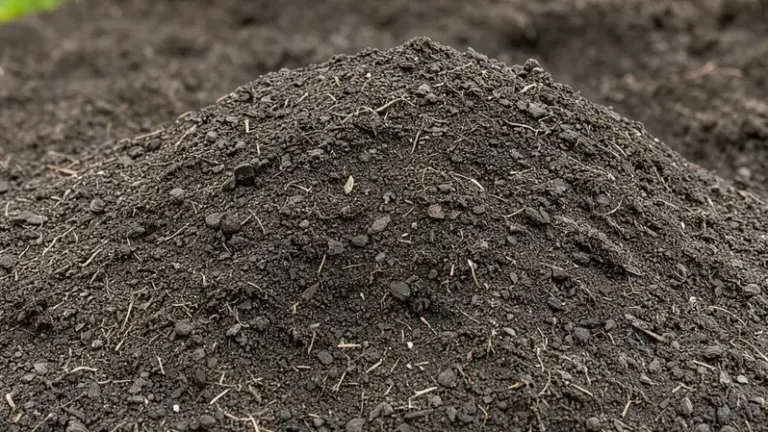
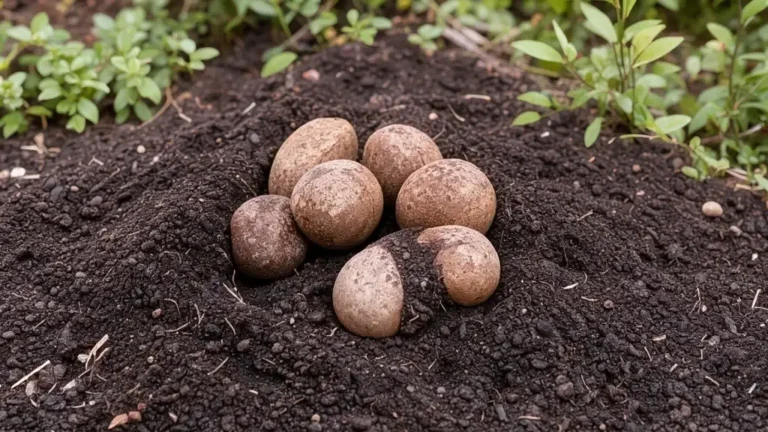
Can I Use Pine Shavings as Mulch? Pros and Cons
Yes, you can use pine shavings as mulch, but they work best in thin layers around established plants, paths, and garden areas where soil nitrogen isn’t a concern. Fresh shavings can temporarily tie up nitrogen, blow around, mat together, and dry out the soil, so aged material and careful application give better results.
Are pine shavings leaving your soil dry or your seedlings pale? Could the same bedding material that looks handy create trouble around vegetables, flowers, or shrubs?
You’ll learn which plants can handle pine shavings, how thick the layer should be, why nitrogen matters, and what to do when the shavings are fresh, dusty, or mixed with manure.
Used well, pine shavings can reduce splashing, slow moisture loss, and give a tidy finish to paths and planting beds. Used poorly, they can form a crust, attract pests, bury small stems, or make nitrogen-hungry plants struggle.
This article takes about 9 minutes to read. By the end, you’ll know how to:
- Decide where pine shavings make sense.
- Apply the right depth around plants.
- Prevent nitrogen problems and moisture loss.
- Choose a safer substitute for delicate crops.
Can I Use Pine Shavings as Mulch? the Practical Answer
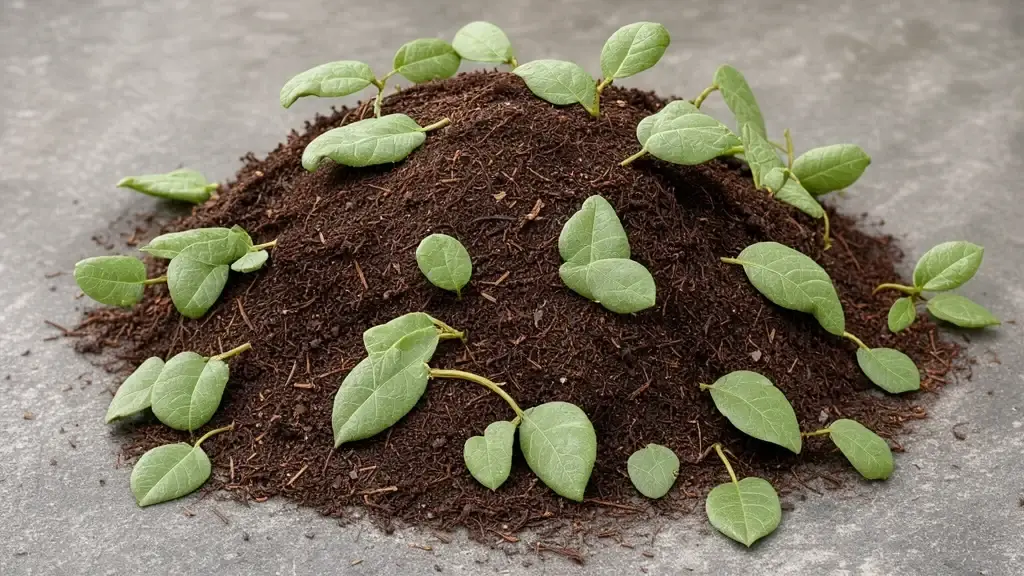
Yes, pine shavings can serve as mulch, especially around established ornamental plants, shrubs, trees, paths, and nonproductive areas. Keep the layer about 1 to 2 inches deep, leave several inches bare around stems and trunks, and mix fresh shavings into compost only when the material has had time to break down.
Pine shavings are thin curls or flakes of softwood produced by planing or cutting pine lumber. They differ from pine bark mulch, which contains tougher bark pieces that break down more slowly and usually stay in place better.
Pine shavings help by covering bare soil. That cover reduces the force of raindrops, slows evaporation, limits some weed growth, and keeps mud from splashing onto leaves. The small flakes also make a bed look neat, though wind can turn a tidy bed into a backyard confetti cannon.
Use pine shavings with the most confidence in these places:
- Around established shrubs and ornamental trees.
- Under berry bushes after the plants are well rooted.
- Along garden paths and between raised beds.
- Around flowers that already have strong stems.
- In chicken runs or animal areas where the material will later become compost.
Use more caution around:
- Newly planted seedlings.
- Direct-seeded vegetables.
- Container plants with limited soil.
- Plants that already show pale leaves or weak growth.
- Areas that flood or stay wet.
A 2-inch layer can work around a mature blueberry bush, while the same layer may bury a small lettuce plant. The plant’s age, soil type, rainfall, wind, and the condition of the shavings all change the result.
How pine shavings behave in garden soil
Fresh pine shavings contain lots of carbon compared with the amount of nitrogen available to soil microbes. As microbes decompose the shavings, they pull nitrogen from the soil surface for their own use. That process can leave less nitrogen available to shallow-rooted plants for a while.
The effect usually stays strongest near the top layer instead of spreading evenly through the entire root zone. You can still run into trouble if you mix fresh shavings into the soil, pile them deeply, or place them beside plants with shallow roots.
Pine itself doesn’t make garden soil permanently acidic just because the shavings came from a pine tree. The material’s age, processing, contamination, and decomposition stage matter more than the tree name on the bag.
Pro Tip: Treat fresh pine shavings as a surface cover, not a soil amendment. Mixing them into the planting soil gives microbes much more contact with the soil’s available nitrogen.
How thick should the mulch layer be?
Apply pine shavings in a loose 1-inch layer for seedlings and young plants only after the plants have several true leaves. Established flowers, shrubs, and trees can usually handle 1 to 2 inches, while paths may take a thicker layer because plant roots aren’t the main concern.
Don’t push shavings against bark or stems. Leave a 3- to 6-inch open ring around tree trunks and a 2- to 3-inch gap around smaller stems. Wet mulch touching bark can trap moisture and encourage decay.
Rake the material gently if it mats after rain. A compacted surface can shed water instead of letting water soak through, especially in clay soil or a sloped bed.
When Are Pine Shavings Safe, and When Are They Risky?
Pine shavings are safest as a shallow surface mulch around established plants, while fresh, dusty, treated, or deeply mixed shavings create the most risk. Check the material before spreading it, because clean untreated pine behaves very differently from painted, glued, or chemically treated wood waste.
Before you apply the material, check four things:
- Source: Use clean shavings made from untreated pine lumber.
- Condition: Reject material with a strong chemical odor, oily feel, paint chips, or unknown additives.
- Moisture: Very dry shavings blow away and can repel water at first.
- Mixes: Shavings mixed with manure, urine, or bedding may need composting before garden use.
Safety comes first if the shavings are dusty. Wear a dust mask, eye protection, gloves, and long sleeves while pouring or spreading dry material, and work upwind when possible. Dust can irritate your eyes, throat, and lungs, especially in a closed shed or greenhouse.
Pine shavings from animal bedding deserve extra care. Bedding may contain urine, manure, medications, or pathogens, depending on the animal and storage conditions. Compost the used bedding in a managed pile before placing it near food crops, and follow local rules for animal waste.
Aged bedding can become useful compost when it has enough moisture, air, and nitrogen-rich material to break down. Finished compost should look dark and crumbly, smell earthy rather than sharp, and contain no recognizable piles of fresh bedding.
A lesson from a too-thick layer
I once spread dry pine shavings too thickly around a group of established flowers because the bed looked bare and the material seemed harmless. Rain packed the surface into a crust, and water ran toward the walkway instead of soaking into the soil, so I pulled the shavings back, loosened the topsoil, and reapplied a much thinner layer.
The practical point stayed with me: depth matters as much as material. A light, airy cover helps; a deep blanket can act like a lid.
Could pine shavings steal nitrogen from vegetables?
Yes, fresh pine shavings can reduce nitrogen near the soil surface while microbes break them down, especially if you mix the shavings into the soil. The risk is highest for leafy vegetables, seedlings, and shallow-rooted annuals that need quick access to nutrients.
Nitrogen shortage often shows as slow growth, small leaves, or pale green older leaves. Those signs can come from cold soil, poor drainage, root damage, or low fertility too, so don’t blame the shavings automatically.
A soil test gives a better answer than guessing. If the soil needs nitrogen, use a fertilizer or finished compost suited to the crop and label directions. Avoid dumping a large amount of high-nitrogen fertilizer onto the bed, since excess nutrients can burn roots and wash into waterways.
A better approach is to compost fresh shavings with green material such as grass clippings, fresh plant matter, or manure. The exact balance depends on moisture, pile size, turning, and the carbon content of the bedding, so the pile needs regular checking rather than a one-time recipe.
Could you place fresh shavings beside lettuce and call the job finished? You could, but the crop may grow slowly, and the thin leaves won’t hide the mistake.
Does pine mulch make soil too acidic?
Pine shavings don’t automatically make garden soil too acidic. The pH change from a surface layer is usually limited, while the bigger concerns are nitrogen competition, water movement, dust, and the material’s cleanliness.
Acid-loving plants such as blueberries, azaleas, and rhododendrons may tolerate pine-based material, but pine shavings aren’t a complete soil treatment. Blueberries also need the right soil structure, drainage, moisture, and low pH throughout their root zone.
Don’t add sulfur or other pH products just because pine shavings are present. Test the soil first, then correct pH based on the crop and the test result.
How Do Pine Shavings Compare with Other Mulches?
Pine shavings are lightweight, inexpensive, and easy to spread, but they don’t last as long or stay in place as well as chunky bark, wood chips, or straw. The best mulch depends on the plant, the bed’s slope, the moisture pattern, and how often you want to refresh the surface.
| Mulch material | Best use | Main drawback | Typical maintenance |
|---|---|---|---|
| Pine shavings | Established ornamentals, paths, animal bedding compost | Blow away and may tie up nitrogen | Rake or refresh after storms |
| Pine bark mulch | Shrubs, trees, acid-tolerant beds | Costs more and can float on flooded soil | Refresh as pieces break down |
| Wood chips | Trees, shrubs, paths | Too coarse for tiny seedlings | Add more as the layer thins |
| Straw | Vegetable beds and winter cover | Can contain weed seeds or moldy sections | Replace after breakdown |
| Finished compost | Soil improvement and light cover | Doesn’t block weeds as long | Add thin layers during the season |
| Shredded leaves | Beds and soil-building | Can mat when wet | Shred and fluff as needed |
If you need a sturdier option, pine bark mulch for beds usually stays put better than fine shavings. Bark pieces also create more open space for air and water, which helps on sloped ground.
For a low-cost bed, compare cheap mulch alternatives such as shredded leaves, grass clippings used correctly, cardboard, or compost. Each material has its own limits, so the cheapest option isn’t always the easiest one to manage.
What can you use instead of pine shavings?
Choose mulch based on the job instead of the label. Shredded leaves suit many perennial beds, wood chips fit around shrubs and trees, straw works well around some vegetables, and finished compost improves soil while giving light weed control.
For paper-based coverage, shredded paper as mulch can work when the paper is plain, non-glossy, and laid in a thin, dampened layer. Covering paper with another mulch keeps it from blowing around and makes the bed look less like a recycling bin after a windy night.
Sawdust needs even more caution than pine shavings because its fine texture packs tightly. If you’re weighing that option, sawdust mulch risks deserve attention before the material touches a vegetable bed.
How to apply pine shavings correctly
Safety comes before spreading. Don’t apply unknown, treated, moldy, or contaminated shavings, and wear eye and breathing protection while handling dusty material.
- Pull weeds and remove diseased plant debris from the bed.
- Water dry soil before mulching, because a dry layer can slow the first soak.
- Spread clean shavings loosely across the surface.
- Keep the depth at 1 to 2 inches around established plants.
- Leave the stem and trunk gaps open.
- Check the bed after the first hard rain.
- Rake away clumps and add fresh material only where the layer has thinned.
Don’t use a thick pine-shaving layer to hide a drainage problem. If water already sits around the roots, extra cover can keep the surface wet longer and make root damage more likely.
Pine shavings may also affect small animals and pets. Dry flakes can cling to fur, enter eyes, or become airborne, while used bedding can carry waste organisms. Keep fresh garden material separate from animal bedding unless the bedding has been composted properly.
Common mistakes that cause trouble
Several small shortcuts create most pine-shaving problems:
- Mixing fresh shavings into the top few inches of soil.
- Applying a 4-inch blanket around small plants.
- Covering plant crowns, runners, or low stems.
- Using material from treated lumber or unknown shop waste.
- Spreading dusty shavings on a windy day.
- Assuming pine shavings replace fertilizer.
- Leaving compacted shavings in place after heavy rain.
- Using moldy bedding in a food garden.
A thick layer may look generous, but mulch isn’t better just because there’s more of it. The cover should protect the soil while still allowing water and air to reach the root zone.
How Do You Fix Problems Caused by Pine Shavings?
Fix pine-shaving problems by removing excess material, loosening any crust, checking moisture, and testing soil if plants show poor growth. Don’t bury the issue under more fertilizer or another mulch layer before finding the cause.
Use this quick guide:
| Symptom | Likely cause | Practical fix |
|---|---|---|
| Pale older leaves | Nitrogen shortage or another nutrient issue | Pull back shavings and test soil |
| Water runs off the bed | Compacted or overly dry surface | Rake gently and water slowly |
| Strong odor | Fresh bedding, manure, or poor storage | Remove and compost separately |
| Shavings blow away | Layer is too dry or fine | Dampen lightly or use heavier mulch |
| Stem looks soft or dark | Mulch touching the stem | Clear the gap and reduce moisture |
| Weeds still appear | Layer is thin or decomposed | Hand-pull weeds and refresh lightly |
| Soil stays wet | Poor drainage or thick cover | Remove mulch and correct drainage |
If plant leaves turn pale after fresh shavings go down, pull the material away from the root crown and inspect the soil. A test can tell you whether nitrogen is low, while a close look at roots and drainage can reveal a different problem.
If the surface has formed a hard shell, remove the worst clumps instead of chopping them deeper into the bed. Lightly loosen the topsoil with a hand rake, then reapply a thin layer after the soil drains.
If the shavings smell sour, chemical, or strongly like ammonia, remove them from the garden. Compost them separately only if the source is known and the material contains no treated wood or other contamination.
Should you use pine shavings in a vegetable garden?
You can use pine shavings in a vegetable garden, but finished compost, chopped leaves, or well-managed straw usually gives easier results around annual crops. Pine shavings fit better between established rows, along paths, or around long-season plants after the soil has warmed.
Keep shavings away from direct-seeded rows until seedlings are sturdy. A tiny carrot or spinach seedling can disappear under a single clump, and a damp layer may interfere with emergence.
For tomatoes, peppers, and other large plants, a shallow layer can work after the plants are established. Leave open space around the stem, water slowly beneath the cover, and watch leaf color and growth during the next few weeks.
When should pine shavings be removed?
Remove or thin pine shavings when the layer stays wet, smells sour, blocks water, touches stems, or has mixed into the soil during cultivation. You don’t need to remove every flake as it ages, but you should correct the layer when it stops acting like a loose cover.
Refresh only the spots that have washed away. Replacing the entire bed every few months wastes material and can disturb roots, especially around shrubs and shallow-rooted perennials.
Important Tip: Check mulch depth with your fingers after rain, not just by looking at the bed. A fluffy 2-inch layer can become a dense, wet mat after several storms.
Key Takeaways:
- Pine shavings work best as a shallow surface mulch around established plants.
- Fresh shavings can compete with plants for nitrogen when mixed into soil.
- Clean, untreated material matters more than the fact that the shavings came from pine.
- Keep mulch away from stems, trunks, crowns, and tiny seedlings.
- Compost used animal bedding before using it near food crops.
FAQs About Can I Use Pine Shavings as Mulch
Can I use fresh pine shavings around plants?
Yes, fresh pine shavings can go around established plants as a thin surface layer, but don’t mix them into the soil. Keep the layer near 1 to 2 inches, leave space around stems, and watch for pale growth caused by temporary nitrogen competition.
Are pine shavings good mulch for tomatoes?
Pine shavings can work around established tomato plants when applied lightly and kept away from the main stem. Finished compost, straw, or chopped leaves may be easier because tomato beds need steady moisture and nutrients throughout the growing season.
Do pine shavings attract bugs?
Pine shavings don’t automatically attract garden pests, but damp, compacted material can provide shelter for insects and slugs. Keep the layer loose, avoid piling it against stems, and remove wet clumps if pests become noticeable.
Can pine shavings make soil acidic?
No, pine shavings don’t automatically make garden soil acidic. A surface layer usually has a limited pH effect, while soil texture, rainfall, fertilizer, and the original soil control most pH changes.
Can pine shavings go in compost?
Yes, pine shavings can go in compost when mixed with nitrogen-rich material and kept moist with good airflow. Compost used animal bedding separately if it contains manure, urine, medications, or other material that needs extra care.
How often should pine shavings be replaced?
Replace pine shavings when the layer has mostly decomposed, blown away, washed into clumps, or started blocking water. Many beds need only spot repairs, and the timing depends on rainfall, wind, foot traffic, and the original layer depth.
The Smartest Way to Use Pine Shavings
Pine shavings earn a place in the garden when you treat them as a light surface cover, not as finished soil food. Clean, untreated shavings can protect established plants and paths, but fresh material needs space, airflow, and a little patience.
My preference is to use pine shavings around ornamental shrubs, trees, and paths, then choose compost or chopped leaves for vegetable beds. That choice reduces nitrogen worries and saves the headache of chasing loose flakes after every windy afternoon.
Start with one small area. Spread a thin layer, leave the stems clear, check the soil after rain, and watch plant growth before covering the rest of the garden. That cautious first test gives you a clean answer for your own soil, weather, and plants.

I’m Maya L. Greenwood, a lifelong plant lover who believes anyone can grow something beautiful with the right guidance. After years of testing soil mixes, pruning methods, irrigation tricks, and pest-safe solutions, I started EasyGardenTips.com to turn hard-won lessons into step-by-step advice. From seed starting and container gardens to composting and seasonal checklists, my goal is to make gardening simple, sustainable, and fun.